
How to Adjust Spice Levels for Different Baking Recipes

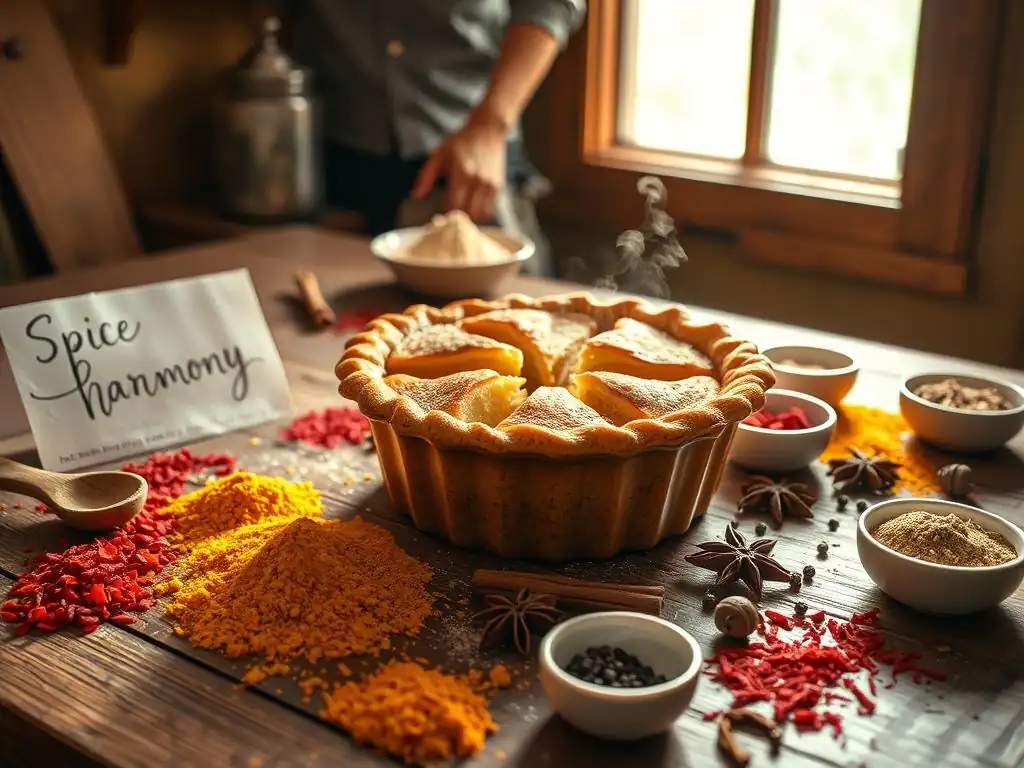
Welcome to BakeWithEase, your passport to baking bliss! Ever wondered how to truly master the art of adjusting spice levels in your baking recipes? You're in the right place. We're diving deep into the flavorful world of spices, uncovering the secrets to creating perfectly balanced and irresistibly delicious treats. Prepare to unlock a new level of baking confidence and transform your creations from ordinary to extraordinary! Intrigued? Let's explore!
- Mastering Spice Levels in Baking
- Introduction: Understanding Spice Ratios
- Spice Measurement Fundamentals
- Adjusting Spice Levels by Recipe Type
- Factors Influencing Spice Intensity
- Techniques for Adjusting Spice Levels
- Troubleshooting Spice-Related Problems
- Spice Level Guidelines for Specific Recipes
- Conclusion: Achieving Baking Success Through Spice Control
-
Frequently Asked Questions
- How do I know what spices to use in a baking recipe?
- How much spice should I add or subtract from a recipe?
- What happens if I add too much spice to a baking recipe?
- Can I substitute fresh spices for ground spices in baking?
- How does the baking time affect the intensity of the spices in my baked goods?
- Final Reflection: Finding Your Perfect Spice Blend
- Unleash Your Inner Baking Maestro!
Mastering Spice Levels in Baking
Baking is a delightful blend of science and art, where precision meets creativity. While ingredients like flour, sugar, and leavening agents form the structural backbone of your baked goods, it's often the spices that provide the soul, adding warmth, depth, and character. Learning how to adjust spice levels in baking recipes is a key skill that can elevate your creations from good to unforgettable, allowing you to tailor flavors to your personal preference or the specific occasion.
Understanding the role spices play is the first step in mastering your baking. Whether you're a beginner finding your footing or an experienced baker looking to refine your techniques, knowing how to properly measure, combine, and adjust spices is essential for achieving consistently delicious results every time you bake. This guide will walk you through the fundamentals of spice use in baking and provide practical tips for making smart adjustments.
Introduction: Understanding Spice Ratios
Spices are potent flavor enhancers, and their impact on a recipe's final taste is significant. Using too much or too little of a spice can drastically alter the intended outcome, potentially overpowering other delicate flavors or leaving the baked good tasting bland and uninspired. Getting the spice ratio right is critical for achieving balance and harmony in your baking.
The goal when using spices is typically to complement and enhance the main ingredients, not to mask them. In a classic apple pie, for example, cinnamon and nutmeg should highlight the sweetness and tartness of the apples, not turn the pie into a purely spice-flavored dessert. Learning to anticipate how different spices interact with each other and with other ingredients like fruits, chocolate, or dairy is fundamental to successful flavor development in baking.
Why Spice Levels Matter
The precise amount of spice used in a baking recipe can be the difference between a perfectly balanced treat and one that misses the mark. A recipe might call for 1 teaspoon of cinnamon, but depending on the freshness and potency of your spice, or your personal taste preference, this amount might be too strong or too weak.
Spices, especially ground ones, lose potency over time, meaning that the 1 teaspoon called for in an old recipe might need to be adjusted if you're using a newly opened jar compared to one that's been sitting in your pantry for two years.
Furthermore, different types of baked goods require different approaches to spice. A delicate sponge cake might only need a whisper of vanilla and perhaps a touch of cardamom, while a hearty gingerbread demands a robust blend of ginger, cinnamon, cloves, and nutmeg. Knowing how to appropriately adjust spice levels for different baking recipes ensures that the intensity matches the character of the baked good, contributing positively to the overall flavor experience rather than detracting from it.
Impact of Spices on Flavor Profiles
Spices contribute a wide range of flavor notes, from warm and sweet (cinnamon, nutmeg) to pungent and sharp (ginger, cloves) or even floral and citrusy (cardamom, coriander). These flavors interact with the other ingredients in complex ways during the baking process. For instance, the warmth of ginger can cut through the richness of molasses in gingerbread, while the sweetness of cinnamon enhances the natural sugars in fruit fillings.
Consider how adjusting spice levels impacts the overall flavor profile. Adding more nutmeg can introduce a deeper, slightly woody note, while increasing ginger brings a distinct warmth and subtle heat. Vanilla extract, while technically an extract and not a spice, functions similarly in flavor profiles, adding a creamy sweetness that rounds out other flavors. Properly adjusting these elements allows you to fine-tune the final taste, creating layers of flavor that make each bite interesting and delicious.
Spice Measurement Fundamentals
Accurate measurement is the cornerstone of successful baking, and this applies just as much to spices as it does to flour or sugar. While a pinch of salt might be acceptable in cooking, baking requires a higher degree of precision when it comes to potent flavorings like spices. Understanding the standard units of measurement and how to use them correctly is vital before you even think about adjusting spice levels.
Most baking recipes use standard volume measurements for spices: teaspoons (tsp) and tablespoons (tbsp). For more precise recipes or when working with potent or expensive spices like saffron or cardamom, gram measurements might be used. Using the right measuring spoons and techniques ensures that you are adding the intended amount of flavor to your dough or batter.
Common Baking Spices and Their Strengths
Baking relies on a core group of spices, each with its own distinct flavor profile and intensity. Cinnamon is perhaps the most ubiquitous, offering warm, sweet notes. Nutmeg provides a slightly sweeter, musky warmth. Cloves are intensely aromatic and pungent, best used sparingly. Ginger brings warmth and a gentle heat. Cardamom offers a unique, almost floral or citrusy warmth.
| Spice | Primary Flavor Notes | Typical Intensity | Common Uses in Baking |
|---|---|---|---|
| Cinnamon | Warm, sweet, woody | Medium-High | Cakes, cookies, breads, pies |
| Nutmeg | Sweet, musky, warm | Medium | Custards, cakes, spiced drinks |
| Cloves | Pungent, warm, slightly bitter | High | Gingerbread, spice blends, pies |
| Ginger | Warm, spicy, slightly sweet | Medium-High | Gingerbread, cookies, cakes |
| Cardamom | Aromatic, floral, citrusy | Medium | Breads, pastries, cakes |
| Allspice | Blend of cinnamon, clove, nutmeg | Medium | Pies, cakes, cookies, spice blends |
Understanding these general strengths helps you predict how much impact a spice will have. A recipe calling for 1/4 teaspoon of cloves might have a similar flavor intensity effect as 1 teaspoon of cinnamon, due to the sheer potency of cloves. When you adjust spice levels baking recipes, keep these relative strengths in mind.
Accurate Spice Measurement: Teaspoons, Tablespoons, and Grams
For volume measurements (teaspoons and tablespoons), it's crucial to use standard measuring spoons and level off the spice. Dip the spoon into the spice jar or pile, overfilling it slightly, then use a straight edge (like the back of a knife or a small spatula) to scrape off the excess, ensuring the spice is flush with the rim of the spoon. Packing down ground spices can lead to using too much, resulting in an overly intense flavor.
While less common in home baking recipes, measuring spices by weight in grams is the most accurate method, especially for very small quantities or expensive spices. A digital kitchen scale is necessary for this. For instance, a recipe might call for 2 grams of ground cardamom. This level of precision removes the variability that can occur with volume measurements due to how finely ground a spice is or how it's packed into the spoon. If a recipe provides gram measurements, it's best to use them for the most consistent results when you adjust spice levels baking recipes.
Adjusting Spice Levels by Recipe Type
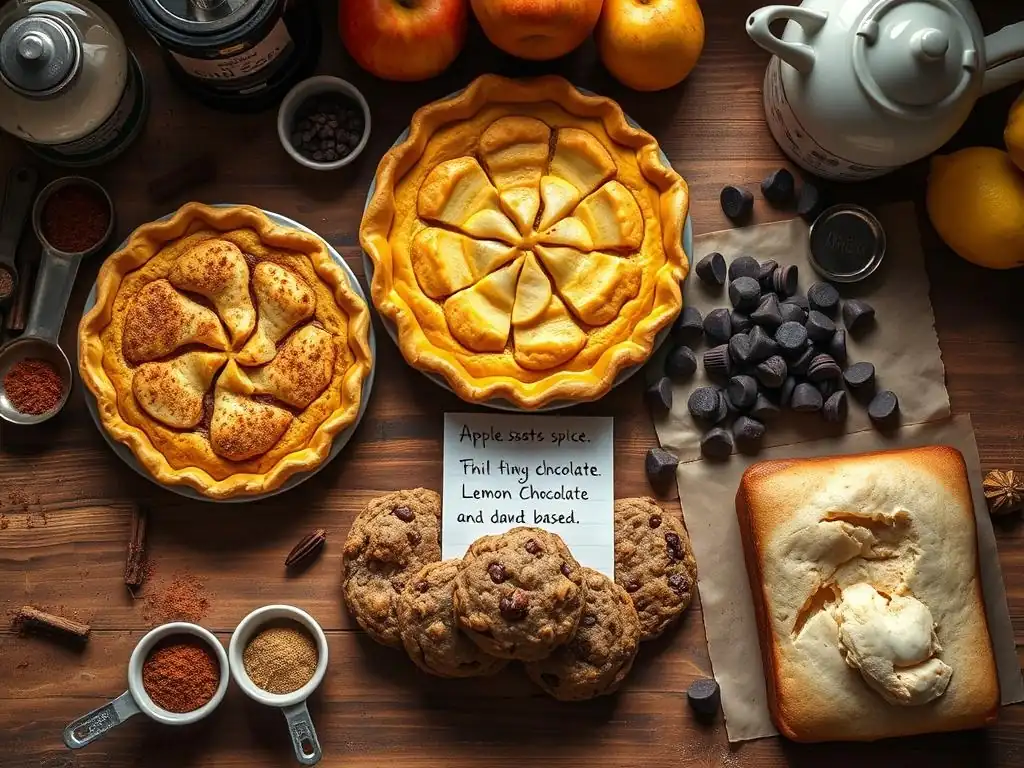
The type of baked good you are making significantly influences how spices should be used and adjusted. The density, moisture content, and primary flavors of a cake, cookie, bread, or pie all interact differently with spices, requiring tailored approaches to achieve the desired flavor balance.
For example, spices tend to distribute more evenly in batters and doughs that are well-mixed and relatively fluid, like cake batter. In contrast, denser doughs, like those for certain cookies or breads, might require different mixing techniques to ensure spices are incorporated throughout. The baking time and temperature also play a role; longer baking times can sometimes mellow out certain spice flavors, while shorter times preserve their initial punch.
Cakes: Enhancing Flavor Without Overpowering
Cakes often have delicate textures and flavors, and spices should enhance these qualities rather than dominate them. The goal is usually a subtle warmth or aromatic note that complements the sweetness and richness of the cake itself. Common spices in cakes include cinnamon, nutmeg, ginger, cardamom, and sometimes cloves or allspice, often used in conjunction with vanilla.
When adjusting spice levels in cake recipes, consider the cake's primary flavor. A vanilla cake benefits from subtle spices like cardamom or a touch of nutmeg, while a richer chocolate cake can handle bolder spices like cinnamon or even a pinch of cayenne for depth.
Start with the recipe's specified amount, and if you wish to increase it, do so incrementally, perhaps adding 1/4 to 1/2 teaspoon more of a dominant spice like cinnamon per standard 8-inch or 9-inch cake recipe. Reducing spices is also an option if you prefer a milder taste; simply decrease the amount by 1/4 or 1/3 teaspoon per spice initially.
Carrot Cake: Adjusting Cinnamon, Nutmeg, and Ginger
Carrot cake is a classic example where spices are central to the flavor profile, typically featuring a blend of cinnamon, nutmeg, and ginger, often with a touch of cloves. A standard recipe for a 9x13 inch carrot cake might call for 2 teaspoons of cinnamon, 1 teaspoon of nutmeg, and 1 teaspoon of ginger. These amounts create a robustly spiced cake.
If you prefer a milder spice flavor, you could reduce the cinnamon to 1.5 teaspoons, the nutmeg to 0.75 teaspoons, and the ginger to 0.5 teaspoons. This maintains the characteristic warmth but in a less intense way. Conversely, for a spicier cake, you might increase cinnamon to 2.5 teaspoons, nutmeg to 1.25 teaspoons, and ginger to 1.25 teaspoons. Remember that the freshness of your spices will impact these adjustments; older spices might require slightly larger quantities to achieve the same intensity.
Cookies come in countless varieties, and spices play diverse roles, from providing the defining flavor (like in gingerbread or snickerdoodles) to adding subtle complexity (like in chocolate chip cookies). Spices in cookies often interact with butter and sugar, and the baking process, which typically involves relatively high heat and shorter times, can significantly impact their flavor.
When adjusting spice levels in cookie recipes, think about the desired outcome. Do you want a pronounced spice flavor, or just a background note? For drop cookies, spices are mixed directly into the dough. For rolled cookies, they might be in the dough or part of a coating.
If a recipe calls for 1 teaspoon of cinnamon in a batch of sugar cookies, and you want more warmth, try increasing it by 1/4 to 1/2 teaspoon for the next batch. If you find the spice too strong, reduce it by a similar amount. Small adjustments can make a big difference in a cookie's final taste profile.
Chocolate Chip Cookies: Fine-Tuning Vanilla Extract and Salt
While not traditional "spices," vanilla extract and salt are crucial flavorings in chocolate chip cookies and often require adjustment. A typical chocolate chip cookie recipe for about 3 dozen cookies might call for 1-2 teaspoons of vanilla extract and 1/2 to 1 teaspoon of salt. Vanilla enhances the overall sweetness and brings out the chocolate flavor, while salt balances the sweetness and adds complexity.
If your cookies taste flat or lack depth, you might need to increase the vanilla extract. Try adding an extra 1/2 teaspoon; many bakers find that 2 teaspoons per batch is a good starting point, and some even go up to a tablespoon for intense vanilla flavor. Similarly, if the cookies are too sweet or lack a savory counterpoint, increase the salt by 1/4 to 1/2 teaspoon. Using flaky sea salt as a finishing sprinkle can also provide bursts of salty contrast. Adjusting these levels can dramatically improve the flavor balance of your chocolate chip cookies.
Bread: Achieving Perfect Spice Infusion
Spices in bread can range from subtle additions in enriched doughs (like cardamom in brioche) to central components in quick breads (like pumpkin bread or banana bread) or yeast breads (like cinnamon swirl bread). Spices in bread dough interact with flour, yeast (if used), and other ingredients over a longer period, sometimes mellowing or changing during fermentation and baking.
For yeast breads, spices are typically added during the dough mixing stage. The flavors will develop as the dough rises and bakes. Quick breads, which use chemical leavening, incorporate spices directly into the batter. When adjusting spice levels baking recipes for bread, consider the desired intensity.
A cinnamon swirl yeast bread needs a strong cinnamon presence, while a spiced quick bread might aim for a balanced blend. If a quick bread recipe calls for 1 tablespoon of pumpkin pie spice, and you prefer a less intense flavor, try reducing it to 2-2.5 teaspoons. For a stronger flavor, increase it to 1.25 tablespoons.
Pumpkin Bread: Adjusting Pumpkin Pie Spice
Pumpkin bread is a prime example of a quick bread heavily reliant on spices, typically using a blend known as pumpkin pie spice (usually containing cinnamon, ginger, nutmeg, and cloves). A standard recipe for one loaf might call for 1.5 to 2 teaspoons of pumpkin pie spice.
If you find this amount too overpowering, particularly the clove or ginger notes, you can adjust it. Start by reducing the total amount by 1/4 to 1/2 teaspoon. You can also adjust the individual spices within the blend if you make your own; for example, reducing cloves slightly or increasing cinnamon. If you prefer a bolder spice flavor, increase the total amount of pumpkin pie spice by 1/4 to 1/2 teaspoon. Remember that the pumpkin puree itself has a mild flavor, so the spices carry much of the flavor load in this type of bread.
Pies: Complementing Fruit Flavors
Spices in pies are usually added to fruit fillings to enhance or complement the natural sweetness and tartness of the fruit. Common pie spices include cinnamon, nutmeg, allspice, cloves, and sometimes ginger or cardamom, depending on the fruit. Lemon zest or juice is also frequently used in fruit pies to brighten flavors, acting somewhat like a spice by adding aromatic oils and acidity.
The amount of spice needed depends heavily on the type and quantity of fruit used. A large apple pie (using 6-8 cups of sliced apples) can handle a significant amount of spice, perhaps 1-2 teaspoons of cinnamon and 1/4-1/2 teaspoon of nutmeg. A more delicate fruit like blueberries (using 4-5 cups) might only need a smaller amount of spice, perhaps 1/2 teaspoon of cinnamon or a touch of lemon zest. When adjusting spice levels baking recipes for pies, taste the fruit filling before adding the spices to understand its natural flavor profile.
Blueberry Pie: Balancing Lemon Zest and Cinnamon
Blueberry pie is a case where spices are often used subtly to support the fruit. A typical recipe for a 9-inch blueberry pie might call for 1/2 to 1 teaspoon of cinnamon and the zest of half a lemon. Cinnamon adds warmth, while lemon zest brightens the flavor and cuts through the sweetness.
If you find the pie too sweet, increasing the lemon zest slightly (using the zest of a whole small lemon instead of half) can add a refreshing tartness. If you prefer a more spiced pie, you could increase the cinnamon to 1.5 teaspoons. Some bakers also like a tiny pinch of nutmeg (about 1/8 teaspoon) in blueberry pie for added depth. Be cautious with cloves or allspice in blueberry pie, as their strong flavors can easily overpower the delicate berries.
Factors Influencing Spice Intensity
Several factors beyond the amount of spice you measure can influence how intense the spice flavor is in your final baked good. Understanding these variables helps you anticipate the outcome and make more informed adjustments to spice levels baking recipes.
- Freshness of Spices: Ground spices lose potency over time. Spices that have been sitting in your pantry for years will be significantly weaker than freshly ground or recently purchased ones.
- Grind Size: Finely ground spices tend to be more potent by volume than coarsely ground ones.
- Baking Method: The temperature and duration of baking affect how spice flavors develop.
- Interaction with Other Ingredients: Fat (like butter or oil) can help distribute spice flavors, while acidic ingredients might brighten them.
- Personal Preference: Ultimately, what tastes "right" is subjective.
Baking Time and Temperature
The heat and duration of the baking process can alter spice flavors. Some volatile compounds in spices can dissipate during long, slow baking, potentially mellowing the flavor. Conversely, high heat can sometimes make certain spice notes, particularly pungent ones like cloves or ginger, more pronounced initially.
For recipes with long baking times, like fruitcakes or some yeast breads, you might need slightly more spice than a quick-baking item like cookies to achieve the same level of flavor intensity. For instance, a spice blend added to a gingerbread that bakes for 45-60 minutes at 325°F (160°C) might need to be more generous than the same blend in gingerbread cookies that bake for 10-12 minutes at 350°F (175°C). Consider this when you adjust spice levels baking recipes.
Impact of Other Ingredients on Spice Perception
The other ingredients in a recipe significantly affect how we perceive spice flavors. Sweetness can mellow the heat of ginger or the pungency of cloves. Fat helps carry and distribute fat-soluble flavor compounds from spices, making the flavor feel richer and more integrated. Acidic ingredients, like citrus juice or buttermilk, can brighten spice flavors and make them pop.
For example, a spice level that tastes perfect in a rich, buttery pound cake might be too strong in a lean, low-fat muffin. Similarly, the same amount of cinnamon might taste less intense in a very sweet apple pie compared to a less sweet pear tart. When adjusting spice levels baking recipes, always consider the sweetness, fat content, and acidity of the recipe as a whole.
Personal Preference: Tailoring Spices to Taste
Perhaps the most important factor influencing spice levels is personal taste. Some people love a strongly spiced gingerbread, while others prefer a subtle hint of warmth. Some enjoy the bite of ginger, while others favor the sweetness of cinnamon. Baking for yourself or your family allows you the freedom to tailor recipes precisely to your liking.
Don't be afraid to deviate from a recipe's spice measurements once you understand the basics. The recipe provides a starting point, but you are the ultimate judge of flavor. Experiment with small adjustments based on your past baking experiences and what flavors you enjoy most. Over time, you'll develop an intuition for how to adjust spice levels baking recipes to perfectly suit your palate.
Techniques for Adjusting Spice Levels
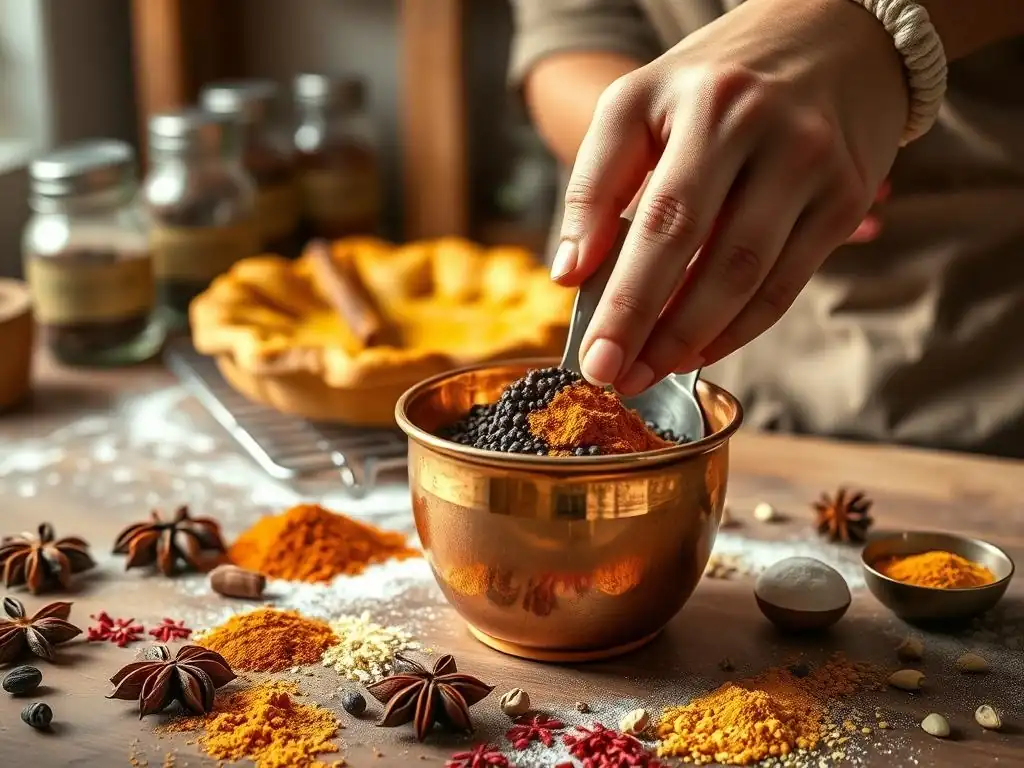
Beyond simply adding more or less of a spice, there are techniques you can employ to modify or enhance spice flavors in your baking. These methods offer more control and can help you achieve specific flavor outcomes.
Start Small: The "Add More Later" Approach
When trying a new recipe or adjusting spice levels for the first time, it's always safer to start with less spice than you think you might need. You can often add more spice to a batter or dough before baking, but it's nearly impossible to remove it once it's mixed in.
A good strategy is to measure the amount called for in the recipe, but only add perhaps 3/4 of that amount initially. Mix it in, then taste the batter or dough if safe (raw flour/eggs shouldn't be consumed, but you can get a hint from the aroma and initial taste). If the spice flavor isn't prominent enough, add the remaining 1/4, or even a little more, in small increments. This "start small, add more later" approach is particularly useful when working with potent spices like cloves or when using spices whose freshness is uncertain.
Bloom Spices: Toasting or Infusion for Enhanced Flavor
Blooming spices involves gently heating them to release their aromatic oils and deepen their flavor. This can be done by lightly toasting whole spices in a dry pan before grinding them, or by warming ground spices in a small amount of fat (like melted butter or oil) for a minute or two before adding them to your batter or dough.
For recipes where spices are a key component, like gingerbread or spiced nuts, blooming the spices can significantly enhance their intensity and complexity. When adjusting spice levels baking recipes using this technique, you might find you need slightly less spice overall because the flavor is more potent and well-developed. For instance, warming 1 teaspoon of cinnamon in a tablespoon of melted butter before adding it to cookie dough can yield a stronger cinnamon flavor than simply adding dry cinnamon.
Creating Custom Spice Blends
Many baking recipes call for pre-mixed spice blends, such as pumpkin pie spice or apple pie spice. While convenient, these blends can be inconsistent in their ratios and freshness. Creating your own custom spice blends allows you to control the exact proportions of each spice, tailoring the flavor profile precisely to your liking.
For example, a standard pumpkin pie spice blend might be 3 parts cinnamon, 2 parts ginger, 2 parts nutmeg, and 1 part cloves. If you find the cloves too strong, you could create your own blend using 3 parts cinnamon, 2 parts ginger, 2 parts nutmeg, and only 0.5 parts cloves. Store custom blends in airtight containers and use them relatively quickly for maximum freshness. Adjusting spice levels baking recipes is much easier when you control the blend from the ground up.
Even with careful measurement and technique, sometimes things go wrong. Knowing how to troubleshoot common spice-related issues can help you salvage a batch of baked goods or at least learn for next time.
Baked Goods Taste Too Spicy: What to Do?
If you bite into a cookie or cake and the spice flavor is overwhelming, there are limited options once it's baked, but you can try to mitigate the issue.
- Add a Glaze or Frosting: A sweet glaze (like a simple powdered sugar glaze) or a rich frosting (like cream cheese frosting) can help balance out excessive spice intensity. The sweetness and fat can mellow the sharp edges of the spice flavor.
- Serve with a Complementary Pairing: Serve the overly spiced item with something neutral or cooling, like a dollop of whipped cream, a scoop of vanilla ice cream, or a glass of milk.
- Use in Another Application: If cookies are too spicy, crumble them up and use them as a topping for ice cream or yogurt, where the spice will be less concentrated per bite.
For future batches, drastically reduce the spice amount, perhaps by half, and follow the "start small" approach mentioned earlier.
Spice Flavor is Too Subtle: How to Boost It?
If your baked goods lack that desired spice punch, boosting the flavor post-baking is tricky but sometimes possible.
- Dust with Spiced Sugar: For items like cookies or muffins, you can brush them with melted butter and dust them generously with a mixture of cinnamon and sugar, or a custom spice blend mixed with sugar.
- Add Spiced Glaze or Syrup: Drizzle a spiced glaze (made by adding a pinch of spice to powdered sugar and liquid) or a spice-infused simple syrup over cakes, muffins, or quick breads.
- Serve with Spiced Accompaniments: Pair the item with spiced whipped cream or a spiced sauce.
For the next attempt at the recipe, check the freshness of your spices. If they are old, replace them. Then, increase the spice amount in the batter or dough, perhaps by 25-50%, or consider blooming the spices before adding them.
Avoiding Bitter or Metallic Tastes
Sometimes, spices can contribute a bitter or metallic off-flavor. This is often due to:
- Using Old or Stale Spices: As ground spices age, their volatile oils degrade, sometimes developing off-flavors.
- Using Too Much of a Potent Spice: Overdosing on cloves or allspice can lead to a bitter taste.
- Improper Storage: Spices stored in direct light or heat can degrade faster.
To avoid this, always use fresh spices and store them in airtight containers in a cool, dark place. Be particularly cautious when measuring potent spices like cloves or mace; even a tiny bit too much can ruin a recipe. If a recipe seems to call for an unusually large amount of a potent spice, consider reducing it slightly on your first try.
Spice Level Guidelines for Specific Recipes
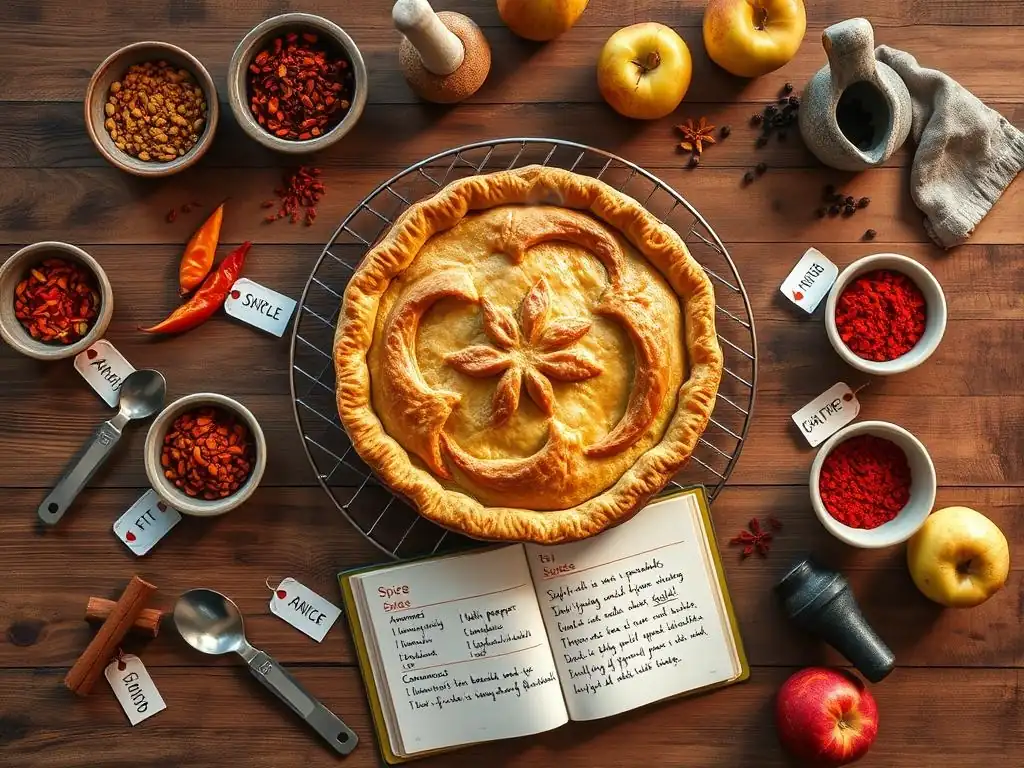
While personal preference reigns supreme, here are some general guidelines for adjusting spice levels baking recipes for a few popular items, assuming average spice freshness and a preference for moderately spiced goods. These are starting points for your own experimentation.
Carrot Cake: Recommended Spice Adjustments
For a standard 9x13 inch carrot cake recipe that calls for approximately 2 cups of flour:
- Typical Base: 2 tsp cinnamon, 1 tsp nutmeg, 1 tsp ginger, 1/4 tsp cloves.
- For Milder Spice: Reduce cinnamon to 1.5 tsp, nutmeg to 0.75 tsp, ginger to 0.75 tsp, omit or reduce cloves to 1/8 tsp.
- For Stronger Spice: Increase cinnamon to 2.5 tsp, nutmeg to 1.25 tsp, ginger to 1.25 tsp, increase cloves to 1/2 tsp.
Remember to taste the batter if possible (without consuming raw flour/eggs) for a hint of the spice intensity before baking.
Snickerdoodles rely heavily on cinnamon, both in the dough and the coating. For a recipe yielding about 3 dozen cookies (using approximately 2-2.5 cups of flour):
- Typical Dough Base: 1 tsp cinnamon.
- Typical Coating Base: 2 tbsp cinnamon mixed with sugar.
- For Milder Cinnamon Dough: Reduce dough cinnamon to 0.5-0.75 tsp.
- For Stronger Cinnamon Dough: Increase dough cinnamon to 1.25-1.5 tsp.
- For More Intense Coating: Increase coating cinnamon to 3 tbsp mixed with sugar.
Some bakers add a pinch of nutmeg (1/8 tsp) to the dough cinnamon for extra warmth, but this is not traditional.
Cinnamon Rolls: Recommended Spice Adjustments
Cinnamon rolls feature a cinnamon-sugar filling. For a recipe yielding 8-12 large rolls (using approximately 3-4 cups of flour for the dough):
- Typical Filling Base: 2-3 tbsp cinnamon mixed with 1/2 - 3/4 cup sugar and often butter.
- For Milder Cinnamon Filling: Reduce cinnamon to 1.5-2 tbsp.
- For Stronger Cinnamon Filling: Increase cinnamon to 3.5-4 tbsp.
Some recipes also call for a small amount of cinnamon in the dough itself (around 1/2 tsp). Adjusting this level is less impactful than adjusting the filling, but for a subtle background warmth, you could increase it to 1 tsp.
Conclusion: Achieving Baking Success Through Spice Control
Mastering how to adjust spice levels in baking recipes is a rewarding journey that allows you to personalize your baked goods and achieve truly exceptional flavors. It moves you beyond simply following instructions to becoming a more intuitive and confident baker. By understanding the fundamentals of spice measurement, recognizing how different spices behave in various recipe types, and considering the factors that influence spice intensity, you gain the power to fine-tune your creations.
Remember that every baker's palate is different, and even the same recipe baked by two different people with the same measurements can taste slightly different due to variations in ingredients, equipment, and technique. The ability to adjust spice levels baking recipes based on your experience and preference is a hallmark of a skilled baker.
Experimentation and Finding Your Perfect Spice Balance
The best way to learn how to adjust spice levels is through experimentation. Don't be afraid to try small modifications to your favorite recipes. Keep notes on what you changed and whether you liked the result. Did adding an extra pinch of ginger make your cookies perfect? Did reducing the cloves in your pumpkin bread create a better balance?
Over time, you'll develop an instinct for how spices work and how to modify recipes to suit your taste. Finding your perfect spice balance is a delicious part of the baking process. So, grab your measuring spoons, open your spice jars, and start experimenting to make every bake uniquely yours!
Frequently Asked Questions
How do I know what spices to use in a baking recipe?
The best way is to follow the recipe closely at first! Recipe developers have already tested the ratios. Once comfortable, experiment by substituting spices with similar flavor profiles, but always start small.
How much spice should I add or subtract from a recipe?
When adjusting spice levels, make small increments. Start with reducing or increasing the spice by 1/4 teaspoon, then taste and adjust further as needed.
What happens if I add too much spice to a baking recipe?
Adding too much spice can overpower the other flavors. You can try to balance the flavor by adding a little more of the other ingredients, like sugar or vanilla.
Can I substitute fresh spices for ground spices in baking?
Generally, it's not recommended to directly substitute fresh for ground spices in baking. Ground spices are more concentrated in flavor, so you'll need to adjust the amount considerably.
How does the baking time affect the intensity of the spices in my baked goods?
Longer baking times can mellow out some spices, while others can intensify. It's important to taste test as you go and consider the overall baking time when adjusting spice levels.
Final Reflection: Finding Your Perfect Spice Blend
Mastering the art of baking isn't just about following recipes; it's about understanding how to adapt them to your own palate. The ability to adjust spice levels allows for endless culinary exploration and the creation of truly personalized baked goods. This skill transforms baking from a rigid process into a creative journey.
The subtle dance of spices in baking profoundly impacts the final product, influencing not only taste but also texture and overall aroma. It's a journey of discovery, learning to appreciate the nuanced interplay of flavors. The best spice is the one that brings you joy,
– a sentiment I've come to truly appreciate while researching and writing this article. This isn't just about following instructions; it's about understanding the why behind each ingredient and how its absence or abundance affects the final result. This understanding empowers bakers to confidently experiment and create their signature recipes.
Now, it's your turn. Don't be afraid to experiment! Start small, adjusting spice levels incrementally, and trust your senses. Each adjustment is a lesson learned, bringing you closer to discovering your perfect spice blend. Embrace the freedom to personalize your baking, to create treats that reflect your unique taste and preferences. The world of baking awaits your creative touch – go forth and spice it up!
Unleash Your Inner Baking Maestro!
Thanks for diving into the world of spice-perfect baking! We hope you now feel confident in adjusting spice levels to create your own delicious masterpieces. Ready to put your newfound knowledge into practice?
- Bake your dream treat: Choose a recipe you love (or one you've always wanted to try!) and experiment with the spice quantities based on your preferred heat level. Don't be afraid to get creative!
- Share your spicy success: Snap a picture of your perfectly spiced creation and share it on social media using #BakeWithEaseSpice. Let's inspire others!
- Dive deeper into our spice guides: Explore our other articles to learn more about different spice profiles and flavor combinations.
What exciting spice adventure will you embark on next?