
Yeast Dispensers & Auto Additives: Features to Look for in a Bread Machine

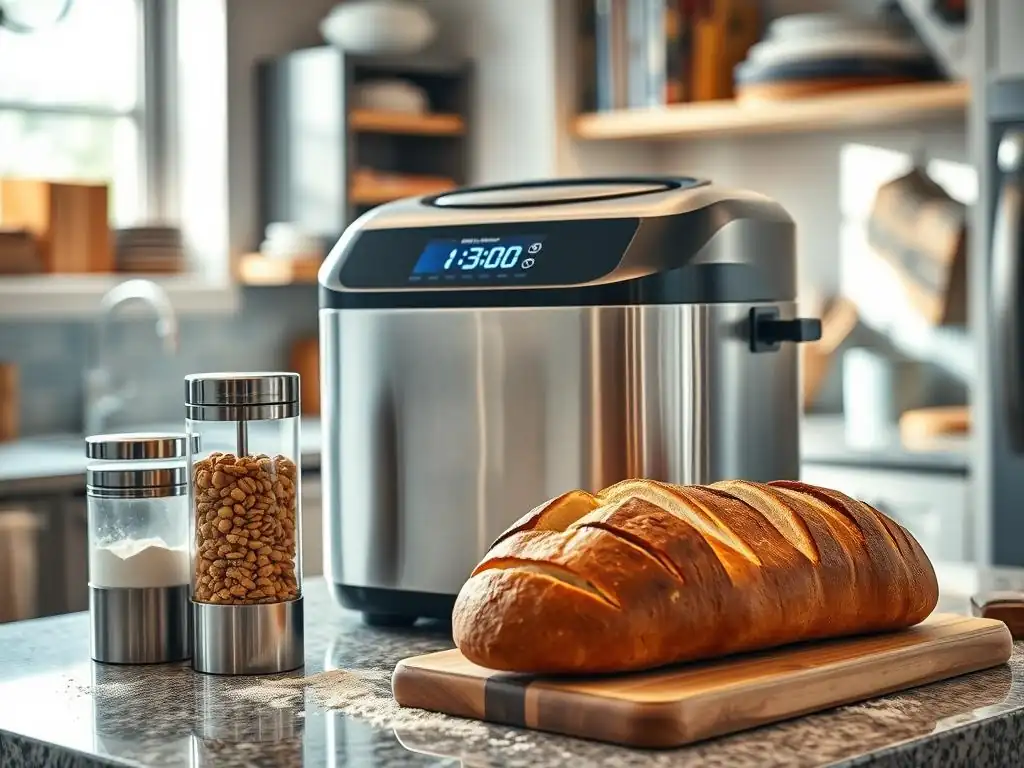
Welcome to BakeWithEase, your companion in the delightful world of baking! Are you ready to unlock the secret to effortless homemade bread? Today, we're diving deep into the features that make all the difference, especially when exploring easy bread machine recipes. Discover the power of yeast dispensers and auto-additives – and how they can elevate your bread-making experience. Intrigued? Let's unravel the mysteries together!
- Bread Machine Features: Yeast and Nut Dispensers | BakeWithEase.com
- Choosing the Right Bread Machine for Effortless Baking
- Yeast Dispensers: Achieving Consistent Bread Rise
- Nut and Seed Dispensers: Adding Flavor and Texture
- Comparing Bread Machines: Dispenser Features
- Tips for Effective Dispenser Use
- Bread Machine Recipes: Utilizing Dispensers
- Selecting the Best Bread Machine
- Conclusion: Streamlining Bread Baking with Dispensers
-
Frequently Asked Questions
- What is a yeast dispenser in a bread machine, and why is it useful?
- What are "auto additives" in the context of bread machines?
- Are bread machines with yeast dispensers and auto additives more expensive?
- Can I still use "Easy bread machine recipes" even if my machine doesn't have a yeast dispenser?
- How do I clean and maintain a bread machine with a yeast dispenser and auto-additive features?
- Final Reflection: The Joy of Effortless Baking
- Unleash Your Inner Baker: Elevate Your Bread Making!
Bread Machine Features: Yeast and Nut Dispensers | BakeWithEase.com
Choosing the Right Bread Machine for Effortless Baking
Why Use a Bread Machine?
Using a bread machine transforms the often labor-intensive process of bread making into an incredibly simple and rewarding experience. For anyone looking to bake fresh loaves at home without the mess and kneading fatigue, a bread machine is a game changer. It automates the entire process, from mixing and kneading to rising and baking, making even complex doughs accessible.
This automation is particularly beneficial for exploring easy bread machine recipes, allowing home bakers to achieve consistent, delicious results every time with minimal effort. Think of the time saved – a typical loaf might take 3-4 hours from start to finish in a machine, with only minutes of hands-on time, compared to hours of proofing and baking manually.
Beyond convenience, bread machines offer consistency that can be challenging to replicate manually, especially for beginners. Factors like dough temperature, kneading time, and proofing environment are precisely controlled by the machine. This reliability ensures that your easy bread machine recipes turn out perfectly baked, with a good crust and tender crumb, whether you're making a simple white loaf or a more complex whole wheat bread. It also simplifies baking for specific dietary needs, like gluten-free breads, which often require precise mixing and rising conditions.
Key Automatic Features for Simplified Bread Making
Modern bread machines come equipped with a variety of automatic features designed to streamline the baking process and enhance results. While basic models handle the core mixing, kneading, and baking cycles, more advanced machines offer specialized functions that further simplify baking, particularly for easy bread machine recipes. These include programmable cycles for different bread types (like whole wheat, rapid bake, sweet bread, or gluten-free), delayed start timers allowing you to wake up to fresh bread, and crust color selection.
Among the most valuable automatic features for serious home bakers are built-in dispensers for yeast, nuts, seeds, and other additives. These dispensers automatically add ingredients at the optimal time during the baking cycle, eliminating the need for manual intervention.
This is crucial for ingredients like yeast, which is sensitive to premature contact with liquid or salt, and for mix-ins like nuts or dried fruit that need to be incorporated after the initial kneading phase to avoid being broken down too much. These features truly elevate the 'set it and forget it' convenience, making easy bread machine recipes even more foolproof.
Yeast Dispensers: Achieving Consistent Bread Rise
The Importance of Precise Yeast Timing
Yeast is the living ingredient responsible for the rise and airy texture of bread. Its activity is highly sensitive to timing and environment. Adding yeast too early in the process, especially in contact with salt or hot liquid before the dough has formed, can significantly inhibit or even kill the yeast, resulting in a dense, heavy loaf that fails to rise properly.
Conversely, adding it too late might not allow enough time for adequate proofing. Manual bread machine recipes often instruct you to layer ingredients carefully, placing liquid first, then dry ingredients, and finally yeast on top, away from the liquid until mixing begins.
Achieving the perfect rise, crucial for light and fluffy bread, depends on the yeast being active and healthy when the dough is ready for its main proofing stage. In traditional bread making, this is managed by adding yeast at specific points, often after an initial mix or autolyse phase. A bread machine's automatic cycle replicates this, but without a dispenser, the yeast is typically added at the very beginning with all other ingredients.
While machines are designed to delay mixing slightly, a dedicated yeast dispenser ensures the yeast is kept separate in a dry, temperature-controlled compartment until the optimal moment, usually just before or at the start of the main kneading phase. This precise timing guarantees maximum yeast vitality and a consistent, reliable rise for all your easy bread machine recipes.
Advantages of a Built-In Yeast Dispenser
A built-in yeast dispenser offers significant advantages, particularly for bakers who value convenience and consistency in their easy bread machine recipes. The primary benefit is automation – you simply add the yeast to the dispenser at the beginning of the cycle along with other ingredients in the bread pan. The machine then takes care of adding the yeast at precisely the right time, eliminating the risk of premature activation or deactivation.
This is especially useful for delayed start cycles, where ingredients might sit in the pan for several hours before mixing begins. Without a dispenser, yeast could come into contact with liquid or salt during this waiting period, compromising the loaf's rise.
Furthermore, a yeast dispenser helps ensure uniform distribution of the yeast throughout the dough. As the dispenser releases the yeast, it's typically sprinkled directly into the mixing dough, allowing it to be quickly and evenly incorporated during kneading. This leads to a more consistent rise throughout the loaf, preventing areas of dense crumb or uneven texture. For anyone who relies on their bread machine for daily baking or frequently uses delayed start features, a reliable yeast dispenser is a feature that dramatically improves the success rate of easy bread machine recipes.
Yeast Dispenser Types
Automatic vs. Manual Yeast Introduction
The core distinction lies between bread machines that require manual yeast introduction and those with automatic dispensers. In machines without a dispenser, the user adds the yeast directly into the bread pan with the other ingredients, usually layered on top of the dry ingredients away from liquids and salt. The machine relies on the initial mixing phase to incorporate it. This method works for many easy bread machine recipes, but carries the risk of yeast degradation, especially with delayed starts or if ingredients aren't layered correctly.
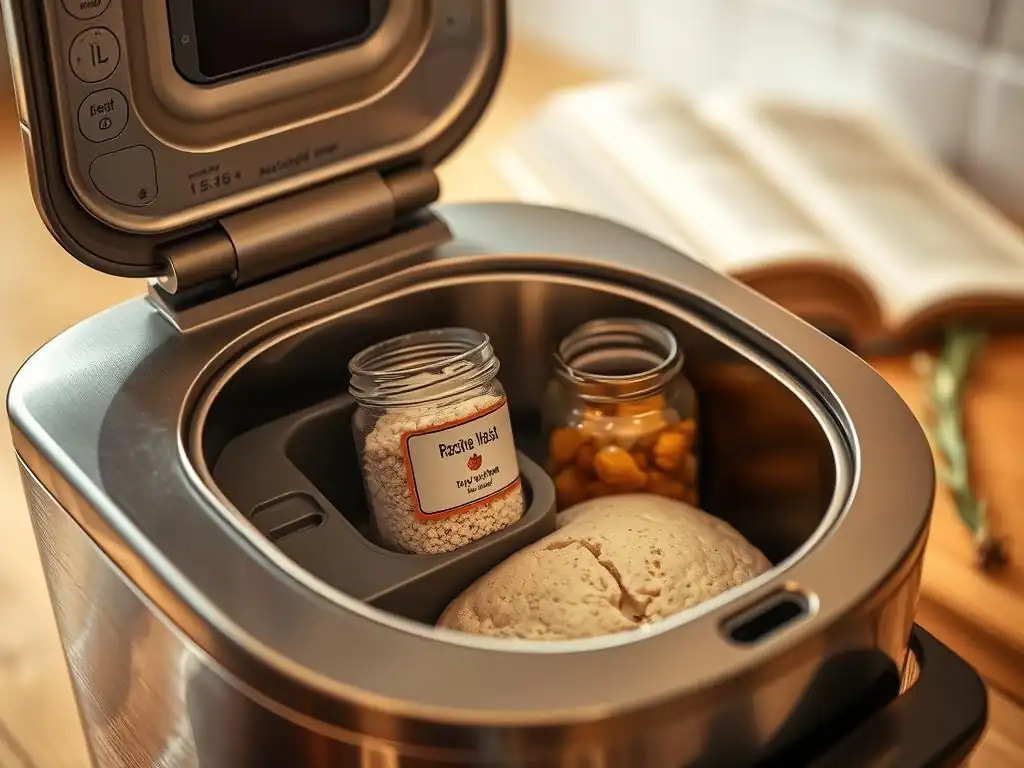
Machines with automatic yeast dispensers feature a separate compartment, typically located in the lid. The user places the measured yeast into this compartment. At a programmed point in the cycle, often identified by a specific beep or display message, the dispenser mechanism opens, dropping the yeast into the dough that is already being kneaded. This automatic timing is the key advantage, ensuring the yeast is added when conditions are optimal for activation and distribution. This makes the process truly hands-off after initial setup.
Removable vs. Non-Removable Dispensers
Yeast dispensers can be either integrated permanently into the machine's lid or designed to be removable. Non-removable dispensers are often part of the lid assembly, with a chute leading down into the bread pan. Cleaning these requires wiping down the compartment and chute carefully. Removable dispensers, on the other hand, can be detached from the machine for easier cleaning under running water.
While both types serve the same function of timed yeast release, the ease of cleaning can be a significant factor for regular bakers. A dispenser that is difficult to clean might retain yeast residue, which could potentially affect future batches or become unhygienic. Consider how often you plan to use the dispenser and your preference for cleaning methods when evaluating this design feature. A removable dispenser generally offers better access for thorough cleaning, contributing to the longevity and performance of the machine.
Essential Yeast Dispenser Design Features
Capacity for Different Yeast Types
A well-designed yeast dispenser should have sufficient capacity to hold the amount of yeast typically required for standard bread machine loaf sizes, such as 1.5 or 2-pound loaves. This usually means a capacity of at least 1 to 2 teaspoons of active dry or instant yeast. Some dispensers are designed with markings or a specific shape that guides the user on the maximum fill level. The dispenser should also be suitable for use with various types of dry yeast, including active dry, instant, or bread machine yeast, though specific instructions may apply depending on the machine model.
Beyond capacity, the design should prevent yeast from clumping or sticking, ensuring a smooth release. A smooth, dry surface within the compartment and a design that allows gravity to work effectively are crucial. Some dispensers feature a small mechanical push or vibration just before opening to help dislodge the yeast. Proper capacity and a design that ensures the full amount of yeast is dispensed are fundamental to achieving the desired rise in easy bread machine recipes.
Reliable and Consistent Dispensing
The most critical feature of a yeast dispenser is its reliability. It must open and dispense the yeast at the correct point in the cycle, every time. This requires a robust mechanism that isn't prone to jamming or failure. The timing of the release is programmed into the machine's cycle, and the dispenser's door or flap must open fully and promptly when triggered.
Consistency is also key. The dispenser should release the entire measured amount of yeast into the dough without leaving significant residue behind in the compartment. A reliable dispenser contributes directly to the consistent success of easy bread machine recipes, preventing the frustration of a failed loaf due to a dispensing error. Look for reviews that comment on the long-term reliability of the dispenser mechanism when researching models.
Easy Cleaning and Maintenance
Maintaining hygiene is paramount in baking equipment. A yeast dispenser, being a small compartment exposed to dry ingredients, needs to be easy to clean to prevent residue buildup. As mentioned earlier, removable dispensers often offer the best access for cleaning. If the dispenser is non-removable, its design should allow for easy wiping with a dry cloth or brush.
The material of the dispenser compartment should be smooth and non-porous to prevent yeast particles from sticking. Avoiding moisture in the dispenser is also essential for preventing clumping. Regular cleaning according to the manufacturer's instructions will ensure the dispenser functions correctly over time and that your easy bread machine recipes are made in a clean environment. Check the user manual for specific cleaning recommendations before purchasing.
Nut and Seed Dispensers: Adding Flavor and Texture
Expanding Bread Making Possibilities with Automatic Additives
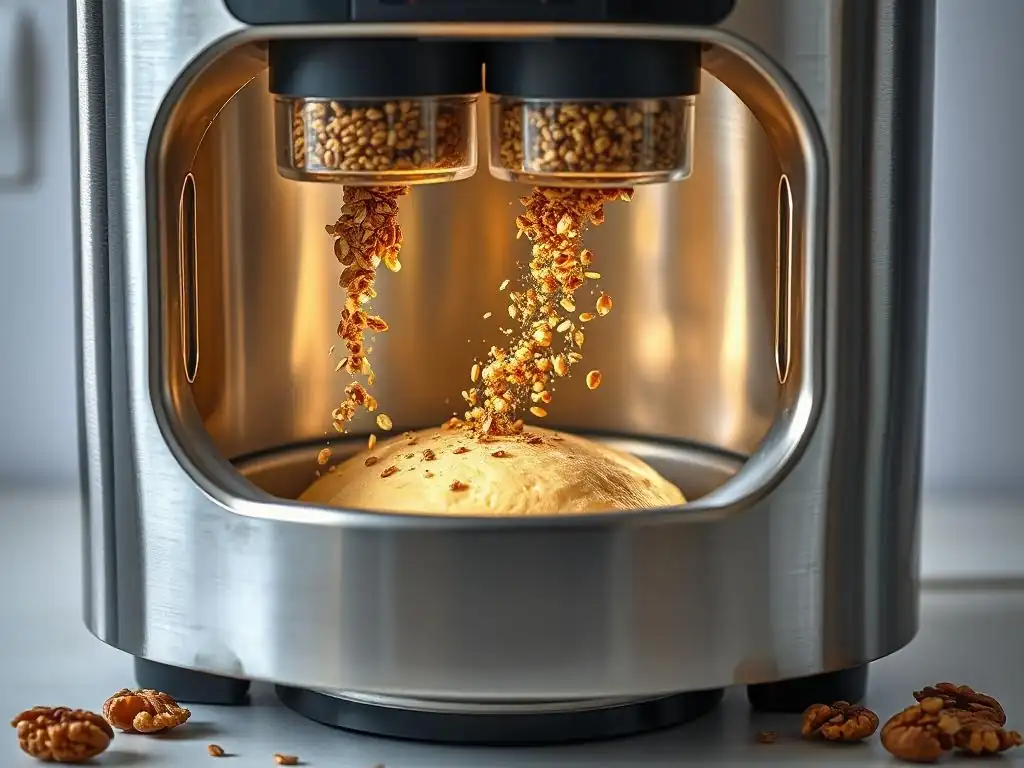
Nut and seed dispensers, sometimes referred to more broadly as additive dispensers, open up a new world of possibilities for home bakers using bread machines. They allow you to easily incorporate a variety of mix-ins into your bread doughs, such as nuts, seeds, dried fruits, chocolate chips, or herbs, without needing to manually add them at a specific time. This feature is invaluable for enhancing the flavor, texture, and nutritional value of your loaves, transforming simple bread machine recipes into gourmet creations. Imagine the convenience of baking a delicious cranberry-walnut bread or a savory herb focaccia completely automatically.
Without an automatic dispenser, adding these mix-ins manually requires you to be present during the kneading cycle to listen for the machine's beep (usually occurring after the main kneading is complete but before the final rise) and then adding the ingredients yourself. Missing this window can result in uneven distribution or, in the case of delicate items like dried fruit, over-processing and breakage during kneading. An automatic dispenser eliminates this manual step, making it effortless to include these ingredients in your easy bread machine recipes.
Convenience of Automatic Nut and Seed Addition
The primary appeal of an automatic nut and seed dispenser is the sheer convenience it offers. Like the yeast dispenser, it allows for a true 'set it and forget it' baking experience, even for recipes that include mix-ins.
You simply load the dispenser with your chosen nuts, seeds, or other dry additives at the start of the cycle, along with the rest of the ingredients in the bread pan. The machine's program is designed to open the dispenser at the optimal point in the kneading cycle – typically after the gluten has developed but before the dough enters its rest or rise phase.
This automated addition ensures that the mix-ins are incorporated evenly throughout the dough without being subjected to excessive kneading that could break them down. It also prevents them from interfering with initial gluten development. For busy individuals or those using the delayed start function to bake overnight, this feature is indispensable. It means you can enjoy delicious, enriched loaves with nuts, seeds, or fruit as part of your easy bread machine recipes without having to monitor the machine during its cycle.
Types of Nut and Seed Dispensers
Single vs. Multi-Compartment Dispensers
Nut and seed dispensers generally come in one of two configurations: single or multi-compartment. A single-compartment dispenser is the most common type. It's a single bin, usually located in the lid, designed to hold a measured amount of one or a mix of dry additives. When the machine signals, the bottom of the compartment opens, dropping all the contents into the bread pan below. This works well for recipes calling for a single type of mix-in or a pre-mixed blend.
Multi-compartment dispensers are less common and typically found on higher-end models. These dispensers feature two or more separate compartments, each capable of holding different types of additives. This allows the machine to dispense different ingredients at potentially different times during the cycle, offering more control over the incorporation process. For example, nuts might be added earlier than delicate dried fruit. While offering more versatility, multi-compartment dispensers can be larger and potentially more complex to clean.
Even Distribution Mechanisms
A key function of a nut and seed dispenser, beyond timed release, is facilitating even distribution of the additives throughout the dough. Simply dropping ingredients onto the top of the dough might result in them clumping together or settling unevenly. Well-designed dispensers release the additives while the dough is actively being kneaded, allowing the mixing paddle to incorporate them effectively.
Some dispensers have a wide opening to ensure a broad spread, while others might incorporate a slight vibration or a mechanism that helps scatter the contents as they fall. The timing of the release is also critical – it must occur during a sufficiently vigorous kneading phase. While perfect distribution can sometimes be elusive, especially with large or heavy additives, a good dispenser significantly improves the likelihood of finding nuts or seeds in every slice of your easy bread machine recipes.
Considerations for Choosing a Nut and Seed Dispenser
Capacity for Various Additives
When selecting a bread machine with a nut and seed dispenser, consider the typical amounts of additives you might use in your easy bread machine recipes. Dispensers vary in size; some are designed for just a quarter cup of seeds, while others can hold up to a cup or more of nuts and dried fruit. If you frequently bake large loaves or recipes heavy on mix-ins, a dispenser with ample capacity is essential to avoid having to manually add extra ingredients.
Also, think about the types of additives you'll use. Larger nuts (like whole walnuts) or chunky dried fruit might require a wider opening or a more robust dispensing mechanism than small seeds or chocolate chips. Check the manufacturer's specifications or user reviews for information on the dispenser's capacity and the types of ingredients it can handle effectively.
Recipe Compatibility
Not all easy bread machine recipes are designed with automatic dispensers in mind. Standard recipes for plain bread often don't include mix-ins. However, many bread machine cookbooks and online resources provide recipes specifically tailored for machines with additive dispensers. These recipes will often specify the amount of mix-ins to place in the dispenser.
If you plan to adapt standard recipes, you'll need to determine the appropriate amount of mix-ins that your dispenser can hold and when the machine's dispenser is programmed to activate (this information is usually in the manual). Ensure the machine's pre-programmed cycles have a dispense function if you rely solely on those, or that the machine allows for custom programming if you want more control over the timing for specific easy bread machine recipes.
Preventing Premature Mixing
A crucial design element for any additive dispenser is the ability to keep the contents separate from the main dough ingredients until the programmed release time. This prevents issues like nuts or seeds getting waterlogged, dried fruit clumping, or chocolate chips melting prematurely during the initial rest or heating phases of the cycle.
The dispenser compartment should be sealed from the main bread pan when closed. Look for a dispenser that closes securely and is positioned away from potential moisture or heat sources within the machine's lid. A well-sealed dispenser ensures that your mix-ins remain dry and ready to be incorporated at the optimal moment, contributing to the success of your easy bread machine recipes with additives.
Comparing Bread Machines: Dispenser Features
Differences Between Models With and Without Dispensers
The primary difference between bread machine models with and without dispensers lies in the level of automation they offer, particularly for easy bread machine recipes involving yeast or mix-ins. Machines without dispensers require manual intervention at specific points in the cycle – typically adding yeast at the start (carefully layered) and mix-ins when prompted by a beep during kneading. This means you need to be present and attentive during parts of the baking process.
Models equipped with automatic yeast and additive dispensers provide a truly hands-off experience after the initial loading of ingredients. You simply fill the pan, add yeast to the yeast dispenser, and mix-ins to the additive dispenser, select the program, and start the machine. The machine handles the rest, adding these sensitive ingredients at the precise moments needed for optimal results. This makes these machines significantly more convenient, especially for delayed starts or for beginners tackling easy bread machine recipes with multiple components.
Recipe Versatility with Dispensers
Bread machines with automatic dispensers significantly increase the range of easy bread machine recipes you can confidently bake. While a basic machine is great for simple loaves, a machine with dispensers opens up possibilities for enriched doughs, fruit and nut breads, savory loaves with herbs or cheese, and sweet breads with chocolate chips or cinnamon swirls, all with minimal effort.
The ability to automatically add yeast at the right time is particularly beneficial for complex doughs or those using different flour types where precise timing impacts the rise. The additive dispenser simplifies the process of incorporating delicate or bulky ingredients, ensuring they are mixed in evenly without being crushed. This expanded versatility means you're not limited to just basic loaves, allowing you to explore a wider variety of delicious easy bread machine recipes with consistent success.
Balancing Cost and Functionality
Bread machines with automatic dispensers typically come at a higher price point than basic models. The added mechanisms for timed release and the potential for more complex programming contribute to the increased cost. When deciding whether the extra expense is worthwhile, consider how often you plan to bake and the types of bread you envision making.
If your goal is primarily to bake simple, plain loaves and you don't mind the manual step of adding mix-ins when prompted, a basic machine might suffice for your easy bread machine recipes. However, if you plan to bake frequently, utilize delayed start functions often, or want to easily explore a wide variety of recipes including those with nuts, seeds, or fruits, the convenience and reliability offered by dispensers can justify the added investment. Assess your baking habits and desired outcomes to find the right balance between cost and the functionality these features provide.
Tips for Effective Dispenser Use
Proper Yeast Storage and Usage
To ensure your yeast dispenser functions correctly and your bread rises beautifully, proper yeast storage is essential. Dry yeast (active dry or instant) should be stored in an airtight container in a cool, dry place. For longer shelf life, it's best stored in the refrigerator or freezer. Before adding yeast to the dispenser, ensure it is at room temperature.
Always measure the yeast accurately according to your easy bread machine recipes. Overfilling the dispenser can lead to clumping or incomplete dispensing, while too little yeast will result in a poor rise. Make sure the dispenser compartment is completely dry before adding the yeast, as any moisture can activate the yeast prematurely or cause it to stick. Using fresh yeast is also crucial; check the expiration date on the package.
Selecting Appropriate Additives
When using the nut and seed dispenser, select additives that are dry and appropriately sized. Large, sticky, or wet ingredients might not dispense properly. Nuts and seeds should be dry-roasted or used raw, not coated in oil or syrup. Dried fruits should be plump but not excessively moist; chopping larger fruits like apricots or dates into smaller pieces (e.g., raisin-sized) can help with even distribution.
Avoid using ingredients that could melt at relatively low temperatures if your machine has a preheating phase, such as certain types of chocolate chips, unless the dispenser is well-insulated and the machine's cycle is designed to prevent this. Always refer to your machine's manual for guidance on recommended additive types and sizes. Using the right ingredients ensures the dispenser works effectively and your easy bread machine recipes turn out as intended.
Troubleshooting Dispensing Problems
If you encounter issues with your dispensers, there are a few common troubleshooting steps. For a yeast dispenser that isn't releasing, first ensure you haven't overfilled it. Check that the compartment is clean and completely dry. Sometimes, a small tap on the lid above the dispenser during the expected release time can help dislodge contents, but this indicates a potential issue with the mechanism or clumping.
For nut and seed dispensers, check that the additives are not too large or sticky. Ensure the dispenser isn't overloaded. If ingredients are consistently left behind, the dispenser might need cleaning or there could be a mechanical issue. Refer to your machine's user manual for specific troubleshooting steps. Persistent problems might indicate a need for servicing, but often, ensuring ingredients are dry, correctly sized, and the dispenser is clean resolves most issues.
Bread Machine Recipes: Utilizing Dispensers
Simple Recipes with Yeast Dispenser
Using a yeast dispenser simplifies even the most basic easy bread machine recipes, guaranteeing optimal yeast activation.
- Classic White Bread: Ingredients typically include water, flour, sugar, salt, butter, and yeast. With a dispenser, you load all ingredients except the yeast into the bread pan, layering as usual. Place the yeast into the dispenser. Select the basic white bread cycle. The machine adds the yeast at the perfect moment, ensuring a consistent, fluffy loaf every time. This is the epitome of an easy bread machine recipe.
- Whole Wheat Bread: Whole wheat flour can be denser, making a good rise crucial. Ingredients include water, whole wheat flour, sometimes vital wheat gluten, sugar, salt, oil, and yeast. Again, place all ingredients except yeast in the pan, yeast in the dispenser. Select the whole wheat cycle. The timed release helps the yeast work effectively with the heavier flour, leading to a better rise than manual addition might achieve, making this easy bread machine recipe more reliable.
Flavorful Recipes with Nut and Seed Dispenser
Additive dispensers make enriching your easy bread machine recipes with flavor and texture incredibly easy.
- Cranberry Walnut Bread: Start with a basic sweet bread dough recipe (milk, butter, egg, flour, sugar, salt, yeast). Place the dough ingredients in the pan and yeast in the yeast dispenser. Place chopped walnuts and dried cranberries (e.g., 1/2 cup combined) in the additive dispenser. Select the sweet bread cycle. The machine mixes the main dough, adds the yeast, and then incorporates the nuts and cranberries during the final kneading phase.
- Seeded Multigrain Loaf: Use a recipe for multigrain bread (water, various flours like whole wheat, rye, or bread flour, honey or molasses, salt, oil, yeast, and a mix of seeds like sunflower, pumpkin, flax, or sesame). Put liquid ingredients in first, then flours, etc., with yeast in the yeast dispenser. Place the seed mix (e.g., 1/4 cup) in the additive dispenser. Select the multigrain or whole wheat cycle. The dispenser adds the seeds at the ideal time, ensuring they are distributed without being pulverized, making this complex-sounding bread an easy bread machine recipe.
Selecting the Best Bread Machine
Assessing Baking Habits and Needs
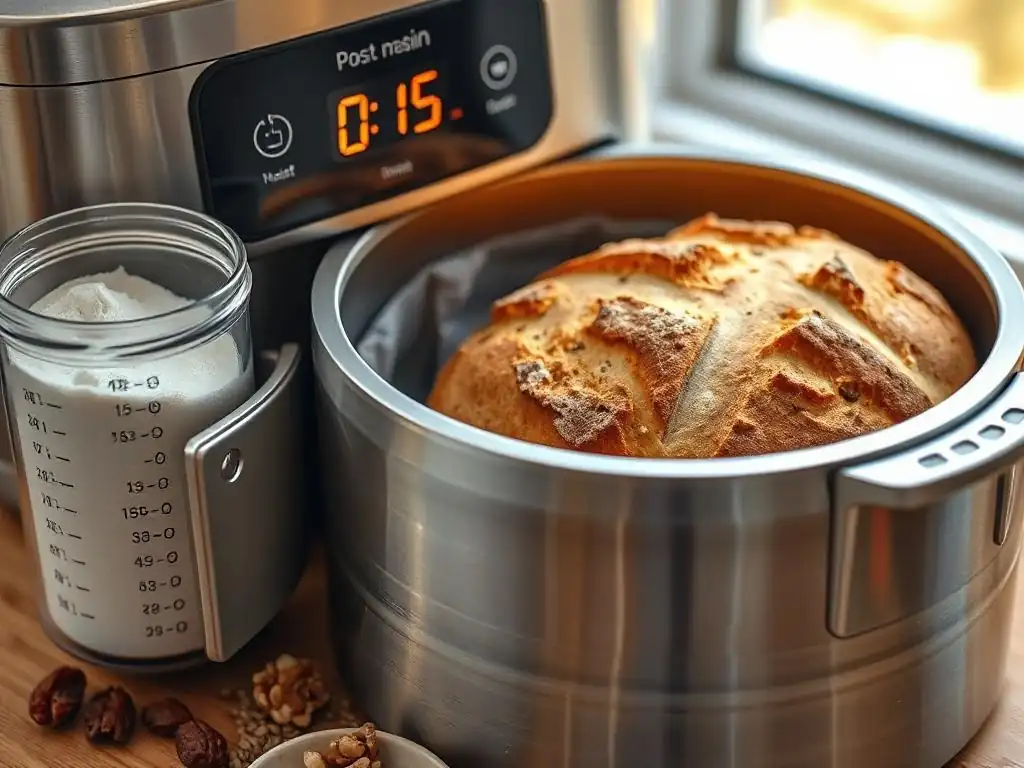
Choosing the best bread machine depends heavily on your personal baking habits and needs. Consider how often you plan to bake; daily bakers might prioritize durability and advanced features like dispensers, while occasional bakers might be satisfied with a more basic model. Think about the types of bread you want to make – if you dream of fruit and nut loaves or complex sourdough (some machines have sourdough cycles, often utilizing the yeast dispenser for starter), dispensers become more valuable.
Also, evaluate your lifestyle. If you need to set the machine up the night before for fresh morning bread, a reliable delayed start function coupled with yeast and additive dispensers is almost essential. If you're always present during the baking cycle, manual addition is feasible. Determine if you prefer using pre-programmed cycles or want the flexibility of custom settings. Matching the machine's features to your specific requirements is key to finding the best fit for your easy bread machine recipes.
Budget Planning
Bread machines range significantly in price, from under $100 to over $300, depending on brand, capacity, and features. Models with automatic dispensers, especially both yeast and additive dispensers, are generally in the mid-to-high price range. Establish a budget before you start shopping.
While it can be tempting to opt for the cheapest model, consider the long-term value and frustration saved by having features that align with your baking goals. If you frequently use easy bread machine recipes with mix-ins or rely on the delayed start, investing in a machine with reliable dispensers can pay off in consistent results and convenience. Conversely, if you only need a machine for basic doughs, a simpler model might be the more economical choice. Balance desired functionality with how much you're willing to spend.
Reading Reviews and Ratings
Before making a final decision, thoroughly research potential models by reading reviews and ratings from other users. Look for feedback specifically mentioning the performance and reliability of the yeast and nut/seed dispensers. Do users report issues with dispensing? Are the compartments easy to clean? Do the dispensers consistently add ingredients at the right time?
Pay attention to reviews from long-term users to gauge the durability of the dispenser mechanisms. Websites like BakeWithEase.com often feature detailed reviews and comparisons of bread machines, highlighting key features like dispensers and their impact on baking easy bread machine recipes. User ratings can provide a general sense of satisfaction, but detailed written reviews offer invaluable insights into specific features and potential drawbacks.
Conclusion: Streamlining Bread Baking with Dispensers
Automatic yeast and nut/seed dispensers are features that significantly enhance the convenience and versatility of bread machines, making easy bread machine recipes even more effortless and reliable. By automatically adding ingredients at the optimal time, these dispensers eliminate the need for manual intervention during the baking cycle, which is particularly beneficial for delayed starts and recipes incorporating mix-ins.
While machines with dispensers may cost more, the consistency, convenience, and expanded recipe possibilities they offer can be well worth the investment for frequent bakers or those seeking truly hands-off bread making. When choosing a machine, consider your baking habits, budget, and always check reviews regarding dispenser performance to ensure you select a model that will consistently deliver delicious results for all your easy bread machine recipes.
Frequently Asked Questions
What is a yeast dispenser in a bread machine, and why is it useful?
A yeast dispenser is a compartment in some bread machines that automatically adds yeast at the optimal time during the baking cycle. This ensures consistent rising and prevents the yeast from activating too early.
What are "auto additives" in the context of bread machines?
"Auto additives" refers to features that automatically add ingredients like nuts, seeds, or dried fruit to the dough at a specific point in the kneading process. This ensures even distribution without manual intervention.
Are bread machines with yeast dispensers and auto additives more expensive?
Generally, yes. Bread machines with these features tend to be higher-end models and thus, carry a higher price tag compared to basic models. However, the convenience and precision they offer can be worth the investment.
Can I still use "Easy bread machine recipes" even if my machine doesn't have a yeast dispenser?
Absolutely! Simply add the yeast according to the recipe's instructions, usually at the beginning of the baking cycle along with the other ingredients. Adjusting water temperature may be necessary.
How do I clean and maintain a bread machine with a yeast dispenser and auto-additive features?
Refer to your bread machine's manual for specific cleaning instructions. Generally, empty and clean the dispenser and additive compartments after each use to prevent clogging and ensure proper function.
Final Reflection: The Joy of Effortless Baking
The quest for easy bread machine recipes is more than just a culinary convenience; it's a gateway to the comforting aroma and satisfying taste of homemade bread, accessible to everyone. This article explored the often-overlooked features of bread machines – from yeast dispensers to auto-additive functions – demonstrating how these seemingly small details can significantly impact the ease and success of your baking journey. The simplicity these features offer unlocks a world of possibilities, even for the busiest individuals.
The impact of readily available, user-friendly bread-making technology is profound. It democratizes baking, allowing individuals of all skill levels to experience the satisfaction of creating something delicious from scratch. The smell of freshly baked bread is the smell of home.
This simple truth resonates deeply, and the ease of modern bread machines allows more people to experience that comforting aroma and the joy of sharing homemade bread. The convenience offered by these machines isn't just about saving time; it's about fostering a connection to a traditional craft in a modern, accessible way.
Now, it's your turn. Consider the features highlighted in this article – the yeast dispenser, the auto-additive function, and the overall ease of use – and think about how they can enhance your baking experience. Don't be intimidated by the process; embrace the simplicity and the potential for delicious, homemade bread. Choose a recipe, gather your ingredients, and let the comforting aroma of freshly baked bread fill your home. The journey to effortless baking starts with you.
Unleash Your Inner Baker: Elevate Your Bread Making!
Thanks for taking the time to learn about choosing the perfect bread machine! You've now got the knowledge to find the features that will truly transform your baking experience. Ready to take the next step?
- Find your perfect bread machine today: Research models based on the features we discussed, considering your baking style and needs. Don't be afraid to compare prices and read reviews!
- Share your baking journey: Tell us about your favorite bread machine feature (or the one you're most excited to try!) in the comments below. Let's inspire each other!
- Experiment with new recipes: Try a recipe you've never dared to attempt before – your new bread machine makes it easier than ever!:
What exciting bread will you bake next?