
Is a Stand Mixer Worth It? Decoding the Investment for Bakers

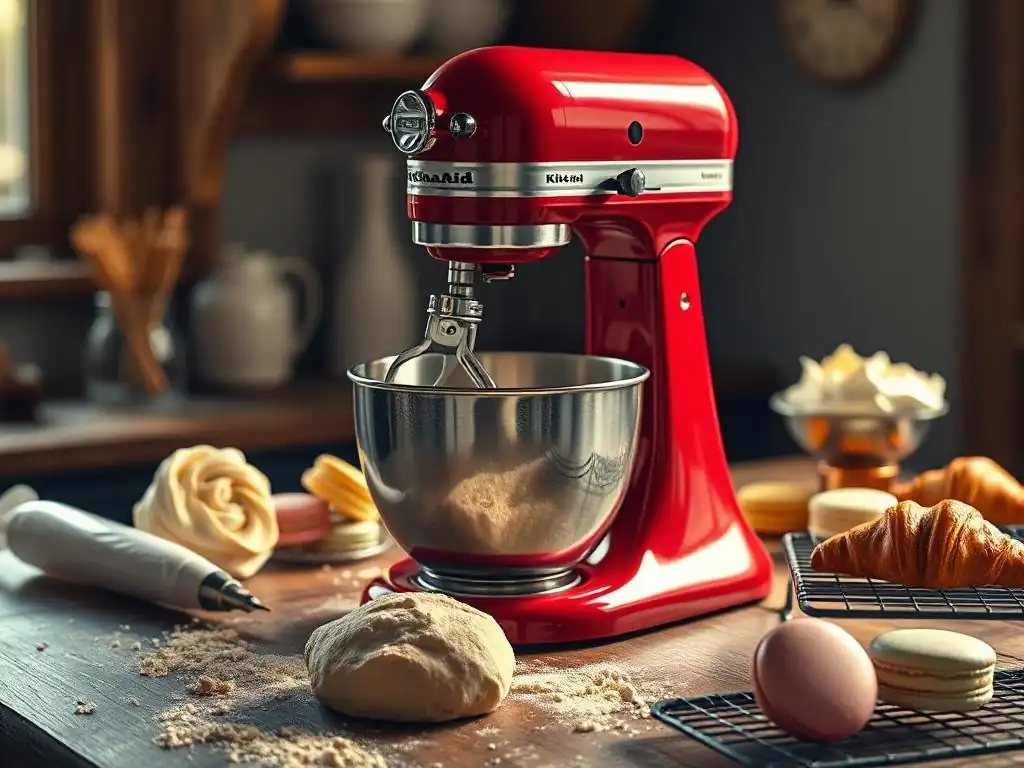
Welcome to BakeWithEase, your trusted companion on your baking journey! Ever wondered if a stand mixer is truly worth the investment? Uncover the surprising benefits this versatile tool offers bakers of all levels, from saving you precious time and effort to unlocking a world of culinary possibilities. Read on to discover how a stand mixer could revolutionize your baking game – you might be surprised!
- Introduction: Evaluating the Stand Mixer's Value in Your Baking Journey
-
Stand Mixer Benefits for Bakers: Exploring the Advantages
- Time-Saving Efficiency: How Stand Mixers Streamline Baking Processes
- Enhanced Mixing Capabilities: Achieving Perfect Consistency with Ease
- Versatility Beyond Mixing: Exploring Stand Mixer Attachments and Their Uses
- Hands-Free Convenience: Multitasking While Your Stand Mixer Works
- Consistency in Results: Replicating Recipes with Precision
- Stand Mixer Drawbacks and Considerations for Home Bakers
- Alternatives to Stand Mixers: Exploring Other Mixing Options
- Stand Mixer Deep Dive: Key Features to Consider Before Buying
- Real-World Baking Scenarios: When a Stand Mixer Truly Shines
- Stand Mixer Recommendations: BakeWithEase's Top Picks for Different Budgets
- Making the Decision: Is a Stand Mixer Right for You?
- Conclusion: Empowering Your Baking with Informed Choices
-
Frequently Asked Questions
- What are the primary benefits of using a stand mixer for baking?
- Are stand mixers only useful for professional bakers, or can beginners benefit from them too?
- Can a stand mixer replace other kitchen appliances?
- Are there different types of stand mixers, and how do I choose the right one for my needs?
- What is the typical lifespan of a stand mixer, and how can I ensure it lasts longer?
- Final Reflection: The Knead for Consideration: Stand Mixers and the Baker's Journey
- Unlock Your Baking Potential: Take the Next Step!
Introduction: Evaluating the Stand Mixer's Value in Your Baking Journey
Understanding the Core Question: Is a Stand Mixer a Necessary Baking Tool?
For many home bakers, the question of whether a stand mixer is truly necessary looms large. While a hand mixer or even manual whisking can accomplish many tasks, a stand mixer represents a significant step up in terms of capability and investment. It's not merely about mixing ingredients; it's about transforming the process of baking. Think about kneading heavy bread doughs, whipping voluminous meringues, or creaming butter and sugar to perfect lightness – these are tasks where a stand mixer excels, potentially changing what you're able or willing to bake.
Whether a stand mixer is "necessary" depends heavily on your baking frequency, the types of recipes you tackle, and your personal efficiency goals in the kitchen. A casual baker making cookies once a month might find it a luxury, while someone regularly baking bread, elaborate cakes, or large batches will likely view it as a powerful tool that unlocks new possibilities and significantly enhances the baking experience. Evaluating its necessity means considering the stand mixer benefits for bakers in the context of your individual culinary journey.
BakeWithEase's Perspective on Stand Mixer Investment
At BakeWithEase, we believe that the decision to invest in a stand mixer is a personal one, driven by your passion and aspirations in baking. We see a stand mixer not just as a kitchen appliance, but as a potential enabler for taking your skills to the next level. While you can absolutely bake delicious treats without one, the stand mixer benefits for bakers, particularly in terms of efficiency, consistency, and the ability to handle challenging tasks, are undeniable.
Our view is that if you find yourself frequently frustrated by manual mixing, limited by what your hand mixer can handle, or dreaming of tackling more ambitious recipes like enriched brioche or delicate macarons, exploring the world of stand mixers is worthwhile. We aim to provide you with the information needed to weigh the pros and cons, understand the stand mixer benefits for bakers, and determine if this investment aligns with your baking goals and lifestyle.
Stand Mixer Benefits for Bakers: Exploring the Advantages
Time-Saving Efficiency: How Stand Mixers Streamline Baking Processes
One of the most immediate and appreciated stand mixer benefits for bakers is the significant reduction in time and effort required for many tasks. Imagine creaming a pound of butter and sugar until light and fluffy – a task that can take 10-15 minutes of continuous scraping and mixing with a hand mixer or by hand. A stand mixer, with its powerful motor and planetary mixing action, can often achieve this in half the time, allowing you to focus on other aspects of your recipe preparation.
This efficiency is particularly evident in recipes involving yeasted doughs. Kneading bread dough by hand is a strenuous, time-consuming process that typically requires 10-15 minutes of vigorous work to develop gluten properly. A stand mixer, equipped with a dough hook attachment, can often achieve optimal gluten development in as little as 6-8 minutes, and you don't have to exert any physical effort. This time-saving aspect is a core stand mixer benefit for bakers who bake frequently or in larger quantities.
Enhanced Mixing Capabilities: Achieving Perfect Consistency with Ease
Stand mixers are engineered to provide superior mixing capabilities compared to manual methods or hand mixers, leading to more consistent and often better results. Their powerful motors and planetary mixing action (where the attachment spins as it orbits the bowl) ensure that ingredients are thoroughly incorporated from the center to the edges of the bowl. This is crucial for achieving the correct texture in batters, doughs, and creams.
For instance, whipping egg whites to stiff peaks for meringue or soufflés requires sustained, high-speed agitation. A stand mixer can maintain the necessary speed and consistency for the several minutes required, ensuring a stable, voluminous foam. Similarly, creaming butter and sugar for cakes relies on incorporating air into the fat – a process a stand mixer performs efficiently, leading to a lighter, finer crumb in the final baked good. These enhanced mixing capabilities are key stand mixer benefits for bakers striving for professional-level results.
Versatility Beyond Mixing: Exploring Stand Mixer Attachments and Their Uses
While primarily known for mixing, kneading, and whipping, many stand mixer models offer incredible versatility through a range of attachments. These attachments connect to a power hub on the mixer, transforming it into a multi-purpose kitchen appliance. This expands the stand mixer benefits for bakers and home cooks alike, allowing one machine to perform tasks that would otherwise require separate, specialized gadgets.
The availability of these attachments means a stand mixer can become a central hub for various food preparation activities beyond just baking. This added functionality can be a significant factor when considering the overall value and return on investment for a stand mixer.
Meat Grinder Attachment
A meat grinder attachment allows you to grind your own fresh meat for burgers, sausages, or meatloaf. This gives you complete control over the type of meat, fat content, and grind size, often resulting in fresher and more flavorful results than pre-ground meat.
Pasta Maker Attachment
With a pasta maker attachment, you can easily make fresh pasta sheets or specific shapes like spaghetti or fettuccine right in your kitchen. This process is significantly easier than manual pasta making and produces a superior texture and taste compared to dried pasta.
Food Grinder Attachment
Similar to a meat grinder but often used for a wider variety of ingredients, a food grinder attachment can process vegetables, fruits, nuts, or bread into various textures. It's useful for making relishes, breadcrumbs, or even grinding ingredients for pet food.
Hands-Free Convenience: Multitasking While Your Stand Mixer Works
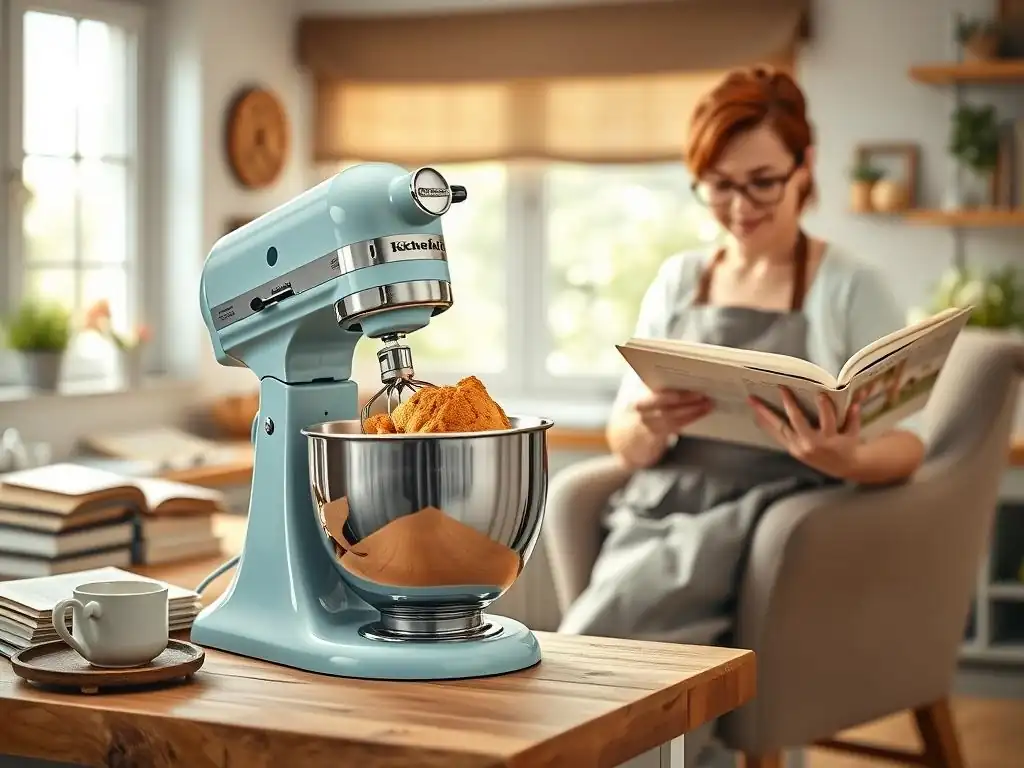
One of the most practical stand mixer benefits for bakers is the hands-free operation it provides for many tasks. Once you've added your ingredients and started the mixer, it can run on its own, freeing up your hands and attention for other steps in your recipe or other kitchen tasks. This is invaluable when a recipe requires simultaneous actions.
Imagine preparing a complex cake: while the stand mixer is creaming butter and sugar or whipping egg whites, you can measure out dry ingredients, grease and flour pans, or preheat the oven. This multitasking capability significantly streamlines the baking process and can make tackling more intricate recipes less stressful. It's a tangible benefit that directly impacts the efficiency and enjoyment of baking.
Consistency in Results: Replicating Recipes with Precision
Achieving consistent results is a hallmark of a skilled baker, and a stand mixer can be a powerful ally in this pursuit. Because the mixer performs the same mixing action at the same speed for a set amount of time each time you use it, it eliminates the variability that can occur with manual mixing, which is subject to human fatigue and inconsistency.
For example, recipes often specify mixing until "just combined" or "until light and fluffy." A stand mixer allows you to set a speed and duration, ensuring that you reach the desired stage reliably every time you make the recipe. This precision is particularly important for delicate tasks like emulsifying batters or developing specific gluten structures in doughs, contributing significantly to the stand mixer benefits for bakers focused on repeatability and quality.
Stand Mixer Drawbacks and Considerations for Home Bakers
The Initial Investment: Cost Analysis of Stand Mixers
One of the primary hurdles when considering a stand mixer is the upfront cost. Compared to hand mixers, which can range from $20 to $50, stand mixers represent a significantly larger investment, typically starting from $200 for entry-level models and easily exceeding $500 or even $1000 for high-end, professional-grade machines. This initial outlay requires careful consideration of your budget and how frequently you anticipate using the mixer.
While the stand mixer benefits for bakers in terms of performance and durability can justify the cost over time, it's a considerable expense that needs to be weighed against your financial situation and baking habits. For a casual baker, the cost might outweigh the perceived benefits, whereas for someone deeply committed to baking, it could be seen as a valuable, long-term investment in their hobby or potential business.
Storage Space Requirements: Assessing Your Kitchen's Capacity
Stand mixers are substantial appliances, much larger and heavier than hand mixers or food processors. They require dedicated counter space or significant cupboard space for storage. A typical stand mixer might stand about 14-16 inches tall and weigh anywhere from 15 to 30 pounds or more. This physical footprint is a practical consideration for home kitchens, which often have limited space.
Before purchasing, it's essential to assess your kitchen layout and storage capacity. Do you have a permanent spot on the counter where it can live, or will you need to lift and store it after each use? The weight and bulk can make frequent moving inconvenient. Considering the space requirements is a practical step alongside evaluating the stand mixer benefits for bakers.
Cleaning and Maintenance: Understanding the Upkeep Involved
While stand mixers simplify the mixing process, they do require cleaning and maintenance. The bowl, beaters, whisk, and dough hook need to be washed after each use. While many bowls and attachments are dishwasher- safe, others may require hand washing. The mixer head and base also need to be wiped down to remove any splatters or spills.
Depending on the model and attachments used, the cleaning process can sometimes be more involved than simply washing a few bowls and whisks used with a hand mixer. Understanding the cleaning requirements and factoring them into your decision is important. While the stand mixer benefits for bakers are clear during use, the post-baking cleanup is part of the overall user experience.
Noise Levels: Managing the Sound Output of Stand Mixers
Stand mixers, especially when working with heavy doughs or at high speeds, can be quite noisy. The sound level can vary significantly between models and brands, but generally, they produce more noise than a hand mixer. This is due to the powerful motor and the mechanical action of the gears and attachments.
While not a dealbreaker for most, the noise level is something to be aware of, particularly if you live in an apartment with close neighbors or if you prefer a quieter kitchen environment. Running a stand mixer for 10-15 minutes to knead dough or whip cream can create a sustained period of noise. It's a minor drawback compared to the major stand mixer benefits for bakers, but worth considering.
Alternatives to Stand Mixers: Exploring Other Mixing Options
Hand Mixers: A Budget-Friendly and Compact Alternative
Hand mixers are the most common alternative to stand mixers and serve as an excellent entry point for many baking tasks. They are significantly more affordable, compact, and easy to store. Hand mixers are perfectly capable of creaming small amounts of butter and sugar, mixing cake batters, whipping cream, and beating eggs.
However, hand mixers require you to hold the device throughout the mixing process and are less suited for heavy tasks like kneading bread dough or mixing very large batches. While they offer portability and ease of use for lighter tasks, they don't provide the hands-free operation or the power needed for more demanding recipes, differentiating their capabilities from the full range of stand mixer benefits for bakers.
Food Processors: Versatile Tools with Mixing Capabilities
Food processors are primarily designed for chopping, slicing, shredding, and pureeing, but many models also include dough blades and can be used for mixing certain doughs and batters. They are particularly effective for making pastry doughs, pie crusts, and some quick bread batters using the pulse function.
While a food processor can handle some mixing tasks, it lacks the specialized attachments for whipping large volumes of air (like a whisk) or the continuous, even mixing motion ideal for creaming butter and sugar or developing gluten in yeast doughs. Their mixing bowl is often wider and shallower than a stand mixer bowl, which isn't ideal for all mixing tasks. They offer different benefits compared to the specific stand mixer benefits for bakers focused on aeration and kneading.
Manual Mixing: The Traditional Approach to Baking
Before the advent of mechanical mixers, all baking was done manually, using whisks, spoons, and good old-fashioned elbow grease. Manual mixing is still a perfectly viable method for many recipes, especially those involving simple batters or doughs that don't require extensive kneading or aeration. It's also a great way to connect with the ingredients and the process.
However, manual mixing is the most physically demanding and time-consuming method, particularly for tasks like kneading sticky bread dough for 10-15 minutes or whipping egg whites to stiff peaks by hand. It can also be harder to achieve consistent results compared to using a machine. While rewarding, manual mixing doesn't offer the efficiency or ease that are key stand mixer benefits for bakers looking to scale up or simplify their process.
Stand Mixer Deep Dive: Key Features to Consider Before Buying
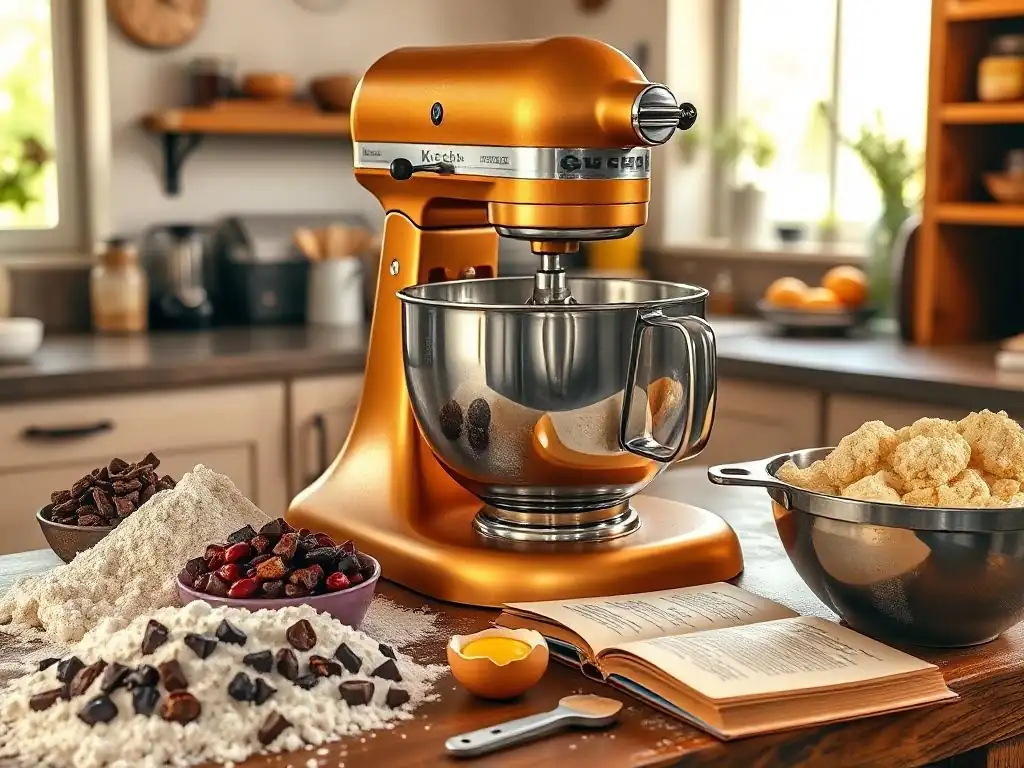
Bowl Capacity: Choosing the Right Size for Your Baking Needs
Stand mixer bowls come in various sizes, typically measured in quarts. Common sizes range from 3.5 quarts for smaller models up to 7 quarts or more for larger, professional-style machines. The bowl capacity dictates how much you can mix at once. A 4.5-quart bowl is often sufficient for a standard batch of cookies (about 4 dozen) or a loaf of bread.
If you frequently bake double batches, entertain often, or plan to make multiple loaves of bread at once, a larger bowl (5-7 quarts) might be more suitable. Conversely, for small kitchens or individuals baking smaller quantities, a 3.5 or 4-quart model could be perfectly adequate and take up less space. Matching the bowl capacity to your typical batch size is crucial to maximize the stand mixer benefits for bakers.
Motor Power: Understanding Wattage and Performance
The wattage of a stand mixer's motor is often used as an indicator of its power and ability to handle tougher tasks. While not the only factor (gear construction and motor type also play a role), higher wattage generally suggests a more robust motor capable of handling stiff doughs like bagels or pizza dough without straining or overheating.
Entry-level stand mixers might have motors in the 250-300 watt range, suitable for standard batters and light doughs. Mid-range models often feature 300-500 watt motors, offering more versatility. High-end and professional models can have motors of 500 watts or more, built to handle heavy loads and frequent use. Considering motor power is essential to ensure the mixer can perform the tasks you need it for, fully realizing the stand mixer benefits for bakers tackling challenging recipes.
Speed Settings: Optimizing Control for Different Recipes
Most stand mixers offer multiple speed settings, typically ranging from 3 to 12 or more. These varying speeds are crucial for different stages of mixing in a recipe. A slow speed is ideal for initially combining dry and wet ingredients without creating a cloud of flour dust. Medium speeds are used for creaming butter and sugar or mixing batters. High speeds are necessary for whipping egg whites or cream to achieve maximum volume.
Having a range of speeds provides greater control over the mixing process, allowing you to achieve the precise consistency required for different recipes. Some mixers also feature a "soft start" function to prevent splashing or a "fold" setting which operates at a very low speed to gently incorporate delicate ingredients. The availability of varied speed settings enhances the precision aspect of the stand mixer benefits for bakers.
Tilt-Head vs. Bowl-Lift Models: Weighing the Pros and Cons
Stand mixers generally come in two main designs: tilt-head and bowl-lift. Tilt-head models have a head that tilts back, allowing easy access to the bowl and attachment. This design is often found on smaller to mid-sized mixers and is generally more compact when stored under cabinets.
Bowl-lift models feature a lever that raises and lowers the bowl, which is secured in place. This design is typically found on larger, heavier-duty mixers, as it provides more stability for mixing large or heavy batches. Bowl-lift models are usually taller and might not fit under standard kitchen cabinets. Your choice between these designs often depends on your available counter space and the volume/type of baking you plan to do, impacting which style best delivers the stand mixer benefits for bakers.
Material and Build Quality: Ensuring Durability and Longevity
The materials used in the construction of a stand mixer significantly impact its durability and expected lifespan. Mixers with metal bodies and metal gears are generally more robust and built to last longer than those with plastic components, especially in the motor and gear mechanism. While plastic can be durable, metal is better equipped to handle the stress of mixing heavy doughs repeatedly.
High-quality materials and solid construction are indicators of a reliable appliance that can withstand years of frequent use. Investing in a mixer with good build quality might mean a higher initial cost, but it can save money in the long run by avoiding the need for premature replacement. Assessing the materials is key to ensuring you receive the long-term stand mixer benefits for bakers.
Real-World Baking Scenarios: When a Stand Mixer Truly Shines
If you frequently bake for events, holidays, or simply enjoy having a large supply of baked goods on hand, a stand mixer is a game-changer. Doubling or tripling cookie dough recipes, which can be cumbersome and tiring with a hand mixer or by hand, becomes significantly easier and faster. A stand mixer with a 5 or 6-quart bowl can often handle double batches of many standard recipes effortlessly.
Consider baking 10 dozen cookies for a school fair. Manually creaming butter and sugar and mixing dough for that quantity would be a monumental task. A stand mixer allows you to complete the mixing process in perhaps two large batches, saving hours of work and physical strain. This efficiency in high-volume situations is a prime example of the stand mixer benefits for bakers who produce in quantity.
Complex Recipes: Mastering Bread Doughs and Meringues
Certain recipes are notoriously difficult or nearly impossible to execute perfectly without the sustained power and consistent action of a stand mixer. Kneading yeasted bread dough to develop sufficient gluten for a light, airy crumb is one such task. While manual kneading is possible, achieving the same level of development consistently is challenging.
Similarly, achieving stiff, stable peaks for meringues, buttercream, or soufflés requires whipping egg whites or cream at high speed for several minutes without stopping. A stand mixer performs this effortlessly, allowing you to achieve textures that are difficult to replicate manually. Tackling these complex recipes with confidence highlights the unique stand mixer benefits for bakers seeking to expand their repertoire.
Professional Baking Aspirations: Elevating Your Baking Skills
For those who are serious about baking, whether as a passionate hobbyist or someone considering selling baked goods, a stand mixer is often considered an essential tool. It provides the consistency, efficiency, and capability needed to produce professional-quality results reliably. Mastering techniques like brioche, croissants, or intricate cake decorating often relies on the precision a stand mixer offers.
Furthermore, if you plan to sell baked goods, time is money. The speed and efficiency gained from using a stand mixer allow you to increase your production volume without sacrificing quality. For anyone with professional baking aspirations, understanding and utilizing the full range of stand mixer benefits for bakers is a necessary step in their development.
Stand Mixer Recommendations: BakeWithEase's Top Picks for Different Budgets
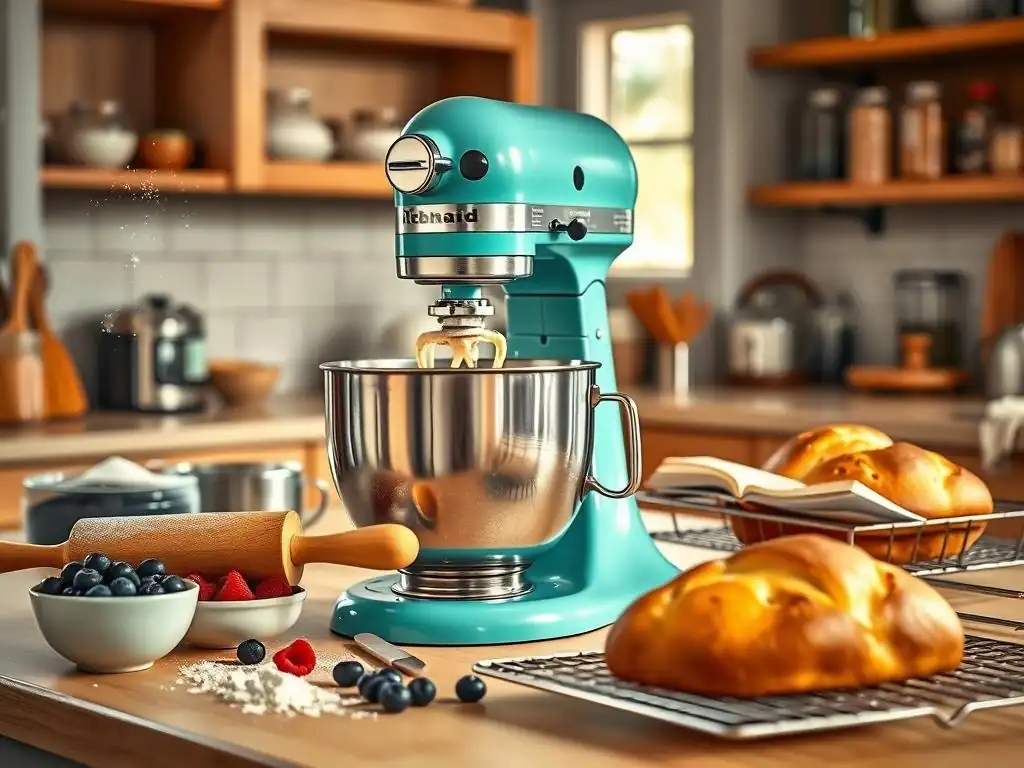
Entry-Level Stand Mixer Recommendation: KitchenAid Classic Plus
For bakers just starting out or those with a smaller budget, the KitchenAid Classic Plus 4.5-quart stand mixer is a popular and reliable choice. It offers the core stand mixer benefits for bakers at a more accessible price point, typically around $250-$300. Its 275-watt motor is sufficient for most standard tasks like mixing cookie dough, cake batter, and whipping cream. While it might struggle with very heavy, large batches of dough, it's a solid workhorse for everyday baking and provides access to KitchenAid's wide range of attachments.
Mid-Range Stand Mixer Recommendation: KitchenAid Artisan Series
The KitchenAid Artisan Series 5-quart stand mixer is arguably the most iconic home stand mixer and represents a fantastic mid-range option, usually priced between $350-$450. With a more powerful 325-watt motor and a slightly larger bowl, it handles a wider variety of tasks, including moderate bread doughs and larger batches, more comfortably than the Classic Plus. It comes in a vast array of colors, making it a stylish addition to any kitchen, and provides robust stand mixer benefits for bakers looking for increased power and capacity.
High-End Stand Mixer Recommendation: Breville Bakery Chef
For serious home bakers who demand high performance and durability, the Breville Bakery Chef stand mixer (often around $500-$600) is an excellent choice. It features a powerful motor (often 500+ watts) and robust metal construction designed for frequent use and heavy loads. Its planetary mixing action is exceptionally thorough, and some models include features like a light in the bowl or a timer. While a significant investment, it delivers top-tier stand mixer benefits for bakers tackling challenging recipes and large volumes regularly.
Making the Decision: Is a Stand Mixer Right for You?
Assessing Your Baking Habits and Needs
The first step in deciding if a stand mixer is worth it is to honestly evaluate your current baking habits and future aspirations. How often do you bake? What types of recipes do you enjoy or want to try? Do you frequently make recipes that require significant kneading or whipping? Do you bake large quantities? If you bake complex items weekly or prepare large batches often, the efficiency and power benefits make a strong case. If you only bake simple items occasionally, a hand mixer might suffice.
Consider the tasks you find most challenging or time-consuming. If those tasks are significantly simplified by a stand mixer (like kneading bread or whipping stiff peaks), it weighs heavily in favor of the investment. Understanding your specific baking needs helps clarify which of the stand mixer benefits for bakers are most relevant to you.
Weighing the Benefits Against the Drawbacks
Create a simple list of the stand mixer benefits for bakers that are important to you (e.g., time-saving, better consistency, versatility, hands-free) and the drawbacks that concern you most (e.g., cost, space, noise). Assign a weight to each factor based on your priorities. For instance, if saving time is paramount because you have a busy schedule, that benefit gets high weight. If counter space is extremely limited, that drawback gets high weight.
Compare the weighted importance of the pros and cons. Does the potential for easier, faster, and more versatile baking outweigh the financial cost and space requirements? This structured approach can help you move past the initial "want" and make a rational decision based on practicality and value.
Determining Your Budget and Space Constraints
Your budget and available kitchen space are practical limitations that must be addressed. Determine how much you are realistically willing or able to spend on a stand mixer. This will narrow down the range of models you can consider. Simultaneously, measure your available counter space and storage areas. Can you accommodate a stand mixer comfortably?
If your budget is tight or space is severely limited, you might need to prioritize or consider alternatives like a high-quality hand mixer or focusing on recipes that don't require heavy-duty mixing. Acknowledging these constraints early helps set realistic expectations and guides you toward the best decision for your circumstances, even if it means delaying the purchase of a stand mixer to save up or reorganize your kitchen.
Conclusion: Empowering Your Baking with Informed Choices
The Long-Term Value of a Stand Mixer Investment
Investing in a quality stand mixer is a significant decision for any home baker. While the initial cost and space requirements are notable drawbacks, the potential long-term value is substantial. The stand mixer benefits for bakers – including significant time savings, enhanced mixing capabilities, hands-free convenience, recipe consistency, and the versatility offered by attachments – can transform your baking experience. It allows you to tackle more ambitious recipes, bake larger quantities with ease, and ultimately spend more time enjoying the creative process rather than struggling with manual labor.
A well-maintained stand mixer can last for many years, often a decade or more, making the per-use cost quite low over its lifespan. For passionate bakers who frequently engage in diverse and demanding recipes, the investment pays dividends in saved time, reduced effort, and consistently excellent results, truly empowering their culinary pursuits.
BakeWithEase's Final Thoughts on Stand Mixer Benefits for Bakers
At BakeWithEase, we've seen firsthand how a stand mixer can elevate a baker's skills and expand their possibilities. While it's not a magic bullet and certainly not a prerequisite for baking delicious goods, the stand mixer benefits for bakers are undeniable for those who bake regularly, enjoy challenging recipes, or produce in volume.
We encourage you to evaluate your own baking journey, consider the points discussed here, and make an informed decision that aligns with your passion and practical needs. Whether you choose to invest in a stand mixer or continue mastering techniques with other tools, the most important ingredient is your enthusiasm for baking.
Frequently Asked Questions
What are the primary benefits of using a stand mixer for baking?
A stand mixer offers several advantages, including hands-free mixing, consistent results, and the ability to handle larger batches of dough or batter more efficiently.
Are stand mixers only useful for professional bakers, or can beginners benefit from them too?
Beginners can significantly benefit from stand mixers. They simplify complex recipes, reduce the risk of overmixing or undermixing, and allow new bakers to focus on other aspects of baking.
Can a stand mixer replace other kitchen appliances?
While a stand mixer is versatile, it doesn't entirely replace all appliances. However, with attachments, it can function as a food grinder, pasta maker, or even an ice cream maker, reducing the need for multiple single-purpose devices.
Are there different types of stand mixers, and how do I choose the right one for my needs?
Yes, there are generally two types: tilt-head and bowl-lift. Consider your baking frequency, batch size, and storage space. Bowl-lift models are typically more powerful and better suited for larger batches.
What is the typical lifespan of a stand mixer, and how can I ensure it lasts longer?
A well-maintained stand mixer can last for many years, even decades. Regular cleaning, proper storage, and avoiding overloading the motor are crucial for extending its lifespan.
Final Reflection: The Knead for Consideration: Stand Mixers and the Baker's Journey
The humble stand mixer, once a luxury appliance, has become a staple in many home kitchens, but its true value remains a question for aspiring and seasoned bakers alike. Its impact extends far beyond simply whipping cream; it represents an investment in time, efficiency, and ultimately, the joy of baking. This article explored the multifaceted benefits and drawbacks, aiming to help you determine if this powerful kitchen tool is the right fit for your baking journey.
The evolution of the stand mixer from a professional tool to a home kitchen essential speaks volumes about our changing relationship with food and the craft of baking. We've moved beyond simply needing to bake; we're seeking experiences, connection, and a sense of accomplishment. The stand mixer, in its own way, facilitates this. It empowers us to create, to experiment, and to share the fruits of our labor. Baking is at once child's play and adult joy. And love, of course.
- Alma Flor Ada. This quote perfectly encapsulates the emotional connection many bakers feel, a connection that a stand mixer can enhance.
So, consider this final thought: What does your baking journey look like? Do you envision yourself regularly tackling ambitious recipes, requiring the power and precision of a stand mixer? Or are you content with simpler methods? The answer to this question, more than any price tag or feature comparison, will ultimately determine whether a stand mixer is a worthwhile investment for you. Don't just buy a machine; invest in the experience, the joy, and the possibilities that await.
Unlock Your Baking Potential: Take the Next Step!
Thanks for exploring the world of stand mixers with us! We hope you now feel confident in deciding if this investment is right for your baking journey. Ready to take the next step?
- Invest in your baking dreams: Research stand mixers that fit your budget and baking style. Consider features and reviews to find the perfect match. This is the main action we want readers to take.
- Share your thoughts: Let us know in the comments what factors you consider most important when choosing a stand mixer! We love hearing from our baking community.
- Discover more baking tips: Explore other articles on BakeWithEase.com for more helpful advice and recipes to elevate your baking skills. (Note: This suggestion does not include a link as per the instructions).
Ready to transform your kitchen into a baking haven? What's your top priority when choosing a stand mixer?