
The Humble History of European Peasant Breads

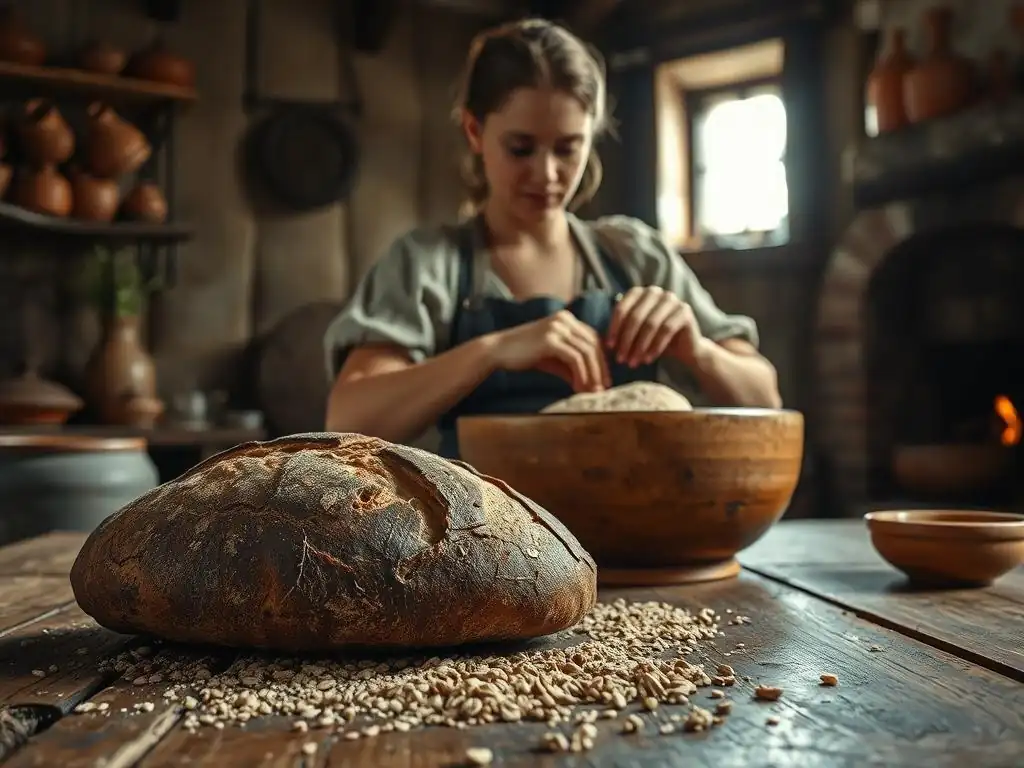
Welcome to BakeWithEase, your companion on the delicious journey of baking! Ever wondered about the origins of your favorite loaf? Today, we delve into The Humble History of European Peasant Breads, uncovering the surprising stories behind these rustic staples. Prepare to be fascinated by how necessity shaped tradition, and how these simple loaves became a cornerstone of European cuisine. Intrigued? Let's explore the rich history and heartwarming tales woven into every slice.
- The Enduring History of European Peasant Breads
- Introduction: Exploring the Rustic Baking Traditions of Europe
- Defining Peasant Bread: Characteristics and Key Ingredients
- Medieval Roots: Bread as a Staple in Peasant Life
- Regional Variations: A Tapestry of Baking Traditions
- Milling and Grain: Shaping the Evolution of Peasant Bread
- Baking Techniques: Ovens and Methods of the Past
- Socio-Economic Significance: Bread as a Symbol
- Modern Revival: Rediscovering Traditional Techniques
- Conclusion: The Enduring Legacy and Future of Peasant Breads
-
Frequently Asked Questions
- What are some of the defining characteristics of European peasant breads?
- How did the availability of ingredients shape the history of European peasant breads?
- What role did communal ovens play in the baking of peasant breads?
- How did the storage and preservation techniques affect the type of peasant bread made?
- What are some examples of regional variations in European peasant breads?
- Final Reflection: The Enduring Legacy of Peasant Bread
- Unleash Your Inner Baker: Craft Your Own Historic Loaf!
The Enduring History of European Peasant Breads
Introduction: Exploring the Rustic Baking Traditions of Europe
The story of European peasant bread history is deeply intertwined with the agricultural cycles, social structures, and daily lives of ordinary people across the continent for centuries. Far from being merely a food item, bread was often the literal staff of life, providing essential sustenance when other resources were scarce. This rich history reveals not only evolving baking techniques but also the resilience and ingenuity of communities relying on locally sourced ingredients and time-honored methods.
Exploring this fascinating subject allows us to connect with a fundamental aspect of European heritage. The traditions surrounding the making of these simple yet vital loaves reflect regional differences in climate, soil, available grains, and cultural practices, painting a diverse picture of Europe's culinary past. Understanding the history of European peasant breads offers valuable insights into how food shaped society and how these humble recipes have survived and evolved over time.
Defining Peasant Bread: Characteristics and Key Ingredients
Before delving into the historical narrative, it's important to understand what defines a traditional European peasant bread. Generally, these were loaves made by, or for, the working class, prioritizing practicality, nutrition, and shelf life over refinement or luxury. Their characteristics reflect the constraints and resources of their time.
Essential Characteristics of Authentic Peasant Bread
Authentic peasant bread typically exhibits a rustic appearance and robust texture. Characterized by a thick, often chewy crust and a dense, irregular crumb, these loaves were designed to be substantial and filling. They were frequently baked in large formats to last for several days, often becoming harder over time, which required soaking or using in soups and stews. The shapes were usually simple, often round or oval, reflecting ease of handling and baking in shared or communal ovens.
Furthermore, the texture and density were influenced by the type of flour used and the leavening method. Unlike the fine, white loaves of the aristocracy, peasant breads utilized coarser, less refined flours, often incorporating a mix of grains. This resulted in a bread with significant nutritional value, providing energy and fiber essential for demanding physical labor. The presence of visible bran and germ particles was common, a direct result of the milling processes available to peasants.
Core Ingredients in Traditional Recipes
The most fundamental ingredients in traditional European peasant bread were grain flour, water, salt, and a leavening agent. The type of flour varied significantly by region and availability. Wheat was common where it grew well, but rye was predominant in colder climates like parts of Germany, Poland, and Russia. Other grains like barley, oats, and even legumes were sometimes added, especially during times of scarcity, to extend the flour supply.
Leavening was traditionally achieved using sourdough starters – a living culture of wild yeasts and bacteria. This method provided a reliable rise and contributed a characteristic tangy flavor, while also helping to preserve the bread. Commercial yeast became available much later. Salt was added not only for flavor but also to control fermentation and improve dough structure. Unlike richer breads, peasant loaves typically contained no added fats, sugars, or eggs, keeping the cost low and the ingredients purely functional.
Medieval Roots: Bread as a Staple in Peasant Life
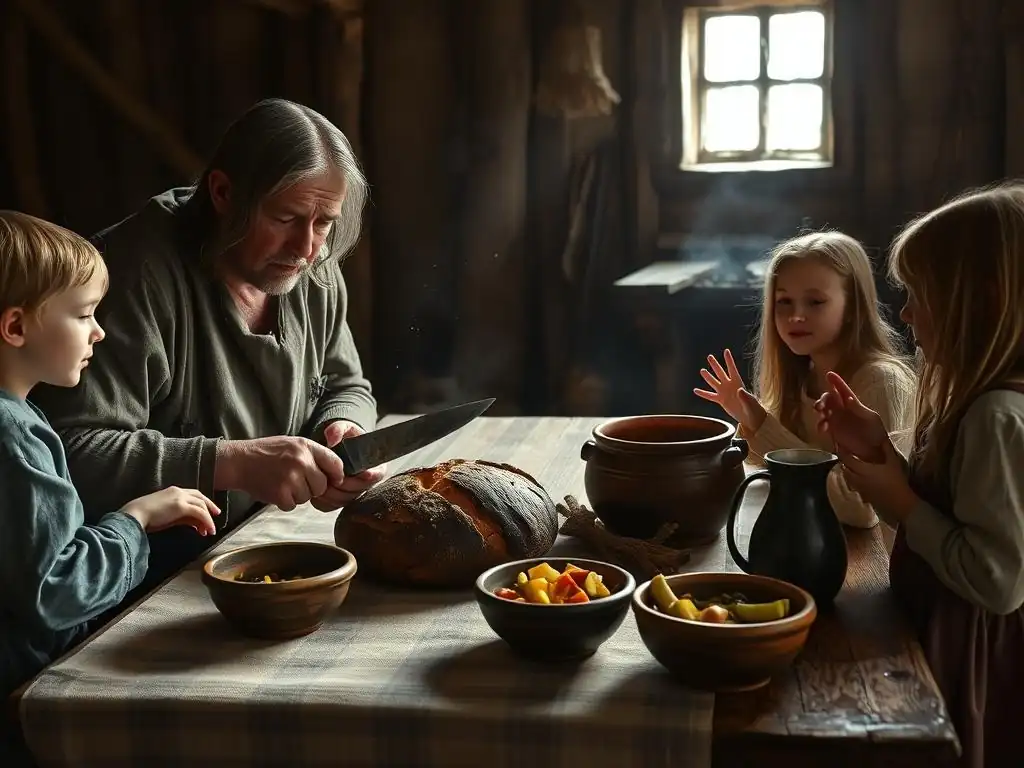
The history of European peasant breads is perhaps most vividly illustrated during the medieval period, a time when bread was unequivocally the cornerstone of the diet for the vast majority of the population. Agriculture dominated life, and the success or failure of grain harvests had a direct and profound impact on survival.
Bread's Central Role in the Medieval Diet
In the Middle Ages, bread was not merely a side dish; it was the main event, often constituting anywhere from 50% to 70% of a peasant's daily caloric intake. It provided the primary source of carbohydrates and much-needed energy for manual labor. Different qualities of bread existed, reflecting social status; while the nobility might eat fine white bread made from sifted wheat flour, peasants consumed darker, coarser loaves made from whole grains or mixtures of grains like rye, barley, and wheat, sometimes mixed with pulses or bran.
This reliance on bread meant that its availability and quality were critical issues. Famine was a constant threat, often triggered by poor harvests due to bad weather, disease, or conflict. During such times, the composition of peasant bread would change drastically, incorporating whatever grains were available, sometimes resulting in loaves that were barely palatable but necessary for survival. The daily consumption of bread was a fundamental rhythm of life, shaping meal times and agricultural efforts.
Grain Production and its Impact on Peasant Bread
The type of grain grown in a specific region directly dictated the character of the local European peasant bread. In Northern Europe, where the climate was less suited to wheat, rye became the dominant grain. Rye bread, known for its density and long shelf life, became a staple. In contrast, areas around the Mediterranean and parts of France and England saw more cultivation of wheat, leading to breads based primarily on this grain, though still coarser than aristocratic versions.
Agricultural practices were relatively basic, and yields could be unpredictable. Peasants were often tied to the land, cultivating plots for their own subsistence and for their lords. The grain they harvested was their primary resource for making bread. Milling was a crucial step, often done at communal mills (water-powered or wind-powered), which could be costly and slow. The resulting flour was typically less refined than modern flour, containing more of the whole grain, which contributed to the nutritional profile and texture of traditional European peasant bread.
Regional Variations: A Tapestry of Baking Traditions
The geographical and cultural diversity of Europe led to a fascinating array of regional variations in peasant bread, each reflecting local ingredients, climate, and culinary history. While sharing common characteristics like rusticity and nutritional value, these breads developed distinct identities.
France: Pain de Campagne - A French Country Loaf
France's contribution to European peasant bread history is perhaps best embodied by Pain de Campagne, or "country bread." This iconic loaf originated in rural France, where it was the daily bread of farming communities. Traditionally made with a mix of wheat and rye flour, leavened with a sourdough starter (often called levain), it boasts a sturdy crust and an open, irregular crumb. The proportion of rye varies, but it typically adds a subtle tang and depth of flavor not found in pure wheat breads.
Pain de Campagne was historically baked in large communal ovens or the large ovens found on farms. These large loaves (often weighing 1 to 2 kilograms) were designed to last for several days, providing sustenance throughout the week. The mix of flours and the sourdough leavening contributed to its excellent keeping qualities, a vital trait for families living far from bakeries or markets. Its enduring popularity today highlights the appeal of its robust flavor and texture.
Germany: Bauernbrot - The Hearty German Farmhouse Bread
In Germany, the term Bauernbrot, meaning "farmer's bread," encompasses a wide variety of dark, hearty loaves that are central to the country's bread culture. Bauernbrot is typically a mixed-grain bread, often containing significant amounts of rye flour along with wheat. The ratio of rye to wheat varies greatly by region, with some loaves being predominantly rye (like Roggenbrot) and others a more even mix. Sourdough is the traditional leavening agent, contributing to the bread's characteristic tang and dense structure.
These breads are known for their substantial weight, dark color (especially in rye-heavy versions), and intense, sometimes slightly sour flavor. The density and high rye content contribute to their exceptional shelf life, often remaining fresh for a week or more. Bauernbrot is more than just food; it's a cultural symbol of German resilience and practicality, reflecting centuries of adapting baking to the northern European climate and available grains.
Italy: Pane Casareccio - Italy's Rustic Homemade Bread
Italy, renowned for its diverse regional cuisines, also boasts a rich history of European peasant bread, often referred to generically as Pane Casareccio ("homemade bread") or Pane Contadino ("peasant bread"). While variations abound from north to south, these breads typically feature a rustic charm, a sturdy crust, and a relatively open crumb compared to dense rye breads. They are primarily based on durum wheat flour, especially in the south, or soft wheat flour mixed with semolina in other regions.
Unlike many northern European peasant breads, Italian pane casareccio often relies on a combination of sourdough and a small amount of commercial yeast, or sometimes just sourdough. The focus is on developing a flavorful crust and a crumb suitable for soaking up olive oil or accompanying simple meals. Famous regional examples include Pane Toscano (often made without salt, reflecting a historical tax), Pane Pugliese, and Pane di Matera, each with specific flour mixes and shapes passed down through generations.
Eastern Europe: Rye Bread Traditions and Regional Variations
Eastern Europe, encompassing countries like Poland, Russia, Ukraine, and the Baltic states, has an exceptionally strong and ancient tradition of rye-based European peasant bread. The climate in these regions is particularly well-suited to growing rye, which became the staple grain for centuries. These breads are often characterized by their dark color, intense flavor, and dense, moist crumb, achieved through complex sourdough fermentation processes.
Examples include Russian Borodinsky bread (a dark rye sourdough with coriander), Polish Chleb Żytni (simple rye bread), and various Lithuanian and Latvian rye loaves. These breads are not only foods but also hold significant cultural and even spiritual importance. The long fermentation times and use of coarse rye flour resulted in breads that were incredibly long-lasting, vital for communities facing long winters or unpredictable conditions. The techniques for making these robust loaves are among the oldest in the European peasant bread history.
Milling and Grain: Shaping the Evolution of Peasant Bread
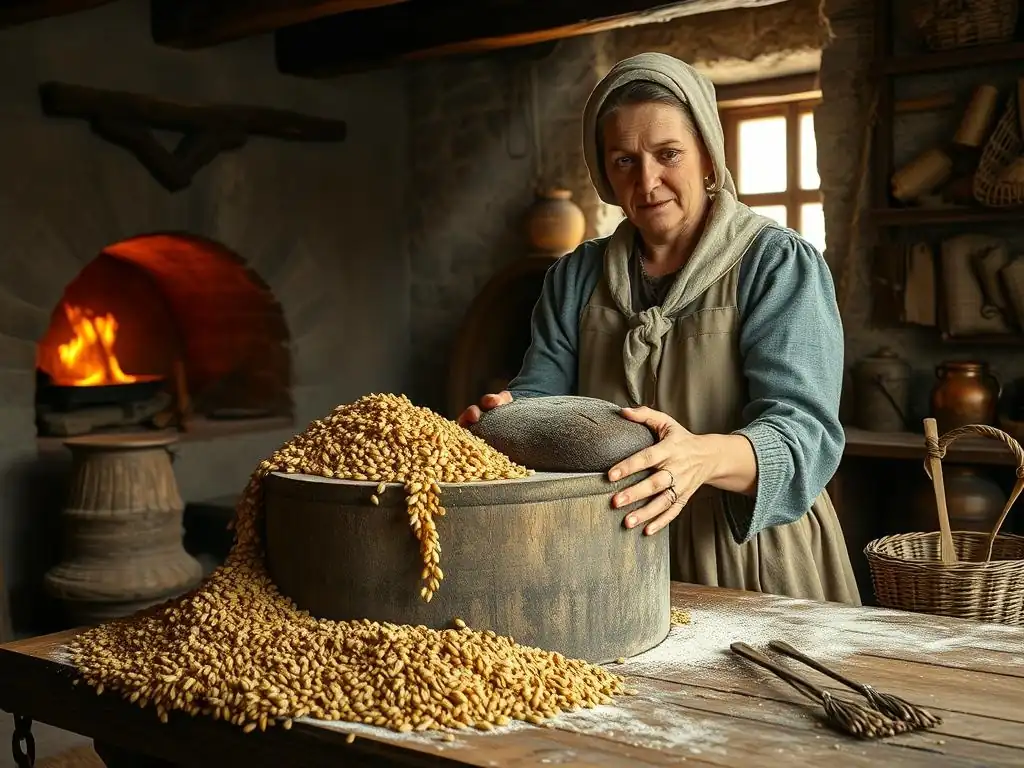
The process of transforming grain into flour has been a critical factor in the characteristics and evolution of European peasant bread throughout history. From ancient methods to later developments, milling practices directly influenced the texture, nutritional content, and even the color of the final loaf.
From Stone Mills to Modern Flour Production
For centuries, the primary method for milling grain was using stone mills. These could be simple hand querns used in individual homes or larger, more efficient water-powered or wind-powered mills serving a community. Stone milling, while effective, produced flour that was relatively coarse and contained more of the bran and germ compared to modern roller mills. This 'wholemeal' or 'high extraction' flour was the basis for most European peasant bread.
The transition to roller milling technology in the 19th century revolutionized flour production, allowing for the efficient separation of the endosperm from the bran and germ, producing fine white flour. While this led to the rise of lighter, whiter breads favored by the middle and upper classes, it also meant that the traditional, nutrient-rich whole grains became less common in everyday bread for some populations, marking a shift away from the historical norm of European peasant bread.
The Significance of Whole Grains in Traditional Breads
The use of whole grains (or high-extraction flours) was not just a matter of necessity in traditional European peasant bread; it was fundamental to its nutritional value and structure. These flours, containing the bran, germ, and endosperm, provided a wider spectrum of nutrients, including fiber, vitamins (especially B vitamins), and minerals, compared to refined white flour. This made peasant bread a complete and vital part of a diet that might otherwise lack diversity.
The presence of bran and germ also affects the dough's handling and the final bread's texture, often resulting in a denser crumb and a chewier texture. Bakers learned to work with these flours, sometimes sifting out larger particles but generally embracing the character they imparted. The history of European peasant breads is, in many ways, a history of maximizing the potential of the whole grain using simple, effective methods.
Baking Techniques: Ovens and Methods of the Past
The methods used to bake European peasant bread were as fundamental to its character as the ingredients themselves. Relying on shared resources and accumulated knowledge, these techniques were refined over generations to produce durable, nourishing loaves.
Traditional Wood-Fired Ovens and Hearth Baking
The most iconic method for baking traditional European peasant bread involved large, communal or farm-based wood-fired ovens. These ovens, typically made of brick or stone, were heated by burning wood directly inside the baking chamber until the walls absorbed sufficient heat, often reaching temperatures exceeding 500°F (around 260°C). The coals were then raked out, and the loaves were placed directly on the hot hearth floor using a long peel. The residual heat baked the bread, creating a thick, caramelized crust and ensuring a thorough bake of the dense interior.
Baking in these ovens was often a community affair, with families bringing their prepared dough to bake after the oven had been heated. This shared resource was essential in areas where individual homes lacked ovens large enough or the fuel required. The intense, dry heat of the wood-fired oven is considered crucial to developing the unique flavor and crust of authentic European peasant bread. Hearth baking, placing the dough directly on the hot surface, also contributed to the sturdy bottom crust.
The Transmission of Baking Knowledge Through Generations
The skills required to make and bake traditional European peasant bread were typically passed down orally and through practice within families and communities. There were no formal baking schools for peasants; knowledge was gained by watching, helping, and repeating the process alongside parents, grandparents, or neighbors. This included learning how to maintain a sourdough starter, judge the readiness of dough, shape loaves efficiently, and, crucially, manage the heat of the wood-fired oven.
This generational transmission ensured that regional techniques and specific bread recipes were preserved. Subtle variations in starter maintenance, kneading methods, proofing times, and baking temperatures became part of the local baking identity. The history of European peasant breads is thus also a history of shared cultural knowledge and practical skills vital for daily life, preserved through direct human interaction rather than written recipes.
Socio-Economic Significance: Bread as a Symbol
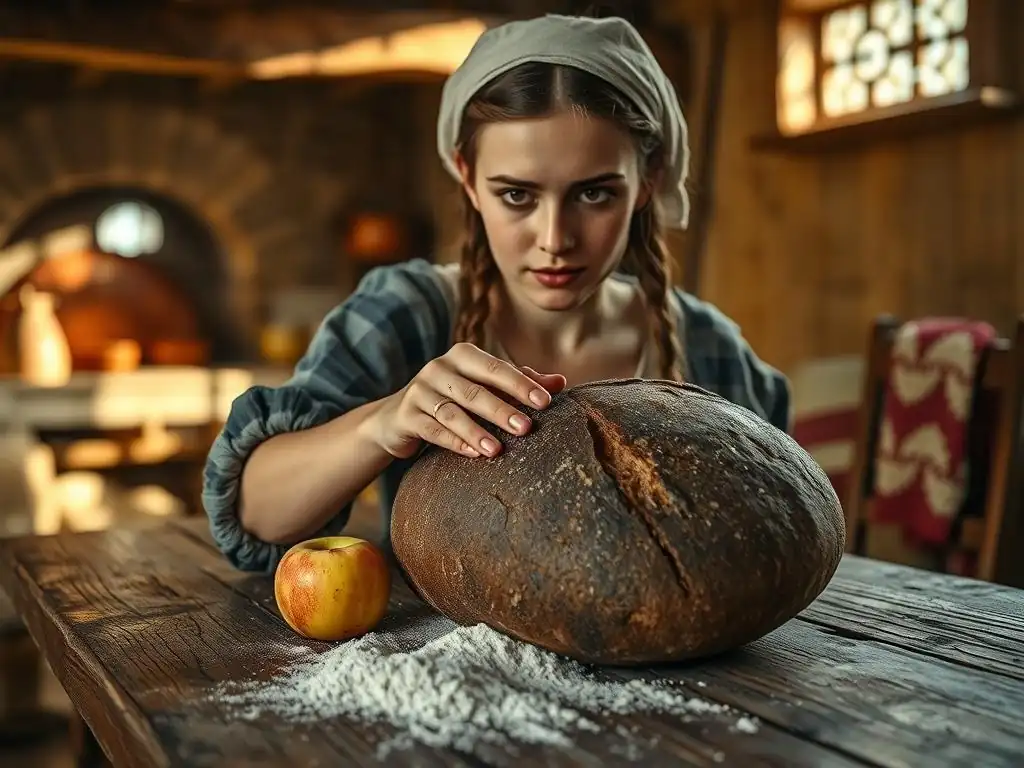
Beyond its function as food, European peasant bread held significant socio-economic weight throughout history. It was a tangible representation of subsistence, community, and the often precarious balance of peasant life.
Bread as a Symbol of Subsistence and Community
For centuries, possessing enough grain to bake bread was synonymous with survival. The ability to feed oneself and one's family was paramount, and bread was the primary means of doing so. Thus, bread became a powerful symbol of subsistence and security. A good harvest meant bread on the table; a poor one could mean hunger. This direct link made bread central to the peasant economy and mindset.
Moreover, the process of making and baking bread often fostered a sense of community. Sharing communal ovens, assisting neighbors with milling or baking, and even sharing loaves reinforced social bonds. Bread wasn't just consumed individually; it was often a product of collective effort and a symbol of mutual reliance within a village or farming community, further cementing its place in the history of European peasant bread.
The Impact of Peasant Bread on European Food Culture
The enduring legacy of European peasant bread extends far beyond the peasant class itself. Its fundamental nature and widespread consumption influenced the broader European food culture. It provided the base for many meals – used as trenchers (edible plates), dipped in stews, or simply eaten alongside vegetables and meager protein sources. The flavors and textures of these rustic loaves became deeply ingrained in regional palates.
Even as societies changed and diets diversified, the preference for hearty, flavorful bread persisted in many areas. Peasant bread traditions influenced later baking developments and remain a touchstone for authentic, traditional baking. The skills and knowledge developed around making the most of simple ingredients for sustenance laid the groundwork for much of Europe's rich bread heritage that we appreciate today.
Modern Revival: Rediscovering Traditional Techniques
In recent decades, there has been a significant resurgence of interest in traditional foods and artisanal production methods. This trend has brought the history of European peasant breads back into the spotlight, inspiring a new generation of bakers and consumers.
The Resurgence of Interest in Rustic Baking
Across Europe and beyond, there is a growing appreciation for the qualities of traditional European peasant bread: its deep flavor, chewy texture, nutritional value, and connection to heritage. Home bakers are experimenting with sourdough starters, milling their own grains, and seeking out recipes for Pain de Campagne, Bauernbrot, and other rustic loaves. Professional bakeries are also returning to these roots, using longer fermentation times, traditional ovens, and heritage grains to produce breads reminiscent of historical peasant loaves.
This revival is driven by various factors, including a desire for more flavorful and nutritious food, an interest in traditional crafts, and a reaction against industrialized, mass-produced bread. People are rediscovering the satisfaction of baking a loaf that requires time, patience, and skill, echoing the dedication of historical peasant bakers. The focus is shifting back to quality ingredients and time-honored processes, celebrating the simplicity and substance of European peasant bread history.
The Allure of Authentic Flavors in Contemporary Baking
The unique flavors of traditional European peasant bread – the tang of sourdough, the earthiness of rye, the caramelized notes from a well-baked crust – are particularly appealing in today's culinary landscape. These complex flavors are a stark contrast to the often bland taste of commercially produced bread made with refined flour and quick-acting yeast. Bakers are actively seeking out heritage grain varieties and reviving long fermentation methods to replicate these authentic profiles.
Furthermore, the dense, substantial texture of peasant bread is valued for its versatility, pairing well with everything from cheese and charcuterie to soups and stews. This contemporary appreciation for the characteristics that defined historical European peasant bread underscores its enduring appeal. The history of European peasant breads is not just a look into the past; it's a source of inspiration for the future of baking, emphasizing quality, flavor, and connection to tradition.
Conclusion: The Enduring Legacy and Future of Peasant Breads
The history of European peasant breads is a testament to human ingenuity, resilience, and the fundamental role of food in shaping societies. From medieval staples born of necessity to modern artisanal creations celebrated for their flavor and heritage, these rustic loaves have journeyed through centuries, adapting to changing times while retaining their core identity.
Their legacy lives on in the countless regional variations still baked today and in the renewed interest in traditional baking techniques. The story of European peasant bread history reminds us of the value of simple ingredients, time-honored processes, and the deep connection between the land, the baker, and the community. As we look to the future, these humble loaves continue to offer lessons in sustainability, nutrition, and the rich cultural tapestry of Europe.
Frequently Asked Questions
What are some of the defining characteristics of European peasant breads?
European peasant breads are generally characterized by their simple ingredients like flour, water, and salt, and their rustic appearance. They often have a dense crumb and a hearty crust, designed for longevity.
How did the availability of ingredients shape the history of European peasant breads?
The availability of local grains, like rye and barley, heavily influenced the types of breads baked. These breads were often made with what was readily accessible to the peasant population in different regions.
What role did communal ovens play in the baking of peasant breads?
Communal ovens were a central part of peasant life, allowing multiple families to bake their bread together, conserving resources and fostering community. This was particularly important where individual ovens were unaffordable.
How did the storage and preservation techniques affect the type of peasant bread made?
Techniques like drying and souring were used to preserve bread for longer periods, leading to variations in flavor and texture. Sourdough breads, for instance, had a longer shelf life than others.
What are some examples of regional variations in European peasant breads?
Examples include rye bread from Germany, dark breads from Scandinavia, and various sourdough loaves from across Europe. Each region developed breads reflecting its unique climate, ingredients, and traditions.
Final Reflection: The Enduring Legacy of Peasant Bread
The humble loaf, once a staple of survival, now holds a mirror to our complex relationship with food, history, and cultural identity. From the simple ingredients to the intricate regional variations, the story of European peasant breads reveals a rich tapestry woven from necessity, ingenuity, and enduring traditions. This history isn't just about bread; it's about the resilience of human spirit in the face of hardship and the enduring power of community forged around shared sustenance.
The impact of these breads extends far beyond the simple act of eating. They represent a tangible link to our past, a testament to the ingenuity and resourcefulness of generations who shaped their landscapes and cultures through the very food they consumed. Bread is the staff of life,
a proverb repeated across centuries and cultures, perfectly encapsulates the profound significance of this seemingly simple food. The recipes, passed down through families and communities, are living archives, preserving not only culinary techniques but also social structures and agricultural practices. Their continued presence on our tables, even in modernized forms, speaks volumes about the enduring power of tradition and the comfort found in familiar flavors.
Consider the ingredients, the techniques, the stories woven into each loaf. You, the reader, are now part of this ongoing narrative. Think about the food you consume, its origins, and the history it carries. Engage with the culinary heritage of your own region, explore the stories behind the ingredients on your plate, and appreciate the profound connection between food, culture, and the human experience. Let the humble history of European peasant breads inspire you to explore your own culinary heritage and to value the simple, yet powerful, act of sharing a meal.
Unleash Your Inner Baker: Craft Your Own Historic Loaf!
Thanks for exploring the fascinating world of European peasant breads with us! You've now unlocked the secrets to centuries of baking tradition. Ready to put your newfound knowledge to the test?
- Bake a loaf: Choose your favorite recipe from the article (or find a new one!) and get baking. Document your experience – you might even surprise yourself with how much you enjoy the process.
- Share your creation: Show off your freshly baked masterpiece on social media – use #BakeWithEasePeasantBread to connect with other bakers.
- Explore further: Research the history of bread in your own region – you might uncover fascinating local traditions and recipes.
What unique ingredient will you incorporate into your next historic bread bake?