
Beyond the Basics: Unusual Spices to Experiment With in Baking

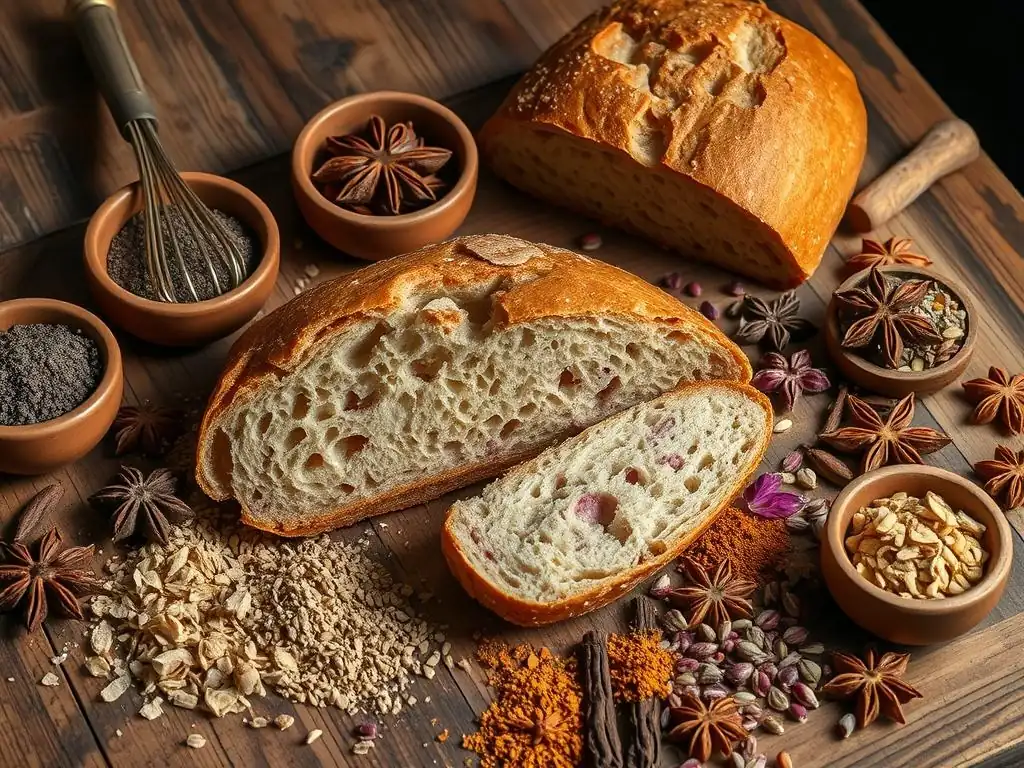
Welcome to BakeWithEase, where we believe everyone can create delicious masterpieces! Are you ready to elevate your baking beyond the ordinary? This week, we're diving deep into the world of unusual spiced baking flavor combinations. Discover how unexpected spices can transform your favorite recipes from simple to sensational, adding depth and intrigue to every bite. Intrigued? Let's explore the secrets to unlocking a whole new world of flavor!
- Introduction: Elevating Baked Goods with Unique Spices
- Exploring Aromatic Worlds: Less Common Baking Spices
- Mastering Spiced Baking Flavor Combinations: Tips and Techniques
- Recipe Ideas: Unleashing the Potential of Unusual Spices
- Conclusion: Embrace the Adventure of Spiced Baking
-
Frequently Asked Questions
- What are some unusual spices I can use to enhance my baking, according to BakeWithEase?
- How can I find step-by-step guides for using these spices in recipes?
- Does BakeWithEase provide tips for finding ingredients that might be less common?
- What types of baked goods can benefit from experimenting with spiced flavor combinations?
- Is BakeWithEase only for experienced bakers, or can beginners also benefit?
- Final Reflection: Unlocking Flavor's Hidden Depths in Spiced Baking
- Unleash Your Inner Spice Master!
Introduction: Elevating Baked Goods with Unique Spices
Discovering New Dimensions in Spiced Baking Flavor Combinations
Baking is an art that thrives on flavor, and while classic spices like cinnamon, nutmeg, and ginger are beloved staples, there's a whole world of less common spices waiting to transform your baked goods. Exploring these unique ingredients allows you to create truly memorable spiced baking flavor combinations that surprise and delight the palate.
Think beyond the familiar pumpkin spice blend and venture into profiles that might include floral notes, peppery warmth, or even a hint of tang. This journey into unusual spices isn't just about adding heat or sweetness; it's about building complex, layered flavors that make your cookies, cakes, and breads stand out.
Many traditional baking recipes from around the globe already utilize a broader spectrum of spices than typically found in Western pantries. For instance, Middle Eastern pastries often feature mahlab, while some African and Asian desserts incorporate grains of paradise or long pepper. By learning about these spices and their historical uses, we gain insight into how they can contribute to sophisticated spiced baking flavor combinations today. It's about understanding how a spice's volatile oils interact with fats, sugars, and flours during the baking process, unlocking aromatic potential that can range from subtly fragrant to intensely robust.
Why Experiment with Uncommon Spices in Baking?
Stepping outside your spice comfort zone can dramatically enhance your baking skills and the quality of your finished products. Firstly, it offers a unique selling point or simply a delightful surprise for those you're baking for. Imagine serving a shortbread with a hint of peppery warmth from grains of paradise, or a chocolate cake with the subtle, smoky depth of black cardamom – these are experiences that linger and spark conversation. Experimentation fosters creativity and deepens your understanding of flavor profiles, teaching you how different aromatic compounds behave under heat.
Furthermore, incorporating less common spices can unlock new possibilities for pairing with other ingredients. A spice like sumac, with its bright, tangy profile, might cut through the richness of butter or chocolate in a way that cinnamon never could, leading to exciting and unexpected spiced baking flavor combinations. It encourages a more thoughtful approach to recipe development, moving beyond simply following instructions to actively designing flavor. While it might require a small investment in new ingredients, the payoff in terms of expanded culinary horizons and truly unique baked goods is immense.
Exploring Aromatic Worlds: Less Common Baking Spices
Grains of Paradise: Adding Peppery Citrus Notes to Your Baking
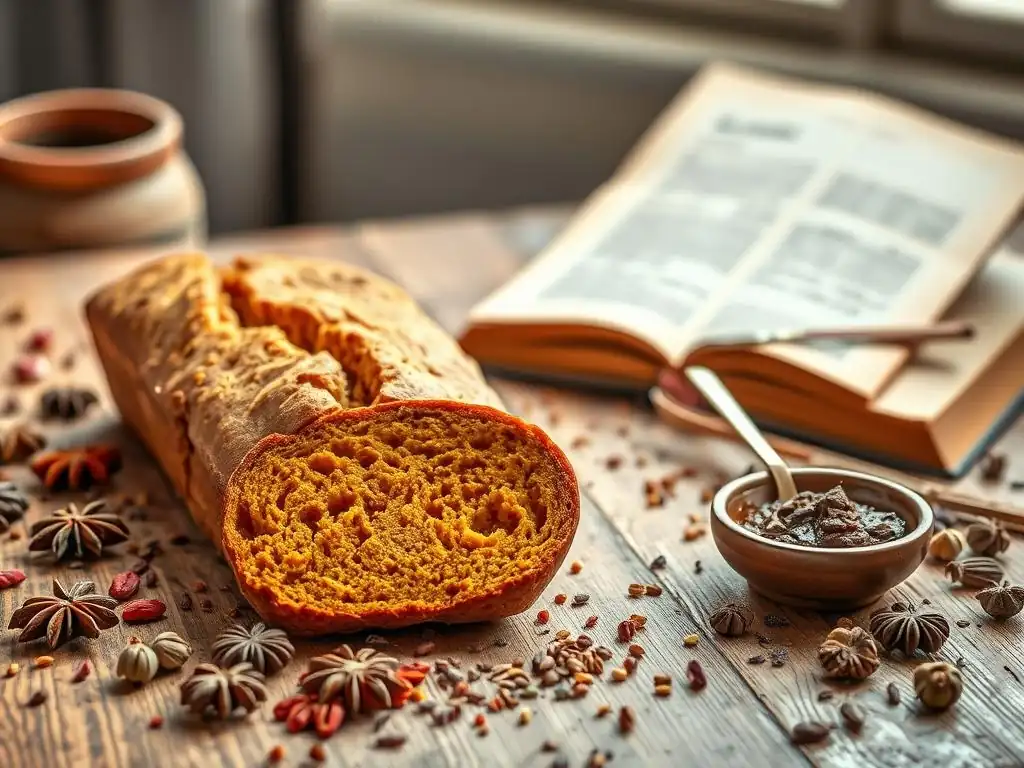
Grains of Paradise, also known as Aframomum melegueta, are small, reddish-brown seeds from a West African plant in the ginger family. Despite being related to ginger, their flavor profile is distinct and complex. Primarily, they offer a vibrant, pungent heat that is reminiscent of black pepper but softer and more nuanced, lacking the sometimes harsh bite of pepper.
Beyond the peppery kick, Grains of Paradise possess striking citrusy and floral undertones. Think notes of cardamom, coriander, and lemon zest all rolled into one tiny seed. This unique combination makes them fascinating for spiced baking flavor combinations, as they can provide warmth and complexity without overwhelming other delicate flavors. They are often ground just before use to preserve their volatile aromas, which are more prominent in freshly ground spice than in pre-ground versions.
Understanding Grains of Paradise Flavor Profile
The initial taste of Grains of Paradise is a bright, almost electric burst of peppery heat on the tongue. This is quickly followed by a wave of aromatic complexity. You might detect hints of jasmine or lavender, intertwined with the bright zest of citrus fruit like orange or lemon. There's also an underlying earthy warmth, similar to mild ginger or nutmeg, but without their dominant characteristics. The finish is typically clean and warm, without the lingering burn associated with chilies.
This multifaceted profile makes Grains of Paradise incredibly versatile. They can elevate simple ingredients like sugar cookies or shortbread by adding an unexpected layer of warmth and fragrance. In fruit tarts, they can complement berries or stone fruits, enhancing their natural sweetness with a bright, peppery contrast. Their complexity means they can stand alone or be part of a more intricate blend for unique spiced baking flavor combinations.
Best Uses for Grains of Paradise in Sweet Treats
Grains of Paradise shine in recipes where their bright, peppery notes can cut through richness or complement fruity flavors. Shortbread is a classic application; a small amount of ground Grains of Paradise mixed into the dough before baking adds an intriguing warmth and aroma that pairs beautifully with butter. They are also excellent in fruit-based desserts. Consider adding a pinch to apple pie filling, pear tarts, or berry crumbles to enhance the fruit's natural sweetness and acidity.
Another fantastic use is in chocolate baking. The spice's peppery warmth and citrus notes can create a delightful counterpoint to the deep, sometimes bitter, notes of cocoa. Try adding a small amount to chocolate cookies, brownies, or even a dark chocolate ganache. Because their flavor is potent when fresh, it's often best to start with a small amount, perhaps half a teaspoon per standard batch of cookies or a quarter teaspoon per pie, and adjust to your taste for optimal spiced baking flavor combinations.
Long Pepper: A Warm, Complex Spice for Rich Flavors
Long Pepper ( Piper longum) is not just an elongated version of common black peppercorns; it is a distinct spice with a unique and complex flavor profile. Visually, it resembles a small, dried catkin or mulberry, composed of many tiny berries fused together. Historically, it was more common in Europe than black pepper until the discovery of the Americas introduced chili peppers, which offered a more straightforward heat.
The taste of Long Pepper starts with a sharp, almost biting heat similar to black pepper, but this quickly evolves into something far more intricate. There are pronounced sweet, warm notes reminiscent of cinnamon, nutmeg, and cardamom, alongside earthy and musky undertones. Some people also detect hints of chocolate or tobacco. Grinding it releases potent volatile oils, so like Grains of Paradise, it's best ground fresh.
Discovering Long Pepper's Unique Taste Characteristics
Long Pepper's flavor is a journey. The initial impact is a sharp, pungent heat that awakens the palate. This is swiftly followed by a wave of sweetness and warmth, evoking familiar baking spices like cinnamon and clove, but with a distinct, almost resinous quality. Beneath these layers lie earthy, slightly smoky, or even fermented notes. The overall impression is richer and more aromatic than black pepper, with a longer-lasting, warming finish.
This complexity makes Long Pepper fascinating for spiced baking flavor combinations. It can add depth and intrigue to recipes that might otherwise rely on a standard spice blend. Its warmth and sweetness pair particularly well with ingredients that can handle its intensity, such as rich chocolate, robust fruits like figs or dates, or even hearty grains and nuts in breads and muffins.
Long Pepper Baking Recipes: From Cakes to Cookies
Long Pepper excels in baked goods where its warm, complex profile can meld with and enhance rich flavors. Chocolate cake is a prime candidate; adding finely ground Long Pepper to the batter or frosting introduces a layer of warmth and subtle sweetness that complements the cocoa beautifully. A small amount in gingerbread can add an extra dimension of heat and complexity beyond ginger and cinnamon.
Consider using Long Pepper in fruit loaves or muffins featuring ingredients like apples, pears, or dried fruits such as figs, dates, or raisins. Its earthy and sweet notes resonate well with these fruits. For cookies, try adding a pinch to spiced shortbread or oatmeal cookies for an unexpected warmth. Because of its potency, start sparingly, maybe a quarter teaspoon per standard batch, and build up to find the perfect balance for your spiced baking flavor combinations.
Black Cardamom: Smoky Depth for Savory-Sweet Delights
Often confused with its green cousin, Black Cardamom ( Amomum subulatum) is a different spice altogether, primarily used in savory cooking across South Asia. However, its unique smoky and camphoraceous flavor profile offers intriguing possibilities for adventurous spiced baking flavor combinations, particularly in recipes that bridge the gap between sweet and savory.
Black Cardamom pods are larger, tougher, and dark brown compared to the small, green pods of green cardamom. They are typically dried over open flames, which imparts their characteristic smoky aroma and flavor. The seeds inside are dark and sticky. While green cardamom is bright, floral, and citrusy, black cardamom is deep, robust, and smoky.
How Black Cardamom Differs from Green Cardamom
The fundamental difference lies in their flavor profiles and typical uses. Green cardamom is bright, highly aromatic, with notes of eucalyptus, lemon, and flowers, commonly used in sweet dishes, coffee, and lighter curries. Black cardamom, in contrast, is smoky, earthy, and slightly medicinal or camphoraceous due to its drying process. Its flavor is much bolder and more pungent.
While green cardamom adds a vibrant lift, black cardamom adds depth and a hint of rustic smokiness. This makes black cardamom less suitable for delicate pastries where green cardamom shines, but perfect for baked goods that can handle a more assertive, warming, and slightly savory note. Using black cardamom in place of green cardamom would result in a dramatically different, likely overwhelming, flavor profile in most traditional sweet recipes.
Incorporating Black Cardamom into Breads and Pastries
Black Cardamom works best in baked goods that are robust enough to carry its strong flavor, often those with a savory or semi-savory leaning. Consider incorporating it into spiced breads, especially those containing whole grains, nuts, or even cheese. A small amount of ground black cardamom can add a fascinating smoky depth to a savory scone or a cheese bread.
For sweeter applications, think recipes where a touch of smokiness and warmth would be welcome. A dark chocolate cake or brownie batter could benefit from a tiny pinch of ground black cardamom to add complexity. It could also be interesting in a spiced nut brittle or a caramel sauce where its smoky notes can complement the sweetness. Due to its intensity, it's crucial to use black cardamom very sparingly in baking – often just a fraction of a teaspoon is enough to make an impact on the spiced baking flavor combinations.
Sumac: Tangy Zest for Unexpected Baking Twists
Sumac is a spice derived from the dried and ground berries of the Rhus coriaria shrub, native to the Mediterranean and Middle East. It is a staple in Middle Eastern cuisine, known for its vibrant color and distinct tangy, slightly fruity flavor. Unlike many spices derived from seeds or bark, Sumac comes from a fruit, giving it a unique profile that is sour without being overly acidic like vinegar or lemon juice.
The flavor of Sumac is often described as lemony, but it has a milder, more balanced tang than fresh lemon juice. It also possesses subtle fruity notes, sometimes compared to cranberries or cherries, and a slight astringency. Its beautiful deep red or purplish color also adds visual appeal to dishes. Traditionally used in rubs, spice blends like za'atar, and sprinkled over salads and dips, Sumac's bright character offers exciting potential for spiced baking flavor combinations.
Sumac's Distinctive Sour Flavor Profile
Sumac's primary characteristic is its sourness, which comes from malic acid, the same acid found in apples. This sourness is balanced by a subtle fruitiness and a touch of bitterness. It's not an overwhelming, puckering sourness, but rather a bright, zesty tang that wakes up the palate. The flavor is less sharp and more rounded than citrus acidity.
This unique profile means Sumac can act as a natural flavor enhancer in baking, adding a bright counterpoint to sweetness or richness. It can provide that hint of acidity often needed to balance flavors in desserts, without adding the moisture or strong citrus aroma of lemon juice or zest. Its vibrant color is also a bonus, adding a pop of reddish-purple to doughs or glazes.
Sumac in Baking: Perfect Pairings and Applications
Sumac is particularly well-suited for baked goods where a tangy element can cut through sweetness or richness. Lemon bars or tarts are a natural fit; replacing some of the lemon zest with Sumac can add a layer of complexity and a slightly different kind of tang. It works wonderfully in shortbread or butter cookies, adding a bright counterpoint to the rich butter. Consider adding it to glazes or icings for cakes or muffins for a zesty finish.
Fruit tarts or crumbles featuring berries, stone fruits, or apples can also benefit from Sumac. A pinch mixed into the fruit filling enhances the fruit's natural acidity and adds a subtle brightness. It can even be interesting in baked goods with nuts or seeds, complementing their earthy flavors. Start with a small amount, perhaps half a teaspoon per batch of cookies or a teaspoon in a standard pie filling, to introduce its unique tang to your spiced baking flavor combinations.
Mahlab: Cherry-Almond Essence for Sophisticated Baking
Mahlab, also spelled Mahaleb, is a spice made from the ground pits of the St. Lucie cherry ( Prunus mahaleb). It is a popular ingredient in the cuisines of the Middle East and surrounding regions, particularly in yeast-leavened baked goods and pastries. Its unique aroma and flavor are difficult to describe but are often likened to a combination of bitter almond, cherry, and sometimes floral or vanilla notes.
The flavor of Mahlab is subtle yet distinctive. It adds a warm, slightly nutty, and fruity undertone that is particularly appealing in breads and cakes. The texture is usually a fine powder, though it can also be found as whole cherry pits that need to be ground just before use for maximum freshness and potency.
Exploring Mahlab's Aromatic Qualities
Mahlab's aroma is complex and intriguing. When ground, it releases scents that are reminiscent of cherry pits, often with a slightly bitter almond note. There can also be hints of marzipan, rose water, or even vanilla. The taste mirrors the aroma, offering a delicate balance of bitterness and sweetness, with a distinct cherry-like fruitiness and a warm, nutty undertone.
This subtle complexity is what makes Mahlab so prized in certain baking traditions. It doesn't dominate other flavors but rather adds a layer of sophisticated nuance. It pairs exceptionally well with ingredients like milk, eggs, and yeast, which are common in rich, leavened doughs, contributing significantly to the spiced baking flavor combinations in these items.
Using Mahlab in Traditional and Modern Baking Recipes
Mahlab is a cornerstone spice in many traditional Middle Eastern and Greek baked goods, especially sweet breads and pastries. It is famously used in Ma'amoul (date-filled cookies), Tsoureki (Greek Easter bread), and Kahk (Egyptian Eid cookies). In these recipes, Mahlab is typically incorporated directly into the dough, often alongside other spices like anise or mastic.
Beyond traditional uses, Mahlab can add a unique touch to modern baking. It works beautifully in brioche or challah, enhancing their richness with its cherry-almond notes. Consider adding it to pound cake, muffins, or even sugar cookies for a subtle, sophisticated flavor twist. It pairs well with vanilla, orange blossom water, and nuts. A typical usage rate might be one to two teaspoons per standard loaf of bread or batch of cookies, adding a wonderful depth to your spiced baking flavor combinations.
Mastering Spiced Baking Flavor Combinations: Tips and Techniques
Start Small: Gradual Incorporation of New Spices
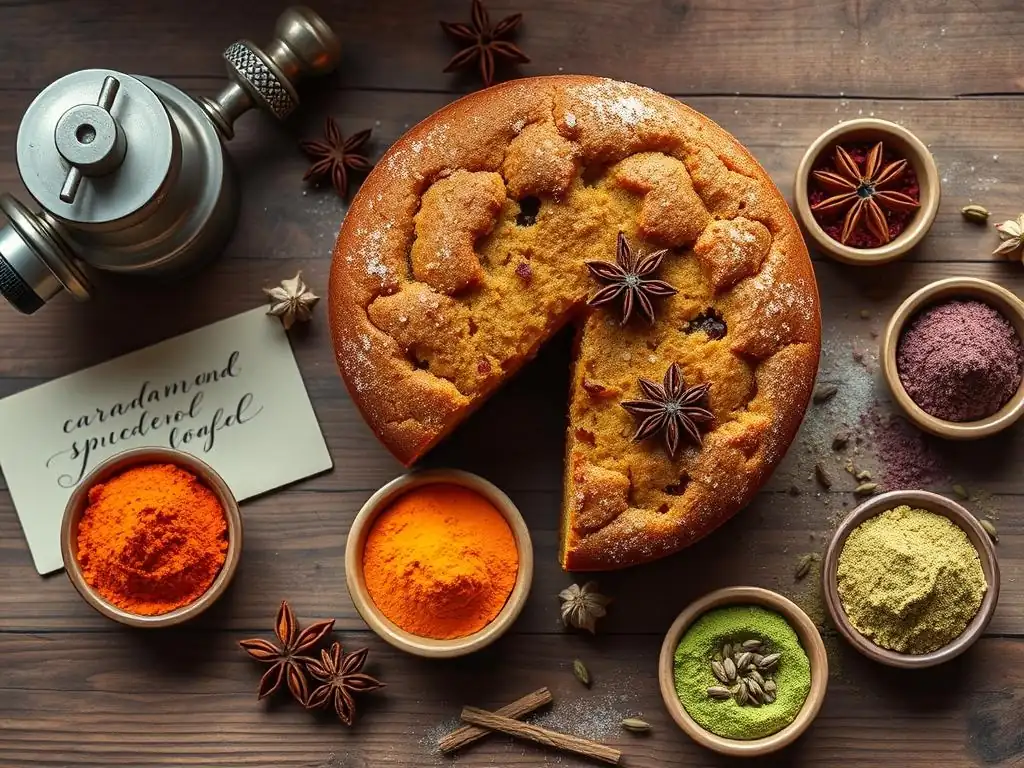
When experimenting with unusual spices, especially potent ones like Long Pepper or Black Cardamom, the golden rule is to start small. It's much easier to add more spice than to take it away if you've added too much. A good starting point might be to use half or even a quarter of the amount you might use for a familiar spice like cinnamon in a similar recipe. For instance, if a cookie recipe calls for 1 teaspoon of cinnamon, try starting with just 1/4 or 1/2 teaspoon of ground Grains of Paradise.
Baking is a science as much as an art, and while you can't reverse an over-spiced dough, you can learn from the experience. Keep notes on the quantities you use and the resulting flavor. Did the Sumac provide a pleasant tang or was it too sour? Was the Mahlab noticeable or lost? This iterative process of starting small, tasting, and adjusting in future batches is key to mastering new spiced baking flavor combinations and building your spice intuition.
The Art of Spice Blending: Creating Harmonious Profiles
Unusual spices don't always have to be used alone; they can be part of complex and harmonious spice blends. Think about how the flavor notes of different spices complement each other. For example, the peppery warmth of Grains of Paradise could be balanced by the sweetness of vanilla bean powder or the floral notes of rose water. Long Pepper, with its inherent sweetness and warmth, might pair well with cocoa or coffee powder.
Creating your own blends allows for truly personalized spiced baking flavor combinations. Consider pairing Sumac's tang with a touch of ginger and cardamom for a bright, warm mix. Mahlab's cherry-almond notes could be enhanced by a hint of cinnamon or orange zest. Experiment with small quantities of ground spices, mixing them in a bowl and smelling (and even carefully tasting) the blend before incorporating it into your dough or batter. A simple ratio might be 3 parts main spice to 1 part accent spice, adjusted until you find the desired balance.
Balancing Sweetness and Spice: Achieving Flavor Equilibrium
A crucial aspect of successful spiced baking flavor combinations is achieving the right balance between sweetness and the intensity of the spices. Spices can interact with sugar in complex ways; some spices, like cinnamon, can enhance the perception of sweetness, while others, like Sumac, provide a counterpoint to richness and sugar. Potent, pungent spices like Long Pepper or Black Cardamom require careful consideration of the sugar content in a recipe.
If a spice is particularly bitter or pungent, you might need to slightly increase the sugar in the recipe to balance it. Conversely, if a spice has inherent sweetness (like Long Pepper) or bright acidity (like Sumac), you might find you need slightly less sugar or fat to achieve equilibrium. Tasting your dough or batter (safely, especially if it contains raw eggs) can give you an indication, but the true flavor profile often emerges after baking. Pay attention to how the spice's heat, warmth, tang, or bitterness interacts with the sweetness and richness of the final product.
Storage and Freshness: Maximizing Spice Potency
The potency and flavor of any spice, especially less common ones you might not use daily, are highly dependent on proper storage and freshness. Spices contain volatile oils that degrade over time, particularly when exposed to light, heat, and air. Ground spices lose their potency much faster than whole spices because they have a larger surface area exposed.
Store your unusual spices in airtight containers, away from direct sunlight and heat (like above your stove). Cool, dark pantries are ideal. Whole spices, like whole Long Pepper pods or Mahlab pits, can last for several years if stored correctly.
Ground spices are best used within 6-12 months. Whenever possible, buy whole spices and grind them just before use to ensure the most vibrant and impactful spiced baking flavor combinations. If you're unsure about the freshness of a spice, rub a small amount between your fingers and smell it – if the aroma is weak or flat, it's likely past its prime.
Recipe Ideas: Unleashing the Potential of Unusual Spices
Shortbread is a simple yet elegant cookie, traditionally made with just butter, sugar, and flour. This simplicity makes it the perfect canvas to showcase the unique flavor of Grains of Paradise. The rich, buttery dough absorbs the spice's volatile oils beautifully during baking.
Incorporating finely ground Grains of Paradise into the shortbread dough introduces an unexpected layer of warmth and a subtle, bright peppery note that cuts through the richness of the butter. The spice's citrusy and floral undertones also add a sophisticated aroma that elevates the classic cookie. The result is a shortbread that is familiar in texture but offers a delightful and intriguing spiced baking flavor combination that is both comforting and exotic.
Long Pepper Chocolate Cake: A Warm and Complex Indulgence
Chocolate and spice are a classic pairing, but moving beyond chili or cinnamon to Long Pepper offers a new dimension of flavor. The deep, complex notes of Long Pepper, with its blend of initial heat, sweetness, and earthy warmth, resonate wonderfully with the robust flavor of dark chocolate.
Adding ground Long Pepper to a chocolate cake batter or even a chocolate frosting creates a rich, warm, and slightly mysterious flavor profile. The spice's inherent sweetness complements the chocolate, while its peppery warmth adds a subtle kick that enhances the cocoa's depth without overwhelming it. This combination results in a chocolate cake with a sophisticated and layered spiced baking flavor combination that is far more interesting than a standard recipe.
Black Cardamom Spiced Bread: A Smoky and Aromatic Loaf
While green cardamom is common in sweet breads, Black Cardamom offers a unique opportunity to introduce smoky depth, particularly in heartier loaves. Its robust flavor profile stands up well to richer doughs and can add a fascinating dimension to spiced baking flavor combinations in bread.
Incorporating a small amount of ground Black Cardamom into a spiced bread dough, perhaps one featuring whole wheat, rye, or nuts, adds a subtle, warming smokiness. It pairs surprisingly well with ingredients like orange zest, ginger, or even a touch of molasses. The resulting loaf has a complex aroma and a taste that hints at campfires and cozy warmth, making it perfect alongside cheese or enjoyed simply with butter.
Sumac Lemon Bars: A Tangy and Refreshing Treat
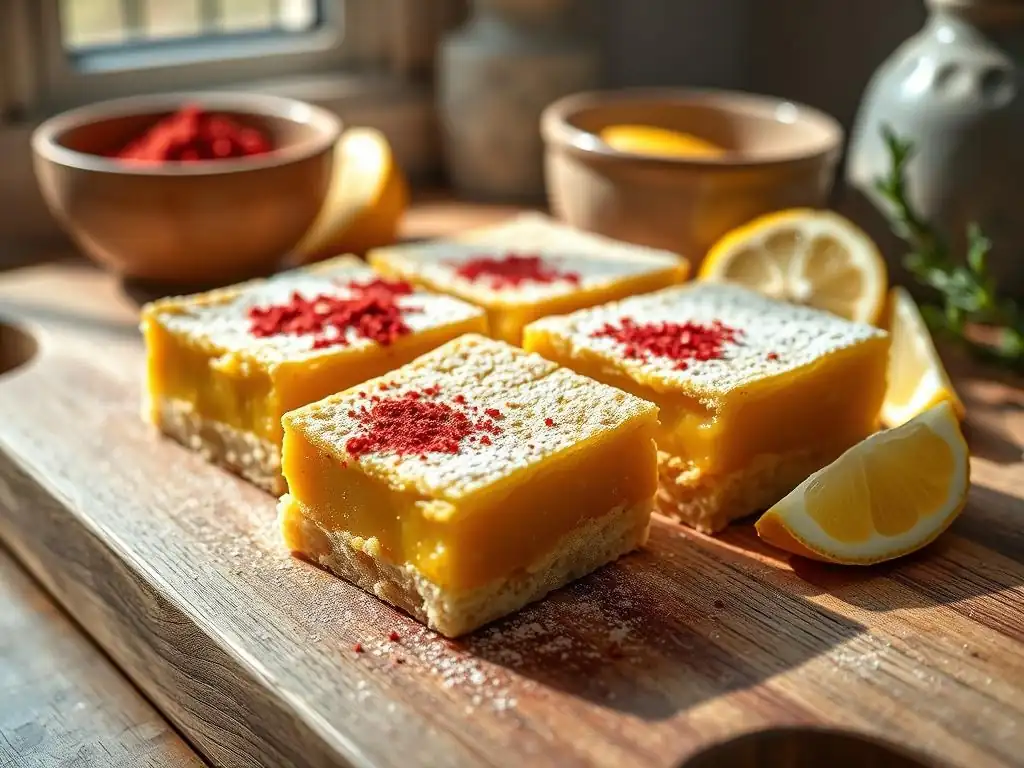
Lemon bars are known for their bright, zesty, and tangy filling balanced by a sweet, buttery crust. Sumac, with its unique mild tanginess and fruity notes, is an excellent partner for lemon, adding complexity without excessive acidity.
Substituting some of the lemon zest or a small amount of lemon juice with ground Sumac in the filling introduces a different kind of sourness – one that is rounder and slightly more earthy than pure lemon. The Sumac's vibrant red color can also add a beautiful visual appeal to the bright yellow filling. This creates a refreshing dessert with a layered spiced baking flavor combination that offers a delightful twist on a classic.
Mahlab Infused Brioche: A Cherry-Almond Dream
Brioche is a rich, soft, and buttery bread, often slightly sweet, making it an ideal vehicle for delicate yet distinctive spices like Mahlab. Its tender crumb and eggy richness are perfect for absorbing and showcasing Mahlab's subtle cherry-almond essence.
Kneading ground Mahlab into the brioche dough infuses the entire loaf with its unique aroma and flavor. As the bread bakes, the Mahlab releases its warm, slightly nutty, and fruity notes, complementing the richness of the butter and eggs. The result is a luxurious bread with a sophisticated spiced baking flavor combination that is wonderful on its own, toasted, or used in bread puddings.
Conclusion: Embrace the Adventure of Spiced Baking
Expanding Your Culinary Horizons with Uncommon Spices
Venturing into the world of unusual spices for baking is an exciting way to break free from culinary routine and expand your skills. By incorporating ingredients like Grains of Paradise, Long Pepper, Black Cardamom, Sumac, and Mahlab, you unlock a spectrum of flavors beyond the familiar. This exploration teaches you more about flavor profiles, how spices interact with other ingredients, and the art of balancing tastes.
Embracing these less common spices encourages creativity and a deeper appreciation for global baking traditions. It transforms a simple act of baking into an adventure, where each new spice offers the potential for a unique discovery. Don't be afraid to experiment; start with small quantities, taste as you go (where appropriate), and keep notes on your successes and learning opportunities.
The Future of Spiced Baking Flavor Combinations
As bakers become more adventurous and global cuisines become more accessible, the landscape of spiced baking flavor combinations is constantly evolving. Unusual spices are slowly making their way into mainstream recipes, inspiring innovative pairings and techniques. The future holds exciting possibilities for bakers to create truly signature dishes that reflect a blend of tradition and innovation.
Whether you're a beginner taking your first steps beyond cinnamon or an experienced baker looking for a new challenge, incorporating unusual spices is a rewarding endeavor. It promises baked goods that are not only delicious but also tell a story, offering a unique sensory experience that goes "beyond the basics" and elevates your spiced baking to new heights.
Frequently Asked Questions
What are some unusual spices I can use to enhance my baking, according to BakeWithEase?
BakeWithEase encourages experimenting beyond cinnamon and nutmeg! They suggest exploring spices like cardamom, star anise, and Sichuan peppercorns for unique flavor profiles.
How can I find step-by-step guides for using these spices in recipes?
BakeWithEase.com offers detailed recipes and guides, breaking down the baking process into manageable steps. This allows you to confidently incorporate new spices.
Does BakeWithEase provide tips for finding ingredients that might be less common?
Yes, BakeWithEase aims to use easy-to-find ingredients, or suggest possible substitutes. They might also provide links to online retailers for specialty spices.
What types of baked goods can benefit from experimenting with spiced flavor combinations?
Almost anything! From pastries and breads to cakes and cookies, incorporating spices can elevate the flavor of your favorite treats.
Is BakeWithEase only for experienced bakers, or can beginners also benefit?
BakeWithEase caters to all levels. They offer simple recipes perfect for beginners, as well as more complex projects for those looking to advance their skills.
The exploration of unusual spices in baking isn't just a culinary trend; it's a gateway to unlocking entirely new dimensions of flavor and creativity in the kitchen. The seemingly simple act of adding a pinch of something unexpected can transform a familiar recipe into a truly unique and memorable experience, proving that sometimes, the most exciting discoveries lie just beyond the well-trodden path.
The impact of spices on our culinary landscape is profound, extending far beyond simple seasoning. They are interwoven with history, culture, and personal memory, carrying with them the weight of tradition and the promise of innovation. The subtle nuances of cardamom, the fiery warmth of Sichuan peppercorns, the earthy depth of smoked paprika – each spice tells a story, adding layers of complexity and intrigue to our baked goods. The spice of life is change,
as the saying goes, and this certainly holds true in the ever-evolving world of baking.
Now, it's your turn to embark on this flavorful journey. Don't be afraid to experiment, to push boundaries, and to discover your own unique spice combinations. Let the aroma of unfamiliar spices guide you, and allow yourself to be surprised by the delicious results. The world of spiced baking is vast and waiting to be explored – what unexpected flavor adventure will you create next?
Unleash Your Inner Spice Master!
Thanks for exploring the exciting world of unusual baking spices with us! We hope you’ve discovered some new flavor adventures to embark on. Ready to transform your baking?
- Experiment with a new spice this week: Choose one spice from the article—maybe star anise or cardamom—and incorporate it into your next baking project. Don't be afraid to start small!
- Share your culinary creations: Post a picture of your spiced masterpiece on social media and tag us—we'd love to see your baking adventures!
- Challenge yourself to a blind taste test: Bake the same recipe twice, once with a familiar spice and once with a new one, and see if your friends and family can guess the difference.
What unexpected flavor combination are you most excited to try in your baking?