
Using Spices to Balance Sweetness in Your Baked Goods

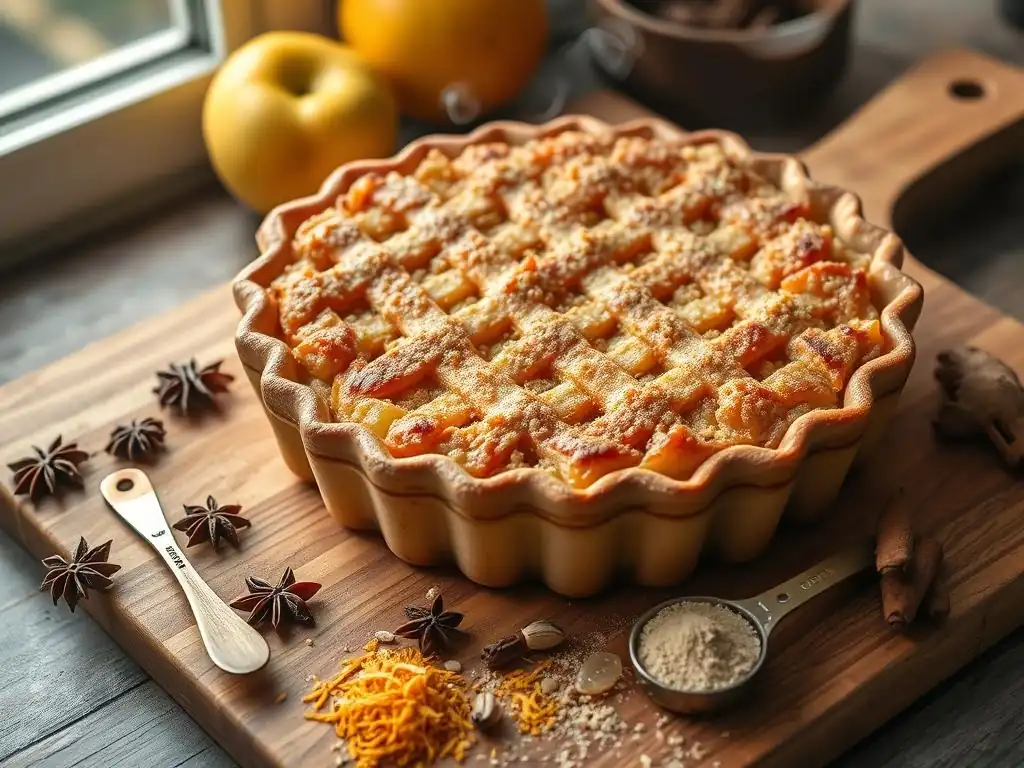
Welcome to BakeWithEase, your ultimate guide to unlocking baking brilliance! Ever wondered how to elevate your sweet treats beyond the ordinary? This week, we're diving deep into the aromatic world of spices. Discover the secrets to achieving perfect spice balance in baked goods, transforming simple recipes into culinary masterpieces. Intrigued? Let's explore how to harmonize sweet and savory notes for a truly unforgettable baking experience.
- Using Spices to Balance Sweetness in Your Baked Goods | BakeWithEase.com
- Introduction: The Art of Spice Balance in Baking
- Understanding Sweetness in Baked Goods
- The Power of Spices: A Baker's Secret Weapon
- Top Spices for Balancing Sweetness in Baking
- Spice Blends for Enhanced Sweetness Control
- Techniques for Incorporating Spices Effectively
- Recipes: Putting Spice Balance into Practice
- Troubleshooting: Common Spice Balance Mistakes and How to Fix Them
- Beyond the Basics: Experimenting with Unique Spice Pairings
- Conclusion: Mastering the Art of Spice Balance for Exceptional Baked Goods
- Frequently Asked Questions
- Final Reflection: The Art of Subtlety in Baking
- Unlock the Secret to Perfectly Balanced Baking!
Using Spices to Balance Sweetness in Your Baked Goods | BakeWithEase.com
Introduction: The Art of Spice Balance in Baking
Why Balancing Sweetness with Spices Matters in Baking
Achieving the perfect spice balance baked goods is fundamental to creating truly exceptional desserts and pastries. Without proper balance, a baked good can taste overwhelmingly sweet, masking other delicate flavors. Think of a simple sugar cookie: while delicious in its own right, adding just a hint of cinnamon or nutmeg can elevate its profile significantly, preventing the sweetness from being the only note you taste.
This isn't just about reducing sugar; it's about complexity and harmony on the palate. A study, even an informal one among bakers, would show that recipes praised for their depth often feature a thoughtful interplay between sweet and savory or warming spices.
Consider a classic apple pie. While apples provide natural sweetness, and added sugar enhances it, the signature flavor comes from the blend of cinnamon, nutmeg, and sometimes allspice or cloves. These spices cut through the richness and sweetness, adding warmth, aroma, and a pleasant counterpoint.
Without them, the pie would simply taste like sweet apples in crust. This careful calibration is what transforms simple ingredients into memorable culinary experiences, making balancing sweetness with spices a key skill for any baker looking to refine their craft. It allows the natural flavors of fruits, nuts, or chocolate to shine through, supported rather than overpowered by the sweetness.
BakeWithEase's Guide to Spices and Sweetness Harmony
At BakeWithEase, we believe that mastering the interaction between sweetness and spice is a cornerstone of great baking. It's about understanding how different flavor compounds interact and how to use them to your advantage. Our approach focuses on demystifying this process, providing clear guidance on which spices work best with various sweeteners and baked goods, and offering practical tips for incorporation. For instance, we often highlight how a pinch of salt can also enhance spice balance baked goods, proving that balance isn't just about adding more flavor, but carefully managing existing ones.
This guide is designed to help you move beyond simply following recipes and start experimenting with confidence. We'll explore the characteristics of various spices, discuss how they interact with different types of sugar and other sweeteners, and provide actionable techniques for integrating them into your baking. Whether you're tackling a rich chocolate cake that needs a hint of chili to cut through the sweetness or a delicate scone that could benefit from a touch of cardamom, understanding spice harmony in baking will empower you to create desserts that are not just sweet, but truly flavorful and well-rounded.
Understanding Sweetness in Baked Goods
Different Types of Sweeteners and Their Impact on Flavor
The type of sweetener used significantly impacts the final flavor profile and texture of baked goods, influencing how spices interact. Granulated white sugar provides pure sweetness without much added flavor, making it a neutral base where spices can truly shine.
Brown sugar, on the other hand, contains molasses, which imparts moisture, a chewier texture, and distinct caramel or toffee notes. These notes can complement or compete with certain spices; for example, the deep flavor of brown sugar pairs beautifully with cinnamon and ginger in gingerbread cookies, enhancing the overall warmth and complexity.
Honey and maple syrup introduce their own unique floral or earthy flavors, respectively, which need to be considered when selecting spices for balancing sweetness with spices. A recipe using honey in a cake might benefit from lighter, more aromatic spices like cardamom or orange zest (often used similarly to a spice in terms of flavor impact) rather than heavy cloves.
Beyond cane and beet sugars, alternative sweeteners like agave nectar, stevia, or erythritol also present unique challenges and opportunities for spice balance baked goods. Agave nectar is sweeter than sugar and has a mild flavor, but its higher moisture content can affect texture. Stevia and erythritol offer sweetness with minimal calories but can sometimes leave a lingering aftertaste, which certain spices can help mask or complement.
For instance, vanilla extract (often used alongside spices for balance) is frequently paired with stevia to improve its flavor profile. Understanding these nuances – how a sweetener tastes, its intensity, and how it affects texture – is crucial for selecting spices that will create a harmonious spice harmony in baking rather than a chaotic blend of competing flavors.
The Science Behind Sweetness Perception
Our perception of sweetness is complex and influenced by various factors, including temperature, texture, and the presence of other flavors like salt, acid, or bitterness. When we eat something sweet, sugar molecules bind to receptors on our taste buds, sending signals to the brain. However, other flavors can modify this signal.
A pinch of salt, for example, can actually enhance the perception of sweetness in low-sugar items while simultaneously cutting through excessive sweetness in high-sugar items. This is why many cookie and cake recipes include salt – it's not just for savory contrast, but for optimizing spice balance baked goods and overall flavor.
Spices work in several ways to interact with sweetness perception. Aromatic spices like cinnamon and vanilla release volatile compounds that our olfactory receptors detect, influencing our overall flavor experience. This aroma can make a baked good seem sweeter or more flavorful even if the sugar level isn't exceptionally high.
Spices with slightly bitter or pungent notes, such as nutmeg or ginger, can provide a counterpoint to sweetness, preventing it from dominating the palate. The warming sensation from spices like ginger or chili (in specific applications) also adds another dimension that distracts from or complements the pure sweet taste. Effectively using these properties is key to achieving excellent spice harmony in baking.
The Power of Spices: A Baker's Secret Weapon
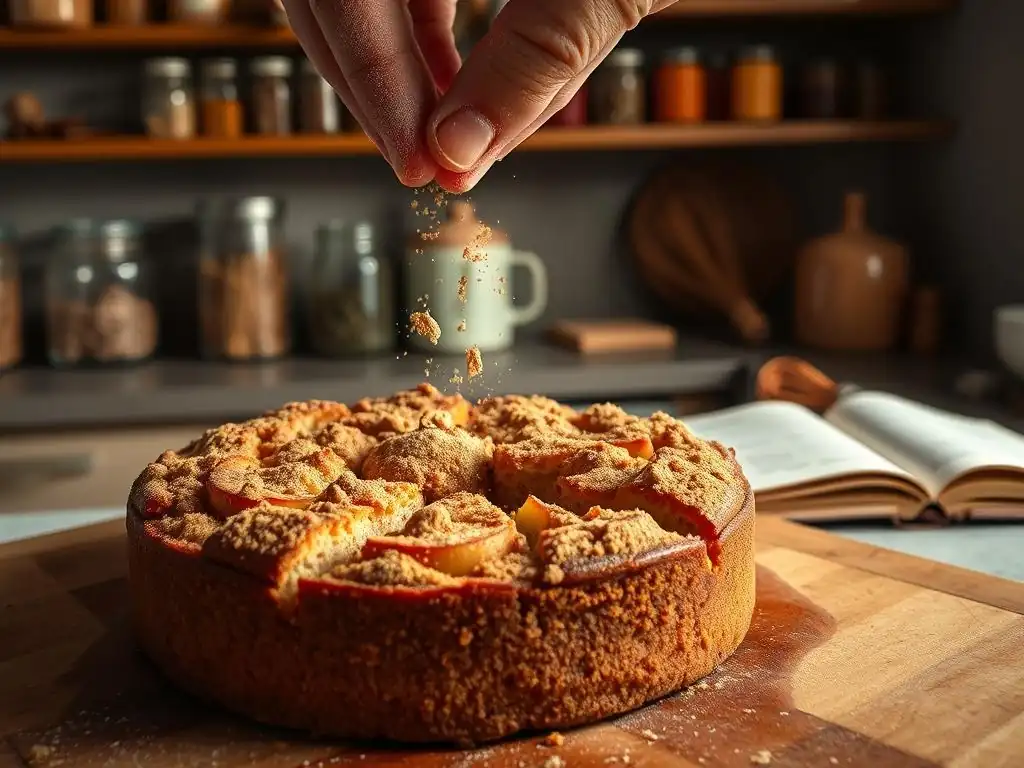
Exploring the Flavor Profiles of Common Baking Spices
Baking spices offer a vast palette of flavors that can dramatically transform baked goods. Cinnamon is perhaps the most ubiquitous, known for its warm, sweet, and slightly woody aroma. Different varieties exist, like the common Cassia cinnamon (stronger, spicier) and Ceylon cinnamon (milder, more complex, subtly floral).
Nutmeg provides a warm, slightly sweet, and nutty flavor with hints of pine or camphor, often used in custards, baked goods, and eggnog. Ginger, used in both ground and fresh forms, delivers a pungent, warm, and slightly peppery kick that can range from mildly sweet to intensely spicy, making it excellent for cutting through richness and sweetness.
Cardamom, particularly green cardamom, offers a unique aromatic profile that is floral, citrusy, and slightly eucalyptus-like. It's popular in Scandinavian and Middle Eastern baking and pairs wonderfully with fruits and dairy. Cloves are intensely aromatic, sweet, and pungent with a warm, slightly bitter edge; a little goes a long way.
Allspice, despite its name, is a single spice (the dried berry of the Pimenta dioica tree) that tastes like a combination of cinnamon, nutmeg, and cloves, offering a convenient way to introduce a complex warm spice profile. Understanding these distinct characteristics is the first step in effectively achieving spice balance baked goods.
How Spices Enhance and Complement Sweetness
Spices don't just add their own flavor; they interact with and enhance the flavors already present in baked goods, including sweetness. Aromatic spices like cinnamon and vanilla (often used alongside spices) possess compounds that are perceived as pleasant and comforting, enhancing the overall sensory experience which can make the sweetness feel more integrated rather than isolated.
For example, adding cinnamon to an apple pie doesn't just make it taste like "cinnamon and apples"; it seems to intensify the natural sweetness and tartness of the apples while adding a layer of warmth. This is a prime example of balancing sweetness with spices to create a more complex flavor.
Furthermore, spices can provide contrast. The slight bitterness in nutmeg or the pungent heat of ginger provides a counterpoint to pure sweetness, preventing the palate from becoming fatigued by sugar alone. This contrast creates interest and encourages the perception of other flavors in the dish. Think of adding a pinch of cayenne to chocolate cake – the heat isn't just a novelty; it highlights the deep, slightly bitter notes of the cocoa, making the sweetness of the sugar taste richer and more nuanced rather than just sweet. This interplay is fundamental to achieving successful spice harmony in baking.
Top Spices for Balancing Sweetness in Baking
Cinnamon: The Classic Spice for Sweetness Control
Cinnamon is arguably the most popular spice for baking, and its effectiveness in balancing sweetness with spices is well-documented. Its warm, sweet, and slightly woody notes pair exceptionally well with sugar, fruits (especially apples and pears), and chocolate. In recipes like cinnamon rolls or snickerdoodles, cinnamon is central, providing warmth that complements the significant sugar content. In a less sweet context, like a simple baked apple, cinnamon enhances the fruit's natural sugars.
The volatile oils in cinnamon contribute significantly to its aroma, which is a major part of flavor perception. By adding a strong, pleasant aroma, cinnamon can make a moderately sweet item feel more decadent and flavorful without increasing the sugar content.
Different cinnamons offer varying degrees of potency and flavor nuances, allowing bakers to fine-tune their spice balance baked goods. For instance, using a milder Ceylon cinnamon in a delicate cake allows its subtle floral notes to come through, while a robust Cassia is perfect for hearty fruit crumbles or spice cakes where it needs to stand up to other strong flavors.
Nutmeg: Adding Warmth and Depth to Sweet Treats
Nutmeg provides a distinctive warm, slightly sweet, and nutty flavor profile that adds depth and sophistication to baked goods. It's a key component in many classic recipes, from pumpkin pie and eggnog to custards and spice cookies. Its flavor is less assertive than cinnamon but equally important for spice harmony in baking. Nutmeg pairs particularly well with dairy, eggs, and starchy bases, enhancing their richness while providing a gentle counterpoint to sweetness.
Using freshly grated nutmeg makes a significant difference compared to pre-ground versions, as its volatile oils dissipate quickly. A small amount of freshly grated nutmeg can elevate a simple pound cake or muffin batter, adding a subtle layer of warmth that makes the sweetness feel less flat. In holiday baking, nutmeg is essential for creating that characteristic cozy flavor profile, effectively contributing to the overall spice balance baked goods by adding a layer of complexity beyond just sugar and dominant spices like cinnamon.
Ginger: A Zesty Counterpoint to Sugary Flavors
Ginger, whether fresh or ground, offers a pungent, warm, and sometimes fiery kick that is excellent for cutting through sweetness and richness. Ground ginger is common in gingerbread, spice cookies, and cakes, providing a dry, warming heat. Fresh ginger, with its brighter, more pungent flavor, is fantastic in syrups, glazes, or finely grated into batters where its moisture is accounted for, adding a zesty note that is particularly effective at balancing sweetness with spices in fruit-based desserts or items with significant molasses or brown sugar.
The active compound in ginger, gingerol, provides its characteristic heat and pungency. This strong flavor profile makes ginger a powerful tool for ensuring spice balance baked goods. In a sticky toffee pudding or a rich molasses cookie, ginger's intensity provides a necessary counterpoint to the deep, often overwhelming sweetness of the sugars and dates or molasses. It awakens the palate, preventing the sweetness from becoming cloying and adding an invigorating dimension to the flavor profile.
Cardamom: An Exotic Touch for Balanced Sweetness
Cardamom offers a complex, aromatic flavor that is floral, citrusy, and slightly spicy, providing an exotic and sophisticated way to achieve spice harmony in baking. It's widely used in Scandinavian baking (like cardamom buns) and Indian sweets and desserts. Cardamom pairs beautifully with fruits (especially citrus and apples), dairy, nuts, and chocolate, adding a bright, uplifting note that contrasts nicely with sweetness.
Using green cardamom pods, lightly crushed to release the seeds before grinding, yields the most potent and aromatic spice. A small amount of freshly ground cardamom can transform a simple sugar cookie or a plain cake batter, adding a layer of complex flavor that makes the sweetness feel more intentional and less one-dimensional. It's an excellent spice for balancing sweetness with spices in lighter, more delicate baked goods where heavy spices might overpower the primary flavors.
Cloves: A Potent Spice for Sweetness Modulation
Cloves are intensely aromatic, sweet, and pungent, with a strong warming quality. Due to their potency, cloves are typically used sparingly in baking but are highly effective for spice balance baked goods. They are a key component in spice blends like pumpkin pie spice and gingerbread spice and pair well with fruits, chocolate, and rich batters.
The strength of cloves comes from eugenol, a powerful aromatic compound. Just a pinch can add significant depth and a slightly bitter edge that helps to modulate sweetness. In a rich fruit cake or a spiced pear tart, the intense flavor of cloves provides a necessary counterpoint to the sweetness of the fruit and added sugar, contributing to a well-rounded spice harmony in baking. However, using too much can result in an overpowering, medicinal flavor, so careful measurement is essential.
Allspice: A Versatile Spice for Harmonious Flavors
Allspice provides a unique combination of flavors reminiscent of cinnamon, nutmeg, and cloves, offering a convenient way to introduce a complex warm spice profile that aids in balancing sweetness with spices. It's used in various baked goods, from cookies and cakes to fruit pies and puddings. Its versatile profile allows it to complement a wide range of flavors, making it a valuable tool for achieving spice balance baked goods.
Like cloves, allspice contains eugenol, contributing to its warming and slightly pungent notes. Its complexity allows it to work well in recipes where you want the warmth of multiple spices without measuring each one individually. In a spiced pumpkin bread or a plum crumble, allspice provides a background warmth and complexity that enhances the fruit and sugar while preventing the sweetness from becoming monotonous. It's a reliable spice for creating a pleasant spice harmony in baking.
Spice Blends for Enhanced Sweetness Control
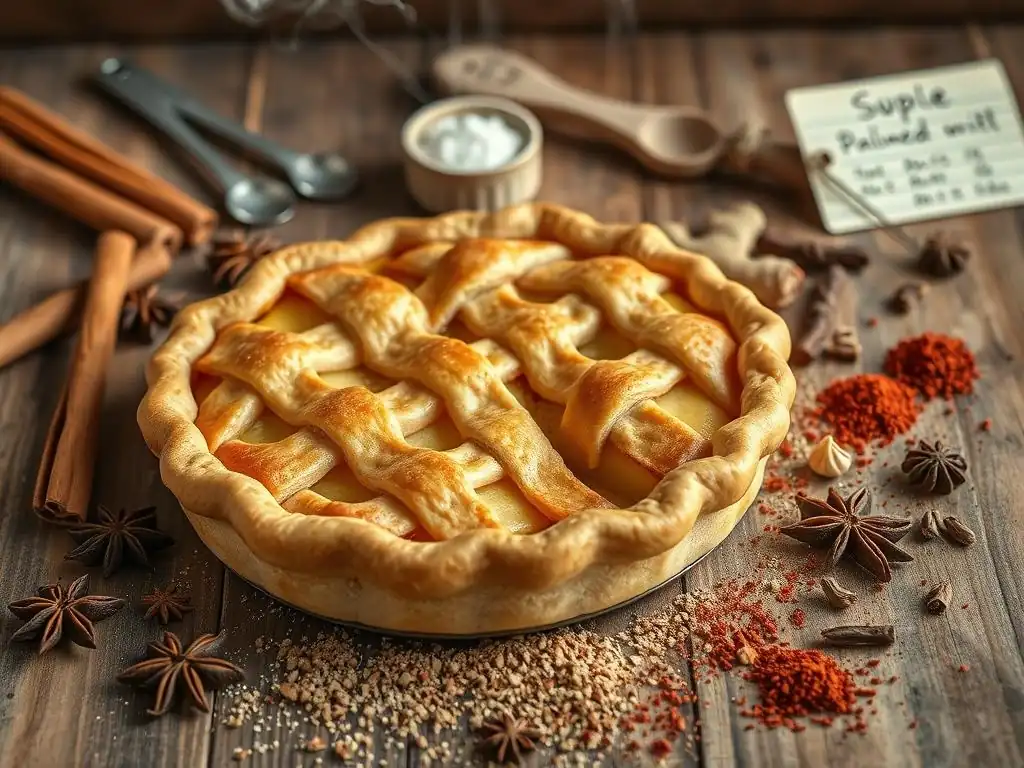
Creating Custom Spice Blends for Specific Baked Goods
Creating custom spice blends allows for precise control over the flavor profile of your baked goods, enhancing spice balance baked goods for specific recipes. Instead of relying on pre-mixed blends that might contain fillers or stale spices, blending your own ensures freshness and allows you to adjust ratios based on the ingredients you're using. For instance, a blend for a delicate pear tart might emphasize cardamom and ginger, while a blend for a robust gingerbread might lean heavily on ginger, cloves, and black pepper.
Consider the base ingredients and the desired outcome. Are you baking with apples (which love cinnamon, nutmeg, allspice) or chocolate (which pairs well with chili, cinnamon, coffee)? Is the sweetener very strong (like molasses) or mild (like white sugar)? Tailoring your blend ensures the spices perfectly complement the other flavors and effectively achieve spice harmony in baking. Starting with small batches and adjusting ratios after testing is a great way to develop your signature blends.
Spice Blend: Apple Pie Spice
A classic Apple Pie Spice blend is designed to complement the natural sweetness and tartness of apples while providing warmth and depth. A typical blend might include:
- 3 parts Ground Cinnamon
- 1 part Ground Nutmeg
- 1 part Ground Allspice
- 1/2 part Ground Ginger
- Optional: pinch of Ground Cloves or Cardamom
This ratio provides a strong cinnamon base, supported by the warm, slightly pungent notes of nutmeg, allspice, and ginger. The small amount of ginger adds a subtle zesty counterpoint to the sweetness. This blend is specifically formulated for balancing sweetness with spices in apple-based desserts, ensuring the spices enhance the fruit rather than overpowering it. It works wonderfully in pies, crumbles, muffins, and applesauce.
Spice Blend: Mexican Hot Chocolate Spice
This blend adds a unique warming and slightly spicy dimension to chocolate baked goods, providing excellent spice balance baked goods by cutting through the richness and sweetness of chocolate. A common blend includes:
- 3 parts Ground Cinnamon
- 1 part Ground Ancho Chili Powder (for mild heat and smoky flavor)
- 1/2 part Ground Cardamom
- 1/4 part Ground Cloves
- Optional: pinch of Cayenne Pepper for extra heat, or a scraping of Vanilla Bean
This blend leverages cinnamon's affinity for chocolate, adds warmth and a gentle kick from chili and cloves, and introduces an aromatic lift from cardamom. It's perfect for brownies, chocolate cakes, cookies, or even adding a pinch to chocolate frosting. The slight heat from the chili powders provides a fascinating contrast that enhances the perceived sweetness and depth of the chocolate, showcasing effective spice harmony in baking.
Techniques for Incorporating Spices Effectively
When to Add Spices During the Baking Process
The timing of adding spices can influence their final impact on spice balance baked goods. For most ground spices, adding them directly to the dry ingredients (flour, sugar, leavening) is standard practice. This ensures they are evenly distributed throughout the batter or dough. When the dry ingredients are mixed with wet ingredients, the spices' flavors begin to bloom.
However, for recipes involving liquids heated on the stovetop (like custards, syrups, or pie fillings), adding whole or ground spices to the warm liquid allows their flavors to infuse more deeply. Whole spices like cinnamon sticks or star anise can be steeped and then removed, leaving behind their flavor without texture. For maximum aroma release in batters, some bakers suggest blooming ground spices in a small amount of hot fat (like melted butter or oil) for a minute before adding to the wet ingredients, intensifying their flavor and contributing further to spice harmony in baking.
The Importance of Freshly Ground Spices for Flavor
The difference between freshly ground spices and pre-ground spices is significant when aiming for optimal spice balance baked goods. Spices contain volatile oils that hold their flavor and aroma. Once spices are ground, these oils begin to evaporate and degrade due to exposure to air, light, and heat. Pre-ground spices, which may sit on shelves for months or even years, can lose a substantial portion of their potency and develop stale, muted, or even bitter off-flavors.
Using whole spices and grinding them just before use ensures the maximum concentration of these flavorful oils. This results in a much more vibrant, aromatic, and potent spice flavor, meaning you may need less spice to achieve the desired effect. This precision is crucial for delicate spice harmony in baking, where a subtle difference in spice quality can impact the overall balance with sweetness and other flavors. Investing in a small spice grinder (a dedicated coffee grinder works well) and whole spices is a worthwhile step for any baker serious about flavor.
Measuring Spices Accurately for Optimal Balance
Accurate measurement is paramount when working with spices, especially potent ones like cloves or cardamom, to ensure proper spice balance baked goods. Unlike sugar or flour, where small variations might not drastically alter the outcome, even a slight over-measurement of a strong spice can overpower all other flavors, including the sweetness you're trying to balance. Using standard measuring spoons and leveling off the spice is crucial.
For consistency, especially with finer ground spices, avoid tapping the spoon as this can compact the spice and lead to over-measurement. For whole spices that will be ground, using a scale provides the most accurate measurement. Recipes often specify whether a measurement is for whole or ground spice (e.g., "1 teaspoon ground ginger" vs. "1 teaspoon fresh ginger, grated").
Following these instructions precisely helps guarantee the intended spice harmony in baking. When experimenting, it's always safer to start with slightly less spice than you think you need and add more if necessary, though this is harder once mixed into a batter.
Recipes: Putting Spice Balance into Practice
Recipe: Spiced Apple Crumble with Balanced Sweetness
This Spiced Apple Crumble recipe demonstrates how spices enhance fruit flavor and provide spice balance baked goods. The filling uses about 6 medium apples (a mix of sweet like Fuji and tart like Granny Smith) tossed with roughly 1/4 cup granulated sugar, 1/4 cup brown sugar, 2 tablespoons flour, 1 teaspoon cinnamon, 1/2 teaspoon nutmeg, and a pinch of allspice and salt. The crumble topping typically contains about 1 cup flour, 1/2 cup rolled oats, 1/2 cup brown sugar, 1/4 teaspoon cinnamon, a pinch of ginger, and 1/2 cup cold butter cut in.
The combination of cinnamon, nutmeg, and allspice in the filling complements the apples' natural sweetness and acidity. The small amount of added sugar enhances this without making it overly sweet, while the spices provide warmth and depth. In the crumble topping, the cinnamon and ginger add warmth and a subtle kick that contrasts with the buttery, sweet topping, ensuring the overall dessert isn't just sweet, but rich and complex, a perfect example of spice harmony in baking. Baking at around 375°F (190°C) for 35-45 minutes allows the spices to bloom fully.
Gingerbread cookies are a classic example of spice balance baked goods, where the strong flavors of molasses and spices are carefully balanced by sweetness. A typical dough might include about 1/2 cup unsalted butter, 1/2 cup brown sugar, 1/2 cup molasses, 1 egg, 1 teaspoon vanilla extract, 2 1/4 cups all-purpose flour, 1 teaspoon baking soda, 1 tablespoon ground ginger, 1 teaspoon ground cinnamon, 1/2 teaspoon ground cloves, and 1/4 teaspoon ground allspice, plus a pinch of salt and maybe black pepper.
The molasses provides deep, slightly bitter sweetness and color, while the significant amount of ginger, combined with cinnamon, cloves, and allspice, provides the characteristic warming, pungent flavor that defines gingerbread. The sugar balances the intensity of the spices and molasses. Baking at about 350°F (175°C) for 8-11 minutes results in cookies where the sweetness supports, rather than competes with, the bold spice profile, achieving excellent spice harmony in baking. The slight pepperiness adds another layer of complexity that enhances the overall spice balance baked goods.
Recipe: Cardamom Infused Cake with Reduced Sugar
This recipe demonstrates how a strong, aromatic spice like cardamom can allow for reduced sugar while maintaining a satisfying flavor profile, focusing on balancing sweetness with spices. A simple vanilla or plain cake batter (using maybe 1 cup sugar instead of the standard 1.5 cups for a typical 8-inch cake) is infused with about 1-2 teaspoons of freshly ground cardamom. The batter might include flour, butter, eggs, milk, leavening, and vanilla.
The fragrant, slightly citrusy notes of cardamom are prominent even with less sugar, providing ample flavor and aroma. The spice doesn't just add flavor; its aromatic compounds contribute to the overall sensory experience, making the cake feel flavorful and complete despite the lower sugar content. Baking at around 350°F (175°C) for 30-35 minutes allows the cardamom to fully infuse the cake. This is a great technique for achieving spice harmony in baking while consciously moderating sweetness levels.
Troubleshooting: Common Spice Balance Mistakes and How to Fix Them
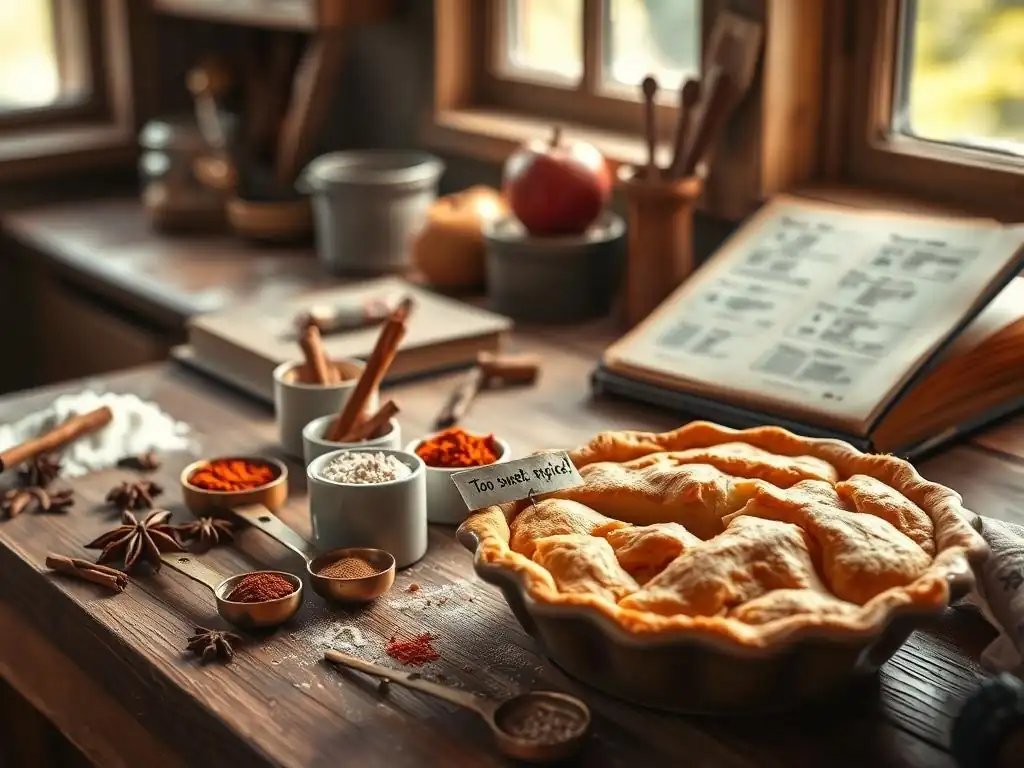
Too Much Spice: How to Tone Down Overpowering Flavors
Accidentally adding too much of a potent spice like cloves or ginger can easily overwhelm a baked good, disrupting the intended spice balance baked goods. If you catch this before baking, you might try doubling the rest of the batter (flour, sugar, wet ingredients – but not the leavening unless adjusting for the full volume increase) to dilute the spice concentration. This is often the most effective solution for raw dough or batter.
If the item is already baked, fixing overpowering spice is more challenging but not impossible. For cakes or muffins, a glaze or frosting can help. A cream cheese frosting or a simple sugar glaze can add sweetness and richness that somewhat masks excessive spice.
Serving the item with a dollop of unsweetened whipped cream or vanilla ice cream can also help temper the strong flavors. For cookies or bars, pairing them with milk or a neutral beverage can make the spice less intense. In the future, remember that achieving spice harmony in baking requires careful measurement, especially with powerful spices.
Not Enough Spice: Boosting Flavor Without Overdoing Sweetness
If your baked goods taste flat or overly sweet, they likely lack sufficient spice to create spice balance baked goods. This is easier to fix than too much spice, especially after baking. For cakes, muffins, or quick breads, you can create a spiced syrup or glaze to drizzle over the finished product. A simple syrup (equal parts sugar and water, heated until sugar dissolves) infused with cinnamon sticks, star anise, or cardamom pods can add a burst of flavor without significantly increasing sweetness if the syrup is used sparingly or made less sweet.
Another option is to make a spiced streusel or crumble topping to add after baking (though this is less conventional) or to serve alongside the baked good. For cookies, consider dusting them with a mix of powdered sugar and spices after baking. For pies or crumbles, serving with spiced whipped cream or ice cream is a good fix. Moving forward, remember that fresh, accurately measured spices are key to achieving vibrant spice harmony in baking. Next time, consider slightly increasing the spice amount or using freshly ground spices for more impact.
Spice and Sweetener Interactions: Avoiding Unpleasant Combinations
Certain spices and sweeteners can interact in ways that create less pleasant flavors, impacting the overall spice balance baked goods. For example, some artificial sweeteners can have a bitter or metallic aftertaste that is accentuated by certain spices, particularly those with bitter notes like excessive nutmeg or cloves. In such cases, focusing on aromatic spices like cinnamon or vanilla extract (often used in conjunction with spices) might be more effective for balancing sweetness with spices and masking off-notes.
Molasses and dark brown sugar have strong, distinct flavors that don't pair well with all spices. While they love ginger, cloves, and cinnamon, they might clash with lighter, floral spices like cardamom or subtle ones like allspice if used in large quantities. Similarly, the delicate flavor of honey might be lost or overpowered by very strong spices. Pay attention to traditional pairings (e.g., apples and cinnamon, gingerbread and molasses/ginger) as they often represent combinations that naturally achieve spice harmony in baking. When experimenting, start with small amounts to see how the flavors interact before committing to a full batch.
Beyond the Basics: Experimenting with Unique Spice Pairings
Exploring Less Common Spices for Baking
Moving beyond the usual cinnamon and nutmeg opens up a world of possibilities for achieving unique spice balance baked goods. Grains of Paradise, a relative of ginger, offers peppery, citrusy, and floral notes that work well in fruit tarts or shortbread. Anise seed or star anise provides a distinct licorice-like flavor that pairs surprisingly well with apples, figs, and some chocolates. Mahlab, ground from cherry pits, has a unique almond-like, slightly floral flavor, perfect for enhancing Middle Eastern pastries.
Even savory spices like coriander seed (citrusy, floral) or cumin (earthy, warm) can find a place in baking, particularly in items with nuts, seeds, or certain fruits. For instance, a hint of coriander can brighten an apple or pear tart. Fenugreek, often used in Indian cooking, has a maple or caramel-like aroma when toasted, which can complement brown sugar or caramel-based desserts, adding another layer to spice harmony in baking. Experimenting with these less common spices allows for truly distinctive and memorable spice balance baked goods.
Black Pepper and Chocolate: A Surprising Combination
While seemingly counterintuitive, black pepper is a fantastic spice for achieving spice balance baked goods, particularly with chocolate. The pungent, slightly woody heat of black pepper provides a sharp contrast to the richness and sweetness of chocolate. It doesn't just add heat; it enhances the deep, complex flavors of cocoa, making the chocolate taste "more chocolatey" and the sweetness feel more integrated.
Use freshly ground black pepper for the best results, as its volatile compounds are most potent then. A small pinch in chocolate cookies, brownies, or a chocolate cake batter can elevate the flavor profile significantly. It works particularly well with darker chocolates (around 60-70% cocoa) where there's already some bitterness to play off of. This pairing is a prime example of how savory spices can contribute to sophisticated spice harmony in baking.
Chili Powder and Chocolate: Adding Heat to Sweetness
Another surprising but effective pairing is chili powder (or cayenne pepper) with chocolate. This combination leverages the capsaicin in chilies to provide a warming sensation and a gentle (or not so gentle, depending on the amount) heat that directly contrasts with sweetness. This contrast prevents the sweetness from being overwhelming and highlights the complex, sometimes slightly bitter notes of cocoa.
Mexican hot chocolate is a classic example, but this pairing works beautifully in baked goods like chocolate cookies, brownies, or a rich chocolate lava cake. Start with a very small amount, like 1/4 teaspoon of mild ancho chili powder or a pinch of cayenne for a standard batch of brownies. The goal isn't necessarily to make the item spicy, but to add a background warmth and complexity that enhances the spice balance baked goods and the chocolate flavor itself, contributing to a dynamic spice harmony in baking.
Conclusion: Mastering the Art of Spice Balance for Exceptional Baked Goods
Final Tips for Achieving Perfect Sweetness and Spice Harmony
Mastering spice balance baked goods is an ongoing journey of experimentation and refinement. To consistently achieve perfect sweetness and spice harmony, always start with high-quality, fresh spices – ideally, whole spices ground just before use. Measure accurately, especially with potent spices, as a little goes a long way. Taste your batter or dough before adding leavening and eggs if possible (or a small cooked sample if appropriate) to get a sense of the flavor profile, though remember flavors evolve during baking.
Don't be afraid to experiment with classic pairings but also venture into less common ones like black pepper or chili with chocolate. Pay attention to how different sweeteners interact with spices. Keep a baking journal to note what worked and what didn't; this is invaluable for refining your spice harmony in baking. Remember that balance isn't just about adding flavor, but about creating a harmonious interplay where sweetness, spice, and the base ingredients all shine.
BakeWithEase's Commitment to Baking Education.
At BakeWithEase.com, we are committed to providing you with the knowledge and skills to become a confident and creative baker. Understanding how to achieve spice balance baked goods is a fundamental step in elevating your baking from good to truly exceptional. We believe that by exploring the properties of spices and learning how they interact with other ingredients, you can unlock new levels of flavor and create baked goods that are not just sweet, but truly memorable.
Our resources, from detailed ingredient guides to troubleshooting tips and inspiring recipes, are designed to support you on your baking journey. We encourage you to use this guide on balancing sweetness with spices as a starting point, to experiment in your own kitchen, and to discover the incredible impact that thoughtful spice usage can have on your baked creations. Happy baking!
Frequently Asked Questions
How can spices help balance the sweetness in baked goods?
Spices like cinnamon, nutmeg, and cloves can add warmth and complexity to flavors, reducing the perception of excessive sweetness. They achieve this by providing a counterpoint to the sugar.
What are some common spices used to balance sweetness?
Common spices include cinnamon, nutmeg, ginger, cardamom, cloves, and allspice. These spices offer different flavor profiles that can complement and enhance the overall taste.
How much spice should I add to my baked goods?
Start with a small amount, typically 1/4 to 1/2 teaspoon per recipe, and adjust to taste. It's crucial to taste as you go to achieve the desired spice balance without overpowering the other flavors.
Can spices be used to mask the taste of artificial sweeteners?
Yes, spices can help mask the aftertaste often associated with artificial sweeteners. They provide a more natural flavor that can make baked goods with artificial sweeteners more palatable.
What are some specific examples of spice pairings for sweet baked goods?
Apple pie benefits from cinnamon and nutmeg, while gingerbread uses ginger, cloves, and cinnamon. Chocolate cakes pair well with chili powder for a subtle kick and enhanced flavor.
Final Reflection: The Art of Subtlety in Baking
The delicate dance between sweetness and spice is more than just a recipe; it's a reflection of our evolving palates and a testament to the power of culinary balance. Understanding how to expertly wield spices to temper sweetness isn't merely a baking technique; it's a gateway to unlocking a world of nuanced flavors and creating truly memorable desserts. This careful calibration elevates the ordinary into the extraordinary, transforming simple baked goods into sophisticated culinary experiences.
The exploration of spice balance in baking has profoundly impacted my own approach to dessert creation. It's shifted my focus from simply achieving sweetness to crafting a harmonious symphony of tastes. The best flavors are those that surprise and delight, not those that simply overwhelm.
This quote perfectly encapsulates the essence of what I've learned throughout this process: the true magic lies not in the intensity of a single flavor, but in the subtle interplay of many. The journey of discovering the perfect spice-to-sweetness ratio is an ongoing one, a continuous refinement of technique and taste.
Now, it's your turn. I encourage you to experiment with different spice combinations in your own baking. Don't be afraid to deviate from traditional recipes, to explore the subtle nuances of cinnamon, ginger, cardamom, or nutmeg. Embrace the unexpected, and allow your creativity to flourish. The next time you bake, remember the power of balance, and let your creations speak volumes about your refined palate and your passion for the art of baking. The journey of mastering spice balance is a rewarding one, filled with delicious discoveries and the satisfaction of creating truly exceptional baked goods.
Unlock the Secret to Perfectly Balanced Baking!
Thanks for joining us on this flavor journey! We hope you've discovered new ways to elevate your baking with the magic of spices. Now it's time to put your newfound knowledge into practice.
- Experiment with a new spice blend: Try substituting cinnamon with cardamom in your next batch of cookies, or add a pinch of nutmeg to your favorite muffin recipe. Let your creativity flourish!
- Share your spiced baking creations: Post a picture on social media and tag us @BakeWithEase – we love seeing your culinary adventures!
- Dive deeper into the world of spice: Explore our extensive recipe archives on bakewithease.com for even more inspiration.
What unexpected spice combination will you try next to transform your baking?