
NonWheat Artisan Flours for Bread: Exploring GlutenFree Options

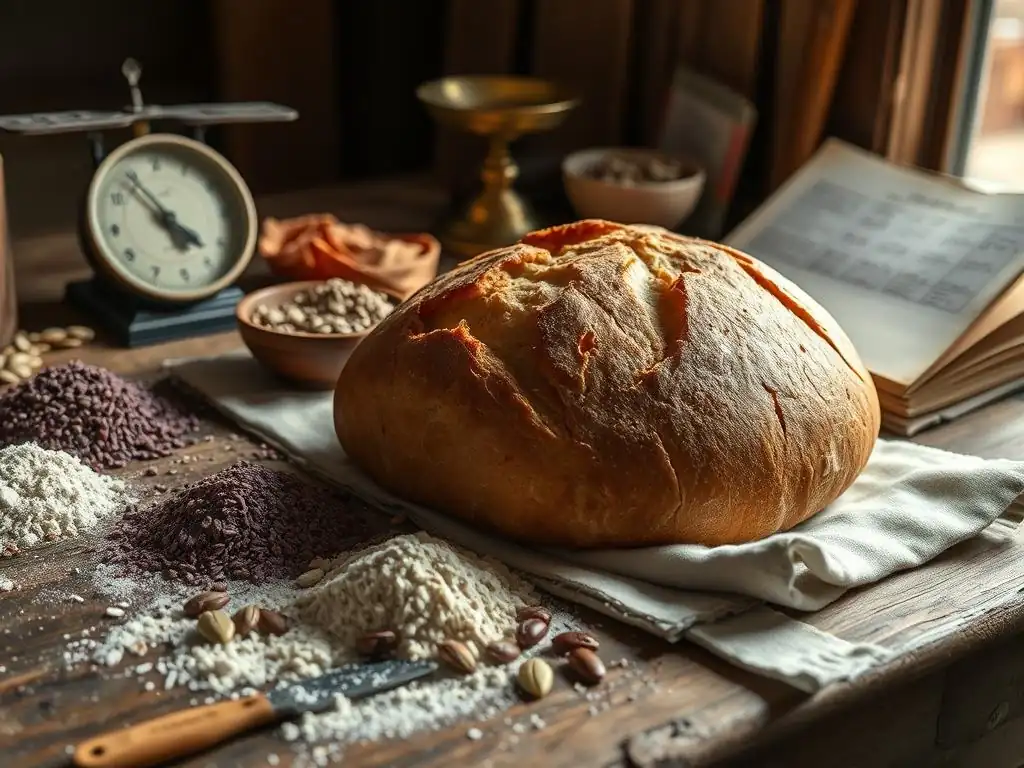
Welcome to BakeWithEase, your haven for baking brilliance! Are you ready to unlock the secrets of crafting exquisite, gluten-free artisan bread? Beyond the usual suspects, a world of non-wheat flours awaits, ready to transform your loaves. Discover the unexpected potential of glutenfree artisan bread flour and embark on a journey to create truly unforgettable baked creations. But which flour reigns supreme? Let's dive in and explore the possibilities...
Almond Flour: A Nutty and Versatile Choice
Almond flour, made from ground sweet almonds, is a popular ingredient in many gluten-free baking recipes, and it can contribute unique qualities to glutenfree artisan bread flour blends. It's typically high in fat and protein and relatively low in carbohydrates compared to traditional wheat flour. This composition means it absorbs less liquid and doesn't develop structure in the same way gluten does.
When used in bread, it imparts a rich, slightly sweet, and nutty flavor profile. Due to its richness, it's often used in smaller proportions within a blend to avoid a dense, heavy texture, typically making up perhaps 20-30% of a complex glutenfree artisan bread flour mix designed for rustic loaves.
Its texture can vary depending on whether it's made from blanched or unblanched almonds; blanched almond flour is finer and produces a smoother crumb, while unblanched flour includes the skin, adding more texture and fiber. While it doesn't provide structure on its own, its flavor and moisture-retaining properties are valuable. For example, in a glutenfree artisan bread flour recipe, almond flour can enhance browning and contribute to a softer crust. Bakers often combine it with starches and other flours to achieve the desired balance of structure, flavor, and texture in their gluten-free artisan bread.
Tapioca Flour (Tapioca Starch): Adding Structure and Chew
Tapioca flour, also known as tapioca starch, is a fine white powder extracted from the cassava root. It is primarily a starch and is excellent for adding chewiness and crispness to glutenfree artisan bread flour blends. Unlike protein-rich flours, tapioca flour provides elasticity and helps bind ingredients together, mimicking some of the properties of gluten, particularly in creating a chewy texture. It's often used in conjunction with other gluten-free flours that provide structure and flavor.
When heated, tapioca starch becomes gelatinous, which helps create a lighter, airier crumb and a desirable crust in gluten-free bread. A common ratio in glutenfree artisan bread flour blends might include tapioca flour making up around 15-25% of the mix. It contributes significantly to the overall texture, preventing the bread from becoming too crumbly or dense. Its neutral flavor also makes it a versatile addition that doesn't overpower the other ingredients in your artisan loaf.
Rice Flour: White vs. Brown for Baking
Rice flour is a staple in gluten-free baking and comes in two primary forms: white rice flour and brown rice flour, both essential components in many glutenfree artisan bread flour formulations. White rice flour is made from polished rice kernels with the bran and germ removed. It has a fine, smooth texture and a very neutral flavor, making it a versatile base flour.
It contributes to a tender crumb but can result in a slightly gritty texture if not finely ground. It's often used as a primary component in gluten-free blends, sometimes making up 30-40% or more of the mix.
Brown rice flour, conversely, is made from the whole rice grain, including the bran and germ. This gives it a slightly coarser texture, a nuttier flavor, and a higher nutritional content, including fiber. While it adds depth of flavor and nutrients to glutenfree artisan bread flour, using too much can make the bread dense and heavy.
Bakers often use a combination of white and brown rice flour or choose brown rice flour for heartier loaves, typically using it in slightly lower percentages than white rice flour in a blend, perhaps 20-30%. The choice between white and brown often depends on the desired texture, flavor, and nutritional profile of the finished artisan bread.
Sorghum Flour: A Mild and Versatile Gluten-Free Grain
Sorghum flour is milled from the ancient grain sorghum and is becoming increasingly popular in gluten-free baking due to its mild, slightly sweet flavor and soft texture. It's considered a whole grain flour, offering a good source of fiber and nutrients. In glutenfree artisan bread flour blends, sorghum flour can provide structure and a tender crumb without the strong flavors sometimes associated with other whole grain gluten-free flours.
This flour works well in combination with starches and other flours to create well-balanced gluten-free bread. It's often used in medium proportions within a blend, perhaps 20-30%, contributing to a light texture and pleasant taste. Its versatility allows it to be used in various bread types, from rustic loaves to softer sandwich bread, making it a valuable component for those crafting delicious glutenfree artisan bread flour mixes.
Teff Flour: An Ancient Grain with a Unique Flavor
Teff flour is ground from teff, a tiny, ancient grain originating from Ethiopia. It boasts a unique, slightly molasses-like or earthy flavor profile and comes in various colors, from ivory to dark brown, each offering a slightly different taste and nutritional makeup. Teff is a nutritional powerhouse, high in iron, calcium, and protein, making it an excellent addition for enhancing the nutritional value of glutenfree artisan bread flour.
While its distinctive flavor might not suit every recipe, it adds wonderful depth and complexity to certain bread types. Due to its strong flavor and fine particle size, it's often used in smaller percentages within a gluten-free blend, perhaps 10-20%, to contribute flavor and nutrients without overwhelming the other ingredients or making the texture too dense. It performs well in rustic or traditional-style gluten-free artisan bread, pairing particularly well with flavors like caraway or coriander.
Buckwheat Flour: A Robust and Earthy Option
Despite its name, buckwheat flour is not related to wheat and is entirely gluten-free. It's made from ground buckwheat groats and has a strong, earthy, and slightly bitter flavor. This robust flavor makes it ideal for hearty, rustic glutenfree artisan bread, often found in European-style loaves. Buckwheat flour is also highly nutritious, providing fiber, protein, and various minerals.
Because of its intense flavor and denser texture compared to lighter flours, buckwheat flour is typically used in moderation within a glutenfree artisan bread flour blend, perhaps 15-25%. It adds character and a darker color to the final product. When used thoughtfully, it can create a truly unique and satisfying gluten-free artisan bread, especially when combined with other flours like rice or sorghum to balance its intensity and improve crumb structure.
Oat Flour: A Soft and Slightly Sweet Flour
Oat flour is made from finely ground oats and offers a soft texture and a subtle, slightly sweet, nutty flavor. It's important to note that for it to be truly gluten-free, the oats must be certified gluten-free to avoid cross-contamination during processing. Oat flour adds tenderness and moisture retention to glutenfree artisan bread flour blends.
When used in bread, oat flour contributes to a soft crumb and a pleasant flavor. It's often used in moderate amounts, perhaps 20-30%, within a blend. While it doesn't provide significant structure on its own, its ability to retain moisture helps prevent gluten-free bread from drying out quickly. It pairs well with other flours and starches, adding a comforting, familiar taste and texture to your glutenfree artisan bread flour creations.
Xanthan Gum: The Gluten Replacement
Xanthan gum is a polysaccharide produced by the fermentation of sugar by a bacterium, Xanthomonas campestris. In gluten-free baking, it serves as a crucial binder and stabilizer, effectively mimicking some of the functions of gluten. Gluten provides elasticity and viscosity to dough, trapping gases produced by leavening agents and allowing bread to rise and hold its shape. Without gluten, gluten-free flours lack this inherent structure.
Xanthan gum creates a gel-like substance when mixed with liquid, which helps to hold the glutenfree artisan bread flour blend together, preventing crumbliness. It improves the dough's elasticity and viscosity, allowing it to stretch and rise without collapsing. The amount needed is typically very small compared to the flour weight, often ranging from 0.2% to 0.5% of the total flour weight in a glutenfree artisan bread flour recipe, depending on the specific blend and desired outcome. Too much can result in a gummy texture, while too little will lead to a crumbly loaf.
Psyllium Husk: Adding Fiber and Structure
Psyllium husk is derived from the seeds of the Plantago ovata plant and is a soluble fiber. Like xanthan gum, it acts as a binder in gluten-free baking but works differently. When psyllium husk is mixed with water, it forms a viscous gel that provides structure and elasticity to gluten-free dough, similar to how gluten behaves. It is particularly effective at providing structure and preventing the bread from spreading too much during proofing and baking.
Using psyllium husk in your glutenfree artisan bread flour recipes can significantly improve the crumb structure, making it more open and less dense. It also adds valuable dietary fiber. The typical usage rate for psyllium husk is slightly higher than xanthan gum, often ranging from 1% to 2% of the total flour weight. Many bakers prefer psyllium husk for its more natural origin and its ability to create a lovely, chewy crust and a well-structured interior in gluten-free artisan bread. Some recipes even use a combination of xanthan gum and psyllium husk for optimal results.
Guar Gum: The Stabilizer
Guar gum is a carbohydrate extracted from guar beans and is another common binder and thickener used in gluten-free baking. Like xanthan gum and psyllium husk, it helps to provide structure and prevent gluten-free dough from falling apart. It works by absorbing water and forming a gel, which helps to stabilize the dough and improve its texture.
While often used interchangeably with xanthan gum in some recipes, guar gum can produce a slightly different texture. It is generally less effective than xanthan gum at creating elasticity but is good at preventing ingredients from separating and maintaining consistency. The typical usage is similar to xanthan gum, around 0.2% to 0.5% of the total glutenfree artisan bread flour blend weight. Some bakers find that combining a small amount of guar gum with another binder like psyllium husk yields the best results for their specific glutenfree artisan bread flour formulation.
Hydration is Key: Adjusting Liquid Levels
Achieving the correct hydration level is absolutely crucial when working with glutenfree artisan bread flour blends. Unlike wheat flour, which develops gluten structure when hydrated and kneaded, gluten-free flours rely on binders and starches to create structure. These flours and binders absorb liquid differently than wheat, and the optimal hydration level can vary significantly depending on the specific blend used. A blend heavy in starches like tapioca might need less liquid than one with more whole grain flours like brown rice or sorghum.
Generally, gluten-free dough tends to be wetter and more like a thick batter or a very soft dough rather than the firm, elastic dough you'd expect from wheat. It often won't be kneaded in the traditional sense. Starting with the liquid amount recommended in a trusted glutenfree artisan bread flour recipe is essential, but be prepared to make slight adjustments.
If the dough seems too stiff and dry, it won't rise properly; if it's too wet, it will spread excessively. Look for a consistency that is thick enough to hold some shape but still quite sticky and manageable with wet hands or a spatula.
The Importance of Resting the Dough
Resting the dough is a vital step in gluten-free artisan bread baking, often serving multiple purposes beyond a simple bulk fermentation. After mixing the glutenfree artisan bread flour blend with liquids and binders, giving the dough a period to rest, sometimes called an autolyse or just a simple rest, allows the flours and starches to fully hydrate. This is particularly important with gluten-free flours, which can take longer to absorb moisture evenly compared to wheat flour.
A rest period, typically ranging from 20 minutes to an hour or even longer depending on the recipe, allows the binders (like xanthan gum or psyllium husk) to fully activate and distribute throughout the dough. This process helps to improve the dough's texture and workability before shaping and proofing. It also gives the leavening agents a head start and allows flavors to begin developing. Skipping this step can result in a less cohesive dough that is harder to handle and a final loaf with a less desirable texture.
Baking Temperatures and Times: Getting it Right
Proper baking temperature and time are critical for developing a good crust, achieving a well-baked interior, and ensuring the glutenfree artisan bread rises fully. Gluten-free bread often benefits from a higher initial baking temperature to provide a strong oven spring before the temperature is slightly reduced to allow the interior to cook through without burning the crust.
A common practice is to preheat the oven to a high temperature, such as 450°F (230°C), and bake for the first 15-20 minutes, often in a Dutch oven or on a baking stone with steam, before reducing the temperature to around 400°F (200°C) for the remainder of the baking time.
The total baking time will vary significantly based on the size and shape of the loaf, as well as the specific glutenfree artisan bread flour blend used. A medium loaf might take anywhere from 40 to 60 minutes. The bread is done when the crust is deeply colored and firm, and when tapped on the bottom, it sounds hollow. Using an internal thermometer is the most reliable method; the center of the loaf should reach an internal temperature of around 205-210°F (96-99°C). Baking fully is essential; underbaked gluten-free bread will often be gummy in the center.
Dense and Gummy Bread
One of the most common issues encountered when baking with glutenfree artisan bread flour is ending up with a loaf that is dense and gummy, rather than light and airy. This problem can stem from several factors. Over-hydration or under-hydration are frequent culprits; too much liquid can prevent the structure from setting properly, while too little can result in a tight, dense crumb. Another major cause is insufficient leavening or proofing; gluten-free dough needs adequate time and warmth to rise, but over-proofing can also cause the structure to collapse, leading to a gummy texture.
- Possible Causes:
- Incorrect hydration level (too wet or too dry).
- Insufficient leavening (yeast or baking powder issues).
- Under-proofing or over-proofing.
- Using too much binder (xanthan gum, psyllium).
- Underbaking (center doesn't reach target temperature).
- Solutions:
- Carefully measure liquids and binders; start with a trusted recipe's ratios.
- Ensure yeast is active if using it; check expiration dates.
- Monitor proofing time and temperature carefully based on recipe guidelines.
- Always bake until an internal temperature of 205-210°F (96-99°C) is reached.
Bread That Doesn't Rise
Another frustrating issue is a glutenfree artisan bread loaf that fails to rise adequately during proofing or baking. This can leave you with a flat, hockey-puck-like result instead of a beautiful artisan loaf. The primary reason for this is typically related to the leavening agent or the conditions needed for it to work. If using yeast, inactive or expired yeast is a common issue. Yeast requires specific temperatures to activate (warm water, typically 105-115°F or 40-46°C) and consistent warmth to produce gas during proofing.
Furthermore, the structure provided by your glutenfree artisan bread flour blend and binders must be sufficient to trap the gases produced by the leavening. If the binder ratio is too low or the hydration is significantly off, the dough won't have the strength to hold the rise. Cold temperatures during proofing will also drastically slow down or halt yeast activity.
- Potential Issues:
- Inactive or dead yeast.
- Water temperature for yeast activation is too hot or too cold.
- Proofing environment is too cold.
- Insufficient binder in the glutenfree artisan bread flour blend.
- Dough is too stiff (under-hydrated).
- Troubleshooting Steps:
- Always check yeast activity before mixing by proofing it in warm water with a pinch of sugar.
- Ensure water temperature is correct for yeast activation.
- Find a warm spot for proofing (e.g., oven with the light on, proofing box). Aim for around 75-85°F (24-30°C).
- Verify your glutenfree artisan bread flour recipe's binder ratio.
- Ensure the dough consistency is correct – it should be quite moist and sticky.
- Almond Flour: A Nutty and Versatile Choice
- Tapioca Flour (Tapioca Starch): Adding Structure and Chew
- Rice Flour: White vs. Brown for Baking
- Sorghum Flour: A Mild and Versatile Gluten-Free Grain
- Teff Flour: An Ancient Grain with a Unique Flavor
- Buckwheat Flour: A Robust and Earthy Option
- Oat Flour: A Soft and Slightly Sweet Flour
- Xanthan Gum: The Gluten Replacement
- Psyllium Husk: Adding Fiber and Structure
- Guar Gum: The Stabilizer
- Hydration is Key: Adjusting Liquid Levels
- The Importance of Resting the Dough
- Baking Temperatures and Times: Getting it Right
- Dense and Gummy Bread
- Bread That Doesn't Rise
- What are some common non-wheat flours used for gluten-free artisan bread baking?
- Why is it difficult to create artisan bread without gluten?
- What are some tips for improving the texture of gluten-free artisan bread?
- Where can I find gluten-free artisan bread flour blends?
- Can I use regular gluten-free flour for artisan bread, or do I need a special blend?
Frequently Asked Questions
What are some common non-wheat flours used for gluten-free artisan bread baking?
Common non-wheat flours include rice flour, tapioca flour, potato starch, and sorghum flour. These are often blended to achieve the desired texture and flavor in gluten-free breads, as no single flour perfectly mimics wheat. Finding the right blend is key.
Why is it difficult to create artisan bread without gluten?
Gluten provides the structure and elasticity necessary for traditional artisan bread. Without it, the dough can be fragile and lack the characteristic chewiness and rise. Careful selection of flours and additives is crucial.
What are some tips for improving the texture of gluten-free artisan bread?
Using ingredients like xanthan gum or psyllium husk can help mimic gluten's binding properties and improve the texture. Also, precise hydration levels and proper proofing times are essential for a good result.
Where can I find gluten-free artisan bread flour blends?
Many specialty grocery stores and online retailers offer pre-made gluten-free flour blends specifically formulated for bread baking. BakeWithEase.com offers recipes and tips for creating your own blends, too.
Can I use regular gluten-free flour for artisan bread, or do I need a special blend?
While you can use all-purpose gluten-free flour, a specially formulated artisan blend will generally yield better results. Artisan blends are designed to provide the necessary structure and crumb expected in artisan bread.
Final Reflection: The Flourishing Future of Gluten-Free Artisan Bread
The demand for delicious, high-quality gluten-free bread is not a fleeting trend; it's a fundamental shift in dietary needs and culinary expectations. The rise in gluten intolerance and the increasing awareness of the health benefits of diverse grains have created a powerful market force, demanding innovation and excellence in gluten-free baking. This necessitates a deeper understanding of the unique properties of non-wheat flours and the artistry required to transform them into truly exceptional loaves.
This exploration into the world of non-wheat artisan flours has been a journey of discovery, revealing the incredible potential hidden within ingredients like almond flour, sorghum flour, and teff. The subtle nuances of each flour, their individual strengths and weaknesses, have challenged traditional baking methods and pushed the boundaries of what's possible in gluten-free baking. The best bread is made with love, and the best gluten-free bread requires an even deeper understanding of the ingredients and the process.
This quote, while not directly from a source, encapsulates the essence of this exploration; it's about more than just a recipe; it's about a mindful approach to baking.
Now, it's your turn. Consider the possibilities. Experiment with different non-wheat flours, embrace the challenges, and discover the joy of creating your own unique gluten-free artisan bread. Don't be afraid to fail; each failed loaf is a lesson learned, bringing you closer to mastering the art of gluten-free baking and unlocking a world of delicious, nutritious, and satisfying bread. The journey is as rewarding as the destination.
Unleash Your Inner Baker: Mastering Gluten-Free Bread
Thanks for joining us on this journey into the world of non-wheat artisan flours! We hope you’ve gained a newfound appreciation for the diverse and delicious possibilities beyond traditional wheat. Now it's time to put your knowledge into practice.
- Bake your first gluten-free masterpiece: Choose one of the highlighted flours from the article and try a simple recipe. Don't be afraid to experiment!
- Share your baking adventures: Post a picture of your creation on social media and tag us @BakeWithEase – we'd love to see your results!
- Explore our flour guide: Dive deeper into the world of gluten-free baking with our comprehensive guide available on our site.
What exciting gluten-free bread will you create first?