
Beyond the Pod: Exploring Vanilla Powder and Paste in Baking

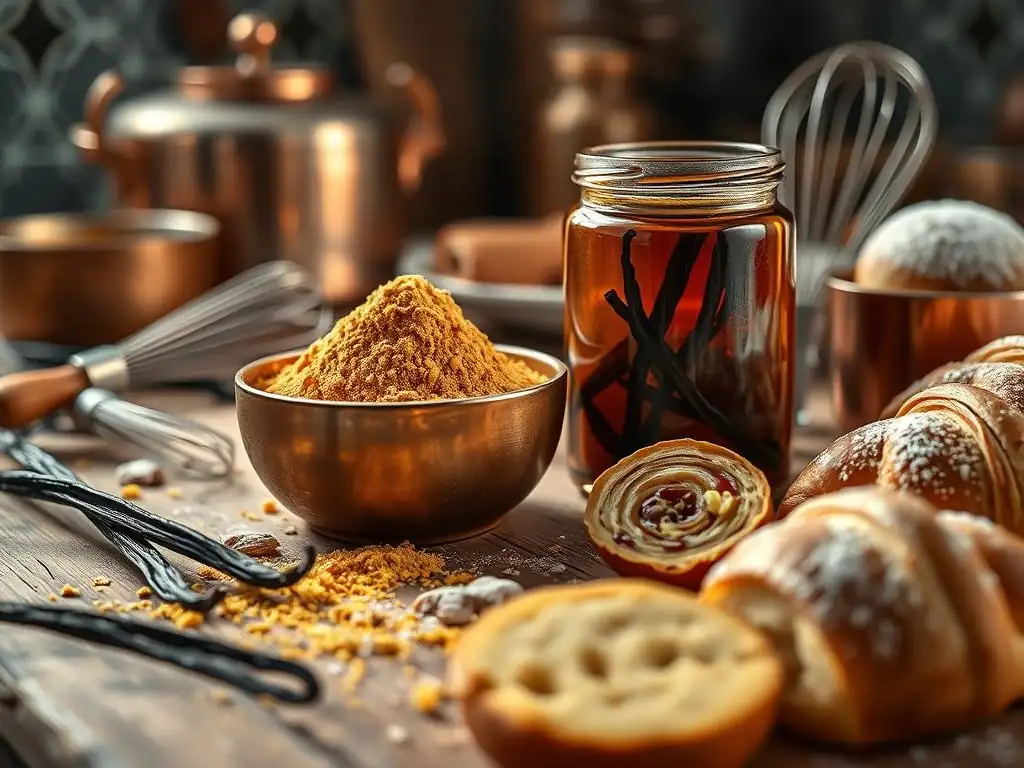
Welcome to BakeWithEase, your trusted guide to unlocking baking brilliance! Ever wondered how to elevate your baked goods with the nuanced flavor of vanilla, beyond the traditional extract? This week, we're diving deep into the world of vanilla powder and paste, exploring their unique benefits and unveiling a decadent vanilla powder paste baking recipe that will transform your creations. Prepare to be amazed at the depth of flavor and versatility these premium ingredients bring to your kitchen! Are you ready to bake something extraordinary? Let's get started!
- Unleashing Vanilla's Potential: Powder and Paste for Baking Excellence
- Vanilla Powder: A Concentrated Burst of Flavor for Baking Recipes
- Vanilla Paste: A Convenient and Flavorful Alternative for Baking
- Vanilla Powder Paste Baking Recipe: Combining the Best of Both Worlds
- Conclusion: Embracing Vanilla Powder and Paste for Baking Innovation
-
Frequently Asked Questions
- What are the primary differences between vanilla powder and vanilla paste for baking?
- Can I substitute vanilla powder or paste for vanilla extract in any baking recipe?
- How does using vanilla powder or paste affect the texture of my baked goods?
- What are the best types of recipes to use vanilla powder or paste in?
- How should I store vanilla powder and paste to maintain their quality?
- Final Reflection: The Enduring Allure of Vanilla
- Unleash the Vanilla Power Within Your Baking!
Unleashing Vanilla's Potential: Powder and Paste for Baking Excellence
Elevate Your Baking with Vanilla: A Deep Dive
Vanilla is arguably the world's most beloved baking flavor, a cornerstone ingredient that adds depth, warmth, and complexity to everything from simple cookies to elaborate celebration cakes. While vanilla extract is the most common form found in home kitchens, exploring other formats like vanilla powder and vanilla paste can unlock new dimensions of flavor and texture in your baked goods. These alternatives offer unique properties that can enhance specific recipes, providing a richer, more intense vanilla experience. Understanding the nuances of each form is key to mastering the art of baking with vanilla.
Moving beyond the familiar liquid extract allows bakers to experiment with different flavor profiles and applications. Vanilla powder, derived from ground whole vanilla beans, offers a potent, alcohol-free burst of flavor that performs exceptionally well in dry mixes or recipes where liquid is minimal. Vanilla paste, a concentrated blend of extract and vanilla bean seeds, provides both intense flavor and the signature visual appeal of tiny black specks. Each form has its own strengths, contributing distinct qualities to your finished creations, making them valuable additions to any baker's pantry focused on achieving exceptional vanilla flavor.
Vanilla Powder: A Concentrated Burst of Flavor for Baking Recipes
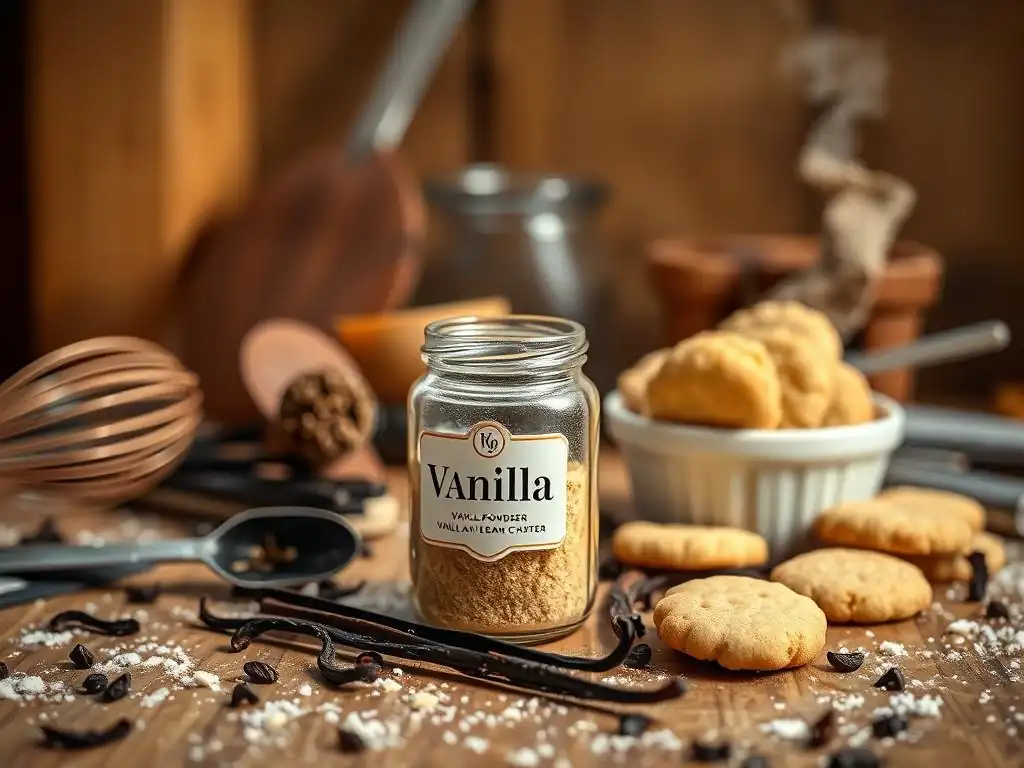
What is Vanilla Powder? Understanding its Baking Applications
Vanilla powder is made from dried, ground vanilla beans. Unlike vanilla extract, which is produced by steeping beans in alcohol and water, vanilla powder contains the entire bean material, resulting in a highly concentrated form of flavor. This powder retains all the complex aromatic compounds present in the bean, offering a pure, intense vanilla taste. Because it is a dry ingredient, it doesn't add extra liquid to recipes, making it ideal for applications where moisture balance is critical, such as meringues, macarons, or spice rubs.
The process typically involves carefully drying premium vanilla beans, often Bourbon or Tahitian varieties, and then grinding them into a fine powder. This method preserves the natural oils and flavors of the bean. When you incorporate vanilla powder into a baking recipe, its flavor is released slowly, intensifying as the ingredients heat during baking. This makes it particularly effective in items that bake for a longer time or at lower temperatures, allowing the nuanced vanilla notes to fully develop. It's a potent ingredient, often requiring only half the amount of extract for comparable flavor intensity in certain recipes.
Benefits of Using Vanilla Powder in Your Baked Goods
Using vanilla powder offers several distinct advantages in baking. Firstly, its concentrated nature means you need less of it to achieve a significant vanilla impact, which can be cost-effective in the long run, especially when working on a large batch vanilla powder paste baking recipe. A key benefit is its stability under high heat.
Unlike vanilla extract, whose alcohol base can cause some flavor compounds to evaporate during baking, vanilla powder holds its flavor profile remarkably well, delivering a robust taste even in recipes baked at high temperatures. This makes it excellent for cookies, cakes, and pastries that require longer baking times.
Furthermore, vanilla powder is an excellent choice for dry mixes, frostings, glazes, and dusting sugars where adding liquid from extract is undesirable. It blends seamlessly into dry ingredients, ensuring even flavor distribution. For example, incorporating vanilla powder into a homemade pancake mix or a sugar cookie dough adds a consistent vanilla note without altering the texture.
It's also alcohol-free, making it suitable for those who prefer to avoid alcohol in their baking, or for recipes that are not cooked, like certain icings or no-bake desserts. The shelf life is also generally longer than liquid extracts if stored properly in a cool, dark place.
Vanilla Powder Baking Recipe Ideas: Where to Use It
Vanilla powder shines in specific baking applications where its unique properties are an asset. It is perfect for incorporating into dry rubs for spiced cakes or adding directly to flour mixtures for consistent flavor distribution in biscuits or scones. Consider adding it to your homemade granola or spice blends for an extra layer of warmth. For a simple yet effective use, stir a teaspoon of vanilla powder into your morning oatmeal or sprinkle it over fresh fruit.
Here are a few ideas for incorporating vanilla powder into your baking:
- Dry Mixes: Add 1-2 teaspoons per cup of flour in pancake, waffle, or biscuit mixes.
- Meringues & Pavlovas: Fold into egg whites and sugar before whipping for stable, intense vanilla flavor without extra liquid.
- Shortbread & Butter Cookies: Blend directly into the butter and sugar mixture for a deep, pure vanilla taste that holds up during baking.
- Dusting Sugars & Glazes: Mix with powdered sugar for dusting cakes or donuts, or whisk into simple glazes for a potent vanilla finish.
- Chocolate Recipes: Vanilla enhances chocolate flavor; add powder to brownie mix or chocolate cake batter for depth.
Its versatility makes it a valuable tool for enhancing a wide range of vanilla powder for baking recipes.
Choosing the Right Vanilla Powder: Quality Matters
The quality of vanilla powder varies significantly depending on the type of beans used and the processing method. For the best results in your baking with vanilla powder, look for powder made from 100% pure ground vanilla beans, with no added sugar, fillers, or anti-caking agents. The origin of the beans also impacts the flavor profile; Bourbon vanilla from Madagascar or Reunion provides a classic, creamy, sweet flavor, while Tahitian vanilla offers floral and fruity notes. Mexican vanilla is known for smoky and spicy undertones.
Check the color and texture. High-quality vanilla powder should be dark brown and have a fine, consistent texture. Avoid powders that appear light in color or contain visible sugar crystals or clumps, as these may be diluted or contain additives. Reading reviews and purchasing from reputable suppliers who specify the bean origin and processing can help ensure you're getting a premium product that will deliver exceptional flavor in your vanilla powder paste baking recipe creations. While it might be more expensive than lower-quality options, the intensity and purity of flavor are well worth the investment for serious bakers.
Vanilla Paste: A Convenient and Flavorful Alternative for Baking
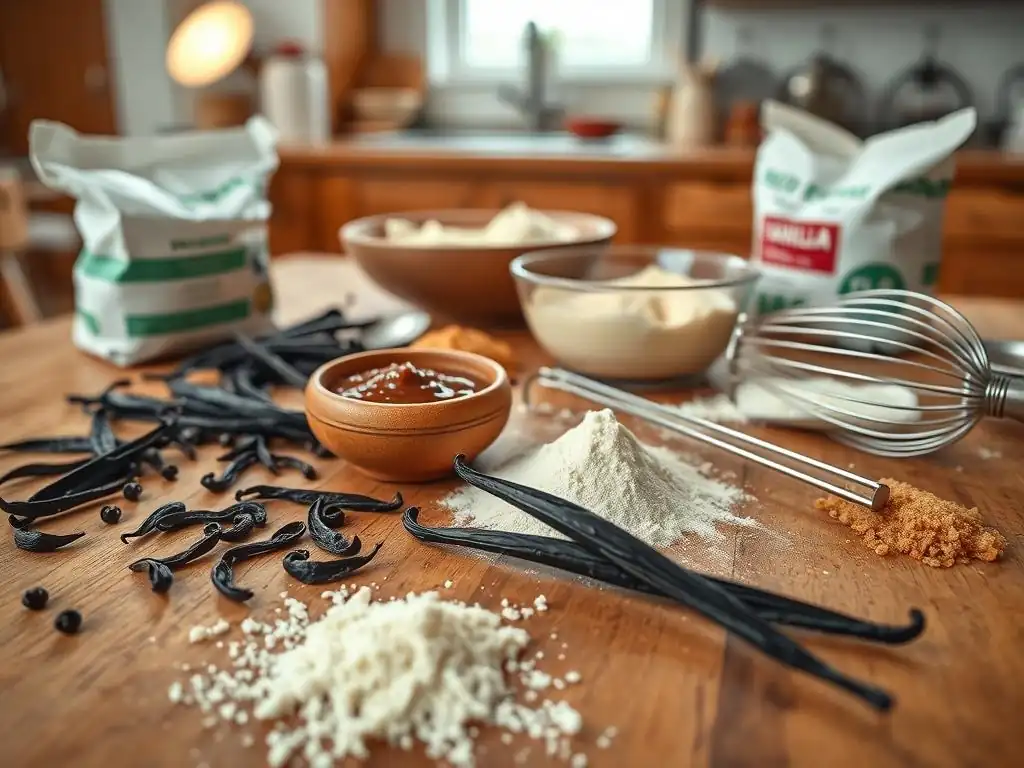
Discovering Vanilla Paste: A Versatile Baking Ingredient
Vanilla paste is a thick, syrupy mixture typically made from a combination of concentrated vanilla extract and finely ground vanilla bean seeds. It offers a convenient way to achieve the visual appeal of using whole vanilla beans (those coveted black flecks) along with the potent flavor of concentrated extract. The consistency is similar to molasses or thick syrup, making it easy to measure and incorporate into both wet and dry ingredients. It's often favored by professional bakers for its balance of ease of use and intense flavor.
The creation of vanilla paste involves extracting flavor from vanilla beans, often through a process similar to making extract, and then combining this concentrated liquid with a thickener, such as vegetable gum, and the suspended vanilla bean seeds. This provides a powerful punch of vanilla taste along with the aesthetic benefit of visible bean specks, which signals authentic vanilla flavor to many consumers and diners. A good quality vanilla paste is usually rich in flavor, often considered equivalent to using fresh vanilla beans in terms of intensity, while being much simpler to handle and measure.
Advantages of Using Vanilla Paste in Your Baking Projects
Vanilla paste offers several compelling advantages for bakers. One of the most obvious benefits is the inclusion of the visible vanilla bean seeds. These tiny black flecks add a touch of elegance and authenticity to finished goods like custards, ice creams, panna cotta, and cheesecakes, making them look as good as they taste. This visual appeal is often highly desired in gourmet baking. Beyond aesthetics, the seeds themselves contain flavor compounds that contribute to the overall richness and complexity of the vanilla profile.
Functionally, vanilla paste is incredibly versatile. Its thick consistency makes it easy to stir into batters, doughs, and liquids without splashing or running like thin extract. It disperses well, ensuring even flavor throughout your bake.
For recipes where you might typically scrape seeds from a whole bean, paste offers a significant time-saving convenience. A single tablespoon of vanilla paste is often equivalent in flavor to a whole vanilla bean or a couple of teaspoons of standard vanilla extract, offering a potent flavor boost. It's an excellent choice when you want both intense vanilla flavor and the visual hallmark of real vanilla bean.
Vanilla Paste Baking Recipe Applications: Unleash its Potential
Vanilla paste excels in recipes where its thick consistency and visible seeds can be appreciated. It's a go-to ingredient for creamy desserts that showcase the vanilla flavor and the appearance of the seeds. Think crème brûlée, panna cotta, homemade ice cream bases, and pastry creams. The paste integrates smoothly into these liquid-based recipes, providing robust flavor and beautiful speckles.
Consider these applications for vanilla paste in baking:
- Custards & Creams: Stir directly into milk or cream base for puddings, crème brûlée, or pastry cream.
- Ice Cream: Incorporate into your ice cream base for unparalleled vanilla flavor and visible seeds.
- Cheesecakes: Add to the cream cheese mixture for intense flavor and elegant speckles throughout the cake.
- Whipped Cream & Frostings: Blend into whipped cream or buttercream frosting for both flavor and visual appeal.
- Yogurt & Smoothies: A quick way to add gourmet vanilla flavor and seeds to everyday items.
- Cake & Muffin Batters: Stir into the wet ingredients for a strong vanilla presence in your baked goods.
Using vanilla paste is a simple upgrade that can significantly enhance the quality and presentation of many baking with vanilla paste recipes.
Vanilla Paste vs. Vanilla Extract: Which is Right for You?
Choosing between vanilla paste and vanilla extract depends on the desired outcome for your vanilla powder paste baking recipe. Standard vanilla extract is the most liquid form and is a staple for general baking. It disperses easily and is suitable for most recipes, though some flavor can dissipate during high-heat baking due to the alcohol base. Vanilla paste, on the other hand, is thicker, contains visible seeds, and often offers a more concentrated flavor than standard extract. It's excellent when you want that 'vanilla bean' look and a robust flavor that holds up well.
- Vanilla Extract:
- Liquid form.
- Easy to measure and mix.
- Standard for general baking.
- Some flavor can be lost at high heat.
- No visible seeds.
- Vanilla Paste:
- Thick, syrupy consistency.
- Contains visible vanilla bean seeds.
- Often more concentrated flavor than extract.
- Flavor holds up well during baking.
- Adds aesthetic appeal.
For recipes where the appearance of vanilla bean flecks is important (like crème brûlée) or when you want a truly intense vanilla flavor in a creamy dessert, vanilla paste is often the superior choice. For everyday cakes, cookies, and quick breads where visible seeds aren't necessary and a reliable vanilla note is desired, extract works perfectly.
Vanilla Powder Paste Baking Recipe: Combining the Best of Both Worlds
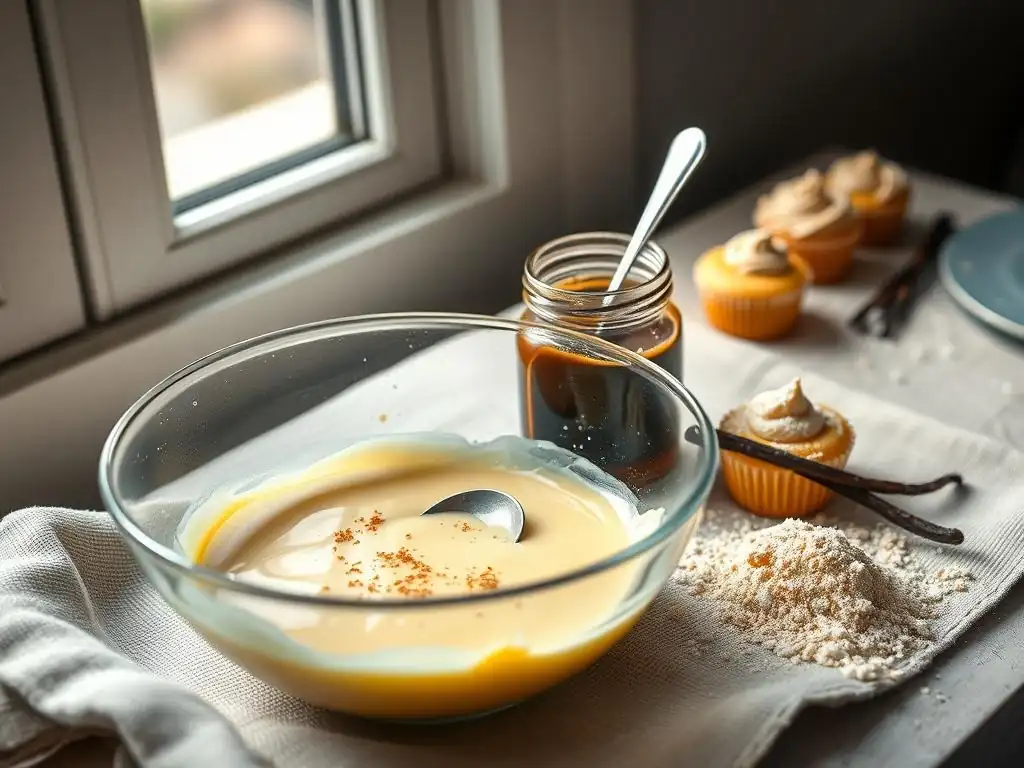
Mastering the Vanilla Blend: Combining Powder and Paste for Ultimate Flavor
For the ultimate vanilla experience in your baking, consider using both vanilla powder and vanilla paste in the same recipe. This technique leverages the unique strengths of each form: the deep, pure flavor of the powder that develops during baking, and the intense, immediate flavor plus the visual appeal of the paste.
By combining them, you can create a multi-layered vanilla profile that is both rich and complex, yielding baked goods with an unparalleled depth of flavor. This approach is particularly effective in recipes where vanilla is the star, such as pound cakes, vanilla bean cheesecakes, or rich butter cookies.
Using both forms allows you to build flavor from different stages of the baking process. The powder, integrated into the dry ingredients or initial wet mix, infuses the batter with vanilla from the start, its flavor deepening as it bakes. The paste, added later or in a frosting/filling, provides a fresh burst of intense vanilla flavor and those desirable visual cues.
This strategic combination ensures that the vanilla flavor isn't just present, but truly shines through every bite, creating a truly memorable vanilla powder paste baking recipe. Experimenting with the ratios will help you discover the perfect blend for your specific baking project.
Recipe Example: Vanilla Bean Dream Cake
This recipe uses both vanilla powder and vanilla paste to create a profoundly vanilla-flavored cake with beautiful speckles.
Ingredients:
- 2 ½ cups (315g) all-purpose flour
- 1 ½ teaspoons baking powder
- ¼ teaspoon baking soda
- ½ teaspoon salt
- 1 cup (227g) unsalted butter, softened
- 1 ¾ cups (350g) granulated sugar
- 3 large eggs, at room temperature
- 1 large egg yolk, at room temperature
- 1 tablespoon pure vanilla powder
- 2 teaspoons pure vanilla bean paste
- 1 cup (240ml) buttermilk, at room temperature
Instructions:
- Preheat oven to 350°F (175°C). Grease and flour a 9-inch round cake pan or two 8-inch pans.
- In a medium bowl, whisk together the flour, baking powder, baking soda, and salt. Add the vanilla powder to the dry ingredients and whisk to combine evenly.
- In a large bowl, cream the softened butter and granulated sugar together using an electric mixer until light and fluffy, about 3-5 minutes.
- Add the eggs and egg yolk one at a time, beating well after each addition. Scrape down the sides of the bowl as needed.
- Beat in the vanilla bean paste until just combined.
- In a small bowl, whisk the buttermilk until smooth.
- Alternately add the dry ingredients and the buttermilk to the butter mixture, beginning and ending with the dry ingredients (e.g., 1/3 dry, 1/2 buttermilk, 1/3 dry, 1/2 buttermilk, 1/3 dry). Mix on low speed until just combined after each addition. Do not overmix.
- Pour the batter evenly into the prepared cake pan(s).
- Bake for 30-35 minutes for a 9-inch pan (or 25-30 minutes for 8-inch pans), or until a wooden skewer inserted into the center comes out clean.
- Let the cake cool in the pan for 10 minutes before inverting it onto a wire rack to cool completely.
- Once cooled, frost or glaze as desired, perhaps with a vanilla bean buttercream using more vanilla paste!
Maximizing Vanilla Flavor: Tips and Tricks for Baking Success
Achieving truly exceptional vanilla flavor in your baking with vanilla powder and paste goes beyond just using quality ingredients; proper technique and smart application are key.
- Measure Accurately: Vanilla powder and paste are potent. Measure carefully according to the recipe. If substituting for extract, remember that paste is often used 1:1 or slightly less than extract, while powder is typically used at a much lower ratio (e.g., 1/2 to 1/4 the amount of extract).
- Integrate Properly: Vanilla powder should usually be whisked into dry ingredients to ensure even distribution. Vanilla paste can be added with wet ingredients like eggs or butter.
- Consider Temperature: For recipes where vanilla flavor is sensitive to heat (like frostings or no-bake fillings), vanilla paste is excellent as it provides immediate, robust flavor without being subjected to prolonged baking.
- Storage is Key: Store vanilla powder and paste in airtight containers in a cool, dark place away from heat and moisture to preserve their flavor and potency.
- Taste and Adjust: As you become familiar with different types and brands of vanilla powder and paste, you can adjust the amounts slightly to suit your personal preference and the specific vanilla powder paste baking recipe you are working on. A little extra can sometimes make a big difference!
By following these tips, you can ensure that the premium vanilla powder and paste you use contribute maximum flavor to your delicious baked goods.
Conclusion: Embracing Vanilla Powder and Paste for Baking Innovation
Frequently Asked Questions
What are the primary differences between vanilla powder and vanilla paste for baking?
Vanilla powder is pure vanilla bean, ground into a fine powder. Vanilla paste contains vanilla extract and vanilla bean seeds, offering both flavor and visual appeal. Both can be used in place of vanilla extract.
Can I substitute vanilla powder or paste for vanilla extract in any baking recipe?
Generally, yes! Use a 1:1 ratio when substituting vanilla paste for extract. For vanilla powder, use half the amount of vanilla extract called for, as it is more concentrated.
How does using vanilla powder or paste affect the texture of my baked goods?
Vanilla paste can add a slight moisture boost due to its liquid base. Vanilla powder, being dry, won't significantly alter the texture but can sometimes slightly thicken batters.
What are the best types of recipes to use vanilla powder or paste in?
Vanilla paste is excellent in custards and ice creams where the seeds add visual appeal. Vanilla powder shines in dry mixes and recipes where you want concentrated vanilla flavor without adding liquid.
How should I store vanilla powder and paste to maintain their quality?
Store both in airtight containers in a cool, dark place, away from heat and light. Vanilla powder should be used within a year for optimal flavor, while paste typically lasts longer due to its preservative ingredients.
Final Reflection: The Enduring Allure of Vanilla
The subtle nuances of vanilla, often overlooked, hold a surprising depth of influence in the world of baking. From the humble bean to the convenient powder and paste, its impact on flavor profiles and culinary creativity remains undeniable. The seemingly simple choice between these forms unlocks a world of possibilities, impacting texture, intensity, and overall baking success.
The exploration of vanilla powder and paste has highlighted not just a technical difference in baking ingredients, but a reflection of our evolving relationship with food. We seek convenience, yet crave authenticity. This tension, present in the very choice between a readily-available powder and the richer, more complex paste, mirrors broader societal trends in food production and consumption. The simplest things are often the most profound,
a sentiment that rings true when considering the enduring appeal of vanilla in its many forms.
Now, consider your own baking journey. Will you embrace the speed and ease of vanilla powder, or delve into the nuanced depths of the paste? The choice is yours, and each path offers a unique opportunity for culinary exploration and self-discovery. Experiment, innovate, and let the aroma of freshly baked goods, infused with the magic of vanilla, guide your way. The world of baking awaits your creative touch.
Unleash the Vanilla Power Within Your Baking!
Thanks for taking the time to explore the wonderful world of vanilla with us! We hope you discovered some new insights into the subtle yet powerful differences between powder and paste. Now it's time to put your newfound knowledge into action.
- Experiment with a new recipe: Try substituting vanilla powder for paste (or vice versa!) in one of your favorite recipes to see how it affects the flavor profile. This is your chance to become a true vanilla wizard!
- Share your baking triumphs (and discoveries!): Tell us about your experience! What did you bake? What did you learn? Share your thoughts and photos with us – we love seeing your creations.
- Explore our Vanilla Recipe Collection: Discover a world of delectable treats specifically designed to highlight the unique qualities of vanilla. We have something for every skill level!
Ready to transform your baking? What exciting vanilla creations will you conjure up next?