
Can You Freeze Buttercream? How to Do It Right

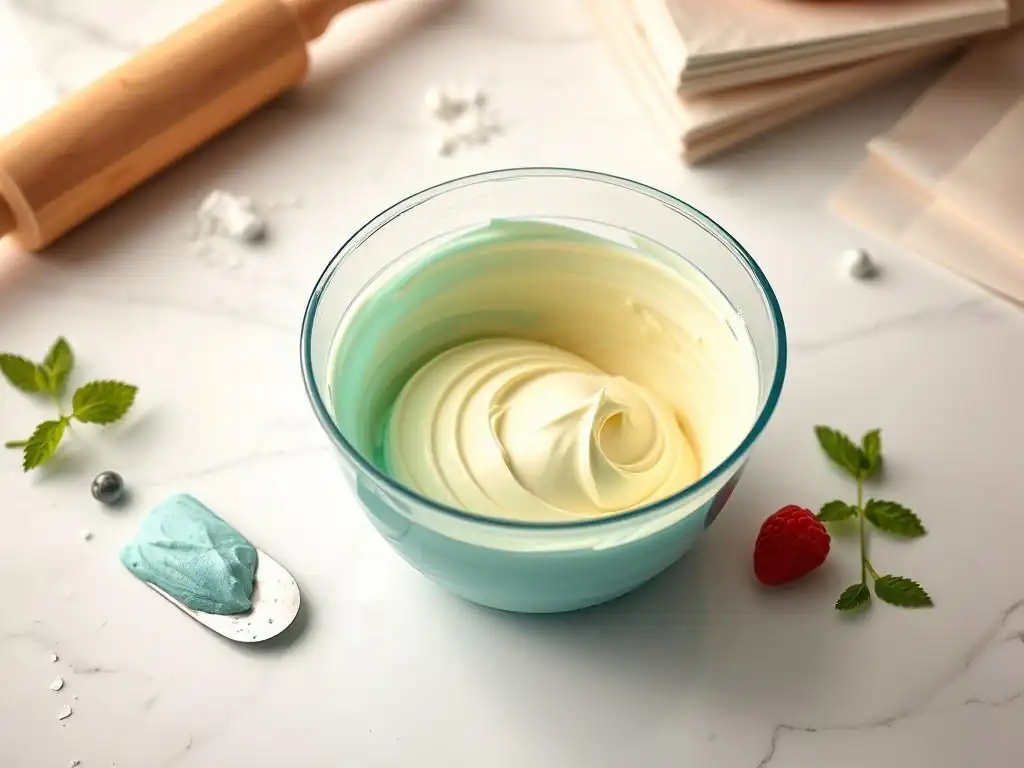
Welcome to BakeWithEase, where we transform baking aspirations into delicious realities! Ever wondered if you can keep that luscious buttercream frosting fresh for later? You've come to the right place. Dive into our guide and discover how to freeze buttercream frosting properly and easily, unlocking a world of time-saving tips and ensuring your next creation is as perfect as your last. Intrigued? Let's unravel the secrets to preserving this delightful confection!
- Can You Freeze Buttercream? How to Do It Right for Long-Lasting Freshness
- Introduction: Preserving Your Perfect Buttercream
- Understanding Buttercream: A Baker's Essential
- The Big Question: Can You Freeze Buttercream Successfully?
- Step-by-Step Guide: How to Freeze Buttercream Like a Pro
- Thawing Buttercream: Bringing It Back to Life
- Tips & Tricks: Mastering the Art of Freezing Buttercream
- Common Mistakes to Avoid When Freezing Buttercream
- Troubleshooting: Addressing Common Buttercream Freezing Problems
- Using Frozen Buttercream: Creative Applications
- Conclusion: Freezing Buttercream for Baking Convenience
-
Frequently Asked Questions
- What is the best way to freeze buttercream frosting for long-term storage?
- How long can I freeze buttercream frosting without it going bad?
- What's the proper way to thaw frozen buttercream frosting?
- Why is it important to remove air when freezing buttercream frosting?
- Can all types of buttercream frosting be frozen successfully?
- Final Reflection: The Enduring Deliciousness of Frozen Buttercream
- Unlock Your Buttercream Potential!
Can You Freeze Buttercream? How to Do It Right for Long-Lasting Freshness
Introduction: Preserving Your Perfect Buttercream
Baking is a labor of love, and often, it involves making more frosting than you need or wanting to get ahead on your baking projects. This leads many home bakers to wonder: Can you freeze buttercream? The answer is a resounding yes! Learning to freeze buttercream frosting properly easily is a fantastic skill that saves time, reduces waste, and ensures you always have delicious frosting ready for your cakes, cupcakes, and cookies. Imagine finishing a batch of delightful vanilla buttercream and knowing you can preserve its luscious texture and sweet flavor for weeks or even months.
Mastering the technique to freeze buttercream frosting properly easily means you can bake components in advance and assemble them later, or simply store leftover frosting from your latest creation. Whether you're whipping up a quick weeknight treat or preparing for a special occasion, having frozen buttercream on hand is a game-changer. This guide will walk you through everything you need to know, from understanding different types of buttercream to the best methods for freezing and thawing, ensuring your frosting remains perfect every time.
Sally's Baking Addiction's Guide to Freezing Buttercream Frosting
Many reputable baking resources, including popular blogs and cookbooks, advocate for freezing buttercream as a standard practice. For instance, sites like Sally's Baking Addiction, known for their reliable recipes and baking tips, often include instructions on how to store buttercream, explicitly mentioning freezing as a viable option. Their approach typically emphasizes using airtight containers and allowing ample time for thawing in the refrigerator, followed by a thorough re-whipping to restore texture. This widespread endorsement from trusted sources highlights that freezing buttercream is not only possible but a recommended technique for efficient baking.
The methods shared by experienced bakers often involve similar core principles: ensuring the buttercream is cooled, stored away from air, and thawed gently. They stress that while the taste remains largely unchanged, the texture can be affected and requires a simple step—usually whipping—to bring it back to its original glory. Following these established guidelines, like those found in comprehensive guides, helps bakers confidently freeze buttercream frosting properly easily, avoiding common pitfalls and achieving consistent, delicious results.
Understanding Buttercream: A Baker's Essential
Buttercream is a staple in the baking world, cherished for its creamy texture and versatility as a frosting, filling, or decoration. It's fundamentally a mixture of fat (usually butter), sugar, and sometimes eggs, milk, or other liquids, often flavored with vanilla or other extracts. Because it's made with perishable ingredients like butter and sometimes egg whites or yolks, its shelf life at room temperature or even in the refrigerator is limited. This is where freezing becomes invaluable – it significantly extends the usability of your homemade buttercream, allowing you to preserve large batches or leftovers.
Freezing effectively pauses the degradation process that affects freshness and texture. By freezing buttercream frosting properly easily, you lock in its flavor and consistency at peak quality. This is particularly useful when you're preparing for events, testing recipes, or simply want to avoid wasting precious ingredients. Instead of discarding excess frosting after decorating a cake, you can confidently store it for future use, making your baking process more economical and convenient.
What is Buttercream Frosting and Why Freeze It?
Buttercream frosting is a classic confectionery topping known for its rich, smooth consistency. The basic components are typically butter and powdered sugar, often combined with a liquid like milk, cream, or water, and flavorings. More complex types might incorporate egg whites (meringue buttercreams) or egg yolks (French buttercream). Its primary use is for covering and decorating cakes, cupcakes, and cookies, as well as filling pastries.
The main reasons bakers choose to freeze buttercream are convenience and economy. Baking often requires making frosting in advance or results in leftovers. Freezing allows you to prepare components ahead of time, streamlining the process for busy schedules or large projects. It also prevents food waste, which is important both environmentally and financially. Being able to freeze buttercream frosting properly easily means you don't have to worry about using up a large batch within a few days; you can save it for weeks or months without significant loss in quality.
Types of Buttercream: Affecting Freezing Success
The composition of buttercream significantly impacts how well it freezes and thaws. Generally, butter-based frostings freeze very well because fat freezes solid and retains its structure. Sugar acts as a preservative and also helps maintain texture. However, variations in ingredients like eggs or liquid content can influence the final result after thawing. Understanding these differences is key to successfully freezing various types of buttercream.
Different types of buttercream require slightly different handling during and after freezing. For instance, those with a higher proportion of butter and sugar, like American buttercream, tend to be quite stable when frozen. Meringue-based buttercreams, which contain whipped egg whites, might require more vigorous re-whipping after thawing to restore their airy texture. Knowing the specific characteristics of the buttercream you're working with helps you anticipate post-thawing steps and ensure the best possible outcome when you freeze buttercream frosting properly easily.
American Buttercream: Freezing Considerations
American buttercream, the simplest type, is made by creaming butter with powdered sugar and a liquid (milk, cream, or water) and flavoring. Due to its high butter and sugar content, it freezes exceptionally well. It becomes very firm when frozen, but the structure of the fats and sugars holds up nicely.
When freezing American buttercream, ensure it's well-mixed and smooth beforehand. After thawing, it will likely need a good whip with an electric mixer to become light and fluffy again, as the texture can become dense or slightly grainy during the freezing process. This type is perhaps the easiest to freeze buttercream frosting properly easily because it's quite forgiving.
Swiss Meringue Buttercream: Freezing Adaptations
Swiss meringue buttercream (SMBC) is made by whisking egg whites and sugar over a double boiler until warm, then whipping them into a meringue, and finally whipping in soft butter. It's lighter, silkier, and less sweet than American buttercream. SMBC freezes well, but its texture relies heavily on the emulsified butter and meringue.
Upon thawing, SMBC often looks curdled or separated. Do not panic! This is normal. It needs to be re-whipped thoroughly using a stand or hand mixer. As you whip, the mixture will usually come back together into a smooth, luxurious frosting. Sometimes warming a small portion gently and adding it back while whipping can help. Learning to handle this re-emulsification is crucial when you freeze buttercream frosting properly easily using a meringue base.
Italian Meringue Buttercream: Freezing Nuances
Italian meringue buttercream (IMBC) involves pouring hot sugar syrup into whipped egg whites, creating a stable meringue, and then whipping in butter. It's similar to SMBC but often considered more stable due to the hot syrup technique. Like SMBC, it freezes well but will almost certainly require re-whipping after thawing to restore its texture.
The process for thawing and restoring IMBC is much the same as for SMBC. It will likely appear broken or separated initially. A good session with the mixer will bring it back to its smooth, spreadable consistency. The stability gained from the hot sugar syrup doesn't prevent the need for re-whipping after freezing, but the final texture after restoration is usually excellent.
French Buttercream: Freezing Best Practices
French buttercream is made by whipping hot sugar syrup into whipped egg yolks, then whisking in soft butter. It's the richest type due to the egg yolks and has a distinct yellow hue. French buttercream freezes reasonably well, but because of the higher fat content from both butter and yolks, it can sometimes separate more noticeably upon thawing.
Similar to meringue-based buttercreams, French buttercream will require significant re-whipping after thawing. It may look quite broken or greasy. Whip it on medium-high speed until it comes back together into a smooth frosting. Ensuring it's fully thawed and not too cold before whipping is important for success.
Ermine Buttercream: Freezing for Optimal Results
Ermine buttercream, also known as flour buttercream or boiled milk frosting, is made by cooking flour and milk into a paste, cooling it, and then whipping it into creamed butter and sugar. It has a unique, very smooth, almost pudding-like texture and is less sweet than American buttercream. Ermine buttercream freezes quite well due to its stable cooked base and high butter content.
Upon thawing, ermine buttercream might seem a bit loose or slightly separated. A quick whip with an electric mixer will typically bring it back to its intended smooth, fluffy consistency. Ensure it is fully thawed before attempting to re-whip it for the best results. This type is quite robust for freezing and thawing.
The Big Question: Can You Freeze Buttercream Successfully?
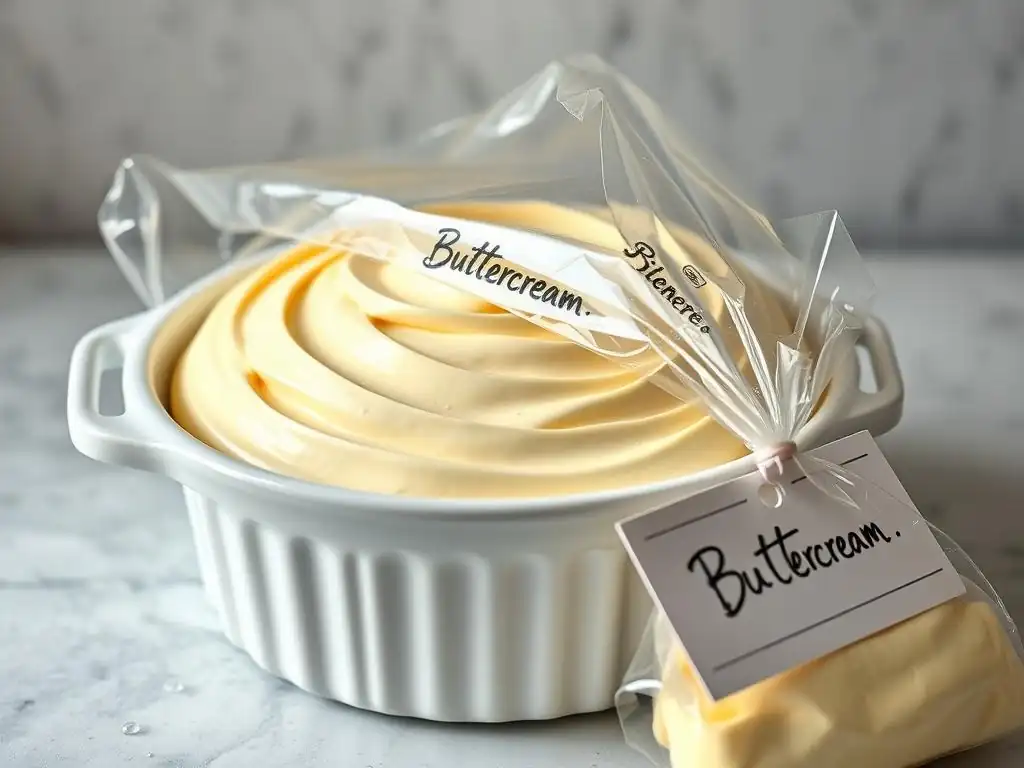
Absolutely! As we've explored, freezing buttercream is a widely accepted and effective method for preservation across various types. The key to success lies not just in putting it in the freezer, but in following proper techniques for preparation, storage, and thawing. While the texture might change during the freezing process, it can almost always be restored to its original state with a simple step: re-whipping.
Freezing buttercream frosting properly easily allows bakers significant flexibility. It means you can make frosting days, weeks, or even months in advance of when you plan to use it. This is incredibly helpful for busy bakers, those preparing for large events like weddings or parties, or anyone who simply wants to minimize last-minute tasks. The flavor remains remarkably consistent, making it a reliable option for future baking projects.
The Truth About Freezing Buttercream and Maintaining Quality
The truth is, freezing buttercream does not fundamentally alter its flavor profile, especially if it's stored correctly. The primary challenge is maintaining or restoring the texture. The water content in the buttercream forms ice crystals, which can disrupt the emulsion (the smooth blend of fat and liquid) and cause it to appear separated or grainy upon thawing.
However, this textural change is easily reversible. By allowing the buttercream to thaw slowly and completely in the refrigerator, and then giving it a good whip with an electric mixer, you re-incorporate the ingredients and restore the smooth, creamy texture. This simple step ensures that while the journey through the freezer might affect its appearance temporarily, the quality for spreading, piping, and enjoying remains high. Learning to freeze buttercream frosting properly easily involves understanding this thawing and re-whipping process.
Step-by-Step Guide: How to Freeze Buttercream Like a Pro
Freezing buttercream isn't complicated, but following a few simple steps ensures the best results. The goal is to protect the buttercream from air and freezer burn and make thawing and re-whipping as easy as possible. Let's break down the process into manageable steps.
Task List: Freezing Buttercream
- [x] Ensure buttercream is finished and at optimal texture.
- [x] Cool buttercream slightly if needed.
- [x] Choose appropriate airtight storage containers or bags.
- [x] Package buttercream, minimizing air exposure.
- [x] Label containers with contents and date.
- [x] Place in the freezer.
By following these steps, you can confidently freeze buttercream frosting properly easily, ensuring it's ready whenever you need it for your next baking adventure.
Step 1: Preparing Your Buttercream for Freezing
Proper preparation before freezing is crucial for maintaining the quality of your buttercream. You want to start with frosting that is in good condition – freshly made, well-mixed, and at the right consistency. Avoid freezing buttercream that has already been exposed to contaminants or has been left out at room temperature for too long, as freezing won't reverse spoilage.
Ensure your buttercream is smooth and free of lumps. If it's American buttercream, make sure the powdered sugar is fully incorporated. If it's a meringue-based buttercream, whip it until it's perfectly smooth and emulsified. Starting with a high-quality, properly made buttercream makes the freezing and thawing process much more successful when you aim to freeze buttercream frosting properly easily.
Ensuring Optimal Texture Before Freezing
Before packing your buttercream for the freezer, give it one final mix. This helps ensure a uniform consistency and incorporates any ingredients that might have settled. For American buttercream, a quick whip can make it extra smooth. For meringue buttercreams, ensure it's glossy and lump-free.
The texture should be as you would want it just before using it, whether that's spreadable for frosting or firm enough for piping. This initial optimal texture provides the best starting point for the freezing process and helps minimize potential issues during thawing and re-whipping.
Cooling Buttercream to the Right Temperature
While not strictly necessary for all types, especially if you've just finished making it and it's at room temperature, slightly cooling buttercream can sometimes help. If you've been working with it extensively or it feels warm, letting it sit at room temperature for 10-15 minutes or chilling it in the refrigerator for a short period can be beneficial.
However, the most important temperature consideration is ensuring it's not warm. Never freeze buttercream that is warm from mixing or heating (in the case of meringue buttercreams just after adding butter). It should be at a cool room temperature or slightly cooler before packaging, ideally around 68-72°F (20-22°C). Freezing warm food can slightly affect freezer temperature and potentially the quality of other frozen items.
Step 2: Choosing the Right Container for Freezing Buttercream
Selecting the correct storage container is paramount to protecting your buttercream in the freezer. The primary enemy is air, which can cause freezer burn – dehydration and oxidation that affects the flavor and texture. You need something that is genuinely airtight to create a barrier between the buttercream and the cold, dry freezer air.
Using appropriate containers or bags is a key step in learning how to freeze buttercream frosting properly easily. This prevents your delicious frosting from picking up strange odors from the freezer or developing an unpleasant icy texture on the surface.
Airtight Containers: The Key to Preventing Freezer Burn
Rigid, airtight plastic or glass containers designed for freezer use are excellent choices. Ensure the lid fits snugly and creates a tight seal. Before placing the lid, press a layer of plastic wrap directly onto the surface of the buttercream. This extra layer of protection minimizes contact with any residual air trapped in the container.
Fill the container leaving minimal headspace, about half an inch from the top, to further reduce the amount of air inside. This combination of an airtight container and surface wrap provides robust protection against freezer burn, keeping your buttercream tasting fresh.
Using Freezer Bags: A Space-Saving Solution
Heavy-duty freezer bags are another excellent option, especially for saving space. The key here is to remove as much air as possible before sealing the bag. You can scoop the buttercream into the bag, then gently press it flat, working the air towards the seal before closing it completely.
For added protection, you can double-bag the buttercream. Place the sealed bag inside another freezer bag. This provides an extra layer of insulation and security against potential leaks or punctures. Using freezer bags is a very effective way to freeze buttercream frosting properly easily, particularly if you have limited freezer space.
Step 3: Properly Storing Buttercream in the Freezer
Once your buttercream is securely packaged, proper placement and organization in the freezer contribute to its longevity and quality. Avoid placing it near the freezer door, where temperatures fluctuate more. The back of the freezer typically maintains a more consistent, colder temperature.
Ensure the containers or bags are not crushed or damaged by other items. Flat-packed freezer bags of buttercream can be stacked neatly, while containers should be placed on a stable surface. Proper storage helps maintain the integrity of the packaging and the buttercream within, ensuring it stays fresh for as long as possible.
Labeling and Dating Your Frozen Buttercream
This is a crucial step that is often overlooked! Always label your container or bag with the type of buttercream (e.g., "Vanilla American Buttercream") and the date it was frozen. Freezing makes identifying contents difficult, and knowing the date helps you use the oldest batches first and estimate its shelf life.
Use a permanent marker suitable for freezer use. Write clearly on the container or a piece of freezer tape stuck firmly to the package. Accurate labeling is essential for good freezer management and ensures you know exactly what you're pulling out and how long it's been stored, making it easier to freeze buttercream frosting properly easily and use it efficiently.
Maximizing Freezer Space for Buttercream Storage
If you frequently freeze buttercream, consider how to optimize your freezer space. Flat-packing buttercream in freezer bags allows for efficient stacking. You can lay the bags flat on a tray in the freezer until they are solid, then remove the tray and stack the flat packages vertically like files or horizontally.
Rigid containers can be stacked as well. Consider using square or rectangular containers rather than round ones to minimize wasted space. Organizing your freezer helps you store more, find items easily, and ensures that your precious frozen buttercream isn't forgotten at the bottom of a pile.
Thawing Buttercream: Bringing It Back to Life
Freezing is only half the battle; thawing is just as important for restoring buttercream to its usable state. The key principle here is patience. Rapid thawing can negatively impact the texture and even compromise food safety if not handled correctly. Slow and gentle thawing is always recommended.
Once thawed, the buttercream will almost certainly require some attention to regain its smooth, spreadable, or pipeable texture. It won't be ready to use straight out of the container after thawing. This final step is vital for success when you freeze buttercream frosting properly easily.
Step 4: The Best Methods for Thawing Frozen Buttercream
The safest and most recommended method for thawing frozen buttercream is in the refrigerator. This allows the buttercream to come to temperature gradually and evenly, minimizing the risk of separation and inhibiting bacterial growth.
Avoid leaving frozen buttercream out on the counter at room temperature for extended periods, especially if it contains eggs. While faster, this method can lead to uneven thawing, where the outside thaws much faster than the inside, potentially causing issues with texture and safety.
Slow Thawing in the Refrigerator: Recommended Technique
Transfer the frozen container or bag of buttercream to the refrigerator. Depending on the amount, this can take anywhere from 12 to 24 hours or even longer for very large quantities (e.g., enough for a multi-tier cake). A standard batch for a dozen cupcakes might take around 12-18 hours.
Leave the buttercream in its sealed container while thawing to prevent it from absorbing odors from the refrigerator. Plan ahead, allowing ample time for it to thaw completely before you need to use it. This slow, controlled thaw is the most reliable way to prepare your frozen buttercream for the final re-whipping step.
Avoiding Room Temperature Thawing
While tempting for speed, thawing buttercream at room temperature is generally discouraged. Butter is a dairy product, and if it remains in the "danger zone" temperature range (between 40°F and 140°F or 4°C and 60°C) for too long, bacteria can multiply rapidly.
Furthermore, rapid temperature changes can shock the emulsion, leading to more significant separation and a greasier texture that is harder to fix. Sticking to refrigerator thawing is the safest and most effective way to maintain quality and safety when you freeze buttercream frosting properly easily.
Step 5: Restoring Buttercream's Original Texture After Thawing
Once your buttercream is fully thawed in the refrigerator, it will likely appear dense, stiff, or even separated and curdled. This is completely normal! The freezing process disrupts the emulsified structure. The final, critical step is to bring it back to life through re-whipping.
Allow the thawed buttercream to come to a cool room temperature (around 68-72°F or 20-22°C) before re-whipping. This makes it easier to work with and helps the ingredients re-emulsify properly. This warming process might take an hour or two after it's been removed from the fridge.
Whipping Thawed Buttercream: Achieving Smoothness
Transfer the thawed, room-temperature buttercream to the bowl of a stand mixer fitted with the paddle attachment, or use a hand mixer. Start mixing on low speed to break it up, then gradually increase the speed to medium-high.
Whip the buttercream for several minutes. It might look worse before it gets better – it could appear curdled, greasy, or separated. Keep whipping! As the ingredients warm slightly from the friction and re-incorporate, the mixture will miraculously transform back into a smooth, light, and fluffy frosting with the perfect consistency for spreading or piping. This re-whipping step is non-negotiable when you freeze buttercream frosting properly easily.
Addressing Separation Issues: Troubleshooting Guide
If your buttercream remains separated or looks greasy after several minutes of whipping, especially with meringue-based types, it might be too cold or the emulsion is stubborn. Here are a few troubleshooting tips:
- Too Cold: Let it sit at room temperature for another 15-30 minutes and whip again.
- Stubborn Emulsion: For meringue buttercreams, take a small amount (about 1/4 cup) of the separated buttercream and gently warm it in a microwave-safe bowl for a few seconds until slightly melted (not hot!). With the mixer running on medium speed, slowly add the warmed buttercream back into the bowl. Continue whipping. This often helps kickstart the re-emulsification.
- Greasy Appearance (American Buttercream): Sometimes adding a tablespoon or two of powdered sugar or a tiny splash of milk while whipping can help absorb excess grease and bring it together.
Don't give up! Most separated buttercream can be salvaged with patient whipping and these simple tricks.
Tips & Tricks: Mastering the Art of Freezing Buttercream
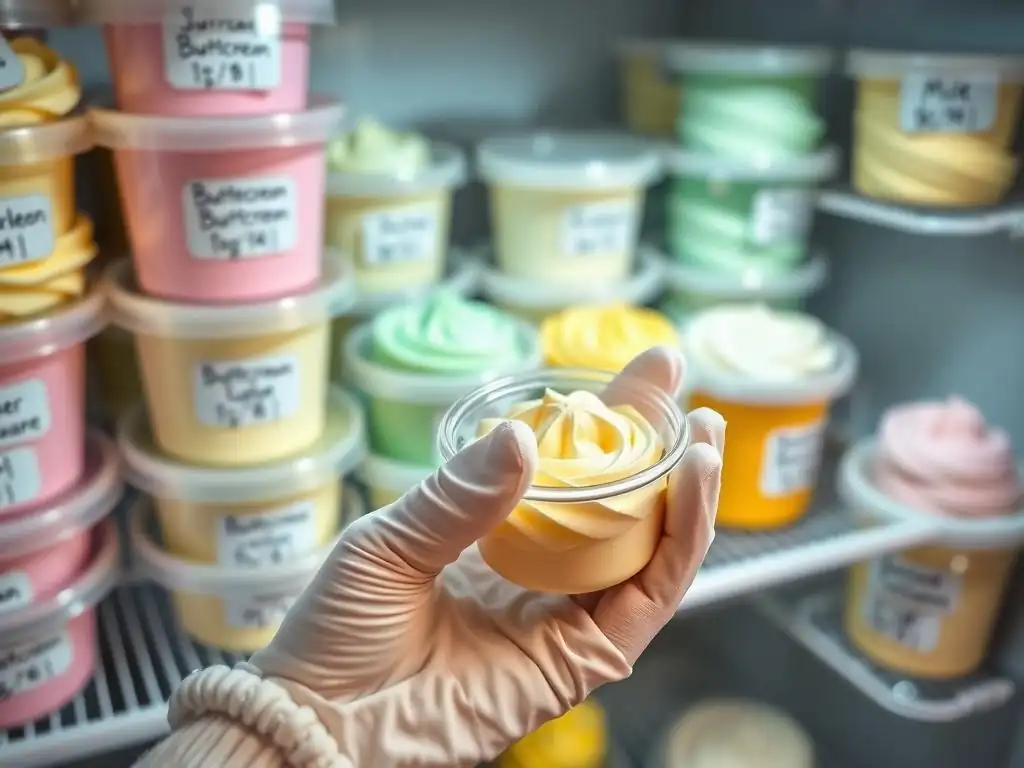
Beyond the basic steps, a few extra tips can help you achieve even better results when you freeze buttercream frosting properly easily. These insights come from experience and can make the process smoother and the thawed buttercream even more delightful.
- Freeze in Usable Portions: Instead of freezing one giant batch, divide it into amounts you're likely to use at once (e.g., enough for 12 cupcakes, enough for an 8-inch cake). This avoids repeatedly thawing and refreezing.
- Use High-Quality Ingredients: Starting with great butter and sugar makes a difference in both fresh and frozen buttercream.
- Don't Freeze Decorations: While plain buttercream freezes well, delicate piped decorations or buttercream with added fragile elements might not hold their shape or texture after freezing and thawing.
- Consider Flavorings: While most flavor extracts freeze well, some delicate flavors might be slightly muted.
Preventing Graininess in Frozen Buttercream
Graininess in buttercream, particularly American buttercream, is often caused by undissolved sugar or the formation of ice crystals during freezing. Starting with buttercream where the powdered sugar is thoroughly incorporated is the first step. Whipping it until very smooth before freezing helps.
During thawing, allowing the buttercream to thaw completely in the refrigerator before bringing it to room temperature and re-whipping is crucial. Re-whipping thoroughly for several minutes helps break down any small ice crystals that may have formed and re-dissolves any sugar that might have crystallized, restoring a smooth texture.
Adding Flavor Extracts After Thawing: Maintaining Taste
While you can freeze buttercream with flavor extracts already added, some bakers prefer to add delicate or volatile flavors after thawing and re-whipping. This ensures the flavor is as fresh and vibrant as possible.
If your buttercream recipe calls for extracts like vanilla, almond, or lemon, feel free to add them before freezing. If you're using more delicate or fresh flavorings, like citrus zest or certain liqueurs, consider stirring them in after you've thawed and re-whipped the buttercream. This ensures their punchy flavor isn't diminished by the freezing process.
How Long Can You Freeze Buttercream Frosting For?
When stored correctly in airtight containers or bags, buttercream can be frozen for a significant amount of time while maintaining good quality. While some sources say up to a year, for optimal flavor and texture, it's generally recommended to use it within 3 to 6 months.
Beyond 6 months, the risk of freezer burn increases, and the flavor might start to degrade slightly, though it might still be perfectly safe to eat if properly stored. Labeling with the date is key to keeping track of your inventory. Knowing the recommended timeframe helps you freeze buttercream frosting properly easily and utilize it within its peak quality window.
Understanding Buttercream's Freezer Shelf Life
The freezer shelf life of buttercream is primarily limited by quality rather than safety, assuming it was safe to begin with. The cold temperature of the freezer (-18°C or 0°F) inhibits bacterial growth, making it safe for extended storage.
However, over time, even in airtight containers, subtle changes can occur. Fats can oxidize, leading to off-flavors, and moisture loss (freezer burn) can affect texture. Sticking to the 3-6 month guideline ensures you're using the buttercream while it's still at its best, providing optimal flavor and texture for your baked goods.
Common Mistakes to Avoid When Freezing Buttercream
Even with the best intentions, a few common errors can hinder your success when freezing buttercream. Being aware of these pitfalls will help you avoid them and ensure your frozen frosting is a valuable asset, not a disappointment.
- Freezing warm buttercream.
- Using containers that aren't truly airtight.
- Not removing excess air from packaging.
- Forgetting to label and date the containers.
- Thawing at room temperature.
- Not re-whipping after thawing.
Avoiding these mistakes makes it much easier to freeze buttercream frosting properly easily and get excellent results every time.
Not Cooling Buttercream Properly Before Freezing
As mentioned earlier, freezing buttercream that is still warm can negatively impact its texture and potentially affect other items in your freezer. Ensure it's at a cool room temperature before packaging.
If you've just made a large batch, give it some time to cool down naturally. Don't rush it straight from the mixer if the bowl feels warm. Patience at this initial stage pays off in the long run when it comes to successful freezing and thawing.
Using Inadequate Containers for Storage
Choosing the wrong container is a major culprit for freezer burn and off-flavors. Thin plastic containers not designed for freezing, containers with loose-fitting lids, or using regular plastic wrap without an outer airtight layer simply don't provide enough protection.
Invest in quality freezer-safe containers or bags. The small cost is well worth protecting a batch of homemade buttercream that took time and effort to create. Proper packaging is fundamental to learning how to freeze buttercream frosting properly easily.
Thawing Buttercream Too Quickly
Impatience during thawing is another common mistake. Attempting to rush the process by using warm water baths or leaving it on the counter for hours can lead to separation, a greasy texture, and potential safety issues.
Plan your baking projects so you have enough time to thaw the buttercream slowly and safely in the refrigerator. This gentle process minimizes stress on the emulsion and sets you up for successful re-whipping.
Troubleshooting: Addressing Common Buttercream Freezing Problems
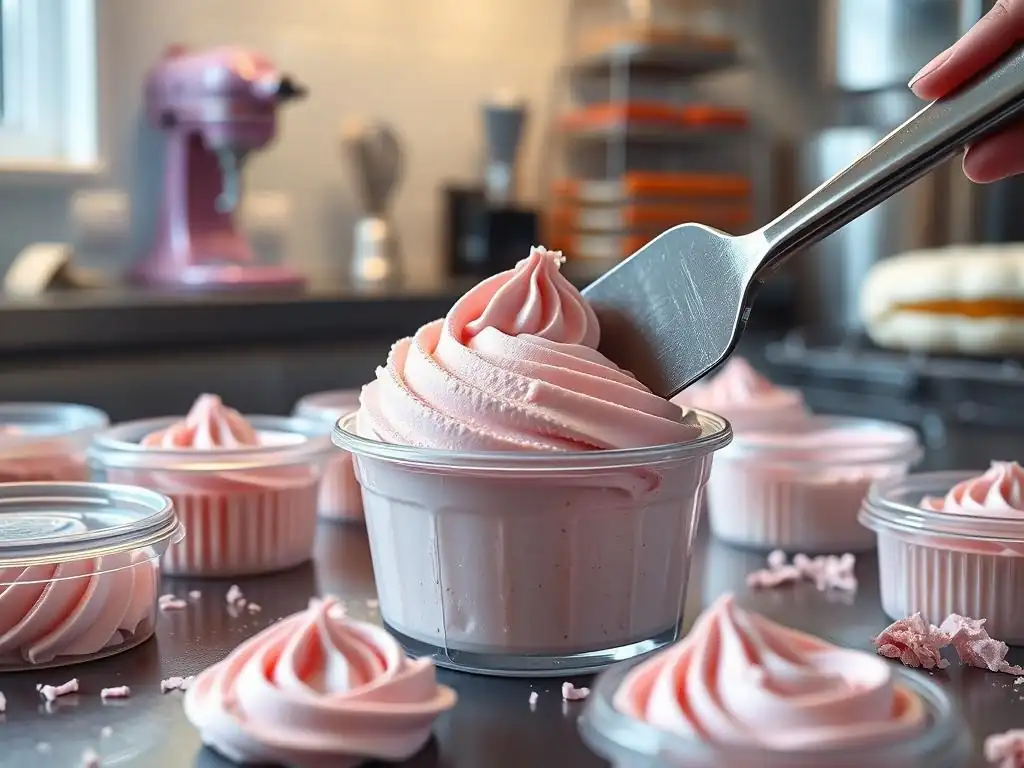
Despite following best practices, sometimes issues can arise. Knowing how to troubleshoot common problems after thawing can save your buttercream and your baking project. Most issues are related to texture, and they are usually fixable.
Dealing with a Watery or Separated Buttercream
This is perhaps the most common issue after thawing, particularly with meringue-based buttercreams. The freezing process causes water in the mixture to form ice crystals, which break the emulsion.
The solution is almost always vigorous re-whipping. Ensure the buttercream is fully thawed and at a cool room temperature. Whip it on medium-high speed with a stand or hand mixer. It will likely look worse (more separated) before it gets better. Keep whipping! The friction from the mixer will gently warm the buttercream, helping the butter and liquid re-emulsify into a smooth frosting. If it's very stubborn, try the warm patch trick mentioned in the re-whipping section.
Fixing a Grainy Texture After Thawing
Graininess can occur if sugar crystals form or if ice crystals are present. Ensure the buttercream is fully thawed to room temperature.
Whip the buttercream thoroughly for several minutes. The mechanical action of the mixer helps break down any remaining ice crystals and can sometimes re-dissolve small sugar crystals. If it remains slightly grainy, especially in American buttercream, sometimes adding a tiny splash of warm milk or cream while whipping can help dissolve sugar, but be careful not to add too much liquid.
Addressing Oil Separation in Chocolate Buttercream
Chocolate buttercream, especially if it contains melted chocolate or cocoa powder, can sometimes appear greasy or separated after thawing. This is often due to the different fats (butter and chocolate) separating.
Like other separation issues, the key is re-whipping. Ensure it's at room temperature. Whip it vigorously with a mixer. The warmth from the whipping action will help the fats re-emulsify. If it's very greasy, sometimes chilling it slightly in the fridge for 10-15 minutes before whipping can help, as firmer butter emulsifies more easily.
Using Frozen Buttercream: Creative Applications
Once you've successfully thawed and re-whipped your frozen buttercream, it's ready to be used just like fresh frosting! The texture and flavor should be restored, making it perfect for all your baking needs. Learning to freeze buttercream frosting properly easily opens up a world of possibilities for make-ahead baking.
Frosting Cakes and Cupcakes with Previously Frozen Buttercream
This is the most straightforward application. Use your restored buttercream to frost cakes, cupcakes, brownies, or cookies. It should spread smoothly and hold its shape for piping just as well as fresh buttercream.
Ensure the re-whipped buttercream has the desired consistency. If it's too stiff, you can add a tiny splash of milk or cream while whipping. If it's too soft, chill it in the refrigerator for a bit before using. It's incredibly convenient to pull out a container of frozen buttercream and have frosting ready for a batch of cupcakes with minimal effort.
Using Frozen Buttercream for Filling Macarons
Frozen and thawed buttercream is also excellent for filling macarons. The smooth, stable texture achieved after proper re-whipping is ideal for piping between delicate macaron shells.
Ensure the buttercream is whipped until it's light and airy but still holds a firm peak – the perfect consistency for macaron filling. Using previously frozen buttercream for fillings like this is a great way to utilize leftovers and make your macaron assembly process more efficient.
Conclusion: Freezing Buttercream for Baking Convenience
Freezing buttercream is a simple yet incredibly effective technique that every baker should master. It's a fantastic way to save time, reduce food waste, and ensure you always have delicious frosting ready for any baking project that comes your way. By understanding the different types of buttercream and following the proper steps for freezing, thawing, and re-whipping, you can confidently preserve your homemade frosting for months.
Don't let leftover buttercream go to waste, or feel pressured to make frosting from scratch every single time you bake. Learning to freeze buttercream frosting properly easily means you can enjoy the convenience of having ready-to-use, high-quality frosting on hand, allowing you more time to focus on the fun parts of baking – creating and decorating!
Enjoy Fresh Buttercream Flavor Anytime with Proper Freezing Techniques.
With the knowledge and steps outlined in this guide, you are now equipped to freeze buttercream frosting properly easily. From American to Swiss Meringue and beyond, most buttercream types can be successfully frozen and restored. This means you can prepare frosting well in advance, tackle larger baking projects in stages, and always have delicious, homemade buttercream ready to transform simple baked goods into spectacular treats. Embrace the freezer – it's a powerful tool for making your baking life easier and more efficient.
Frequently Asked Questions
What is the best way to freeze buttercream frosting for long-term storage?
The best way is to store it in an airtight container or freezer bag, removing as much air as possible. This prevents freezer burn and maintains the frosting's texture.
How long can I freeze buttercream frosting without it going bad?
You can generally freeze buttercream frosting for up to 2-3 months without a significant change in quality. After that, it might start to lose some of its flavor and texture.
What's the proper way to thaw frozen buttercream frosting?
Thaw it in the refrigerator overnight. Once thawed, bring it to room temperature and re-whip it to restore its smooth consistency.
Why is it important to remove air when freezing buttercream frosting?
Removing air prevents freezer burn, which can significantly affect the taste and texture of the frosting. Freezer burn introduces ice crystals that degrade the frosting.
Can all types of buttercream frosting be frozen successfully?
Most buttercream frostings, including American, Swiss, and Italian meringue buttercream, can be frozen successfully. However, some frostings with high water content may separate slightly upon thawing.
Final Reflection: The Enduring Deliciousness of Frozen Buttercream
The ability to freeze buttercream frosting properly and easily isn't just a kitchen hack; it's a game-changer for bakers everywhere. Imagine the possibilities: prepping for large events weeks in advance, always having delicious frosting on hand, or simply enjoying the convenience of a pre-made component for your baking projects. This simple technique unlocks a world of efficiency and culinary creativity.
Freezing buttercream has profoundly impacted my own baking journey, transforming it from a sometimes stressful endeavor into a more manageable and enjoyable experience. The ability to plan ahead and batch-bake has significantly reduced my stress levels on busy days. The best way to predict the future is to create it,
and by mastering the art of freezing buttercream, I've created a more predictable and successful baking future for myself. This newfound efficiency allows me to focus on the creative aspects of baking, rather than getting bogged down in the time-consuming process of frosting.
Now, it's your turn to embrace this simple yet powerful technique. Don't let the fear of freezer burn or texture changes hold you back. Experiment with different buttercream recipes and freezing methods, and discover the joy of having perfectly delicious, ready-to-use frosting whenever you need it. Imagine the cakes, cupcakes, and cookies you'll be able to create with this newfound freedom! Embrace the ease, embrace the deliciousness, and embrace the future of your baking.
Unlock Your Buttercream Potential!
Thanks for taking the time to learn how to freeze buttercream with BakeWithEase! We hope you now feel confident in preserving your delicious creations. Ready to put your new skills to the test?
- Frost a cake masterpiece this weekend: Use your freshly-frozen buttercream to decorate that cake you've been planning. Imagine the compliments!
- Share your frozen buttercream success story: Let us know on our social media channels how your frozen buttercream performed! We'd love to see your creations.
- Experiment with different flavor combinations: Now that you know how to freeze it, the possibilities are endless! What exciting new buttercream flavors will you try?
What innovative buttercream recipe will you freeze next?