
Unlocking the Rich Flavor of Classic French Buttercream

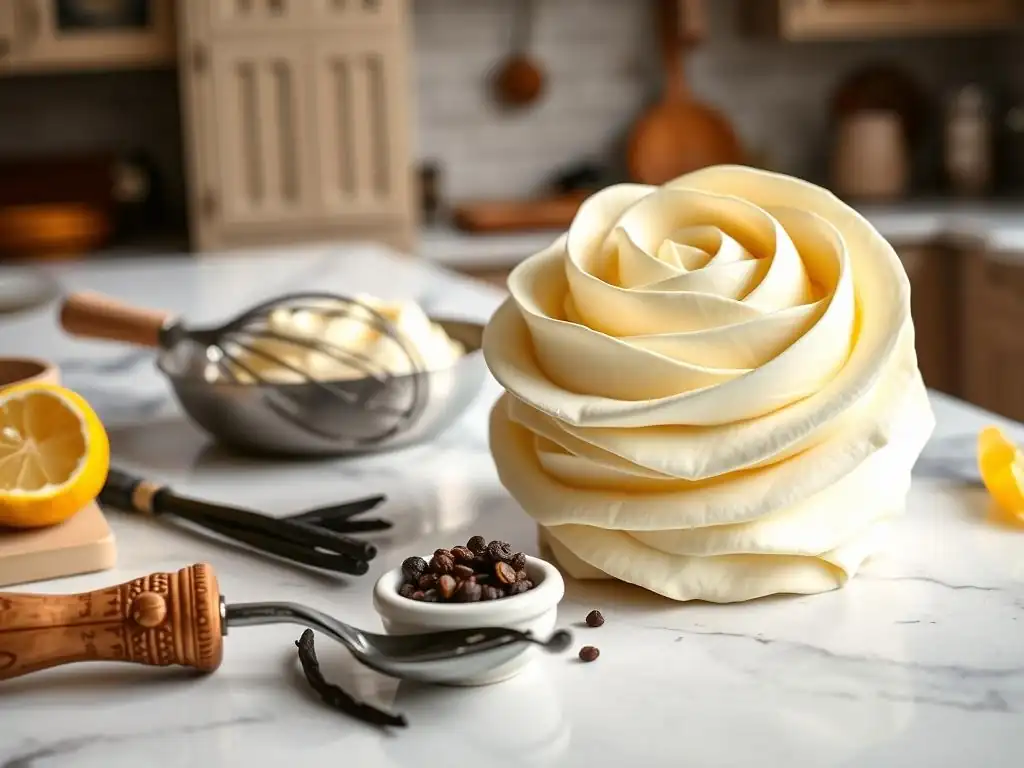
Welcome to BakeWithEase, where the magic of baking unfolds! Ever dreamt of achieving that perfectly smooth and intensely flavorful buttercream? Our Classic French Buttercream recipe tutorial unveils the secrets to mastering this elegant confection. Prepare to elevate your cakes and pastries with a buttercream so rich and decadent, it'll leave everyone craving more. Intrigued? Let's dive in and unlock the secrets!
- Mastering French Buttercream: A Comprehensive Guide
- Understanding French Buttercream
- Step-by-Step French Buttercream Recipe
- Detailed Recipe Process
- Troubleshooting Common Issues
- Tips and Tricks for Perfect Results
- Buttercream Comparisons
- Recipe Summary
-
Frequently Asked Questions
- How does French buttercream differ from other types of buttercream?
- What are the key ingredients needed for a classic French buttercream?
- Why is temperature so important when making French buttercream?
- What are some common mistakes to avoid when making French buttercream?
- Can French buttercream be flavored or colored?
- Final Reflection: The Enduring Allure of Classic French Buttercream
- Ready to Frost Your World with Perfect Buttercream?
Mastering French Buttercream: A Comprehensive Guide
Creating a truly exceptional dessert often comes down to the details, and the frosting you choose plays a starring role. While many options exist, the allure of classic French buttercream is undeniable. Known for its silken texture and profound richness, it elevates cakes, pastries, and more from simple baked goods to decadent delights. This guide will walk you through the steps to master this elegant frosting, providing a comprehensive Classic French buttercream recipe tutorial. By understanding its unique characteristics and following precise techniques, you'll be well on your way to unlocking its full flavor potential.
Understanding French Buttercream
What is French Buttercream and Its Appeal
French buttercream stands apart from its counterparts primarily because of its base: a rich mixture of egg yolks and hot sugar syrup, which forms a pâte à bombe. This yolk-based meringue is then whipped until light and airy before softened butter is gradually incorporated. Unlike American buttercream, which relies on powdered sugar and butter, or Swiss/Italian meringues which use egg whites, the inclusion of egg yolks lends French buttercream an unparalleled richness and a beautiful pale yellow hue, characteristic of its creamy, custard-like foundation.
Its appeal lies in its luxurious mouthfeel and sophisticated flavor profile. While intensely buttery, it avoids the sometimes cloying sweetness of powdered sugar-based frostings. The cooked egg yolks contribute a depth of flavor that complements a wide range of desserts, from delicate génoise cakes to sturdy chocolate cupcakes. Mastering a classic French buttercream recipe tutorial provides bakers with a versatile tool for creating professional-quality finishes that truly impress both visually and on the palate.
Characteristics: Richness, Flavor, and Texture
The defining characteristic of French buttercream is its incredible richness, derived directly from the high proportion of egg yolks and butter. A standard batch for a two-layer cake might incorporate anywhere from 6 to 8 large egg yolks and a full pound (about 450g) of unsalted butter. This combination creates a frosting that is decadent and full-bodied, melting beautifully in the mouth rather than feeling greasy or sugary. The flavor is deeply buttery with subtle hints of vanilla and the inherent richness of the egg yolks, lacking the raw sugar taste sometimes found in other buttercreams.
Texture is another hallmark of this classic frosting. When made correctly, French buttercream is exceptionally smooth and silky. The sugar syrup cooks the egg yolks, and the subsequent whipping incorporates air, while the slow addition of softened butter creates a stable emulsion. This process results in a light, airy consistency that is also incredibly stable for piping and spreading. It holds its shape well, allowing for intricate decorations, yet remains soft and yielding when sliced or bitten into, providing a delightful contrast to the cake or pastry it adorns.
Step-by-Step French Buttercream Recipe
Essential Ingredients: Butter, Sugar, Egg Yolks, and Flavorings
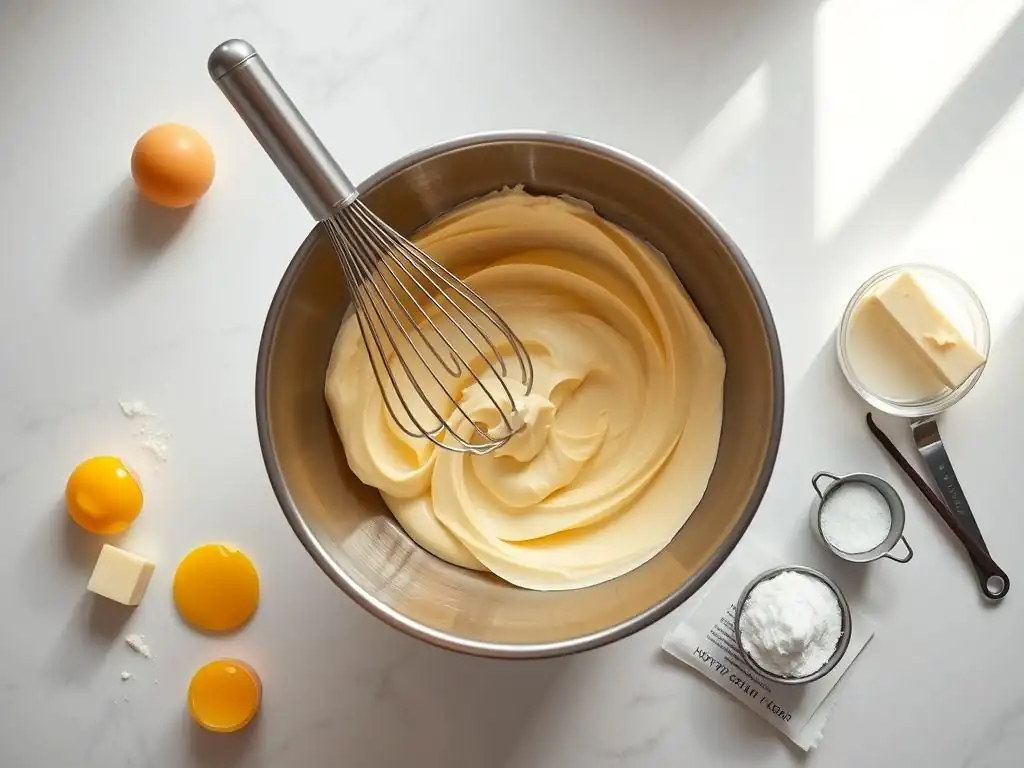
The foundation of a successful Classic French buttercream recipe tutorial rests on four key ingredients: unsalted butter, granulated sugar, fresh egg yolks, and your chosen flavoring, typically vanilla extract. Quality matters significantly here; using high-quality butter, ideally with a higher fat content (like European-style butter), will yield a richer flavor and smoother texture. Ensure your butter is softened to room temperature – it should be pliable but not greasy or melted.
For a batch sufficient to generously fill and frost a standard 8 or 9-inch cake (approx. 12-16 servings), you will typically need around 8 large egg yolks, about 1 cup (200g) of granulated sugar, 1/4 cup (60ml) of water, 1 pound (450g) of unsalted butter, and 1-2 teaspoons of vanilla extract.
The sugar and water will be cooked together to form a syrup, which is then poured into the whipping egg yolks. This syrup serves a dual purpose: it cooks the egg yolks, making them safe to consume, and it provides the sweetness and structure necessary for the buttercream base. The egg yolks provide the characteristic richness and color, while the butter creates the creamy, stable emulsion. Finally, vanilla extract is the classic flavoring, enhancing the natural richness of the butter and yolks, though other extracts or additions can be used for variations.
Required Equipment for Success
Making French buttercream involves working with hot sugar syrup and requires significant whipping, making certain equipment essential for safety and success. A stand mixer fitted with a whisk attachment is arguably the most crucial tool. The prolonged whipping time needed to cool the egg yolk mixture and incorporate the butter is simply too demanding for a hand mixer or manual whisking. A heavy-bottomed saucepan is needed to cook the sugar syrup evenly without burning.
A candy thermometer is non-negotiable for accurately measuring the sugar syrup temperature. Achieving the correct temperature (typically 240-245°F, or 115-118°C) is vital for the syrup to properly cook the egg yolks and provide the right structure for the buttercream. A heatproof bowl (if not using the stand mixer bowl directly for the syrup stage) and a rubber spatula for scraping are also necessary. Having all your equipment ready before you begin will streamline the process and help prevent mishaps when handling the hot syrup.
Detailed Recipe Process
Step 1: Creating the Sugar Syrup and Meringue Base
The first critical step in any classic French buttercream recipe tutorial is preparing the sugar syrup and simultaneously whipping the egg yolks. In your saucepan, combine the granulated sugar and water. Heat this mixture over medium heat, stirring occasionally until the sugar is completely dissolved. Once dissolved, stop stirring and let the syrup boil undisturbed. Meanwhile, in the bowl of your stand mixer fitted with the whisk attachment, begin whipping the egg yolks on medium-high speed until they become pale yellow and slightly thickened, reaching a ribbon stage where they fall from the whisk in a thick stream.
Once the sugar syrup reaches the target temperature (240-245°F), remove it immediately from the heat. With the mixer running on medium-low speed, carefully and slowly pour the hot sugar syrup down the side of the mixing bowl in a thin, steady stream. Avoid pouring the syrup directly onto the whisk, as it could splatter and harden.
Once all the syrup is incorporated, increase the mixer speed to high and whip the mixture continuously. This process cools the mixture down and creates the stable, airy base needed for the buttercream. Whip for 10-15 minutes, or until the bowl is cool to the touch and the mixture is very thick, pale, and glossy.
Achieving the Correct Sugar Syrup Temperature
The precise temperature of the sugar syrup is paramount for the success of your Classic French buttercream. Heating the syrup to 240-245°F (115-118°C), also known as the soft-ball stage, ensures that the sugar concentration is correct and, more importantly, that the hot syrup effectively cooks the egg yolks when poured in. This cooking step is essential for food safety, eliminating the risk associated with consuming raw egg yolks. Using a reliable candy thermometer is the only way to accurately measure this temperature; relying on visual cues alone is highly unreliable and can lead to a failed batch.
If the syrup doesn't reach the target temperature, it won't be hot enough to cook the yolks properly, and the resulting buttercream may be too soft and potentially unsafe. Conversely, if the syrup is heated much higher, it can become too concentrated and potentially harden in the egg yolks, leading to a grainy texture that is difficult, if not impossible, to fix. Patience and accuracy with the candy thermometer during this stage are key to creating a stable and safe buttercream base.
Whipping Egg Yolks to Pale Yellow
While the sugar syrup is cooking, the egg yolks need to be whipped simultaneously to prepare them for the hot syrup. Starting with the mixer on a lower speed and gradually increasing to medium-high, whip the egg yolks until they undergo a significant transformation. Initially, they will be a deep yellow and quite liquid.
As you whip, they will become noticeably paler, turning a light lemon yellow, and their volume will increase slightly. More importantly, the consistency will thicken to a ribbon stage, meaning that when you lift the whisk, the mixture falls back into the bowl in a thick ribbon that holds its shape on the surface for a few seconds before slowly dissolving.
This whipping incorporates air and begins to build structure in the yolks, making them ready to receive the hot sugar syrup. Pouring hot syrup into unwhipped or insufficiently whipped yolks can result in scrambled eggs or a mixture that doesn't whip up properly into the necessary light base. Achieving this pale yellow, thickened stage ensures the yolks are ready to be cooked by the hot syrup and form the stable, airy foundation that will eventually emulsify with the butter into a perfect classic French buttercream.
Step 2: Emulsifying the Butter
Once the egg yolk and sugar syrup mixture (the pâte à bombe) has been whipped until the bowl is cool to the touch and the mixture is thick and glossy, it's time to incorporate the softened butter. This is the step where the magic happens, transforming the airy base into rich, creamy buttercream. Ensure your butter is genuinely softened to room temperature – about 65-70°F (18-21°C). It should yield easily to gentle pressure but not be greasy or melted. Cut the butter into chunks, roughly tablespoon-sized pieces, to facilitate even incorporation.
With the mixer running on medium speed, begin adding the softened butter one piece at a time. Add a piece, wait for it to be almost fully incorporated before adding the next. As you add the butter, the mixture in the bowl will go through several stages that might look concerning. It might initially become very loose and soupy, or it might appear curdled or separated.
This is normal! Continue adding the butter gradually, piece by piece, allowing each addition to be mostly absorbed before adding the next. Do not rush this process; patience is crucial for achieving a smooth emulsion.
Gradually Adding Softened Butter
The gradual addition of softened butter is the key to creating the stable emulsion that defines French buttercream's texture. Adding butter too quickly overwhelms the base mixture and prevents it from emulsifying properly, leading to a separated or greasy result. By adding it piece by piece, you allow the fat from the butter to be slowly incorporated into the whipped egg yolk/syrup matrix. The mixer's action helps to break down the butter and distribute it evenly throughout the mixture.
As you add the butter, the buttercream might look like cottage cheese or a broken sauce – this is the stage where the emulsion is breaking and reforming. Keep mixing! As you continue adding butter and the mixture cools further (the butter itself helps cool it down), it will eventually come together. Suddenly, the lumpy, separated mess will transform into a smooth, cohesive, and luscious buttercream. This process typically takes several minutes after all the butter has been added, requiring continued whipping until the buttercream is perfectly smooth and holds its shape.
Step 3: Flavoring the Buttercream
Once the classic French buttercream has come together into a smooth, stable emulsion, the final step is to incorporate your chosen flavorings. The base itself has a wonderful, rich flavor from the butter and egg yolks, but flavorings enhance and complement it. The most traditional and popular flavoring is vanilla. Use a high-quality pure vanilla extract or vanilla bean paste for the best results, as imitation vanilla can impart an artificial taste that detracts from the buttercream's natural richness.
Add the vanilla extract (typically 1-2 teaspoons for a standard batch) once the buttercream is fully emulsified and smooth. Mix it in on low speed until just combined. You can also add other extracts like almond, lemon, or rum at this stage, depending on the desired flavor profile. The gentle mixing ensures the flavor is evenly distributed without overworking the buttercream.
Vanilla Extract and Other Options
Vanilla extract is the quintessential flavoring for a classic French buttercream recipe tutorial. Its warm, aromatic notes perfectly complement the rich, creamy base without overpowering it. For a more intense vanilla flavor and visible vanilla specks, consider using vanilla bean paste or scraping the seeds from half a vanilla bean and adding them directly to the finished buttercream.
Other liquid extracts, such as almond extract, orange extract, or a high-quality rum extract, can be added in small quantities (start with 1/4 to 1/2 teaspoon) to create different flavor profiles suitable for specific desserts. Always add extracts gradually and taste as you go, as their potency can vary.
Beyond extracts, melted and cooled chocolate is a popular addition for chocolate French buttercream. Ensure the chocolate is melted gently and cooled to lukewarm before adding it in a steady stream while the mixer is running on low. Coffee extract or finely ground espresso powder dissolved in a tiny amount of hot water can create a delicious coffee-flavored version.
For fruit flavors, reduced and cooled fruit purees (like raspberry or passion fruit) can be folded in, though this can sometimes affect the buttercream's stability due to the added moisture and acidity. Experimentation is key to finding your favorite flavor combinations.
Troubleshooting Common Issues
Fixing a Curdled Buttercream
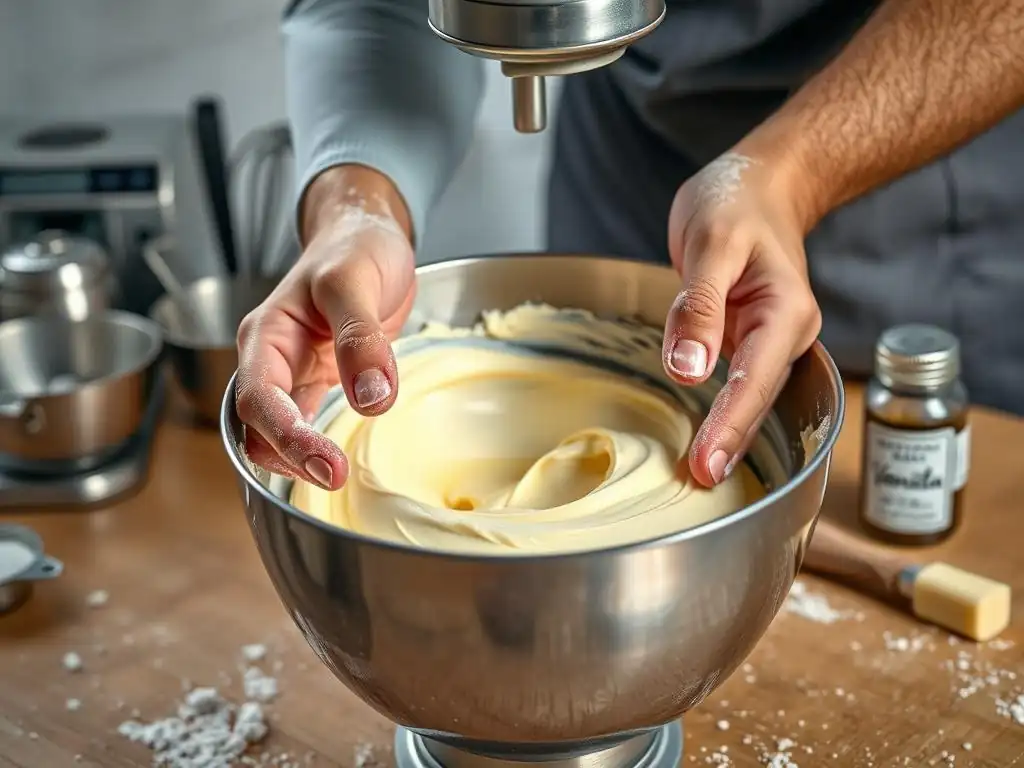
One of the most common, and initially alarming, issues when making French buttercream is seeing it curdle after adding the butter. It will look like a separated mess of lumpy butter chunks suspended in a liquidy base, resembling cottage cheese or scrambled eggs. This usually happens if the butter was too cold, added too quickly, or if the base wasn't whipped long enough to cool sufficiently before adding the butter. Don't panic – it's often fixable!
The key to fixing curdled buttercream is temperature correction and continued whipping. If the butter was too cold, the mixture might feel very stiff and broken. Try gently warming a small portion of the buttercream in a microwave-safe bowl for just a few seconds (seriously, just 5-10 seconds) until slightly softened, then return it to the main batch and whip on medium-high speed.
The slight warmth helps the butter emulsify. If the mixture is too warm and soupy, the entire bowl might need to be chilled in the refrigerator for 10-15 minutes until the edges firm up slightly, then returned to the mixer and whipped again. In many cases, simply continuing to whip for several minutes will bring it back together as the butter fully incorporates and the mixture cools or warms to the correct temperature through friction.
Stiffening Soft Buttercream
Sometimes, despite following the steps, your French buttercream might end up too soft or even soupy, especially in a warm kitchen. This often indicates that the base wasn't cooled enough before adding the butter, or the butter itself was too warm and soft. A soft buttercream won't hold its shape for piping or spreading neatly on a cake.
To stiffen soft French buttercream, chilling is usually the answer. Place the entire mixer bowl (or transfer the buttercream to a clean bowl) into the refrigerator for 15-25 minutes. Check it periodically, stirring the edges inward. You want the buttercream to firm up around the edges but still be somewhat soft in the center.
Once it's firmed up slightly, return the bowl to the mixer and whip it again on medium-high speed. As it whips, the friction will warm it slightly, but the overall cooler temperature will help the fat solidify and the emulsion tighten, resulting in a firmer, pipeable consistency. Avoid chilling it until it's rock hard, as this can make it difficult to bring back to a smooth texture.
Resolving a Grainy Texture
A grainy texture in French buttercream is typically caused by sugar that didn't fully dissolve in the initial syrup or the syrup not reaching a high enough temperature (below 240°F / 115°C). If the sugar isn't completely dissolved before the syrup boils, sugar crystals can remain and seed the syrup, leading to crystallization. If the syrup doesn't get hot enough, the sugar concentration isn't correct, and the structure needed for a smooth emulsion might not develop properly, sometimes resulting in a slightly grainy feel from undissolved or improperly cooked sugar.
Fixing a truly grainy buttercream can be challenging, as it often means the sugar structure is fundamentally flawed. However, sometimes a slight graininess can be improved by gently warming the buttercream and re-whipping it, similar to fixing a curdled batch. You can try carefully warming a small portion or the entire bowl over a very low heat or in a warm water bath, stirring constantly until it just begins to soften, then returning it to the mixer and whipping on high speed.
The warmth can sometimes help dissolve any remaining sugar crystals. If the graininess persists after this attempt, it might be necessary to start over, paying careful attention to dissolving the sugar fully and reaching the precise syrup temperature.
Tips and Tricks for Perfect Results
Achieving a Silky Smooth Texture
The hallmark of a truly great classic French buttercream is its incredibly silky smooth texture. Achieving this requires attention to detail throughout the process. Firstly, ensure your softened butter is at the correct temperature – not cold, not melted, but truly softened and pliable. Adding butter that is too cold is a primary cause of curdling, which, even if fixed, can sometimes leave a slightly less smooth texture. Adding it gradually, piece by piece, while the mixer is running is essential for building a stable emulsion.
Secondly, don't stop whipping too soon after adding all the butter. The mixture needs several minutes of continued whipping on medium-high speed to fully emulsify and become smooth and airy. It will likely look curdled initially, but keep whipping! The friction from the whisk helps bring it together.
Finally, if you plan to add any liquid flavorings or colorings, ensure they are added at the very end and mixed in gently on low speed. Overmixing after the buttercream is smooth can sometimes break the emulsion slightly. If it seems a little loose after flavoring, a brief chill in the fridge followed by a quick whip can often restore its perfect consistency.
Storing and Using Buttercream
Proper storage is key to enjoying your homemade classic French buttercream over several days. Due to its high butter and egg yolk content, it needs to be stored correctly to maintain freshness and texture. Once made, transfer the buttercream to an airtight container. It can be stored in the refrigerator for up to 3-4 days. For longer storage, it freezes exceptionally well. Place it in a freezer-safe airtight container or heavy-duty freezer bag, pressing out as much air as possible, and it can be frozen for up to 3 months.
When you're ready to use refrigerated or frozen buttercream, allow it to come to room temperature gradually. This can take several hours for a large batch. Do not try to rush this process by heating it in a microwave, as this can melt the butter and ruin the texture. Once it's softened to a workable consistency, return it to your stand mixer and re-whip it on medium speed for a few minutes. This reincorporates any separated fat and air, restoring its smooth, spreadable, or pipeable texture.
Optimal Storage for Freshness
To ensure your classic French buttercream remains fresh and delicious, always store it in an airtight container. Exposure to air can cause it to develop a crust and absorb odors from the refrigerator. For refrigeration, a plastic container with a tight-fitting lid or a bowl tightly covered with plastic wrap pressed directly onto the surface of the buttercream works well. Labeling the container with the date is also a good practice. For freezing, sturdy plastic containers or double-bagging in freezer bags helps prevent freezer burn and maintains quality for extended periods.
When thawing frozen buttercream, the safest and best method is to transfer it to the refrigerator the day before you plan to use it. Once thawed in the fridge, bring it out to sit at room temperature until it is soft enough to whip. Never leave buttercream at room temperature for extended periods (more than a few hours, especially in warm conditions) due to the egg yolk content. Proper storage and careful thawing and re-whipping ensure that your beautiful buttercream is ready to perform whenever you need it for your baking projects.
Applications in Baking
Mastering a classic French buttercream recipe tutorial opens up a world of possibilities in your baking. Its rich flavor and silky texture make it ideal for applications where the frosting is a prominent component. It is a superb filling and frosting for elegant layer cakes, particularly those with delicate sponges like génoise, chiffon, or even classic vanilla or chocolate cakes. A standard batch easily covers and fills an 8-inch two-layer cake.
Beyond cakes, French buttercream is perfect for filling cupcakes, eclairs, cream puffs, and macarons. Its stability allows for beautiful piping, making it excellent for cupcake swirls or decorative borders on cakes. You can also use it as a filling for tart shells or as a luxurious topping for brownies or bar cookies. Its richness pairs wonderfully with fruit fillings, chocolate ganache, or caramel, offering a sophisticated contrast in flavors and textures within a single dessert.
Buttercream Comparisons
French vs. Swiss Meringue Buttercream
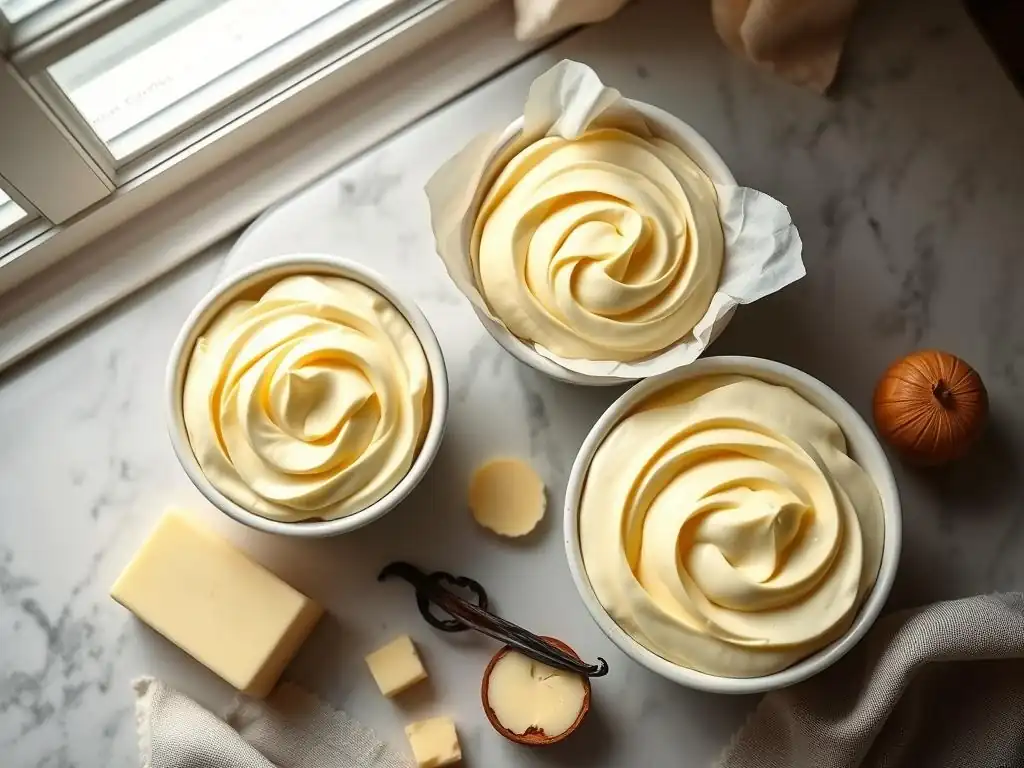
While both French and Swiss meringue buttercreams are known for their smooth, less-sweet profiles compared to American buttercream, they differ fundamentally in their meringue base. Swiss meringue buttercream uses egg whites and sugar heated together over a double boiler (bain-marie) until the sugar dissolves and the whites are warm (around 160°F / 71°C), then whipped into a stiff, glossy meringue before butter is added. French buttercream, as detailed in this classic French buttercream recipe tutorial, uses egg yolks and hot sugar syrup whipped into a pâte à bombe base before incorporating butter.
The key differences lie in their richness, color, and flavor. French buttercream, with its egg yolk base, is significantly richer and has a distinct pale yellow color. Its flavor is deeply buttery with hints of yolk. Swiss meringue buttercream, using only whites, is lighter in richness and paler, almost white. Its flavor is cleaner, more purely buttery and sweet from the sugar. Swiss is generally considered slightly more stable for intricate piping due to the egg white structure, while French offers an unparalleled luxuriousness in texture and taste.
French vs. American Buttercream
The most stark contrast exists between French and American buttercream. American buttercream is the simplest and fastest to make, typically involving just creaming butter with a large amount of powdered (icing) sugar and a splash of liquid (like milk or cream) and flavoring. This process doesn't involve cooking eggs or sugar syrup.
The differences are profound in texture, sweetness, and richness. American buttercream is often much sweeter due to the high ratio of powdered sugar; it can sometimes have a slightly grainy texture if the sugar isn't fully dissolved or if made quickly. It's also dense and can feel heavy or greasy if not whipped sufficiently.
French buttercream, on the other hand, is far less sweet, intensely rich from the egg yolks, and boasts that signature silky smooth, airy texture. While American buttercream is quick and stable for basic frosting and piping, French buttercream offers a more refined, luxurious experience, perfect for high-end patisserie or when you want the frosting to be a star component of the dessert.
Advantages of French Buttercream
Despite being slightly more temperamental to make than American buttercream, the advantages of choosing classic French buttercream are compelling for many bakers, particularly those aiming for professional-level results. Its primary advantage is its superior richness and depth of flavor, which comes directly from the egg yolks. This creates a more complex and satisfying taste experience that complements rather than overwhelms delicate cake flavors.
Secondly, its texture is arguably the most appealing of all buttercreams – incredibly smooth, silky, and light, it melts in your mouth beautifully. This texture makes it a joy to eat and provides a luxurious finish to desserts. While Swiss meringue offers smoothness, it lacks the profound richness of the French variety. Finally, French buttercream, when made correctly, is quite stable for spreading and piping intricate designs, offering both aesthetic appeal and delicious taste. It's the buttercream of choice when elegance, richness, and a truly decadent flavor are the goal.
Recipe Summary
Mastering this classic French buttercream recipe tutorial results in a frosting unparalleled in richness and texture. The process involves cooking a sugar syrup, whipping it into egg yolks to create a stable, airy base, and then gradually emulsifying softened butter into that base until it transforms into a smooth, luscious buttercream. While it requires precision with temperatures and patient whipping, the resulting frosting is a testament to the elegance of traditional patisserie techniques.
Below is a quick reference summary of the key ingredients and steps. This summary outlines the core components and actions needed to produce a batch of this luxurious frosting, suitable for generously covering a two-layer cake. It serves as a concise guide once you are familiar with the detailed nuances of each step, allowing for quicker execution while still aiming for that perfect, silky finish that defines classic French buttercream.
Quick Reference Recipe
- Yields: Approx. 4 cups (enough for one 2-layer cake or 24 cupcakes)
- Prep time: 20 minutes
- Chill time: 10-15 minutes (if needed for stiffness)
Ingredients:
- 8 large egg yolks
- 1 cup (200g) granulated sugar
- 1/4 cup (60ml) water
- 1 lb (450g) unsalted butter, softened and cut into pieces
- 1-2 tsp pure vanilla extract
Equipment:
- Stand mixer with whisk attachment
- Heavy-bottomed saucepan
- Candy thermometer
Steps:
- Combine sugar and water in saucepan. Heat over medium heat until sugar dissolves, then boil without stirring until 240-245°F (115-118°C).
- While syrup cooks, whip egg yolks in stand mixer on medium-high until pale yellow and thickened (ribbon stage).
- With mixer on medium-low, slowly pour hot syrup down side of bowl into yolks. Increase speed to high and whip until bowl is cool to the touch and mixture is very thick and glossy (10-15 mins).
- Reduce speed to medium. Add softened butter pieces one at a time, waiting for each to be mostly incorporated. Mixture may look curdled; keep adding butter.
- Once all butter is added, continue whipping on medium-high speed until buttercream is smooth, cohesive, and holds its shape (several minutes).
- Mix in vanilla extract and any other flavorings on low speed until just combined.
Creative Uses for Homemade Buttercream
Once you've mastered this classic French buttercream recipe tutorial, you'll find endless ways to incorporate its luxurious texture and rich flavor into your baking repertoire. While it's a superb choice for frosting layer cakes and cupcakes, its stability and decadent taste make it versatile for numerous other applications. Consider using it as a sophisticated filling for delicate French macarons; a small dollop piped between the meringue shells creates a truly exquisite bite.
It also serves beautifully as a filling for classic French pastries like eclairs and cream puffs, offering a richer alternative to pastry cream. You can pipe it into tart shells before topping with fruit or ganache, or use it as a filling between cookie layers. For a simple yet elegant dessert, pipe swirls of French buttercream onto brownies or blondies. Its ability to hold piped shapes also makes it excellent for decorative elements on cakes and pastries, allowing you to add both beauty and incredible flavor. Its richness pairs particularly well with fruit-based desserts, chocolate, caramel, and nuts.
Frequently Asked Questions
How does French buttercream differ from other types of buttercream?
French buttercream is known for its richness and silkiness. This is because it's made with egg yolks which provides a custard-like base unlike American buttercream.
What are the key ingredients needed for a classic French buttercream?
The essential ingredients are egg yolks, sugar, butter, and water. You'll also typically need a pinch of salt and a flavoring extract like vanilla.
Why is temperature so important when making French buttercream?
Temperature is crucial because the butter needs to be softened to a specific point to emulsify properly with the cooked sugar syrup and yolks. Too cold or too warm will result in a broken buttercream.
What are some common mistakes to avoid when making French buttercream?
A common mistake is not cooking the sugar syrup to the correct temperature. Another is adding the butter too quickly, which can cause the mixture to curdle.
Can French buttercream be flavored or colored?
Yes, French buttercream is very versatile! You can easily add extracts, fruit purees, melted chocolate, or food coloring to customize the flavor and appearance.
Final Reflection: The Enduring Allure of Classic French Buttercream
The art of crafting the perfect Classic French buttercream transcends mere baking; it's a testament to patience, precision, and the enduring power of simple, high-quality ingredients. This seemingly straightforward recipe, explored throughout this tutorial, offers a gateway to a world of flavor and texture that continues to captivate bakers worldwide, both seasoned professionals and enthusiastic novices alike. Its enduring popularity speaks volumes about the timeless appeal of a truly exceptional dessert component.
The journey of mastering Classic French buttercream is more than just following a recipe; it's about understanding the delicate balance between sugar, butter, and eggs. It's about appreciating the subtle nuances that emerge from careful technique and the satisfaction of creating something beautiful and delicious from scratch. The best things in life are simple,
a sentiment perfectly encapsulates the essence of this classic technique. Its enduring presence in countless recipes, from elegant cakes to delicate cupcakes, underscores its versatility and enduring appeal within the ever-evolving culinary landscape.
Now, it's your turn. Don't just read about the magic of Classic French buttercream; experience it. Gather your ingredients, embrace the process, and allow yourself to be captivated by the transformation from simple components to a luxurious, velvety smooth frosting. The journey may require patience and precision, but the reward—the rich, decadent flavor and the pride in your creation—is well worth the effort. Let the creamy perfection of your own homemade Classic French buttercream inspire you to explore the boundless possibilities of baking.
Ready to Frost Your World with Perfect Buttercream?
Thanks for joining us on this buttery journey! We hope you've discovered the secrets to crafting a truly exceptional French buttercream. Now it's time to put your newfound skills to the test.
- Your first step? Whip up a batch of your own delicious French buttercream! Use the recipe from the article as your guide, but don't be afraid to experiment with flavors.
- Share your creation with friends and family – and tag us on social media! We'd love to see your stunning cakes and pastries.
- Consider challenging yourself with a new, more intricate piping technique to showcase your frosting skills.
So, what incredible dessert will you create with your perfectly smooth, intensely flavorful French buttercream?