
Achieving a Matte vs. Glossy Finish on Buttercream

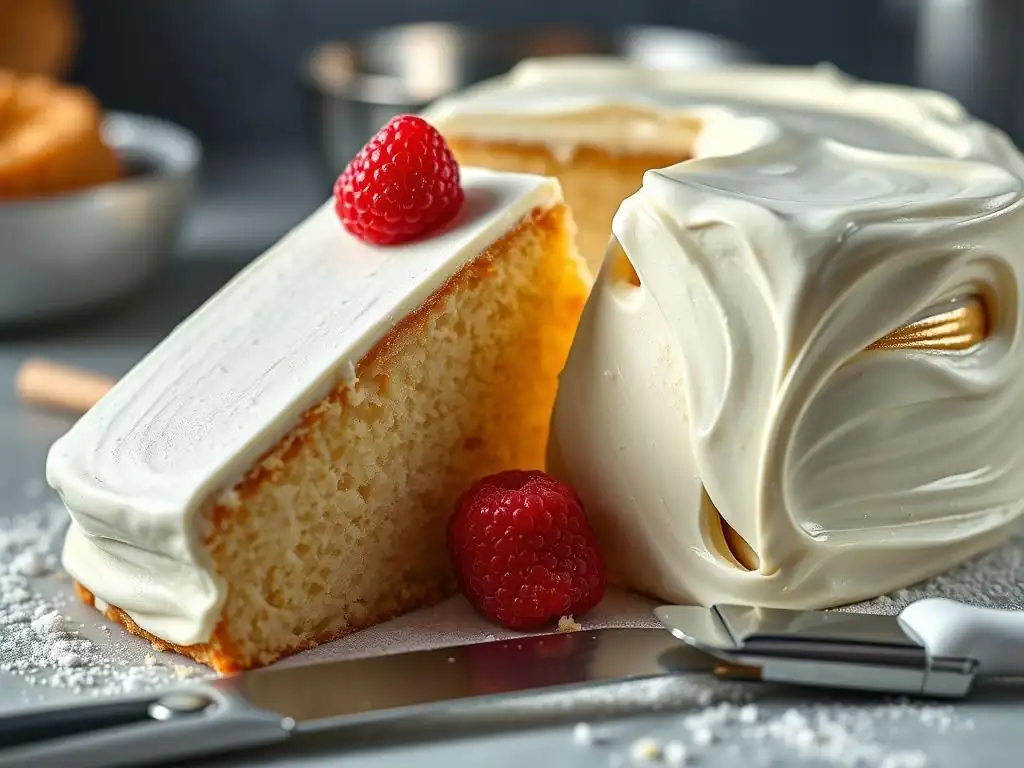
Welcome to BakeWithEase, your partner in crafting irresistible treats! Ever wondered how to achieve that flawlessly smooth, glossy buttercream frosting that elevates your creations? Unlocking the secrets to achieving the perfect sheen is easier than you think. Dive in as we explore the techniques that separate a matte finish from a dazzling gloss, revealing the tips and tricks for buttercream perfection! Prepare to transform your cakes and cookies from ordinary to extraordinary – let's bake!
- Introduction to Buttercream Finishes: Matte vs. Glossy
-
Achieving a Glossy Buttercream Finish
- Mastering Glossy Buttercream Frosting Techniques
- The Role of Buttercream Type in Achieving Gloss: American vs. Swiss Meringue
- Essential Equipment for a Glossy Finish: Smoothers and Palette Knives
- Glossy Buttercream Recipe Adjustments: Adding Corn Syrup
- Step-by-Step Guide to Achieving a Smooth, Glossy Buttercream Surface
- Troubleshooting Glossy Buttercream Problems: Air Bubbles and Imperfections
-
Achieving a Matte Buttercream Finish: Techniques for a Modern Look
- The Allure of Matte Buttercream: A Contemporary Baking Trend
- Techniques for Creating a Matte Buttercream Frosting
- Matte Buttercream Recipe Adjustments: Reducing Liquid
- Using Cornstarch or Powdered Sugar for a Matte Effect
- Achieving a Matte Finish with Crusting Buttercream
- Smoothing Techniques for Matte Buttercream: Avoiding Shine
- Troubleshooting Matte Buttercream Problems: Cracking and Dryness
- Comparing Matte and Glossy Buttercream: Pros and Cons
- Buttercream Finish Application: Tips and Tricks
- Advanced Buttercream Techniques: Combining Matte and Glossy Elements
- Conclusion: Mastering Your Buttercream Finish
-
Frequently Asked Questions
- How do I achieve a glossy finish on my buttercream frosting?
- What's the secret to a matte finish on buttercream?
- What type of buttercream works best for achieving a glossy finish with these glossy buttercream frosting techniques easy?
- Are there any specific ingredients I should use to ensure a glossy buttercream frosting techniques easy outcome?
- Can the temperature of my ingredients affect whether my buttercream is matte or glossy?
- Final Reflection: The Enduring Allure of a Perfect Finish
- Unlock Your Buttercream's Full Potential!
Introduction to Buttercream Finishes: Matte vs. Glossy
Buttercream frosting is a versatile and delicious way to finish any cake, cupcake, or dessert. Beyond just flavor and color, the finish of your buttercream can dramatically impact the overall look of your creation. While the standard fluffy texture is lovely, mastering how to achieve either a smooth, reflective glossy sheen or a soft, non-reflective matte surface opens up a world of decorating possibilities. Understanding the properties of each finish allows bakers to make intentional choices that elevate their dessert presentation.
Choosing between a matte and a glossy finish isn't just about aesthetics; it also involves understanding how different techniques and ingredients affect the texture, stability, and handling of the buttercream. A glossy finish often suggests a smooth, perhaps softer texture, while a matte finish can imply a slightly firmer or crusting consistency. Both have their place in the baker's toolkit, depending on the desired outcome and the environment the dessert will be in.
Understanding the Appeal of Matte and Glossy Buttercream
The appeal of a glossy buttercream lies in its sleek, sophisticated appearance. A reflective surface catches the light beautifully, giving cakes a polished, professional look often associated with elegant designs or modern aesthetics. This finish can make colors appear richer and more vibrant, adding a luxurious touch to celebration cakes or delicate pastries. Achieving a smooth, glossy buttercream surface is a technique many bakers strive for, as it signifies precision and skill.
On the other hand, matte buttercream offers a soft, understated elegance. Its non-reflective surface creates a contemporary, often rustic or minimalist feel. Matte finishes can make textures applied to the frosting stand out more, as there's no glare to distract the eye. This finish is popular for naked cakes, textured finishes like stucco or concrete, and designs where a smooth, non-shiny background is desired to highlight other decorative elements. The subtle nature of a matte finish can make a cake feel approachable and modern.
Why Choose a Matte or Glossy Buttercream Finish?
Choosing a matte or glossy buttercream finish is primarily driven by the desired aesthetic for your baked goods. A glossy finish is often preferred for formal events like weddings or anniversaries, where a smooth, reflective surface complements elegant decorations and a sophisticated theme. It's also excellent for making vibrant colors pop or creating a flawless base for intricate piping work that relies on sharp definition. Many find that learning easy glossy buttercream frosting techniques significantly enhances the perceived value and artistry of their cakes.
A matte finish is frequently chosen for more casual or modern designs, including rustic wedding cakes, birthday cakes with textured finishes, or cupcakes where a soft, non-shiny look is desired. It provides a beautiful backdrop for fresh flowers, fruits, or simple geometric patterns. The matte look can also be more forgiving for certain textures or when a slightly firmer crusting buttercream is used, as minor imperfections might be less noticeable without the reflection. Your choice will depend heavily on the overall style and mood you wish to convey with your dessert.
Achieving a Glossy Buttercream Finish
Achieving a glossy finish on buttercream gives your cakes a polished, professional look. It's a technique that requires attention to ingredients, mixing, and smoothing, but the results are stunning. Many bakers seek easy glossy buttercream frosting techniques to elevate their cake decorating skills.
Mastering Glossy Buttercream Frosting Techniques
Mastering glossy buttercream frosting techniques involves understanding how moisture, fat, and sugar interact, as well as the importance of temperature and air incorporation. The goal is to create a smooth, stable emulsion that reflects light. This often means using specific types of buttercream recipes and employing careful handling during the application and smoothing process. The pursuit of a perfectly smooth, glossy sheen is a rewarding challenge for any home baker.
Achieving a truly glossy finish requires patience and practice. It's not just about the recipe; it's about how you work the frosting. Over-mixing can incorporate too much air, leading to a dull finish, while under-mixing might leave the buttercream grainy. Temperature is also critical; buttercream that is too cold will be stiff and difficult to smooth, while buttercream that is too warm can become greasy and lose its structure. Finding the sweet spot for consistency and temperature is key to unlocking that coveted glossy sheen.
The Role of Buttercream Type in Achieving Gloss: American vs. Swiss Meringue
The type of buttercream you use significantly impacts the potential for a glossy finish. American buttercream, made by creaming butter with powdered sugar and a liquid, tends to be less glossy due to the high proportion of powdered sugar, which contains cornstarch that absorbs light. While variations can achieve a semi-gloss, a truly reflective surface is challenging with a standard recipe.
Meringue-based buttercreams, such as Swiss Meringue or Italian Meringue, are inherently more prone to a glossy finish. These buttercreams are made by combining butter with a cooked sugar syrup or meringue, resulting in a much smoother, lighter texture with fewer sugar crystals. The higher fat content from the butter, combined with the smooth meringue base, creates a stable emulsion that reflects light beautifully. Swiss Meringue Buttercream, in particular, is known for its silky texture and natural sheen, making it an excellent choice when applying glossy buttercream frosting techniques easy to follow.
Essential Equipment for a Glossy Finish: Smoothers and Palette Knives
Achieving a smooth, glossy surface relies heavily on the right tools and how you use them. Palette knives, in various sizes, are essential for applying the initial layer of buttercream and getting it relatively even around the cake. A cranked palette knife, with its offset blade, is particularly useful for working on the sides of a cake without your hand hitting the surface.
For that ultimate glossy smoothness, bench scrapers or dedicated cake smoothers are indispensable. These flat, straight-edged tools, often made of metal or sturdy plastic, allow you to scrape away excess buttercream and create a perfectly level and smooth surface. Using a warm smoother (dipped in hot water and wiped dry) can slightly melt the outer layer of buttercream, helping to fill in small imperfections and enhance the gloss. Consistent, even pressure and a steady hand are crucial when using these tools to achieve a flawless, reflective finish.
Glossy Buttercream Recipe Adjustments: Adding Corn Syrup
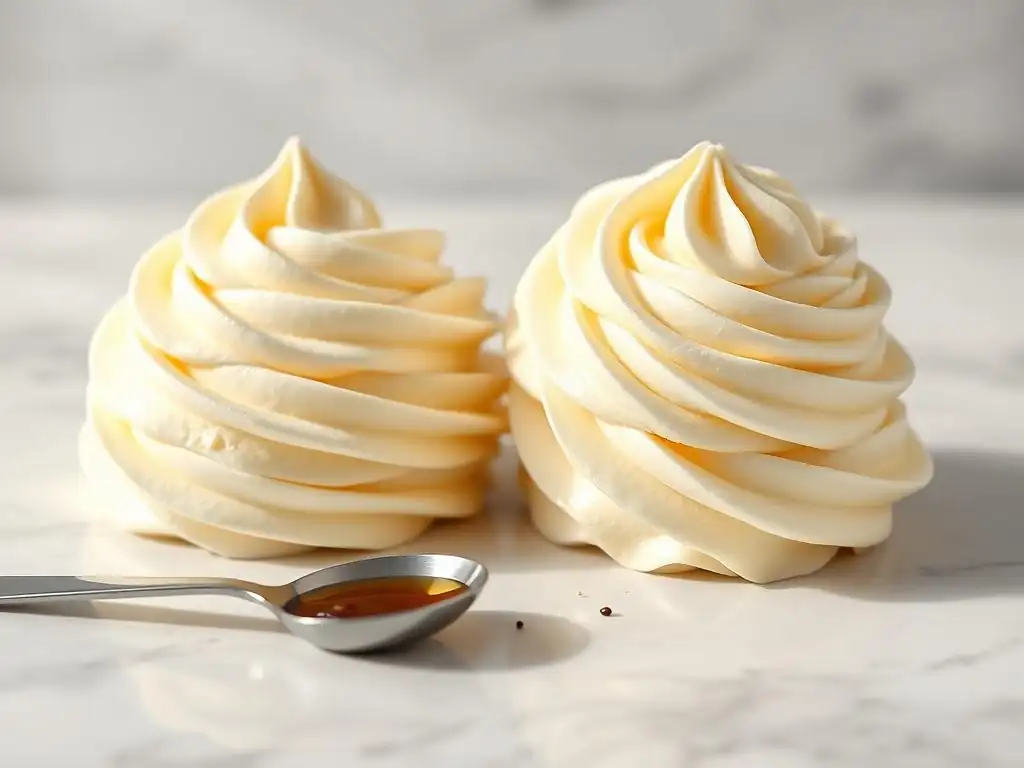
While meringue-based buttercreams are naturally more glossy, you can enhance the sheen of other types, like American buttercream, with simple recipe adjustments. One effective technique is adding a small amount of light corn syrup or glucose syrup to your buttercream. Corn syrup is an invert sugar that remains liquid and doesn't crystallize, helping to create a smoother texture and a more reflective surface.
For a standard batch of American buttercream made with about 1 cup (2 sticks or 227g) of butter and 4 cups (450g) of powdered sugar, adding 1 to 2 tablespoons of light corn syrup can significantly improve the gloss. Incorporate it after the main ingredients are combined and whip for an additional minute or two. Be cautious not to add too much, as it can make the buttercream overly sweet or sticky. This simple addition is one of the more accessible glossy buttercream frosting techniques easy for beginners to try.
Step-by-Step Guide to Achieving a Smooth, Glossy Buttercream Surface
Achieving a beautiful, glossy finish on your cake requires careful preparation and application. Follow these steps for the best results:
Proper Mixing Techniques for Glossy Buttercream
Mixing is fundamental to glossy buttercream frosting techniques easy to master. For meringue-based buttercreams (like Swiss or Italian), ensure your butter is at the correct temperature – typically cool room temperature, around 65-70°F (18-21°C). Beat the butter gradually into the meringue base. Over-beating after the butter is fully incorporated can introduce too much air, which reduces gloss. Mix just until the buttercream is smooth and emulsified.
For American buttercream, start with softened but not melted butter, ideally around 70°F (21°C). Cream the butter thoroughly first until very pale and fluffy, which can take 5-7 minutes in a stand mixer on medium speed. This process incorporates tiny air bubbles evenly, which, while seeming counter-intuitive, helps create a smooth base.
Add powdered sugar gradually on low speed, then increase speed briefly to combine. Finally, mix on low speed for several minutes (5-10 minutes) using the paddle attachment to de-aerate the buttercream, pushing out larger air pockets and resulting in a smoother, potentially glossier texture, especially if corn syrup was added.
Achieving the Right Buttercream Consistency for a Glossy Sheen
Consistency is paramount for smooth, glossy application. The buttercream should be soft enough to spread easily without tearing the cake but firm enough to hold its shape and be smoothed without collapsing. If it's too stiff, add liquid (milk, cream, or even a touch of corn syrup solution) very sparingly, a teaspoon at a time, mixing well after each addition.
If the buttercream is too soft or greasy, it might be too warm. Refrigerate it for 10-15 minutes, then re-whip it briefly. The ideal consistency is often described as being like smooth peanut butter or softened ice cream – spreadable but not runny. This consistency is crucial for allowing smoothers to glide over the surface and create that reflective finish, making glossy buttercream frosting techniques easy to apply evenly.
Smoothing Buttercream for a Professional Glossy Look
This is where the magic happens for a glossy finish. Apply an even layer of buttercream to your cake. For the sides, use a bench scraper or smoother held perpendicular to the cake board. Rotate the cake while holding the scraper steady, applying gentle, even pressure. Scrape off excess buttercream and reapply to fill in gaps. Repeat this process, cleaning your scraper often.
For the top, use a large palette knife or offset spatula, starting from the edge and pulling inwards towards the center, cleaning the knife after each pull. For an extra smooth, glossy surface, slightly warm your metal scraper or palette knife by dipping it in hot water and wiping it completely dry before using it to make final passes. The slight warmth helps melt the surface just enough to create a glass-like finish. Work relatively quickly once the buttercream is applied, as it will start to set.
Troubleshooting Glossy Buttercream Problems: Air Bubbles and Imperfections
Even with careful technique, air bubbles are a common challenge when aiming for a glossy finish. They often arise from over-whipping or not properly de-aerating the buttercream. To minimize them, mix your buttercream on low speed for several minutes after adding all ingredients. Before frosting, stir the buttercream by hand with a spatula, pressing it against the side of the bowl to force out trapped air.
If you spot small air bubbles or imperfections after frosting, you have a few options. For minor bubbles, gently warm your smoother and go over the area again. For larger bubbles, pop them with a pin or the tip of a knife, then smooth the area.
If the surface isn't achieving the desired gloss, it might be too cold; let the cake sit at room temperature for a few minutes before attempting to smooth again. Sometimes, a second thin layer of buttercream applied and smoothed can help cover imperfections and achieve a better sheen, refining your glossy buttercream frosting techniques easy application process.
Achieving a Matte Buttercream Finish: Techniques for a Modern Look
A matte finish provides a sophisticated, non-reflective look that is increasingly popular in modern cake design. It offers a different kind of elegance compared to the high sheen of glossy buttercream.
The Allure of Matte Buttercream: A Contemporary Baking Trend
The allure of matte buttercream lies in its subtle texture and sophisticated simplicity. Unlike glossy finishes that reflect light and draw attention with their shine, a matte surface absorbs light, providing a soft, velvety appearance. This finish is perfect for designs where texture, shape, or color depth are the main focus, rather than reflectivity. It's a contemporary baking trend that complements minimalist aesthetics, natural elements, and designs that aim for an artistic or handcrafted feel.
Matte finishes can also make certain colors appear richer and deeper, as there's no glare to wash them out. Think of deep jewel tones or earthy pastels – they often look stunning on a matte background. This finish is particularly effective for techniques like stenciling, palette knife painting, or creating concrete-like textures, as the matte surface enhances the visual and tactile qualities of these applications. It's a versatile finish that offers a modern alternative to traditional shiny frostings.
Techniques for Creating a Matte Buttercream Frosting
Creating a matte buttercream frosting involves techniques that reduce the reflectivity of the surface. This often means using recipes that are naturally less shiny or adjusting existing recipes and application methods. One primary technique is ensuring the buttercream sets up with a slightly drier or crusting exterior. While glossy finishes benefit from warmth and moisture during smoothing, matte finishes often benefit from cooling and drying slightly.
Another technique involves the composition of the buttercream itself. Buttercreams with a higher proportion of powdered sugar relative to fat, like traditional American buttercream, tend to be more matte than meringue-based versions. Incorporating ingredients that absorb light, such as cornstarch or even certain coloring agents (like titanium dioxide in white coloring), can also contribute to a matte effect. The way the buttercream is applied and smoothed also plays a role; a slightly textured application, even if subtle, will appear less glossy than a perfectly smooth one.
Matte Buttercream Recipe Adjustments: Reducing Liquid
To encourage a matte finish, especially with American buttercream, you can slightly adjust the recipe by reducing the amount of liquid added. Standard American buttercream recipes often call for milk, cream, or water to achieve a spreadable consistency. By using just enough liquid to bring the frosting together to a workable consistency, you create a buttercream that is slightly firmer and more prone to drying to a matte finish on the surface.
For example, if a recipe calls for 3-4 tablespoons of milk, start with 2 tablespoons and add more only if absolutely necessary to make the frosting spreadable. This slight reduction in moisture content encourages the sugar crystals on the surface to dry and create a non-reflective texture. Be careful not to reduce the liquid too much, as this can result in a stiff, crumbly frosting that is difficult to apply smoothly or might crack later. The goal is a consistency that is firm but still pliable.
Using Cornstarch or Powdered Sugar for a Matte Effect
A simple way to enhance the matte effect on buttercream is by utilizing the properties of cornstarch or powdered sugar. Powdered sugar, by nature, contains a small amount of cornstarch (usually 3-5%) to prevent clumping. This cornstarch absorbs moisture and reduces shine. Buttercreams with a high ratio of powdered sugar are naturally more matte.
For an even more pronounced matte effect, particularly if you are using a less matte base like a hybrid buttercream, you can sometimes add a small amount of pure cornstarch (e.g., 1-2 teaspoons per batch) during the mixing process. Alternatively, for a surface-level matte finish, you can lightly dust the finished buttercream surface with a thin layer of powdered sugar or a mixture of powdered sugar and cornstarch using a fine sieve or powder puff. This creates a soft, velvety, non-reflective layer on top.
Achieving a Matte Finish with Crusting Buttercream
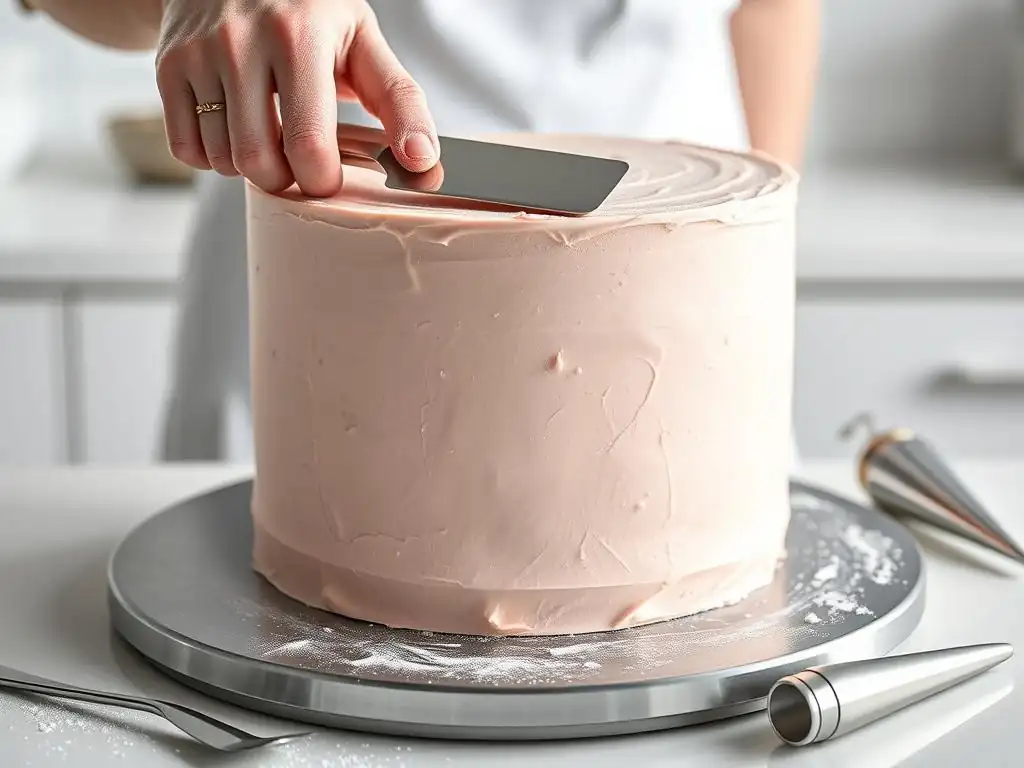
Crusting buttercream is a type of American buttercream specifically formulated to form a dry, touchable crust on the surface after exposure to air. This crusting property makes it inherently matte. A typical crusting buttercream recipe uses a higher ratio of powdered sugar to butter and less liquid than standard American buttercream, sometimes incorporating shortening alongside or instead of butter.
To achieve a matte finish using crusting buttercream, simply apply the frosting smoothly to your cake. Once applied, allow the cake to sit exposed to air for 15-30 minutes (or longer, depending on humidity). As the surface dries, it will develop a firm, non-shiny crust. This crust is perfect for smoothing with a Viva paper towel or a warm, dry hand, resulting in a very clean, matte surface. The crusting property is a key element in creating a durable, matte finish that is resistant to accidental smudges.
Smoothing Techniques for Matte Buttercream: Avoiding Shine
Smoothing matte buttercream requires a slightly different approach than glossy finishes, focusing on preserving the non-reflective quality. With crusting buttercream, wait until the surface has formed a crust. Then, you can use a paper towel (specifically, a lint-free one like Viva) or even your clean, dry hand to gently rub and smooth the surface. The crust prevents sticking and allows you to achieve a very smooth, matte finish without creating shine.
For non-crusting matte buttercreams, smooth the surface as you would normally using palette knives and smoothers. However, avoid using warm tools, as the heat can melt the butter slightly and introduce shine. Work with cool, dry tools. If you need to fix imperfections, do so quickly. Once the desired smoothness is achieved, allowing the cake to sit at room temperature or chilling it slightly can help the surface set and solidify the matte appearance. Avoid excessive rubbing or polishing, which can inadvertently create a sheen.
Troubleshooting Matte Buttercream Problems: Cracking and Dryness
The main challenges with matte buttercream, especially crusting varieties, are cracking and excessive dryness. Cracking often occurs if the buttercream is applied too thinly, if the cake expands slightly after frosting, or if the environment is too dry. To prevent cracking, ensure you apply a sufficient, even layer of buttercream. If cracks appear after chilling, they can sometimes be patched by warming a small amount of buttercream, filling the crack, and re-smoothing the area carefully.
Excessive dryness or a powdery texture can result from using too much powdered sugar or too little liquid. If your buttercream feels too dry while mixing or applying, add liquid very gradually until it reaches a workable consistency.
If the surface becomes too dry too quickly during application, work faster or mist the air around your workspace slightly (though be cautious not to get water directly on the cake). Using a recipe specifically designed as a crusting buttercream, rather than just adding extra powdered sugar to a standard recipe, often provides better balance and reduces the risk of excessive dryness while ensuring a reliable matte finish.
Comparing Matte and Glossy Buttercream: Pros and Cons
Both matte and glossy buttercream finishes have their unique advantages and disadvantages, making them suitable for different situations and desired aesthetics.
Glossy Buttercream: Advantages and Disadvantages
Advantages:
- Creates a luxurious, professional, and sophisticated look.
- Enhances the vibrancy of colors by reflecting light.
- Ideal for elegant, formal cakes (e.g., wedding cakes).
- Provides a smooth base for intricate piping work where sharp lines are desired.
- Often associated with lighter, silkier buttercream textures like Swiss or Italian Meringue.
Disadvantages:
- Can highlight imperfections (dents, bumps, air bubbles) due to reflectivity.
- Requires precise smoothing techniques and tools.
- Can be more sensitive to temperature fluctuations, potentially becoming greasy or dull if too warm.
- Achieving a consistent, high gloss can be challenging.
- Less forgiving for textured finishes where the texture itself is meant to be the focus.
Matte Buttercream: Advantages and Disadvantages
Advantages:
- Offers a modern, understated, and often rustic elegance.
- Excellent for showcasing textures (stucco, concrete, palette knife).
- Colors appear deeper and richer without glare.
- More forgiving for minor imperfections due to the non-reflective surface.
- Crusting matte buttercreams are durable and resistant to smudges once set.
- Often associated with sturdier buttercream textures like American buttercream.
Disadvantages:
- Can sometimes appear dry or chalky if not formulated or applied correctly.
- Crusting varieties can be prone to cracking if not handled properly.
- May not have the same perceived "luxury" or formality as a high gloss finish for certain events.
- Less ideal for piping techniques that rely on a very smooth, shiny surface for definition.
- Requires different smoothing techniques than glossy finishes.
Choosing the Right Buttercream Finish
Choosing between a matte and glossy finish depends entirely on the overall design concept and the intended style of your cake or dessert.
- Choose Glossy if you want a sophisticated, elegant, and polished look. It's perfect for formal occasions, vibrant colors, and smooth, sleek designs. Think of smooth, jewel-toned cakes or classic white wedding cakes with delicate piping. Mastering glossy buttercream frosting techniques easy steps can significantly enhance the visual appeal for these events.
- Choose Matte if you are aiming for a modern, rustic, minimalist, or textured aesthetic. It's ideal for designs where the texture or a soft, non-reflective background is key, such as naked cakes, cakes with fresh flowers, or those with stenciled patterns. It offers a contemporary charm and can be more forgiving.
Consider the environment the cake will be in (temperature and humidity can affect both finishes) and your comfort level with the specific smoothing techniques required for each. Sometimes, the type of buttercream you prefer to work with (e.g., Swiss Meringue vs. American) might naturally lead you towards one finish over the other.
Buttercream Finish Application: Tips and Tricks
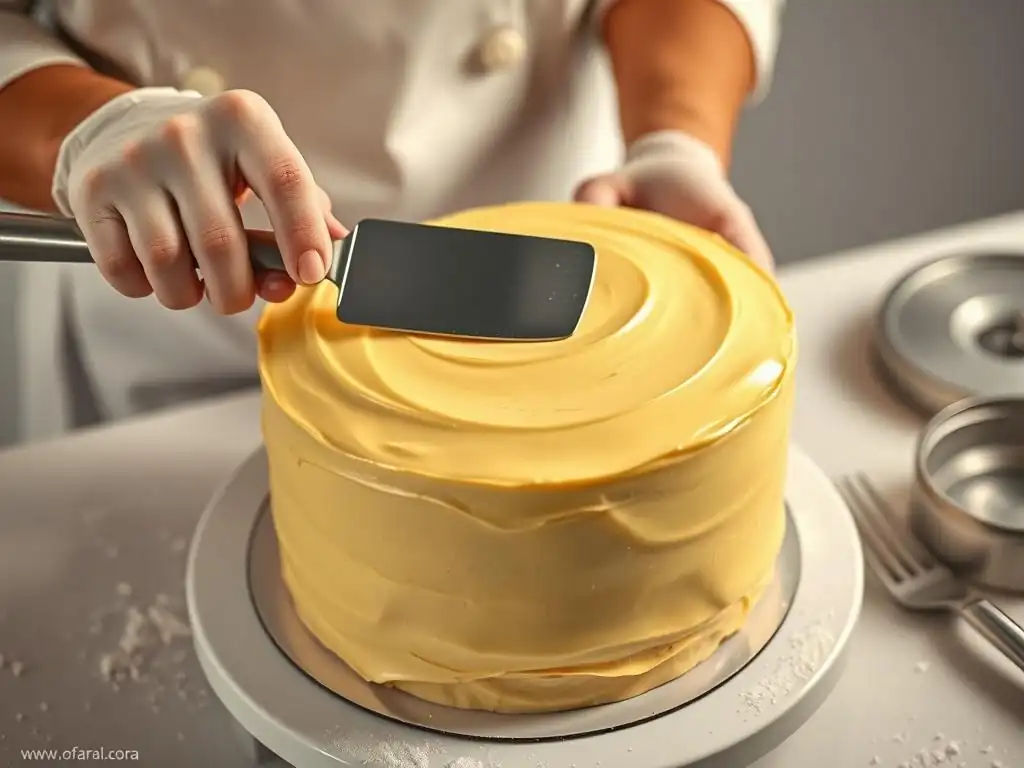
Applying buttercream correctly is half the battle in achieving the desired finish. Here are some tips and tricks specific to working with matte and glossy frostings.
Decorating Techniques for Glossy Buttercream: Piping and Textures
Glossy buttercream, particularly smooth Swiss or Italian meringue, is excellent for piping. Its smooth, silky texture flows beautifully through piping tips, allowing for sharp lines, delicate swirls, and intricate patterns. The natural sheen of the buttercream enhances the definition of piped elements like shells, rosettes, or borders, making them stand out.
While primarily used for smooth finishes, glossy buttercream can also be textured, though the reflectivity might make certain textures less pronounced than on a matte surface. Techniques like using a palette knife to create subtle waves or peaks can work. However, highly defined textures like sharp lines or geometric patterns might lose some impact due to the light reflecting off the surface. Focus on techniques that complement the smoothness and sheen, like sharp edges or smooth swooshes.
Decorating Techniques for Matte Buttercream: Rustic and Modern Designs
Matte buttercream is the star for rustic and modern designs where texture is celebrated. Techniques like the "naked cake" look (minimal frosting revealing cake layers), palette knife painting, or creating stucco, concrete, or wood-grain textures are all enhanced by a matte finish. The non-reflective surface allows the variations in the frosting's application to be the focal point.
Matte buttercream, especially crusting varieties, is also excellent for stenciling. Once the crust forms, a stencil can be placed against the cake, and royal icing, airbrush color, or even another color of buttercream can be applied over it. The matte base provides a stable, non-sticky surface for the stencil and makes the stenciled design pop without any distracting shine. Simple smoothing, creating a perfectly flat matte surface, is also a popular modern design choice.
Storing and Handling Cakes with Matte and Glossy Buttercream
Proper storage and handling are crucial for maintaining the integrity of both matte and glossy finishes.
- Glossy Buttercream: Cakes frosted with glossy buttercream (especially meringue-based) are best stored in the refrigerator. However, condensation can form when moving them from cold to room temperature, which can dull the shine. To minimize this, place the cake in a box before refrigerating and remove the box from the fridge, allowing it to come to room temperature gradually within the box. Handle gently to avoid smudging the reflective surface.
- Matte Buttercream: Cakes with matte buttercream, particularly crusting types, are generally more forgiving once the crust has set. They can often be stored at cool room temperature unless the filling or cake requires refrigeration. If refrigerating, condensation is less likely to affect the matte finish significantly, though it's still best to bring it to temperature gradually. Handle carefully to avoid scratching or damaging the dry crust.
For both finishes, avoid direct sunlight or warm environments, which can cause the buttercream to soften, lose its shape, and potentially alter the finish.
Advanced Buttercream Techniques: Combining Matte and Glossy Elements
For truly artistic cakes, consider combining matte and glossy finishes on a single creation. This contrast can add depth, visual interest, and highlight specific design elements.
Creating Contrast with Matte and Glossy Buttercream Accents
Combining finishes allows you to draw attention to particular areas of the cake. For instance, you could frost the main body of the cake with a smooth, matte buttercream for a modern feel, then add a glossy drip or apply glossy piping details. The difference in sheen will make the glossy elements stand out dramatically against the matte background.
Alternatively, you could frost the cake with a glossy buttercream base and then use a stencil with a matte finish applied over it (perhaps using a mix of powdered sugar and cocoa powder for a dark contrast). This creates a sophisticated interplay of textures and finishes that elevates the design beyond a single-finish approach. The contrast in reflectivity is visually striking and demonstrates advanced technique.
Using Stencils and Textures on Different Buttercream Finishes
Stencils and textures can be used strategically to apply contrasting finishes. As mentioned, stenciling a matte powder or a matte buttercream over a glossy base works wonderfully. Conversely, applying a glossy element like a royal icing stencil (which dries hard and often with a slight sheen) or a clear piping gel design over a matte buttercream surface creates a focal point.
Using palette knives to create texture on a matte base is common, but you could also use a palette knife to apply small, deliberate strokes of glossy buttercream onto a matte surface, making those strokes pop. Experimenting with applying different consistencies and types of buttercream side-by-side, or layering techniques, allows for creative expression using the interplay of matte and glossy finishes.
Conclusion: Mastering Your Buttercream Finish
Mastering buttercream finishes, from achieving easy glossy buttercream frosting techniques to perfecting a contemporary matte look, is a rewarding skill for any baker. Understanding how ingredients, temperature, mixing methods, and tools influence the final appearance empowers you to make deliberate design choices.
Whether you're aiming for the elegant shine of a glossy surface or the sophisticated subtlety of a matte one, practicing these techniques will elevate your cake decorating from simple frosting to intentional artistry. Don't be afraid to experiment with different buttercream types and methods to discover which finishes you enjoy creating the most and which best suit your unique baking style.
Frequently Asked Questions
How do I achieve a glossy finish on my buttercream frosting?
Achieving a glossy buttercream finish often relies on thorough mixing. Use a paddle attachment and mix for several minutes to incorporate air and smooth the frosting. Adding a small amount of clear corn syrup can also enhance the shine.
What's the secret to a matte finish on buttercream?
To get a matte buttercream, avoid overmixing. This prevents too much air from being incorporated. Also, using more butter in your recipe can help create a less shiny surface.
What type of buttercream works best for achieving a glossy finish with these glossy buttercream frosting techniques easy?
While most buttercream types can achieve a glossy finish, American buttercream tends to be easiest to manipulate. Swiss or Italian meringue buttercreams may require more effort and precise temperatures to achieve the desired glossy effect.
Are there any specific ingredients I should use to ensure a glossy buttercream frosting techniques easy outcome?
Using high-quality butter and powdered sugar can significantly impact the final result. As mentioned before, clear corn syrup is a common ingredient to boost the shine in glossy buttercream.
Can the temperature of my ingredients affect whether my buttercream is matte or glossy?
Yes, the temperature is crucial. Butter that is too warm can lead to a greasy, overly glossy finish. Aim for cool, but not frozen butter. For a matte finish, slightly cooler temperatures are generally preferred.
Final Reflection: The Enduring Allure of a Perfect Finish
The quest for the ideal buttercream finish—whether glossy or matte—remains a central challenge and a source of immense satisfaction for bakers everywhere. Achieving that perfect sheen or velvety smoothness isn't just about aesthetics; it's about conveying a level of skill and dedication that elevates a simple cake into a culinary masterpiece. This pursuit reflects a broader human desire for precision and artistry in our creations, no matter how seemingly small.
The impact of achieving a desired buttercream finish extends far beyond the individual cake itself. It speaks to a larger cultural appreciation for visual perfection and the satisfaction derived from mastering a craft. The subtle differences between a glossy mirror glaze and a soft, matte finish can dramatically alter the perceived mood and elegance of a dessert. This resonates with the broader artistic principle of controlled imperfection, where even the seemingly simple act of frosting a cake becomes a canvas for expression. The details are not the details. They make the design.
- Charles Eames. This quote perfectly encapsulates the importance of mastering these techniques, transforming a simple cake into a work of art.
Now, consider your own baking journey. What techniques have you found most effective in achieving your desired buttercream finish? I encourage you to experiment, to embrace both the glossy and matte techniques, and to discover the unique beauty that each can bring to your creations. Don't be afraid to fail; each attempt brings you closer to mastering your craft and expressing your unique artistic vision. The journey of perfecting your buttercream is a continuous one, filled with learning, experimentation, and ultimately, the immense satisfaction of creating something beautiful.
Unlock Your Buttercream's Full Potential!
Thanks for joining us on this creamy adventure! You've just learned the secrets to achieving both stunning matte and glossy finishes on your buttercream—skills that will elevate your baking game. Ready to put your newfound knowledge into practice?
- Master the Matte: Try experimenting with different types of powdered sugar and incorporate our tips for achieving that perfectly smooth, velvety matte finish on your next cake.
- Share Your Success: Post a picture of your masterpiece on social media and tag us! Let's see those flawless buttercream creations. Use #BakeWithEaseMatteMaster.
- Explore the Glossy Side: Dive deeper into the world of glossy buttercream by trying our suggested additions – the possibilities are endless!
Ready to transform your baking from good to gorgeous? What's your go-to buttercream finish, and what new technique will you try first?