
Understanding Korean Buttercream: Delicate and Smooth

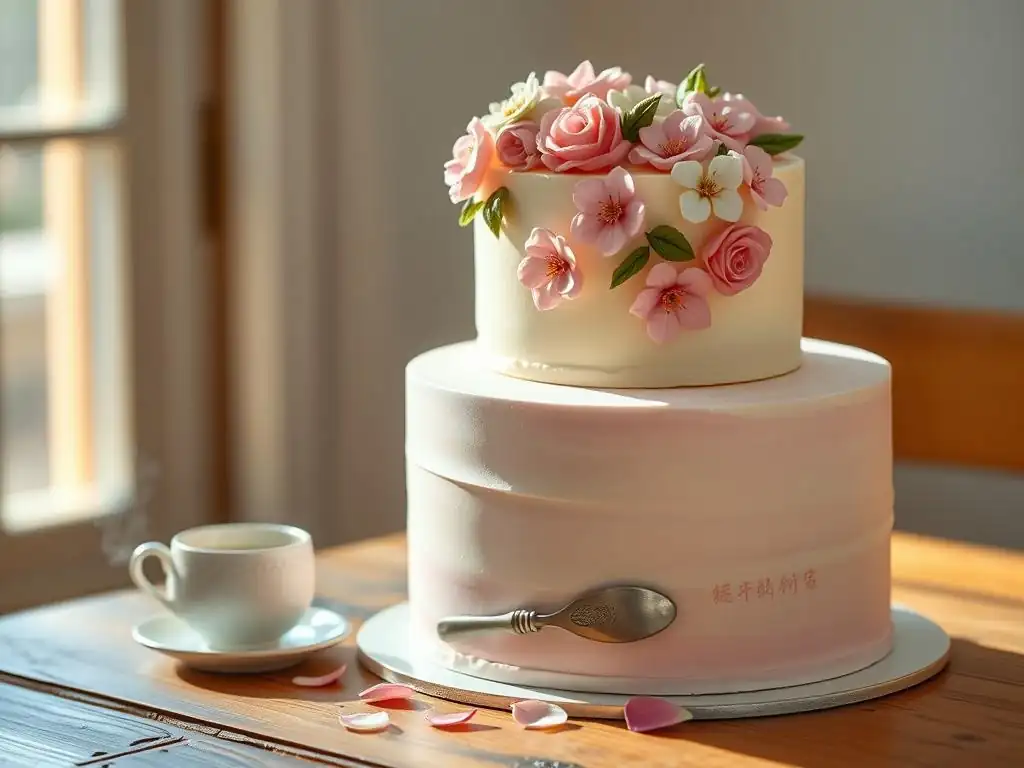
Welcome to BakeWithEase, where even the most intricate baking projects become approachable! Ever wondered how Korean bakers achieve that impossibly smooth and delicate buttercream? This article dives deep into the secrets of a truly exceptional icing. Discover our easy Korean buttercream recipe and unlock a whole new level of cake decorating. Ready to create edible art? Let's get baking!
- Understanding Swiss Meringue Buttercream: Delicate and Smooth
- What is Swiss Meringue Buttercream? An Introduction to its Silky Texture
-
Mastering the Swiss Meringue Buttercream Recipe: An Easy Step-by-Step Guide
- Ingredients for a Smooth and Stable Swiss Meringue Buttercream
- Essential Equipment for Making Swiss Meringue Buttercream
- Step 1: Preparing the Meringue Over a Double Boiler
- Step 2: Whipping the Meringue to Stiff Peaks
- Step 3: Incorporating Butter into the Meringue
- Step 4: Achieving the Perfect Texture and Consistency
- Troubleshooting Common Swiss Meringue Buttercream Problems
- Flavoring Your Swiss Meringue Buttercream: Creative Ideas and Combinations
- Coloring Swiss Meringue Buttercream: Achieving Vibrant and Delicate Hues
- Using Swiss Meringue Buttercream for Cake Decorating: Tips and Techniques
- Storing Swiss Meringue Buttercream: Keeping it Fresh and Delicious
- Swiss Meringue Buttercream Recipe Easy: A Summary of Key Steps
- Advanced Swiss Meringue Buttercream Techniques: Taking Your Skills to the Next Level
- Common Mistakes to Avoid When Making Swiss Meringue Buttercream Frosting
-
Frequently Asked Questions
- What makes Korean buttercream different from other types of buttercream?
- Is the "Korean buttercream recipe easy" to follow for a beginner?
- What kind of butter is best to use for a "Korean buttercream recipe easy"?
- How long does Korean buttercream last, and how should it be stored?
- Can I easily customize the flavor of my "Korean buttercream recipe easy"?
- Final Reflection: The Enduring Allure of Korean Buttercream
- Unleash Your Inner Korean Baker!
Understanding Swiss Meringue Buttercream: Delicate and Smooth
What is Swiss Meringue Buttercream? An Introduction to its Silky Texture
Swiss meringue buttercream, often affectionately called SMB, is a classic frosting renowned for its incredibly smooth, light, and velvety texture. Unlike its American counterpart, which relies solely on powdered sugar and butter, SMB incorporates a cooked meringue base. This unique method involves gently heating egg whites and sugar over a water bath before whipping them into a stable, glossy meringue. This process not only ensures food safety by cooking the egg whites but also dissolves the sugar completely, resulting in a buttercream that is far less sweet and grainy than traditional powdered sugar frostings.
The magic of Swiss meringue buttercream lies in the careful emulsification of softened butter into this sturdy meringue base. As butter is gradually added, the mixture transforms from a fluffy cloud into a rich, creamy, and luxurious frosting. The resulting texture is ideal for piping intricate designs, achieving flawlessly smooth cake finishes, and providing a delicate counterpoint to richer cake flavors. Its stability also makes it a favorite for stacking tiered cakes, as it holds its shape well at room temperature compared to some other buttercreams.
Swiss Meringue Buttercream vs. American Buttercream: Key Differences
The primary difference between Swiss meringue buttercream and American buttercream lies in their base and sweetness level. American buttercream is typically made by creaming together softened butter and a large amount of powdered sugar, along with a liquid like milk or cream and flavorings. This results in a very sweet, dense, and often gritty frosting due to the undissolved sugar crystals. Its simplicity makes it quick to whip up, but its sweetness can sometimes be overpowering.
Swiss meringue buttercream, conversely, starts with a meringue made from egg whites and granulated sugar heated and whipped. Softened butter is then incorporated into this meringue. This process yields a frosting that is significantly less sweet, much smoother, and has a lighter, almost airy consistency. While it requires a bit more time and precision due to the cooking step and temperature considerations, many bakers prefer its sophisticated flavor and superior texture for more refined desserts.
Why Choose Swiss Meringue Buttercream? Advantages and Benefits
Choosing Swiss meringue buttercream offers several compelling advantages for bakers. Foremost among these is its exquisite texture – it's exceptionally smooth, making it perfect for creating sharp edges and smooth surfaces on cakes. This delicate texture also translates to a pleasant mouthfeel, lacking the grittiness often associated with powdered sugar frostings. Furthermore, SMB is considerably less sweet than American buttercream, allowing the flavors of the cake and any added flavorings in the buttercream itself to shine through without being masked by excessive sugariness.
Beyond texture and sweetness, Swiss meringue buttercream boasts excellent stability. Once properly made, it holds up well at room temperature (within reason, depending on ambient heat) and is less prone to melting or weeping than some other types of frosting. This stability makes it ideal for decorating and transporting cakes, especially in moderate climates. It's also incredibly versatile, serving as a fantastic base for a wide array of flavors and colors, allowing bakers to get creative with their dessert designs.
Mastering the Swiss Meringue Buttercream Recipe: An Easy Step-by-Step Guide
Making Swiss meringue buttercream, while requiring specific steps, is quite achievable with attention to detail. The process involves creating a stable meringue base and then carefully incorporating butter to achieve a smooth, luxurious frosting. Following these steps will guide you through creating perfect SMB every time, making it a surprisingly easy Swiss meringue buttercream recipe once you understand the technique.
The core steps involve heating egg whites and sugar, whipping them into a firm meringue, and then beating in softened butter until the mixture emulsifies into a creamy frosting. Patience is key, especially during the butter incorporation stage, as the mixture might look curdled before it comes together into that signature smooth consistency. Don't be discouraged; keep beating, and it will transform!
Ingredients for a Smooth and Stable Swiss Meringue Buttercream
A successful Swiss meringue buttercream relies on a few key ingredients, used in the correct proportions and at the right temperatures. You will need large egg whites, granulated sugar, unsalted butter, and a flavoring extract like vanilla. The typical ratio by weight often starts around 1 part egg whites, 2 parts granulated sugar, and 3 parts unsalted butter, though variations exist. For instance, a common starting point might be 4 large egg whites (approx. 120-130g), 240g granulated sugar, and 360g unsalted butter.
The quality and temperature of your ingredients are crucial. Use fresh, large egg whites, preferably separated carefully without any yolk contamination. Granulated sugar is essential for dissolving properly in the meringue. The butter must be unsalted and, critically, softened to cool room temperature – around 65-70°F (18-21°C). It should be pliable but not greasy or melted. Butter that is too cold won't emulsify correctly, while butter that is too warm can cause the buttercream to become a soupy mess. A high-quality vanilla extract is also recommended for the best classic flavor.
Essential Equipment for Making Swiss Meringue Buttercream
Having the right tools makes the process of making Swiss meringue buttercream significantly easier and more reliable. A stand mixer fitted with a whisk attachment is almost essential for achieving the proper meringue consistency and efficiently incorporating the butter. While it's technically possible to make it with a hand mixer, a stand mixer provides the power and hands-free operation needed for the extended whipping time.
You will also need a heatproof bowl, typically the bowl of your stand mixer if it's heatproof, or a separate metal or glass bowl. This bowl needs to fit snugly over a pot of simmering water to create a double boiler setup. A pot for the simmering water is necessary.
An instant-read thermometer is highly recommended to accurately check the temperature of the egg white and sugar mixture, ensuring it reaches the safe temperature range of 140-160°F (60-70°C) to dissolve the sugar and pasteurize the egg whites. Spatulas, measuring cups, and a scale (for weighing ingredients accurately) are also helpful.
Step 1: Preparing the Meringue Over a Double Boiler
The first critical step in this easy Swiss meringue buttercream recipe is preparing the cooked meringue base. Combine the egg whites and granulated sugar in your heatproof bowl. Place the bowl over a pot of simmering water, ensuring the bottom of the bowl does not touch the water. This creates a gentle, indirect heat source. Whisk the mixture constantly by hand over the heat.
Continue whisking until the sugar is completely dissolved and the mixture is warm to the touch. You can test for dissolved sugar by rubbing a small amount between your fingers; it should feel smooth, not gritty. Using an instant-read thermometer, heat the mixture until it reaches at least 140°F (60°C), ideally closer to 160°F (70°C). This step is crucial for food safety and ensures the sugar is fully dissolved, which is vital for a smooth buttercream. Once the target temperature is reached and the sugar is dissolved, carefully remove the bowl from the heat.
Step 2: Whipping the Meringue to Stiff Peaks
Immediately transfer the warm egg white and sugar mixture to the bowl of your stand mixer (if using a separate bowl) and attach the whisk attachment. Begin whipping the mixture on medium speed, gradually increasing to high speed. You are whipping this mixture to create a stable, glossy meringue.
Continue whipping for a considerable amount of time – typically 10 to 15 minutes, sometimes longer – until the meringue is very thick, glossy, and has cooled completely to room temperature. The bowl should no longer feel warm to the touch. When you lift the whisk attachment, the meringue should form stiff, sharp peaks that stand straight up. Over-whipping isn't usually a major issue at this stage, but ensuring the meringue is fully cooled before adding butter is absolutely critical for a stable buttercream.
Step 3: Incorporating Butter into the Meringue
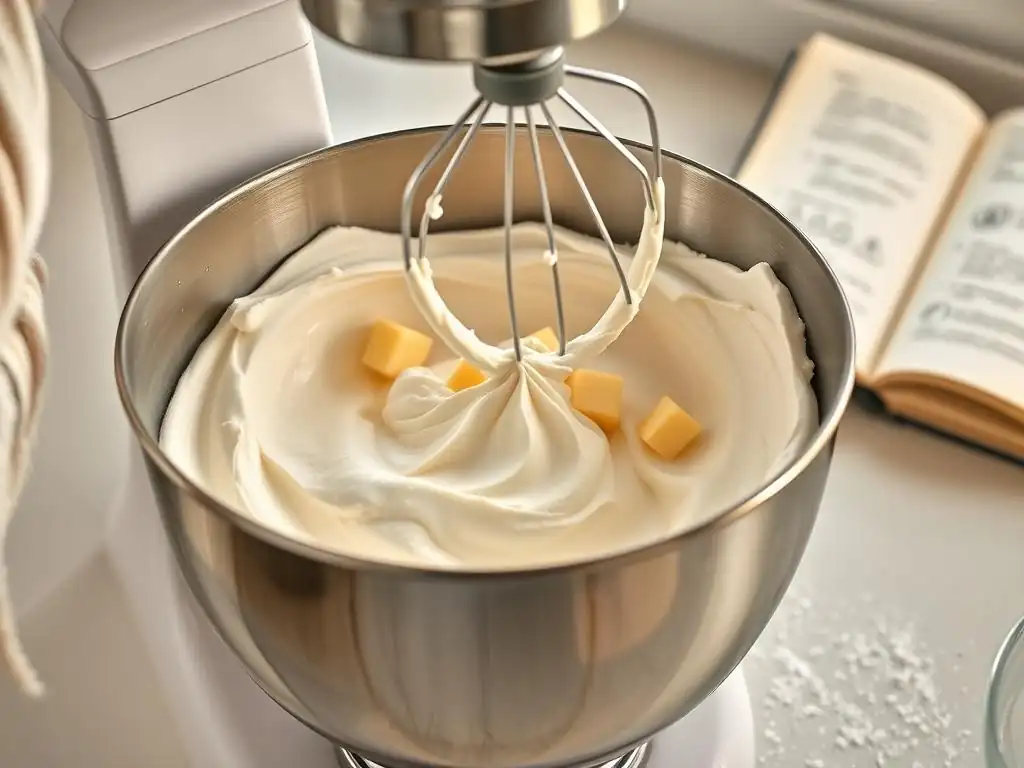
Once the meringue is stiff, glossy, and completely cool, switch from the whisk attachment to the paddle attachment on your stand mixer. Begin adding the softened, room-temperature butter, one tablespoon or small piece at a time, on low speed. Add a piece, let it get partially incorporated, then add the next. Do not rush this step.
As you add the butter, the mixture will likely go through some strange-looking phases. It might look curdled, soupy, or separated. This is completely normal! Do not panic. Keep adding the butter gradually. The mixture needs time to emulsify. Once all the butter has been added, continue beating on medium speed.
Step 4: Achieving the Perfect Texture and Consistency
After all the butter has been added and the mixture has gone through the initial curdled or soupy stage, continue beating the Swiss meringue buttercream on medium speed. The mixture will eventually transform before your eyes. It will start to look smooth, creamy, and cohesive, resembling a luxurious frosting. This can take anywhere from 5 to 15 minutes of continuous beating after the last bit of butter is added.
Beat until the buttercream is perfectly smooth, light, and fluffy, with no signs of separation. The final consistency should be spreadable and pipeable. If it still looks a bit loose after prolonged beating, you can try chilling the bowl in the refrigerator for 10-15 minutes and then re-beating. If it seems too stiff, you can gently warm the outside of the bowl with a kitchen torch or over a very low double boiler for just a few seconds, then re-beat. The key is patience and observation; keep beating until it reaches that signature smooth, silky texture.
Troubleshooting Common Swiss Meringue Buttercream Problems
Even with a reliable Swiss meringue buttercream recipe, issues can sometimes arise. One common problem is the buttercream looking curdled after adding the butter. As mentioned, this is often a normal phase. The solution is usually to just keep beating on medium speed; it should eventually smooth out. If it remains stubbornly curdled after 10-15 minutes of beating, the temperature might be off. If it's too warm (soupy-curdled), chill the bowl for 15-20 minutes and re-beat. If it's too cold (chunky-curdled), gently warm the bowl base briefly and re-beat.
Another issue is a buttercream that seems too thin or soupy. This is almost always a temperature problem, specifically the butter being too warm or the meringue not being fully cooled. The best fix is to chill the entire bowl of buttercream in the refrigerator for 20-30 minutes, then return it to the mixer and beat again on medium-high speed.
It should thicken up as it cools and is re-whipped. Conversely, if the buttercream is too thick or stiff, it might be too cold. Let it sit at room temperature for a bit or gently warm the bowl base, then re-beat until smooth and pliable.
Flavoring Your Swiss Meringue Buttercream: Creative Ideas and Combinations
Swiss meringue buttercream is a wonderful canvas for a wide variety of flavors. Because its base flavor is less sweet than American buttercream, added flavors really have a chance to shine. From classic extracts to fruit purees and chocolate, the possibilities for customizing your easy Swiss meringue buttercream are vast and exciting.
Adding flavorings is typically done towards the end of the process, after the buttercream has achieved its smooth, final consistency. Start with a small amount and add more to taste, as some flavors can be quite potent. Experimentation is encouraged to find your favorite combinations!
Adding Extracts and Flavors to Swiss Meringue Buttercream
Extracts are the simplest way to flavor Swiss meringue buttercream. Vanilla extract is the classic choice and complements almost any cake flavor. Use a high-quality pure vanilla extract for the best results; typically, 1-2 teaspoons per standard batch (using 4-5 egg whites) is sufficient, but adjust to your preference.
Beyond vanilla, the options are nearly endless. Try almond extract for a nutty note, peppermint extract for holiday baking, or lemon extract for a bright, citrusy flavor. Other popular extracts include coffee, maple, or coconut. You can also use flavor emulsions, which are often more potent and stable than extracts. Add extracts or emulsions gradually while the mixer is running on low speed until the desired flavor strength is achieved.
Using Fruit Purees in Swiss Meringue Buttercream: Tips and Tricks
Incorporating fruit purees can add vibrant flavor and natural color to your Swiss meringue buttercream, but it requires a bit more care due to the added moisture. Use concentrated fruit purees whenever possible, ideally those that have been reduced slightly to minimize excess liquid. Common choices include raspberry, strawberry, passion fruit, or mango puree.
Add the fruit puree gradually to the finished buttercream while the mixer is on low speed. Start with 1-2 tablespoons and beat until fully incorporated. If the buttercream becomes too soft or loose from the added liquid, you may need to chill the bowl in the refrigerator for 15-30 minutes and then re-whip it to regain its structure. Using freeze-dried fruit powder, ground into a fine dust, is another excellent way to add intense fruit flavor without introducing excess moisture, which can be a more stable option.
Chocolate Swiss Meringue Buttercream: A Rich and Decadent Variation
Chocolate Swiss meringue buttercream is a popular and delicious variation. There are a couple of ways to achieve a rich chocolate flavor. One method is to melt good quality chocolate (dark, milk, or semi-sweet) and let it cool slightly but still remain liquid. Beat the cooled melted chocolate into the finished vanilla or plain Swiss meringue buttercream on low speed until fully incorporated.
Alternatively, you can use unsweetened cocoa powder. Sift the cocoa powder to remove any lumps and gradually add it to the finished buttercream while the mixer is running on low. This method will result in a less rich flavor than using melted chocolate but is quicker and easier. The amount of chocolate or cocoa powder will depend on the batch size and desired intensity, but starting with 4-6 ounces (110-170g) of melted chocolate or 1/2 to 3/4 cup (45-65g) of cocoa powder for a batch made with 4-5 egg whites is a good starting point.
Coloring Swiss Meringue Buttercream: Achieving Vibrant and Delicate Hues
Coloring Swiss meringue buttercream allows you to match your frosting to your cake's theme or design. Its smooth, light base takes color beautifully, allowing for both vibrant and delicate pastel shades. The key is using the right type of coloring and incorporating it properly to maintain the buttercream's texture.
Adding color is typically done after the buttercream is fully made and flavored. Start with a small amount of color and gradually add more until you reach the desired shade. Remember that colors can deepen slightly as they sit.
Best Food Coloring for Swiss Meringue Buttercream
Gel or paste food colorings are the best choice for coloring Swiss meringue buttercream. Unlike liquid food colorings, gel and paste colors are highly concentrated and do not add significant extra liquid to the buttercream, which could destabilize its texture. Brands like Wilton, Americolor, or Chefmaster are popular choices.
Avoid using standard liquid food colorings found in grocery stores for intense colors, as you would need to add a large amount, potentially ruining the consistency of the buttercream. Natural food colorings can also be used but may require larger quantities and might not produce as vibrant results as artificial gel colors.
Techniques for Blending Colors Seamlessly
To blend colors seamlessly into Swiss meringue buttercream, add the coloring while the mixer is running on low speed using the paddle attachment. This allows the color to distribute evenly without incorporating too much air or affecting the texture. Add just a tiny amount of color at a time, especially with concentrated gels, and let it mix thoroughly before deciding if you need more.
For very vibrant colors, it's often better to add the color and let the buttercream mix for several minutes to ensure even distribution and prevent streaks. For delicate pastels, just a tiny drop or two of gel color is usually sufficient. You can also divide your buttercream into smaller bowls to color different portions various shades.
Creating Ombre and Gradient Effects with Swiss Meringue Buttercream
Creating beautiful ombre or gradient effects with Swiss meringue buttercream is straightforward and visually stunning. Start by dividing your buttercream into several portions equal to the number of color shades you want in your gradient (e.g., 3 portions for a light, medium, and dark shade). Leave one portion uncolored or add just a tiny hint of color for the lightest shade.
Color the remaining portions, progressively adding more color to each subsequent bowl to create the gradient from light to dark. To apply to a cake, you can load your piping bag with stripes of each color or apply the colors directly to the cake in bands and smooth them out. For example, pipe a ring of the darkest color around the base of the cake, the medium shade above that, and the lightest shade at the top, then use a bench scraper to smooth and blend the colors together vertically.
Using Swiss Meringue Buttercream for Cake Decorating: Tips and Techniques
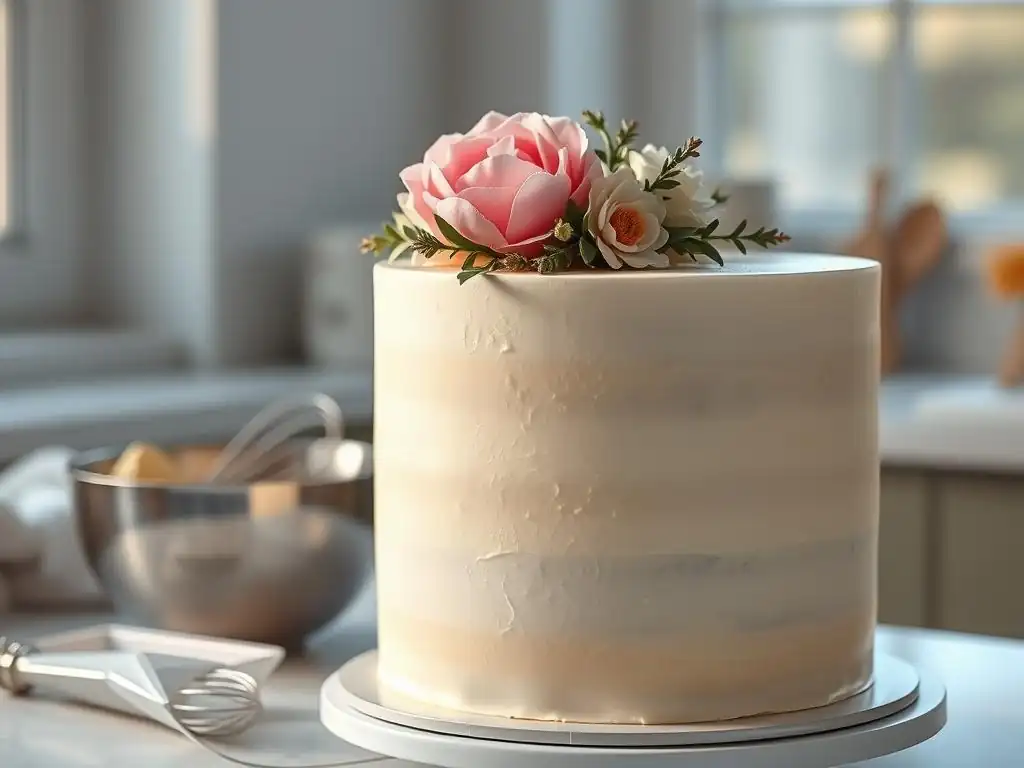
Swiss meringue buttercream's smooth texture and stability make it an excellent choice for cake decorating. Whether you're aiming for a perfectly smooth finish, intricate piping, or modern palette knife effects, SMB is up to the task. Proper preparation of both the cake and the buttercream is key to successful decorating.
Ensure your cake layers are completely cooled before frosting. A chilled cake is also easier to frost smoothly, as the buttercream sets up slightly on contact with the cold surface. Having a chilled buttercream (but not hard) also helps with achieving sharp edges and smooth finishes.
Preparing Your Cake for Swiss Meringue Buttercream Frosting
Before applying Swiss meringue buttercream, ensure your cake layers are level. You can trim off any domes with a serrated knife. For easier handling and a cleaner finish, it's beneficial to chill your cake layers in the refrigerator or freezer for 15-30 minutes before frosting. This makes them firmer and less prone to crumbling.
Apply a thin "crumb coat" of buttercream first. This involves spreading a very thin layer of buttercream all over the cake to trap any loose crumbs. Once the crumb coat is applied, chill the cake again for at least 20-30 minutes until the buttercream is firm to the touch. This creates a stable base for your final layer of frosting and helps ensure a smooth, crumb-free exterior.
Piping Techniques for Swiss Meringue Buttercream
Swiss meringue buttercream holds its shape beautifully when piped, making it ideal for creating swirls, rosettes, borders, and other decorative elements. Use sturdy piping bags and appropriate piping tips for your desired design. Because SMB is less dense than American buttercream, it can sometimes require tips with slightly smaller openings to maintain very sharp details, but standard tips work well for most designs.
Fill your piping bag about two-thirds full to make it easy to handle. Twist the top of the bag to create pressure and pipe evenly. If the buttercream seems too soft for intricate piping, pop the filled piping bag in the refrigerator for 5-10 minutes to firm it up slightly. For particularly warm environments, chilling the bag periodically while you work can help maintain crisp shapes.
Creating Smooth and Even Swiss Meringue Buttercream Surfaces
Achieving a perfectly smooth surface with Swiss meringue buttercream is one of its most appealing qualities. After applying a generous amount of buttercream over the chilled crumb coat, use an offset spatula to spread it roughly around the sides and top of the cake. Then, use a bench scraper or a long, straight spatula held against the side of the cake at a slight angle to smooth the sides, rotating the cake on a turntable. Scrape off excess buttercream and reapply as needed until the sides are smooth.
For the top surface, use an offset spatula to gently pull excess buttercream from the edge towards the center, smoothing as you go. For an extra-smooth finish, you can gently warm your bench scraper or spatula in hot water, dry it completely, and use the warm, dry tool to smooth the surface. Chilling the cake briefly after smoothing can also help set the buttercream for easier handling or further decoration.
Storing Swiss Meringue Buttercream: Keeping it Fresh and Delicious
One of the practical advantages of Swiss meringue buttercream is its ability to be stored for later use. Whether you've made too much or want to prepare it in advance, proper storage ensures your buttercream remains fresh and maintains its delightful texture. Both refrigeration and freezing are viable options.
Always store Swiss meringue buttercream in an airtight container to prevent it from absorbing odors from the refrigerator or freezer and to protect it from drying out. Labeling the container with the date is also a good practice.
Proper Refrigeration Techniques for Swiss Meringue Buttercream
Swiss meringue buttercream can be stored in the refrigerator for up to one week. Place the finished buttercream in an airtight container, pressing a piece of plastic wrap directly onto the surface before sealing the lid to prevent a skin from forming.
When you're ready to use refrigerated buttercream, it will likely be quite firm. Allow it to come back to room temperature for several hours until it's pliable. Then, re-whip it in your stand mixer with the paddle attachment on medium speed for several minutes until it becomes smooth, light, and fluffy again. This re-whipping step is crucial for restoring its ideal texture after chilling.
Freezing Swiss Meringue Buttercream: Long-Term Storage Tips
For longer storage, Swiss meringue buttercream freezes exceptionally well. You can freeze it for up to 3-4 months. Transfer the buttercream to a freezer-safe, airtight container. Press plastic wrap onto the surface of the buttercream before sealing the container tightly.
Ensure the container is well-sealed to prevent freezer burn. Label the container with the date it was frozen. Freezing is a great option if you often bake in batches or want to have buttercream ready for impromptu decorating projects.
Thawing and Re-whipping Swiss Meringue Buttercream
To use frozen Swiss meringue buttercream, transfer the airtight container from the freezer to the refrigerator and let it thaw completely overnight. This slow thawing process is preferable to thawing at room temperature, which can sometimes lead to separation.
Once thawed in the refrigerator, let the buttercream sit at room temperature for 1-2 hours until it is soft and pliable, similar to the consistency of softened butter. Then, transfer it to the bowl of your stand mixer fitted with the paddle attachment. Beat the buttercream on medium speed for several minutes. It may look separated or curdled initially, but keep beating, and it will become smooth, creamy, and ready to use, just like freshly made SMB.
Swiss Meringue Buttercream Recipe Easy: A Summary of Key Steps
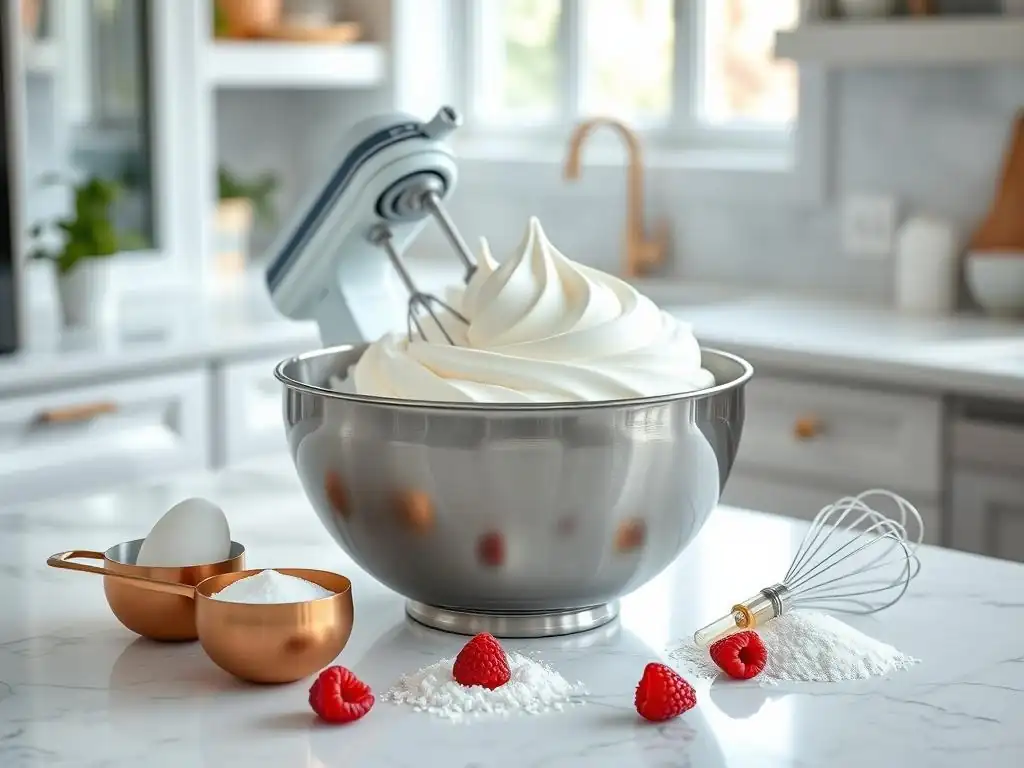
Creating a delicious and smooth Swiss meringue buttercream doesn't have to be intimidating. By following a few key steps, you can master this elegant frosting. The process centers around a cooked meringue base combined with butter, resulting in a less sweet, incredibly smooth, and stable frosting perfect for decorating.
Remember the core components: heating egg whites and sugar, whipping into a stable meringue, incorporating softened butter gradually, and beating until smooth. Patience during the emulsification phase is essential for success with this easy Swiss meringue buttercream recipe.
Quick Guide to Making Perfect Swiss Meringue Buttercream Every Time
- Heat: Combine egg whites and granulated sugar over a double boiler, whisking until sugar dissolves and mixture reaches 140-160°F (60-70°C).
- Whip: Transfer mixture to a stand mixer and whip on high speed with a whisk attachment until stiff, glossy peaks form and the meringue is completely cool (about 10-15 minutes).
- Switch: Change to the paddle attachment.
- Add Butter: Add softened, room-temperature butter one piece at a time on low speed, letting each piece partially incorporate before adding the next.
- Beat: Continue beating on medium speed after all butter is added. The mixture may look curdled, but keep beating for 5-15 minutes until it transforms into a smooth, creamy buttercream.
- Flavor/Color: Add extracts, purees, or coloring as desired while mixing on low speed.
Vanilla Cake Recipe Using Swiss Meringue Buttercream
While this article focuses on the frosting, here is a simple vanilla cake recipe that pairs beautifully with Swiss meringue buttercream. This recipe typically yields two 8-inch cake layers.
- Ingredients: 2 1/4 cups (280g) all-purpose flour, 1 1/2 cups (300g) granulated sugar, 3 1/2 teaspoons baking powder, 1/2 teaspoon salt, 1/2 cup (113g) unsalted butter (softened), 2 large eggs, 1 teaspoon vanilla extract, 1 1/4 cups (300ml) milk.
- Instructions:
- Preheat oven to 350°F (175°C). Grease and flour two 8-inch round cake pans.
- In a large bowl, whisk together flour, sugar, baking powder, and salt.
- Add softened butter and mix with an electric mixer on low speed until the mixture resembles coarse crumbs.
- In a separate bowl, whisk together eggs, vanilla, and milk.
- Pour half of the wet ingredients into the dry ingredients and mix on medium speed until just combined.
- Add the remaining wet ingredients and mix on medium speed for about 2 minutes, scraping down the sides of the bowl, until the batter is smooth.
- Divide batter evenly between the prepared pans.
- Bake for 28-32 minutes, or until a wooden skewer inserted into the center comes out clean.
- Let cakes cool in pans for 10 minutes before inverting onto a wire rack to cool completely.
- Once completely cool, frost with your delicious Swiss meringue buttercream!
Advanced Swiss Meringue Buttercream Techniques: Taking Your Skills to the Next Level
Once you've mastered the basics of making and applying Swiss meringue buttercream, you can explore more advanced decorating techniques. Its smooth and stable nature makes it suitable for creating professional-looking finishes that elevate your cakes.
These techniques often require practice, but using SMB provides an excellent medium for honing your decorating skills. From crisp lines to artistic strokes, SMB's versatility shines.
Creating Sharp Edges with Swiss Meringue Buttercream
Achieving sharp edges is a hallmark of professional cake decorating and Swiss meringue buttercream is perfect for this. After applying your final layer of buttercream and smoothing the sides, add a little extra buttercream around the top edge of the cake, creating a slight overhang.
Using a bench scraper held flush against the side of the cake, rotate the cake on a turntable to smooth the sides. Then, using an offset spatula, start at the outer edge of the top surface and, holding the spatula at a slight angle (around 45 degrees), gently pull the excess buttercream from the edge towards the center of the cake.
Clean your spatula frequently and repeat around the entire top edge until you have a crisp, clean angle where the side meets the top. Chilling the cake briefly between smoothing steps can help set the buttercream and make achieving sharp edges easier.
Stenciling with Swiss Meringue Buttercream
Stenciling on cakes with Swiss meringue buttercream allows you to add intricate patterns and designs to your frosted surface. Ensure your base layer of buttercream is smooth and well-chilled – ideally, the cake should be cold from the refrigerator or even freezer for about 15-20 minutes so the surface is firm.
Position your stencil against the chilled buttercream surface. Holding it firmly in place (magnets or pins can help for the sides of the cake), use an offset spatula or a palette knife to spread a thin, even layer of buttercream over the stencil. Scrape off any excess buttercream with a clean, straight motion. Carefully peel the stencil away from the cake to reveal the raised design. Work quickly while the base layer is cold.
Using Swiss Meringue Buttercream for Palette Knife Painting
Palette knife painting with Swiss meringue buttercream is a modern and artistic decorating technique. It involves using small offset spatulas or palette knives to apply and spread buttercream onto the cake surface in textured strokes, creating a painterly effect.
Color your buttercream in various shades relevant to your design. Apply dollops or smears of different colors onto the cake surface using your palette knife. Then, use the knife to gently spread, swirl, or blend the colors, creating texture and depth. This technique is very forgiving and allows for creative expression, turning your cake into a canvas.
Common Mistakes to Avoid When Making Swiss Meringue Buttercream Frosting
While making Swiss meringue buttercream is an achievable skill, certain pitfalls can lead to less-than-perfect results. Being aware of these common mistakes can help you avoid them and ensure your easy Swiss meringue buttercream recipe turns out beautifully every time.
Most issues relate to temperature or impatience during key steps. Paying close attention to ingredient temperatures and allowing sufficient time for whipping and emulsifying will prevent most problems.
Overheating the Meringue and How to Avoid it
Overheating the egg white and sugar mixture over the double boiler can lead to scrambled eggs rather than a smooth meringue base. The goal is to dissolve the sugar and warm the mixture for safety, not to cook the egg whites through. The target temperature is typically between 140°F and 160°F (60-70°C).
To avoid overheating, use a gentle simmer for your water bath and ensure the bottom of the bowl does not touch the water. Whisk the mixture constantly. Use an instant-read thermometer to monitor the temperature and remove the bowl from the heat as soon as it reaches the target range, or slightly before, as residual heat can continue warming it.
Adding Butter Too Quickly and How to Avoid it
Adding the softened butter too quickly to the whipped meringue is a common mistake that can make emulsification more difficult and lead to a prolonged "curdled" phase or even a broken buttercream. The meringue needs time to absorb the fat properly.
To avoid this, add the softened butter one tablespoon or small piece at a time. Wait until each piece is partially incorporated into the meringue before adding the next. Keep the mixer speed on low during this process. While it's normal for the mixture to look messy initially, adding butter slowly gives it the best chance to come together smoothly.
Buttercream Looks Curdled and How to Fix it
Seeing your beautiful, glossy meringue turn into a curdled or separated mess after adding butter can be alarming, but it's a very common phase in the process. This happens as the fat from the butter tries to emulsify with the meringue. The most frequent reason it persists is temperature imbalance.
If your buttercream looks curdled and chunky, it might be too cold. Gently warm the outside of the mixer bowl with a kitchen torch or over a very low double boiler for just a few seconds, then return it to the mixer and beat on medium speed. The warmth helps the butter soften and emulsify.
If it looks soupy and separated, it's likely too warm. Chill the entire bowl (with buttercream and paddle) in the refrigerator for 15-20 minutes, then return to the mixer and beat on medium speed. In most cases, continued beating at the correct temperature will bring it together into a smooth, luxurious buttercream.
Frequently Asked Questions
What makes Korean buttercream different from other types of buttercream?
Korean buttercream is known for its silky smooth texture and stability at room temperature. This is achieved through a specific method involving cooked meringue and a high butter-to-meringue ratio, resulting in a less sweet and more stable frosting compared to American buttercream.
Is the "Korean buttercream recipe easy" to follow for a beginner?
While the process involves more steps than some simpler frostings, our "Korean buttercream recipe easy" guide is designed for beginners. With clear instructions and helpful visuals, even novice bakers can achieve beautiful results.
What kind of butter is best to use for a "Korean buttercream recipe easy"?
We recommend using unsalted butter for our "Korean buttercream recipe easy", as it allows you to control the overall saltiness of the frosting. Be sure the butter is softened to room temperature for optimal incorporation.
How long does Korean buttercream last, and how should it be stored?
Korean buttercream can last for up to a week in the refrigerator in an airtight container. It can also be frozen for up to three months. Allow it to come to room temperature and rewhip before using after refrigeration or freezing.
Can I easily customize the flavor of my "Korean buttercream recipe easy"?
Absolutely! Our "Korean buttercream recipe easy" is a great base for adding various flavors. You can incorporate extracts, purees, melted chocolate, or even flavored oils to create your personalized buttercream masterpiece.
Final Reflection: The Enduring Allure of Korean Buttercream
The delicate smoothness of Korean buttercream isn't just a fleeting trend; it's a testament to the power of simple perfection in baking. This creamy, versatile frosting has captured the hearts (and taste buds) of bakers worldwide, proving that sometimes, the most elegant results come from the most straightforward techniques. Its rise in popularity speaks volumes about our collective desire for beautiful, yet achievable, culinary creations.
The journey of mastering Korean buttercream, for me, has been a lesson in patience and precision. It's a technique that rewards meticulous attention to detail, mirroring the dedication and artistry found in many aspects of Korean culture. The beauty of simplicity is to make the difficult things easy.
This quote perfectly encapsulates the essence of Korean buttercream; its seemingly effortless elegance belies the careful process required to achieve its signature texture.
Now, it's your turn. Don't be intimidated by the seemingly perfect results you see online. Embrace the challenge of creating your own flawless Korean buttercream. Experiment with flavors, colors, and decorations. Let this recipe be a springboard for your own culinary creativity, a testament to your dedication, and a source of delicious joy for you and those you share it with. The journey of mastering this technique is as rewarding as the final, delectable result.
Unleash Your Inner Korean Baker!
Thank you for taking the time to explore the delicate art of Korean buttercream! We hope you now have a better understanding of its unique texture and techniques. Ready to put your new knowledge to the test?
- Bake a Korean buttercream cake: This is your chance to experiment with the recipes and techniques you've learned. Don’t be afraid to get creative with flavors and decorations!
- Share your creations: Show us your stunning Korean buttercream cakes on social media using #BakeWithEaseKoreanButtercream – we'd love to see your masterpieces!
- Challenge a friend to a Korean buttercream bake-off: Turn this into a fun and delicious competition!
What incredible flavor combination will you try first in your Korean buttercream adventure?