
The Role of Butter Type in Your Buttercream

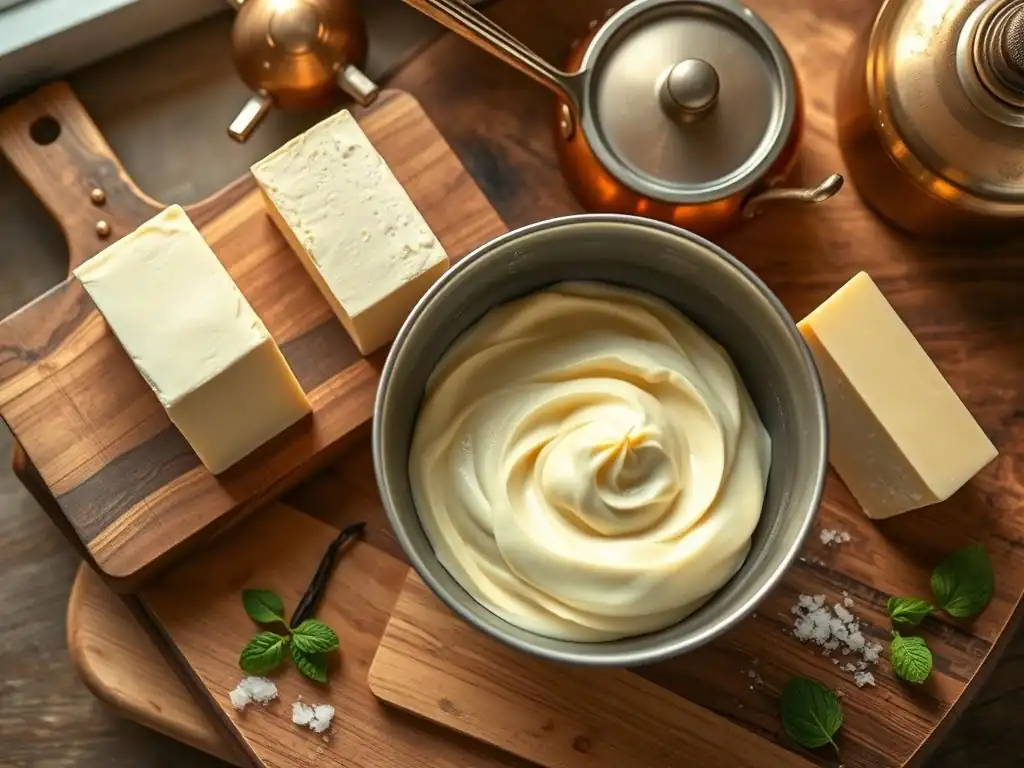
Welcome to BakeWithEase, your guide to unlocking baking brilliance! Ever wondered how the type of butter you use dramatically impacts your buttercream frosting? You're in the right place. Discover the secrets to creating the perfect, silky-smooth frosting and learn why choosing the best butter for buttercream frosting can be the difference between a good cake and a great one. Let's dive in and elevate your baking game!
- The Role of Butter Type in Your Buttercream: BakeWithEase Guide
- Understanding Buttercream Frosting and Butter's Importance
- Exploring Different Types of Butter for Buttercream Frosting
- The Best Butter for Buttercream Frosting: A Detailed Comparison
- Troubleshooting Buttercream Issues Based on Butter Type
- Tips for Using Different Butters in Buttercream Recipes
- Expert Recommendations: Choosing the Ideal Butter for Specific Buttercream Styles
- Mastering Buttercream: Elevate Your Baking with the Right Butter
-
Frequently Asked Questions
- What types of butter are generally not recommended for buttercream, and why?
- Does the salt content in butter significantly impact the flavor of buttercream?
- How does the temperature of the butter affect the final texture of buttercream frosting?
- Is there a noticeable difference in color when using different types of butter in buttercream?
- Can I use margarine or other butter substitutes in buttercream frosting?
- Final Reflection: The Sweet Truth About Buttercream's Best Friend
- Unlock Your Dream Buttercream: Master the Butter!
The Role of Butter Type in Your Buttercream: BakeWithEase Guide
Understanding Buttercream Frosting and Butter's Importance
The Foundation of Great Buttercream: Choosing the Right Butter
Butter is undeniably the cornerstone of most classic buttercream frostings, providing the essential structure, richness, and smooth texture we all crave. Its unique composition of fat, water, and milk solids allows it to emulsify with sugar and other ingredients, creating that signature creamy consistency. Selecting the optimal butter choice is the first critical step in achieving a stable, flavorful, and visually appealing buttercream that holds its shape for piping and spreading. Without the proper butter, even a perfectly balanced recipe can fall flat or become a frustrating, soupy mess.
The quality and type of butter directly influence the outcome of your buttercream. Think of it as the primary building block; just as a sturdy foundation is crucial for a house, high-quality butter is vital for stable and delicious frosting. Factors like fat content, water content, and even the presence or absence of salt play significant roles in how the butter behaves when whipped and mixed with sugar. Understanding these nuances is key to moving beyond basic recipes and truly mastering the art of buttercream, ensuring you always pick the best butter for buttercream frosting for your specific needs.
How Butter Impacts Texture, Taste, and Stability in Buttercream
Butter's impact on buttercream is multifaceted, influencing everything from its spreadability to its ability to withstand varying temperatures. Texture is perhaps the most noticeable effect; the fat content dictates how light and airy the buttercream becomes when whipped. Higher fat butters generally result in a smoother, silkier frosting with less grittiness, as there's more fat to coat the sugar crystals. Conversely, butter that is too soft or melted will lead to a greasy, separated texture that is difficult to work with and unpleasant to eat.
Beyond texture, butter is a major contributor to the flavor profile of buttercream. Its inherent dairy notes, ranging from sweet and creamy in fresh butter to slightly tangy or nutty in cultured varieties, infuse the frosting with depth. The stability of buttercream is also heavily reliant on butter.
When butter is creamed correctly, it incorporates air, creating a stable matrix that traps sugar and liquid. If the butter breaks down or isn't at the right temperature, this matrix collapses, leading to a weeping or unstable frosting that won't hold piped shapes. Choosing the best butter for buttercream frosting for a specific recipe is paramount for achieving desired results in terms of texture, taste, and structural integrity.
Exploring Different Types of Butter for Buttercream Frosting
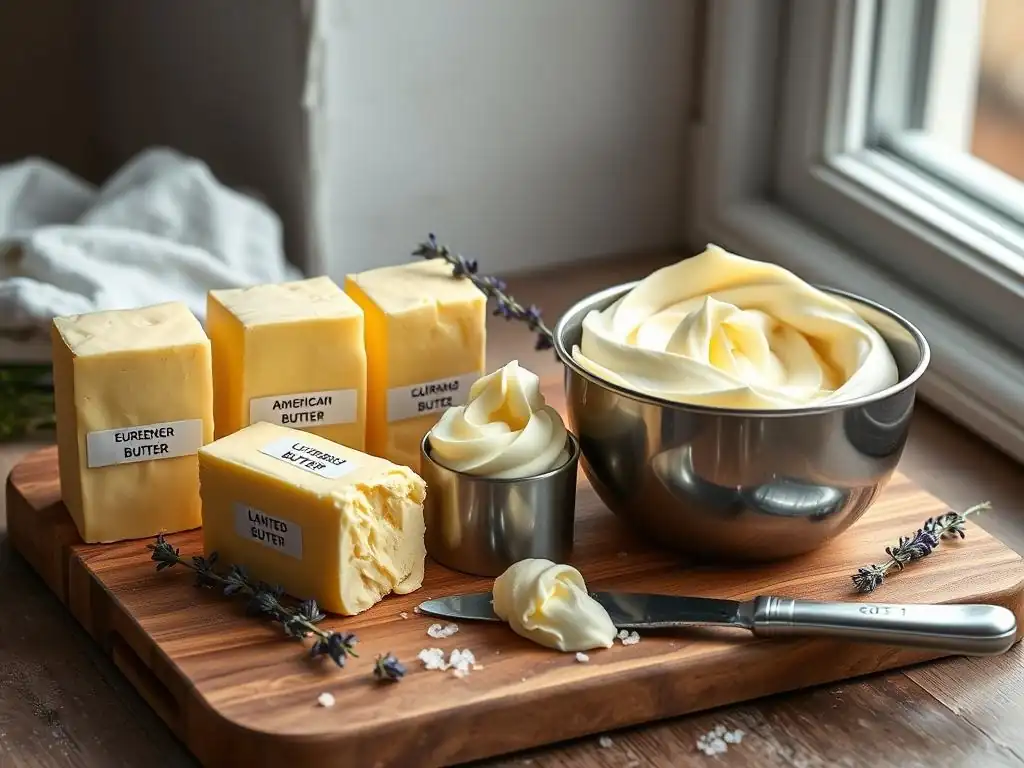
Salted vs. Unsalted Butter for Buttercream: Which is Best?
When discussing the best butter for buttercream frosting, the salted versus unsalted debate is fundamental. Unsalted butter is overwhelmingly recommended for most baking, and especially for buttercream. The primary reason is control over the flavor. Salt content varies significantly between brands, making it difficult to achieve a consistent taste in your frosting if you use salted butter. A batch made with one brand of salted butter might be perfectly seasoned, while another using a different brand could be overly salty, masking the other flavors.
Unsalted butter provides a neutral base, allowing you to add a precise amount of salt (often just a pinch) to enhance the overall flavor without making the frosting taste distinctly salty. This control is crucial for balancing the sweetness of the sugar. While some bakers might use salted butter in a pinch, be aware that it can make the buttercream softer due to slightly higher water content in some brands, and you risk an inconsistent, potentially too-salty result. For reliable and delicious buttercream, unsalted butter is the standard professional choice.
European Butter in Buttercream: A Richer Flavor Profile
European-style butter stands out due to its higher fat content, typically ranging from 82% to 86%, compared to the roughly 80% found in most American butters. This higher fat percentage means less water and milk solids. The result is a butter with a richer, often tangier flavor (especially if cultured) and a silkier texture at room temperature. When used in buttercream, European butter imparts a luxurious mouthfeel and a more pronounced, complex dairy flavor that can significantly elevate the final product.
The lower water content also contributes to a potentially more stable buttercream, as there is less liquid to interfere with the emulsion. Many bakers find that buttercream made with European butter is exceptionally smooth and holds piped details beautifully. While it is often more expensive than American butter, many argue that the superior flavor and texture it brings to buttercream, particularly in styles like Swiss or French meringue, make it the best butter for buttercream frosting when quality and richness are top priorities.
American Butter in Buttercream: Availability and Performance
American-style butter, the most common type found in standard grocery stores across the United States, typically contains around 80% fat and about 18% water. Its widespread availability and lower cost make it a practical choice for everyday baking and buttercream making. While it has a slightly higher water content than European butter, it still performs well in most buttercream recipes, especially traditional American buttercream which relies heavily on powdered sugar for structure.
Buttercream made with American butter tends to be sturdy and holds its shape well, making it excellent for decorating cakes and cupcakes. It can sometimes result in a slightly less smooth texture compared to European butter due to the lower fat, but proper creaming technique can minimize this. For many bakers, American butter is a perfectly adequate and reliable choice for buttercream, offering a good balance of performance and value. It's a staple for a reason and can certainly produce delicious results, making it a strong contender depending on your needs and budget.
Vegan Butter Alternatives: Dairy-Free Buttercream Options
For those seeking dairy-free options, the market for vegan butter alternatives has expanded significantly. These products are typically made from a blend of plant-based oils (like palm, soy, cashew, or coconut oil) and often contain emulsifiers and flavorings to mimic the properties of dairy butter. The fat content and composition can vary widely between brands, which directly impacts their performance in buttercream. Some vegan butters are formulated specifically for baking and creaming.
Creating vegan buttercream involves finding an alternative that creams well with sugar and provides a similar texture and stability to dairy butter. Some vegan butters can be softer than dairy butter, potentially requiring adjustments to the amount of powdered sugar or the chilling time. Others, particularly those high in coconut oil, can become very firm when cold but melt quickly at room temperature. Experimentation with different brands is often necessary to find the best butter for buttercream frosting in a vegan format that yields satisfactory results in terms of taste, texture, and stability.
The Best Butter for Buttercream Frosting: A Detailed Comparison
Flavor Profiles: Comparing Butter Tastes in Buttercream
The flavor of butter is a significant factor in the overall taste of buttercream. Unsalted butter provides a clean, neutral dairy base, allowing the sweetness of the sugar and any added flavorings (like vanilla extract or cocoa powder) to shine through without interference from salt. This is why it's the go-to for most recipes.
European-style butter, especially cultured varieties, brings a richer, sometimes slightly tangy or nutty complexity to buttercream. This depth of flavor can be particularly appealing in buttercreams where the butter flavor is meant to be prominent, like in a simple vanilla or plain buttercream. The higher fat content also contributes to a more luxurious mouthfeel, enhancing the perception of richness.
American butter, while less complex than cultured European butter, still provides a pleasant, straightforward dairy flavor that is familiar and comforting in classic frostings. When deciding the best butter for buttercream frosting based purely on flavor, European often wins for complexity, while unsalted American is the standard for neutrality and control.
Texture and Consistency: How Butter Type Affects Buttercream's Feel
The fat-to-water ratio in butter is the primary determinant of buttercream texture and consistency. Higher fat butters, like European styles (82%+ fat), result in a smoother, silkier buttercream because there's less water to potentially interfere with the emulsification of fat and sugar. This leads to a frosting that feels less greasy and more melt-in-your-mouth. The higher fat also allows for better incorporation of air during creaming, contributing to a lighter, fluffier texture.
American butter (around 80% fat) produces a perfectly good texture, though it might be slightly less silky than that made with high-fat European butter. The slightly higher water content means you might need a touch more powdered sugar to achieve a similar stiffness, which can sometimes make the buttercream feel a bit denser or sweeter. Vegan butters vary widely; some can produce wonderfully smooth frosting, while others might result in a slightly grainier or greasier texture depending on the blend of oils used. Achieving the ideal consistency often requires chilling or slight adjustments based on the specific butter type.
Stability and Structure: Butter's Role in Maintaining Buttercream Shape
Butter is crucial for the stability and structure of buttercream, enabling it to hold its shape for piping intricate designs or frosting smooth cake layers. When butter is properly creamed with sugar, it forms a stable matrix that traps air. The fat solidifies as the buttercream cools, providing rigidity. Higher fat butters tend to create a more stable structure because they contain less water, which can destabilize the emulsion and lead to weeping or separation, especially in humid conditions or at warmer temperatures.
European butter's lower water content (14-16%) compared to American butter (around 18%) can contribute to a more resilient buttercream that holds up better at room temperature. American butter, while having slightly more water, still provides excellent stability, particularly in powdered sugar-based buttercreams where the sugar itself adds significant structure.
Vegan butters' stability varies greatly depending on the blend; those with higher melting point fats might be very stable when cold but prone to softening quickly. For maximum stability, especially for detailed piping or cakes that will be displayed, a high-fat unsalted butter is often considered the best butter for buttercream frosting.
Troubleshooting Buttercream Issues Based on Butter Type
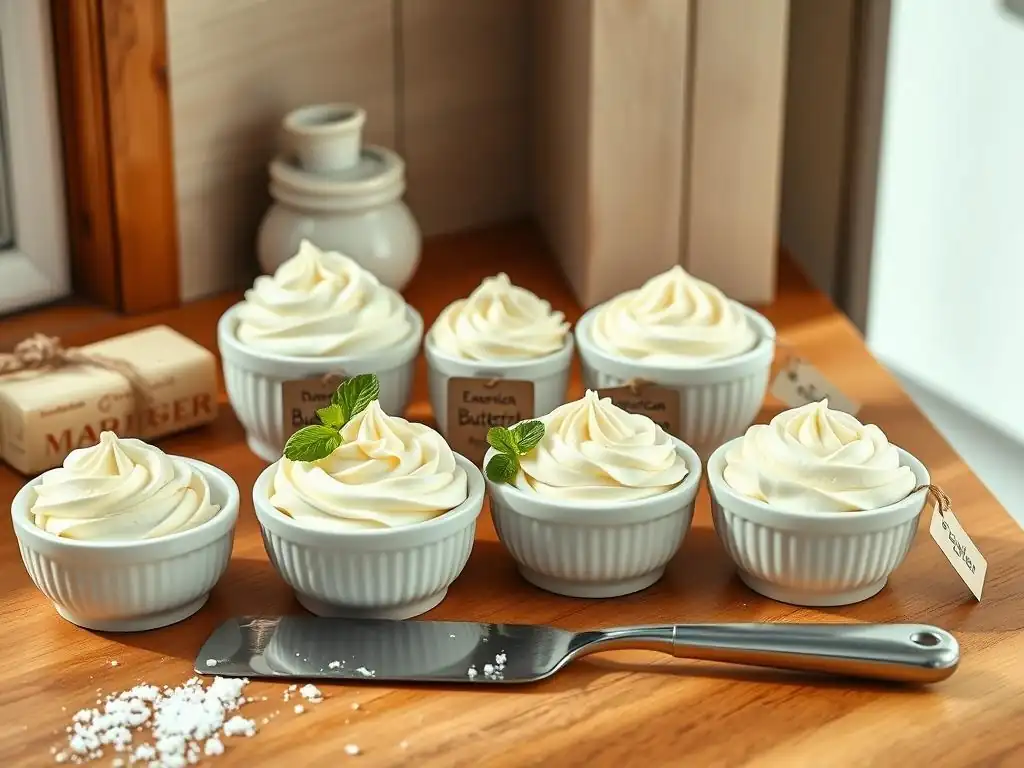
Buttercream Too Soft: Causes and Solutions Based on Butter Choice
A common issue is buttercream that is too soft, making it difficult to pipe or spread. This can often be traced back to the butter. Using butter that was too soft or even partially melted when you started can prevent proper emulsification and air incorporation. If using American butter, the slightly higher water content compared to European butter can sometimes contribute to a softer consistency, especially in humid environments.
- Potential Causes:
- Butter was too warm (melted or very soft).
- Using a butter with lower fat content or higher water content (e.g., some margarine or low-fat spreads, or even some brands of salted butter).
- Ambient temperature is too high.
- Solutions:
- Ensure butter is at the correct temperature (cool room temperature, around 65-70°F or 18-21°C) before starting.
- If the buttercream is already made and too soft, try chilling it in the refrigerator for 15-30 minutes, then re-whipping it. The cooling will firm up the butterfat.
- For persistent softness, especially with American butter, you might need to add a bit more powdered sugar (if using American buttercream) or a small amount of firming agent like shortening (though this can affect flavor and texture).
- Next time, consider using a higher-fat European butter for potentially better stability.
Conversely, buttercream can sometimes become too stiff, making it hard to spread smoothly or pipe without straining. This is usually less about the type of butter and more about its temperature or the ratio of butter to sugar/other ingredients. However, very cold butter will certainly result in a stiff, potentially lumpy buttercream.
- Potential Causes:
- Butter was too cold when you started or when whipping.
- Buttercream was over-chilled.
- Too high a ratio of butter to liquid or sugar (less common, but possible).
- Solutions:
- If the buttercream is too stiff after making, let it sit at room temperature for a bit to soften slightly, then re-whip it for a minute or two until smooth and pliable.
- If the butter was too cold initially, you might need to gently warm the mixing bowl (e.g., over a warm water bath, very briefly) while mixing to help the butter soften and incorporate properly.
- For a finished buttercream that is too stiff from chilling, let it warm up on the counter for 20-40 minutes (depending on quantity and room temp) before re-whipping it until it reaches the desired consistency. Do not microwave.
Buttercream Separating: How Butter Type Can Contribute to Problems
Buttercream separation (looking curdled or greasy with liquid pooling) is often a temperature issue, but the butter's composition can play a role. If the butter is too cold when trying to incorporate it into a warm base (like a meringue for Swiss or Italian buttercream), it won't emulsify properly. Conversely, if the butter or the base is too warm, the fat can melt and separate from the liquids and solids.
- Potential Causes:
- Temperature imbalance between butter and other ingredients (most common).
- Using butter with inconsistent fat/water content.
- Over-mixing after the emulsion has broken.
- Solutions:
- Ensure all ingredients, especially the butter, are at the correct temperature specified by the recipe. For meringue-based buttercreams, the meringue should be cooled sufficiently, and the butter should be cool but pliable.
- If separation occurs because the mixture is too cold, gently warm the side of the bowl with a torch or over a warm water bath while mixing until it comes back together.
- If separation occurs because the mixture is too warm, refrigerate the buttercream for 15-30 minutes until it chills slightly, then re-whip it vigorously.
- Using a high-quality, consistent butter (like a good unsalted European or American butter) can help minimize the risk of separation compared to variable alternatives.
Tips for Using Different Butters in Buttercream Recipes
Adjusting Recipes for Salted vs. Unsalted Butter
As previously discussed, unsalted butter is generally preferred for buttercream to control sweetness and flavor balance. If a recipe specifically calls for unsalted butter and you only have salted on hand, you can sometimes make a substitution, but you must adjust the added salt.
- General Rule of Thumb: For every 1/2 cup (1 stick or 4 oz) of butter called for in the recipe, reduce or omit any added salt by about 1/4 teaspoon if using salted butter.
- Taste Test: The best approach is to use unsalted butter, but if substituting, start by omitting the recipe's salt, make the buttercream, then taste it and add a tiny pinch of salt if needed. Remember that the salt content in salted butter varies by brand, so this is an approximation. For the best and most reliable results, especially when aiming for the best butter for buttercream frosting, stick to unsalted.
Achieving the Perfect Consistency with Various Butter Types
Different butter types can require slight adjustments to achieve the desired buttercream consistency. Higher fat butters (European) often yield a naturally smoother, potentially slightly softer but more stable buttercream compared to American butter, which might feel a bit firmer due to less fat and more water.
- European Butter: If your buttercream is slightly softer than desired due to the high fat content, you might need a little extra chilling time before piping. Avoid adding excessive powdered sugar, as this can mask the lovely butter flavor.
- American Butter: If your buttercream feels a bit dense or not quite smooth enough, ensure you are creaming the butter and sugar for the full recommended time (often 5-10 minutes) to incorporate enough air. You might also find adding a tablespoon or two of milk or cream helps achieve a silkier texture without making it too soft.
- Vegan Butter: Consistency varies hugely. If too soft, try chilling. If too firm (especially high coconut oil blends), let it warm up slightly and re-whip. You may need to experiment with liquid ratios in the recipe.
Enhancing Flavor with Different Butter Varieties in Buttercream
The type of butter you choose is a primary way to influence your buttercream's flavor. While vanilla is classic, letting the butter's natural flavor shine can be wonderful.
- Cultured European Butter: Use this when you want the butter flavor to be a prominent, slightly tangy, rich note. It pairs exceptionally well with fruit flavors, subtle vanilla, or simply on its own. This is often the best butter for buttercream frosting where butter flavor is key.
- Standard Unsalted Butter (American or European): This provides a clean canvas perfect for showcasing added flavors like chocolate, coffee, or extracts. It allows the other ingredients to be the stars.
- Brown Butter: Browning your butter before cooling and using it adds a deeply nutty, caramelized flavor. This technique works with any unsalted butter and creates a uniquely rich buttercream, though it requires an extra step.
Expert Recommendations: Choosing the Ideal Butter for Specific Buttercream Styles
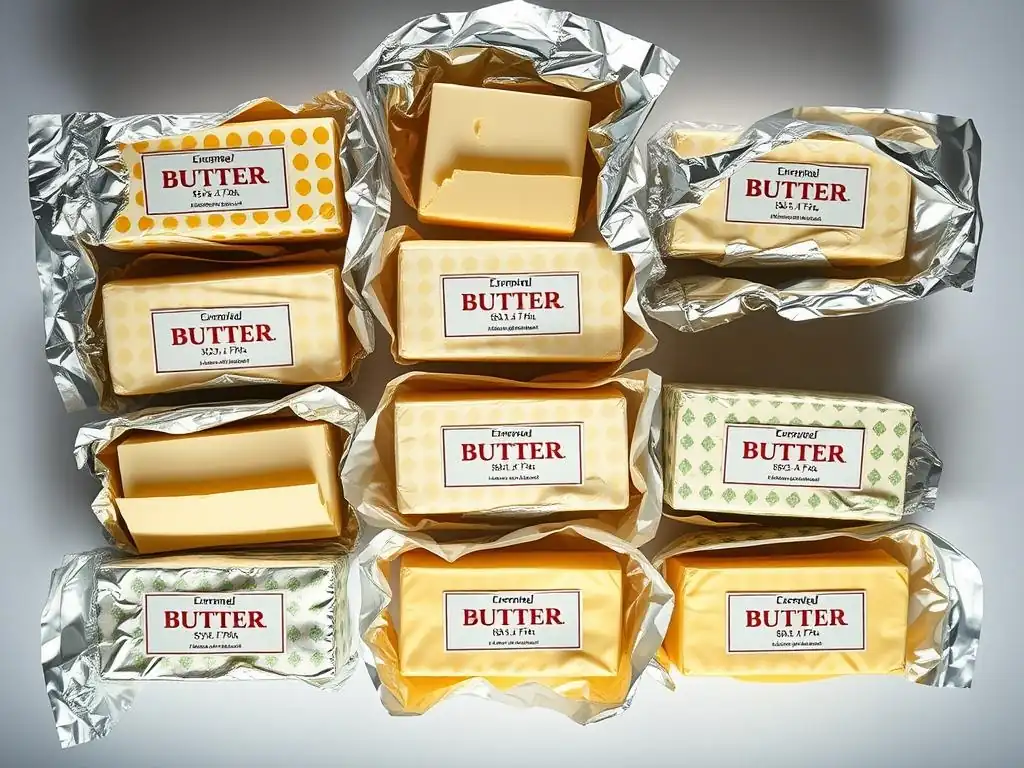
Different buttercream types rely on butter in slightly different ways, influencing the best choice.
Best Butter for American Buttercream
American buttercream, a simple mix of butter, powdered sugar, liquid (like milk or cream), and flavorings, is quite forgiving. It relies heavily on the powdered sugar for structure.
- Recommendation: Unsalted American butter (around 80% fat) is the standard and works excellently. It's affordable, readily available, and provides good stability for piping.
- Alternative: Unsalted European butter (82%+ fat) will result in an even smoother, richer frosting, though it's not strictly necessary for this style to be successful. It can elevate the texture significantly.
Best Butter for Swiss Meringue Buttercream
Swiss meringue buttercream is made by whisking egg whites and sugar over heat, whipping it into a meringue, and then whipping in large amounts of soft butter. It's known for being light, silky, and less sweet than American buttercream.
- Recommendation: Unsalted European butter is often considered the best butter for buttercream frosting of the Swiss meringue variety. Its higher fat content contributes to the incredibly smooth texture and rich mouthfeel this buttercream is known for. The lower water content also helps create a stable emulsion with the meringue.
- Alternative: High-quality unsalted American butter can work, but you might notice a slight difference in silkiness compared to using European butter. Ensure it is at the correct, cool room temperature (not too soft!) before adding to the meringue.
Best Butter for Italian Meringue Buttercream
Similar to Swiss, Italian meringue buttercream incorporates butter into a meringue, but the meringue is made by pouring hot sugar syrup into whipping egg whites. It's also very smooth, light, and stable.
- Recommendation: Again, unsalted European butter is highly recommended for its contribution to texture and stability. The high fat content helps achieve that characteristic airy yet creamy consistency.
- Alternative: Unsalted American butter is a viable option, though European butter is preferred by many professionals for optimal texture. The key is ensuring the butter is at the correct temperature – cool but pliable – when adding it to the meringue to ensure proper emulsification with the warm syrup base.
Best Butter for French Buttercream
French buttercream is the richest of the meringue-based buttercreams, using egg yolks (or whole eggs) and hot sugar syrup, into which soft butter is then whipped. It has a distinct yellow hue and a very rich, custard-like flavor.
- Recommendation: Unsalted European butter is the ideal choice for French buttercream. The richness of the egg yolks is perfectly complemented by the high fat content and often complex flavor of European butter, resulting in an exceptionally smooth, decadent frosting.
- Alternative: Unsalted American butter can be used, but the final result may be slightly less rich and smooth than with European butter. Given the richness is a hallmark of French buttercream, investing in high-quality European butter is often worthwhile here.
Mastering Buttercream: Elevate Your Baking with the Right Butter
Experimenting with Butter Types to Find Your Perfect Buttercream
Understanding the properties of different butters empowers you to make informed choices and even experiment. While recommendations provide a great starting point for finding the best butter for buttercream frosting, your personal preference and specific application are the ultimate guides. Try making a batch of your favorite buttercream recipe using American butter and another using European butter and compare the results side-by-side.
- Consider the application: Are you piping intricate flowers (stability is key)? Frosting a simple sheet cake (flavor and spreadability)? Filling delicate macarons (smoothness is paramount)? The intended use can influence your butter choice.
- Consider the flavor profile: Do you want a clean base for other flavors, or do you want the butter's richness to be a star?
- Consider your budget: European butter is more expensive, but you might find the enhanced quality worth the cost for special occasions.
By experimenting and paying attention to how different butters affect your buttercream's texture, taste, and stability, you'll develop an intuitive sense for choosing the best butter for buttercream frosting for any baking project. Happy baking and decorating!
Frequently Asked Questions
What types of butter are generally not recommended for buttercream, and why?
Generally, avoid European-style butter with a very high fat content, as it can make the buttercream too rich. Also, spreadable butters are not recommended because they contain additives that affect texture.
Does the salt content in butter significantly impact the flavor of buttercream?
Yes, it does. Salted butter can add a subtle savory note that balances sweetness, but unsalted butter allows you to control the salt level precisely for a cleaner, purer flavor.
How does the temperature of the butter affect the final texture of buttercream frosting?
Butter temperature is crucial. Using too-cold butter results in a lumpy buttercream, while too-soft butter can cause the frosting to be soupy or greasy.
Is there a noticeable difference in color when using different types of butter in buttercream?
Yes, there can be. Grass-fed butter often has a deeper yellow color that will translate to a slightly more yellow-toned buttercream compared to buttercream made with standard butter.
Can I use margarine or other butter substitutes in buttercream frosting?
While possible, it's not recommended. Butter substitutes often lack the rich flavor and smooth texture of real butter, impacting the overall quality of your buttercream.
Final Reflection: The Sweet Truth About Buttercream's Best Friend
The choice of butter isn't just a detail; it's the cornerstone of a truly exceptional buttercream. A seemingly small ingredient decision dramatically impacts the final texture, flavor, and overall success of your frosting. Ignoring this crucial element can lead to a disappointing bake, while understanding its nuances unlocks a world of creamy possibilities.
The impact of butter type extends far beyond the kitchen; it speaks to the artistry and precision involved in baking. The subtle differences in fat content and flavor profiles translate directly into the final product's quality, reflecting the baker's dedication to detail. As the saying goes, The devil is in the details,
and in buttercream, that devil is definitely the butter. This exploration into the world of butter types has highlighted not only the technical aspects but also the inherent passion that drives bakers to seek perfection in their craft.
Now, consider your own baking journey. What kind of butter have you been using? Are you ready to experiment and discover the perfect butter for your buttercream? Don't just settle for "good enough"—embrace the opportunity to elevate your baking to the next level. The journey to the perfect buttercream is a delicious one, filled with experimentation and the rewarding taste of success. So, grab your whisk, choose your butter wisely, and let the creamy adventure begin!
Unlock Your Dream Buttercream: Master the Butter!
Thanks for taking the time to explore the fascinating world of buttercream and how different butters impact its texture and flavor! You've now got the knowledge to elevate your baking game. Ready to put your newfound expertise to the test?
- Whip up a batch of buttercream: Try the recipe you've learned about using your preferred butter type and see the difference for yourself. Note the changes in texture and flavor!
- Share your results: Post a picture of your amazing creation on social media and tag us @BakeWithEase – we'd love to see your buttercream masterpieces!
- Explore our other baking guides: Dive deeper into the world of baking with our other expert-led articles on BakeWithEase.com. We have a recipe for you.
What surprising flavor or texture differences did you discover when using different butter types in your buttercream? Let’s discuss!