
Adding Liquids to Buttercream: What Works and What Doesn't

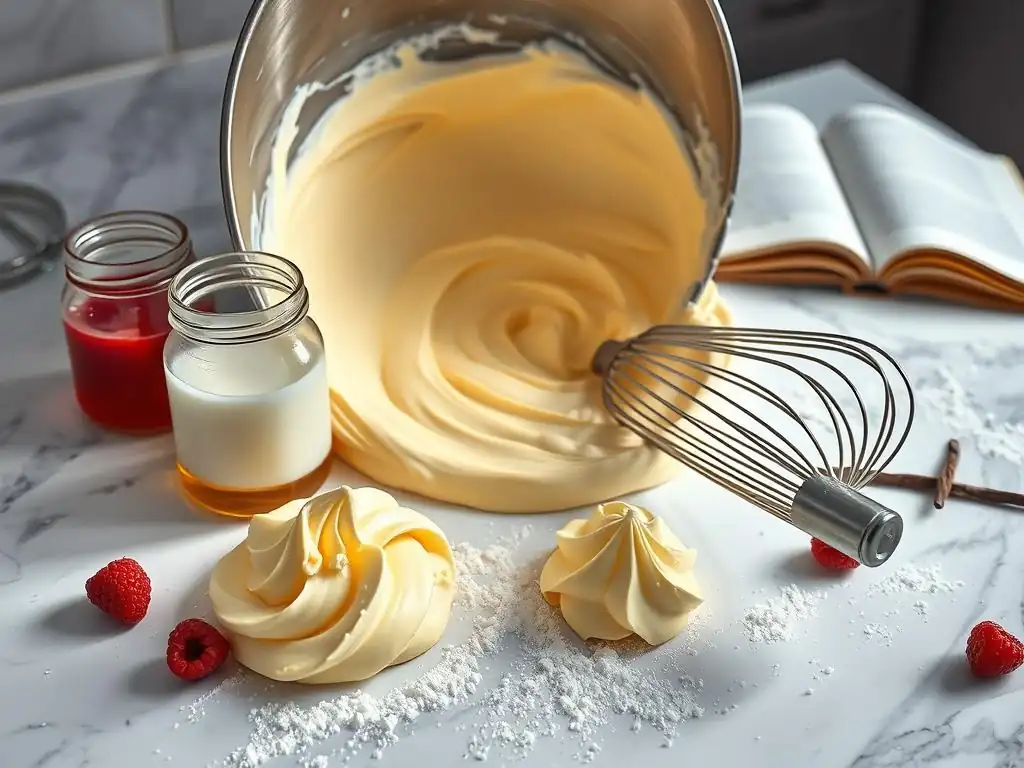
Welcome to BakeWithEase, your trusted companion on your baking journey! Ever found yourself staring at a stiff, unyielding buttercream and wondering exactly how to achieve that perfect, smooth consistency? Our latest article, " Adding Liquids to Buttercream: What Works and What Doesn't," dives deep into the secrets of how to thin buttercream effectively. Discover the techniques that yield flawless results and avoid the pitfalls that lead to a soupy mess. Curious to know the best liquids and methods? Let's unlock the secrets together and transform your buttercream from "meh" to magnificent!
- Introduction: Mastering Buttercream Consistency with Liquids
- Understanding Buttercream Types and Liquid Compatibility
- How to Thin Buttercream: Proven Methods and Techniques
- Liquids to Avoid When Thinning Buttercream (and Why)
- Achieving the Perfect Buttercream Texture: Tips and Tricks
- Buttercream Thinning Experiments: What We Learned
- Frequently Asked Questions About Thinning Buttercream
- Conclusion: Thinning Buttercream with Confidence
- Frequently Asked Questions
- Final Reflection: The Art and Science of Perfect Buttercream Consistency
- Unlock Your Buttercream's Potential: Creamier, Flavorful, and Fun!
Introduction: Mastering Buttercream Consistency with Liquids
Why Thinning Buttercream Matters for Baking Success
Achieving the perfect consistency is paramount when working with buttercream. Whether you're frosting a smooth cake, piping intricate details, or creating a delicate drip effect, the texture of your buttercream dictates the final look and finish of your dessert. Often, buttercream straight from the mixer can be too stiff, making it difficult to spread smoothly or pipe effortlessly. Learning how to thin buttercream effectively is a fundamental skill that unlocks a wider range of decorating possibilities and ensures a professional-looking result.
Thinning buttercream isn't just about making it spreadable; it's about controlling its flow and stability. A buttercream that's too thick can tear cakes, create jagged edges when frosting, and put excessive strain on your piping bags and hands. Conversely, a buttercream that's too thin can slide off the cake, lose its shape when piped, or result in a messy drip rather than a controlled one. Mastering the art of adjusting consistency through the addition of liquids allows bakers to adapt a single batch of buttercream for multiple uses within the same project, saving time and reducing waste.
The Importance of Proper Buttercream Consistency
The ideal consistency of buttercream varies significantly depending on its intended application. For instance, a crumb coat requires a relatively thin buttercream that spreads easily to trap loose crumbs without pulling at the cake. A final smooth layer of frosting needs a medium consistency – thick enough to hold its shape but pliable enough to be smoothed to a flawless finish. Piping intricate flowers or sharp borders demands a much thicker, stable buttercream that will retain its form.
Understanding how to thin buttercream allows you to transition seamlessly between these different requirements. A thick buttercream might be perfect for structural piping like borders or shells, but you'll need to thin buttercream slightly for more delicate work like rose petals or ruffles. For a popular cake drip effect, the buttercream needs to be significantly thinned, almost to a pourable consistency. Adjusting the consistency is a fine-tuning process that ensures your decorating techniques are successful and your finished cake looks exactly as you envisioned.
Understanding Buttercream Types and Liquid Compatibility
American Buttercream: Liquid Sensitivity
American buttercream, typically a simple mixture of butter, powdered sugar, and a liquid (like milk or cream), is quite sensitive to liquid additions. Its structure relies heavily on the powdered sugar absorbing the liquid and stabilizing the butter. Adding too much liquid too quickly can easily break the emulsion, resulting in a soupy or separated mess. However, because it's a relatively stable base once combined, it handles small, gradual additions of the right liquids very well.
When thinning American buttercream, it's crucial to use liquids that complement its simple composition. Milk or cream are common choices because their fat content integrates well with the butter. Water is also effective, particularly if you want to avoid adding extra fat or sweetness. The key is to add liquids sparingly, often starting with just a teaspoon or two per cup of buttercream, and mixing thoroughly before adding more. This gradual approach prevents overwhelming the structure and allows you to stop adding liquid precisely when the desired consistency is reached.
Swiss Meringue Buttercream: Handling Liquids
Swiss meringue buttercream, made from egg whites and sugar heated and whipped into a meringue, then butter is gradually added, has a more stable emulsion than American buttercream. Its structure is built on the robust meringue base combined with the fat from the butter. This makes it generally more forgiving when incorporating liquids, although it still requires care. Liquids tend to disperse more evenly throughout the smooth, silky texture of Swiss meringue buttercream.
Thinning Swiss meringue buttercream often involves adding small amounts of warm liquid. Because this buttercream is an emulsion of fat and water (from the meringue and butter), adding cold liquid can sometimes cause the butter to seize slightly. Warming the liquid, such as milk or cream, to just lukewarm helps it integrate smoothly without shocking the emulsion. While it can handle slightly more liquid than American buttercream before showing signs of instability, adding too much can still lead to a loose, greasy consistency.
Italian Meringue Buttercream: Liquid Incorporation
Italian meringue buttercream is similar to Swiss, but the meringue is made by pouring hot sugar syrup into whipping egg whites. This process creates a very stable and often quite stiff meringue base, which then has butter beaten into it. This type of buttercream is known for its exceptional stability in warm temperatures and its smooth, less sweet profile compared to American buttercream. Its inherent firmness means it often needs some liquid added to achieve a spreadable or pipeable consistency straight from the mixer.
Due to its strong meringue structure and high butter content, Italian meringue buttercream is quite resilient to liquid additions. It can handle a moderate amount of milk, cream, or even water without breaking. As with Swiss meringue, adding slightly warm liquid can aid in smooth incorporation. When learning how to thin this type of buttercream, you'll find it's less prone to separating than American buttercream, allowing for slightly more generous (though still cautious) additions of liquid to reach the desired texture for frosting or piping.
French Buttercream: A Rich and Stable Base
French buttercream is made from egg yolks whipped with hot sugar syrup, then butter is incorporated. This results in a very rich, delicate, and smooth buttercream with a beautiful pale yellow color. It is less common for decorating cakes due to its richness and tendency to be softer than meringue-based buttercreams, but it is excellent for fillings or lighter frostings. Its structure is based on the emulsification of egg yolks and butter, stabilized by the sugar syrup.
Thinning French buttercream requires a gentle approach. Because of its high fat content from both egg yolks and butter, adding too much liquid can destabilize the emulsion and make it greasy or separated. Small amounts of cream or even a compatible liqueur work best. Water should generally be avoided as it can easily break the delicate balance. French buttercream is often naturally softer at room temperature than other types, so vigorous mixing or warming might be sufficient to adjust its consistency without adding significant liquid.
How to Thin Buttercream: Proven Methods and Techniques
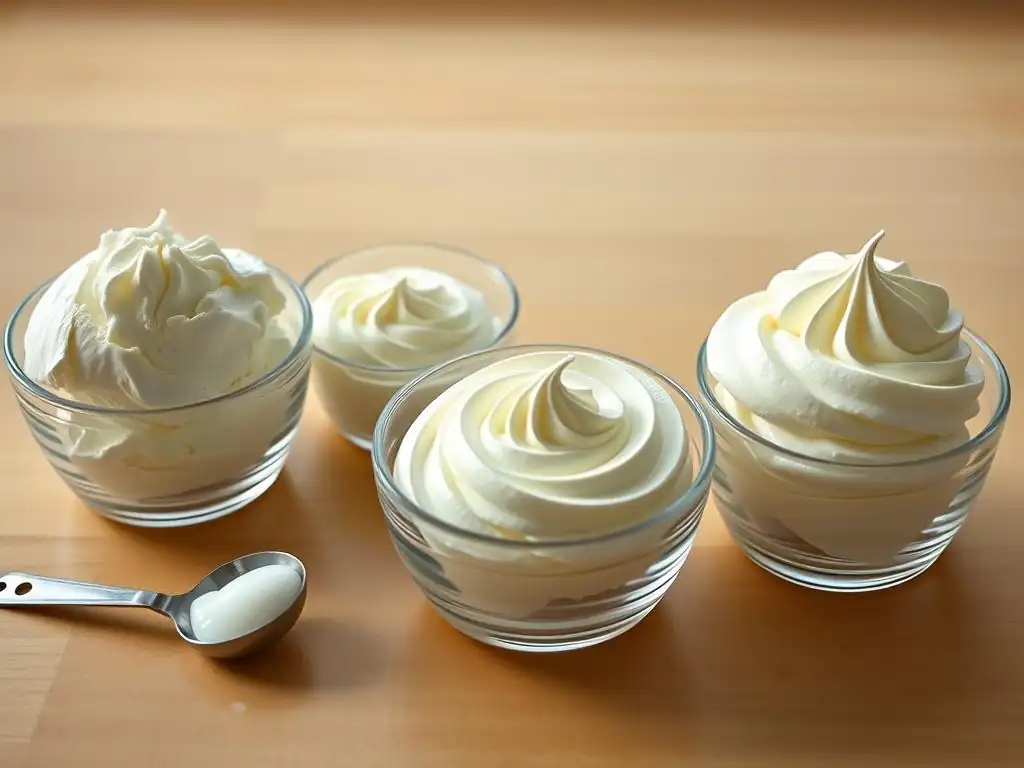
The Best Liquids for Thinning Buttercream
Selecting the right liquid is the first step in effectively learning how to thin buttercream. The choice depends on the type of buttercream, the desired flavor profile, and the intended use. Different liquids interact differently with the fats and sugars in buttercream, impacting not just consistency but also taste and stability. It's essential to use liquids that are at room temperature or slightly warmer, especially for meringue-based buttercreams, to ensure smooth incorporation and prevent the mixture from seizing or separating.
- Milk (whole or reduced fat)
- Heavy Cream or Whipping Cream
- Water
- Fruit Purees (strained)
- Liqueurs or Extracts (vanilla, almond, etc.)
Milk: A Classic Choice for American Buttercream
Milk is arguably the most common liquid used when learning how to thin American buttercream. Its neutral flavor doesn't overpower the sweetness, and its slight fat content helps it blend seamlessly with the butter. Whole milk is often preferred for its richness, but reduced-fat milk works perfectly well too. Starting with just a teaspoon or two per cup of buttercream is a safe bet, as adding too much at once can lead to a suddenly runny consistency that is difficult to correct.
When using milk to adjust your buttercream consistency, ensure it's at room temperature. Cold milk can stiffen the butter, making the mixture appear to curdle initially. If this happens, continue mixing, and the warmth generated by the friction of the mixer, combined with the room temperature milk, should help it smooth out. Milk adds a touch of moisture and slight richness, making the buttercream easier to spread and giving it a creamier mouthfeel.
Cream: Adding Richness and Smoothness
Heavy cream or whipping cream is another excellent option for thinning buttercream, particularly for those who desire a richer, smoother texture. The higher fat content in cream helps create a luxurious mouthfeel and contributes to a very silky consistency once incorporated. Like milk, cream should be at room temperature before adding it to your buttercream.
Adding cream works well with both American and meringue-based buttercreams. For American buttercream, it adds extra richness that plain milk doesn't provide. For Swiss or Italian meringue buttercream, it can enhance the already smooth texture. Again, the key is gradual addition. Start with a tablespoon for a standard batch (approx. 3-4 cups of buttercream) and mix thoroughly. Evaluate the consistency before adding more. Cream tends to thin buttercream effectively, so you may need less than you think to reach your desired texture.
Water: When Simplicity is Key
Sometimes, you want to thin buttercream without adding any extra fat, sweetness, or flavor. In these cases, water is the simplest and most effective option. Water is particularly useful for American buttercream when you want to maintain its classic sweet flavor profile without alteration, or for creating very thin consistencies needed for drizzles or washes. It's also a good choice if you're working with a flavor extract that's already quite potent.
Just like milk and cream, water should be added gradually, a teaspoon at a time, mixing well after each addition. Using room temperature or slightly warm water is best for smooth incorporation, especially with butter-heavy recipes. While water is straightforward, it's also potent; a little goes a long way in changing the consistency. Be cautious not to add too much, as water can break the emulsion if added excessively, leading to a separated or greasy appearance.
Fruit Purees: Infusing Flavor and Color
For flavored and colored buttercream, strained fruit purees can be a delightful way to adjust consistency while simultaneously adding natural taste and hue. Think raspberry puree for a vibrant pink frosting or passion fruit puree for a tangy, tropical twist. The key is to use a smooth, strained puree with no seeds or large pulp pieces, as these can clog piping tips and affect texture.
Fruit purees contain water and natural sugars, so they will effectively thin buttercream. However, their acidity varies. High-acid purees (like lemon or lime) can sometimes cause the buttercream to curdle, especially in types less stable than meringue buttercreams. It's best to use less acidic purees (like raspberry, mango, or strawberry) and add them very gradually, ensuring each addition is fully incorporated before adding more. This method is fantastic for achieving natural flavors and beautiful pastel colors.
Liqueurs and Extracts: Enhancing the Taste Profile
Adding a splash of liqueur or a few drops of a concentrated extract is another way to subtly thin buttercream while significantly boosting its flavor. Vanilla extract is commonly used in American buttercream, and simply adding an extra 1/2 teaspoon or so while mixing can sometimes be enough to slightly loosen a stiff batch. For more dramatic flavor changes and consistency adjustments, a tablespoon of a complementary liqueur like Chambord (raspberry), Frangelico (hazelnut), or Irish cream can work wonders.
When using liqueurs or extracts to thin buttercream, remember that their primary role is flavor. Consistency adjustment is a secondary benefit. Liqueurs contain alcohol and water, which help thin the mixture. Extracts, being concentrated, are used in much smaller quantities and will only slightly affect consistency unless used in very large amounts (which would likely ruin the flavor). Add these liquids slowly, mixing thoroughly. Taste as you go to ensure you achieve the desired flavor balance without over-thinning.
Step-by-Step Guide: How to Thin Buttercream with Milk
Learning how to thin buttercream is easiest with a classic like American buttercream using milk. This method provides a simple, controlled way to adjust consistency for various applications.
Measuring and Adding Liquid Gradually
The most critical step when thinning buttercream is to add the liquid very slowly and gradually. For a standard batch of American buttercream (made with about 1 cup of butter and 4 cups of powdered sugar), start with just one or two teaspoons of room temperature milk. Do not pour a larger amount in at once, as this can lead to immediate separation or over-thinning.
Once you've added the initial small amount, stop adding liquid and proceed to the mixing step. It's always easier to add more liquid if needed than to fix buttercream that has become too runny. Keep your milk nearby, ready for potential further additions, but resist the urge to rush the process. Patience here prevents common issues down the line.
Mixing Techniques for Smooth Incorporation
After adding the liquid, mix the buttercream thoroughly. Using a stand mixer fitted with the paddle attachment on medium speed is ideal. Allow the mixer to run for 30 seconds to a minute after adding the liquid. This gives the liquid time to fully disperse throughout the buttercream and allows the fats and sugars to re-emulsify. Initially, the buttercream might look slightly loose or even a little curdled, but continued mixing usually brings it back together into a smooth, cohesive texture.
Alternatively, you can mix by hand using a sturdy whisk or spatula, especially for smaller batches. Vigorously stir or whisk the buttercream until the added liquid is completely incorporated and the consistency is uniform. Once mixed, assess the consistency. Dip a spoon or spatula into the buttercream and see how it holds its shape or how easily it drips off. If it's still too thick for your needs, add another teaspoon of milk and repeat the mixing process. Continue this cycle of adding a tiny amount of liquid and mixing until the desired consistency is achieved.
Troubleshooting Common Issues: Splitting
Occasionally, even with gradual addition, American buttercream might appear to split or curdle when liquid is added, especially if the ingredients were at different temperatures. This looks like the butter separating from the sugar/liquid mixture, resulting in a curdled or greasy appearance. Don't panic! This is often fixable.
The most common fix for split buttercream is to continue mixing. Often, the friction from the mixer will slightly warm the mixture and help it re-emulsify. If simple mixing doesn't work, try adding a tablespoon of powdered sugar and mixing again; sometimes the extra sugar helps absorb excess liquid and stabilize the mixture.
As a last resort, you can gently warm a small portion of the split buttercream in a microwave (just for 5-10 seconds) or over a double boiler until just slightly melted, then add it back to the main batch while mixing on low speed. This can help "seed" the emulsification process and bring everything back together into a smooth consistency.
Liquids to Avoid When Thinning Buttercream (and Why)
Just as there are liquids that work wonders for adjusting buttercream consistency, there are others that can cause significant problems. Using the wrong liquid can lead to issues ranging from unpleasant texture and flavor to complete curdling or separation of the buttercream. Understanding which liquids to avoid is just as important as knowing how to thin buttercream using recommended methods.
- Fruit juices with high acidity (e.g., lemon, lime, orange)
- Liquids with very high fat content (e.g., melted butter, oil)
- Highly concentrated syrups or extracts used in large quantities
High-Fat Liquids: Potential for Separation
While cream and milk contain fat and work well, adding pure melted butter or oil to buttercream to thin it is generally a bad idea. Buttercream is already a fat-heavy mixture (butter being the primary ingredient). Adding more pure fat in liquid form can disrupt the carefully balanced emulsion, particularly in American or French buttercreams. Instead of thinning smoothly, it can make the buttercream greasy, heavy, and prone to separating into a slick of oil and a sugary mess.
Using melted butter or oil also changes the texture in an undesirable way, making it feel oily in the mouth rather than creamy. Stick to liquids that contain water or have a lower fat ratio balanced with other components, like milk or cream, when you need to adjust your buttercream consistency. If your buttercream is too stiff, adding a small amount of room-temperature butter and re-whipping is a better approach than adding melted fat.
Acidic Liquids: Curdling Risks
Liquids with high acidity, such as fresh lemon juice, lime juice, or certain fruit purees (like cranberry), can cause buttercream to curdle. The acid reacts with the proteins in the butter (and egg proteins in meringue or French buttercreams), causing them to seize and separate the mixture. This is particularly true for American buttercream, which is less stable than meringue-based types. The result is often a grainy, broken texture that is difficult, if not impossible, to fully recover.
While a tiny amount of acid might be okay for flavor in some recipes, using acidic liquids primarily for thinning buttercream is risky. If you want a citrus flavor, it's often better to use citrus zest or a very small amount of extract, or incorporate the flavor into another component of the dessert. If you absolutely must add a slightly acidic liquid, do so in minuscule amounts and mix very gently to observe any adverse reactions before adding more.
Liquids with High Sugar Content: Affecting Sweetness Balance
Adding liquids like corn syrup, simple syrup, or highly concentrated flavor syrups (like pancake syrup) directly to buttercream to thin it is generally not recommended. While these liquids might technically reduce viscosity, they significantly increase the overall sugar content of the buttercream. American buttercream is already very sweet, and adding more sugar in liquid form can make it cloyingly sweet, overpowering other flavors in your dessert.
Furthermore, adding concentrated syrups can sometimes make the buttercream sticky or gummy in texture once it sets. The goal of thinning buttercream is usually to make it smoother and more workable, not to alter its fundamental sweetness or create an unpleasant texture. Stick to less concentrated liquids like milk, cream, or water when learning how to thin buttercream for consistency adjustments.
Achieving the Perfect Buttercream Texture: Tips and Tricks
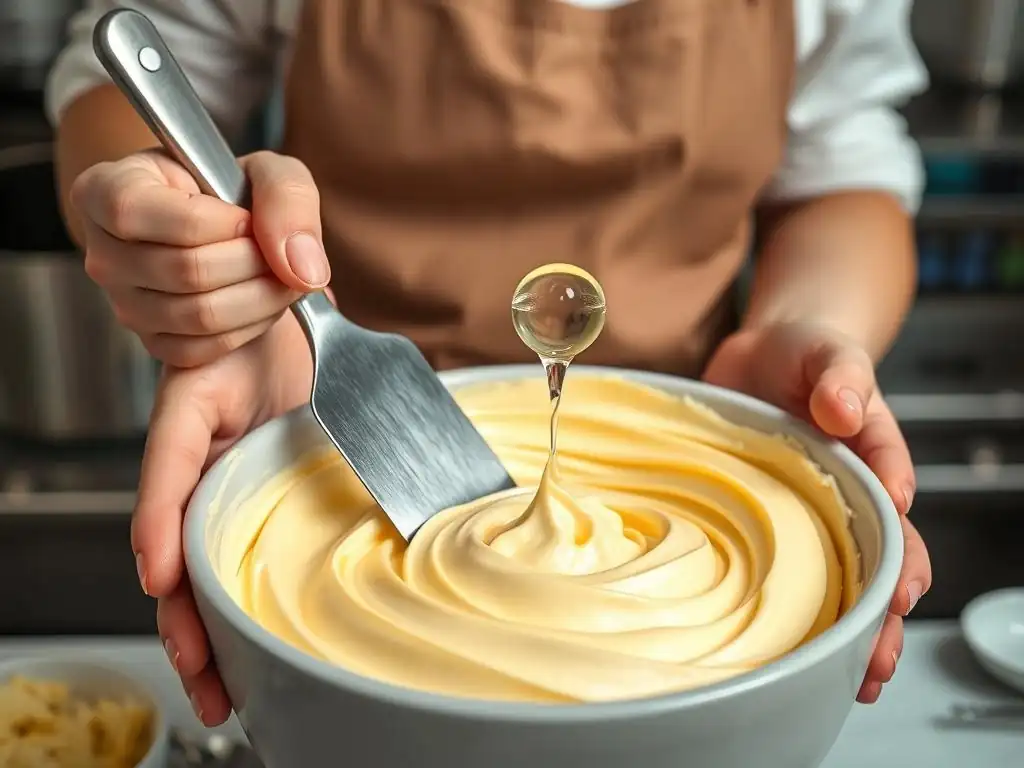
Mastering how to thin buttercream is about more than just adding liquid; it's about understanding how to achieve and maintain the ideal texture for your specific decorating needs. This involves knowing how to adjust consistency for different applications, recognizing when you've gone too far, and having strategies to fix mistakes.
- Always start with room temperature buttercream. Cold buttercream is naturally stiffer.
- Use room temperature liquids for thinning.
- Add liquids very gradually, mixing thoroughly after each addition.
- Mix on medium speed to help incorporate liquids smoothly.
- Assess consistency frequently by dipping a spoon or spatula.
Adjusting Consistency for Different Applications
The beauty of knowing how to thin buttercream is that you can use one batch for multiple purposes on a single cake. You might need three different consistencies: one for a crumb coat, one for a final smooth layer, and one for piping decorations.
Thin Buttercream for Cake Drip
For a cake drip, buttercream needs to be quite thin, almost like a thick glaze or pouring consistency. This is achieved by adding more liquid than you would for frosting. You'll likely need several tablespoons of milk, cream, or water per batch, added gradually. The goal is a consistency that, when spooned onto the edge of a chilled cake, flows gently down the sides in controlled rivulets rather than sitting in a thick blob or running uncontrollably to the bottom. Test the consistency by letting a spoonful drip back into the bowl; it should ribbon and disappear relatively quickly.
Medium Buttercream for Frosting Cakes
This is the most common consistency for spreading buttercream smoothly over the surface and sides of a cake. It needs to be pliable enough to spread easily without tearing the cake but thick enough to hold its shape and not slump. It should spread like soft peanut butter. When learning how to thin buttercream for frosting, you'll likely add just a few teaspoons to a couple of tablespoons of liquid per batch. It should be scoopable and spreadable with an offset spatula, leaving smooth tracks.
Thick Buttercream for Piping Flowers
Piping intricate details like roses, swirls, or borders requires a stiff, stable buttercream. It needs to hold sharp edges and defined shapes immediately after being piped. Often, buttercream straight from the mixer is already close to this consistency, or might even need to be slightly chilled to firm up. If you've accidentally over-thinned your piping buttercream, you'll need to thicken it (see below) rather than thinning it further. A good test for piping consistency is whether a peak holds stiffly when lifted from the bowl.
Recognizing the Signs of Over-Thinning
Knowing how to thin buttercream is only half the battle; you also need to recognize when you've gone too far. Over-thinned buttercream will be too soft, sloppy, and won't hold its shape. Signs include:
- It drips rapidly off a spatula instead of slowly ribboning.
- When piped, it spreads or sags immediately instead of holding a defined shape.
- It feels greasy or separated.
- It's difficult to spread smoothly without tearing the cake.
If your buttercream exhibits these signs, it needs to be thickened, not thinned further!
How to Fix Over-Thinned Buttercream: Salvage Techniques
Accidentally over-thinning buttercream is a common mistake, but thankfully, it's often fixable. Don't throw it out! Here are a few ways to salvage it:
- Add More Powdered Sugar (American Buttercream): The simplest fix for American buttercream is to gradually beat in more powdered sugar, a quarter cup at a time, until the desired consistency is reached. This absorbs excess liquid and stiffens the buttercream.
- Add More Butter (Meringue Buttercreams): For Swiss or Italian meringue buttercream, the best way to thicken is often to beat in more room-temperature butter, a tablespoon at a time. Continue mixing until the buttercream emulsifies and stiffens. Sometimes, simply continuing to beat the mixture for several minutes will also help stiffen it as the butter cools slightly and incorporates more air.
- Chill It: Refrigerating the buttercream for 15-30 minutes can help firm up the butter, making the entire mixture stiffer. After chilling, re-whip it briefly to restore smoothness. This is a good first step for any type of buttercream that's slightly too soft.
- Add a Stiffening Agent (Use with Caution): In some cases, particularly for piping in warm conditions, a small amount of cornstarch or meringue powder can be beaten into American buttercream to help stabilize and thicken it. Use very sparingly (start with a teaspoon per batch) as it can affect texture.
Buttercream Thinning Experiments: What We Learned
Real-world testing helps illustrate the principles of how to thin buttercream. Through experimenting with different types and liquids, we observed consistent outcomes that reinforce best practices.
Case Study 1: Successfully Thinning American Buttercream with Milk
We started with a standard batch of stiff American buttercream, made with 1 cup butter and 4 cups powdered sugar. It was too thick to spread smoothly. Our goal was medium consistency for frosting a cake. We added 1 teaspoon of room temperature whole milk and mixed for 30 seconds. The consistency improved slightly but was still too stiff.
We added a second teaspoon of milk and mixed for another minute. The buttercream became noticeably smoother and spreadable, perfect for frosting. Adding a third teaspoon at this point would have likely made it too soft for general frosting, demonstrating the need for gradual addition and stopping when the target consistency is met. This confirmed that milk is highly effective for American buttercream when added cautiously.
Case Study 2: Thinning Swiss Meringue Buttercream with Fruit Puree
We had a batch of Swiss meringue buttercream that was slightly too firm after chilling. We wanted to add a subtle raspberry flavor and color while also softening it for piping delicate ruffles. We used 2 cups of buttercream and started by adding 1 tablespoon of strained, room temperature raspberry puree. Mixed on medium speed for 1 minute.
The buttercream took on a lovely pale pink hue and the consistency softened beautifully, becoming ideal for piping. Adding more puree would have intensified the color and flavor but might have made it too soft for piping, highlighting the dual role of flavored liquids. This showed that meringue buttercreams can handle some fruit puree if added gradually.
Case Study 3: The Pitfalls of Over-Thinning and How to Recover
In an attempt to create a very thin buttercream for a drip effect quickly, we added 1/4 cup of cold milk all at once to 3 cups of American buttercream. Immediately, the mixture looked curdled and separated, with liquid pooling around chunks of butter and sugar. This demonstrated the consequence of adding too much cold liquid too fast. To recover, we tried mixing longer, but it remained broken.
We then added 1/2 cup of powdered sugar and mixed again. This helped absorb some liquid and brought it closer to a usable consistency, though it was still slightly softer than intended. This experiment reinforced the absolute necessity of gradual addition and using room temperature liquids when learning how to thin buttercream.
Frequently Asked Questions About Thinning Buttercream
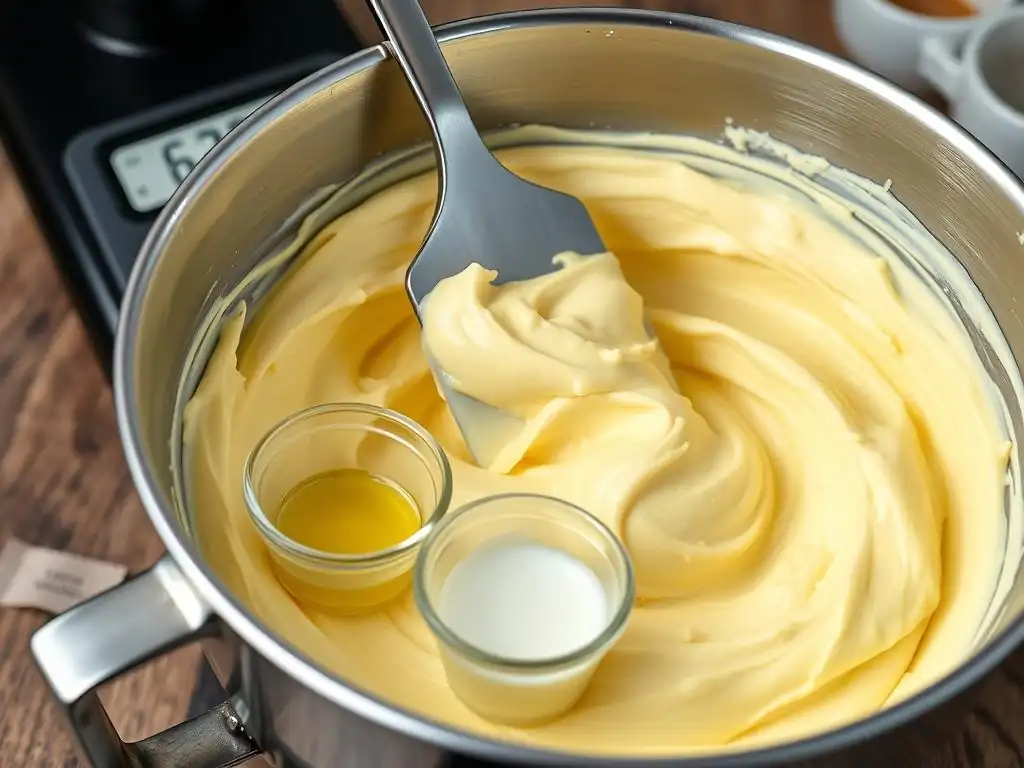
Bakers often have specific questions when they first learn how to thin buttercream. Here are some common queries and their answers.
How much liquid should I add to buttercream?
There is no single answer to this, as the amount of liquid needed depends entirely on the initial stiffness of your buttercream, the type of buttercream, the specific liquid used, and the desired final consistency. As a general rule of thumb for American buttercream, start with 1-2 teaspoons of liquid per cup of buttercream and add more in tiny increments (1/2 to 1 teaspoon at a time), mixing thoroughly after each addition, until you reach the desired consistency.
For meringue-based buttercreams, you might need slightly more liquid to achieve the same level of thinning, but the gradual addition rule still applies.
Can I use Coffee to thin buttercream?
Yes, you can use coffee to thin buttercream, particularly if you are making a coffee-flavored frosting. Use cooled, brewed coffee (not hot) or a coffee extract diluted slightly with water or milk. Add it gradually, just like any other liquid. Be mindful that coffee will significantly alter the flavor and color of your buttercream. For best results, use strong brewed coffee that has cooled to room temperature. Start with a teaspoon or two per batch and mix well before adding more.
My buttercream is too runny. What can I do?
If you've over-thinned your buttercream and it's too runny, don't despair! For American buttercream, the easiest fix is to gradually beat in more powdered sugar until it thickens. For meringue-based buttercreams, you can try beating in more room-temperature butter a tablespoon at a time, or simply continue beating the buttercream on medium speed for several minutes, which can help it firm up as it incorporates more air. Chilling the buttercream briefly in the refrigerator (15-30 minutes) and then re-whipping it can also help restore a proper consistency.
Conclusion: Thinning Buttercream with Confidence
Key Takeaways for Perfect Buttercream Consistency
Mastering how to thin buttercream is a valuable skill that enhances your baking and decorating capabilities significantly. The core principles are simple but crucial: understand your buttercream type, choose appropriate liquids, add them gradually and incrementally, and mix thoroughly. Room temperature ingredients are key to preventing separation. Milk, cream, and water are reliable choices for basic thinning, while strained fruit purees or liqueurs can add flavor and color. Avoid highly acidic liquids, pure fats, and excessive amounts of high-sugar syrups, as they can ruin your buttercream's texture and flavor.
Knowing the signs of proper consistency for different applications – thin for drips, medium for frosting, thick for piping – allows you to adjust your buttercream precisely. Should you accidentally over-thin, remember that adding more powdered sugar (for American) or butter (for meringue-based) or simply chilling and re-whipping can often save the day.
Further Resources for Buttercream Mastery
Learning how to thin buttercream is just one step on your journey to becoming a buttercream expert. Continue exploring different types of buttercream, practicing various mixing techniques, and experimenting with flavors and colors. Many online resources and baking books offer detailed guides and troubleshooting tips for working with buttercream. Practice is key – the more you work with buttercream, the better you'll become at judging its consistency and making adjustments confidently. With these techniques in your toolkit, you can achieve smooth, beautiful, and delicious buttercream for all your baking projects.
Frequently Asked Questions
How do I know when my buttercream is too thick?
Your buttercream is likely too thick if it appears stiff, doesn't spread easily, and has a rough or crumbly texture. It might also cause your mixer to strain.
What liquids are best for thinning buttercream?
The best liquids for thinning buttercream are milk, cream, or a flavored extract. These add moisture without significantly altering the flavor or consistency.
How much liquid should I add at a time to thin buttercream?
Add liquid one teaspoon at a time, mixing well after each addition. This prevents over-thinning and allows you to achieve the desired consistency gradually.
What happens if I add too much liquid to my buttercream?
Adding too much liquid will result in runny or soupy buttercream. This makes it difficult to pipe or spread smoothly and can affect the overall stability of your cake.
Can I fix buttercream that's been over-thinned?
Yes, you can often fix over-thinned buttercream by adding more powdered sugar, a tablespoon at a time. Mix until the desired consistency is reached.
Final Reflection: The Art and Science of Perfect Buttercream Consistency
The quest for the ideal buttercream consistency is a journey many bakers undertake, and the addition of liquids plays a crucial role in achieving that perfect texture. Mastering this technique isn't just about aesthetics; it's about unlocking the potential of your buttercream to create flawlessly smooth frostings, delicate piping designs, and stunning cake decorations. The right consistency can elevate a simple cake into a masterpiece.
This exploration into the world of liquid additions to buttercream has highlighted the delicate balance between science and artistry. It's not simply a matter of adding more liquid until the desired consistency is reached; understanding the properties of different liquids – from milk and cream to fruit purees and even coffee – is key to achieving predictable and desirable results. The best things in life are worth the wait, and the perfect buttercream is no exception.
This patience and attention to detail are what truly transform a good buttercream into an exceptional one. The impact of this knowledge extends beyond the individual baker, influencing the overall quality and creativity within the baking community.
Now, consider your own baking journey. What have you learned about the nuances of buttercream consistency? Take this knowledge and experiment! Don't be afraid to try different liquids, to adjust quantities slightly, and to observe the subtle changes in texture and flavor. The perfect buttercream is waiting to be discovered, and with a little practice and the insights shared here, you'll be well on your way to creating baking magic. Embrace the process, enjoy the experimentation, and most importantly, savor the delicious results.
Unlock Your Buttercream's Potential: Creamier, Flavorful, and Fun!
Thanks for diving into the world of liquid-enhanced buttercream! We hope you've gained valuable insights into achieving the perfect consistency and flavor. Ready to experiment and create your dream frosting?
- Master the Art of Liquid Addition: Try incorporating different liquids (milk, coffee, fruit purees!) into your next batch, paying close attention to the results. Note down your findings for future recipes! This is your chance to become a buttercream wizard.
- Share Your Creations: Show off your beautiful, custom-flavored buttercream creations on social media using #BakeWithEaseButtercream. Let's inspire each other!
- Explore Unexpected Flavor Combinations: Don't be afraid to get creative! What unusual liquid would you add next and what flavor profile would that unlock?
What unexpected liquid will you add to your buttercream next to create a truly unique flavor?