
Whipped Buttercream vs. Standard Buttercream: What's the Difference?

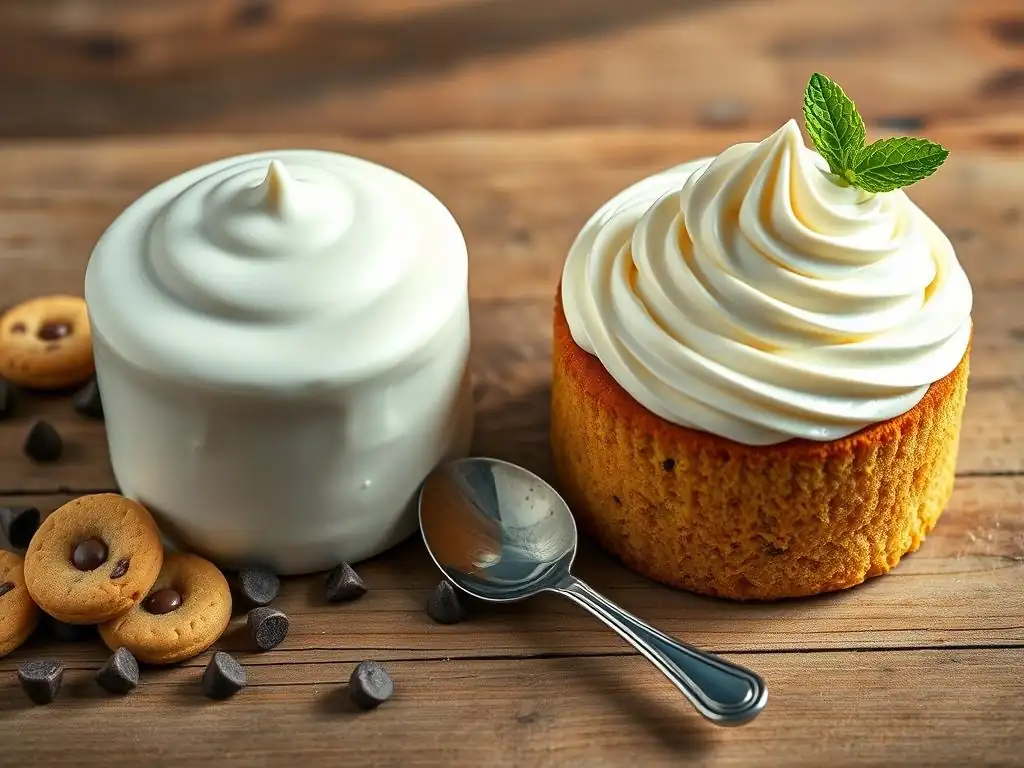
Welcome to BakeWithEase, your haven for all things baking! Ever wondered how to achieve that light, airy, and unbelievably smooth frosting that elevates a simple cake to a masterpiece? Dive into our guide and unlock the secrets of whipped buttercream. Is it really easier than the standard version? Prepare to be surprised as we explore the differences and provide you with an easy whipped buttercream frosting recipe that will transform your baking game. Intrigued? Let's get started!
- Italian Meringue Buttercream vs. American Buttercream: What's the Difference?
- BakeWithEase' Guide to Understanding Buttercream Frosting
- What is American Buttercream Frosting?
- Exploring Italian Meringue Buttercream Frosting: A Silky Option
-
Italian Meringue Buttercream vs. American Buttercream: A Detailed Comparison
- Texture and Consistency: Meringue vs. Simple Buttercream
- Taste and Sweetness Levels: Delicate vs. Sweet Buttercream
- Stability and Structure: Which Buttercream Holds its Shape Better?
- Ease of Use: Is Italian Meringue Buttercream Harder to Make?
- Decorating with Buttercream: Which Type is Best for Your Needs?
- Choosing the Right Buttercream: Considerations for Your Baking Project
- Troubleshooting Common Buttercream Problems
- Mastering Buttercream Frosting Techniques with BakeWithEase
-
Frequently Asked Questions
- What is the main difference between whipped buttercream and standard buttercream?
- Is a whipped buttercream frosting recipe easy to follow for beginners?
- How does the texture of whipped buttercream affect its use in cake decorating?
- What are some common issues encountered when making whipped buttercream, and how can they be resolved?
- Can I use the same ingredients for both whipped buttercream and standard buttercream?
- Final Reflection: The Sweet Science of Buttercream Choice
- Unlock Your Buttercream Potential!
Italian Meringue Buttercream vs. American Buttercream: What's the Difference?
BakeWithEase' Guide to Understanding Buttercream Frosting
Buttercream frosting is a beloved staple in the world of baking, adding sweetness, richness, and flair to cakes, cupcakes, and cookies. While many bakers start with a simple whipped buttercream frosting recipe easy to master, the world of buttercream is vast and varied. Two popular types you'll often encounter are American buttercream and Italian meringue buttercream. Understanding their differences is key to choosing the right one for your next baking project. Let's dive into what sets these two delicious frostings apart.
What is American Buttercream Frosting?
American buttercream is perhaps the most common and simplest type of buttercream frosting to make. It's often the first frosting recipe a beginner baker learns, known for its straightforward ingredients and quick preparation. This frosting is fundamentally a mixture of softened butter and powdered sugar, often with a liquid like milk or cream and flavoring.
Defining Traditional Buttercream: Ingredients and Techniques
Traditional American buttercream relies on just a few core ingredients: softened unsalted butter, a large quantity of powdered (confectioners') sugar, a splash of liquid (milk, cream, or water), and flavoring extract (like vanilla). The ratio of sugar to butter is typically high, often two parts sugar to one part butter by weight, or even more sugar depending on desired consistency. This high sugar content contributes significantly to its sweetness and texture.
The technique is primarily about creaming the softened butter until light and fluffy, then gradually adding the powdered sugar, alternating with the liquid, until everything is combined and smooth. The goal is to incorporate air while keeping the mixture from becoming too stiff or gritty. Achieving a smooth texture requires thorough mixing after the sugar is added, sometimes for several minutes, which can give it a whipped quality, making it a type of whipped buttercream frosting recipe easy to execute.
The Simple Mixing Method for American Buttercream
Creating American buttercream is quite simple, making it an accessible whipped buttercream frosting recipe easy for novice bakers. You start by beating softened butter in a stand mixer or with a hand mixer until it's pale yellow and fluffy, which usually takes about 3-5 minutes on medium speed. This initial creaming incorporates air, giving the frosting some lightness.
Next, you gradually add the powdered sugar, often cup by cup, mixing on low speed to avoid a cloud of sugar dust. Once most of the sugar is incorporated, you add the liquid and flavoring, then increase the speed to medium-high and beat for another 3-5 minutes. This final whipping helps dissolve some of the sugar crystals, improves the texture, and makes the frosting light and airy, embodying the "whipped" characteristic. If the frosting is too stiff, add a little more liquid; if too thin, add more powdered sugar.
American Buttercream: Flavor Profiles and Common Uses
American buttercream has a distinctly sweet flavor profile, dominated by the powdered sugar. The taste of butter is present, but the sweetness is the most prominent note. Flavorings like vanilla extract, almond extract, or even citrus zest are essential to add complexity and balance the intense sweetness. Cocoa powder can be added to make a simple chocolate whipped buttercream frosting recipe easy to adapt.
This type of buttercream is incredibly versatile and widely used. Its relative stability and ease of piping make it perfect for decorating cupcakes, cookies, and sheet cakes. It holds simple shapes well, making it ideal for swirls on top of cupcakes or basic borders. For example, a classic vanilla cupcake often features a generous swirl of American vanilla buttercream. It's also commonly used as a filling for cakes or whoopie pies.
Exploring Italian Meringue Buttercream Frosting: A Silky Option
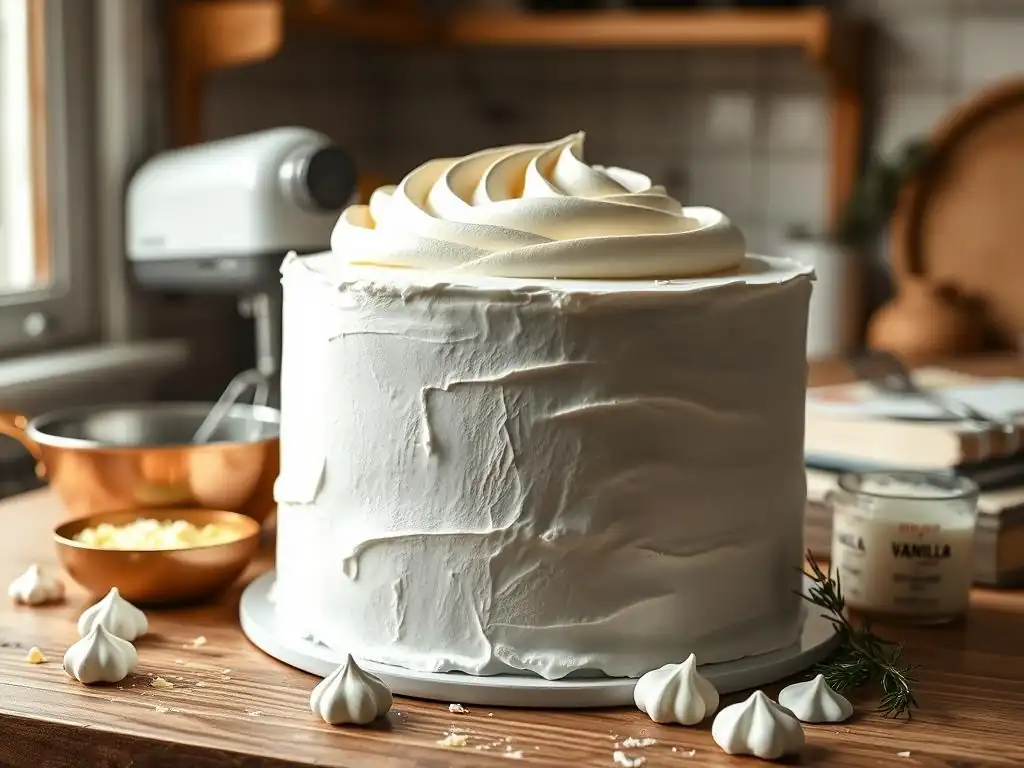
Moving beyond the basics of a simple whipped buttercream frosting recipe easy like the American style, we find Italian meringue buttercream. This frosting is often considered more refined, known for its incredibly smooth, silky texture and less intensely sweet flavor compared to American buttercream. It involves a different process centered around a cooked sugar syrup and egg whites.
What Makes Italian Meringue Buttercream Unique? The Meringue Process
The defining feature of Italian meringue buttercream is the incorporation of Italian meringue. This meringue is made by slowly pouring hot sugar syrup (heated to a specific temperature, typically between 238°F and 245°F or 114°C and 118°C, known as the soft-ball stage) into whipping egg whites. The hot syrup cooks the egg whites, making the meringue stable and safe to eat without further cooking.
Once the meringue is whipped to stiff, glossy peaks and has cooled to room temperature, softened butter is gradually added piece by piece while the mixer continues to run. The butter is emulsified into the cooled meringue, creating a light, airy, and incredibly smooth frosting. This process requires precision with sugar temperatures and patience while adding the butter, distinguishing it from a simple whipped buttercream frosting recipe easy that just creams butter and sugar.
Italian Meringue Buttercream Frosting Recipe: A Step-by-Step Approach
Making Italian meringue buttercream involves several distinct steps. First, prepare your ingredients: egg whites, granulated sugar for the syrup, water, softened unsalted butter, and flavoring. Begin heating the sugar and water in a saucepan, using a candy thermometer to monitor the temperature.
While the syrup heats, start whipping the egg whites in a clean stand mixer bowl. When the syrup reaches the soft-ball stage (around 240°F), and the egg whites have reached soft peaks, increase the mixer speed. Carefully and slowly pour the hot sugar syrup down the side of the bowl into the whipping egg whites in a steady stream.
Continue whipping on high speed until the meringue is thick, glossy, and has cooled completely to room temperature. This cooling step is crucial; adding butter to warm meringue will result in a melted mess. Once cooled, switch to a paddle attachment and begin adding the softened butter, a few tablespoons at a time, mixing thoroughly after each addition until a smooth, homogenous buttercream forms.
Achieving the Perfect Texture: Tips for Smooth and Stable Italian Meringue Buttercream
Achieving that signature silky texture in Italian meringue buttercream requires attention to detail. The most critical step is ensuring the meringue has cooled completely to room temperature before adding the butter. If the meringue is still warm, the butter will melt, resulting in a soupy consistency. This cooling process can take 10-15 minutes or even longer, depending on the quantity.
Adding the butter gradually is also key. Add small pieces, letting each fully incorporate before adding the next. The mixture might look curdled or broken at one point – don't panic! This is a common stage.
Continue mixing on medium speed; the butter will eventually emulsify with the meringue, transforming into a smooth, stable frosting. Over-mixing after it's smooth can sometimes incorporate too much air or warm the butter, so stop once the desired texture is achieved. Proper temperature control during the syrup phase (reaching 238°F-245°F) ensures the meringue is stable and holds its structure when the butter is added.
Italian Meringue Buttercream vs. American Buttercream: A Detailed Comparison
When choosing between these two popular frostings, understanding their core differences in texture, taste, stability, and ease of preparation is essential. While American buttercream offers a whipped buttercream frosting recipe easy to execute, Italian meringue provides a different experience entirely.
Texture and Consistency: Meringue vs. Simple Buttercream
The most striking difference lies in texture. American buttercream, while often described as whipped, has a denser, slightly granular texture due to the presence of undissolved powdered sugar crystals, even after significant beating. It can feel heavy and coats the mouth.
In contrast, Italian meringue buttercream is incredibly smooth, light, and almost airy. The sugar is fully dissolved in the hot syrup, eliminating any grittiness. The emulsification of butter into the delicate meringue results in a luxurious, melt-in-your-mouth consistency that is far less dense than its American counterpart. This silky texture makes it a premium choice for certain desserts.
Taste and Sweetness Levels: Delicate vs. Sweet Buttercream
Flavor is another major point of departure. American buttercream is known for its intense sweetness, stemming directly from the large amount of powdered sugar used. While flavorings help, the predominant taste is sugar.
Italian meringue buttercream is significantly less sweet. The sugar is cooked into a syrup, and the ratio of sugar to butter is much lower than in American buttercream. The flavor of the butter is more prominent, and the overall taste is more balanced and refined. It allows other flavors in the cake or filling to shine through more readily. This makes it a preferred choice for those who find American buttercream too sugary.
Stability and Structure: Which Buttercream Holds its Shape Better?
When it comes to holding intricate shapes, both can perform well, but under different conditions. American buttercream, with its high sugar content, is quite stable at room temperature and holds simple piped shapes like rosettes or swirls very well. However, in warmer conditions, it can become quite soft and lose definition quickly due to the lower melting point of the high butter content relative to the sugar structure.
Italian meringue buttercream is generally considered more stable, especially in slightly warmer conditions, once it has been properly made and chilled slightly. The cooked meringue provides a strong, stable structure that emulsifies the butter beautifully. It holds sharp edges and intricate piping details exceptionally well, making it favored for complex cake decorations. However, if it gets too warm, it can become soupy due to the butter melting, but it often can be re-whipped after chilling.
Ease of Use: Is Italian Meringue Buttercream Harder to Make?
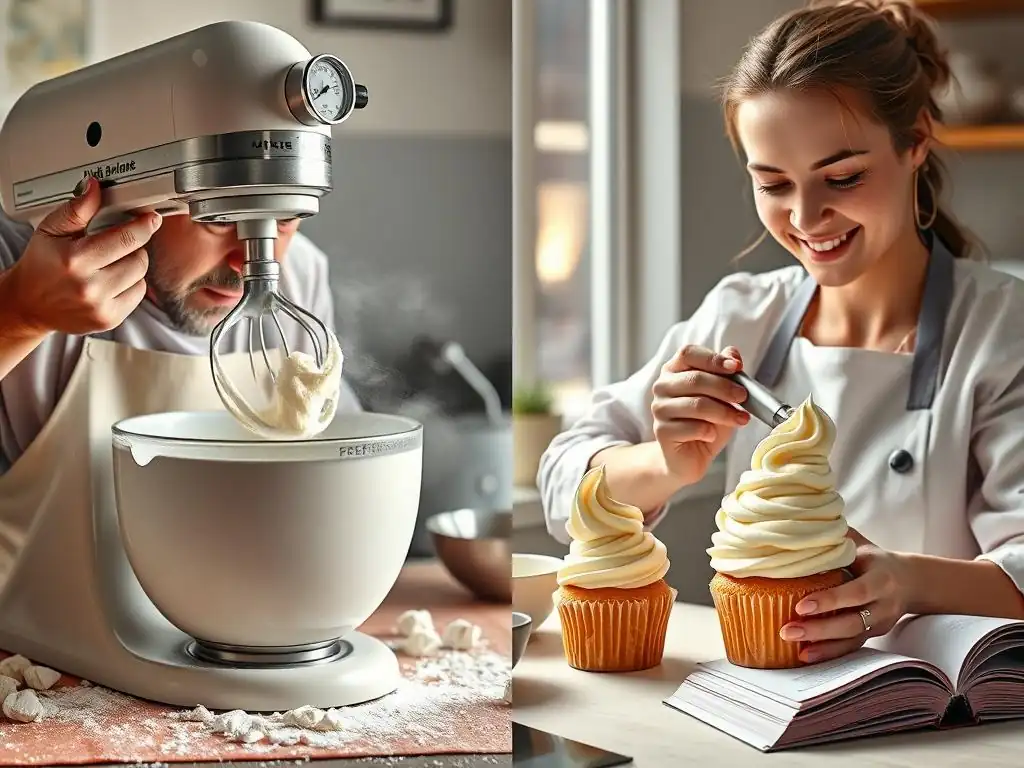
Undoubtedly, American buttercream is the easier and quicker of the two to prepare. It requires no cooking, no candy thermometer, and the steps are straightforward: cream butter, add sugar and liquid, beat. It fits the description of a whipped buttercream frosting recipe easy for beginners.
Italian meringue buttercream, on the other hand, involves more steps and requires more precision, particularly with the sugar syrup temperature and the cooling of the meringue. The process of pouring hot syrup and incorporating butter can seem intimidating initially. It takes more time and attention, making it less of a spontaneous, quick frosting option compared to American buttercream.
Decorating with Buttercream: Which Type is Best for Your Needs?
Choosing the right buttercream for decorating depends on the desired look and complexity. For simple swirls on cupcakes, basic borders, or filling a cake quickly, American buttercream is often sufficient and easy to work with. Its firmness allows for decent piping, though very fine details can sometimes be challenging due to the sugar crystals.
For smooth cake coverings, sharp edges on layer cakes, delicate floral piping, or intricate designs, Italian meringue buttercream is often the superior choice. Its smooth texture allows for flawless spreading and piping, and its stability helps maintain detailed shapes. Consider a wedding cake with delicate sugar flowers or intricate lace-like piping; Italian meringue buttercream is frequently chosen for its ability to deliver such refined aesthetics.
Choosing the Right Buttercream: Considerations for Your Baking Project
Selecting the ideal buttercream for your baking project involves more than just personal preference. Factors like the environment, the type of dessert, and your skill level all play a role in determining whether a whipped buttercream frosting recipe easy like American buttercream or the silky complexity of Italian meringue is best.
Factors to Consider: Temperature, Humidity, and Recipe Requirements
Environmental conditions significantly impact buttercream performance. In warm or humid weather, American buttercream can soften and melt quickly, making it difficult to work with and potentially ruining decorations. Italian meringue buttercream, while not impervious to heat, generally holds up better under slightly warmer conditions once set, thanks to the stable meringue structure.
Consider the dessert itself. A rich chocolate cake might pair beautifully with the intense sweetness of American buttercream, while a delicate genoise or a light fruit-filled cake might be overpowered by it and benefit from the less sweet, smoother Italian meringue buttercream. The recipe might also specify a type of buttercream, or the desired outcome (e.g., a super smooth finish) might dictate your choice.
Best Uses for American Buttercream: Cupcakes and Quick Decorations
American buttercream is a fantastic choice for projects where speed and simplicity are priorities. Its ease of making makes it ideal for last-minute baking or when you need a large batch quickly. It's perfect for topping dozens of cupcakes for a party, providing a sweet, fluffy crown. The swirls hold their shape well enough for standard presentation.
It's also great for simple decorating techniques on cookies or sheet cakes, like spreading with an offset spatula or using basic piping tips for stars or shells. For example, a child's birthday cake often features brightly colored American buttercream due to its ease of dyeing and simple application. It's truly a whipped buttercream frosting recipe easy to tint and spread.
When to Use Italian Meringue Buttercream: Layer Cakes and Intricate Designs
Italian meringue buttercream shines in more elaborate baking endeavors. Its smooth texture is unparalleled for achieving perfectly smooth sides and sharp edges on elegant layer cakes, like a classic vanilla bean cake or a sophisticated lemon raspberry creation. The lack of graininess allows for a flawless finish.
Furthermore, its stability and ability to hold detail make it the go-to for intricate piping work, such as delicate flowers, detailed borders, or even covering cakes with elaborate patterns. If you're aiming for a professional look or working on a centerpiece cake like a wedding or anniversary cake, the effort involved in making Italian meringue buttercream is often well worth it for the superior texture, taste, and decorative capabilities.
Troubleshooting Common Buttercream Problems
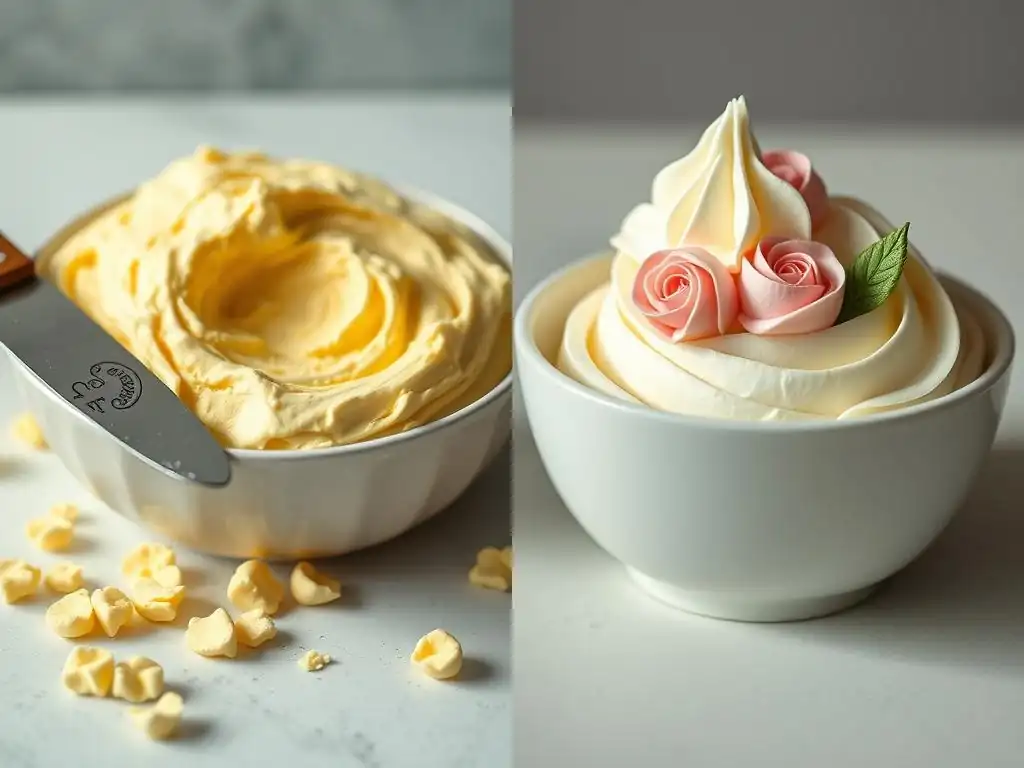
Even with the best recipes and techniques, buttercream can sometimes present challenges. Knowing how to troubleshoot common issues can save your frosting and your baking project. Whether you're working with a simple whipped buttercream frosting recipe easy or a more complex meringue-based one, problems can arise.
Fixing Stiff American Buttercream
If your American buttercream turns out too stiff, usually after adding too much powdered sugar or chilling, it can be hard to spread or pipe. The simplest fix is to add more liquid, like milk, cream, or even water, one tablespoon at a time. Beat well after each addition until the frosting reaches the desired consistency.
Another method is to gently warm the frosting. You can place the mixing bowl over a pot of warm (not hot) water for a few minutes, stirring occasionally, or microwave a small portion of the frosting for just a few seconds (like 5-10 seconds), then add it back to the main batch and beat. Be careful not to melt the butter completely. This helps soften the butter and makes the frosting more pliable.
Preventing Soupy Italian Meringue Buttercream
A soupy Italian meringue buttercream is typically caused by adding butter before the meringue has cooled completely, or adding butter too quickly. If your buttercream is liquidy, the most common fix is chilling. Place the bowl in the refrigerator for 15-20 minutes (or the freezer for 5-10 minutes) until the edges start to firm up, but the center is still soft.
Then, return the bowl to the mixer and beat on medium-high speed. The mixture might look curdled initially, but continue beating. As the butter cools and emulsifies with the meringue, it should miraculously come together into a smooth buttercream. Patience is key here; sometimes it takes several minutes of beating.
Addressing Melting Buttercream in Warm Weather
Both types of buttercream struggle in excessive heat. If your decorated cake or cupcakes are starting to look sad and melty, the best immediate action is to get them into a cooler environment, ideally a refrigerator or air-conditioned room.
To prevent melting in the first place, especially if you know your dessert will be displayed or served in warm conditions, opt for a more stable frosting like Italian meringue buttercream or even a ganache-based frosting. If using American buttercream, ensure it is well-chilled before serving and keep it out of direct sunlight or warm drafts. For transport, use insulated carriers with ice packs. Sometimes, a whipped buttercream frosting recipe easy to make might be easy to melt too!
Mastering Buttercream Frosting Techniques with BakeWithEase
Exploring different types of buttercream opens up a world of decorating possibilities. From the simple charm of an easy whipped buttercream frosting recipe to the sophisticated finish of Italian meringue, each offers unique advantages. At BakeWithEase, we're here to help you master them all.
Elevate Your Baking: Advanced Buttercream Tips
Once you're comfortable making basic American or Italian meringue buttercream, you can explore advanced techniques. Achieving super smooth finishes on cakes requires practice with tools like offset spatulas, bench scrapers, and cake combs. Learning to pipe different designs using various piping tips can transform a simple cake into a showstopper.
Temperature control is paramount for both making and decorating with buttercream. Keeping your kitchen cool, especially when working with large quantities or intricate details, can make a huge difference. Don't be afraid to chill your frosting periodically if it becomes too soft while working. Using high-quality butter also impacts both the flavor and stability of your buttercream.
Buttercream Flavor Variations: Extract, Fruit Puree, and Chocolate
While vanilla is classic, buttercream is a fantastic canvas for flavor experimentation. Extracts like almond, peppermint, or lemon can drastically change the profile. Citrus zests add a bright, fresh note. For natural colors and flavors, fruit purees (reduced and cooled) or freeze-dried fruit powders can be incorporated, though they may affect consistency and require adjustments.
Chocolate is a popular addition. Melted and cooled chocolate or cocoa powder can be beaten into both American and Italian meringue buttercreams. For instance, adding melted dark chocolate to Italian meringue buttercream creates a rich, silky chocolate frosting that's less sweet than a typical American chocolate buttercream made with just cocoa and powdered sugar.
The Ultimate Buttercream Guide: BakeWithEase Recipes and Tutorials
Whether you're looking for a whipped buttercream frosting recipe easy enough for your first batch of cupcakes or ready to tackle the challenge of a smooth Italian meringue for a special occasion cake, BakeWithEase has resources for you. Our site features detailed step-by-step guides, troubleshooting tips, and various buttercream recipes tailored for different skill levels and purposes.
From classic American vanilla to sophisticated Italian meringue and beyond, mastering buttercream is a rewarding step in your baking journey. Explore our collection of recipes and tutorials designed to help you achieve perfect frosting every time, elevating your cakes and bakes from simple treats to stunning creations. Let BakeWithEase be your guide to all things buttercream!
Frequently Asked Questions
What is the main difference between whipped buttercream and standard buttercream?
Whipped buttercream is known for its lighter, airier texture achieved through extensive whipping. Standard buttercream is typically denser and richer due to a higher butter-to-sugar ratio and less air incorporation.
Is a whipped buttercream frosting recipe easy to follow for beginners?
Yes, a whipped buttercream frosting recipe easy for beginners often uses simple ingredients and straightforward instructions. The key is to whip the butter and sugar for an extended period to incorporate air.
How does the texture of whipped buttercream affect its use in cake decorating?
The light and airy texture of whipped buttercream makes it ideal for creating delicate swirls and designs. However, it may not be as structurally stable as standard buttercream for intricate piping or holding heavy decorations.
What are some common issues encountered when making whipped buttercream, and how can they be resolved?
Common issues include graininess or a soupy consistency. These can often be resolved by ensuring the butter is at the correct temperature (softened but not melted) and continuing to whip until smooth.
Can I use the same ingredients for both whipped buttercream and standard buttercream?
Generally, yes, the core ingredients are the same: butter, sugar, and flavoring. However, the ratios and techniques differ significantly, impacting the final result.
Final Reflection: The Sweet Science of Buttercream Choice
The seemingly simple choice between whipped and standard buttercream frosting holds surprising depth, impacting not only the texture and taste of your baked goods but also the ease and efficiency of your baking process. The perfect frosting, after all, is the crowning glory of any cake or cupcake, and understanding the nuances of each type allows for a truly customized and delicious result. This knowledge empowers home bakers to confidently select the ideal frosting for their specific needs and skill level.
The enduring popularity of buttercream, in all its forms, speaks volumes about its place in our culinary culture. It's a testament to the simple joy of a perfectly frosted treat, a symbol of celebration and comfort. A cake is a celebration; it's a moment of joy, a symbol of happiness.
This sentiment, though not specifically about buttercream, perfectly captures the emotional connection we have with this versatile frosting. The ongoing exploration of different buttercream techniques, from the classic to the innovative, reflects our constant desire to refine and perfect this beloved element of baking.
So, as you embark on your next baking adventure, consider the insights shared in this article. Don't just follow a recipe; understand the why behind each ingredient and technique. Experiment with both whipped and standard buttercream, discover your preference, and most importantly, enjoy the process of creating something delicious and beautiful. The perfect frosting awaits – and the journey to find it is just as rewarding as the final result.
Unlock Your Buttercream Potential!
Thanks for taking the time to explore the delightful world of buttercream frosting! You now have the knowledge to choose the perfect base for your next baking masterpiece. Ready to put your newfound expertise to the test?
- Whip up a batch of your chosen buttercream: Whether you're embracing the airy lightness of whipped buttercream or the classic richness of standard buttercream, it's time to get baking! This is your chance to experiment and discover your new favorite.
- Share your creation (and recipe!): Tag us on social media—we'd love to see your beautiful buttercream creations! Let's inspire each other in the BakeWithEase community.
- Challenge yourself: Try a recipe that uses both types of buttercream, comparing texture and flavor in a side-by-side taste test. What are your findings?
What flavor combination will you create with your perfect buttercream? Let's discuss in the comments below!