
Best Buttercream for Piping: Choosing the Right Recipe

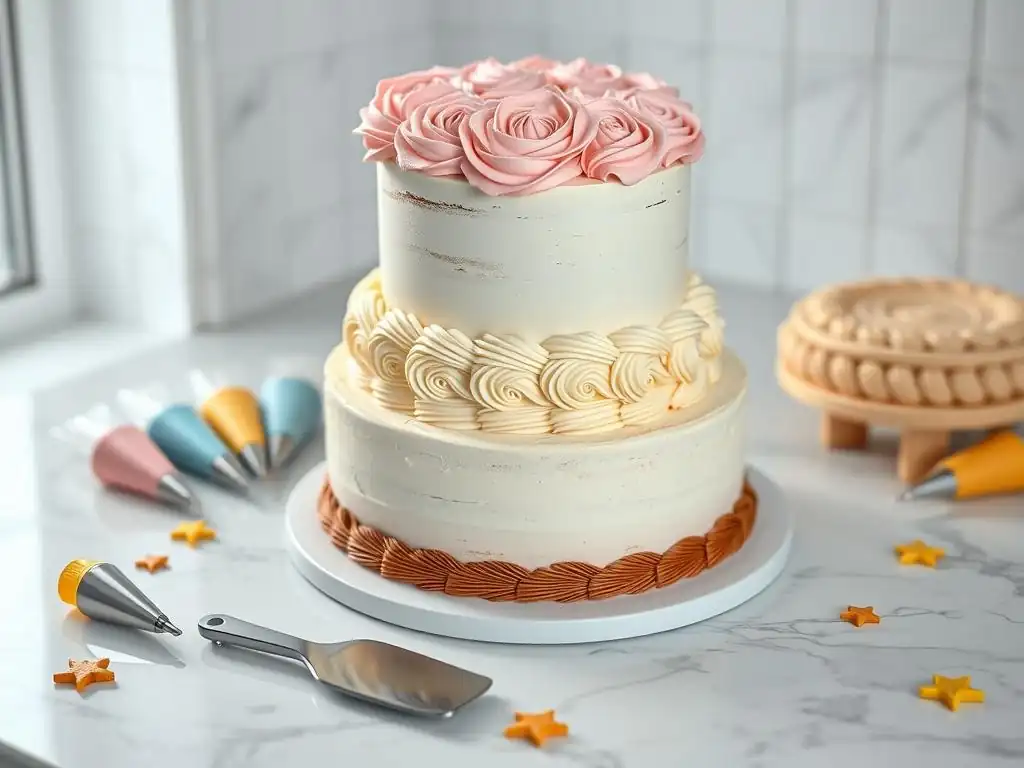
Welcome to BakeWithEase, your haven for delicious baking adventures! Are you ready to elevate your cake decorating game? Discover the secrets to achieving flawlessly smooth and structurally sound designs with our guide to the best buttercream for piping. Uncover the techniques and tips that will transform your creations from simple to stunning. Read on to find the recipe that will make your piped dreams a reality!
- Best Buttercream for Piping: Choosing the Right Recipe for Perfect Designs
- Introduction: Achieving Piping Perfection with the Right Buttercream
-
Understanding Buttercream Types: A Baker's Guide
- American Buttercream: Simple, Sweet, and Sturdy
- Swiss Meringue Buttercream: Silky Smooth and Stable
- Italian Meringue Buttercream: The Ultimate in Smoothness and Shine
- French Buttercream: Rich, Decadent, and Challenging
- Ermine Buttercream (Flour Buttercream): Less Sweet and Surprisingly Smooth
- Korean Buttercream: The Sculptor's Choice for Delicate Flowers
- Factors Affecting Buttercream Piping Success
- Choosing the Right Buttercream for Your Piping Project
- Detailed Comparison: Buttercream Recipes for Piping
- Troubleshooting Common Buttercream Piping Problems
- Recipes: Perfect Buttercream Recipes for Piping
- Tips and Tricks for Flawless Buttercream Piping
- Conclusion: Mastering Buttercream Piping with the Right Recipe and Techniques
-
Frequently Asked Questions
- What is the best type of buttercream for piping intricate designs?
- What makes a buttercream recipe "perfect" for piping?
- Can I use any buttercream recipe for piping flowers?
- How do I prevent my buttercream from being too soft for piping?
- What are some common mistakes to avoid when making buttercream for piping?
- Final Reflection: The Perfect Pipe Starts with the Perfect Buttercream
- Unleash Your Inner Pastry Artist!
Best Buttercream for Piping: Choosing the Right Recipe for Perfect Designs
Introduction: Achieving Piping Perfection with the Right Buttercream
Creating beautiful cakes, cupcakes, and cookies often culminates in the decorative flourish of piped buttercream. The right buttercream recipe is absolutely essential for achieving those crisp lines, delicate swirls, and intricate floral designs that make your baked goods truly stunning. It's not just about taste – the texture, consistency, and stability of your frosting directly impact how well it holds its shape when forced through a piping tip.
Choosing the perfect buttercream recipe for piping can feel overwhelming given the variety available. Each type has its unique characteristics, benefits, and drawbacks when it comes to piping. Understanding these differences is the first step towards mastering the art of buttercream decoration and ensuring your piping efforts result in flawless, professional-looking finishes.
Understanding Buttercream Types: A Baker's Guide
American Buttercream: Simple, Sweet, and Sturdy
American buttercream is arguably the most straightforward and quickest buttercream to make, requiring just softened butter, powdered sugar, a liquid (like milk or cream), and flavoring. Its simplicity makes it a popular choice for beginners and those needing a fast frosting solution. Typically, the ratio of powdered sugar to butter is quite high, often ranging from 2:1 to 4:1 by weight, which contributes to its characteristic sweetness and firm texture.
This type of buttercream holds its shape exceptionally well, making it excellent for basic piping techniques such as stars, shells, rosettes, and borders. Its stiffness allows piped designs to stand tall and defined. However, its high sugar content can result in a very sweet taste and a tendency to crust over quickly, which can sometimes make smooth finishes challenging. It's also quite sensitive to temperature; warm environments can cause it to soften rapidly, potentially losing definition in piped details.
Swiss Meringue Buttercream: Silky Smooth and Stable
Swiss meringue buttercream is made by gently heating egg whites and sugar over a double boiler until the sugar dissolves (reaching around 160°F or 71°C), then whipping the mixture into a stiff, glossy meringue before gradually incorporating softened butter. This process creates a much lighter, less sweet, and significantly silkier buttercream compared to the American style. The meringue structure provides excellent stability.
For piping, Swiss meringue buttercream offers a wonderfully smooth consistency that produces clean, elegant lines and soft, flowing shapes like ruffles and waves. It holds up better in slightly warmer conditions than American buttercream and is less likely to crust. While not as stiff as some other types, its stability allows for beautiful, defined piping work, particularly for smooth coverings and delicate details that don't require extreme rigidity.
Italian Meringue Buttercream: The Ultimate in Smoothness and Shine
Italian meringue buttercream is often considered the most stable of the meringue-based buttercreams. It's made by pouring a hot sugar syrup (heated to the soft-ball stage, typically 238-245°F or 114-118°C) into whipping egg whites, creating a very stable meringue. Once the meringue cools, softened butter is whipped in. This method results in an exceptionally smooth, light, and stable buttercream with a beautiful sheen.
This buttercream's superior stability and smooth texture make it a favorite among professional decorators for intricate piping work and achieving sharp edges on cakes. It holds detailed shapes incredibly well, allowing for fine lines, delicate script, and robust floral elements that maintain their form even in moderate temperatures. Its stability makes it an ideal perfect buttercream recipe for piping complex designs that need to last.
French Buttercream: Rich, Decadent, and Challenging
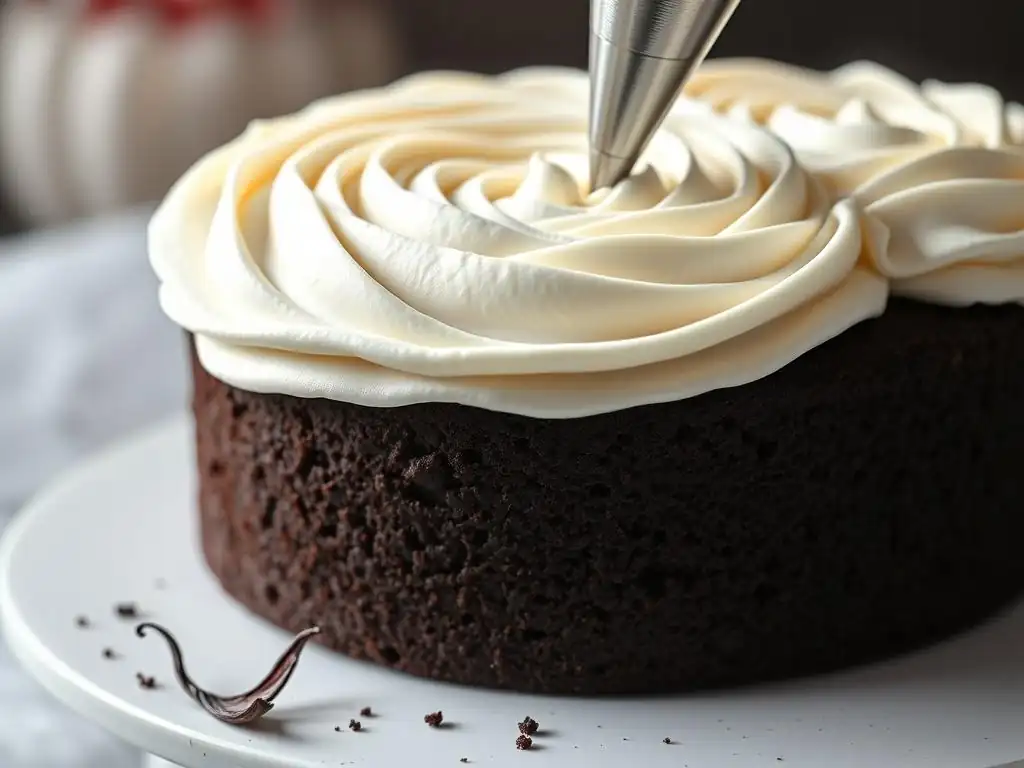
French buttercream is distinct in that it uses egg yolks instead of whites, which are whipped while a hot sugar syrup is poured in, similar to Italian meringue. Softened butter is then incorporated. This results in a very rich, decadent, and yellow-hued buttercream with a custard-like flavor. It's often flavored simply with vanilla or chocolate to complement its richness.
While incredibly delicious, French buttercream is generally less stable for piping than meringue-based or American buttercreams. Its higher fat content from the yolks and butter makes it very sensitive to temperature, softening quickly. It's best suited for filling cakes or frosting cupcakes with simple swirls rather than intricate piping. Achieving sharp, defined piped details with French buttercream can be quite challenging unless kept very cool.
Ermine Buttercream (Flour Buttercream): Less Sweet and Surprisingly Smooth
Ermine buttercream, also known as flour buttercream or boiled milk frosting, is made by cooking flour and milk together to form a thick paste, then cooling it completely before whipping it into softened butter and sugar. Unlike other buttercreams, the sugar is typically granulated and whipped with the butter after the flour paste is incorporated. This method results in a wonderfully smooth, fluffy, and significantly less sweet frosting than American buttercream.
Despite its unusual composition, Ermine buttercream can be surprisingly effective for piping. Its unique texture allows it to hold shapes reasonably well, producing soft, defined lines and swirls. It's a great option for those seeking a perfect buttercream recipe for piping that isn't overwhelmingly sweet. While it might not offer the razor-sharp detail of a stable meringue buttercream, its pleasant texture and reduced sweetness make it a popular choice for certain applications, like red velvet cake frosting.
Korean Buttercream: The Sculptor's Choice for Delicate Flowers
Korean buttercream is a variation of meringue buttercream (often using Italian meringue as a base) specifically formulated for piping incredibly realistic, delicate floral designs. It typically contains a high proportion of butter relative to the meringue and might include stabilizers or specific types of shortening designed for piping. The key characteristic is its incredible stability and ability to hold extremely fine, thin shapes without melting or losing form.
This buttercream is specifically engineered for detailed floral piping, allowing decorators to create wafer-thin petals and sharp leaf edges that look almost translucent. It requires precise temperature control and specific piping techniques. While complex to make and work with, it is the go-to choice for achieving the stunning, lifelike buttercream flowers seen in advanced cake decorating, representing a highly specialized perfect buttercream recipe for piping intricate art.
Factors Affecting Buttercream Piping Success
Butterfat Content: Its Role in Stability and Texture
The amount of butterfat in your buttercream plays a critical role in its stability and piping performance. Butterfat provides structure; as it cools and solidifies, it helps the buttercream hold its shape. Butter typically contains around 80-82% butterfat. Buttercreams with a higher proportion of butter (like meringue-based types after the butter is added) tend to be more stable and less prone to cracking than those with a very high sugar-to-butter ratio, like American buttercream, which relies heavily on the crystalline structure of powdered sugar for stiffness.
For piping, a higher butterfat content generally translates to a smoother, more pliable texture that flows evenly through a piping tip. This smooth flow is essential for creating consistent lines and details. However, butterfat is highly sensitive to temperature. If the butterfat warms too much, the buttercream will soften and lose its ability to hold intricate shapes. Understanding the butterfat ratio in your chosen recipe helps predict its behavior and stability, guiding you towards a perfect buttercream recipe for piping specific designs.
Sugar Ratio: Balancing Sweetness and Structure for Piping
The ratio of sugar to butter or meringue significantly impacts both the sweetness and the structural integrity of buttercream for piping. In American buttercream, powdered sugar provides the primary structure; a higher sugar ratio results in a stiffer, sweeter frosting. For example, a 3:1 or 4:1 ratio of powdered sugar to butter creates a very firm buttercream ideal for basic piping shapes that need to stand tall, such as shell borders or sturdy rosettes.
In meringue-based buttercreams, the sugar in the meringue contributes to stability, but the overall sweetness is much lower because there's less sugar relative to the total volume (which includes the meringue and butter). A well-balanced meringue buttercream recipe ensures enough sugar to stabilize the meringue and provide structure when combined with butter, resulting in a smooth yet stable consistency perfect for piping delicate details without excessive sweetness. The sugar ratio is a key element in determining if you have the perfect buttercream recipe for piping your desired design.
Temperature Control: Achieving the Ideal Consistency
Temperature is arguably the most crucial factor for successful buttercream piping, regardless of the type. Buttercream's consistency changes dramatically with temperature due to the melting point of butterfat (around 90-95°F or 32-35°C). If buttercream is too cold, it will be stiff, difficult to pipe, and may break or tear when extruded. If it's too warm, it will be soft, greasy, and unable to hold any defined shape, potentially melting into a puddle.
The ideal temperature for piping varies slightly depending on the buttercream type and the desired design, but it's generally around cool room temperature, typically between 68°F and 72°F (20-22°C). American buttercream might need to be slightly cooler to maintain stiffness, while meringue buttercreams pipe beautifully at a slightly warmer temperature within this range. Learning to adjust your buttercream's temperature through gentle warming or brief chilling is essential for achieving the perfect consistency for piping.
Mixing Technique: Creating a Smooth and Air-Free Buttercream
The way buttercream is mixed significantly affects its texture and suitability for piping. The goal is a smooth, homogenous consistency free of lumps and excessive air bubbles. For American buttercream, creaming the butter thoroughly first, then gradually adding powdered sugar on low speed, helps minimize incorporating too much air. A final mix on low speed or even stirring by hand with a paddle can help remove trapped air bubbles.
For meringue-based buttercreams, the initial whipping of the meringue incorporates air, which is desirable for lightness. However, once the butter is added, the goal is to emulsify it smoothly without adding more air. Mixing on medium-low speed with a paddle attachment is often recommended to achieve a smooth, silky texture. Overmixing at high speed after adding butter can incorporate unwanted air pockets, which cause frustrating breaks and inconsistencies when piping. A properly mixed, air-free buttercream is a key component of a perfect buttercream recipe for piping smooth designs.
Choosing the Right Buttercream for Your Piping Project
For Beginners: American Buttercream and its Ease of Use
If you're new to piping, American buttercream is an excellent starting point. Its simple ingredients and straightforward method make it the easiest to prepare, reducing the chances of common issues like curdling or separation that can occur with meringue-based types. You can whip up a batch in under 15 minutes with just butter, powdered sugar, and a splash of liquid.
American buttercream is also quite forgiving when it comes to piping. Its inherent stiffness means it holds basic shapes like stars, rosettes, and simple borders very well, allowing beginners to practice fundamental techniques successfully. While it's very sweet and sensitive to heat, its reliability for holding shape makes it a go-to perfect buttercream recipe for piping practice and simple decorations on cupcakes or sheet cakes.
For Intricate Designs: Swiss or Italian Meringue Buttercream
When aiming for smooth finishes, sharp edges, or delicate, detailed piping work, Swiss or Italian meringue buttercream are superior choices. Their smooth, stable texture allows for precise control through the piping tip, resulting in clean lines and defined shapes. Italian meringue buttercream, being the most stable, is particularly favored for highly detailed work and structures that need to withstand moderate temperatures.
Consider Swiss meringue for smooth cake coverings, elegant ruffles, and delicate swirls that don't require extreme stiffness. Opt for Italian meringue buttercream when you need the utmost stability for sharp edges, fine script, intricate lace patterns, or piped elements that need to hold their form rigidly, making it an ideal perfect buttercream recipe for piping complex designs on tiered cakes.
For Robust Flowers: Korean Buttercream's Firm Hold
For those venturing into advanced buttercream floral design, specifically realistic, multi-petal flowers, Korean buttercream is the specialized option. Its unique formulation provides the specific firmness and pliability needed to pipe incredibly thin, delicate petals that still hold their shape and structure. This allows for the creation of lifelike roses, peonies, and other complex floral arrangements directly on cakes or on parchment paper for later transfer.
While challenging to master due to its specific temperature requirements and techniques, Korean buttercream offers unparalleled results for detailed floral piping. It's not typically used for frosting entire cakes due to its density and cost, but it is the gold standard perfect buttercream recipe for piping realistic buttercream flowers that stand out.
For a Less Sweet Option: Exploring Ermine Buttercream for Piping
If you find traditional buttercreams too sweet but still want a frosting suitable for piping, Ermine buttercream is a fantastic alternative. Its unique flour-based structure results in a creamy, fluffy texture that is significantly less sugary than American buttercream. This makes it a wonderful pairing for intensely flavored cakes like red velvet or chocolate.
Ermine buttercream can be successfully used for piping basic to moderately intricate designs, including swirls, stars, and simple borders. While it may not hold ultra-sharp details as well as Italian meringue, its smooth consistency and ability to hold shape make it a viable perfect buttercream recipe for piping when a less sweet profile is desired. Practice is key to understanding its unique piping characteristics.
Detailed Comparison: Buttercream Recipes for Piping
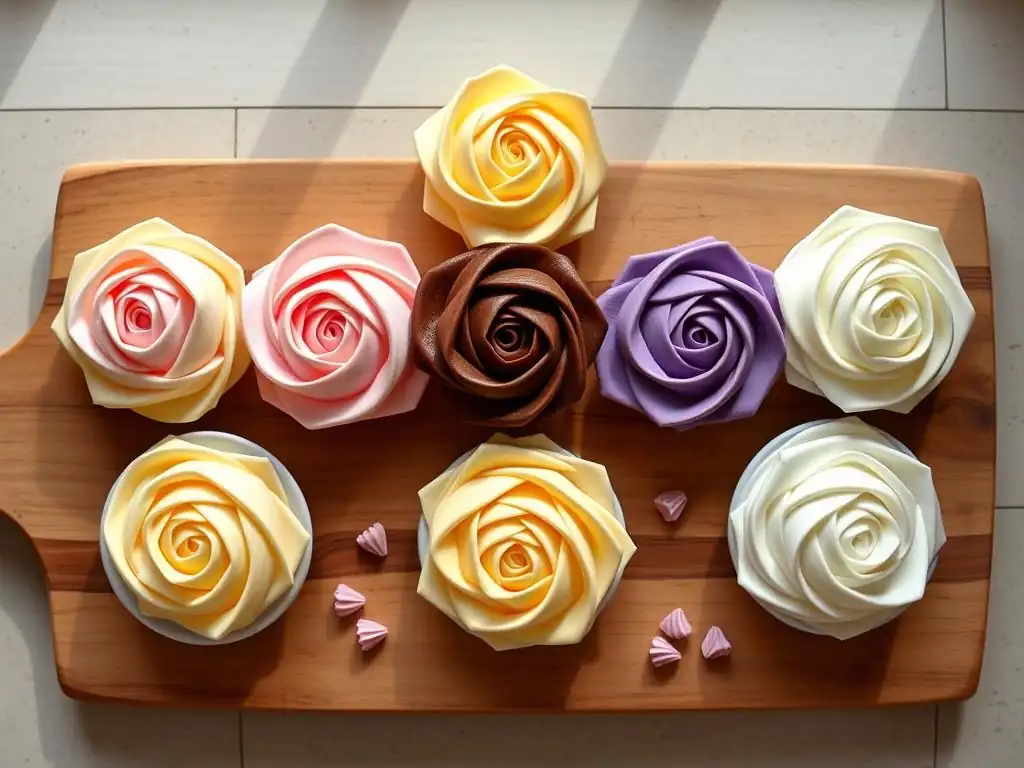
American Buttercream vs. Swiss Meringue: Piping Performance
Comparing American and Swiss Meringue buttercreams for piping reveals distinct differences in performance. American buttercream, with its high powdered sugar content, is inherently stiffer. This stiffness is advantageous for creating robust, well-defined shapes like sharp stars, sturdy borders, and tall rosettes.
A typical batch made with a 3:1 sugar-to-butter ratio will produce piping that stands up firmly, even if the lines aren't perfectly smooth due to the sugar crystals. It's forgiving in terms of holding basic shapes but can be prone to tearing or cracking when piping delicate details or smooth coverings, and its sensitivity to warm hands or room temperature is high, often softening visibly within minutes if not kept cool.
Swiss Meringue buttercream, on the other hand, offers a much smoother, silkier texture due to the absence of powdered sugar crystals and the stable meringue base. This results in beautifully smooth lines and a more elegant finish for piping techniques like ruffles, waves, and smooth swirls. While not as rigid as American buttercream, its meringue structure provides excellent stability, allowing it to hold softer shapes and intricate details without collapsing, and it is less prone to crusting.
It handles ambient temperature slightly better than American buttercream but can still soften significantly if too warm, potentially losing definition in piped elements. It is often considered a more refined perfect buttercream recipe for piping elegant designs.
Italian Meringue vs. French Buttercream: Which Reigns Supreme for Detail?
When it comes to piping intricate details, Italian Meringue buttercream clearly surpasses French buttercream. Italian Meringue buttercream, built on a strong, hot-syrup-stabilized meringue, offers unparalleled stability and a consistently smooth texture. This combination allows for the creation of incredibly sharp lines, fine script, delicate lacework, and complex piped structures that maintain their form with precision. Its stability means piped details are less likely to sag or blur, even on a finished cake displayed at room temperature for a period. It is the go-to perfect buttercream recipe for piping highly detailed and professional-looking designs.
French buttercream, while wonderfully rich and flavorful due to the egg yolks, is significantly less stable for piping. Its texture is softer and more prone to melting or losing shape, especially in warmer conditions. Piping intricate details with French buttercream is challenging; fine lines tend to blur, and delicate shapes may sag. It's better suited for simple applications like frosting cupcakes or filling cakes where structural integrity isn't the primary concern. While delicious, it is not the ideal choice when a perfect buttercream recipe for piping sharp, defined details is needed.
Ermine Buttercream vs. Korean Buttercream: A Stability Showdown
Comparing Ermine buttercream and Korean buttercream highlights their different strengths in stability for piping. Ermine buttercream, with its cooked flour paste base, offers a unique stability that results in a smooth, pipeable frosting that holds shapes reasonably well. It's stable enough for piping swirls, stars, and simple borders, and its texture is less sensitive to minor temperature fluctuations than American buttercream once set.
A typical batch might require chilling for 30 minutes before piping for optimal firmness. It provides a good balance of stability and a less sweet taste profile, making it a versatile perfect buttercream recipe for piping basic to intermediate designs.
Korean buttercream, specifically formulated for advanced floral piping, possesses a specialized kind of stability designed for holding extremely thin, delicate shapes. Its high butter content and precise formulation allow it to be piped into incredibly fine petals that maintain their structure without tearing or melting, even when layered. This level of stability is far beyond what Ermine buttercream can offer.
However, this specialized stability comes with strict temperature requirements and is primarily intended for creating specific, often sculptural, floral elements rather than general piping or frosting. It is the ultimate perfect buttercream recipe for piping realistic buttercream flowers, but not a general-purpose frosting.
Troubleshooting Common Buttercream Piping Problems
Buttercream Too Soft: How to Fix a Meltdown
A common issue when piping is buttercream that's too soft, resulting in designs that droop, lose definition, or simply won't hold any shape. This is usually due to the buttercream being too warm. If your buttercream feels greasy or looks like it's melting, the quickest fix is to chill it. Place the piping bag or the bowl of buttercream in the refrigerator for 10-15 minute intervals.
After chilling, gently knead the piping bag or stir the bowl of buttercream to check the consistency. You may need to chill it further. Avoid putting it in the freezer for too long, as it can become too hard to pipe. If the issue is persistent and the buttercream seems overly greasy, it might be broken (especially meringue types). Sometimes gently warming a small portion and re-whipping it into the main batch can help re-emulsify the fats. Ensuring your workspace is cool and your hands aren't overly warm also helps maintain the perfect consistency for piping.
Buttercream Too Stiff: Softening Techniques for Smooth Piping
Buttercream that is too stiff can be just as frustrating as buttercream that's too soft. It's difficult to push through the piping tip, can cause hand cramps, and results in broken or uneven lines. Stiff buttercream is usually too cold. The solution is to gently warm it to the ideal piping temperature.
If the buttercream is in a piping bag, you can warm it slightly by holding the bag with your hands, allowing your body heat to transfer. Alternatively, briefly knead the bag. If it's in a bowl, stir it vigorously with a spoon or paddle attachment for a minute or two; the friction can generate enough heat.
For very stiff buttercream, you can take a small amount (about 1/4 cup), melt it carefully (microwave on low power for seconds, or over a double boiler), and then whip this melted portion back into the main batch using a mixer on low speed. This technique helps soften and smooth the entire batch, restoring it to a perfect buttercream recipe for piping consistency.
Air Bubbles in Buttercream: Achieving a Flawless Finish
Air bubbles are the nemesis of smooth, consistent piping. They cause frustrating breaks, gaps, and unevenness in your piped lines and shapes. These bubbles are often incorporated during mixing, especially if the buttercream is whipped at high speed, or when filling the piping bag carelessly.
To minimize air bubbles, ensure your final mixing step is done on low speed using a paddle attachment, or even by hand-stirring, to push out trapped air. When filling a piping bag, avoid just dumping the buttercream in; use a spatula to press the buttercream into the bag, pushing it towards the tip while minimizing trapped air pockets. Once the bag is filled, twist the top tightly to prevent air from entering from the back.
Before piping onto your cake, pipe a small amount onto a piece of parchment paper first. This helps push out any large air pockets near the tip, ensuring a smooth, continuous flow for your perfect buttercream recipe for piping.
Crusting Buttercream: Preventing Cracks and Imperfections
Some buttercreams, particularly American buttercream with its high powdered sugar content, tend to form a crust when exposed to air. While this can be desirable for some techniques like smoothing, it can cause issues when piping, leading to cracks and imperfections in your designs, especially on the surface of already piped elements.
To prevent excessive crusting while piping, work efficiently and cover any buttercream not currently in use. Keep the bowl of buttercream covered tightly with plastic wrap when not filling bags. In the piping bag, the buttercream is mostly protected, but the exposed tip can crust over.
If the tip clogs or feels stiff, pipe a small amount onto a scrap piece of paper to clear it. For designs where you need to pipe over existing buttercream (like layered petals), consider using a buttercream less prone to crusting, like a meringue-based type. For American buttercream, adding a small amount of liquid (like milk or corn syrup) or fat can sometimes help reduce crusting, maintaining a workable perfect buttercream recipe for piping.
Recipes: Perfect Buttercream Recipes for Piping
Recipe 1: Our Go-To American Buttercream for Piping
This robust American buttercream is designed for stability and ease of piping classic shapes. It starts with creaming softened unsalted butter until light and fluffy. Gradually adding a high ratio of sifted powdered sugar (typically 3 to 4 times the weight of the butter) ensures a firm consistency.
A small amount of liquid, like 2-4 tablespoons of whole milk or heavy cream per pound of butter, is added to achieve desired consistency, along with vanilla extract for flavor. The key is to mix on low speed after adding sugar to minimize air, resulting in a stiff, pipeable frosting perfect for stars, shells, and borders.
Recipe 2: Silky Smooth Swiss Meringue Buttercream Recipe
Our Swiss Meringue Buttercream recipe yields a light, less sweet frosting with a beautiful silky texture ideal for smooth finishes and elegant piping. It involves gently heating egg whites and granulated sugar over a double boiler until warm (around 160°F/71°C) and the sugar is dissolved. This mixture is then whipped into a stiff, glossy meringue.
Once the meringue is completely cool, softened unsalted butter (roughly equal weight to the sugar used initially) is added incrementally and whipped until smooth and emulsified. A final whip on low speed or stirring helps remove any air bubbles, creating a perfect buttercream recipe for piping smooth swirls, ruffles, and elegant cake coverings.
Recipe 3: Rich and Stable Italian Meringue Buttercream Recipe
This Italian Meringue Buttercream recipe focuses on creating the most stable meringue-based frosting, perfect for intricate piping and warm weather. It begins by whipping egg whites to soft peaks while simultaneously heating granulated sugar and water to the soft-ball stage (238-245°F/114-118°C). The hot syrup is then carefully streamed into the whipping egg whites, continuing to whip until a very stiff, glossy meringue forms and cools completely.
Finally, softened unsalted butter (similar weight to the sugar) is added gradually and whipped until the mixture is smooth and emulsified. The resulting buttercream is exceptionally smooth, stable, and holds sharp piped details beautifully, representing a top-tier perfect buttercream recipe for piping professional-level designs.
Recipe 4: Light and Airy Ermine Buttercream Recipe
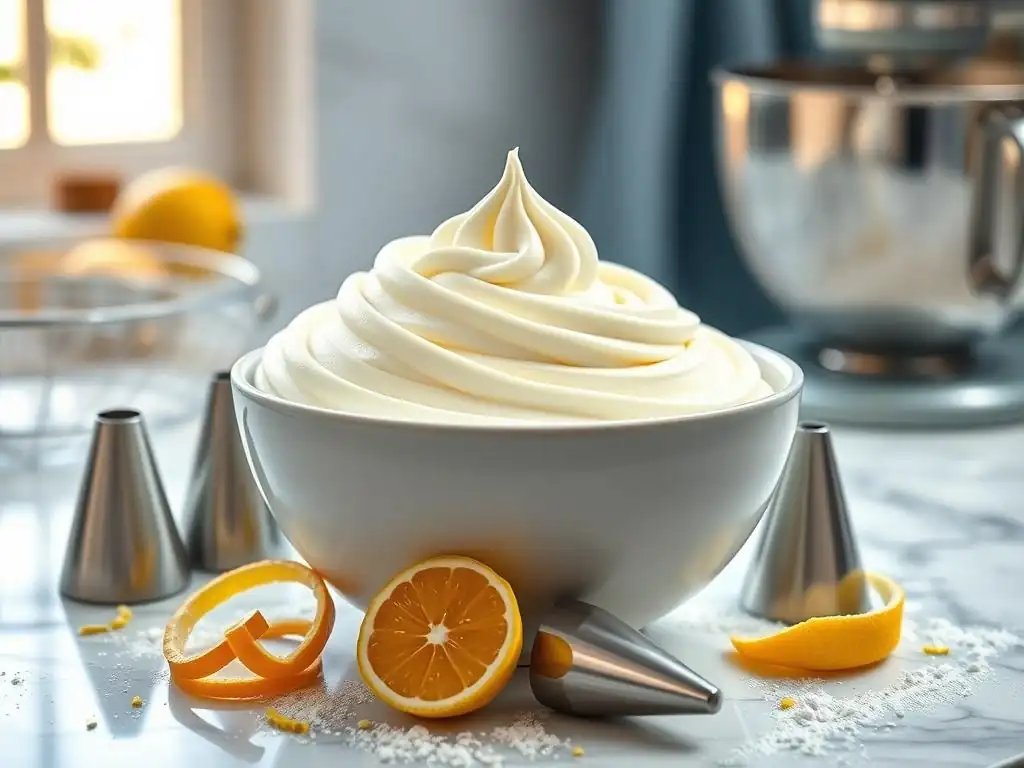
Our Ermine Buttercream recipe offers a unique, less sweet option that's still great for piping. It involves cooking a mixture of flour and milk over medium heat, stirring constantly until it forms a very thick, pudding-like paste. This paste must be cooled completely to room temperature.
Separately, softened unsalted butter is creamed with granulated sugar until light and fluffy. The cooled flour paste is then added to the butter mixture and whipped until the buttercream is incredibly light, fluffy, and smooth. This creates a pipeable frosting with a lovely texture that holds simple to moderate shapes well without the intense sweetness of traditional powdered sugar buttercreams, making it a delightful perfect buttercream recipe for piping.
Recipe 5: Stable Korean Buttercream Recipe
This Korean Buttercream recipe is tailored for creating detailed buttercream flowers with exceptional stability. It often uses a base similar to Italian Meringue Buttercream for its stability but may adjust the butter ratio or incorporate specific types of butter or shortening for optimal pliability and structure for thin petals.
The process involves making a stable meringue (Italian method often preferred for firmness), cooling it, and then whipping in a relatively high proportion of softened butter until a dense yet pliable consistency is achieved. This buttercream requires precise temperature control during piping but provides the necessary firmness and flexibility to pipe incredibly thin, realistic floral elements, serving as a highly specialized perfect buttercream recipe for piping intricate floral art.
Tips and Tricks for Flawless Buttercream Piping
Achieving Vibrant Colors: Gel Food Coloring Recommendations
When coloring buttercream for piping, especially if you want vibrant or deep shades, gel food colorings are highly recommended over liquid ones. Liquid colorings add too much moisture, which can negatively impact the buttercream's consistency and piping stability. Gel colors are concentrated and come in a vast array of shades, requiring only a small amount to achieve intense color without altering the texture of your perfect buttercream recipe for piping.
Add gel coloring incrementally, mixing thoroughly each time, until you reach the desired shade. Keep in mind that colors can deepen slightly as they sit. If you are coloring a large batch, consider mixing a smaller test batch first to gauge how much coloring is needed. For very deep colors like red or black, it's often easier to achieve the shade by starting with a colored base (like chocolate buttercream for black) or using specific "no-taste red" or super black" gel colors designed for intense pigmentation.
Using Piping Bags and Tips: A Beginner's Guide
Choosing the right piping bag and tip is fundamental to successful piping. Piping bags come in disposable plastic, reusable plastic-lined, and cloth options. Disposable bags are convenient for cleanup, while reusable bags are more environmentally friendly. For most piping, a standard 12-inch or 16-inch bag is suitable. You'll also need couplers if you plan to switch tips on the same bag of frosting, or simply cut the end of the bag to fit the tip directly.
Piping tips come in various shapes and sizes, each creating a different effect. Common tips for beginners include:
- Round tips (e.g., Wilton 1A, 12): For dots, lines, and filling in areas.
- Star tips (e.g., Wilton 1M, 21): For stars, rosettes, and shells.
- Open star tips (e.g., Wilton 1B, 4B): Similar to star tips but create different textures.
- Leaf tips (e.g., Wilton 352): For piping leaves.
- Petal tips (e.g., Wilton 104): For ruffles and flower petals.
Experimenting with different tips and a basic perfect buttercream recipe for piping (like American) is a great way to learn their effects.
Practicing Piping Techniques: Mastering Basic Shapes and Designs
Mastering buttercream piping requires practice. Don't expect perfection on your first try! The best way to practice is using a piping bag filled with buttercream (or even mashed potatoes for a non-sweet option) on a piece of parchment paper or the back of a baking sheet. This allows you to practice without wasting frosting or messing up a cake.
Start with basic techniques:
- Holding the bag correctly (twisted at the top, consistent pressure).
- Piping straight lines.
- Piping dots of various sizes.
- Creating stars and rosettes using a star tip.
- Piping shells and borders.
Practice helps you develop consistent pressure and control, which are essential for creating clean, uniform designs regardless of the perfect buttercream recipe for piping you choose. Scrape the practice frosting back into the bag and reuse it until you're ready to decorate.
Storing Buttercream: Keeping Your Frosting Fresh
Proper storage is key to keeping your perfect buttercream recipe for piping ready for use. Buttercream can typically be stored at room temperature for a day or two, provided it's in a cool environment (below 75°F or 24°C). However, for longer storage, refrigeration or freezing is necessary due to the butter content.
Store buttercream in an airtight container in the refrigerator for up to a week. Before using refrigerated buttercream for piping, let it come to cool room temperature (this can take several hours) and then re-whip it briefly with a paddle attachment on low speed to restore its smooth consistency. Do not skip the re-whipping step, especially for meringue buttercreams, as they can become stiff and lose their smooth texture when chilled.
Buttercream can also be frozen in an airtight container for several months. Thaw it in the refrigerator overnight and then re-whip it thoroughly before piping to ensure it's a perfect buttercream recipe for piping.
Conclusion: Mastering Buttercream Piping with the Right Recipe and Techniques
Selecting the best buttercream for piping is a crucial step towards creating stunning decorated baked goods. As we've explored, the "perfect buttercream recipe for piping" isn't a single answer but rather depends on your skill level, the desired design complexity, and your preference for sweetness and texture. American buttercream offers ease for beginners and sturdy basic shapes, while Swiss and Italian meringue buttercreams provide the smoothness and stability needed for intricate details and professional finishes. Ermine buttercream is a great less-sweet alternative, and Korean buttercream is specialized for realistic floral artistry.
Beyond choosing the right recipe, mastering buttercream piping involves understanding how factors like butterfat, sugar, temperature, and mixing technique influence consistency. Troubleshooting common issues and practicing basic techniques with different tips are essential steps in developing your skills. With the right knowledge and practice, you can transform simple frosting into beautiful edible art, ensuring your perfect buttercream recipe for piping always performs flawlessly.
Frequently Asked Questions
What is the best type of buttercream for piping intricate designs?
The best buttercream for piping intricate designs is often American Buttercream or Swiss Meringue Buttercream. These types offer a stable consistency and can hold their shape well.
What makes a buttercream recipe "perfect" for piping?
A "perfect" buttercream recipe for piping typically has a smooth texture, holds its shape well, and isn't too soft or too stiff. It should also be easy to work with.
Can I use any buttercream recipe for piping flowers?
While some buttercreams are more suitable, not all are ideal. Recipes like Italian Meringue Buttercream might be too soft unless chilled, while French Buttercream can be tricky to master.
How do I prevent my buttercream from being too soft for piping?
To prevent soft buttercream, ensure your butter is at the correct temperature (slightly cool but still pliable), and consider adding a bit of powdered sugar to stiffen it up. Chilling it briefly can also help.
What are some common mistakes to avoid when making buttercream for piping?
Common mistakes include using butter that's too warm, adding too much liquid, or not creaming the butter and sugar together sufficiently. These can all affect the buttercream's consistency.
Final Reflection: The Perfect Pipe Starts with the Perfect Buttercream
The quest for the perfect buttercream for piping isn't just about aesthetics; it's about achieving a flawless, professional-looking finish that elevates your baking to the next level. This pursuit, as explored throughout this article, highlights the crucial role of ingredient selection and technique in creating a buttercream that holds its shape, pipes smoothly, and tastes divine. The right recipe can transform a simple cake into a masterpiece.
The impact of a well-piped buttercream extends far beyond the visual appeal. It's a testament to the baker's skill and dedication, a symbol of artistry and precision in the culinary world. The enduring popularity of buttercream, across cultures and generations, speaks volumes about its significance. A cake is incomplete without its frosting; it's the crown jewel.
This sentiment, though simple, encapsulates the transformative power of a perfectly executed buttercream design. The countless variations and techniques showcased in this article only serve to underscore the ongoing evolution and enduring appeal of this classic confection.
Now, consider your own baking journey. What have you learned about the nuances of buttercream? Which recipe resonated most with you, and why? Don't be afraid to experiment, to tweak ratios, and to discover your own signature buttercream. The pursuit of the "perfect" recipe is an ongoing process, a delightful exploration of flavor and texture. Embrace the challenge, and let your next piped creation be a testament to your newfound expertise and passion.
Unleash Your Inner Pastry Artist!
Thanks for taking the time to explore the world of buttercream piping with us! We hope you now feel confident in choosing the perfect recipe for your next baking masterpiece. Ready to put your new knowledge into action?
- Master the art of piping: Try out your favorite recipe from the article – and don't forget to share your results with us!
- Experiment with different piping tips: See how each one creates unique textures and designs. Which one becomes your new go-to?
- Challenge yourself with a new cake design: Use your newfound expertise to create something truly special.
What incredible cake creation will you bake next?