
Troubleshooting Buttercream that's Too Stiff or Too Soft

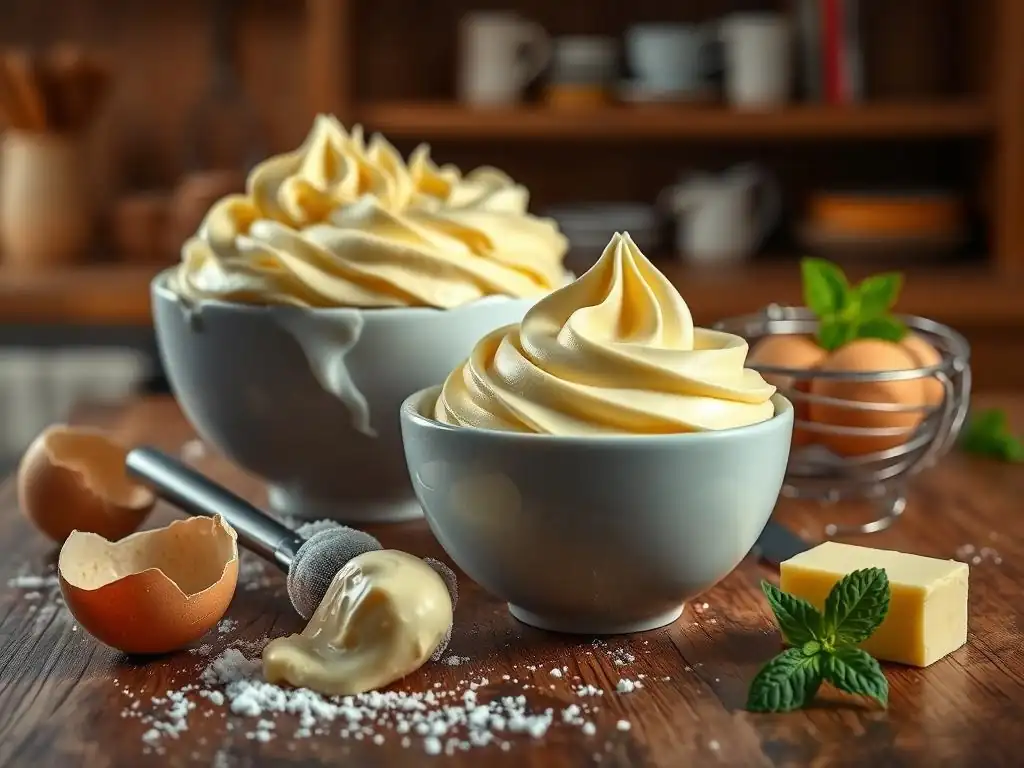
Welcome to BakeWithEase, your companion on the path to baking brilliance! Ever found yourself staring down a bowl of buttercream that's anything but smooth and spreadable? You're not alone. In this guide, we'll dive deep into the common culprits behind frustrating textures and, more importantly, provide you with actionable solutions. Read on to discover how to fix stiff buttercream and achieve that perfectly creamy consistency every time. Intrigued? Let's get started!
How to Fix Stiff Buttercream: Step-by-Step Solutions
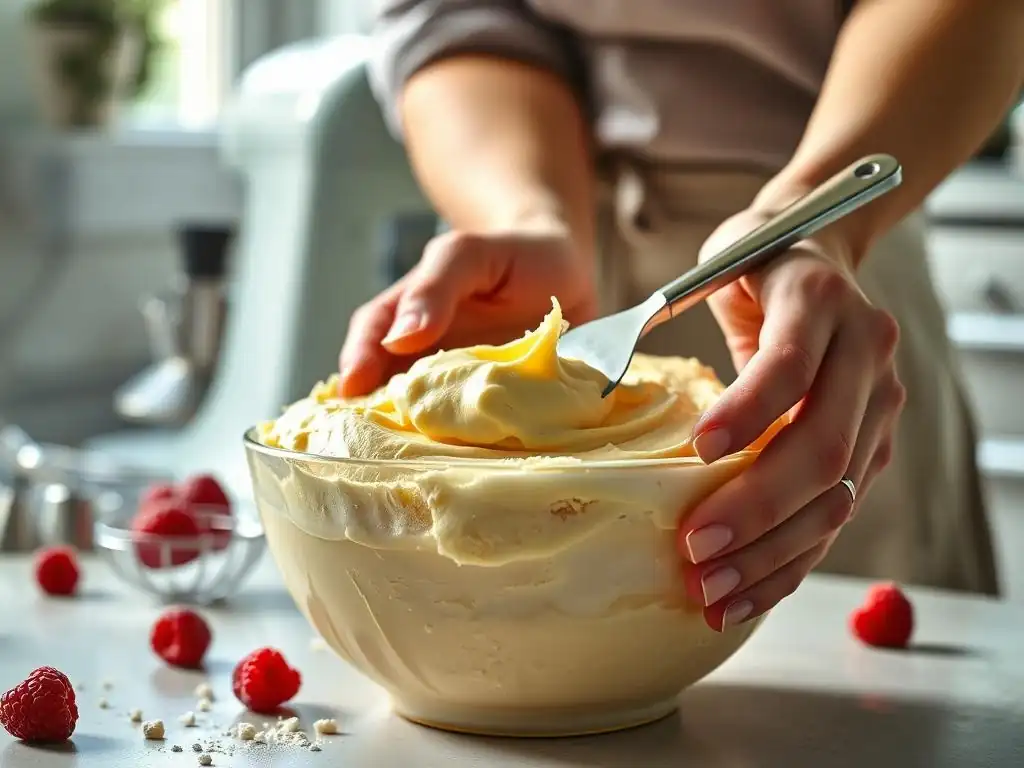
When you find yourself asking how fix stiff buttercream that's resisting your spatula, don't despair! Often, a few simple adjustments can bring it back to the perfect piping or spreading consistency. The key is to identify why it's stiff and apply the appropriate fix gently, rather than aggressively. Let's explore the most effective ways to troubleshoot and soften that uncooperative frosting.
Solution 1: Adding Liquid
One of the most straightforward ways to tackle overly stiff buttercream is by incorporating a small amount of liquid. This helps to thin out the frosting base, making it more pliable. Common liquids include milk, heavy cream, or even just a little water.
Start with a very small quantity – perhaps just one tablespoon – and mix it in thoroughly using a mixer or spatula. Observe the change in consistency; if it's still too stiff, add another tablespoon and repeat until you achieve the desired texture. Using lukewarm liquid can sometimes help it incorporate more smoothly without chilling the butter further.
Consider a classic American buttercream made with powdered sugar and butter. If the ratio of sugar to butter is too high, or if the butter is slightly too cold, the frosting can seize up and become difficult to work with. Adding a splash of milk, about 1-2 tablespoons for a batch using 1 pound of butter and 4 cups of powdered sugar, can significantly loosen it up.
This method is particularly effective for buttercreams that rely on powdered sugar, as the liquid helps to dissolve some of the sugar crystals and smooth the overall mixture. It's a gentle, controlled way to adjust the firmness.
Solution 2: Warming the Buttercream
Sometimes, the stiffness is simply due to the butter being too cold, causing it to become hard and unyielding. Gently warming the buttercream can help soften the butter crystals, allowing the frosting to become smooth and spreadable again. A common technique is to place a small portion (about 1/4 to 1/3) of the stiff buttercream into a microwave-safe bowl and microwave it for just 5-10 seconds at a time.
Stir the melted or softened portion back into the main batch of buttercream and mix thoroughly with your mixer until the consistency is uniform. Be very careful not to overheat, as you only want to soften the butter slightly, not melt it completely.
Alternatively, you can use a double boiler method. Place the bowl of stiff buttercream over a pot of gently simmering water (ensure the bottom of the bowl doesn't touch the water). Stir the buttercream constantly until it just begins to soften around the edges.
Immediately remove the bowl from the heat and mix the buttercream vigorously, either by hand or with a mixer, until the warmth is evenly distributed and the texture is smooth. This method offers slightly more control than a microwave and is excellent for ensuring you don't accidentally melt too much of the frosting. Warming helps the fat molecules in the butter relax, directly addressing how fix stiff buttercream caused by cold temperatures.
Solution 3: Remixing the Buttercream
Often, the simplest answer to how fix stiff buttercream is to simply whip it again. If the buttercream has been sitting for a while, or if it wasn't mixed sufficiently initially, the ingredients might not be fully emulsified or aerated. Transfer the stiff buttercream back into the bowl of your stand mixer fitted with the paddle attachment, or use a hand mixer.
Beat the buttercream on medium-high speed for several minutes, typically 3 to 5 minutes. This process re-introduces air into the mixture, breaks down any stubborn butter clumps or sugar crystals, and helps to create a lighter, smoother, and more workable consistency.
As you whip, you'll notice the volume might increase slightly and the color could lighten. The friction from the mixer also generates a tiny bit of heat, which helps soften the butter just enough to become creamy. This technique is particularly effective for buttercreams like Swiss meringue or Italian meringue buttercream, which rely heavily on proper emulsification and aeration.
If after whipping for a few minutes it's still too stiff, you can combine this method with adding a tiny bit of liquid (Solution 1) while the mixer is running. Remixing is a powerful tool in your arsenal for achieving that perfect frosting texture.
Frequently Asked Questions
How can I tell if my buttercream is too stiff?
If your buttercream looks lumpy, cracked, or is difficult to spread without tearing your cake, it's likely too stiff. It may also be difficult to pipe.
What's the most common reason buttercream becomes too stiff?
The most frequent cause is too much powdered sugar or not enough liquid (like milk or cream) in the recipe. Over-mixing can also contribute.
How do I fix stiff buttercream?
Gradually add small amounts of liquid, such as milk or cream, one tablespoon at a time, and mix until the desired consistency is achieved. Be careful not to add too much.
Can the temperature of my ingredients affect buttercream stiffness?
Yes, using cold butter can lead to stiff buttercream. Ensure your butter is at room temperature before starting.
What if adding liquid doesn't fix the stiffness?
If adding liquid isn't working, try gently warming the buttercream slightly over a double boiler or in the microwave in short bursts (5-10 seconds), stirring frequently. This can help loosen the butterfat.
Final Reflection: The Sweet Science of Perfect Buttercream
The quest for the perfect buttercream frosting is a journey many bakers undertake, and the battle against overly stiff or soft consistencies is a common hurdle. This seemingly simple ingredient can be surprisingly temperamental, impacting not only the aesthetic appeal of your cake but also the overall eating experience. Mastering the art of buttercream adjustment isn't just about achieving a visually pleasing result; it's about understanding the fundamental principles of emulsion and how to troubleshoot effectively.
The impact of a perfectly smooth, spreadable buttercream goes beyond the culinary; it's a symbol of precision and patience, a testament to the dedication involved in baking. It's a small detail that can elevate a simple cake into a masterpiece, a feeling I know well from countless hours spent in my own kitchen. The best things in life are worth fighting for, and the perfect buttercream is no exception.
This sentiment, while not a direct quote from a famous baker, encapsulates the spirit of perseverance and the rewarding feeling of success that comes with mastering this technique.
So, the next time you find yourself wrestling with a buttercream that's either too stiff or too soft, remember the lessons learned here. Don't be discouraged! Instead, embrace the challenge as an opportunity to refine your skills and deepen your understanding of this versatile ingredient. Take a deep breath, consult your notes, and approach the problem with a methodical and patient approach. You have the power to transform a frustrating situation into a delicious triumph. The perfect buttercream, and the satisfaction it brings, awaits you.
Unlock Your Perfect Buttercream: Take the Next Step!
Thanks for taking the time to learn about troubleshooting your buttercream! We hope you now feel more confident in achieving that perfect, smooth frosting every time. Ready to put your new knowledge into practice?
- Whip up a batch of your favorite buttercream recipe, using the tips you just learned to avoid common pitfalls. This is your chance to shine!
- Share your buttercream baking triumphs (or challenges!) with our community in the comments below. Let's learn from each other!
- Experiment with different flavor combinations to create your signature buttercream masterpiece. What unique flavors will you try?
What’s your go-to buttercream flavor, and what's one tip you'll use from this article to make it even better?