
Master the Silky Smoothness of Swiss Meringue Buttercream

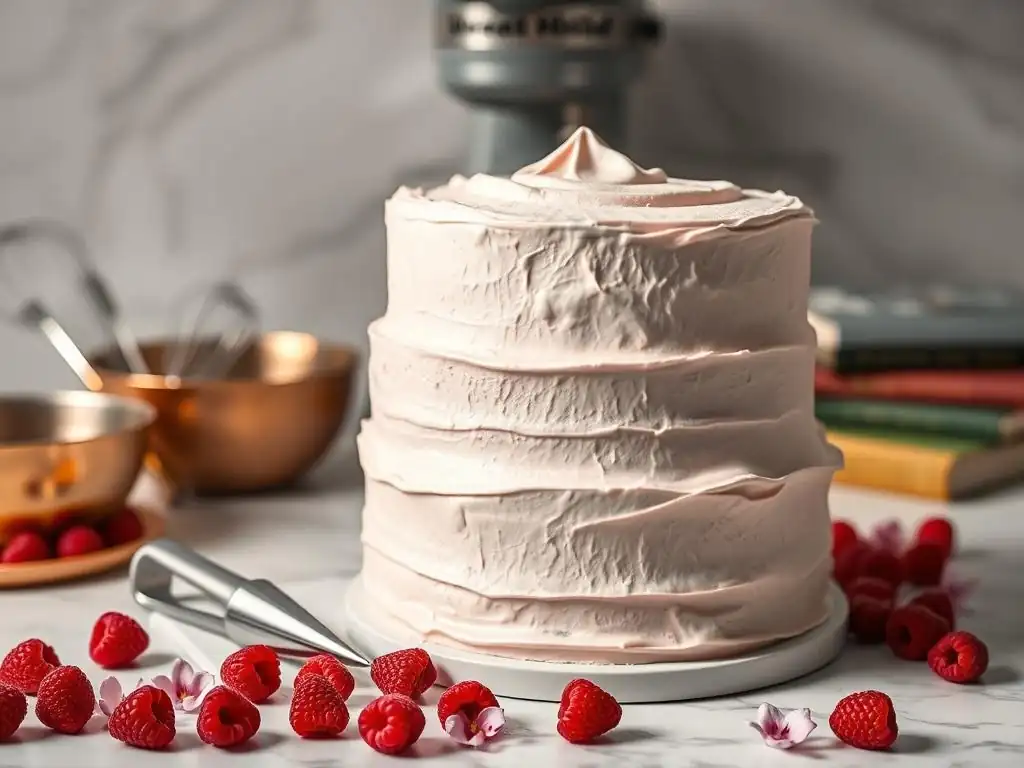
Welcome to BakeWithEase, your trusted guide to baking bliss! Ever dreamt of creating a frosting so light and airy it melts in your mouth? Dive into our Swiss meringue buttercream frosting recipe and unlock the secrets to achieving that perfect, silky smooth texture. Prepare to elevate your cakes and cupcakes with this intermediate baking technique – you might just surprise yourself with the results!
- Mastering Swiss Meringue Buttercream
- Recipe for Classic Swiss Meringue Buttercream
- Understanding Swiss Meringue Buttercream
- Ingredients for Swiss Meringue Buttercream
- Step-by-Step Swiss Meringue Buttercream Recipe
- Troubleshooting Swiss Meringue Buttercream
- Tips for Perfect Swiss Meringue Buttercream
- Swiss Meringue Buttercream Flavor Variations
- Decorating Cakes with Swiss Meringue Buttercream
- Storing Swiss Meringue Buttercream
- Buttercream Comparisons
-
Frequently Asked Questions
- What is Swiss Meringue Buttercream (SMBC) frosting?
- Why is Swiss Meringue Buttercream considered more difficult to make than other frostings?
- What makes Swiss Meringue Buttercream so appealing to bakers?
- What are some common problems people encounter when making Swiss Meringue Buttercream?
- Can Swiss Meringue Buttercream be flavored and colored?
- Final Reflection: The Enduring Allure of Perfect Buttercream
- Unleash Your Inner Pastry Chef!
Mastering Swiss Meringue Buttercream
Swiss meringue buttercream (SMBC) is a classic frosting celebrated for its smooth, silky texture and less-sweet profile compared to its American counterpart. It's a favorite among bakers for decorating cakes, cupcakes, and pastries, offering a stable and elegant finish. While the process might seem a bit more involved than simply creaming butter and sugar, mastering this technique opens up a world of possibilities for sophisticated desserts. Getting a perfect Swiss meringue buttercream frosting recipe right involves understanding the science behind the meringue and the art of incorporating butter.
Recipe for Classic Swiss Meringue Buttercream
Creating a beautiful Swiss meringue buttercream starts with a solid recipe foundation. This version provides a balanced approach, yielding a frosting that is both stable and incredibly smooth, perfect for piping and spreading. It typically uses a ratio of egg whites to sugar and then a significant amount of butter to create the emulsion that defines SMBC. The exact yield can vary slightly based on whipping time and ingredient temperatures, but a standard batch using 4 large egg whites often produces enough frosting for a two-layer 8-inch cake or about two dozen cupcakes.
Here's a general outline of the ingredient quantities you'll need for a standard batch of this delightful Swiss meringue buttercream frosting recipe:
- Large egg whites: from about 4-5 large eggs (approx. 120-150g)
- Granulated sugar: 1 cup (approx. 200g)
- Unsalted butter, softened but still cool: 1 ½ cups (3 sticks, approx. 340g), cut into tablespoon-sized pieces
- Vanilla extract: 1-2 teaspoons
- Pinch of salt
This combination provides a rich yet not overly sweet frosting. The process involves gently heating the egg whites and sugar to a specific temperature, whipping them into a stiff meringue, and then gradually adding the butter. Each step is crucial for achieving the signature texture of this esteemed Swiss meringue buttercream frosting recipe.
Understanding Swiss Meringue Buttercream
Swiss meringue buttercream stands apart in the world of frostings due to its unique preparation method and resulting characteristics. Unlike American buttercream, where powdered sugar is simply mixed with butter, SMBC begins with a cooked meringue base. This cooking step is key, as it not only dissolves the sugar but also pasteurizes the egg whites, making the frosting safer to consume. The process requires a bit more precision, particularly with temperature, but the outcome is a refined and stable frosting that holds up well, especially in warmer conditions.
The foundational technique involves whisking egg whites and granulated sugar together over a bain-marie (a pot of simmering water) until the sugar is fully dissolved and the mixture reaches a specific temperature, typically between 130°F and 140°F (54°C to 60°C). This heated mixture is then transferred to a stand mixer and whipped vigorously until it cools completely and forms a stiff, glossy meringue. Once the meringue is cool, softened butter is added piece by piece, which is where the magic of the emulsion happens, transforming the fluffy meringue into the luxurious Swiss meringue buttercream we know and love.
Texture and Flavor Profile of SMBC
The defining characteristic of Swiss meringue buttercream is its incredibly smooth and silky texture. It is significantly lighter and less dense than American buttercream, almost airy in comparison, yet still rich due to the butter content. When made correctly, it spreads like a dream and pipes with clean, sharp lines, making it ideal for intricate cake decorating. The mouthfeel is smooth and not grainy, a direct result of fully dissolving the sugar in the egg whites over heat.
In terms of flavor, SMBC is notably less sweet than frostings made with powdered sugar. The sweetness comes solely from the granulated sugar heated with the egg whites, which contributes a more subtle sweetness profile. The dominant flavor is typically butter, complemented by any added extracts or flavorings. This makes it a fantastic pairing for cakes and desserts that are already quite sweet, providing a balanced overall taste experience. The cooked meringue base also eliminates any raw egg white taste, resulting in a clean, pure flavor.
Advantages of SMBC: Stability and Smoothness
One of the most significant advantages of Swiss meringue buttercream is its exceptional stability. Due to the cooked meringue base and the emulsion created with the butter, SMBC holds its shape remarkably well, even in warmer environments where other buttercreams might wilt or melt. This stability makes it a top choice for tiered cakes, detailed piping work, and desserts that need to sit out for a period, such as at parties or events. While no buttercream is completely impervious to extreme heat, SMBC offers superior performance compared to many alternatives.
Beyond stability, the smoothness of SMBC is unparalleled. This smooth texture is crucial for achieving a professional finish on cakes. It allows for effortless spreading to create clean, sharp edges and provides a perfect canvas for decorating. The absence of undissolved sugar crystals, a common issue in frostings made with powdered sugar, contributes directly to this luxurious mouthfeel. Bakers who prioritize a refined texture and reliable structure often turn to this Swiss meringue buttercream frosting recipe.
Ingredients for Swiss Meringue Buttercream
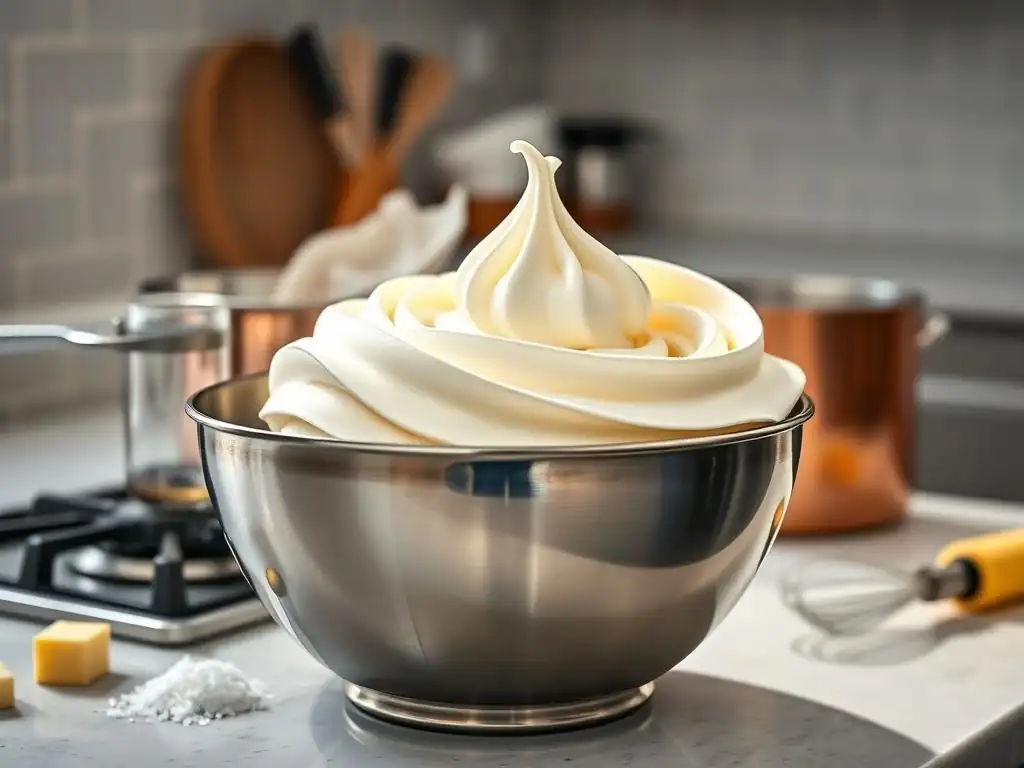
Creating a successful batch of Swiss meringue buttercream hinges on using the right ingredients and understanding their roles. While the list is relatively short, the quality and preparation of each component are critical. Using fresh, high-quality ingredients will significantly impact the final taste and texture of your frosting. Pay close attention to the state of your butter, as its temperature is one of the most common culprits for troubleshooting issues.
Ensuring your equipment is clean and grease-free is also paramount. Even a tiny amount of fat can prevent the egg whites from whipping up properly, compromising the meringue base. Having all your ingredients measured and ready before you start is a good practice, as timing is important, especially when working with temperature-sensitive components like the egg whites and butter. This attention to detail from the outset sets you up for success with your Swiss meringue buttercream frosting recipe.
Essential Ingredients: Egg Whites, Sugar, Butter, and Salt
The foundation of any Swiss meringue buttercream frosting recipe relies on four key ingredients: egg whites, granulated sugar, unsalted butter, and a touch of salt. Egg whites provide the structure for the meringue, trapping air when whipped. Granulated sugar stabilizes the meringue and adds sweetness; heating it with the egg whites ensures it dissolves completely. Unsalted butter is the primary component that provides richness and volume to the buttercream; using unsalted butter allows you to control the overall saltiness.
Salt, while used in a small quantity, is vital for balancing the sweetness and enhancing the flavors of the other ingredients. It helps to cut through the richness of the butter and the sweetness of the sugar, resulting in a more complex and appealing taste profile. Using large eggs is standard in most recipes as they provide a consistent amount of egg white (typically around 30-35 grams per egg white). Butter quality also matters; choose a good quality butter with a decent fat content for the best results.
Ingredient Ratios: A Balanced Recipe
Achieving the perfect Swiss meringue buttercream texture often comes down to the correct ratios of egg whites, sugar, and butter. While slight variations exist, a common and reliable ratio by weight is roughly 1 part egg white, 1 to 1.5 parts granulated sugar, and 1.5 to 2 parts unsalted butter. For instance, if you start with 100 grams of egg whites, you might use 100-150 grams of sugar and 150-200 grams of butter.
This ratio ensures that you have enough meringue structure to support the significant amount of butter needed to create a stable, creamy emulsion. Using too little butter can result in a sticky, overly sweet frosting that is difficult to work with, while too much butter can make the buttercream greasy and heavy. Adhering to these general weight ratios, rather than just volume measures, provides a more consistent and reliable outcome for your Swiss meringue buttercream frosting recipe.
Flavor Variations: Extracts, Zests, and Purees
Once the basic Swiss meringue buttercream is made, it serves as a fantastic base for incorporating a wide array of flavors. The neutral, buttery profile readily accepts additions like extracts, citrus zests, melted chocolate, fruit purees, and coffee. Vanilla extract is a classic choice, complementing the richness of the butter and providing a familiar warmth. High-quality pure vanilla extract is recommended for the best flavor.
Other popular additions include almond extract for a nutty note, peppermint extract for holiday treats, or a splash of liquor like rum or Grand Marnier for sophistication. For fruit flavors, using reduced and cooled fruit purees (like raspberry or strawberry) or citrus zest (lemon, orange, lime) can add brightness and tang. Melted and cooled chocolate can be folded in for a rich chocolate variation. Always add flavorings after the butter has been fully incorporated and the buttercream is smooth, mixing them in gently until just combined to avoid deflating the buttercream.
Step-by-Step Swiss Meringue Buttercream Recipe
Making Swiss meringue buttercream is a process that requires attention to detail and patience, but it's not overly difficult once you understand the key stages. Following a step-by-step guide ensures you hit the necessary temperatures and textures at each critical point. Having a stand mixer with a whisk attachment and a paddle attachment is highly recommended, as the whipping process is quite long.
A good quality thermometer is essential for accurately heating the egg white and sugar mixture. This step is non-negotiable for safety and proper meringue structure. Don't rush the cooling process after whipping the meringue; it must be completely cool before adding the butter. These careful steps are what make a successful Swiss meringue buttercream frosting recipe.
Step 1: Combining Egg Whites and Sugar Over Heat
Begin by combining the egg whites and granulated sugar in the heatproof bowl of your stand mixer (or another heatproof bowl if using a hand mixer later). Place this bowl over a saucepan containing about an inch or two of simmering water, ensuring the bottom of the bowl does not touch the water. This creates a bain-marie.
Continuously whisk the egg white and sugar mixture over the heat. Your goal here is to dissolve all the sugar crystals and heat the mixture to a safe temperature, typically between 130°F and 140°F (54°C to 60°C). Rub a small amount of the mixture between your fingers; if it feels smooth with no grit, the sugar is dissolved. Heating to this temperature range also pasteurizes the egg whites, making them safe for consumption in the raw state within the finished frosting. This heating step usually takes about 5-10 minutes, depending on the heat of your bain-marie.
Step 2: Whipping to Stiff, Glossy Peaks
Once the sugar is fully dissolved and the mixture has reached the target temperature, carefully remove the bowl from the heat. Attach the bowl to your stand mixer fitted with the whisk attachment. Begin whipping the mixture on medium speed for a minute, then increase the speed to high.
Whip for a significant amount of time, usually 10-15 minutes, or even longer depending on your mixer. The mixture will transform from a foamy liquid into a thick, glossy, bright white meringue. Continue whipping until the meringue forms stiff peaks when the whisk is lifted and the bowl is completely cool to the touch.
This cooling is crucial because adding butter to a warm meringue will melt the butter and ruin the texture. The outside of the bowl should feel neutral, neither warm nor cool, indicating it's ready for the next step in your Swiss meringue buttercream frosting recipe journey.
Step 3: Cooling the Meringue
As mentioned, cooling the meringue is a critical step. After whipping the meringue to stiff, glossy peaks, continue whipping it on medium-low speed until the bowl is no longer warm to the touch. This can take an additional 5-10 minutes after the meringue has reached stiff peaks. You can test the temperature by touching the bottom and sides of the mixing bowl. If it still feels even slightly warm, keep whipping.
Patience here prevents a melted, soupy mess when you add the butter. The meringue needs to be fully cooled down to roughly room temperature (around 70-75°F or 21-24°C) before proceeding. Some bakers even place the bowl in an ice bath for a few minutes while continuing to whisk on low speed, although simply letting the mixer run often suffices.
Step 4: Adding Butter Gradually
Once the meringue is completely cool, switch from the whisk attachment to the paddle attachment on your stand mixer. With the mixer running on low speed, begin adding the softened, but still cool, butter one tablespoon at a time. Wait until each piece of butter is mostly incorporated before adding the next.
As you add the butter, the mixture will likely go through a few stages that might look alarming. It might appear curdled, soupy, or separated. Do not panic. This is a normal part of the process as the emulsion forms. Keep the mixer running on medium speed. After all the butter is added, continue beating for several minutes (up to 10-15 minutes). The mixture will eventually come together, smoothing out into a velvety, homogenous Swiss meringue buttercream. The key is to keep mixing; often, it just needs more time.
Step 5: Incorporating Flavorings
After the buttercream has become smooth and stable after adding all the butter, it's time to add your chosen flavorings. With the mixer running on low speed, add vanilla extract, other extracts, melted and cooled chocolate, or purees. Start with a smaller amount and add more to taste as needed.
Mix only until the flavoring is just incorporated. Overmixing at this stage, especially after adding liquids like extracts or purees, can sometimes affect the texture. A quick mix of 30 seconds to a minute is usually sufficient. Your luxurious Swiss meringue buttercream is now ready to use for filling or frosting your baked goods!
Troubleshooting Swiss Meringue Buttercream
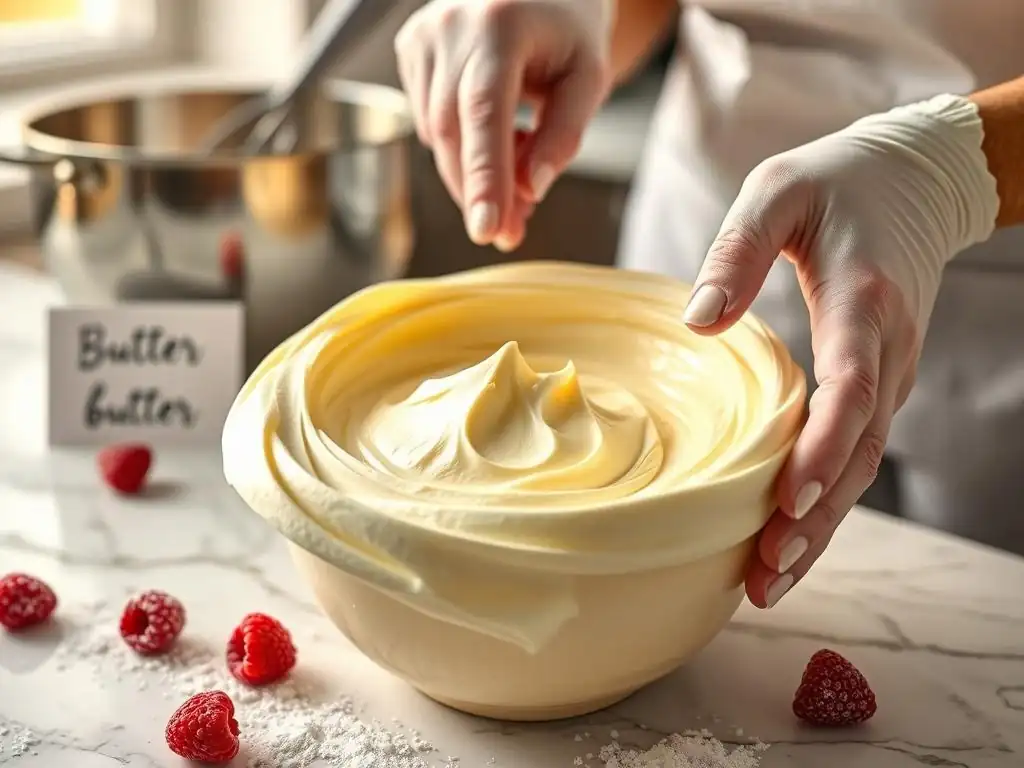
Even experienced bakers can encounter issues when making Swiss meringue buttercream. Because it's an emulsion, temperature and technique are critical, and sometimes things just don't go as planned. Don't despair if your batch doesn't look perfect right away; many common problems can be fixed with a little know-how and persistence.
Understanding the science behind why problems occur, such as separation or lack of volume, helps in diagnosing and correcting them. Most fixes involve adjusting the temperature of the mixture or simply mixing for a longer period. Don't discard a seemingly failed batch before trying these troubleshooting steps for your Swiss meringue buttercream frosting recipe.
Addressing a Curdled Appearance
A curdled or broken appearance is perhaps the most common issue when making SMBC. This happens when the butter is added too quickly, or more often, when the temperatures of the meringue and butter aren't quite right. If the meringue is too warm, the butter melts, creating a soupy mess. If the meringue is too cool (or the butter is too cold), the butter doesn't emulsify properly, resulting in a curdled look akin to cottage cheese.
To fix a curdled buttercream, the solution often involves temperature correction. If the buttercream is too cold (feels firm or chunky), take about a cup of the mixture, warm it gently in a microwave for 10-15 seconds (just until slightly melted around the edges), and then return it to the mixer while beating on medium speed. Continue beating the entire batch; the warmed portion will help bring the temperature of the rest of the buttercream into the correct range for emulsification. Conversely, if the buttercream is too warm and soupy, place the mixing bowl in the refrigerator for 10-15 minutes (stirring occasionally), then return to the mixer and beat again.
The key is to get the mixture to a temperature where the butter and meringue can properly combine, typically around 70-75°F (21-24°C). Keep beating! It often takes several minutes for it to come together.
Fixing Soft Buttercream
If your Swiss meringue buttercream is too soft and doesn't hold its shape well for piping or spreading, it's usually because the butter was too soft to begin with, or the overall mixture is too warm. This can happen if your kitchen is particularly warm or if the buttercream has been sitting out for too long.
To firm up soft buttercream, place the entire mixing bowl (with the buttercream still inside) into the refrigerator for 15-20 minutes. Check its consistency; it should start to feel firmer around the edges. Return the bowl to the mixer and beat on medium speed with the paddle attachment. As it mixes, the cooler portions will incorporate, and the buttercream should firm up and become pipeable. If it's still too soft, repeat the chilling process for shorter intervals. Avoid over-chilling, as it can become too hard. The goal is to get it back to that ideal smooth, spreadable consistency.
Adjusting Sweetness
Swiss meringue buttercream is known for being less sweet than other frostings, but sometimes you might want to slightly increase or decrease the perceived sweetness. Since the sugar is cooked into the meringue, you cannot simply add more granulated or powdered sugar without altering the texture significantly.
To slightly increase sweetness, you can add a small amount of powdered sugar (a tablespoon or two at a time) to the finished buttercream and mix on low speed until just combined. Be cautious, as adding too much powdered sugar will give it a slightly grainy texture and can make it overly stiff, moving it away from the characteristic SMBC smoothness.
Alternatively, incorporating flavorings like white chocolate or sweetened condensed milk can add sweetness and richness. To decrease perceived sweetness, a pinch of salt or a touch of acidity (like a few drops of lemon juice or cream of tartar added with caution to the egg whites before heating) can help balance the flavors, although adding acid after the meringue is formed is not recommended as it can break it down.
Achieving Proper Meringue Volume
If your meringue didn't whip up to the expected volume or stiffness, several factors could be the cause. The most common reasons include: grease in the bowl or on the whisk, which prevents egg whites from aerating properly; not heating the egg whites and sugar to a high enough temperature to dissolve all the sugar and create a stable syrup; or insufficient whipping time.
Ensure your mixing bowl and whisk are spotlessly clean and free of any fat residue. Use glass or metal bowls for the meringue, as plastic can sometimes retain grease. Make sure the egg white and sugar mixture reaches the target temperature of 130-140°F (54-60°C) over the bain-marie, checking that the sugar is fully dissolved.
Finally, whip the mixture on high speed for long enough—it can take 10-15 minutes or even more for the meringue to become thick, glossy, and form stiff peaks while the bowl cools completely. Patience during the whipping phase is key to a voluminous and stable meringue base for your Swiss meringue buttercream frosting recipe.
Tips for Perfect Swiss Meringue Buttercream
Making Swiss meringue buttercream consistently perfect involves paying attention to a few key details throughout the process. Beyond following the recipe steps precisely, considering the quality of your ingredients, maintaining cleanliness, managing temperatures effectively, and recognizing the correct consistency are paramount. These tips can help elevate your SMBC from good to truly exceptional.
Think of making SMBC as a balance of science and art. The science is in the temperatures and ratios, ensuring the emulsion forms correctly. The art is in recognizing the subtle cues – the feel of the dissolved sugar, the look of the glossy meringue, the moment the buttercream transforms from curdled to smooth. Mastering these nuances comes with practice, but starting with these fundamental tips will set you on the right path to a flawless Swiss meringue buttercream frosting recipe every time.
Ingredient Quality Matters
Using high-quality ingredients can make a noticeable difference in the final taste and texture of your Swiss meringue buttercream. Fresh, large eggs will yield the best meringue volume and stability. While any granulated sugar works, superfine sugar (caster sugar) dissolves even more readily over the bain-marie, slightly speeding up that initial step.
Perhaps most importantly, the quality of your butter is crucial. Since butter is such a significant component and contributes most of the flavor, use a good unsalted butter with a decent fat content (typically around 80% butterfat). European-style butters often have a higher fat content and can produce an even richer, smoother buttercream. Ensure your butter is softened but still cool to the touch – it should yield slightly when pressed but not be greasy or melted.
Cleanliness is Key
Absolute cleanliness is non-negotiable when making meringue. Any trace of fat – from egg yolks, greasy utensils, or a dirty mixing bowl – can prevent the egg whites from whipping up properly into a stable meringue. This is because fat interferes with the protein structure in egg whites that allows them to trap air.
Before you begin, wash your mixing bowl and whisk attachment thoroughly with hot, soapy water. Rinsing them well is also important to remove any soap residue. Some bakers even wipe down the bowl and whisk with a paper towel dipped in lemon juice or white vinegar as an extra precaution against grease, although thorough washing is usually sufficient. Use fresh eggs and separate them carefully, ensuring no yolk gets into the egg whites. This meticulous attention to cleanliness is a fundamental step in any successful Swiss meringue buttercream frosting recipe.
Temperature Management
Temperature control is arguably the single most important factor in successfully making Swiss meringue buttercream. There are several key temperatures to monitor:
- Egg white/sugar mixture: Must reach 130-140°F (54-60°C) to dissolve sugar and pasteurize egg whites.
- Meringue: Must be completely cool (around 70-75°F or 21-24°C) before adding butter.
- Butter: Should be softened but still cool, roughly 65-70°F (18-21°C).
If the meringue is too warm when butter is added, the butter will melt, resulting in a liquidy mess. If the meringue is too cool or the butter is too cold, the butter won't emulsify properly, leading to a curdled appearance. Using a thermometer is highly recommended for the initial heating step. For the cooling and butter temperature, rely on touch and observation. If you encounter issues, temperature adjustment (warming or cooling the mixture) is usually the fix, as described in the troubleshooting section.
Recognizing the Right Consistency
Knowing what finished Swiss meringue buttercream should look and feel like is vital. When properly made, it should be incredibly smooth, silky, and homogenous, with no visible graininess or separation. It should be thick enough to hold soft to medium peaks, making it easily spreadable and pipeable.
When you run a spatula through it, it should leave clean lines and feel light yet substantial. If it looks curdled, keep beating. If it's too soft and doesn't hold shape, it needs chilling. If it's too stiff, it might be too cold or slightly over-mixed (though over-mixing isn't as common with SMBC as under-mixing). Practice helps you recognize the perfect consistency, but aiming for a texture like luxurious, thick lotion is a good visual guide for your Swiss meringue buttercream frosting recipe.
Swiss Meringue Buttercream Flavor Variations
One of the joys of mastering the basic Swiss meringue buttercream frosting recipe is the endless possibilities for flavor variations. Its stable and relatively neutral base makes it perfect for infusing with a wide range of tastes, from classic vanilla and chocolate to vibrant fruit and coffee flavors. Experimenting with different additions can transform a simple cake into a gourmet dessert.
When adding flavorings, ensure that any liquid additions (like purees or extracts) are not added in such large quantities that they break the emulsion. For additions like melted chocolate, ensure it is cooled to around the same temperature as the buttercream to prevent shocking the mixture and causing it to seize or melt. Start with a small amount of flavoring and add more to taste, mixing gently until just combined.
Chocolate SMBC: Dark, Milk, or White
Creating chocolate Swiss meringue buttercream is a popular variation that adds richness and depth. You can achieve this by folding melted and cooled chocolate into the finished basic SMBC. The type of chocolate you use will significantly impact the flavor – dark chocolate for an intense, slightly bitter taste; milk chocolate for a sweeter, creamier result; or white chocolate for a sweet, vanilla-like flavor.
For best results, melt the chocolate gently (either in a microwave on low power in short bursts or over a bain-marie) and let it cool to lukewarm, around 90-100°F (32-38°C). If the chocolate is too hot, it will melt the buttercream; if it's too cold, it might seize.
Add the cooled melted chocolate to the finished buttercream with the mixer running on low speed and mix until just combined and uniform in color. A standard ratio is about 4-6 ounces (113-170g) of melted chocolate per standard batch of buttercream made from 4 egg whites, but you can adjust to your preference.
Vanilla Bean SMBC: Intense Vanilla Flavor
For a truly luxurious vanilla experience, transform your basic Swiss meringue buttercream frosting recipe into a vanilla bean version. Instead of or in addition to vanilla extract, you can scrape the seeds from a vanilla bean and mix them into the finished buttercream. The tiny black specks of vanilla bean seeds add visual appeal and a more complex, intense vanilla flavor compared to extract alone.
To incorporate vanilla bean, split a vanilla bean lengthwise with a sharp knife and use the back of the knife to scrape out the paste containing the seeds. Add the vanilla bean paste to the finished buttercream while mixing on low speed. Mix only until the seeds are evenly distributed. One vanilla bean is usually sufficient for a standard batch of buttercream, providing a noticeable difference in flavor and appearance. You can also use high-quality vanilla bean paste, which is often a more convenient and cost-effective option than fresh beans, typically using 1-2 teaspoons per batch.
Coffee SMBC: Espresso or Coffee Extract
Coffee-flavored Swiss meringue buttercream is fantastic for pairing with chocolate or coffee-flavored cakes. You can achieve a coffee flavor by adding cooled, strong brewed espresso or coffee extract to the finished buttercream. Using freshly brewed espresso provides the most authentic coffee taste, but requires careful management of liquid volume.
If using espresso, brew a very strong shot (about 1-2 tablespoons) and let it cool completely before adding it to the buttercream. Add it gradually while mixing on low speed until the desired flavor is reached. If using coffee extract, start with ½ teaspoon and add more to taste; extract is concentrated, so a little goes a long way. For a mocha flavor, combine coffee flavoring with melted and cooled chocolate. Ensure any liquid coffee addition is fully cooled to prevent thinning the buttercream.
Strawberry SMBC: Fresh Strawberry Puree
Adding fruit purees like strawberry can create a vibrant, naturally flavored Swiss meringue buttercream. Using fresh fruit puree requires a bit more care than extracts because of the water content in fruit. To prevent the buttercream from becoming too thin, it's best to reduce the fruit puree first.
To make strawberry SMBC, puree fresh strawberries and then cook the puree down in a small saucepan over medium heat until it is significantly thickened and much of the water has evaporated. This concentrates the flavor and reduces the liquid volume. Let the reduced puree cool completely before adding it to the finished buttercream.
Add the cooled, thickened puree a tablespoon at a time while mixing on low speed until the desired color and flavor intensity are achieved. You'll likely need about 2-4 tablespoons of reduced puree per batch. This method works well for other berry purees too, like raspberry or blueberry.
Decorating Cakes with Swiss Meringue Buttercream
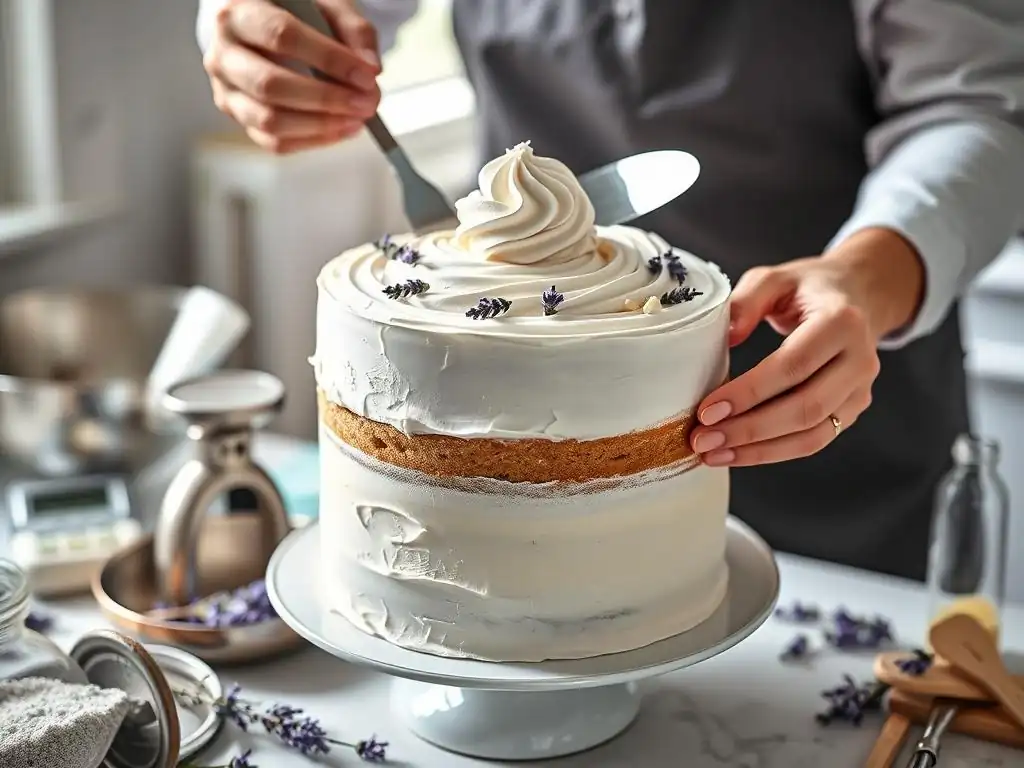
Swiss meringue buttercream's smooth texture and remarkable stability make it a dream to work with for cake decorating. It spreads beautifully for smooth finishes and holds sharp edges and intricate shapes when piped. Once you've mastered your Swiss meringue buttercream frosting recipe, you'll find it's incredibly versatile for frosting and filling all sorts of baked goods.
Because of its stability, SMBC is ideal for techniques like sharp edges, smooth sides, and complex piping designs. It doesn't crust like American buttercream, which means you have more time to work with it and can achieve a truly silky exterior. It also takes gel food coloring well, allowing for vibrant colors without adding excess liquid.
Piping Techniques: Swirls, Rosettes, and Borders
The structure of Swiss meringue buttercream makes it excellent for piping various designs. It holds its shape well, resulting in defined swirls, sharp rosettes, and clean borders. Use a piping bag fitted with your desired tip (e.g., a round tip for smooth swirls, a star tip for rosettes or borders).
Fill the piping bag, ensuring you don't overfill it, which makes it harder to control. Apply even pressure to pipe your designs. If the buttercream feels too soft for intricate work, chill the decorated cake or piped elements briefly in the refrigerator to help them set. Practice on a piece of parchment paper before piping onto your cake to get a feel for the consistency and pressure needed for different tips and designs. This reliable piping ability is a major reason bakers love using a good Swiss meringue buttercream frosting recipe.
Using SMBC for Cake Filling
Swiss meringue buttercream is also a fantastic choice for filling cake layers. Its smooth texture complements the cake layers beautifully, and its stability ensures that the layers won't shift or compress over time, which can sometimes happen with softer fillings.
To use SMBC as a cake filling, simply spread an even layer over your cake layers before stacking them. You can create a dam (a ring of buttercream piped around the edge of the layer) to hold in softer fillings like fruit curd or ganache if desired, although SMBC is usually stable enough on its own.
The amount needed for filling depends on how thick you want the layer, but a standard batch is typically sufficient for both filling and frosting a two or three-layer cake. Its less sweet profile also makes it a great balance to potentially sweeter cake recipes.
Coloring SMBC: Gel Food Coloring
Coloring Swiss meringue buttercream is straightforward, but it's best to use gel food coloring rather than liquid or powder food coloring. Liquid food coloring can add too much moisture, potentially affecting the buttercream's texture and stability. Gel colors are highly concentrated, allowing you to achieve vibrant hues with just a small amount.
Add gel food coloring a tiny bit at a time using a toothpick. Mix it into the buttercream on low speed with the paddle attachment until the color is evenly distributed. Remember that colors can deepen slightly as they sit. If you need a very deep color (like red or black), it's often easier to start with a base color (like pink or grey) and build from there, or use specialized "super red" or "super black" gel colors designed for achieving intense shades without using excessive amounts. Mix thoroughly to ensure no streaks remain.
Storing Swiss Meringue Buttercream
One of the convenient aspects of Swiss meringue buttercream is that it can be made ahead of time and stored for later use. Proper storage ensures that its texture and flavor are preserved. Knowing how to store and then properly prepare it for use after storage is key to saving time and reducing stress when decorating.
Whether you plan to use it in a few days or a few months, SMBC holds up well when stored correctly in the refrigerator or freezer. The key is to store it in an airtight container to prevent it from absorbing odors from the fridge or freezer and to protect its surface from drying out.
Refrigeration Guidelines
Swiss meringue buttercream can be stored in an airtight container in the refrigerator for up to 5-7 days. Before refrigerating, press a piece of plastic wrap directly onto the surface of the buttercream to prevent a skin from forming.
When you are ready to use refrigerated SMBC, it will likely be quite firm. Allow it to come to room temperature for several hours until it is soft enough to beat. Once it has softened, place it in your stand mixer fitted with the paddle attachment and beat on medium speed for several minutes. It may look curdled at first, but keep beating until it becomes smooth and silky again. If it seems too stiff, you can apply the gentle warming technique described in the troubleshooting section (warming a small portion and re-incorporating).
Freezing for Extended Storage
For longer storage, Swiss meringue buttercream freezes exceptionally well. Store it in an airtight container or a freezer-safe bag, pressing out as much air as possible, for up to 3 months. Again, placing plastic wrap directly on the surface before sealing the container is a good practice.
To use frozen SMBC, transfer the container to the refrigerator and let it thaw completely overnight. Once thawed, let it come to room temperature until softened (this can take several hours). Then, place the softened buttercream in your stand mixer with the paddle attachment and beat on medium speed until it is smooth and emulsified again. Just like with refrigerated SMBC, it might look curdled initially but will smooth out with continued beating.
Re-whipping After Thawing
Whether refrigerated or frozen and thawed, Swiss meringue buttercream almost always needs to be re-whipped before use. During chilling or freezing, the emulsion can break slightly, causing the buttercream to look curdled, stiff, or separated. This is completely normal.
Place the softened buttercream (at room temperature) in your stand mixer with the paddle attachment. Start mixing on low speed for a minute, then increase to medium speed. Beat for several minutes. The buttercream will likely look worse before it looks better – it might appear very broken or soupy. Keep beating! As the mixture warms slightly from the friction of the mixer and the components re-emulsify, it will magically transform back into that smooth, silky consistency you started with. This re-whipping step is essential for restoring the perfect texture of your stored Swiss meringue buttercream frosting recipe.
Buttercream Comparisons
Understanding the differences between various types of buttercream can help you choose the best one for your baking project. Swiss meringue buttercream (SMBC) is just one of several popular frosting styles, each with its own characteristics, making process, and ideal uses. Comparing SMBC to American, Italian meringue, and French buttercreams highlights its unique position in the world of frostings.
While all are used for frosting and filling cakes, their texture, sweetness level, and stability vary significantly. This comparison will help you appreciate why SMBC is often preferred for certain applications and how it stacks up against its counterparts. Knowing these differences is key to selecting the perfect frosting for your next baking adventure.
SMBC vs. American Buttercream: Texture and Sweetness
The most common type of frosting, American buttercream (ABC), is made by simply creaming together softened butter, powdered sugar, liquid (like milk or cream), and flavoring. This process is quick and easy but results in a frosting that is significantly sweeter and denser than SMBC, often with a slightly grainy texture due to the powdered sugar.
In contrast, Swiss meringue buttercream, made with a cooked meringue base and granulated sugar, is much less sweet, lighter, and incredibly smooth and silky. ABC is known for forming a crust when exposed to air, which can be desirable for some decorating techniques but less so for a smooth finish. SMBC does not crust and remains soft and pliable.
While ABC is faster to make, SMBC offers a more refined texture and balanced sweetness, making it a preferred choice for elegant desserts and those who find ABC too sweet. A classic Swiss meringue buttercream frosting recipe prioritizes smoothness over speed.
SMBC vs. Italian Meringue Buttercream: Process and Stability
Italian meringue buttercream (IMBC) is very similar to SMBC in texture and stability. Both are meringue-based buttercreams and are known for being smooth, silky, less sweet than ABC, and very stable. The primary difference lies in how the meringue is made. While SMBC involves heating egg whites and sugar over a bain-marie, IMBC is made by pouring a hot sugar syrup (heated to the soft-ball stage, typically 238-245°F or 114-118°C) into already whipped raw egg whites while the mixer is running.
This hot syrup cooks the egg whites as it's poured in, creating a stable meringue. Like SMBC, butter is then added to the cooled meringue. IMBC is often considered slightly more stable than SMBC due to the higher sugar syrup temperature, but the process of making the hot sugar syrup can be intimidating for beginners. Both yield a stable, pipeable, and smooth frosting, making the choice between them often a matter of preferred technique or comfort level with hot sugar syrup.
SMBC vs. French Buttercream: Richness and Egg Yolks
French buttercream differs significantly from both Swiss and Italian meringue buttercreams because it uses egg yolks instead of egg whites as its base. A hot sugar syrup (similar temperature to IMBC) is streamed into whipped egg yolks (or sometimes whole eggs), creating a rich, custard-like base called a pâte à bombe. Softened butter is then whipped into this cooled base.
The inclusion of egg yolks gives French buttercream a distinctly rich flavor and a pale yellow color. It is incredibly smooth and luxurious, perhaps even more so than SMBC, but it is generally less stable than meringue-based buttercreams. Its richness makes it wonderful for fillings and certain types of cakes, but its lower stability means it's less suited for intricate piping or use in warm environments compared to a reliable Swiss meringue buttercream frosting recipe. It's also often richer and slightly sweeter than SMBC.
Frequently Asked Questions
What is Swiss Meringue Buttercream (SMBC) frosting?
Swiss Meringue Buttercream (SMBC) is a type of frosting made by cooking egg whites and sugar over a double boiler, then whipping it into a meringue and gradually adding butter. It's known for its silky smooth texture and less sweet taste compared to American buttercream. It is a stable and versatile frosting.
Why is Swiss Meringue Buttercream considered more difficult to make than other frostings?
SMBC involves a few more steps and requires careful attention to temperature and technique. The initial cooking of the egg whites and sugar needs to reach a specific temperature to be safe. Getting the right consistency is key to success.
What makes Swiss Meringue Buttercream so appealing to bakers?
Despite the slightly more complex process, SMBC is highly valued for its smooth, non-greasy texture and its ability to hold its shape well, making it ideal for piping intricate designs. It's also less sweet and more flavorful than other buttercreams.
What are some common problems people encounter when making Swiss Meringue Buttercream?
Common issues include a grainy texture (often caused by undissolved sugar), a curdled appearance (due to adding butter too quickly or at the wrong temperature), or a soupy consistency. Proper temperature control is crucial to avoid these problems.
Can Swiss Meringue Buttercream be flavored and colored?
Yes, absolutely! SMBC is very receptive to flavors like vanilla extract, fruit purees, chocolate, and extracts. It can also be easily colored using gel food coloring to achieve a wide range of vibrant shades.
Final Reflection: The Enduring Allure of Perfect Buttercream
The pursuit of the perfect Swiss meringue buttercream is more than just a recipe; it's a journey into the heart of baking artistry. This seemingly simple frosting, with its impossibly smooth texture and delicate sweetness, represents a commitment to quality and precision that elevates any cake from good to extraordinary. The demand for this technique, as evidenced by the continued popularity of searches for "Swiss meringue buttercream frosting recipe," highlights its enduring appeal and the desire for bakers of all levels to master this classic.
The impact of this technique extends beyond the simple act of frosting a cake. It speaks to a deeper cultural appreciation for handcrafted goods and the satisfaction derived from creating something beautiful and delicious with one's own hands. The best things in life are homemade,
a sentiment echoed across generations, perfectly encapsulates the enduring appeal of this method. The meticulous process, from whisking egg whites over a double boiler to the gradual incorporation of butter, fosters a sense of accomplishment and connection to a rich culinary tradition.
Now, consider your own baking journey. Will you embrace the challenge of mastering Swiss meringue buttercream? The rewards are immeasurable: the pride in creating a truly exceptional frosting, the joy of sharing your creations with loved ones, and the lasting satisfaction of knowing you've perfected a technique that stands the test of time. Don't just bake a cake – create a masterpiece. The silky smooth perfection awaits.
Unleash Your Inner Pastry Chef!
Thanks for joining us on this delicious journey into the world of Swiss meringue buttercream! We hope you've gained the confidence to tackle this seemingly intimidating frosting. Now it's time to put your newfound skills to the test.
- Whipp up your first batch: Grab those ingredients and let's make some magic! Follow the recipe again, this time focusing on the feel and consistency of the meringue.
- Share your creation: Show off your perfectly smooth buttercream masterpiece on social media using #BakeWithEaseSwissMeringue!
- Experiment with flavors: Try adding extracts, cocoa powder, or even fruit purees to customize your buttercream – the possibilities are endless!
Ready to transform your baking game? What unique flavor combination will you create first?