
The Importance of Sifting Sugar for Smooth Buttercream

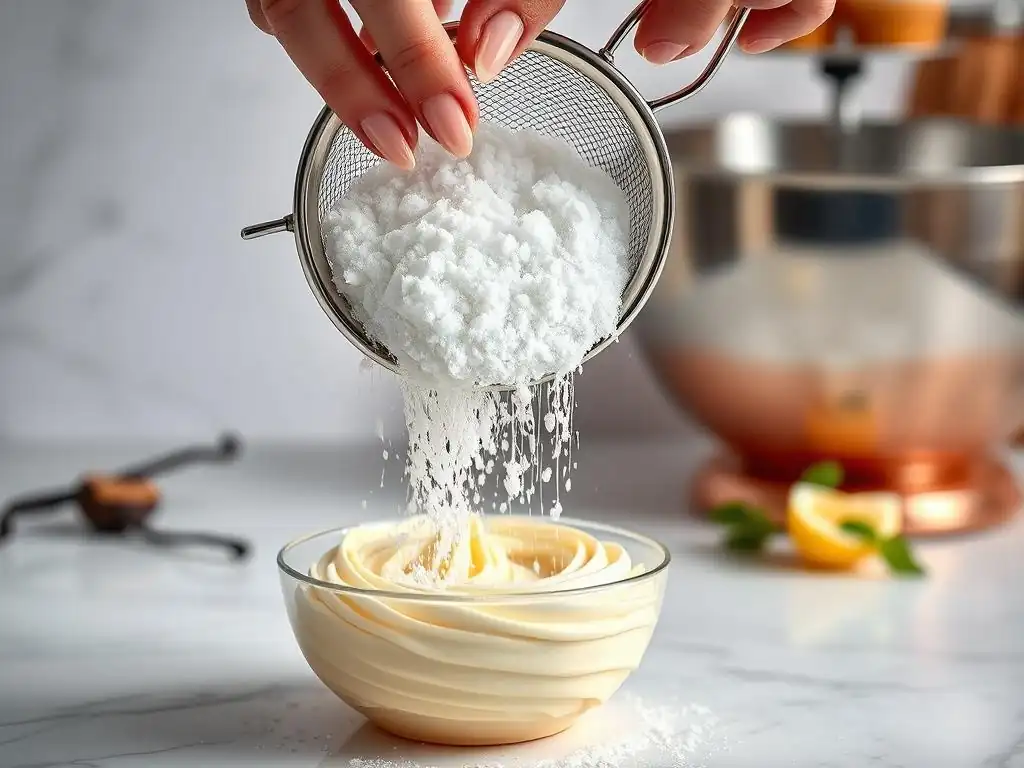
Welcome to BakeWithEase, your trusted guide to baking bliss! Ever wondered why your buttercream sometimes turns out grainy? Discover the secret to achieving that flawlessly smooth texture in our latest article: The Importance of Sifting Sugar for Smooth Buttercream. Unlock the pro tips that will transform your intermediate baking skills and elevate your desserts to a whole new level of deliciousness. Ready to create buttercream perfection? Let's get started!
- The Importance of Sifting Powdered Sugar for Smooth Buttercream
- Why Sifting Powdered Sugar is Crucial for Flawless Buttercream
- Understanding the Science Behind Sifting Powdered Sugar
- Sifting Powdered Sugar: A Step-by-Step Guide
- Sifting Powdered Sugar: Impact on Different Buttercream Types
- Troubleshooting Buttercream Problems: Is Unsifted Sugar the Culprit?
- Alternatives to Sifting Powdered Sugar
- Powdered Sugar Buttercream Recipe: Mastering the Technique
- Tips and Tricks for Perfectly Sifted Sugar
- Conclusion: The Secret to Smooth Buttercream is Sifting
- Frequently Asked Questions
- Final Reflection: The Sweet Science of Smooth Buttercream
- Unlock Perfectly Smooth Buttercream: Your Baking Upgrade Awaits!
The Importance of Sifting Powdered Sugar for Smooth Buttercream
Why Sifting Powdered Sugar is Crucial for Flawless Buttercream
Achieving that perfectly smooth, melt-in-your-mouth texture in your buttercream frosting is the ultimate goal for many bakers. Whether you're decorating a birthday cake, filling cupcakes, or topping cookies, the consistency of your buttercream makes a huge difference in both appearance and taste. While many factors contribute to great buttercream, one simple step often overlooked, especially in a powdered sugar buttercream recipe, is sifting the powdered sugar.
Ignoring this step can lead to frustrating issues like lumps, graininess, and a less appealing mouthfeel. Just imagine biting into a seemingly smooth frosting only to encounter a hard chunk of sugar! Sifting powdered sugar is a fundamental technique that elevates your buttercream from good to truly exceptional. It's a small investment of time that pays off significantly in the final result, ensuring your frosting is consistently smooth and easy to work with, whether you're spreading, piping, or just enjoying it by the spoonful.
Understanding the Science Behind Sifting Powdered Sugar
Preventing Lumps and Clumps
Powdered sugar, also known as confectioners' sugar or icing sugar, is essentially granulated sugar that has been ground into a fine powder. To prevent it from clumping, a small amount of cornstarch (typically around 3%) is often added. However, even with the cornstarch, powdered sugar can absorb moisture from the air during storage, causing the fine particles to stick together and form hard lumps. These lumps are resistant to breaking down during mixing, especially in a cold or stiff buttercream.
When you sift powdered sugar, you are physically breaking up these clumps. The sugar passes through a fine mesh sieve, separating the individual sugar particles and leaving behind any hardened aggregates or foreign particles that may have found their way into the sugar. This ensures that when the sugar is incorporated into your butter and liquid, it dissolves or disperses evenly, preventing those unpleasant grainy or lumpy textures that can ruin a smooth powdered sugar buttercream recipe.
Achieving a Uniform Texture
Beyond just removing lumps, sifting contributes significantly to the overall uniform texture of the buttercream. The process aerates the sugar slightly, separating each particle and making it easier for the fat (butter or shortening) and liquid (milk, cream, or water) to coat each sugar crystal evenly during mixing. This results in a more homogenous mixture where the sugar is consistently distributed throughout the frosting base.
A uniform texture is critical for both aesthetics and functionality. For instance, when piping, a smooth, consistent buttercream flows cleanly through the tip, creating sharp lines and defined shapes. A grainy or lumpy frosting can clog the tip, cause breaks in the piping, and result in a messy, unprofessional finish. By sifting, you lay the groundwork for a stable, predictable buttercream that behaves beautifully, making decoration much easier and more enjoyable.
Air Incorporation: Light and Airy Buttercream
While not the primary goal of sifting powdered sugar, the process does introduce a small amount of air into the sugar itself. As the fine sugar particles fall through the sieve, they are separated and fluffed up slightly. This aeration contributes to a lighter texture in the final buttercream, especially when combined with the air incorporated during the creaming of butter and the whisking of the overall mixture.
Think of it this way: unsifted sugar is denser, with particles packed together. Sifting fluffs it up, increasing its volume slightly (often by 10-15% depending on how packed the sugar was initially). This subtle aeration helps create a buttercream that feels less heavy and dense on the palate. While whipping the buttercream extensively is the main way to incorporate air for lightness, starting with sifted sugar gives you a better foundation for a truly light and airy frosting, enhancing the overall appeal of your powdered sugar buttercream recipe.
Sifting Powdered Sugar: A Step-by-Step Guide
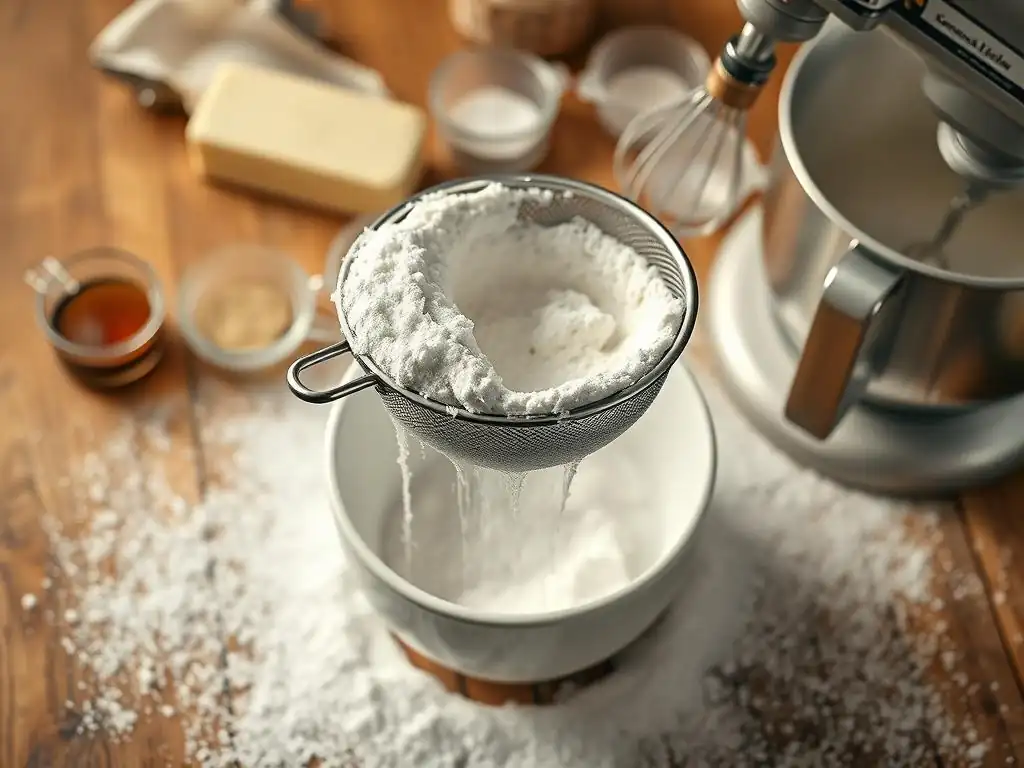
What You'll Need: Sifter, Powdered Sugar, and Mixing Bowl
To properly sift powdered sugar for your buttercream, you only need a few basic tools.
- A Sifter or Fine-Mesh Sieve: This is the most important tool. You can use a traditional crank sifter, a squeeze-handle sifter, or simply a fine-mesh sieve. A sieve is often the easiest to clean and store. Choose one with a mesh fine enough to catch small clumps but large enough to allow the fine sugar powder to pass through easily.
- Powdered Sugar: The amount required will depend on your specific powdered sugar buttercream recipe.
- A Mixing Bowl or Large Piece of Parchment Paper: You'll need something underneath the sifter to catch the sifted sugar. A mixing bowl is convenient if you're adding it directly to your recipe ingredients, while parchment paper allows you to easily transfer the sifted sugar or measure it more accurately after sifting.
The Correct Sifting Technique
Sifting powdered sugar is straightforward, but a consistent technique helps ensure the best results.
- Measure: Measure the required amount of unsifted powdered sugar into your sifter or sieve. Do not pack the sugar into the measuring cup; spoon it lightly in and level it off, as sifting will add volume.
- Position: Hold the sifter or sieve over your designated bowl or parchment paper.
- Sift: If using a crank or handle sifter, operate the mechanism to push the sugar through the mesh. If using a fine-mesh sieve, gently tap the side of the sieve or use a spoon or spatula to help push the sugar through. Do not force large clumps through the mesh; these should be discarded.
- Collect: Allow all the sugar to pass through the mesh into the bowl or onto the parchment paper.
- Measure Again (Optional but Recommended): If your recipe calls for a specific volume of sifted powdered sugar, measure the sugar after sifting. Spoon the sifted sugar lightly into your measuring cup and level gently. Sifted sugar takes up more volume than unsifted sugar, so this step is crucial for accuracy in a powdered sugar buttercream recipe.
Avoiding Common Mistakes
Even a simple task like sifting can have pitfalls. Here are a few common mistakes to avoid:
- Sifting Directly into Wet Ingredients: Sift the sugar into a separate bowl or onto parchment first. This allows you to easily spot and discard any remaining lumps and also prevents the sugar from clumping immediately upon hitting wet ingredients before it's fully broken down.
- Forcing Lumps Through the Sieve: Don't try to push stubborn, hard lumps through the mesh. This can damage your sieve and defeats the purpose of removing the clumps. Discard any lumps that remain in the sifter.
- Not Sifting Enough: Some recipes might suggest sifting, but bakers skip it. Remember, the goal is smoothness. If you want truly smooth buttercream, sifting is non-negotiable.
- Measuring Before vs. After Sifting: Pay close attention to your powdered sugar buttercream recipe. Does it call for 4 cups of unsifted or 4 cups of sifted powdered sugar? There's a significant difference in weight and volume. Always measure according to the recipe's specification, and if it doesn't specify, measuring after sifting is generally safer for consistency, though weighing is always the most accurate method.
Sifting Powdered Sugar: Impact on Different Buttercream Types
The impact of sifting powdered sugar varies slightly depending on the type of buttercream you're making, but it's almost always beneficial for achieving optimal texture.
American Buttercream
American buttercream, the simplest type, is made by creaming together butter, powdered sugar, liquid (like milk or cream), and flavoring. Because powdered sugar is the primary structural component and is added directly to the fat and liquid without being heated, the quality and consistency of the sugar are paramount. Unsifted sugar in American buttercream is the most common cause of graininess and lumps.
In this type of buttercream, sifting is arguably the most critical step involving the sugar. It ensures that the fine sugar particles disperse evenly in the butter and liquid, creating that signature smooth, rich texture. Without sifting, you're almost guaranteed to have a noticeably grainy or lumpy frosting, regardless of how long you mix it. For any powdered sugar buttercream recipe, especially American style, sifting is non-negotiable for a professional finish.
Italian Meringue Buttercream: Silky Smoothness
Italian meringue buttercream is made by pouring a hot sugar syrup into whipped egg whites (meringue), then beating in soft butter. While the bulk of the sweetness comes from the sugar syrup, some recipes, or variations used for specific purposes, might call for a small amount of powdered sugar for added structure or sweetness.
If powdered sugar is used in an Italian meringue buttercream recipe, sifting is still highly recommended. Although the hot syrup helps dissolve granulated sugar in the meringue, any powdered sugar added later can introduce lumps if not sifted. Sifting ensures that these fine sugar particles blend seamlessly into the smooth meringue and butter base, maintaining the characteristic silky texture of this elegant frosting. While less critical than in American buttercream where powdered sugar is the main sweetener, sifting contributes to the overall refined consistency.
Swiss Meringue Buttercream: Finely Sifted Sugar
Swiss meringue buttercream involves heating egg whites and granulated sugar over a double boiler until the sugar dissolves, whipping this mixture into a meringue, and then beating in soft butter. Like Italian meringue buttercream, the primary sweetener is granulated sugar dissolved via heat.
However, some variations or finishing techniques might incorporate a small amount of powdered sugar. If your Swiss meringue buttercream recipe calls for powdered sugar, ensure it is finely sifted. Adding unsifted powdered sugar to the delicate, airy meringue base can easily introduce undesirable graininess or small lumps that detract from the buttercream's smooth, luxurious mouthfeel. Sifting guarantees that any added powdered sugar integrates smoothly, preserving the light and silky texture that Swiss meringue buttercream is known for.
French Buttercream: Perfection Through Sifting
French buttercream is made by whisking hot sugar syrup into egg yolks, then beating in soft butter. It's known for its rich, custard-like texture and deep yellow hue. Like the other meringue-based buttercreams, the main sugar component is granulated sugar dissolved in a syrup.
Again, while not always present, some French buttercream recipes might include a small amount of powdered sugar, perhaps for stability or slight sweetness adjustment. If powdered sugar is part of the recipe, sifting is essential. Adding fine, sifted powdered sugar ensures it blends perfectly into the smooth, emulsified base of the egg yolks and butter. This prevents any potential graininess or small hard spots that could disrupt the otherwise velvety texture of this decadent frosting. For any buttercream recipe using powdered sugar, regardless of type, sifting is a step towards perfection.
Troubleshooting Buttercream Problems: Is Unsifted Sugar the Culprit?
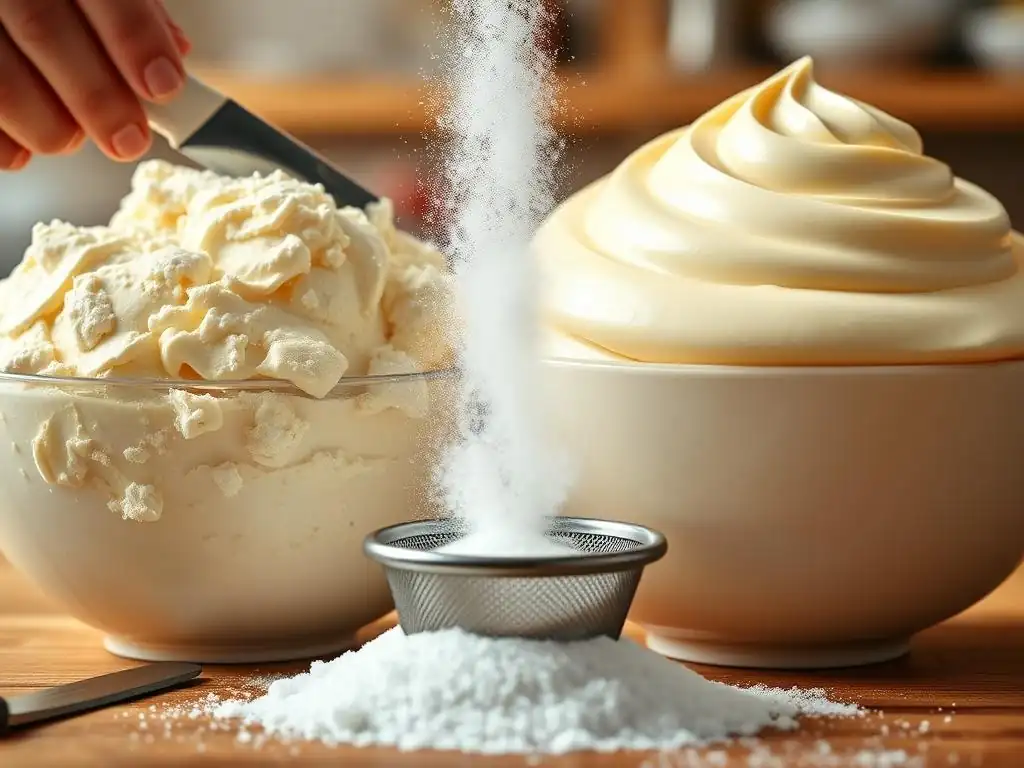
Many common buttercream issues can be traced back to using unsifted powdered sugar. Understanding these problems highlights just how important this simple step is.
Lumpy Buttercream: Prevention Through Sifting
Lumps are perhaps the most obvious sign that your powdered sugar was not properly sifted. These hard little nuggets are simply clumps of compressed powdered sugar that didn't break down during the mixing process. They create an unpleasant texture and can ruin the appearance of a smooth frosting, especially when spread or piped.
Sifting directly addresses this issue by breaking up these clumps before the sugar is added to the wet and fatty ingredients. Once sugar clumps get wet, they become much harder to dissolve or break apart through mechanical mixing alone, particularly in a thick buttercream consistency. By sifting, you ensure that only fine, separated sugar particles are introduced, guaranteeing a lump-free result in your powdered sugar buttercream recipe.
Grainy Buttercream: The Sifting Solution
Graininess is a slightly different problem from lumps, often resulting from sugar particles that haven't fully dissolved or are inconsistently dispersed. While sometimes caused by under-mixing or adding sugar too quickly, using unsifted sugar significantly increases the risk of graininess. Unsifted sugar can contain particles of varying sizes (even within the "powdered" category) and micro-clumps that don't fully smooth out.
Sifting helps achieve a more uniform particle size distribution and ensures each particle is separated. This allows the fat and liquid in the buttercream to coat and interact with the sugar more effectively and evenly during mixing. The result is a significantly smoother texture where the sugar feels like it's melting into the butter, rather than sitting as distinct, gritty particles on the tongue. A truly smooth powdered sugar buttercream recipe relies on this foundational step.
When to Re-Sift
Sometimes, even sugar from a fresh bag can benefit from sifting, especially if you live in a humid environment or the sugar has been stored for a while. But when should you consider sifting twice?
- Very Old or Poorly Stored Sugar: If your powdered sugar is quite old or has been stored in a humid pantry, it's highly likely to contain more and harder clumps. Sifting once will remove the largest clumps, but a second sift can help break down smaller aggregates and ensure maximum aeration and smoothness.
- Humidity: In very humid conditions, sugar can start clumping almost immediately after opening the bag. Sifting just before adding it to your recipe minimizes the chance of new clumps forming.
- Seeking Utmost Smoothness: For professional-level decorating or when an absolutely flawless, silky-smooth buttercream is essential (like for covering a tiered cake or intricate piping), a second sift provides an extra layer of assurance against any textural imperfections. While one sift is usually sufficient for a home baker, re-sifting is an option for peak performance in any powdered sugar buttercream recipe.
Alternatives to Sifting Powdered Sugar
While sifting is the gold standard for achieving smooth buttercream, there are a couple of alternative methods to consider if you're in a pinch, though they may not be as effective as proper sifting.
Using a Food Processor for Fine Sugar
If you don't have a sifter or sieve, you can attempt to process your powdered sugar in a food processor or high-speed blender. Add the powdered sugar to the container and pulse it for 30-60 seconds. This process can help break up clumps and further refine the sugar particles.
However, be aware that this method can sometimes generate heat, which isn't ideal. It also doesn't remove any foreign particles or large, hard clumps as effectively as passing the sugar through a physical mesh. While it can improve the texture of unsifted sugar, it's generally not a perfect substitute for sifting, especially if your sugar is very clumpy.
Store-Bought Superfine Sugar: A Substitute?
Some grocery stores sell "superfine" or "caster" sugar. This is granulated sugar that has been ground more finely than regular granulated sugar but is not the same as powdered sugar. Powdered sugar is significantly finer and contains cornstarch (unless specified otherwise) to prevent clumping.
You cannot directly substitute superfine granulated sugar for powdered sugar in most buttercream recipes, especially American buttercream. The particle size is too large, and it will result in a very grainy texture that no amount of mixing can fix. While sifting powdered sugar aims to make it like superfine powder, superfine granulated sugar itself is not a substitute for powdered sugar in a buttercream recipe.
Using a Stand Mixer with the Paddle Attachment
Some bakers believe that simply beating the powdered sugar into the butter for an extended period in a stand mixer will break down any clumps. While vigorous mixing with a paddle attachment can help disperse some smaller aggregates, it is often insufficient to break down hard lumps formed by moisture absorption.
Mixing unsifted sugar for longer can incorporate more air, but it doesn't physically remove the clumps. You'll likely still end up with noticeable bits of hard sugar in your otherwise smooth frosting. Relying solely on the mixer is a gamble; sifting first ensures the sugar is ready to be incorporated smoothly from the start, making the mixing process more efficient and effective for achieving a perfect powdered sugar buttercream recipe.
Powdered Sugar Buttercream Recipe: Mastering the Technique
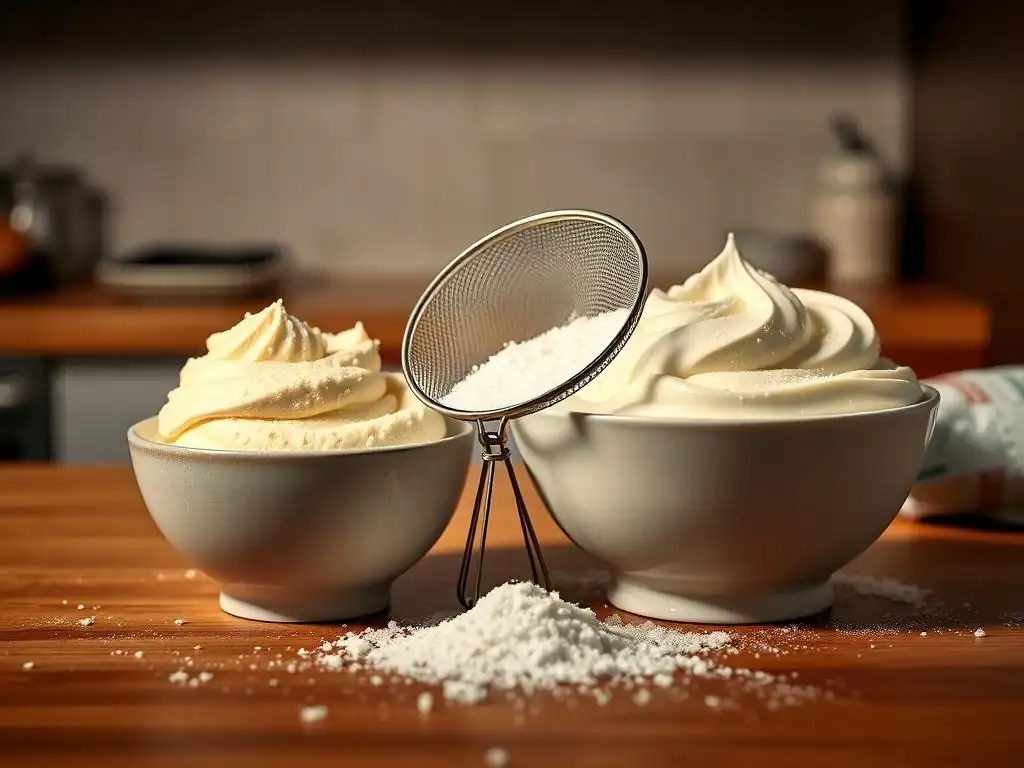
Here is a basic powdered sugar buttercream recipe that emphasizes the importance of sifting for a smooth finish. This is a classic American-style buttercream, where sifting is crucial.
Recipe Introduction
This recipe yields a smooth, delicious vanilla buttercream perfect for cakes, cupcakes, and cookies. The key to its silky texture lies in properly sifting the powdered sugar. It's a simple recipe, but paying attention to the details, especially the sugar preparation, makes all the difference.
Recipe Ingredients List
- 1 cup (2 sticks) unsalted butter, softened to room temperature
- 4 cups (approx. 450g) powdered sugar
- 1/4 cup milk or heavy cream (or a non-dairy alternative)
- 1 teaspoon vanilla extract
- Pinch of salt (optional, balances sweetness)
Recipe Instructions with Emphasis on Sifting
Here are the steps for your smooth powdered sugar buttercream recipe:
- Prepare the Butter: In a large mixing bowl or the bowl of a stand mixer fitted with the paddle attachment, beat the softened butter on medium speed until creamy and pale, about 2-3 minutes. Scrape down the sides and bottom of the bowl.
- Sift the Powdered Sugar: Place a fine-mesh sieve over a separate medium bowl or a large piece of parchment paper. Measure the 4 cups of powdered sugar and add it to the sieve. Gently tap the sieve or use a spoon to push the sugar through, leaving any lumps behind. Discard the lumps. This is the crucial step for smooth buttercream!
- Add Sugar Gradually: With the mixer on low speed, gradually add the sifted powdered sugar to the creamed butter, about 1 cup at a time. Mix until just combined after each addition. Scrape down the bowl as needed. Adding sugar too quickly can create a cloud of sugar dust and make mixing difficult.
- Add Liquid and Flavoring: Once all the sifted sugar is incorporated, add the milk (or cream) and vanilla extract. Add the pinch of salt if using.
- Beat for Smoothness: Increase the mixer speed to medium-high. Beat the buttercream for 3-5 minutes. This step is vital for achieving a light and airy texture and helping the sifted sugar fully integrate. The mixture should become noticeably lighter in color and texture. Scrape down the bowl periodically.
- Adjust Consistency: If the buttercream is too thick, add milk or cream, 1 teaspoon at a time, beating until the desired consistency is reached. If it's too thin, you can add a tablespoon or two more sifted powdered sugar and beat again.
- Use or Store: Your smooth buttercream is now ready to use!
- [x] Ensure butter is properly softened
- [x] Sift powdered sugar completely
- [x] Add sifted sugar gradually
- [x] Beat for recommended time to achieve smoothness
- [ ] Adjust consistency as needed
Tips and Tricks for Perfectly Sifted Sugar
Mastering the art of sifting powdered sugar is simple with a few helpful tips.
Choosing the Right Sifter
The type of sifter you use can impact your experience.
- Crank Sifters: Traditional and effective, but can be a bit cumbersome to clean. Good for sifting larger quantities.
- Squeeze-Handle Sifters: Easy to operate with one hand, but the mechanism can sometimes get stiff.
- Fine-Mesh Sieves: Versatile, easy to clean, and often the most affordable option. You can use a spoon or spatula to help push the sugar through. Look for one with a mesh fine enough to catch small clumps (around 40-60 mesh is good for sugar). A sieve is often preferred by professionals for its simplicity and effectiveness when preparing powdered sugar for a smooth buttercream recipe.
Consider the amount of baking you do and your comfort level with each type when choosing.
Storing Sifted Sugar
Once powdered sugar is sifted, it's more exposed to the air and can potentially re-absorb moisture and clump again, though usually less severely than before the initial sifting.
If you need to sift sugar in advance, store it immediately in an airtight container. A zip-top bag with the air squeezed out or a rigid container with a tight-fitting lid works well. Keep it in a cool, dry place. While pre-sifting is possible, sifting just before adding the sugar to your buttercream recipe is always the best practice for guaranteeing the smoothest possible result.
Measuring Sifted Sugar Accurately
As mentioned earlier, sifted sugar takes up more volume than unsifted sugar. A cup of unsifted powdered sugar can weigh around 110-125 grams, while a cup of sifted powdered sugar might weigh only 90-110 grams. This difference is significant in a recipe requiring multiple cups.
To measure sifted sugar accurately, sift the required amount onto parchment paper or into a large bowl first. Then, gently spoon the sifted sugar into your dry measuring cup until it's overflowing. Level off the excess with a straight edge (like the back of a knife) without tapping or packing the sugar down. Alternatively, use a kitchen scale to weigh the sugar after sifting, which is the most accurate method regardless of whether the sugar is sifted or not. Always refer to your powdered sugar buttercream recipe to see if it specifies "sifted" or "unsifted" measurements.
Conclusion: The Secret to Smooth Buttercream is Sifting
Achieving a truly smooth, professional-quality buttercream isn't a mystery; it's often the result of paying attention to fundamental techniques. As we've explored, sifting powdered sugar is one of the most critical steps in any powdered sugar buttercream recipe aiming for a flawless texture.
By preventing lumps, ensuring uniform particle distribution, and adding a touch of aeration, sifting transforms potentially grainy or lumpy sugar into a fine, ready-to-mix ingredient. This simple act guarantees a smooth, creamy, and delightful frosting that spreads and pipes beautifully. So, the next time your powdered sugar buttercream recipe calls for sugar, remember the importance of the sieve. It's the small effort that yields big results – the secret to buttercream perfection is simply sifting.
Frequently Asked Questions
How does sifting sugar impact the texture of buttercream?
Sifting sugar removes lumps and impurities, resulting in a smoother buttercream. This prevents a gritty texture and ensures a silky final product.
Why is a smooth buttercream important in baking?
A smooth buttercream is crucial for aesthetically pleasing and delicious desserts. It provides a professional finish and a pleasant mouthfeel.
Can I skip sifting the sugar when making buttercream?
While you can skip it, the buttercream might be grainy and less smooth. For the best results, especially in a sifting sugar buttercream recipe, sifting is recommended.
What type of sugar is most important to sift for buttercream?
Powdered sugar (also called confectioners' sugar) is the most crucial to sift. It tends to clump more than granulated sugar, impacting buttercream consistency.
Besides sifting, what else contributes to a smooth buttercream?
Using room temperature butter, incorporating ingredients gradually, and whipping the buttercream for an extended period all contribute to achieving a smooth and creamy texture.
Final Reflection: The Sweet Science of Smooth Buttercream
The seemingly simple act of sifting sugar dramatically elevates the texture of buttercream, transforming it from grainy and coarse to luxuriously smooth. This seemingly minor detail, often overlooked in countless recipes, holds the key to unlocking a truly professional-quality frosting, impacting not just the taste but the overall aesthetic appeal of your baked creations.
The impact of this seemingly small step extends far beyond the individual baker. It speaks to a larger appreciation for detail and precision in culinary arts. The pursuit of perfection, even in something as seemingly insignificant as sifting sugar, reflects a dedication to craftsmanship and a commitment to excellence. The difference between ordinary and extraordinary is that little extra.
This quote perfectly encapsulates the transformative power of sifting sugar in buttercream, elevating a simple dessert into something truly special.
Now, consider your own baking journey. Will you continue to overlook this simple yet powerful technique, or will you embrace the challenge of achieving that flawlessly smooth buttercream? Take the time to sift your sugar next time – you might be surprised by the difference it makes, not just in the taste and texture, but in your overall satisfaction with the baking process. The pursuit of culinary excellence begins with the smallest details, and the smooth, cloud-like texture of perfectly sifted buttercream is a testament to that truth.
Unlock Perfectly Smooth Buttercream: Your Baking Upgrade Awaits!
Thanks for taking the time to learn about the secrets to unbelievably smooth buttercream! We hope you gained valuable insights into the power of sifted sugar. Now it's time to put your newfound knowledge into action.
- Try sifting your sugar for your next buttercream recipe: Notice the immediate difference in texture and consistency. It's a game-changer!
- Share your buttercream creations on social media and tag us! Let's see those flawlessly smooth masterpieces! #BakeWithEase #SiftedSugarSecret
- Explore other BakeWithEase articles on advanced baking techniques to elevate your skills.
Ready to experience the difference? What’s your favorite buttercream flavor to perfect with this newfound knowledge?