
Buttercream for Naked Cakes: Getting the Right Consistency

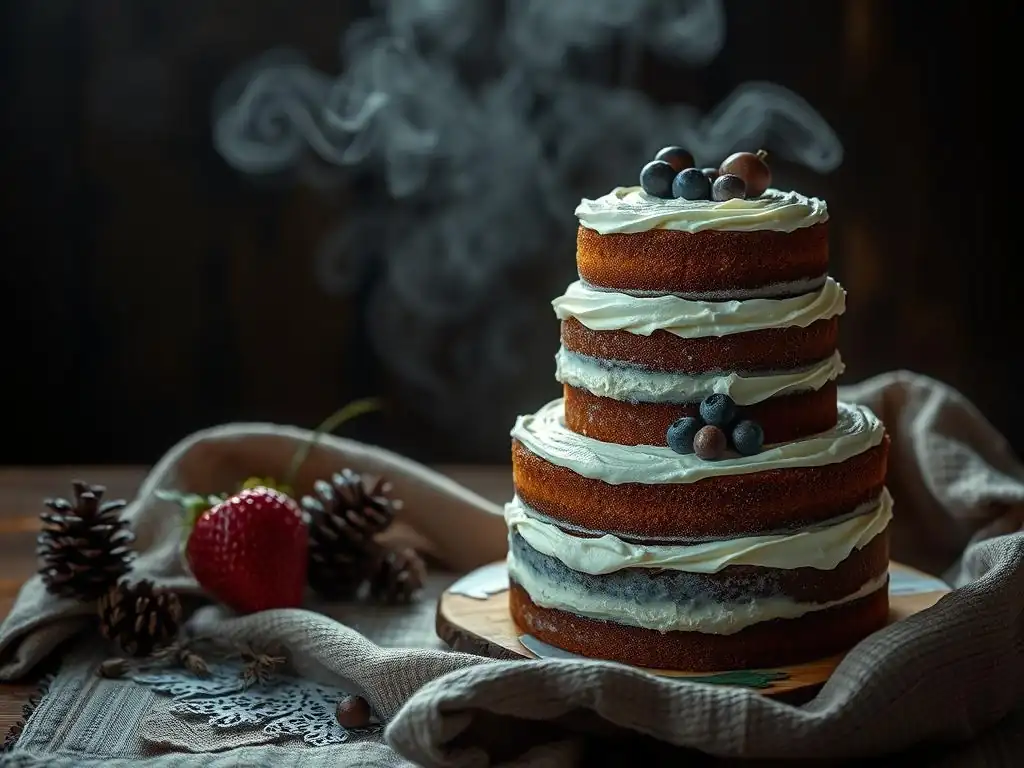
Welcome to BakeWithEase, where baking dreams become delicious reality! Ever wondered how to achieve that flawless, rustic charm of a naked cake? The secret lies in the buttercream consistency. Unlocking the perfect texture is crucial, and we're here to guide you. Discover the tips and tricks to master the art of naked cake buttercream, ensuring your creation is not only beautiful but tastes divine. Intrigued? Let's dive in and explore the secrets to buttercream bliss!
- Buttercream for Naked Cakes: Achieving the Right Consistency
- Introduction to Naked Cakes and Buttercream Frosting
- Achieving the Ideal Naked Cake Buttercream Consistency: A Step-by-Step Guide
- Techniques for Applying Buttercream to Naked Cakes
- Buttercream Flavor Variations for Naked Cakes
- Tips and Tricks for Maintaining Perfect Buttercream Consistency
- Conclusion: Mastering Naked Cake Buttercream Consistency
-
Frequently Asked Questions
- What is the ideal buttercream consistency for a naked cake?
- Why is buttercream consistency so important for naked cakes?
- How can I fix buttercream that's too thick for my naked cake?
- What if my buttercream is too thin for a naked cake?
- Are there any special buttercream types recommended for naked cakes?
- Final Reflection: The Art and Science of Naked Cake Buttercream
- Unlock Your Naked Cake's Potential: Master the Perfect Buttercream!
Buttercream for Naked Cakes: Achieving the Right Consistency
Introduction to Naked Cakes and Buttercream Frosting
The Allure of Naked Cakes: A Minimalist Baking Trend
Naked cakes have soared in popularity over recent years, becoming a staple in wedding, birthday, and special occasion celebrations. Their defining characteristic is the intentional reduction or complete absence of exterior frosting, allowing the beautiful cake layers and fillings to be partially or fully visible. This minimalist aesthetic offers a rustic yet elegant charm that appeals to modern tastes, moving away from the heavily frosted cakes of the past.
The trend emphasizes the natural beauty of the cake itself – the texture of the sponge, the vibrant color of the filling, and the slight imperfection that comes with a handmade dessert. It requires a certain level of precision in baking the layers evenly and assembling them neatly, as there's no thick layer of frosting to hide imperfections. This focus on the cake's structure and ingredients makes the naked cake a true celebration of baking craftsmanship.
Why Buttercream is the Perfect Frosting Choice for Naked Cakes
Buttercream is the quintessential frosting for naked cakes for several compelling reasons. Its creamy texture and rich flavor provide a delicious contrast to the cake layers. Unlike ganache or fondant, buttercream offers a versatility in consistency that is crucial for achieving the signature look of a naked cake, whether it's a subtle scrape or a more visible layer between tiers.
Furthermore, buttercream is relatively easy to work with for achieving the 'naked' effect. It can be applied thinly and scraped back, or used sparingly between layers. The way it interacts with the cake's surface allows for that desirable rustic, slightly imperfect finish. Its ability to hold its shape when chilled also makes it ideal for stacking multiple cake layers securely.
Understanding the Importance of Buttercream Consistency for Naked Cakes
The success of a beautiful naked cake hinges significantly on the consistency of the buttercream. If the buttercream is too stiff, it will be difficult to spread thinly and evenly, potentially tearing the delicate cake layers. If it's too thin, it won't provide adequate support between layers, leading to potential sagging, and it won't cling properly to the sides for that characteristic scraped look.
Achieving the perfect naked cake buttercream consistency is a balance. You need it spreadable enough to work with easily, but firm enough to provide structural integrity and hold whatever minimal shape or texture you apply to the exterior. The right consistency ensures a clean, professional look while allowing the cake layers to remain the star of the show. Mastering this is key to elevating your naked cake creations.
Achieving the Ideal Naked Cake Buttercream Consistency: A Step-by-Step Guide
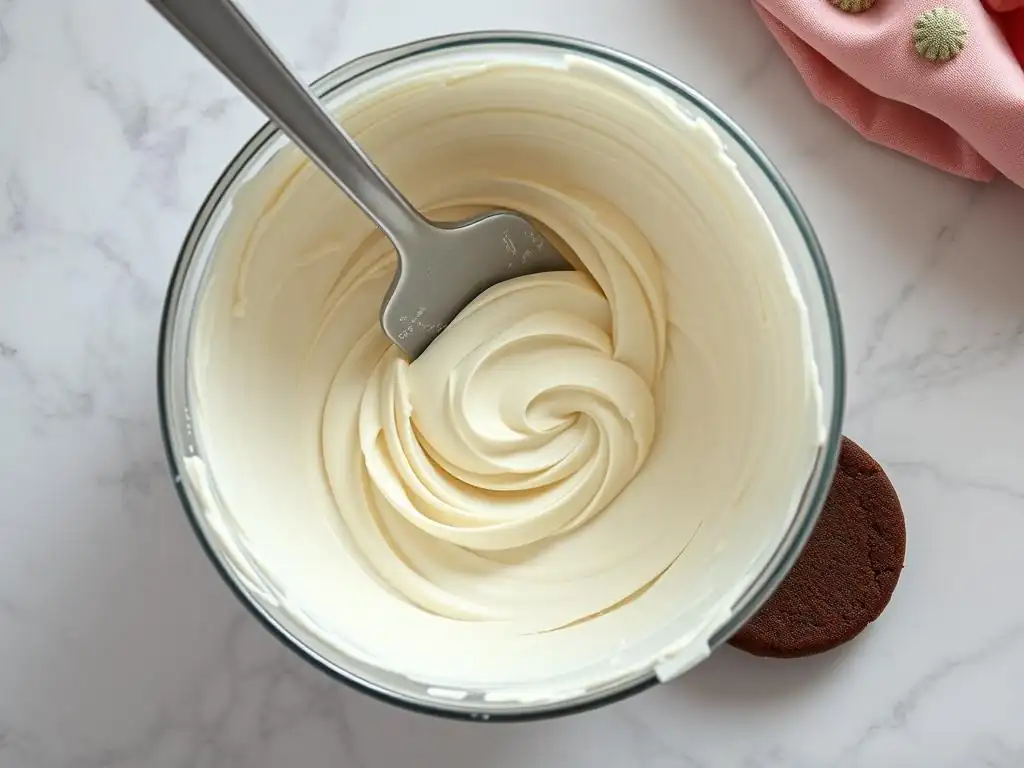
Key Factors Influencing Naked Cake Buttercream Texture
Several elements play a critical role in determining the final texture and workability of your naked cake buttercream consistency. Understanding these factors allows you to control the outcome and troubleshoot issues effectively. It's not just about following a recipe; it's about understanding the why behind each ingredient and step.
The environment you're baking in also impacts consistency. Humidity can make buttercream softer, while a cold room can make it very firm. Paying attention to these variables and being prepared to adjust your recipe slightly is a hallmark of a skilled baker.
Butterfat Content and Temperature's Impact
The type and temperature of your butter are fundamental to the structure of the buttercream. High-quality butter, typically containing around 80-82% butterfat, provides the necessary richness and structure. Using butter that is too soft or melted will result in a greasy, unstable buttercream that won't hold its naked cake shape.
Butter should ideally be at cool room temperature, around 65-70°F (18-21°C). It should be pliable enough to make a slight indentation with your finger without melting. If the butter is too cold, it won't cream properly with the sugar, leading to lumps. If it's too warm, the emulsion can break, resulting in a separated or greasy texture unsuitable for achieving the desired naked cake buttercream consistency. For example, butter left out on a hot summer day (say, 85°F/30°C) for too long will likely be too soft.
Powdered Sugar: The Foundation of Smoothness
Powdered sugar, also known as confectioners' sugar or icing sugar, provides the bulk and sweetness in many buttercream recipes, particularly American buttercream. The superfine texture, often containing a small amount of cornstarch (around 3%), is essential for achieving a smooth, non-gritty naked cake buttercream consistency.
The amount of powdered sugar directly affects stiffness. More sugar results in a firmer frosting. However, adding too much sugar without sufficient liquid can make the buttercream dry and difficult to spread thinly for a naked cake finish. Sifting your powdered sugar is also crucial to prevent lumps and ensure a silky texture.
Liquid Additions: Milk, Cream, and Extracts
Liquids are essential for adjusting the naked cake buttercream consistency and incorporating flavor. Milk, heavy cream, or even water can be used to thin out a buttercream that is too stiff. Heavy cream adds richness and a slightly softer texture compared to milk or water.
Flavor extracts, like vanilla, almond, or citrus, also contribute a small amount of liquid. While their primary purpose is flavor, their liquid content should be considered when fine-tuning consistency. Adding liquids should always be done gradually, often just a teaspoon at a time, mixing thoroughly after each addition until the desired naked cake buttercream consistency is achieved.
The Recipe for Perfect Naked Cake Buttercream
This recipe aims for a consistency that is firm enough to hold between layers but soft enough to spread thinly and scrape back for a classic naked cake look. It's a versatile base you can adjust.
Approximate Yield: Enough for a 3-layer 8-inch naked cake
Prep time: 15 minutes
Ingredients List for Optimal Texture
- 1 cup (2 sticks or 226g) unsalted butter, cool room temperature
- 4 cups (approx. 450-500g) powdered sugar, sifted
- 1/4 cup (60ml) milk or heavy cream
- 1 teaspoon vanilla extract
- Pinch of salt (optional, balances sweetness)
These proportions provide a good starting point for achieving the desired naked cake buttercream consistency. Using unsalted butter gives you control over the saltiness, and ensuring it's at the correct temperature (cool room temperature) is paramount for proper emulsification with the sugar. The sifted powdered sugar prevents lumps, and the liquid (milk or cream) allows for fine-tuning the texture.
Heavy cream will generally result in a slightly richer, softer buttercream compared to milk, which might make it slightly lighter. The amount of powdered sugar can be adjusted; using 4 cups provides a medium-stiff consistency, which is ideal for the structure needed in a naked cake, while still being spreadable.
Step-by-Step Mixing Instructions for Smooth Buttercream
- Cream the butter: In a large bowl or stand mixer with the paddle attachment, beat the cool room temperature butter on medium speed until it is light and fluffy, about 3-5 minutes. It should become noticeably paler in color. This aeration is crucial for a light texture.
- Gradually add powdered sugar: With the mixer on low speed, gradually add the sifted powdered sugar, one cup at a time, mixing until just combined before adding the next. Scrape down the sides of the bowl as needed. This slow addition prevents a cloud of sugar and helps it incorporate evenly.
- Add liquid and extract: Pour in the milk or cream and vanilla extract. Mix on low speed until combined, then increase the speed to medium-high and beat for another 2-3 minutes. This final beating incorporates air and ensures a smooth, creamy naked cake buttercream consistency.
- Check consistency: At this stage, your buttercream should be smooth and spreadable. If it seems too thick for your naked cake needs, add more liquid (milk/cream) one teaspoon at a time, beating well after each addition until the desired consistency is reached. If it's too thin, add more sifted powdered sugar, a tablespoon at a time, mixing until incorporated.
Following these steps carefully, particularly the creaming of the butter and gradual addition of sugar, will result in a smooth, stable buttercream base. The final step of adjusting consistency with small amounts of liquid or sugar is key to tailoring it perfectly for your specific naked cake application.
Troubleshooting Common Buttercream Consistency Issues for Naked Cakes
Even with a great recipe, you might encounter issues with your naked cake buttercream consistency. Knowing how to fix these common problems is essential for success. Don't panic if your buttercream doesn't look perfect right away; most issues are fixable.
Common problems include buttercream that is too thick, too thin, grainy, or even separated. Each issue stems from specific causes related to ingredient ratios, temperature, or mixing technique.
Buttercream Too Thick: Causes and Solutions
Buttercream that is too thick is often caused by adding too much powdered sugar relative to the amount of fat and liquid, or by using butter that is too cold. This results in a stiff, difficult-to-spread frosting that can tear cake layers and won't give you that smooth, scraped naked look.
Another cause can be over-beating after the liquid has been added, which can sometimes make American buttercream feel denser, though this is less common than issues with ratios or temperature. The primary culprit is usually a lack of sufficient liquid to soften the sugar and butter mixture.
Adding Liquid to Thin Out Buttercream
To thin out overly thick naked cake buttercream consistency, gradually add liquid. Start with 1-2 teaspoons of milk, cream, or even water. Mix thoroughly on low speed until the liquid is incorporated, then increase speed to medium and beat for 30 seconds to a minute to see how the consistency changes.
Continue adding liquid one teaspoon at a time, mixing well after each addition, until the buttercream reaches the desired spreadable consistency for your naked cake. Be patient and add slowly; it's much easier to add more liquid than to try and thicken it back up significantly. For example, thinning 4 cups of powdered sugar buttercream might require anywhere from 1 tablespoon to 1/4 cup or more of liquid, depending on how thick it started.
Buttercream Too Thin: Causes and Solutions
Buttercream that is too thin is typically caused by adding too much liquid or using butter that is too warm, leading to a greasy, loose texture. This kind of buttercream won't hold its shape between layers and will slide off the sides of a naked cake rather than clinging delicately.
High ambient temperature can also contribute to thin buttercream. If your kitchen is very warm, the butterfat softens, making the overall mixture softer. Using too little powdered sugar for the amount of butter and liquid can also result in a runny consistency.
Adding Powdered Sugar to Thicken Buttercream
To thicken thin naked cake buttercream consistency, gradually add more sifted powdered sugar. Start with 1-2 tablespoons of sifted sugar. Mix on low speed until incorporated, then beat on medium speed for about 30 seconds.
Continue adding sifted powdered sugar one tablespoon at a time, mixing well after each addition, until the buttercream firms up to the desired naked cake consistency. This method works by absorbing excess liquid and increasing the overall structure. Be careful not to add too much at once, as you can quickly end up with overly stiff buttercream. Thicken 4 cups of buttercream might require adding anywhere from 2 tablespoons to half a cup or more of extra powdered sugar.
Grainy Buttercream: Causes and Solutions
Grainy buttercream is usually a result of undissolved powdered sugar. This can happen if the sugar wasn't sifted, was added too quickly, or wasn't beaten long enough after adding the liquid. The small sugar crystals remain intact, giving the frosting an unpleasant texture that detracts from a smooth naked cake finish.
Sometimes, grainy texture can also be related to butter temperature; if the butter is too cold, it can be difficult to incorporate the sugar smoothly. However, the most common cause is simply insufficient mixing time or technique after the sugar has been added.
Ensuring Proper Sugar Dissolution
To fix grainy naked cake buttercream consistency, try beating it for an extended period (3-5 minutes) on medium-high speed after all ingredients are added. The friction and motion can sometimes help dissolve remaining sugar crystals.
If prolonged beating doesn't work, you can try gently warming the buttercream. Place the bowl over a pan of very lightly simmering water (like a double boiler setup, without the bottom of the bowl touching the water) for just 30 seconds to a minute, stirring constantly. This gentle heat helps dissolve the sugar. Immediately remove from heat and beat again on medium-high speed for several minutes until smooth. Be extremely careful not to overheat, as this can melt the butter and cause separation.
Separated Buttercream: Causes and Solutions
Separated buttercream, where it looks curdled or broken, often occurs when the butter is too cold or too warm when combined with other ingredients, particularly the liquid. It's an issue of the fat and liquid not emulsifying properly. This results in a greasy, lumpy mixture unsuitable for achieving a smooth naked cake buttercream consistency.
Another cause can be adding liquid that is too cold or too hot to the butter/sugar mixture. Sudden temperature changes can shock the emulsion. It's important that all ingredients, especially butter and liquid, are at roughly the same temperature (cool room temperature) for best results.
Techniques for Re-Emulsifying Buttercream
To fix separated naked cake buttercream consistency, try warming it slightly. Take a small amount (about 1/4 cup) of the separated buttercream and gently warm it in a microwave for just 5-10 seconds (do not melt it completely) or over the double boiler method described above until it's very soft but not liquid.
Return this warmed portion to the main bowl of separated buttercream and beat vigorously on medium-high speed for several minutes. The warmth helps the fat and liquid come back together. Alternatively, if the issue is likely due to cold butter, you can try adding a tablespoon of warm milk or cream (around 80-90°F or 27-32°C) while beating on medium speed. Continue beating until the mixture comes back together into a smooth, cohesive naked cake buttercream consistency.
Techniques for Applying Buttercream to Naked Cakes
Applying buttercream to naked cakes is an art form that requires a specific approach compared to fully frosted cakes. The goal is to highlight the cake layers, not completely cover them. The naked cake buttercream consistency plays a huge role here.
Whether you want a very stark, minimal scraping or a slightly thicker, more visible layer, the application technique must be precise. Preparation is key to ensuring a smooth process and a beautiful final result.
Preparing Your Naked Cake for Buttercream
Proper preparation of your cake layers is fundamental to achieving a clean, professional-looking naked cake finish. Imperfections in the cake itself will be visible, so attention to detail here is crucial.
This includes ensuring the cake layers are level and stable, and managing any loose crumbs that could mar the final naked cake buttercream consistency application.
Leveling Cake Layers for Even Frosting
Before applying any buttercream, ensure your cake layers are completely cool. Use a serrated knife or a cake leveler to trim the tops of any domed layers so they are perfectly flat. This creates a stable base for stacking and ensures that your naked cake will be straight and even.
Level layers are essential for achieving consistent height between tiers and for the buttercream to sit evenly between them. A slight dome, even an inch high on an 8-inch cake, can lead to instability and an uneven appearance once stacked and minimally frosted with naked cake buttercream consistency.
Crumb Coating: Sealing in Moisture and Crumbs
A thin crumb coat is highly recommended, even for naked cakes. This involves applying a very thin layer of buttercream all over the cake – tops, sides, and between layers – to trap any loose crumbs. Place the cake in the refrigerator for 15-30 minutes until this crumb coat is firm.
This initial thin layer serves two purposes: it prevents crumbs from getting into your final, visible layer of naked cake buttercream consistency, and it provides a smooth surface to work on for your final, minimal application. While some purists skip the crumb coat for the most naked look, a light one significantly improves the final finish.
Applying the Buttercream: Achieving the Desired Look
Once your cake is prepped and chilled after the crumb coat (if using), you're ready for the main application. This is where you define how 'naked' your cake will look.
The technique depends on the desired aesthetic, ranging from a barely-there scrape to a more substantial, yet still visible, layer of naked cake buttercream consistency.
The "Less is More" Approach for Naked Cakes
For a classic naked cake, the approach is definitely "less is more." Apply a moderate amount of buttercream between the layers – enough to fill the gap and provide structure, typically about 1/2 to 3/4 inch thick for a noticeable layer.
For the sides, apply a thin layer of buttercream, just enough to cover the cake surface. The key is the next step: scraping it back. You are not aiming for a thick, opaque layer like on a traditional cake. The goal is to see the cake through the buttercream.
Using a Palette Knife for Smooth Application
A straight or offset palette knife is your best friend for applying naked cake buttercream consistency. After applying a thin layer to the sides, hold a clean palette knife or bench scraper perpendicular to the cake's side.
Gently scrape the buttercream horizontally around the cake, removing excess and leaving just a thin, translucent layer that allows the cake to show through. For a very 'naked' look, you might scrape until only buttercream caught in the texture of the cake remains. Practice this technique on a dummy cake or leftover cake scraps first to get a feel for how much pressure to apply to achieve the desired naked cake buttercream consistency effect on the sides.
Creating Textured Effects on Naked Cakes
Beyond the smooth scrape, you can use your naked cake buttercream consistency to create subtle textures. A slightly stiffer buttercream works well for this. After applying a thin layer, you can use the palette knife to create vertical or swirling patterns as you scrape.
Alternatively, you can use a ridged cake scraper to create defined lines or waves on the sides. Another popular technique is the "rustic" or "imperfect" scrape, where you intentionally leave some areas with slightly more buttercream than others, creating a charmingly unrefined look. This requires a naked cake buttercream consistency that is just firm enough to hold these light textures without slumping.
Achieving Different Looks with Buttercream Consistency
Slight adjustments to your naked cake buttercream consistency allow you to achieve varying visual effects on your cake.
A softer consistency is suitable for one style, while a firmer one is necessary for another.
Light and Airy Buttercream for a Sheer Finish
For a very sheer, barely-there naked cake look, you'll want a lighter, airier buttercream consistency. This is achieved by ensuring your butter is at the perfect cool room temperature and beating it longer initially until very pale and fluffy, and potentially adding a touch more liquid (like cream) than you would for a standard recipe.
This softer consistency spreads incredibly thinly and scrapes back easily, leaving just a whisper of frosting on the cake sides. It's ideal when you want the cake's texture and color to be almost completely visible. However, be mindful that this softer consistency offers less structural support between layers if stacking many tiers.
Stiffer Buttercream for Defined Borders and Decorations
If you plan to add any piping, defined borders, or specific textures that stand out slightly on your naked cake, a slightly stiffer naked cake buttercream consistency is necessary. This means using less liquid or slightly more powdered sugar in your recipe.
A stiffer buttercream holds piped shapes better and creates more pronounced lines when scraped or textured. While the sides are still scraped bare, the buttercream between layers or used for simple decorations will retain its definition. For instance, piping simple dots or a shell border around the top edge requires a firmer consistency than what you'd use for the sheer side scrape.
Buttercream Flavor Variations for Naked Cakes
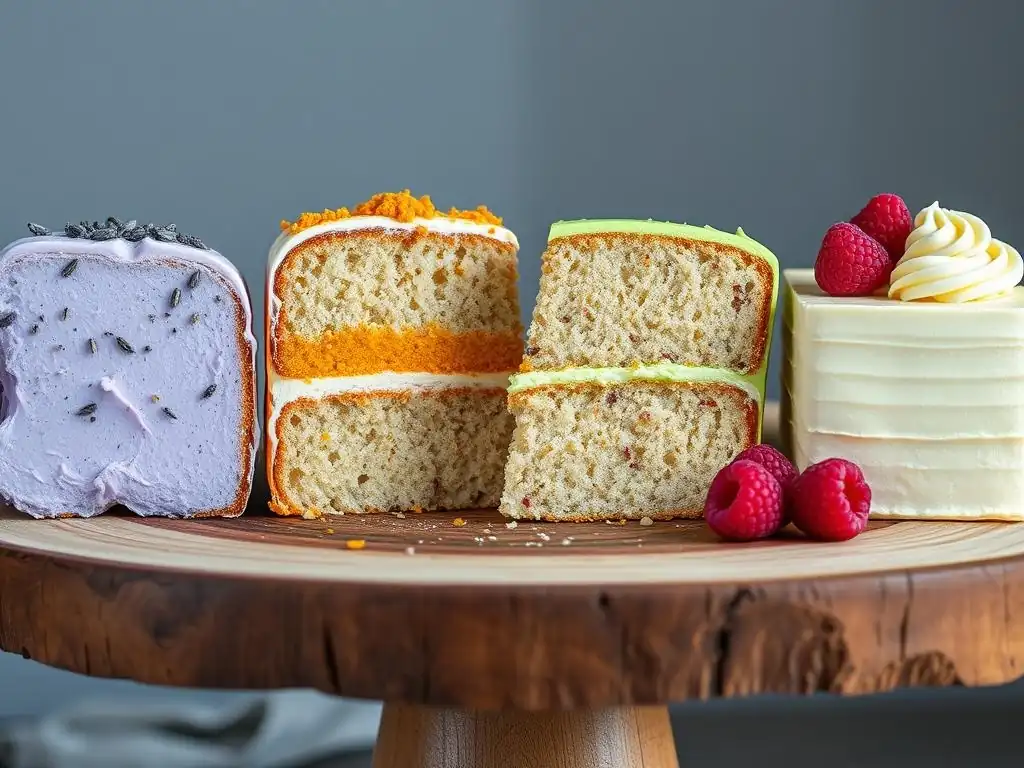
While vanilla is a classic, exploring different buttercream flavors can significantly enhance your naked cake, complementing the cake and filling flavors. The principles of achieving the correct naked cake buttercream consistency remain the same, regardless of the flavor added.
The flavor should harmonize with the cake layers, such as pairing lemon buttercream with a raspberry cake or coffee buttercream with chocolate layers.
Classic Buttercream Flavors That Complement Naked Cakes
Certain buttercream flavors are timeless and pair beautifully with a wide range of cake types, making them safe and delicious choices for naked cakes.
These flavors are popular for a reason – their versatility and broad appeal.
Vanilla Buttercream: A Timeless Choice
Vanilla buttercream is the most classic and versatile option. Its simple, sweet flavor complements almost any cake flavor, from classic vanilla bean and chocolate to red velvet or fruit-based cakes. Using high-quality vanilla extract or even vanilla bean paste will elevate the flavor considerably.
To achieve the best vanilla naked cake buttercream consistency, ensure your base is smooth and well-beaten. The subtle flavor highlights the cake itself without overpowering it, which is perfect for the minimalist aesthetic of a naked cake. About 1-2 teaspoons of good vanilla extract per batch is standard.
Chocolate Buttercream: Rich and Decadent
Chocolate buttercream adds a layer of richness and decadence that pairs wonderfully with chocolate, vanilla, or even certain fruit cakes like cherry. It can be made by adding melted and slightly cooled chocolate or cocoa powder to the base recipe.
When adding cocoa powder (typically 1/2 to 3/4 cup per batch), you might need to add a touch more liquid to maintain the desired naked cake buttercream consistency, as cocoa powder absorbs moisture. For melted chocolate (around 4-6 oz per batch), ensure it's cooled to near room temperature before adding to avoid melting the butter and affecting the texture.
Cream Cheese Buttercream: Tangy and Delicious
Cream cheese buttercream offers a delightful tanginess that cuts through sweetness and pairs exceptionally well with red velvet, carrot, spice, and some chocolate cakes. It's made by creaming softened cream cheese with butter before adding powdered sugar and liquid.
The ratio of cream cheese to butter (often 1:1 or slightly more butter) and the consistency of the cream cheese itself (full-fat block cream cheese, well-softened) are key to achieving the right naked cake buttercream consistency. It tends to be slightly softer than traditional buttercream, so you might need slightly more powdered sugar to make it firm enough for stacking naked cake layers securely.
Exploring Unique Buttercream Flavors for Naked Cakes
Beyond the classics, there's a world of flavor to explore that can add an exciting twist to your naked cake.
These variations allow you to tailor the cake perfectly to the occasion or personal preference.
Citrus Buttercream: Lemon, Orange, or Lime
Adding citrus zest and juice creates a bright, refreshing buttercream. Lemon, orange, or lime zest provides intense flavor without adding much liquid, while a small amount of juice helps adjust consistency and adds tang.
Use the zest of 1-2 fruits and 1-2 tablespoons of juice per batch. Note that adding significant amounts of acidic juice can potentially curdle dairy, so add gradually and mix well. Citrus zest buttercream is fantastic with vanilla, almond, or berry-flavored cakes, offering a zesty contrast within your naked cake buttercream consistency.
Berry Buttercream: Raspberry, Strawberry, or Blueberry
Berry buttercreams can be made by incorporating fruit purée or freeze-dried fruit powder. Purée adds authentic fruit flavor but also significant liquid, which will require adjusting the powdered sugar to maintain naked cake buttercream consistency.
Freeze-dried fruit powder (around 1/4 to 1/2 cup per batch) is a great alternative as it adds intense flavor and color without excess moisture. Beat the powder directly into the finished buttercream. These vibrant fruit buttercreams pair beautifully with vanilla, lemon, or complementary berry cake layers.
Coffee Buttercream: Aromatic and Flavorful
Coffee buttercream offers a sophisticated, aromatic flavor that complements chocolate, vanilla, and even some caramel or nut-flavored cakes. It can be made by adding espresso powder dissolved in a small amount of hot liquid (like milk or cream) or by adding cooled, very strong brewed coffee or espresso.
Use about 1-2 tablespoons of dissolved espresso powder or 2-4 tablespoons of strong liquid coffee per batch, adjusting powdered sugar as needed to maintain the desired naked cake buttercream consistency. Ensure the liquid coffee is cool before adding to the buttercream.
Tips and Tricks for Maintaining Perfect Buttercream Consistency
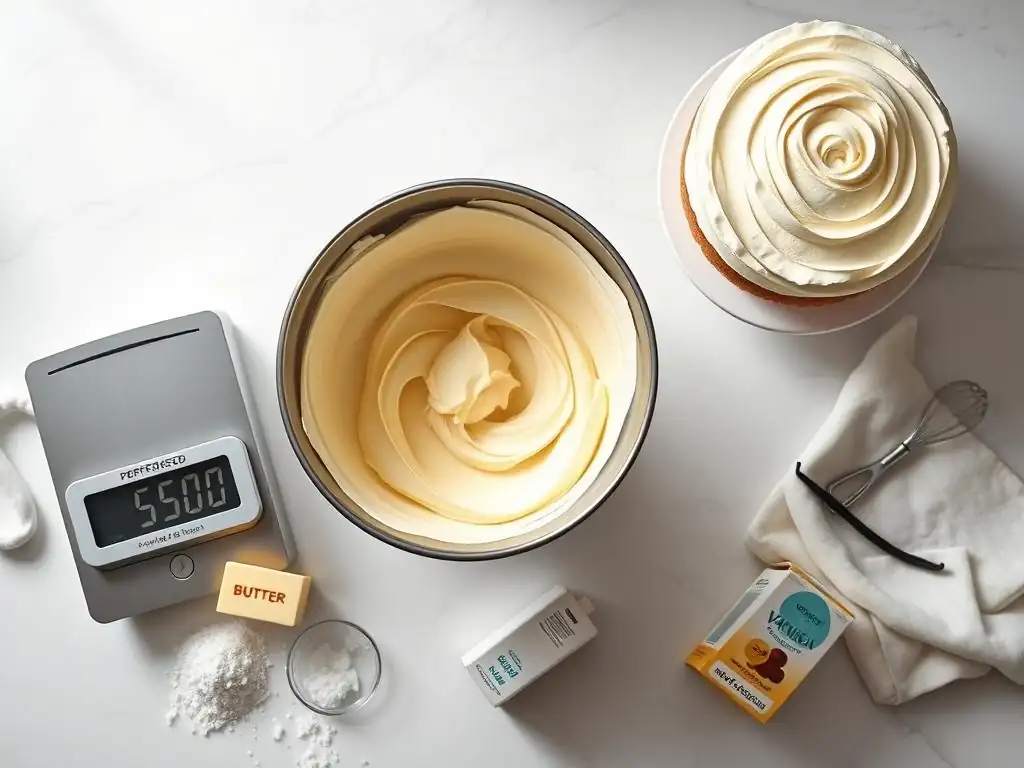
Once you've achieved that ideal naked cake buttercream consistency, you want to keep it that way until it's applied. Storage and temperature play significant roles.
Knowing how to handle buttercream before, during, and after use will ensure it remains perfectly workable.
Storing Buttercream Properly
Buttercream can be made ahead of time and stored. Store it in an airtight container in the refrigerator for up to a week, or in the freezer for up to a month or two. Proper storage prevents it from drying out or absorbing odors.
Label the container with the date and flavor. When storing, press plastic wrap directly onto the surface of the buttercream before sealing the container to prevent a crust from forming.
Re-whipping Buttercream After Storage
Refrigerated buttercream will firm up considerably. To bring it back to the desired naked cake buttercream consistency, let it sit at room temperature for an hour or two until it has softened. Then, place it in a mixer and beat on medium-low speed for several minutes.
This re-whipping process incorporates air and restores its creamy texture. If it's still too stiff, you may need to add a teaspoon or two of milk or cream while beating. If it seems slightly separated or greasy, continue beating; it should come back together. Frozen buttercream should be thawed overnight in the refrigerator before being brought to room temperature and re-whipped.
Adjusting Buttercream Consistency Based on Ambient Temperature
The temperature of your kitchen significantly impacts naked cake buttercream consistency. In a warm environment (above 75°F/24°C), buttercream can become too soft and difficult to work with for naked cakes, potentially causing layers to shift.
If working in a warm room, you may need to make your buttercream slightly stiffer initially by adding a touch more powdered sugar. You can also chill the finished buttercream in the refrigerator for 10-15 minute intervals during application if it becomes too soft. Conversely, in a cold kitchen (below 65°F/18°C), buttercream can become very firm. You might need to add a little more liquid or gently warm the bowl slightly (as described in the troubleshooting section) to make it pliable enough to spread smoothly for your naked cake.
Conclusion: Mastering Naked Cake Buttercream Consistency
The Key to Beautiful and Delicious Naked Cakes
Mastering the naked cake buttercream consistency is arguably the most critical factor in creating stunning and structurally sound naked cakes. It's the bridge between perfectly baked layers and a beautifully finished dessert. The right consistency ensures smooth application, holds the cake together, and allows you to achieve the signature aesthetic, whether it's a barely-there scrape or a slightly more defined texture.
Paying attention to the temperature of your ingredients, the ratio of fat to sugar to liquid, and being prepared to make slight adjustments based on your environment are skills that elevate your baking. It's this control over the buttercream's texture that allows the cake layers themselves to shine, making the naked cake a true celebration of simple elegance.
Practice Makes Perfect: Experiment and Refine Your Technique.
Achieving the perfect naked cake buttercream consistency and application technique takes practice. Don't be discouraged if your first attempt isn't flawless. Experiment with small batches, try slightly different ingredient ratios, and practice scraping techniques on cake scraps or even cardboard cutouts.
Each type of buttercream (American, Swiss Meringue, Italian Meringue, etc.) will have a slightly different natural consistency and might require different adjustment methods, but the principles of temperature control and ingredient ratios remain key. With patience and practice, you'll develop an intuitive understanding of how your buttercream should feel and handle, allowing you to consistently create beautiful naked cakes.
Frequently Asked Questions
What is the ideal buttercream consistency for a naked cake?
The ideal buttercream consistency for a naked cake is light and stable. You want it thick enough to hold its shape but easily spreadable for a semi-transparent finish. Aim for a consistency similar to softly whipped cream.
Why is buttercream consistency so important for naked cakes?
Buttercream consistency is crucial because it directly affects the cake's aesthetic appeal. Too thick, and it'll look clumpy. Too thin, and it'll slide right off, failing to achieve the desired 'naked' look.
How can I fix buttercream that's too thick for my naked cake?
Gradually add small amounts of milk or cream to thin it out. Mix thoroughly after each addition until you reach the desired smooth and spreadable consistency.
What if my buttercream is too thin for a naked cake?
Chill the buttercream in the refrigerator for about 15-20 minutes. This will help it firm up. If that doesn't work, add small amounts of powdered sugar until it reaches the right stiffer consistency.
Are there any special buttercream types recommended for naked cakes?
While any buttercream can work, Swiss meringue buttercream and Italian meringue buttercream are often preferred. They're known for their silky texture and stability, making them ideal for achieving a clean and elegant naked cake finish.
Final Reflection: The Art and Science of Naked Cake Buttercream
The perfect buttercream is more than just frosting; it's the defining element of a stunning naked cake. Achieving that ideal consistency, as we've explored, requires a delicate balance of ingredients and technique, a balance that directly impacts the cake's visual appeal and overall enjoyment. This isn't just about following a recipe; it's about understanding the why behind each step, leading to consistently beautiful and delicious results.
The pursuit of the perfect naked cake buttercream reflects a broader cultural shift towards appreciating both artistry and functionality in food. We're moving beyond simply satisfying hunger; we're seeking experiences that engage all the senses. The meticulous attention to detail required for a flawlessly textured buttercream mirrors a wider societal appreciation for craftsmanship and the beauty found in the simple things. The details are not the details. They make the design.
- Charles Eames. This quote perfectly encapsulates the importance of mastering buttercream consistency in creating a truly memorable naked cake.
So, the next time you find yourself facing a bowl of buttercream, remember the journey we've taken together. Don't just follow the recipe; understand it. Experiment, adjust, and most importantly, enjoy the process of creating something beautiful and delicious. The perfect consistency isn't just about a flawless finish; it's about the satisfaction of mastering a skill, the joy of creating something stunning, and the delight of sharing it with others. Embrace the challenge, and let your naked cakes become a testament to your dedication and artistry.
Unlock Your Naked Cake's Potential: Master the Perfect Buttercream!
Thanks for taking the time to explore the world of perfect buttercream consistency for your naked cakes! We hope you've gained valuable insights into achieving that flawlessly smooth, yet subtly textured finish. Ready to put your new knowledge into practice?
- Whizz up your dream buttercream: Try the recipe variations mentioned in the article, adjusting the ingredients to your preferred level of sweetness and consistency. Experiment – that's where the magic happens!
- Share your creation: Post a picture of your gorgeous naked cake on social media and tag us! We'd love to see your baking masterpiece.
- Dive deeper: Explore our other buttercream tutorials on BakeWithEase.com (link removed as per instructions) for even more tips and tricks!
Ready to create your own stunning naked cake masterpiece? What unique flavour combination will you try first?