
How to Flavor Buttercream Beyond Vanilla: Creative Ideas

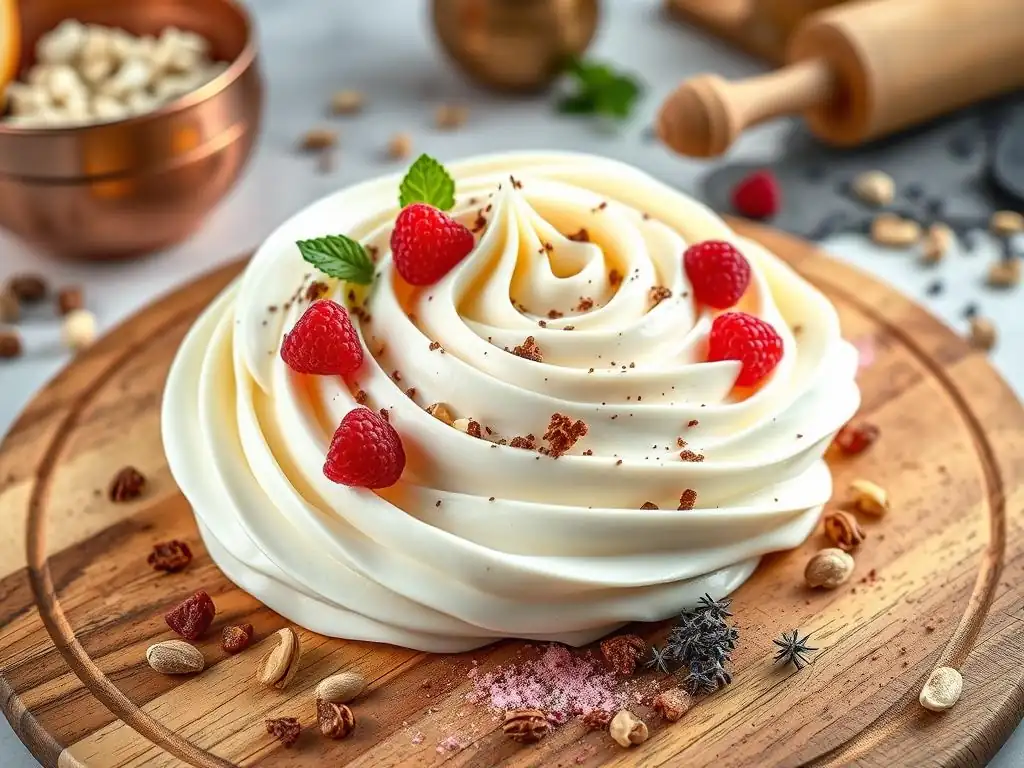
Welcome to BakeWithEase, where unlocking your baking potential is our passion! Ever wondered how to elevate your buttercream beyond the classic vanilla? Prepare to be inspired! This article dives into a delightful array of vanilla buttercream flavor variations, offering creative ideas that will transform your desserts from ordinary to extraordinary. Discover the secrets to infusing your buttercream with unique and tantalizing tastes – are you ready to explore the possibilities?
- Mastering Buttercream Flavors: Elevate Your Baking
- Introduction to Buttercream Flavoring: Beyond Vanilla
- Exploring Flavor Extracts for Buttercream
- Infusing Buttercream with Citrus Zest and Juices
- Incorporating Fruits into Buttercream Frosting
- Nut Butters and Spreads: Adding Richness to Buttercream
- Spices and Herbs: Unique Buttercream Flavors
- Chocolate Buttercream Variations: Deepening the Flavor
- Coffee Buttercream: A Wake-Up Call
- Salted Caramel Buttercream: Sweet and Salty
- Other Creative Buttercream Flavor Ideas
- Tips for Balancing Flavors in Buttercream
- Troubleshooting Common Buttercream Flavoring Issues
- Conclusion: Mastering Buttercream Flavor Combinations.
-
Frequently Asked Questions
- What are some simple flavor additions I can use to elevate my vanilla buttercream?
- Can I use alcohol to flavor my buttercream, and if so, how much should I add?
- How can I incorporate chocolate into my vanilla buttercream without making it too sweet?
- What are some nutty flavor additions that complement vanilla buttercream?
- How do I ensure the flavor I add to my buttercream doesn't affect its consistency?
- Final Reflection: Unlocking the Sweet Symphony of Flavor
- Unleash Your Inner Pastry Artist: Flavor Your Buttercream!
Mastering Buttercream Flavors: Elevate Your Baking
Introduction to Buttercream Flavoring: Beyond Vanilla
Why Experiment with Buttercream Flavors?
Stepping beyond plain vanilla buttercream opens up a world of creative possibilities in your baking. While vanilla is a classic and beloved flavor, exploring other options allows you to perfectly complement the flavors of your cake, cupcakes, or other desserts. Think about pairing a rich chocolate cake with salted caramel buttercream, or a light lemon cake with a vibrant raspberry frosting.
Experimenting with vanilla buttercream flavor variations not only enhances the overall taste experience but also adds a unique and memorable touch to your baked goods, making them stand out. It's about crafting a harmonious flavor profile that delights the palate.
Moving beyond the standard provides an opportunity to personalize your creations and cater to specific tastes or occasions. A simple vanilla cake can be transformed into something entirely different with the right frosting – imagine an almond-flavored buttercream for a wedding cake, or a mint chocolate chip variation for a birthday celebration. This exploration of vanilla buttercream flavor variations is a key skill for intermediate bakers looking to elevate their craft and impress with complex, well-balanced desserts. It encourages creativity and a deeper understanding of how different flavors interact and enhance each other.
The Foundation: Perfecting Your Base Buttercream Recipe
Before you dive into adding exciting new flavors, mastering a reliable base buttercream recipe is crucial. Whether you prefer American, Swiss meringue, Italian meringue, French, or German buttercream, having a stable and smooth foundation is key to successful flavoring. A good base recipe should be creamy, not greasy, and hold its shape well for piping.
American buttercream, typically made from butter, powdered sugar, milk or cream, and vanilla, is often the easiest to start with for flavor experimentation due to its simple composition and forgiving nature. Swiss or Italian meringues offer a lighter, less sweet base which can highlight subtle flavors beautifully.
The consistency of your base buttercream is paramount. Too thin, and added liquids from flavorings can make it runny; too thick, and it might become stiff or dry when flavored. Ensure your butter is at the correct temperature (usually room temperature for American, softened but not melted for meringues) and that your sugar is fully incorporated. Starting with a perfectly smooth and well-emulsified base ensures that any added flavorings will blend in seamlessly, distributing evenly throughout the frosting and resulting in a consistent and delicious final product.
Exploring Flavor Extracts for Buttercream
High-Quality Extracts: Enhancing Buttercream Taste
Using high-quality flavor extracts is one of the simplest and most effective ways to introduce new flavors to your buttercream. Unlike artificial extracts which can have a chemical or one-dimensional taste, natural or high-quality extracts derived from real ingredients offer a more complex, nuanced, and authentic flavor profile. For example, a pure almond extract made from bitter almonds will provide a richer, more genuine nutty taste than a cheaper artificial version. While they might be slightly more expensive, the difference in the final taste of your vanilla buttercream flavor variations is significant and often worth the investment.
When selecting extracts, look for labels indicating "pure" or "natural." Vanilla extract is a prime example; pure vanilla extract has a depth of flavor artificial vanilla simply cannot replicate. The same principle applies to other extracts like lemon, peppermint, or almond. Start by adding extracts sparingly – often just 1 teaspoon per standard batch of buttercream (around 3-4 cups) is enough to start. You can always add more, but it's impossible to take it away. Taste and adjust as you go to achieve the desired intensity without overwhelming the delicate balance of the buttercream itself.
Popular Extract Flavors and Buttercream Pairings
Flavor extracts offer a vast array of options for creating delicious vanilla buttercream flavor variations. Some flavors are classic pairings for cakes and cookies, while others provide a unique twist. Understanding how different extracts work and what they pair well with is key to successful flavor development. Here are a few popular choices and ideas for using them effectively in your buttercream.
Choosing the right extract depends heavily on the dessert you are pairing it with. A chocolate cake often benefits from extracts like espresso, almond, or peppermint. A fruit-based cake, like lemon or berry, can be enhanced with lemon, almond, or even a complementary fruit extract. Don't be afraid to experiment with small batches to find your favorite combinations and concentrations.
Almond Extract in Buttercream: A Nutty Elegance
Almond extract adds a sophisticated, slightly nutty flavor that pairs beautifully with vanilla, white chocolate, and even some fruit flavors like cherry or apricot. It's a staple in many bakeries for wedding cakes and delicate pastries. A little goes a long way; pure almond extract is quite potent. Start with about 1/2 teaspoon per cup of buttercream and taste before adding more.
The flavor profile of almond extract complements vanilla exceptionally well, creating a classic and elegant vanilla buttercream flavor variation. It's often used in conjunction with vanilla extract rather than replacing it entirely, adding a layer of complexity. Try using almond buttercream on a simple vanilla bean cake or almond cake for a delightful combination.
Lemon Extract in Buttercream: Zesty Refreshment
Lemon extract provides a bright, zesty flavor without adding the acidity or liquid that fresh lemon juice can introduce (though we'll cover that later). It's perfect for cutting through the sweetness of buttercream and adding a refreshing note. Use it in buttercream for lemon cakes, poppy seed muffins, or even berry tarts. Start with 1 teaspoon per 2 cups of buttercream.
This extract is excellent for creating a vibrant vanilla buttercream flavor variation that feels light and summery. It pairs wonderfully with blueberries, raspberries, and strawberries. Be mindful of the source of your lemon extract; some artificial versions can taste like candy. Look for pure lemon extract made from the oil of lemon peels for the best results.
Peppermint Extract in Buttercream: Minty Coolness
Peppermint extract is synonymous with holiday baking, pairing famously with chocolate. It provides a cool, refreshing burst of flavor. Use it sparingly, as it is very strong. A drop or two per cup of buttercream is often sufficient. It's fantastic on chocolate cupcakes or brownies.
Creating a minty vanilla buttercream flavor variation is easy with peppermint extract. This flavor is particularly popular around winter holidays but can be enjoyed year-round, especially when paired with dark chocolate. Ensure you use peppermint, not spearmint, extract for that classic candy cane flavor profile.
Infusing Buttercream with Citrus Zest and Juices
Adding Fresh Citrus Zest: Aromatic Brightness
Citrus zest is the colored outer layer of citrus fruit peel, packed with fragrant oils. Adding finely grated zest to buttercream infuses it with intense aroma and bright flavor without significantly altering the consistency. Lemon, lime, orange, and grapefruit zest can all be used. Use a microplane grater to get very fine zest, avoiding the bitter white pith underneath.
Incorporating zest is a fantastic way to add a fresh, natural burst to your vanilla buttercream flavor variations. For a batch of buttercream using 1 cup of butter and 4 cups of powdered sugar, the zest of one medium lemon or two limes is often enough to provide noticeable flavor. Combine the zest with the butter and beat well to help the oils release and distribute evenly.
Using Citrus Juices: Balancing Flavor and Consistency
Fresh citrus juice adds both flavor and acidity, which can help balance the sweetness of buttercream. However, adding too much liquid can make the frosting thin and unstable. It's essential to use juice judiciously and potentially adjust the amount of powdered sugar or butter to maintain the desired consistency. Lemon, lime, and orange juices are common choices.
When adding juice to buttercream, start with just 1-2 tablespoons per batch (about 4 cups of frosting). If the buttercream becomes too thin, you may need to add a tablespoon or two more powdered sugar or a bit more softened butter to re-emulsify and thicken it. This method creates a tangier, more vibrant vanilla buttercream flavor variation than extracts alone, perfect for pairing with fruit-based desserts.
Recipes: Lemon Buttercream and Lime Buttercream
Creating citrus-flavored buttercream using fresh ingredients offers a bright, natural taste.
- Lemon Buttercream: To 4 cups of prepared vanilla buttercream base, add the finely grated zest of 1 large lemon and 2-3 tablespoons of fresh lemon juice, to taste. Beat on low speed until fully incorporated. If too thin, add 1-2 tablespoons more powdered sugar.
- Lime Buttercream: For 4 cups of base buttercream, add the finely grated zest of 2 medium limes and 1-2 tablespoons of fresh lime juice. Mix thoroughly. Lime adds a distinct tropical tang that pairs well with coconut or berry flavors.
These recipes provide a starting point for creating delicious vanilla buttercream flavor variations using fresh citrus. Remember to taste and adjust the amount of zest and juice based on your preference and the intensity of the fruit.
Incorporating Fruits into Buttercream Frosting
Fruit Purees: Natural Flavor and Color
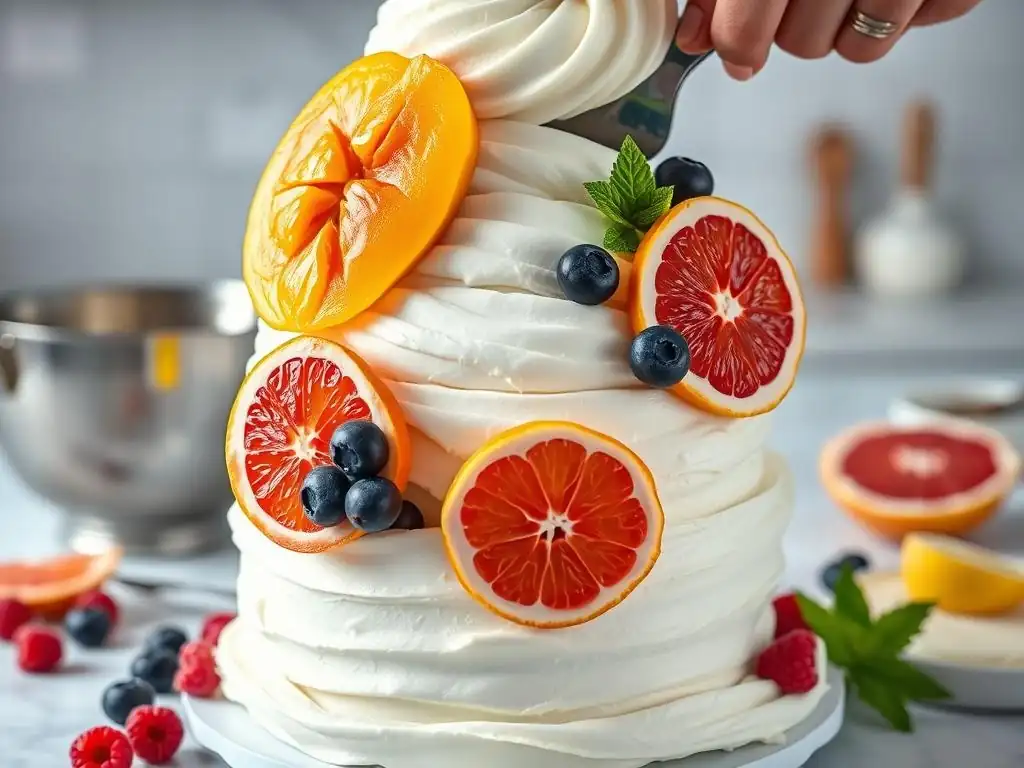
Fruit purees are an excellent way to add natural fruit flavor and vibrant color to buttercream. Berries like strawberries, raspberries, and blueberries, as well as fruits like mango or passion fruit, can be pureed and added. It's best to cook the fruit slightly first to reduce moisture and concentrate flavor, then strain out any seeds or solids for a smooth puree.
Adding fruit puree introduces liquid, so it's crucial to manage the consistency. Start with 1/4 cup of cooled, thickened puree per cup of buttercream. You may need to add extra powdered sugar or butter to compensate for the added liquid and achieve a pipeable consistency. Fruit purees create beautiful, naturally colored vanilla buttercream flavor variations.
Berry Buttercream: Strawberry, Raspberry, and Blackberry Options
Berry purees are popular choices for buttercream, offering sweet and slightly tart flavors.
- Strawberry Buttercream: Use a puree made from ripe strawberries, cooked and strained. It gives a lovely pink hue and sweet flavor.
- Raspberry Buttercream: Raspberry puree, strained to remove seeds, provides a more tart and intensely flavored option with a beautiful deep pink color.
- Blackberry Buttercream: Cooked and strained blackberry puree yields a rich purple color and a mildly tart, earthy flavor.
For any berry buttercream, aim for a thick puree. For example, simmering 1 cup of berries with a tablespoon of sugar until softened, then pureeing and straining, will yield enough concentrated flavor for about 2-3 cups of buttercream. These vanilla buttercream flavor variations are perfect for pairing with vanilla, lemon, or chocolate cakes.
Tropical Fruit Buttercream: Mango, Coconut, and Pineapple
Tropical fruits offer exotic and refreshing flavors for buttercream.
- Mango Buttercream: Use a thick puree from ripe mangoes. Adds a sweet, tropical flavor and a sunny orange color.
- Coconut Buttercream: Incorporate cream of coconut (not coconut milk) or coconut extract. Shredded toasted coconut can also be folded in for texture.
- Pineapple Buttercream: A reduced, strained pineapple puree provides a tangy, sweet flavor. Use carefully as pineapple contains enzymes that can sometimes curdle dairy. Cooking helps mitigate this.
Creating tropical vanilla buttercream flavor variations involves balancing intense fruit flavors with the creamy base. For mango or pineapple, a very thick puree is key. For coconut, using cream of coconut adds richness and flavor without excess liquid; start with 1/4 cup per 2 cups of buttercream.
Preventing Fruit Buttercream from Separating
Adding liquid-rich fruit purees can sometimes cause buttercream to separate, appearing curdled or greasy. This is often due to the water content in the fruit interfering with the fat-sugar emulsion. To prevent this, ensure your fruit puree is as thick as possible – cook it down to reduce moisture. Also, make sure the puree is completely cooled before adding it to the buttercream.
If separation occurs, try beating the buttercream vigorously for several minutes. Often, this re-emulsifies the mixture. If it's still separated, try adding a tablespoon of powdered sugar or a tablespoon of softened butter and beating again. Sometimes, gently warming a small portion of the mixture and whisking it back into the rest can help. Using a stable base buttercream recipe also reduces the risk of separation in these vanilla buttercream flavor variations.
Nut Butters and Spreads: Adding Richness to Buttercream
Peanut Butter Buttercream: A Classic Indulgence
Peanut butter adds a rich, creamy, and nutty flavor that is a perennial favorite. Using smooth peanut butter is recommended for a smooth buttercream texture. Add softened peanut butter directly to your base buttercream and beat until fully incorporated and smooth. It pairs incredibly well with chocolate, banana, and even jelly flavors.
For a standard batch (about 4 cups) of buttercream, start with 1/2 cup of smooth peanut butter. Taste and add more if you desire a stronger peanut flavor. This vanilla buttercream flavor variation is dense and satisfying, perfect for filling cakes or frosting cupcakes. Ensure the peanut butter is well-mixed to avoid streaks.
Cashew Butter Buttercream: A Delicate Flavor
Cashew butter offers a milder, slightly sweeter, and more delicate nutty flavor compared to peanut butter. It provides a subtle richness that can complement lighter cakes or act as a less intense alternative to peanut butter. Use smooth cashew butter similarly to peanut butter, adding it to your base buttercream.
Cashew butter creates a more nuanced vanilla buttercream flavor variation. It pairs well with vanilla, white chocolate, or even some subtle fruit flavors. Start with about 1/3 cup of cashew butter per 4 cups of buttercream and adjust to taste. Its lighter flavor profile makes it versatile.
Hazelnut Buttercream: A Chocolatey Companion
Hazelnut butter, particularly roasted hazelnut butter or a spread like Nutella, adds a rich, toasted, and often chocolatey flavor. This is an excellent choice for pairing with chocolate or coffee-flavored cakes. If using pure hazelnut butter, roasting the hazelnuts first intensifies their flavor.
Adding hazelnut butter or Nutella creates a decadent vanilla buttercream flavor variation. For Nutella, start with 1/2 cup per 4 cups of buttercream. For pure hazelnut butter, start with 1/4 cup and adjust. The rich, nutty, and often chocolatey notes make this a popular choice for indulgent desserts.
Spices and Herbs: Unique Buttercream Flavors
Cinnamon Buttercream: Warmth and Spice
Ground cinnamon adds warmth and spice, perfect for autumn and winter baking. It pairs wonderfully with apple, pumpkin, carrot, and chocolate cakes. Add ground cinnamon directly to your buttercream and beat to combine.
Start with 1/2 to 1 teaspoon of ground cinnamon per 4 cups of buttercream. You can also use cinnamon extract for a cleaner flavor profile, though ground cinnamon adds a pleasant visual speckle. This spice creates a comforting and familiar vanilla buttercream flavor variation.
Cardamom Buttercream: Aromatic Complexity
Cardamom offers a unique, aromatic, and slightly floral spice note. It pairs surprisingly well with vanilla, citrus, pistachio, and even some berry flavors. Use ground cardamom or the seeds from green cardamom pods, ground finely.
Cardamom adds an exotic touch to vanilla buttercream flavor variations. Start with 1/4 to 1/2 teaspoon of ground cardamom per 4 cups of buttercream, as its flavor is quite potent. It's particularly good on cakes with orange or pistachio flavors.
Rose Water Buttercream: Floral and Delicate
Rose water provides a delicate, floral aroma and flavor. It's commonly used in Middle Eastern and Indian desserts and pairs well with pistachio, cardamom, and vanilla. Use pure rose water, not artificial rose flavoring.
Rose water is very potent, so use it sparingly. Start with just 1/2 to 1 teaspoon per 4 cups of buttercream. Too much can make the frosting taste soapy. This creates a unique and elegant vanilla buttercream flavor variation, perfect for special occasions or delicate pastries.
Using Herbs Sparingly in Buttercream
While less common, some herbs can be incorporated into buttercream for unique savory-sweet profiles. Fresh mint, lavender, or even rosemary can add interesting dimensions. Infuse the herb flavor into the liquid component (milk or cream) used in the buttercream, or finely chop fresh herbs and add sparingly.
For mint buttercream, infuse milk with fresh mint leaves, strain, and use the infused milk in your recipe. For lavender, infuse milk or cream with culinary lavender buds. Herbal vanilla buttercream flavor variations are adventurous and best used in small amounts or specific pairings, like lavender buttercream on a honey cake.
Chocolate Buttercream Variations: Deepening the Flavor
Dark Chocolate Buttercream: Intense Cocoa
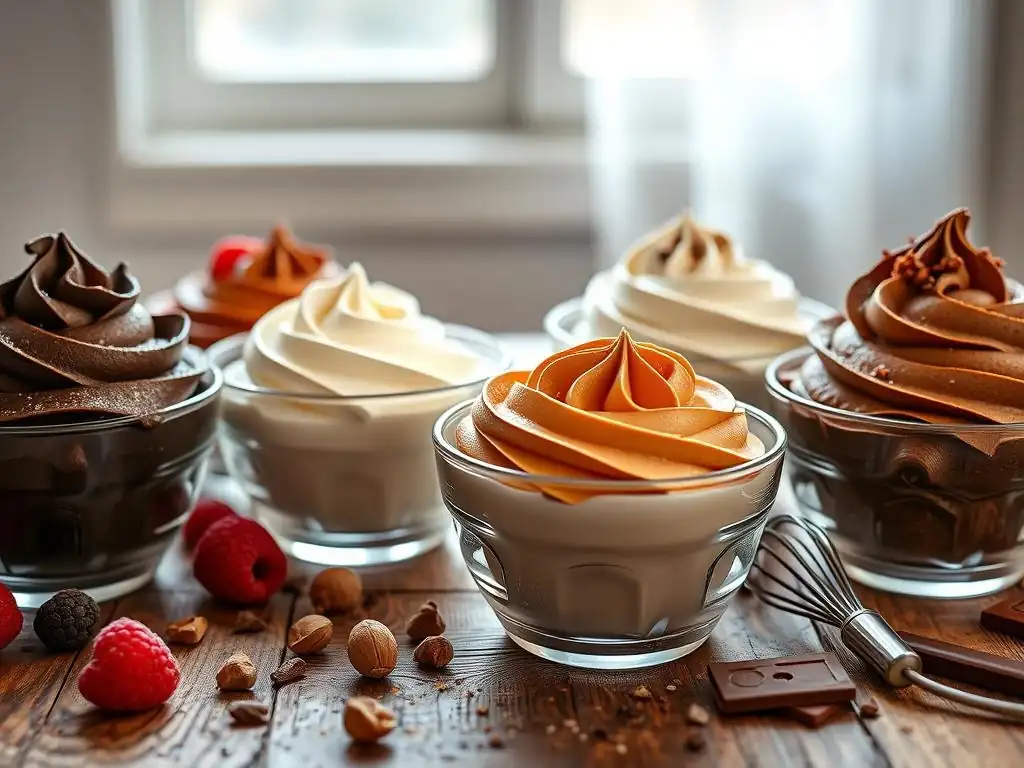
Dark chocolate buttercream is rich and intense. It's typically made by melting high-quality dark chocolate (60-70% cocoa) and whisking it into the prepared buttercream. The higher cocoa content provides a deeper, less sweet chocolate flavor.
For 4 cups of buttercream, melt and slightly cool 4-6 ounces of chopped dark chocolate. Gradually whisk the melted chocolate into the buttercream until fully combined and smooth. This creates a luxurious vanilla buttercream flavor variation perfect for pairing with equally rich cakes like red velvet or devil's food.
Milk Chocolate Buttercream: Sweet and Creamy Cocoa
Milk chocolate buttercream is sweeter and creamier than dark chocolate, offering a classic, comforting chocolate taste. Use good quality milk chocolate, melted and cooled slightly before adding to the buttercream base.
Melt 5-7 ounces of chopped milk chocolate for every 4 cups of buttercream. Whisk in until fully incorporated. Milk chocolate creates a widely appealing vanilla buttercream flavor variation that's less intense than dark chocolate, suitable for vanilla or chocolate cakes.
White Chocolate Buttercream: Buttery Sweetness
White chocolate buttercream is sweet and has a distinct buttery, vanilla-like flavor profile. It's made by melting white chocolate (which technically contains no cocoa solids) and incorporating it into the buttercream. Use high-quality white chocolate for the best results.
Melt 6-8 ounces of chopped white chocolate per 4 cups of buttercream. Whisk into the base until smooth. White chocolate adds sweetness and richness, creating a versatile vanilla buttercream flavor variation that pairs well with berry, citrus, or red velvet cakes.
Espresso Chocolate Buttercream: Coffee Infusion
Combine the richness of chocolate with the bold flavor of coffee. This can be achieved by dissolving espresso powder or instant coffee in a small amount of hot liquid (like milk or cream) and adding it to the chocolate buttercream, or by adding espresso extract.
To make espresso chocolate buttercream, prepare your chocolate buttercream (any variety). Dissolve 1-2 tablespoons of espresso powder in 1 tablespoon of hot milk or cream, let it cool slightly, then beat it into the chocolate buttercream. This adds a layer of complexity to the vanilla buttercream flavor variations.
Coffee Buttercream: A Wake-Up Call
Using Instant Coffee or Espresso Powder
Instant coffee or espresso powder is an easy way to add coffee flavor to buttercream. Dissolve the powder in a small amount of hot liquid (milk, cream, or water) and let it cool before adding to the buttercream. Espresso powder typically provides a stronger flavor than instant coffee.
For 4 cups of buttercream, dissolve 1-2 tablespoons of instant coffee or espresso powder in 1 tablespoon of hot liquid. Once dissolved and cooled, beat into the buttercream. This creates a simple yet effective coffee vanilla buttercream flavor variation.
Coffee Extract for Buttercream: Concentrated Flavor
Coffee extract offers a concentrated coffee flavor without adding extra liquid or the slight bitterness sometimes associated with coffee powder. Use high-quality coffee extract for the best taste.
Start with 1-2 teaspoons of coffee extract per 4 cups of buttercream. Taste and add more if a stronger coffee flavor is desired. Coffee extract is a convenient way to achieve a pure coffee note in your vanilla buttercream flavor variations.
Achieving a Strong Coffee Flavor in Buttercream
To get a really intense coffee flavor, use a combination of methods. Dissolve a generous amount of espresso powder in a minimal amount of liquid, or use a high-quality coffee extract. Some bakers also like to add a small amount of finely ground coffee beans (though this can affect texture).
Another technique is to infuse the milk or cream component of your buttercream with coffee beans, letting them steep before straining and using the liquid. Achieving a strong coffee vanilla buttercream flavor variation requires balancing the coffee's inherent bitterness with the sweetness of the frosting.
Salted Caramel Buttercream: Sweet and Salty
Making Caramel Sauce for Buttercream
Homemade caramel sauce adds a deep, rich, buttery flavor. To make it, sugar is melted until caramelized, then butter and cream are added. The sauce must be cooled completely before being added to buttercream to prevent melting the butter. A thick, pourable consistency is ideal.
For 4 cups of buttercream, you might use 1/2 to 3/4 cup of cooled caramel sauce. Beat the sauce into the prepared buttercream until smooth. This creates a luxurious vanilla buttercream flavor variation with complex caramel notes.
Using Store-Bought Caramel Sauce: A Time Saver
Good quality store-bought caramel sauce can be a convenient alternative to making it from scratch. Choose a thick, rich sauce for the best results. Avoid very thin or syrup-like sauces.
Add store-bought caramel sauce to your buttercream just as you would homemade, starting with 1/2 cup per 4 cups of frosting and beating until smooth. Using store-bought sauce simplifies the process of creating this popular vanilla buttercream flavor variation.
Salted Caramel Flavoring for Buttercream
To achieve the "salted" aspect, add fine sea salt or kosher salt to the caramel sauce or directly to the buttercream after the caramel is incorporated. Start with 1/4 teaspoon of salt per 4 cups of buttercream and taste, adding tiny pinches until the desired balance of sweet and salty is reached.
The salt enhances the caramel flavor and cuts through the sweetness of the buttercream, creating that addictive sweet-and-salty profile. Salted caramel is a highly requested vanilla buttercream flavor variation that pairs well with chocolate, vanilla, apple, and coffee cakes.
Other Creative Buttercream Flavor Ideas
Brown Butter Buttercream: Nutty and Toasted
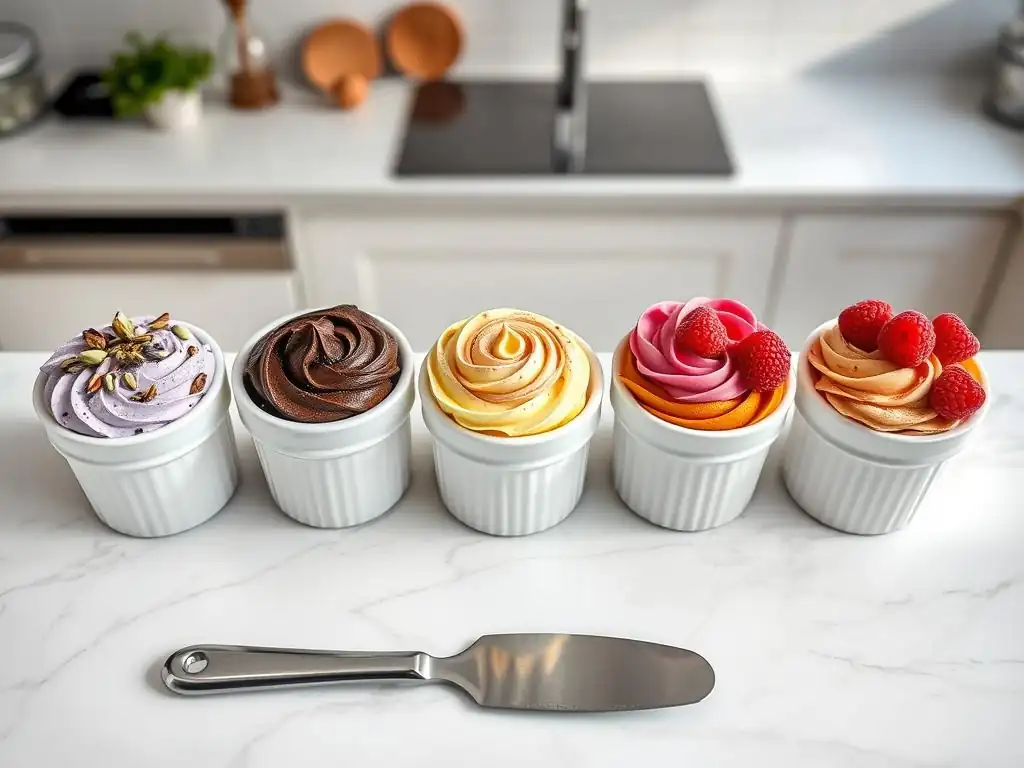
Browning the butter before making your buttercream base adds a deep, nutty, toasted flavor. Melt the butter and cook it gently over medium heat until the milk solids turn brown and fragrant. Let it cool slightly before using it in your recipe.
Brown butter adds incredible depth to what would otherwise be a simple vanilla buttercream flavor variation. It pairs exceptionally well with pecan, maple, pumpkin, or vanilla cakes. The browning process removes some water from the butter, so the resulting buttercream might be slightly firmer.
Maple Buttercream: Sweet and Earthy Notes
Pure maple syrup adds a distinct earthy sweetness. Use pure maple syrup, not pancake syrup, for the best flavor. Reduce the amount of other liquid in your buttercream recipe slightly to account for the syrup.
For 4 cups of buttercream, start by replacing 1/4 cup of the liquid (milk/cream) with pure maple syrup, or simply add 1/4 cup of maple syrup and potentially a tablespoon or two more powdered sugar to adjust consistency. Maple creates a cozy vanilla buttercream flavor variation perfect for fall desserts.
Honey Buttercream: Naturally Sweet
Honey can replace some or all of the sugar in certain buttercream recipes (like Italian or Swiss meringue) or be added to American buttercream. It adds a unique floral sweetness and a slightly different texture. Use a good quality honey whose flavor you enjoy.
When adding honey to American buttercream, start with 1/4 cup per 4 cups of frosting, reducing other liquids slightly or adding more powdered sugar to maintain consistency. Honey adds a lovely natural sweetness and aroma, resulting in a delightful vanilla buttercream flavor variation.
Tips for Balancing Flavors in Buttercream
Start Small and Taste Often
When adding any flavoring agent to buttercream, whether it's an extract, puree, or spice, always start with a small amount. You can always add more, but you can't take it away. A good rule of thumb is to add about half of what you think you'll need, mix thoroughly, then taste. Add more in small increments (e.g., 1/4 teaspoon extract, 1 tablespoon puree) until you reach the desired intensity.
Tasting is crucial throughout the flavoring process. Use a clean spoon each time. Consider the sweetness, the primary flavor intensity, and any underlying notes. This iterative process ensures you don't overpower the buttercream and achieve a perfectly balanced vanilla buttercream flavor variation.
Consider the Cake or Dessert Pairing
The flavor of your buttercream should complement the cake or dessert it's frosting. A strong, intense flavor like coffee or dark chocolate works well with equally robust cakes like chocolate or stout cake. Lighter flavors like lemon or raspberry pair beautifully with vanilla bean or almond cake.
Think about the overall flavor profile you want to create. Are you aiming for contrast (e.g., salty caramel on sweet vanilla) or harmony (e.g., almond buttercream on almond cake)? Matching the intensity and type of vanilla buttercream flavor variation to the baked good is essential for a cohesive and delicious dessert.
Adjust Sweetness Levels as Needed
Adding flavorings can sometimes affect the perceived sweetness of the buttercream. Acidic additions like citrus juice or fruit puree can cut through sweetness, while sweet additions like caramel or fruit puree can make it even sweeter.
If the buttercream becomes too sweet after adding flavor, a pinch of salt can often help balance it. If it's not sweet enough (less common with most flavorings), you can carefully beat in a tablespoon or two of extra powdered sugar. Adjusting sweetness is key to perfecting your vanilla buttercream flavor variations.
Troubleshooting Common Buttercream Flavoring Issues
Buttercream Too Sweet: Balancing the Flavor
If your buttercream is overwhelmingly sweet after adding flavor, there are a few ways to balance it. Adding a pinch of salt is often the quickest fix, as salt enhances other flavors and reduces the perception of sweetness. For some flavors, a little acidity from lemon juice or cream of tartar can also help.
Incorporating a more intense version of the flavor itself can sometimes make the sweetness less prominent – for instance, using dark cocoa powder or espresso powder if it's a chocolate or coffee flavor. For fruit flavors, ensuring the puree has some natural tartness helps. Balancing sweetness is a common step in perfecting vanilla buttercream flavor variations.
Buttercream Too Thin: Adjusting the Consistency
Adding liquid flavorings like fruit purees, juices, or even some extracts can thin out buttercream. If your frosting becomes too thin to pipe or hold its shape, you need to thicken it. The simplest way is to add more powdered sugar, 1-2 tablespoons at a time, beating well after each addition until the desired consistency is reached.
Alternatively, if you used butter that was too soft or melted, chilling the buttercream briefly can help it firm up. Adding a bit more softened butter and re-whipping can also sometimes help re-emulsify and thicken a thin buttercream, especially if it seems separated.
Buttercream Flavor Too Weak: Intensifying the Taste
If the flavor you added isn't coming through strongly enough, you need to intensify it. The easiest way is to add more of the flavoring agent. For extracts, add another 1/2 to 1 teaspoon. For purees or sauces, add another 1/4 cup. Always add gradually and taste after each addition.
For flavors derived from powders (like cocoa or espresso), ensure the powder is fully dissolved in a small amount of liquid before adding it. For flavors from zest or spices, ensure they were well-incorporated initially. Sometimes, letting the buttercream sit for 15-30 minutes allows the flavors to meld and become more prominent in your vanilla buttercream flavor variations.
Conclusion: Mastering Buttercream Flavor Combinations.
Frequently Asked Questions
What are some simple flavor additions I can use to elevate my vanilla buttercream?
You can easily enhance vanilla buttercream by adding fruit purees, like raspberry or mango, or incorporating citrus zest for a bright, fresh flavor. Extracts beyond vanilla, such as almond or lemon, are also great options.
Can I use alcohol to flavor my buttercream, and if so, how much should I add?
Yes, you can! Add alcohol sparingly, typically 1-2 tablespoons per batch, to avoid thinning the buttercream too much. Liqueurs like Frangelico or amaretto work well.
How can I incorporate chocolate into my vanilla buttercream without making it too sweet?
Use unsweetened cocoa powder or melted dark chocolate to control the sweetness. Start with a small amount and adjust to your desired chocolate intensity.
What are some nutty flavor additions that complement vanilla buttercream?
Nut butters like peanut butter or almond butter are excellent choices. You can also add finely ground nuts, such as toasted pecans or walnuts, for both flavor and texture.
How do I ensure the flavor I add to my buttercream doesn't affect its consistency?
Be mindful of the moisture content of your additions. If using fruit purees or other liquids, reduce the amount of milk or cream in the original recipe to maintain the desired thickness. Avoid overmixing.
Final Reflection: Unlocking the Sweet Symphony of Flavor
The seemingly simple act of flavoring buttercream transcends mere sweetness; it's a gateway to culinary artistry. From the classic vanilla to the most unexpected infusions, the possibilities are as limitless as our imaginations. This exploration into the world of buttercream flavor variations highlights not just recipes, but a creative process that can transform a simple frosting into a truly memorable experience.
The impact of flavor on our sensory experience is profound, shaping not only our taste buds but also our memories and emotions. A perfectly flavored buttercream can elevate a simple cake to a masterpiece, evoking nostalgia or creating entirely new sensory landscapes. As the renowned chef Julia Child once said, Find something you're passionate about and keep tremendously interested in it.
This applies perfectly to the art of buttercream – the passion for experimentation and the pursuit of unique flavor profiles is what truly elevates it beyond the ordinary.
Now, consider your own culinary adventures. What unexpected flavor combinations intrigue you? What memories are tied to specific tastes? I encourage you to take this exploration further. Don't be afraid to experiment, to push boundaries, and to discover your own signature buttercream flavor. The world of flavor is vast and waiting to be explored – let your creativity be your guide, and let the sweet symphony of your creations delight you and those you share them with.
Unleash Your Inner Pastry Artist: Flavor Your Buttercream!
Thanks for taking the time to explore new buttercream flavor horizons! We hope you're feeling inspired to create delicious, unique treats. Ready to take your baking to the next level?
- Experiment with a bold new flavor combination: Try infusing your buttercream with cardamom and rosewater, or maybe even black sesame and honey! Don't be afraid to get creative!
- Share your buttercream masterpieces: Show us your creations on social media using #BakeWithEaseButtercream – we'd love to see what you come up with!
- Dive deeper into flavor pairings: Explore our blog for more exciting buttercream recipes and techniques.
What unexpected flavor combination will you try first? Let us know in the comments below!