
Troubleshooting Buttercream that Separates

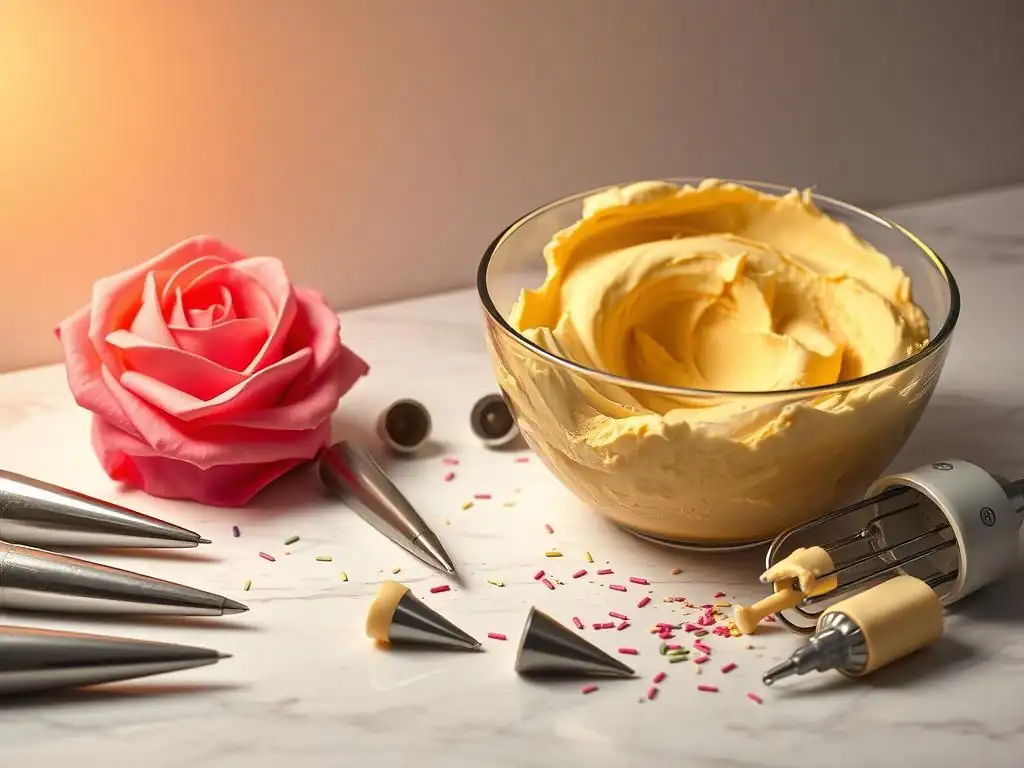
Welcome to BakeWithEase, your haven for all things baking! Ever wondered why your buttercream sometimes looks more like scrambled eggs than a smooth, silky frosting? You're not alone! This week, we're tackling a common baking woe: buttercream separation. Dive in to discover the easy fix and unlock the secrets to achieving flawless buttercream every time. Ready to rescue your frosting? Let's get started!
- Troubleshooting Buttercream Separation: A BakeWithEase Guide
- Understanding Buttercream Separation: Why Does It Happen?
- Buttercream Separates Easy Fix: Immediate Solutions
- Types of Buttercream and Their Susceptibility to Separation
- Preventing Buttercream Separation: Proactive Steps for Smooth Frosting
- Advanced Troubleshooting: When Basic Fixes Don't Work
- Common Mistakes That Cause Buttercream to Separate
- Buttercream Storage and Temperature: Maintaining the Right Consistency
- Expert Tips for Perfect, Non-Separating Buttercream Every Time
- Mastering Buttercream: Beyond Troubleshooting
-
Frequently Asked Questions
- What are the most common reasons why my buttercream separates?
- How can I prevent my buttercream from separating in the first place?
- My buttercream has already separated. What's the easiest fix?
- What if warming the bowl doesn't work to fix my separated buttercream?
- Are there any specific types of buttercream that are more prone to separating?
- Final Reflection: The Enduring Allure (and Occasional Despair) of Buttercream
- Rediscover Perfectly Smooth Buttercream!
Troubleshooting Buttercream Separation: A BakeWithEase Guide
Welcome to BakeWithEase! We know how frustrating it can be when your beautifully whipped buttercream suddenly turns into a curdled mess. Don't worry, it happens to even experienced bakers! The good news is that buttercream separation, while alarming, often has a buttercream separates easy fix. This guide will walk you through understanding why it happens and how to bring your frosting back to smooth, spreadable perfection.
Understanding Buttercream Separation: Why Does It Happen?
Buttercream is essentially an emulsion – a stable mixture of fat (butter) and liquid (sugar syrup, milk, cream, or meringue base). Separation occurs when this emulsion breaks, causing the fat and liquid components to split apart. This can manifest as a greasy, liquidy mess with lumps of butter or a grainy, curdled texture.
The stability of a buttercream emulsion is delicate and depends on several factors working in harmony. When even one element is off, the entire structure can collapse. Understanding these underlying causes is the first step toward preventing and fixing the issue, ensuring your buttercream is smooth and stable every time.
Common Causes of Buttercream Curdling or Splitting
One of the most frequent culprits behind buttercream splitting is a significant temperature difference between ingredients. For instance, adding very cold liquid to softened butter can shock the emulsion, causing the fat to seize and separate from the liquid. Similarly, butter that is too cold won't cream properly with sugar, leading to a grainy or separated texture, while overly warm butter can melt and become greasy.
Another common cause is incorrect mixing speed or duration. Overmixing can incorporate too much air or generate heat through friction, destabilizing the emulsion. Conversely, undermixing might not allow the ingredients to properly combine and emulsify in the first place. Incorrect ingredient ratios, like too much liquid or too little fat, can also make the buttercream inherently unstable and prone to separation.
Temperature Imbalances and Buttercream Consistency
Temperature is arguably the most critical factor in achieving smooth, stable buttercream. Butter needs to be at a specific temperature to properly emulsify with other ingredients. For American buttercream, butter is typically creamed when softened, around 65-70°F (18-21°C). If the butter is colder, it won't blend smoothly with sugar; if it's warmer, it becomes too soft and can lead to a greasy, separated mess when liquids are added.
In meringue-based buttercreams (Swiss, Italian), the temperature of the meringue is crucial. The meringue must be cooled sufficiently (often close to room temperature, around 70-75°F or 21-24°C) before adding the softened butter. Adding butter to a warm meringue will melt the butter, breaking the emulsion and causing a soupy, separated mixture. Conversely, adding butter that is too cold to a cooled meringue can result in a lumpy, curdled texture because the cold butter won't incorporate smoothly.
Ingredient Ratios and Their Impact on Buttercream Stability
The balance of fat, sugar, and liquid is fundamental to buttercream stability. In American buttercream, a typical ratio might be one part butter to one or two parts powdered sugar by weight, plus a small amount of liquid. If there's too much liquid added relative to the fat and sugar, the mixture can become thin and prone to separation. Using insufficient sugar can also make the buttercream less stable, as sugar helps absorb liquid and provides structure.
For meringue-based buttercreams, the ratio of butter to meringue is key. A common ratio might be roughly 1.5 to 2 parts butter to 1 part meringue by weight. If you use too little butter, the meringue base dominates, and the mixture may not emulsify properly, remaining sticky or loose. Using too much butter can result in a very rich, but potentially greasy buttercream that might separate more easily if temperature fluctuates, as there isn't enough meringue to hold the excess fat in emulsion.
Buttercream Separates Easy Fix: Immediate Solutions
Discovering your buttercream has separated can feel like a disaster, but often, a buttercream separates easy fix is just a few steps away. The key is usually to correct the temperature imbalance or help the fat and liquid re-emulsify. Don't throw it out immediately! Most separated buttercreams are salvageable with simple techniques.
These immediate fixes focus on gently manipulating the temperature or using mechanical action to bring the mixture back together. Identifying whether the buttercream is too cold and lumpy or too warm and soupy will guide you to the appropriate solution. Patience is key – sometimes it takes a few minutes for the buttercream to come back together.
The Immediate Fix: Gently Warming Separated Buttercream
If your buttercream looks curdled, lumpy, and appears too cold (common with meringue-based buttercreams or American buttercream where the butter was too firm), gently warming a small portion and reincorporating it can be a buttercream separates easy fix. Take about 1/2 cup of the separated buttercream and place it in a heatproof bowl. Gently warm it over a double boiler or in a microwave on low power for just a few seconds until it's partially melted and liquidy, but not hot.
Once this portion is warmed and somewhat liquid, gradually whisk it back into the main batch of separated buttercream using a hand mixer or stand mixer on medium speed. The warmth from the added portion helps to slightly melt the surrounding butter lumps, allowing them to re-emulsify with the liquid. Continue mixing for several minutes; often, the mixture will miraculously come back together into a smooth consistency.
The Immediate Fix: Cooling Down Overly Soft Buttercream
Conversely, if your buttercream is soupy, greasy, or looks like melted butter with liquid floating on top (often due to the butter being too warm or the kitchen being too hot), the immediate fix is to cool it down slightly. Transfer the separated buttercream to a clean bowl and place it in the refrigerator for 10-15 minute intervals, stirring it every so often. You want it to chill just enough so that the butter firms up slightly around the edges, but it's not hard.
Once the buttercream is slightly chilled and starting to firm up, return it to your mixer. Begin mixing on low speed, gradually increasing to medium. As the butter cools and solidifies slightly, the mixer action helps to re-emulsify it with the liquid components. This process might take 5-10 minutes of mixing. Monitor the consistency; as it cools and mixes, it should transform from a greasy mess back into a light, fluffy, and stable frosting.
Using a Hand Mixer to Re-emulsify Separated Buttercream
Sometimes, simply applying vigorous mechanical action can be a buttercream separates easy fix, especially if the separation is minor or the ingredients are just slightly off temperature. For both cold and warm separation issues, transferring the buttercream to a bowl and using a hand mixer on medium-high speed can often bring it back together. The high-speed mixing helps to break down any small lumps of butter and forces the fat and liquid to combine into a stable emulsion.
Start mixing on medium speed and observe the texture. If it's lumpy, the mixer blades help smooth out the butter. If it's soupy, the aeration and friction generated by the mixer can sometimes help cool it slightly and encourage emulsification. Increase to medium-high speed and continue mixing for several minutes. This technique is particularly effective for American buttercream but can also work for meringue-based types after their temperature has been slightly adjusted using the methods mentioned above.
Types of Buttercream and Their Susceptibility to Separation
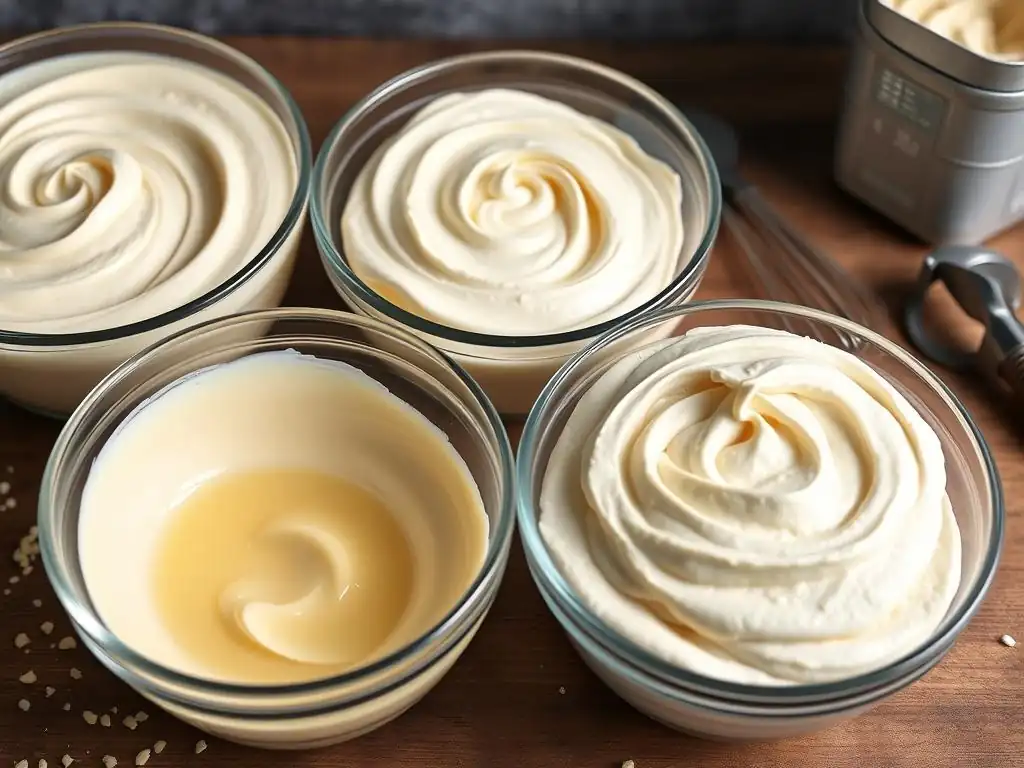
Not all buttercreams are created equal when it comes to stability and how they handle temperature fluctuations. Different types of buttercream have varying compositions and preparation methods, which affect their likelihood of separating and the best approach for a buttercream separates easy fix specific to that type. Understanding these differences is key to successful troubleshooting.
From the simple American buttercream to the more complex meringue-based varieties and creamy cream cheese frosting, each type presents unique challenges and solutions when separation occurs. Knowing the typical failure points for each can help you prevent issues and react effectively when your frosting curdles or splits.
American Buttercream: Troubleshooting Separation
American buttercream, made by creaming butter with powdered sugar and a liquid like milk or cream, is one of the easiest to make but can still separate. Common causes include using butter that's too cold or too warm, or adding liquid too quickly. If it looks greasy and soupy, the butter was likely too warm; chilling it slightly and re-whipping is the usual fix. If it's lumpy and grainy, the butter might have been too cold or the sugar wasn't incorporated properly; warming a small portion and re-mixing can help.
A classic buttercream separates easy fix for American buttercream is to add a tablespoon of liquid (milk, cream, or even water) and whip vigorously. If it's still separated and looks greasy, chilling it for 10-15 minutes and then re-whipping often does the trick. If it's stiff and lumpy, adding another tablespoon of liquid and whipping can help smooth it out. The key is incremental adjustments and patient mixing.
Swiss Meringue Buttercream: Preventing and Fixing Issues
Swiss Meringue Buttercream (SMBC) is made by warming egg whites and sugar over a double boiler, whipping them into a stiff meringue, and then gradually adding softened butter. It's known for being smooth and less sweet than American buttercream, but it is particularly susceptible to temperature issues. If the meringue isn't cooled sufficiently before adding butter, or if the butter is too cold, separation is common.
If SMBC separates and looks soupy or liquidy, it's almost always too warm. The fix is to chill the entire bowl in the refrigerator for 15-20 minutes, stirring occasionally, until the edges start to firm up. Then, return it to the mixer and whip on medium-high speed. It might look worse before it gets better, going through stages that resemble cottage cheese, but keep whipping – it should come back together. If it looks curdled and lumpy, it's likely too cold; warm a small portion and re-incorporate as described earlier.
Italian Meringue Buttercream: Addressing Separation Problems
Italian Meringue Buttercream (IMBC) involves pouring hot sugar syrup into whipping egg whites to create the meringue, then adding softened butter. Like SMBC, temperature is critical. If the sugar syrup wasn't hot enough, the meringue won't be stable. If the meringue isn't cooled enough before adding butter, or if the butter is too cold, separation can occur, often resulting in a soupy or curdled texture.
Troubleshooting IMBC separation is similar to SMBC. If it's soupy, it's too warm; chill it in the fridge until slightly firmed and then re-whip vigorously. If it's lumpy and curdled, it's likely too cold; warm a small portion gently and mix it back into the main batch. The high fat content means it can take several minutes of whipping to re-emulsify once the temperature is corrected, but it is almost always salvageable.
French Buttercream: Dealing with a Separated Base
French buttercream is made by whisking hot sugar syrup into egg yolks (or whole eggs) and then whisking in softened butter. It's very rich due to the high egg yolk content. Separation usually happens if the butter is added while the egg yolk base is still too warm, or if the butter is too cold. This often results in a greasy, split mixture.
If your French buttercream separates, the most common issue is it being too warm. Place the bowl in the refrigerator for 15-20 minutes, stirring every few minutes, until it cools down and starts to thicken. Then, return it to the mixer and whip on medium-high speed. The cooling allows the butter to re-solidify slightly, and the mixing helps re-emulsify it with the egg base. If it's lumpy and curdled, it might be too cold; try gently warming a small amount and whipping it back in.
Cream Cheese Buttercream: Common Problems and Solutions
Cream cheese buttercream is made by creaming butter with cream cheese, powdered sugar, and often a liquid like vanilla extract or milk. It's prone to separation if the cream cheese or butter are not properly softened or if they are at significantly different temperatures. Overmixing the cream cheese can also break down its structure, leading to a thinner, more unstable frosting.
The most frequent issue with cream cheese buttercream is a lumpy texture caused by cold cream cheese or butter, or a soupy, greasy texture from ingredients being too warm or overmixed. Ensure both butter and cream cheese are properly softened (around 65-70°F or 18-21°C) before starting. If it separates and looks lumpy, try gently warming the bowl slightly (e.g., over a barely warm water bath) while mixing. If it's soupy, chill it slightly in the fridge and then re-whip. Avoid overmixing the cream cheese itself; only mix until just smooth before adding other ingredients.
Preventing Buttercream Separation: Proactive Steps for Smooth Frosting
While knowing a buttercream separates easy fix is essential, preventing the separation in the first place is even better! Many troubleshooting issues can be avoided by simply paying close attention to ingredient temperatures and mixing techniques. A little care during the preparation process goes a long way towards achieving perfectly smooth, stable buttercream every time.
Developing good habits in your baking process, such as checking ingredient temperatures and understanding the science behind emulsification, significantly reduces the likelihood of your buttercream splitting. These proactive steps are simple yet incredibly effective and will save you time and frustration in the long run.
Achieving the Right Butter Temperature for Optimal Emulsification
The single most important factor in preventing buttercream separation is ensuring your butter is at the correct temperature. For most buttercreams (American, and when adding butter to meringue bases), this means softened, not melted or cold. Softened butter should yield slightly when pressed gently with a finger, but your finger shouldn't sink right through. This is typically around 65-70°F (18-21°C).
Butter that is too cold won't cream properly with sugar and will leave lumps, making the final buttercream prone to splitting. Butter that is too warm or even slightly melted won't emulsify correctly, leading to a greasy, separated mess. Plan ahead and take your butter out of the refrigerator 30-60 minutes before you start, depending on your kitchen temperature. Do not microwave butter to soften it quickly, as this often melts it unevenly.
Gradually Adding Ingredients for a Stable Buttercream
When making buttercream, especially American buttercream or when adding butter to a meringue, incorporating ingredients gradually is crucial for building a stable emulsion. For American buttercream, once the butter and sugar are creamed, add liquids (milk, cream, extract) a tablespoon at a time, mixing well after each addition until fully incorporated before adding the next. Adding too much liquid at once can shock the emulsion and cause it to break.
For meringue-based buttercreams, add the softened butter one piece at a time (about 1-2 tablespoons) to the cooled meringue, mixing thoroughly after each addition until the butter piece is fully incorporated before adding the next. This slow addition allows the meringue to properly emulsify with the fat. Adding butter too quickly can overwhelm the meringue and prevent a stable emulsion from forming, leading to separation.
Ensuring Proper Mixing Techniques to Avoid Separation
Using the correct mixing speed and duration is also vital for preventing separation. Start mixing on low speed when combining initial ingredients (like butter and sugar) to avoid a cloud of powdered sugar or splashing. Once combined, increase the speed to medium or medium-high (as specified by the recipe) to properly aerate and emulsify the mixture. Mix for the recommended time – usually several minutes – to ensure a smooth, fluffy texture.
Overmixing, however, can be detrimental. Prolonged mixing, especially at high speeds, can generate heat and break down the emulsion, particularly in sensitive buttercreams like those based on meringue. Pay attention to the texture; stop mixing once the buttercream is smooth, light, and fluffy. Undermixing can leave lumps or a poorly emulsified base, also increasing the risk of separation later.
Advanced Troubleshooting: When Basic Fixes Don't Work
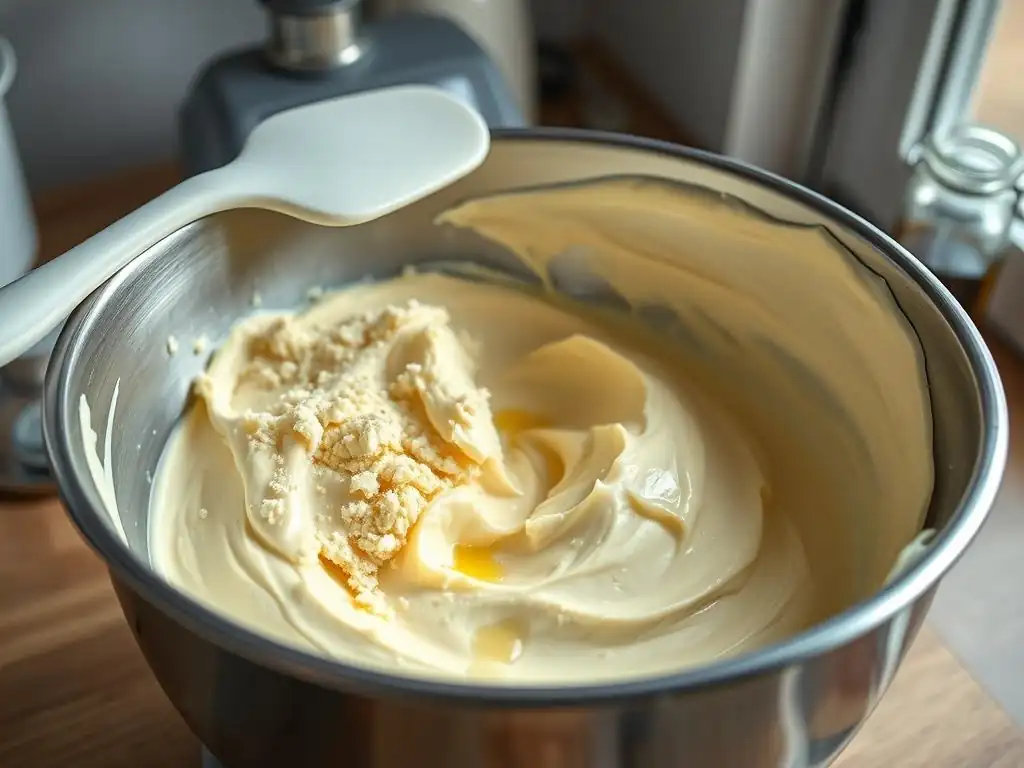
While the immediate fixes often resolve separated buttercream, sometimes the issue is more stubborn. This might be due to fundamental problems with ingredient quality, extreme temperature issues, or the need for additional stabilization. If the basic warming or cooling and re-whipping doesn't completely fix your split buttercream, these advanced techniques might be necessary.
These methods delve deeper into the properties of fat and emulsions, offering solutions that go beyond simple temperature adjustments. They involve understanding potential ingredient issues and how to structurally reinforce the buttercream to prevent future problems or salvage a particularly challenging batch.
Understanding Fat Bloom and its Impact on Buttercream Texture
Fat bloom isn't typical separation, but it can affect buttercream texture and make it seem problematic. It occurs when the fats in the butter crystallize and rise to the surface, creating a dull, sometimes grainy appearance. This usually happens due to temperature fluctuations during storage. While not harmful, it affects the visual appeal and can make the buttercream feel slightly less smooth.
Fat bloom itself doesn't mean the buttercream is separated in the sense of the emulsion breaking, but it indicates the fat structure has been compromised by temperature changes. Re-whipping the buttercream gently after it has come to a consistent, softened temperature can often smooth out the texture and make the bloom less noticeable. Ensuring stable storage temperatures is the best prevention.
Using Stabilizers to Prevent Buttercream Separation
For buttercreams that are particularly prone to separation or are being used in warm environments, adding a stabilizer can be an effective preventative measure. A common stabilizer for American buttercream is a small amount of cornstarch mixed with the powdered sugar, which helps absorb excess moisture. For meringue-based buttercreams, adding a small amount of melted, cooled white chocolate or cocoa butter at the end of mixing can help reinforce the emulsion.
Adding stabilizers changes the texture slightly but provides extra insurance against splitting, especially when dealing with challenging conditions or recipes that seem inherently unstable. For instance, adding 1-2 ounces of melted and cooled white chocolate per batch (approx. 3-4 cups) of meringue buttercream can significantly improve its stability in warmer temperatures. Experiment with small amounts to see how it affects your preferred consistency.
Adjusting Recipe Ratios for Different Climates and Ingredients
Sometimes, a recipe that works perfectly in one kitchen might fail in another due to differences in climate (humidity, temperature) or local ingredients (butter fat content, sugar fineness). If you consistently experience separation, you might need to adjust the recipe ratios slightly. In humid climates, you might need slightly less liquid or slightly more powdered sugar in American buttercream to achieve stability.
For meringue-based buttercreams, the quality and fat content of your butter can make a difference. Butter with higher fat content (often labeled as European-style, around 82-84% fat vs. 80% in standard butter) can sometimes make the buttercream richer but also potentially more susceptible to temperature issues. Adjusting the butter-to-meringue ratio slightly (e.g., using a little less butter) might be necessary to find the perfect balance for your ingredients and environment.
Common Mistakes That Cause Buttercream to Separate
Understanding the common pitfalls can help you avoid them altogether. Many instances of separated buttercream stem from simple errors in preparation, often related to temperature or impatience. Recognizing these mistakes before you even start mixing is a powerful way to ensure your buttercream stays smooth and stable.
Avoiding these frequent errors is often the easiest buttercream separates easy fix – because you prevent the problem from happening! Paying attention to detail during the mixing process, especially regarding ingredient temperatures and how you incorporate them, is paramount.
Overmixing Buttercream: The Consequences
While mixing is necessary to emulsify ingredients and create a fluffy texture, overmixing can have negative consequences. In American buttercream, overmixing can incorporate too much air, leading to a brittle texture that's prone to breaking, or generate enough heat through friction to start melting the butter, causing it to become greasy and separate.
In meringue-based buttercreams, overmixing after the butter is added can break down the meringue structure, leading to a deflated, sometimes soupy or separated mess. Mix until the buttercream is smooth and emulsified, then stop. Excessive whipping beyond this point doesn't improve the texture and can actually destabilize it.
Using Ingredients That Are Too Cold or Too Warm
As highlighted before, incorrect ingredient temperature is a leading cause of separation. Using butter straight from the fridge (around 35-40°F or 2-4°C) will result in a lumpy, grainy buttercream because it won't cream properly with sugar or emulsify with other ingredients. Adding very cold milk or cream to softened butter has a similar shocking effect.
Conversely, using butter that's too soft or partially melted (above 75°F or 24°C) will result in a greasy, soupy buttercream because the fat won't form a stable structure. For meringue buttercreams, adding butter to a meringue that is too warm (above 75°F or 24°C) will melt the butter instantly, causing a liquid mess. Always ensure ingredients are at the specified temperature, typically room temperature or slightly cooler, around 65-72°F (18-22°C), unless the recipe states otherwise.
Adding Liquids Too Quickly to Buttercream
In recipes that involve adding liquid (like American buttercream), pouring in the milk, cream, or extract all at once instead of gradually is a common mistake that leads to separation. The sudden influx of liquid can overwhelm the emulsion of butter and sugar, causing the fat to split out.
Whether it's a tablespoon of milk in American buttercream or incorporating the entire meringue into the butter base, adding liquid components slowly and allowing the mixture to fully emulsify after each addition is crucial. Take your time – this step is critical for a stable, smooth frosting.
Buttercream Storage and Temperature: Maintaining the Right Consistency
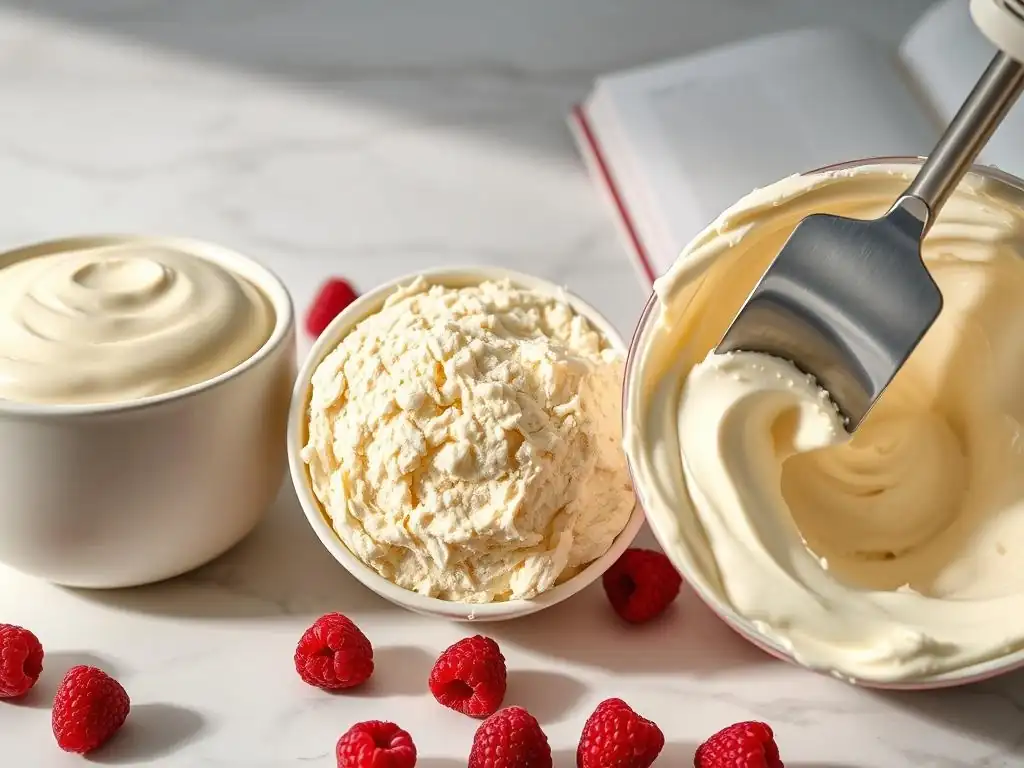
Buttercream's consistency is highly sensitive to temperature, not just during mixing but also during storage. Knowing how to properly store your buttercream and understanding how temperature changes affect it is essential for maintaining its smooth texture and being prepared if it separates after being chilled or warmed.
Proper storage techniques ensure that your hard work in making perfect buttercream doesn't go to waste. And if it does separate after storage, don't despair – often, a simple re-whip is all that's needed, proving that a buttercream separates easy fix applies even after chilling.
How Temperature Affects Buttercream After Mixing
Once mixed, buttercream's consistency will change significantly with temperature. When chilled in the refrigerator (around 35-40°F or 2-4°C), the butter will firm up, making the buttercream very stiff and solid. When brought back to room temperature (around 70-75°F or 21-24°C), it will soften back to a spreadable consistency.
However, exposing buttercream to temperatures that are too warm (above 80°F or 27°C) for extended periods can cause the butter to melt, leading to a greasy, separated texture. Conversely, rapid chilling can sometimes cause fat bloom or a slightly grainy texture. Stable, moderate temperatures are best for maintaining optimal consistency.
Best Practices for Storing Leftover Buttercream
Store leftover buttercream in an airtight container in the refrigerator for up to two weeks, or in the freezer for up to three months. This prevents it from absorbing odors and drying out. Label the container with the type of buttercream and the date.
When you're ready to use chilled buttercream, the best practice is to let it come to room temperature gradually on the counter for several hours until it is soft but still cool (around 65-70°F or 18-21°C). Avoid microwaving to soften, as this can lead to uneven heating and separation.
Rescuing Buttercream That Has Separated After Storage
It is very common for buttercream, especially meringue-based types, to appear curdled or separated after being refrigerated and then brought back to room temperature. The butter hardens in the fridge, and as it warms, it may not immediately re-emulsify with the liquid components, resulting in a lumpy or greasy look.
The buttercream separates easy fix after storage is usually simple: re-whip it! Once the buttercream has softened sufficiently at room temperature, place it in your mixer and whip on medium speed for several minutes. As the butter warms slightly and mixes, it will re-emulsify and become smooth and fluffy again. If it's still lumpy, it might need a little more time to warm up; if it's soupy, it might have gotten too warm and needs a quick chill before re-whipping.
Expert Tips for Perfect, Non-Separating Buttercream Every Time
Beyond the basic steps, incorporating some expert tips into your baking routine can elevate your buttercream game and minimize the chances of ever dealing with separation. These insights focus on ingredient quality, observation, and understanding the subtle cues your buttercream gives you during the process.
Mastering buttercream isn't just about following a recipe; it's also about developing an intuition for the right textures and temperatures. These tips will help you achieve consistently smooth, stable results, making buttercream troubleshooting a rare event.
Choosing High-Quality Ingredients for a Stable Emulsion
The quality of your ingredients can impact buttercream stability. Using high-quality butter with a good fat content (like European-style butter, often 82% fat) can sometimes contribute to a more stable emulsion than butter with lower fat content (standard butter is typically 80% fat). Ensure your powdered sugar is fresh and free of lumps.
For meringue-based buttercreams, using fresh egg whites is important for achieving a strong, stable meringue base, which is the foundation of the emulsion. While using specific brands isn't necessary, being aware of ingredient quality and consistency can help troubleshoot recurring issues.
Monitoring Buttercream Temperature Throughout the Process
Don't just rely on guesswork; actively monitor the temperature of your ingredients and the buttercream itself, especially when making meringue-based types. Use an instant-read thermometer to check the temperature of your butter (aim for 65-70°F or 18-21°C) and your meringue (often needs to cool to 70-75°F or 21-24°C before adding butter).
Even for American buttercream, feeling the temperature of your kitchen and the butter is important. If your kitchen is warm (above 75°F or 24°C), your butter will soften faster, and you might need to work more quickly or even slightly chill the bowl during mixing to maintain stability. Being mindful of temperature is a key buttercream separates easy fix in itself.
Recognizing the Signs of Potential Separation Early On
Pay attention to the texture of your buttercream as you mix. If making American buttercream and the mixture looks grainy after creaming butter and sugar, your butter was likely too cold – warm it slightly and keep mixing. If it looks greasy and isn't coming together after adding liquid, it might be too warm – chill slightly before continuing.
For meringue buttercreams, if after adding butter, the mixture looks soupy, the meringue was too warm. If it looks curdled and lumpy, the butter was too cold. Recognizing these signs early means you can often apply the immediate fix (warming or cooling) before the separation becomes severe and harder to correct.
Mastering Buttercream: Beyond Troubleshooting
Once you've mastered the art of preventing and fixing separated buttercream, a world of possibilities opens up! Stable, smooth buttercream is the perfect canvas for various flavors and decorating techniques. Moving beyond troubleshooting allows you to focus on the creative and delicious aspects of baking.
With confidence in your buttercream skills, you can experiment with different flavor infusions, achieve professional-looking finishes on your cakes and cupcakes, and even tackle more intricate piping designs. The foundation of perfect buttercream is stability, and once you've secured that, the fun truly begins.
Achieving Different Buttercream Textures and Flavors
A perfectly emulsified buttercream can be easily flavored with extracts, zests, purees, or melted chocolate. Its stable structure allows you to achieve different textures by varying the mixing time (more mixing for fluffier, less for denser) or adjusting the liquid content slightly.
For example, adding cocoa powder to American buttercream requires slightly more liquid to maintain a pipeable consistency. Infusing flavors like coffee or fruit purees needs careful incorporation to avoid adding too much liquid and causing separation, but a stable base handles these additions much better.
Decorating Techniques with Stable Buttercream
Stable buttercream is essential for clean, defined decorating. Whether you're crumb coating a cake, applying a smooth final layer with an offset spatula, or piping intricate swirls and borders, a buttercream that holds its shape and doesn't separate is critical.
Techniques like sharp edges on cakes, smooth finishes, and detailed piping are only achievable with a buttercream that has the correct consistency and stability. Troubleshooting buttercream separation ensures your frosting is ready for whatever decorative challenge you throw at it.
Buttercream Troubleshooting Checklist: A Quick Reference Guide
Keep this checklist handy in your kitchen!
- [ ] Is my butter at the correct temperature (65-70°F / 18-21°C)?
- [ ] Are my other ingredients (milk, meringue, cream cheese) also at the correct temperature?
- [ ] Am I adding liquids gradually, mixing well after each addition?
- [ ] Am I mixing at the correct speed?
- [ ] Am I avoiding overmixing once the buttercream is smooth?
- [ ] If separated and soupy/greasy: Is it too warm? -> Chill slightly and re-whip.
- [ ] If separated and lumpy/curdled: Is it too cold? -> Warm a small portion gently and re-incorporate while mixing.
- [ ] If separated after chilling: Has it come fully to room temperature? -> Re-whip.
- [ ] Am I using high-quality ingredients?
- [ ] Is my kitchen temperature affecting the process?
By following this guide, you'll be well-equipped to prevent and fix buttercream separation, ensuring your baked goods are always topped with smooth, delicious frosting! Happy baking!
Frequently Asked Questions
What are the most common reasons why my buttercream separates?
Buttercream often separates due to temperature differences. Too cold butter or uneven mixing can cause the emulsion to break. Using ingredients that are not at room temperature is a frequent culprit.
How can I prevent my buttercream from separating in the first place?
Prevention is key! Ensure your butter is softened but not melted, and that all ingredients are at a similar room temperature. Mix thoroughly and patiently to create a stable emulsion.
My buttercream has already separated. What's the easiest fix?
The easiest fix is often gentle heat. Try warming the bowl slightly over a double boiler or with a heat gun (very carefully!). Then, continue mixing until it comes back together.
What if warming the bowl doesn't work to fix my separated buttercream?
If gentle heat fails, try adding a tablespoon of melted butter or a tablespoon of milk (or heavy cream) gradually while mixing. This can help re-emulsify the mixture.
Are there any specific types of buttercream that are more prone to separating?
Yes, certain types, like Swiss meringue buttercream, can be more sensitive to temperature fluctuations. They require precise techniques and careful attention to detail to avoid separation.
Final Reflection: The Enduring Allure (and Occasional Despair) of Buttercream
The seemingly simple act of making buttercream frosting hides a surprising depth of culinary science, and its occasional tendency to separate remains a source of frustration for bakers of all skill levels. This article has explored the common causes of separated buttercream – from temperature inconsistencies to improper ingredient ratios – and offered practical, easy-to-implement solutions. But the struggle with separated buttercream is more than just a technical challenge; it's a microcosm of the larger creative process, reminding us that even the most seemingly straightforward recipes can present unexpected hurdles.
The enduring popularity of buttercream, despite its occasional capricious nature, speaks volumes about its place in our culinary culture. It's a symbol of celebration, a canvas for artistic expression, and a simple pleasure that brings joy to countless kitchens. As we've seen, mastering buttercream is a journey, not a destination. The best things in life are worth fighting for,
and a perfectly smooth, luscious buttercream is certainly one of them. The process of troubleshooting, of learning from mistakes, and ultimately achieving that creamy perfection is a rewarding experience in itself.
Now, consider your own baking experiences. Have you encountered the frustrating separation of buttercream? What did you learn from that experience? I encourage you to embrace the challenges, to experiment with different techniques, and to never give up on achieving that perfect swirl of creamy deliciousness. Remember, even the most experienced bakers have faced separated buttercream – it's part of the learning process. So, the next time you find yourself facing a bowl of curdled buttercream, remember the solutions outlined in this article, and approach the problem with renewed confidence and a dash of culinary creativity. You've got this!
Rediscover Perfectly Smooth Buttercream!
Thanks for taking the time to learn about troubleshooting separated buttercream! We hope you now feel confident in tackling this common baking challenge. Ready to put your newfound knowledge into action?
- Whizz up a batch of flawless buttercream: Use your newfound expertise to create the perfect frosting for your next cake or cupcakes. Experiment with different flavors and techniques!
- Share your success (or even your failures!): We'd love to see your buttercream creations – tag us on social media!
- Join our baking community forum to ask questions or offer tips to other bakers facing similar challenges.
What incredible buttercream creation will you bake next?