
Baking with Clementine Zest and Allspice: A Sweet Combination


Welcome to BakeWithEase, your guide to unlocking baking brilliance! Ever wondered how to infuse your baking with vibrant seasonal flavors? Then you're in the right place. Get ready to discover the magic of our Clementine zest allspice baking recipe, a delightful combination that will tantalize your taste buds and elevate your creations. Intrigued? Let's get baking and explore the secrets to this sweet sensation!
- Baking with Clementine and Allspice: Aromatic Winter Treats
- Introduction to Clementine and Allspice Baking
- Clementine and Allspice Baking Recipes
- Mastering Clementine Zest: Tips & Techniques
- Understanding Allspice: A Baker's Guide
- Clementine and Allspice Loaf Cake: Step-by-Step Guide
- Recipe Variations and Adaptations
- Health Aspects of Clementines and Allspice
- Sourcing Quality Ingredients
- Conclusion: Elevate Your Baking with Clementine and Allspice
-
Frequently Asked Questions
- What makes clementine zest and allspice a good combination in baking?
- Can I substitute other citrus zests for clementine zest in a baking recipe?
- What types of baked goods are best suited for clementine zest and allspice?
- Where can I find high-quality allspice for my baking recipe?
- How much clementine zest and allspice should I use in my baking recipe?
- Final Reflection: The Enduring Allure of Clementine and Allspice
- Unleash Your Inner Baker: Zesty Clementine Creations Await!
Baking with Clementine and Allspice: Aromatic Winter Treats
Introduction to Clementine and Allspice Baking
Embrace the Warmth of Winter Flavors
As the days grow shorter and the air crisp, our kitchens beckon with the promise of warm, spiced treats. Winter baking offers a unique opportunity to explore flavors that comfort and delight, and the combination of bright citrus and warm spices is a classic for a reason. Clementines, with their easy-to-peel skin and sweet, slightly tangy segments, bring a burst of sunshine, while allspice provides a complex, resonant warmth that evokes gingerbread and festive pies. Together, they create a harmonious blend that is perfect for cakes, cookies, loaves, and more, transforming simple ingredients into aromatic masterpieces.
Exploring this pairing opens up a world of delicious possibilities for your winter baking repertoire. Whether you're crafting a simple loaf cake for a cozy afternoon tea or preparing an elaborate dessert for a holiday gathering, incorporating clementine zest and allspice adds layers of flavor that are both sophisticated and inviting. This article will guide you through incorporating these wonderful ingredients, offering tips, techniques, and even a specific Clementine zest allspice baking recipe to get you started on your fragrant journey.
The Harmonious Blend of Clementine and Allspice
The magic of pairing clementine and allspice lies in their complementary flavor profiles. Clementine zest is rich in aromatic oils, providing a bright, slightly floral, and intensely citrusy note that cuts through richness and adds freshness. Allspice, often described as tasting like a blend of cinnamon, cloves, and nutmeg (hence its name), offers deep, warm, and slightly peppery undertones. When combined in baking, the vibrant citrus lifts the earthy depth of the spice, creating a balanced and complex flavor that is greater than the sum of its parts.
Consider how this pairing elevates classic baked goods. A simple sugar cookie becomes extraordinary with the addition of fine clementine zest and a pinch of ground allspice. A plain pound cake is transformed into a festive treat when infused with these aromas. This harmonious blend isn't just for sweet items; it can also add depth to savory quick breads or even glazes for roasted meats, showcasing its versatility beyond the typical dessert context. Mastering this combination allows bakers to create distinctive and memorable dishes throughout the winter season.
Clementine and Allspice Baking Recipes
Clementine and Allspice Bundt Cake: A Festive Centerpiece
A Clementine and Allspice Bundt Cake is a truly stunning centerpiece for any winter table, combining visual appeal with incredible flavor. The intricate design of a Bundt pan helps create a dramatic presentation, while the moist crumb infused with bright clementine zest and warm allspice ensures every slice is a delight.
Typically, a Bundt cake recipe requires around 2 to 3 tablespoons of fresh clementine zest and about 1 to 1.5 teaspoons of ground allspice to achieve a pronounced, balanced flavor throughout the cake. Baking time for a standard 10-12 cup Bundt pan is usually between 50 and 65 minutes at 325°F (160°C) or 350°F (175°C), depending on the specific recipe and oven calibration.
To enhance the festive feel, this cake can be finished with a simple glaze made from powdered sugar and clementine juice, allowing the citrus flavor to shine even more. Some bakers also like to add a touch of spice to the glaze itself. The density of a Bundt cake batter often benefits from using ingredients like sour cream or buttermilk, which contribute to a tender, moist texture that pairs beautifully with the aromatic elements. This Clementine zest allspice baking recipe variation is relatively forgiving, making it a great project for bakers looking to create something special without excessive complexity.
Shortbread cookies, with their buttery richness and tender crumb, provide a perfect canvas for infusing flavors like clementine zest and allspice. The simplicity of the base recipe allows the aromatic notes to truly stand out. For a batch yielding approximately 24 cookies, you might use the zest of one large clementine (about 1.5 teaspoons) and a half teaspoon of ground allspice.
These amounts can be adjusted based on desired intensity, but starting small is key as shortbread flavor is quite delicate. Baking shortbread typically involves a low and slow approach, often around 300°F (150°C) for 20-25 minutes, until the edges are just beginning to turn golden.
The key to achieving that signature crumbly texture is minimal handling of the dough and precise baking. Chilling the dough before cutting and baking is also crucial for maintaining sharp shapes and preventing excessive spread. Once baked, these Clementine and Allspice Shortbread Cookies offer a delightful snap followed by a melt-in-your-mouth sensation, releasing the vibrant citrus and warm spice notes. They are wonderful served with tea or coffee and make lovely edible gifts during the winter holidays.
Clementine and Allspice Scones: Perfect for Brunch
Scones are a delightful addition to any brunch table, and infusing them with clementine zest and allspice elevates them to a seasonal treat. The flaky, slightly crumbly texture of a scone provides pockets to hold the fragrant zest and spice, ensuring flavor in every bite. A standard batch of scones, yielding 8-10 pieces, might incorporate the zest of 1-2 clementines and about ¾ teaspoon of ground allspice. The baking process for scones is typically quick and hot, often at 400°F (200°C) for 15-20 minutes, which helps them rise beautifully and develop a golden crust.
Incorporating cold butter and handling the dough minimally are essential steps for achieving that desirable light texture in scones. The addition of clementine juice along with milk or cream can also add a subtle tang and extra moisture. These Clementine and Allspice Scones are wonderful served warm, perhaps with a dollop of clotted cream or a simple citrus glaze. Their combination of bright and warm flavors makes them a perfect accompaniment to a winter morning coffee or a festive brunch spread.
Mastering Clementine Zest: Tips & Techniques

Effective Clementine Zesting Techniques
Getting the most flavor from your clementines starts with effective zesting. The goal is to capture the colorful outer layer (the zest) which contains the volatile oils, while avoiding the bitter white pith underneath. A microplane grater is arguably the best tool for this task, yielding fine, fluffy zest that disperses easily and evenly throughout batters and doughs. Hold the clementine firmly and gently rub it against the grater, rotating the fruit frequently to remove only the colored skin.
Alternatively, a citrus zester with small holes can create slightly larger strands of zest, which might be preferred for garnishing or adding visual texture. For recipes where a more intense burst of flavor is desired, you can use a vegetable peeler or paring knife to remove wider strips of zest, then finely mince these strips by hand. Whichever tool you choose, always wash the clementine thoroughly before zesting, and remember that fresh zest is significantly more potent and flavorful than dried.
Balancing Clementine Zest in Recipes
Balancing the intensity of clementine zest in your baking is crucial for a harmonious result. Too little, and the flavor will be lost; too much, and it can become overpowering or even bitter if pith is included. As a general guideline for a standard cake or loaf recipe using 1.5 to 2 cups of flour, starting with the zest of one medium clementine (approximately 1 to 1.5 teaspoons) is a good starting point. For cookies or lighter doughs, you might use slightly less relative to the total volume.
Taste your batter or dough before baking (if safe to do so) or perform a test bake if developing a new Clementine zest allspice baking recipe. Remember that baking can sometimes mellow citrus flavors, so don't be afraid to use a generous amount if you want the citrus to be prominent. The moisture content of your ingredients and the baking time can also affect how the zest's flavor is perceived in the final product. Experimentation is key to finding your preferred balance.
Storing Zest for Optimal Freshness
While fresh clementine zest offers the most vibrant flavor, it is possible to store it for future use, though some potency will be lost over time. The best way to store fresh zest for short periods (a few days) is in a small airtight container in the refrigerator. Ensure the container is completely sealed to prevent the volatile oils from evaporating and to keep the zest from drying out.
For longer storage, clementine zest can be frozen. Spread the zest in a single layer on a small plate or baking sheet and freeze until solid, which usually takes about 30-60 minutes. Once frozen, transfer the zest to a small freezer-safe bag or container, squeezing out as much air as possible.
Frozen zest can be stored for several months. You can use frozen zest directly from the freezer in most baking applications, simply measure out the required amount. Another method is to mix the zest with a small amount of sugar (about a 1:2 ratio of zest to sugar) before storing; the sugar helps preserve the oils and prevents clumping.
Understanding Allspice: A Baker's Guide
Allspice: Origin and Baking Applications
Allspice is a spice derived from the dried, unripe berries of Pimenta dioica, an evergreen tree native to the Greater Antilles, southern Mexico, and Central America. Despite its name, it is not a blend of other spices but a single spice that happens to possess aromas reminiscent of cinnamon, cloves, and nutmeg. It was given the name "allspice" by the English in the 17th century who found it combined these flavors. Historically, it played a significant role in Caribbean, Middle Eastern, and Latin American cuisines before becoming popular in European and North American baking.
In baking, allspice lends a warm, slightly pungent, and complex note. It is a staple in gingerbread, pumpkin pie spice mixes, fruitcakes, and spice cookies. It pairs exceptionally well with fruits like apples, pears, and citrus, making it a natural partner for clementines. Ground allspice is the most common form used in baking, easily incorporated into batters and doughs. Whole allspice berries are less common in baking but can be used to infuse liquids like milk or cream for custards or sauces before being strained out.
Allspice Flavor Profile: Enhancing Baked Goods
The unique flavor profile of allspice comes from compounds like eugenol (also found in cloves) and cineole (also in eucalyptus), along with other aromatic oils. This combination gives it its characteristic warmth, spiciness, and subtle peppery finish. When used in baked goods, allspice adds depth and complexity without being overwhelming, provided it is used in moderation. It enhances the sweetness of sugars and complements the richness of butter and eggs.
Just a small amount of ground allspice can dramatically transform the flavor of a simple batter. For instance, adding ½ to 1 teaspoon of ground allspice to a standard cake recipe can bring out a delightful warmth, especially when paired with other spices like cinnamon or ginger. In a Clementine zest allspice baking recipe, the allspice provides the grounding, warm element that contrasts beautifully with the bright, high notes of the citrus zest. It's a versatile spice that adds a touch of cozy sophistication to winter treats.
Alternative Spices for Allspice
While allspice has a unique profile, if you find yourself without it, there are several spice combinations that can serve as reasonable substitutes in baking, although they won't perfectly replicate its flavor. The most common substitute involves combining ground cinnamon, cloves, and nutmeg. A popular ratio is 1 part ground cloves, 1 part ground nutmeg, and 2 parts ground cinnamon to replace the required amount of allspice. For example, if a recipe calls for 1 teaspoon of allspice, you could use ½ teaspoon cinnamon, ¼ teaspoon nutmeg, and ¼ teaspoon cloves.
Another potential substitute, though less common, is mace, which is the outer covering of the nutmeg seed. Mace has a flavor profile similar to nutmeg but is often described as slightly more delicate and floral, which could work in some recipes. However, the cinnamon-nutmeg-clove blend is generally the most reliable stand-in. Keep in mind that the intensity of individual spices varies, so it's always best to start with a smaller amount than the recipe calls for and add more to taste if using a substitute blend.
Clementine and Allspice Loaf Cake: Step-by-Step Guide
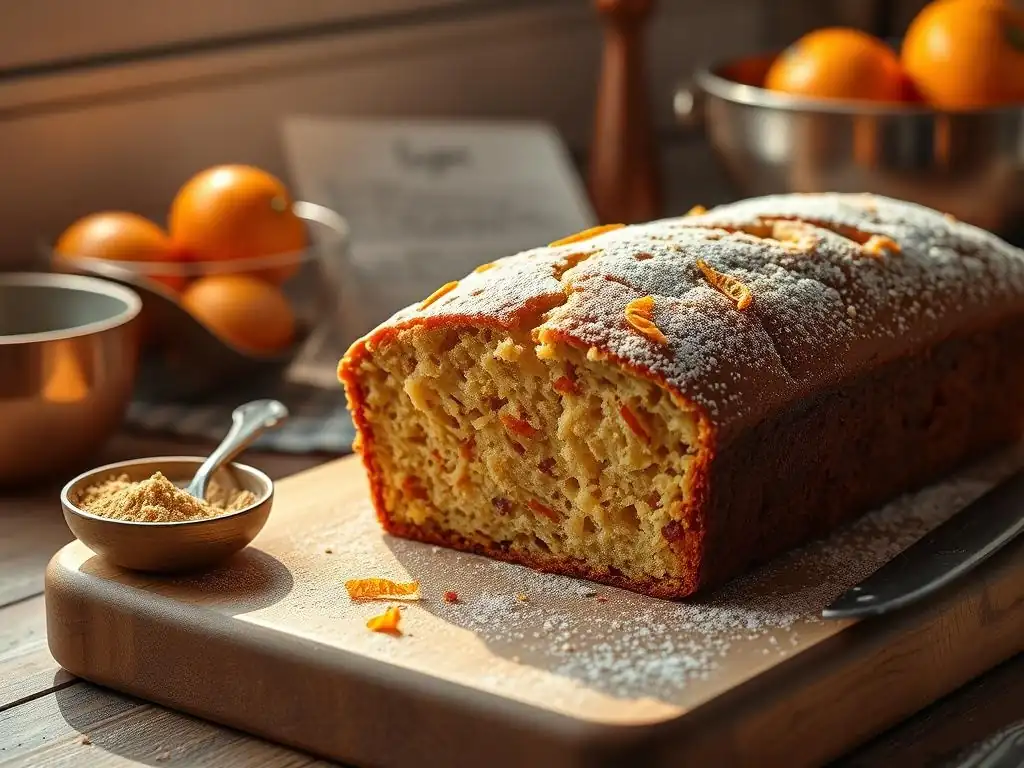
Ingredients for Clementine and Allspice Loaf Cake
Here is a simple list of ingredients for a delicious Clementine and Allspice Loaf Cake, designed to fit a standard 9x5 inch loaf pan. This Clementine zest allspice baking recipe is perfect for beginners.
- 1 ¾ cups (220g) all-purpose flour
- 1 teaspoon baking powder
- ½ teaspoon baking soda
- ½ teaspoon salt
- 1 teaspoon ground allspice
- ½ teaspoon ground cinnamon (optional, but complements allspice)
- Zest of 2 clementines (about 2-3 teaspoons)
- ¾ cup (150g) granulated sugar
- ½ cup (1 stick or 113g) unsalted butter, softened
- 2 large eggs
- ½ cup (120ml) buttermilk or plain yogurt
- ¼ cup (60ml) fresh clementine juice (from the zested fruit)
- 1 teaspoon vanilla extract
Optional Glaze:
- 1 cup (120g) powdered sugar
- 2-3 tablespoons fresh clementine juice
Instructions for Baking Clementine and Allspice Loaf Cake
Follow these steps to bake your fragrant loaf cake:
- Preheat your oven to
350°F (175°C). Grease and flour a 9x5 inch loaf pan or line it with parchment paper. - In a medium bowl, whisk together the flour, baking powder, baking soda, salt, allspice, and cinnamon (if using).
- In a large bowl, cream together the softened butter and granulated sugar until light and fluffy, about 3-4 minutes, using an electric mixer.
- Add the eggs one at a time, beating well after each addition. Scrape down the sides of the bowl as needed.
- Beat in the clementine zest and vanilla extract.
- In a small bowl or measuring cup, whisk together the buttermilk (or yogurt) and clementine juice.
- Add the dry ingredients to the wet ingredients alternately with the buttermilk mixture, starting and ending with the dry ingredients (e.g., add ⅓ dry, mix, add ½ wet, mix, add ⅓ dry, mix, add ½ wet, mix, add remaining ⅓ dry, mix until just combined). Do not overmix.
- Pour the batter into the prepared loaf pan and spread evenly.
- Bake for
50-65 minutes, or until a wooden skewer inserted into the center comes out clean. If the top browns too quickly, you can tent it loosely with foil after about 30-40 minutes. - Let the cake cool in the pan for 10-15 minutes before inverting it onto a wire rack to cool completely.
- Once cool, prepare the optional glaze by whisking together powdered sugar and clementine juice until smooth. Pour or drizzle over the cooled cake. Let the glaze set before slicing.
#### Baking Task List:

- [x] Preheat oven to 350°F (175°C)
- [x] Prepare loaf pan
- [x] Whisk dry ingredients
- [x] Cream butter and sugar
- [x] Add eggs, zest, vanilla
- [x] Combine wet ingredients (buttermilk/yogurt, juice)
- [x] Alternate adding dry and wet to main batter
- [x] Pour batter into pan
- [x] Bake for 50-65 minutes
- [x] Cool in pan (10-15 min)
- [x] Cool completely on wire rack
- [ ] Prepare glaze (optional)
- [ ] Drizzle glaze over cake
- [ ] Let glaze set
Tips for a Moist and Flavorful Loaf Cake
Achieving a moist and flavorful loaf cake involves paying attention to a few key details in this Clementine zest allspice baking recipe. Firstly, using ingredients at room temperature, especially the butter and eggs, helps them emulsify better, resulting in a smoother batter and a finer crumb. Overmixing the batter can develop the gluten in the flour too much, leading to a tough cake, so mix only until the ingredients are just combined, with no streaks of dry flour visible.
The inclusion of buttermilk or yogurt and fresh clementine juice adds both moisture and tenderness due to their acidity, which reacts with the baking soda to create a lighter texture. Don't skip the zest; it holds the majority of the clementine flavor. For the most intense flavor, add the zest directly to the sugar and butter mixture and beat them together; the sugar crystals help release the oils from the zest.
Ensure your allspice is fresh for the best aroma. Baking time can vary significantly between ovens, so start checking for doneness around the 50-minute mark using the skewer test.
Recipe Variations and Adaptations
Gluten-Free Clementine and Allspice Baking
Adapting a Clementine zest allspice baking recipe to be gluten-free is straightforward with today's high-quality gluten-free flour blends. The most common approach is to substitute the all-purpose flour with an equal amount (by weight, which is more accurate) of a reputable gluten-free all-purpose blend. Look for blends that contain a mix of flours (like rice flour, sorghum flour, or tapioca starch) and often include a binder like xanthan gum. If the blend doesn't contain xanthan gum, you may need to add about ¾ to 1 teaspoon per cup of flour substitute to provide structure.
When using gluten-free flour, the batter or dough might behave slightly differently – it could be thicker or require a little more liquid. It's best to follow a recipe specifically designed for gluten-free baking if possible, but direct substitution often works for simple cakes and cookies. The baking time might also vary slightly. The vibrant flavors of clementine zest and allspice are naturally gluten-free, so they transition beautifully into gluten-free versions of your favorite baked goods, ensuring everyone can enjoy these winter treats.
Dairy-Free Clementine and Allspice Options
Making a Clementine zest allspice baking recipe dairy-free is also quite achievable. The most common dairy ingredients in baking are butter, milk, and sometimes yogurt or buttermilk. Butter can typically be substituted with a plant-based butter alternative or, in some recipes like muffins or quick breads, with oil (though this will change the texture slightly). For every cup of butter, you can usually substitute with 1 cup of plant-based butter or ¾ cup of oil.
Milk can be replaced with various non-dairy milks such as almond milk, soy milk, oat milk, or cashew milk. For buttermilk, you can create a dairy-free version by combining a non-dairy milk (like soy or oat) with a tablespoon of vinegar or lemon juice and letting it sit for 5-10 minutes until it thickens slightly. Dairy-free yogurt alternatives can also stand in for dairy yogurt or sour cream. These substitutions allow the delightful clementine and allspice flavors to shine through in baked goods suitable for those with dairy sensitivities or preferences.
Complementary Spice Pairings
While clementine zest and allspice are a fantastic duo on their own, they also pair wonderfully with other spices, allowing for creative variations on your Clementine zest allspice baking recipe. Cinnamon is perhaps the most natural partner, adding a familiar warmth that enhances the allspice without overpowering the citrus. Ground ginger can introduce a pleasant warmth and slight heat, complementing the brightness of the clementine.
Nutmeg is another excellent addition, especially if you enjoy the classic notes found in allspice; using freshly grated nutmeg will provide the best flavor. Cloves, used sparingly, can intensify the warm spice profile. For a slightly different twist, consider adding a pinch of cardamom, which has a unique floral and slightly citrusy note that harmonizes surprisingly well with both clementine and allspice. Feel free to experiment with small amounts of these complementary spices to find your perfect aromatic blend.
Health Aspects of Clementines and Allspice

Nutritional Benefits of Clementines
Clementines are not only delicious but also offer several nutritional benefits that can be a small bonus in your baking. They are an excellent source of Vitamin C, a powerful antioxidant that supports the immune system and skin health. A single medium clementine can provide a significant portion of the recommended daily intake of Vitamin C.
They also contain dietary fiber, which aids digestion, and various other antioxidants and beneficial plant compounds. While the baking process and added sugars in a Clementine zest allspice baking recipe mean the final product isn't a health food, incorporating the zest and juice ensures you still benefit from some of the fruit's natural goodness and flavor. The bright, natural sweetness of clementines can also potentially allow for a slight reduction in added sugar in some recipes.
Health Properties of Allspice
Allspice also brings some potential health properties to the table, attributed largely to its concentration of beneficial compounds like eugenol. Historically, allspice has been used in traditional medicine for various ailments, including digestive issues. Eugenol is known for its antiseptic and analgesic properties, although the amounts consumed in typical baked goods are relatively small.
The spice contains antioxidants and anti-inflammatory compounds. While you won't get significant therapeutic effects from the small amount used in a Clementine zest allspice baking recipe, adding allspice contributes to the overall complexity and enjoyment of your food. Using whole, freshly ground allspice berries will ensure you get the most potent flavor and highest concentration of its beneficial compounds compared to pre-ground spice that has been sitting on the shelf for a long time.
Sourcing Quality Ingredients
Selecting Ripe Clementines for Baking
Selecting ripe, flavorful clementines is essential for maximizing the impact of their zest and juice in your baking. Look for clementines that feel heavy for their size, as this indicates juiciness. The skin should be bright orange, smooth, and free from major blemishes or soft spots. While a few minor imperfections are fine, avoid fruit with significant bruising or mold.
A ripe clementine should have a pleasant citrusy aroma when you scratch the surface lightly with your fingernail. Avoid fruit that feels very hard or very soft. Clementines are typically in season during the winter months, which is why they pair so well with warming spices like allspice, making this Clementine zest allspice baking recipe a perfect seasonal fit. Sourcing organic clementines is recommended if you plan to use the zest, as the skin is where pesticide residues can accumulate.
Identifying High-Quality Allspice
The quality of your allspice significantly impacts the final flavor of your baked goods. Ground allspice loses its potency relatively quickly, so it's best to buy it from a reputable source with high turnover. Look for ground allspice that is finely milled and has a rich, reddish-brown color. When you open the container, it should have a strong, warm, and complex aroma reminiscent of cloves, cinnamon, and nutmeg. If it smells weak or musty, it's likely old and won't contribute much flavor.
For the freshest flavor, consider buying whole allspice berries and grinding them yourself just before use using a spice grinder or a mortar and pestle. Whole allspice berries retain their volatile oils for much longer than pre-ground spice. When buying whole berries, look for ones that are dark brown, roughly pea-sized, and feel dense. Grinding your own allspice will yield the most aromatic and flavorful results for your Clementine zest allspice baking recipe.
Conclusion: Elevate Your Baking with Clementine and Allspice
Explore Winter Baking Possibilities
Winter baking offers a delightful opportunity to explore rich, comforting flavors, and the combination of clementine zest and allspice is a perfect example of this. From festive Bundt cakes and delicate shortbread to cozy loaf cakes and flaky scones, these two ingredients can transform a wide variety of baked goods into aromatic seasonal treats. The bright citrus cuts through the richness, while the warm spice adds depth and complexity, creating a truly harmonious flavor profile that embodies the spirit of the season.
Don't limit yourself to just the recipes mentioned; consider adding a touch of clementine zest and a pinch of allspice to your favorite muffin recipe, gingerbread dough, or even a crumble topping for a fruit pie. Experimenting with this pairing in different contexts can lead to exciting new discoveries in your kitchen. The versatility of this duo makes them indispensable ingredients for any baker looking to add a touch of winter magic to their creations.
Clementine and Allspice: A Versatile Baking Duo
As we've explored, clementine zest and allspice are a remarkably versatile duo in the world of baking. They work together seamlessly, complementing each other's strengths to create balanced and appealing flavors. The vibrant oils in the clementine zest provide a high, bright note that prevents baked goods from tasting heavy, while the complex warmth of allspice adds a comforting, grounding element. This makes them suitable for everything from light and airy sponge cakes to dense and moist quick breads.
Whether you're a seasoned baker or just starting out, incorporating clementine zest and allspice into your recipes is an easy way to elevate your results and infuse your home with wonderful aromas. Finding the perfect Clementine zest allspice baking recipe is just the beginning. With a little creativity and a willingness to experiment, you can unlock the full potential of this delightful flavor combination and create memorable baked goods all winter long. Happy baking!
Frequently Asked Questions
What makes clementine zest and allspice a good combination in baking?
Clementine zest offers a bright, citrusy flavor that complements the warm, spicy notes of allspice. This combination creates a balanced and delicious taste.
Can I substitute other citrus zests for clementine zest in a baking recipe?
Yes, you can. Orange zest is the closest substitute, but lemon or grapefruit zest can also work, though they will alter the overall flavor profile slightly. Consider the desired level of sweetness.
What types of baked goods are best suited for clementine zest and allspice?
This flavor combination works well in a variety of baked goods, including cakes, cookies, muffins, and even breads. It adds a festive and aromatic touch to almost anything.
Where can I find high-quality allspice for my baking recipe?
Most grocery stores carry allspice in the spice aisle. Look for freshly ground allspice for the best flavor. Online spice retailers also offer a wide selection.
How much clementine zest and allspice should I use in my baking recipe?
Start with small amounts, such as 1 teaspoon of clementine zest and 1/2 teaspoon of allspice per cup of flour. You can adjust the amounts to suit your personal taste preferences in future recipes.
Final Reflection: The Enduring Allure of Clementine and Allspice
The vibrant, warming flavors of clementine zest and allspice are more than just a delicious combination; they represent a timeless connection between simple ingredients and extraordinary results. This article explored various ways to incorporate these two elements into baking, showcasing their versatility and unique ability to elevate even the simplest recipes. But beyond the specific recipes, we've touched upon something deeper: the power of mindful baking and the joy found in creating something beautiful and delicious from humble beginnings.
The influence of seasonal ingredients and traditional spice blends on our culinary landscape is undeniable. The comforting aroma of allspice, coupled with the bright citrus notes of clementine, evokes feelings of warmth, nostalgia, and home. The best things in life are simple,
a sentiment perfectly captured by the ease and impact of these two ingredients working in harmony. This simple combination transcends mere recipe; it speaks to a deeper appreciation for the natural world and the artistry of transforming raw ingredients into something truly special. It's a reminder to slow down, savor the process, and appreciate the small moments of joy found in the kitchen.
Now, consider your own baking journey. What simple combinations have brought you unexpected delight? What ingredients hold a special significance for you, evoking memories and emotions? I encourage you to experiment, to embrace the unexpected, and to find your own unique blend of flavors that resonate with your soul. Let the spirit of clementine zest and allspice inspire you to create something truly memorable – a recipe, a memory, or simply a moment of quiet joy in the kitchen. The possibilities, like the aroma of baking spices, are endlessly enticing.
Unleash Your Inner Baker: Zesty Clementine Creations Await!
Thanks for joining us on this delicious journey into the world of clementine and allspice baking! We hope you’ve discovered some exciting new flavor combinations and found inspiration for your next culinary adventure. Now it's time to put your newfound knowledge into practice!
- Bake a batch of our featured clementine-allspice muffins: This is the perfect way to immediately experience the delightful taste combination we explored. Imagine the compliments you'll receive!
- Share your baking creations: Show off your skills and inspire others by sharing photos of your clementine-infused treats on social media using #BakeWithEaseClementine.
- Experiment with other citrus fruits: Try substituting oranges, lemons, or grapefruit zest in our recipes to discover your own signature flavors. What unique combinations will you create?
Ready to transform your kitchen into a fragrant haven? What zesty twist will you add to your next baking project?