
Easy Za'atar Flatbread (Manakish): A Middle Eastern Delight

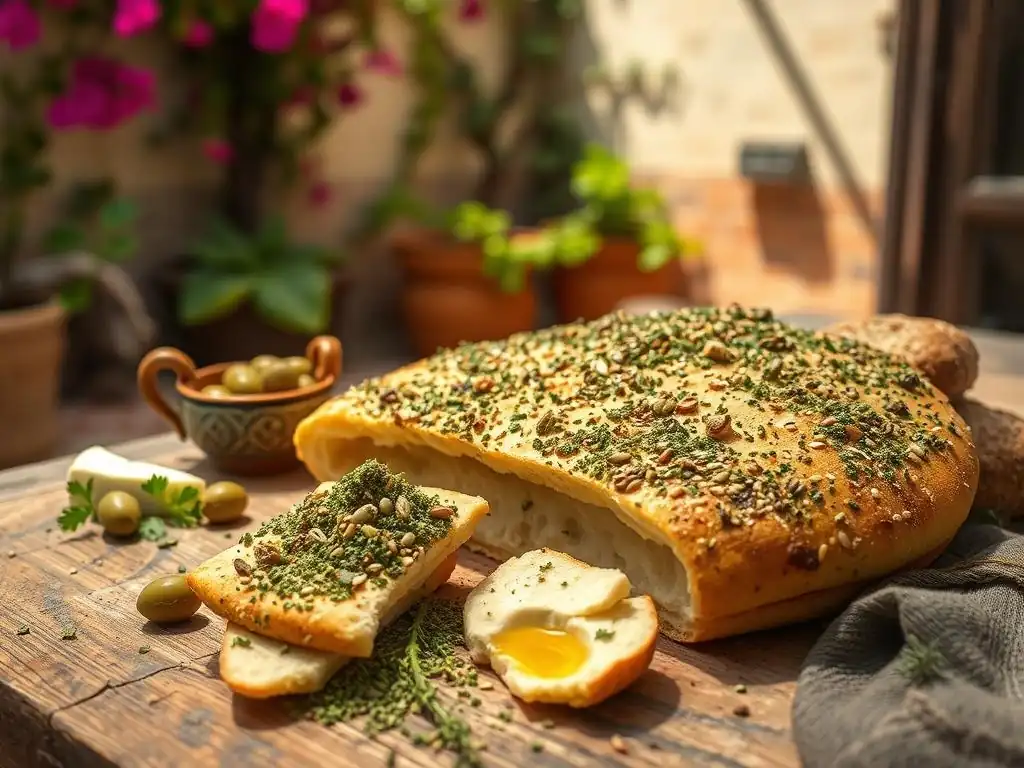
Welcome to BakeWithEase, your trusted guide to the delightful world of baking! Ever dreamed of creating authentic Middle Eastern flavors in your own kitchen? Dive into our Easy Za'atar Flatbread (Manakish) Recipe and discover how simple it is to bake this fragrant and satisfying treat. Intrigued? Let's unlock the secrets to this delicious bread and embark on a baking adventure together!
- Bake Authentic Manakish at Home: An Easy Za'atar Flatbread Recipe
- Why This Easy Za'atar Flatbread Recipe Works
- Ingredients for Your Homemade Za'atar Flatbread (Manakish)
-
Step-by-Step Guide: Baking Your Own Easy Za'atar Flatbread
- Step 1: Preparing the Dough for Manakish
- Step 2: Letting the Dough Rise: Patience is Key
- Step 3: Shaping the Flatbreads: Creating the Manakish Form
- Step 4: Preparing the Za'atar Topping: Mixing the Flavors
- Step 5: Topping the Flatbreads: Generously Apply the Za'atar
- Step 6: Baking the Manakish: Achieving Golden Perfection
- Tips for the Best Za'atar Flatbread (Manakish)
- Serving Suggestions: Enjoying Your Freshly Baked Manakish
- Variations on the Classic Za'atar Flatbread Recipe
- Troubleshooting Your Za'atar Flatbread
- Enjoy Your Homemade Middle Eastern Flatbread!
- Frequently Asked Questions
- Final Reflection: The Humble Za'atar Flatbread: A Taste of Connection
- Unleash Your Inner Baker: Craft Your Own Za'atar Magic!
Bake Authentic Manakish at Home: An Easy Za'atar Flatbread Recipe
Exploring the Origins of Manakish: A Middle Eastern Staple
Manakish, sometimes spelled manaeesh or manaqish, is a beloved Levantine flatbread, a culinary cornerstone across countries like Lebanon, Syria, Palestine, and Jordan. Its history stretches back centuries, rooted in the region's agricultural traditions where simple doughs topped with local ingredients were baked in communal ovens or on a saj (a dome-shaped griddle).
Historically, it was often prepared in the morning using leftover bread dough from the previous day, making it a practical and delicious way to start the day. The name "Manakish" itself comes from the Arabic word "naqasha," which means to engrave or decorate, referring to the way the topping is pressed into the dough.
While countless toppings exist, from cheese (Jibneh) to spiced meat (Lahm Bi Ajeen), the most iconic and perhaps simplest is the za'atar version. This particular flatbread has become synonymous with breakfast or a quick snack throughout the Middle East. Its enduring popularity is a testament to its simple preparation, versatile nature, and the deeply aromatic and savory flavor imparted by the unique za'atar spice blend. This easy za'atar flatbread recipe aims to capture that authentic taste with minimal fuss.
The Flavor Profile of Za'atar: A Herb Blend Like No Other
Za'atar is not a single spice but rather a traditional Middle Eastern herb and spice blend, the exact composition of which can vary slightly by region and family recipe. The core ingredients typically include dried thyme, oregano, marjoram, toasted sesame seeds, and sumac, often mixed with salt. The dried herbs provide an earthy, slightly minty, and pungent base. Thyme is usually the dominant herb, contributing a robust, savory note.
Sumac, a ground berry from the Rhus coriaria bush, is crucial for adding a distinct tangy, slightly lemony flavor that brightens the entire blend. Toasted sesame seeds add a nutty depth and a pleasant textural crunch. The result is a complex, aromatic, and savory profile that is slightly tart and nutty, making it incredibly versatile. It's not just used on flatbreads; za'atar is also sprinkled on labneh (strained yogurt), hummus, salads, or used as a rub for meats. Mastering the balance of these components is key to a truly authentic easy za'atar flatbread recipe.
Why This Easy Za'atar Flatbread Recipe Works
Simple Ingredients for a Delicious Manakish
One of the main reasons this easy za'atar flatbread recipe is so approachable is its reliance on readily available ingredients. The dough requires standard pantry staples like flour, yeast, water, a pinch of sugar, salt, and a touch of olive oil. You don't need specialty flours or hard-to-find leavening agents. The za'atar topping, while featuring a specific spice blend, is primarily just that blend mixed with a good quality olive oil. This simplicity means you can likely whip up a batch without a special trip to the grocery store, making it perfect for a spontaneous baking session.
Furthermore, the quality of these simple ingredients shines through in the final product. Using a good extra virgin olive oil for the topping, for example, will lend a richer flavor and better texture to the baked za'atar. Similarly, ensuring your yeast is active is the only real 'trick' to getting a lovely rise. This focus on simple, quality components ensures that even beginner bakers can achieve excellent results with this easy za'atar flatbread recipe, producing a delicious, authentic taste without complexity.
Quick and Easy Dough Preparation: Perfect for Weekday Baking
Unlike some bread recipes that demand extensive kneading or multiple long proofing periods, this easy za'atar flatbread recipe is designed for speed and simplicity. The dough comes together quickly, often requiring just 5-7 minutes of kneading, either by hand or in a stand mixer. This short kneading time develops just enough gluten for a soft, pliable dough without the need for prolonged effort. The recipe typically calls for a single rise, which usually takes around 60-90 minutes at room temperature, or even less in a warm kitchen.
This streamlined process makes it ideal for busy schedules or even weeknight baking. You can mix the dough, let it rise while you prepare dinner, and then quickly shape and bake the flatbreads. The minimal hands-on time is a significant advantage for those new to bread making or those looking for a fast, rewarding baking project. The focus is on a forgiving dough that doesn't require expert handling to turn out a wonderfully soft and chewy manakish.
Achieving the Perfect Texture: Soft and Chewy Flatbread
The desired texture of authentic Manakish is typically soft and slightly chewy, with a tender crumb and a lightly crisp bottom edge. This easy za'atar flatbread recipe is formulated to achieve precisely that. The hydration level of the dough (the ratio of water to flour) is key; it's high enough to ensure a moist interior but not so high that the dough is difficult to handle. The brief kneading time also contributes to tenderness, preventing the development of excessive gluten that could result in a tough texture.
Baking at a relatively high temperature for a short duration is another critical factor. A hot oven (around 450°F or 230°C) allows the flatbreads to puff up quickly, creating air pockets, while the edges and bottom crisp up slightly before the interior dries out. The oil in the za'atar topping also helps keep the surface moist and flavorful during baking. By following the steps in this easy za'atar flatbread recipe, you'll consistently produce flatbreads with that desirable balance of soft chewiness and a hint of crispness.
Ingredients for Your Homemade Za'atar Flatbread (Manakish)
The Dough Ingredients: What You'll Need
Here's a breakdown of the simple ingredients required for the dough in this easy za'atar flatbread recipe:
- All-purpose flour: Approximately 3 cups (around 360-380 grams)
- Warm water: About 1 to 1 ¼ cups (around 240-300 ml), ideally between 105°F and 115°F (40°C-46°C)
- Active dry yeast or instant yeast: 1 ½ teaspoons
- Granulated sugar: 1 teaspoon (feeds the yeast)
- Salt: 1 teaspoon
- Olive oil: 2 tablespoons for the dough, plus extra for the bowl
Using standard all-purpose flour works perfectly for this recipe, providing a good balance of structure and tenderness. The warm water is essential to activate the yeast, so ensure it's not too hot, which could kill it, or too cold, which would slow it down significantly. The small amount of sugar gives the yeast a quick start, and salt is crucial for flavor and controlling yeast activity. Olive oil adds richness and helps create a soft dough.
Za'atar Topping Ingredients: Creating the Perfect Blend
The heart of the za'atar flatbread lies in its distinctive topping. For this easy za'atar flatbread recipe, you'll need:
- Za'atar spice blend: Approximately ½ cup (around 50-60 grams). Ensure it's a good quality blend.
- Extra virgin olive oil: About ½ cup (around 120 ml), or enough to create a thick paste.
The ratio of za'atar blend to olive oil is crucial. You want to create a spreadable paste, not a dry mix or a watery mess. Start with the suggested amount of oil and add more if needed until the mixture is the consistency of a loose pesto or thick paint. The quality of your za'atar blend will significantly impact the final flavor, so try to source a fresh, authentic blend if possible. Some blends contain roasted chickpeas or nuts; for this classic recipe, stick to the herb/spice/seed/sumac type.
Step-by-Step Guide: Baking Your Own Easy Za'atar Flatbread
Step 1: Preparing the Dough for Manakish
Begin by activating the yeast. In a large mixing bowl, combine the warm water, sugar, and yeast. Stir gently and let it sit for 5-10 minutes until it becomes foamy. If it doesn't foam, your yeast might be inactive, and you should start again with fresh yeast. Once the yeast is active, add the salt and 2 tablespoons of olive oil to the bowl. Gradually add the flour, mixing with a spoon or spatula until a shaggy dough forms.
Turn the dough out onto a lightly floured surface. Knead the dough for about 5-7 minutes until it is smooth and elastic. It should be slightly tacky but not overly sticky. If using a stand mixer, use the dough hook and mix on medium speed for about 5-7 minutes. Resist the urge to add too much extra flour during kneading, as this can make the flatbread tough. A little tackiness is good.
Step 2: Letting the Dough Rise: Patience is Key
Lightly grease a clean bowl with olive oil. Place the kneaded dough in the bowl, turning it to coat all sides with oil. Cover the bowl tightly with plastic wrap or a clean kitchen towel. Place the bowl in a warm spot, free from drafts, to rise. The dough should double in size, which typically takes about 60-90 minutes depending on the temperature of your kitchen.
- [ ] Ensure bowl is large enough for dough to double.
- [ ] Cover bowl tightly to prevent drying.
- [ ] Find a warm spot (e.g., near a sunny window, in a slightly warm, turned-off oven).
A properly risen dough will be light and airy. You can test if it's ready by gently pressing two fingers into the surface; if the indentations remain, the dough has risen sufficiently. Don't rush this step; allowing the dough adequate time to rise is crucial for a soft and flavorful easy za'atar flatbread.
Step 3: Shaping the Flatbreads: Creating the Manakish Form
Once the dough has doubled in size, gently punch it down to release the air. Turn the dough out onto a lightly floured surface and divide it into equal portions. For medium-sized flatbreads (about 6-8 inches in diameter), divide the dough into 6-8 pieces. For larger ones, divide into 4-5 pieces. Roll each piece into a smooth ball.
On a lightly floured surface or directly on parchment paper placed on your baking sheets, roll or pat each ball of dough into a circle or oval shape, about ¼ inch thick. Aim for a rustic, slightly uneven shape – perfection isn't necessary! The traditional Manakish shape is often round, but ovals work just as well. As you shape them, place them on baking sheets lined with parchment paper, leaving some space between each one.
Step 4: Preparing the Za'atar Topping: Mixing the Flavors
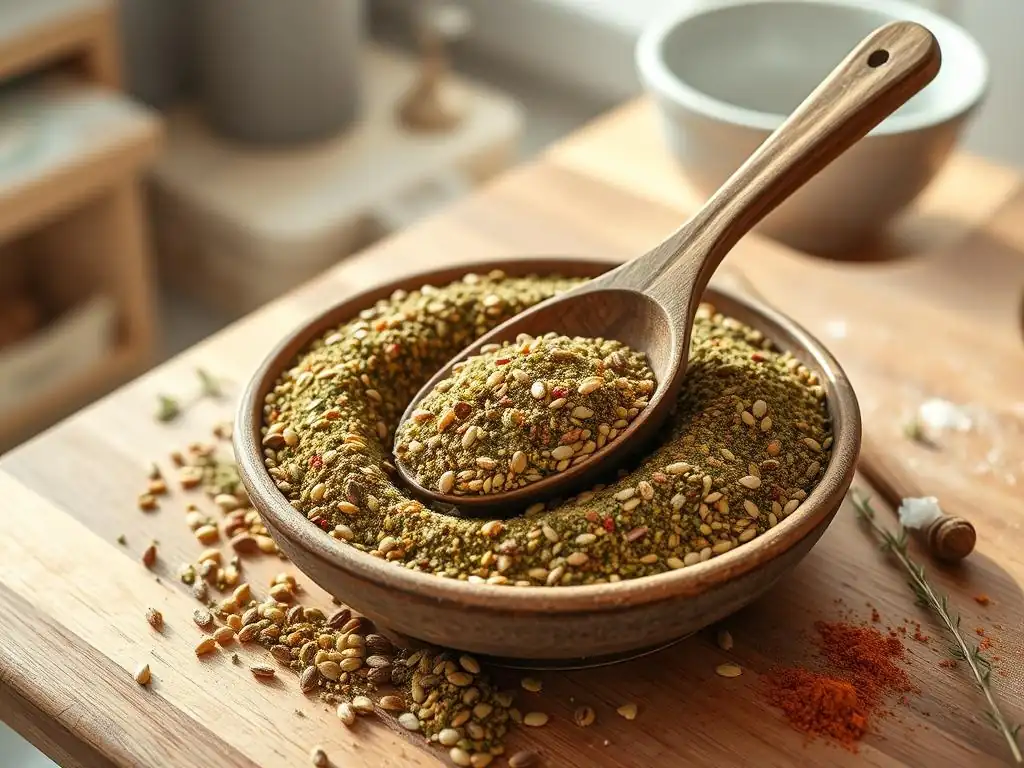
While the dough is resting briefly after shaping, prepare the za'atar topping. In a small bowl, combine the ½ cup of za'atar spice blend with about ½ cup of extra virgin olive oil. Stir them together thoroughly.
The mixture should be a thick, spreadable paste. If it seems too dry, add another tablespoon or two of olive oil until you reach the desired consistency. If it's too oily, you can add a tiny bit more za'atar, but be mindful of making it too salty or herb-heavy. Taste a tiny bit of the mixture (without oil) to gauge the flavor profile of your specific blend. The oil helps distribute the flavors and prevents the herbs from burning in the oven.
Step 5: Topping the Flatbreads: Generously Apply the Za'atar
Preheat your oven to a high temperature, ideally 450°F (230°C). If using a pizza stone or baking steel, place it in the oven while it preheats. Now, it's time to add the delicious za'atar topping to your shaped flatbreads.
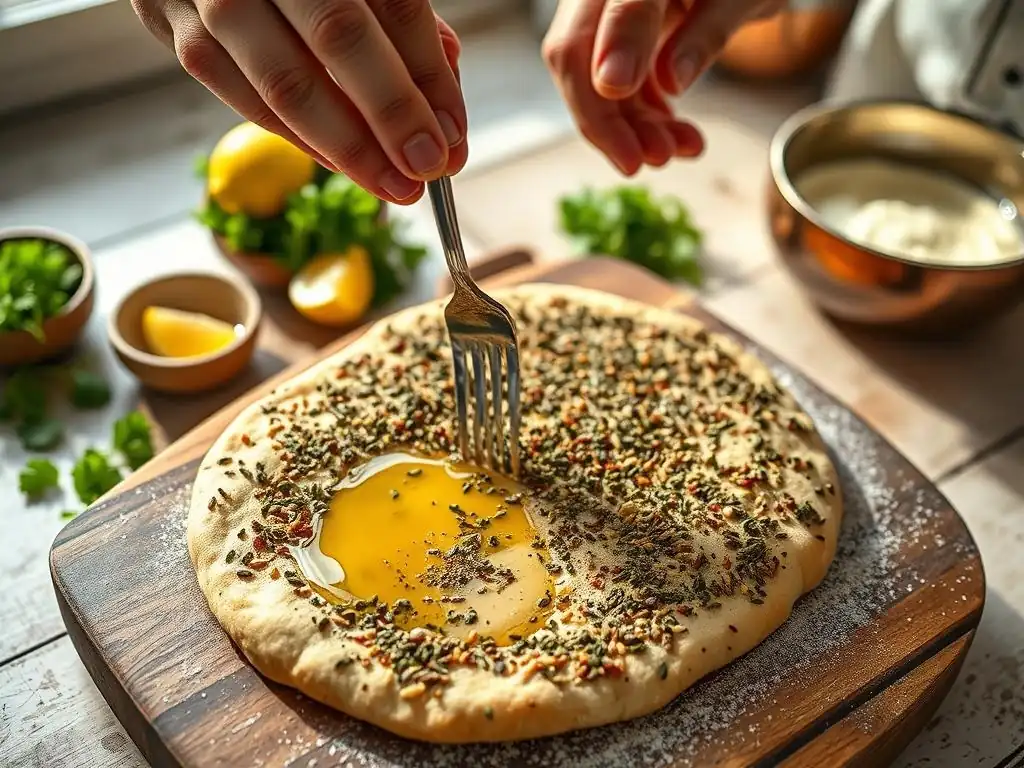
Using a spoon or the back of a ladle, generously spread the za'atar and olive oil mixture over the surface of each flatbread, leaving a small border (about ½ inch) around the edge for the crust. Don't be shy with the topping – a good amount ensures maximum flavor. You can use the back of the spoon to create small indentations in the topping, which helps hold the oil and prevents the bread from puffing up too much in the center during baking.
Step 6: Baking the Manakish: Achieving Golden Perfection
Carefully transfer the baking sheets with the topped flatbreads to the preheated oven. If using a pizza stone, you can slide the flatbreads (still on parchment paper or directly if comfortable) onto the hot stone.
Bake for 5-10 minutes, or until the edges of the flatbread are golden brown and the topping is fragrant and bubbling slightly. The exact time will depend on your oven and the thickness of your flatbreads. Keep a close eye on them, as they bake relatively quickly at this high temperature. You want the bread cooked through but still soft, not hard or cracker-like. Once baked, carefully remove them from the oven and let them cool slightly on the baking sheets before serving.
Tips for the Best Za'atar Flatbread (Manakish)
Choosing the Right Flour for Your Flatbread
While all-purpose flour works wonderfully for this easy za'atar flatbread recipe, you can experiment with other types for slight variations in texture. Bread flour, which has a higher protein content (typically 12-14% compared to 10-12% for all-purpose), will produce a chewier flatbread due to stronger gluten development.
For a softer, more tender crumb, you could use a lower protein pastry flour (though this is less common for flatbreads). Some traditional recipes might even incorporate a small amount of whole wheat flour for added flavor and nutrition, though this can make the dough a bit denser. For your first attempt at this easy za'atar flatbread recipe, sticking to standard all-purpose flour is recommended for consistent, reliable results.
Adjusting the Za'atar Spice Blend to Your Taste
The beauty of making your own Manakish is the ability to customize the flavors. The store-bought za'atar blend is a starting point, but you can easily adjust it. If you find your blend too salty, you can reduce the amount slightly when mixing with the oil. If you love sumac's tang, you could add an extra pinch directly to the oil mixture.
You can also add other elements to the topping mixture before spreading, though this moves slightly away from the classic simple topping. A tiny bit of finely chopped onion or a sprinkle of red pepper flakes for heat are popular additions in some regions. Just be careful not to overload the topping with ingredients that might burn quickly in the hot oven. The basic za'atar and oil mixture is perfect on its own for highlighting the blend's unique flavor.
Achieving a Crispy Bottom: Baking Techniques
Getting a slightly crispy bottom crust while keeping the top soft is a hallmark of great Manakish. Baking at a high temperature (450°F/230°C) is the primary method. If you have a pizza stone or baking steel, preheating it in the oven and baking the flatbreads directly on it (or on parchment paper placed on it) is highly recommended. The hot surface provides intense heat from below, helping the bottom crisp up quickly.
Another tip is to ensure your baking sheet is also hot if you're not using a stone. You can place the empty baking sheet in the oven for a few minutes before carefully sliding the shaped and topped flatbreads onto it. Avoid overcrowding the baking sheet, as this can steam the flatbreads instead of allowing them to crisp. Baking one or two flatbreads per standard sheet is usually ideal.
Storing Leftover Manakish: Keeping it Fresh
While Manakish is best enjoyed fresh and warm, leftovers can be stored and reheated. Allow the flatbreads to cool completely before storing them. Stack them with parchment paper in between to prevent sticking and store them in an airtight container or a zip-top bag at room temperature for 1-2 days.
For longer storage, you can refrigerate them for up to 4 days or freeze them for up to 2-3 months. To reheat, the best method is often in a toaster oven or a regular oven preheated to around 350°F (175°C) for a few minutes until warmed through and the bottom is slightly crisp again. Microwaving is the quickest option but can make the flatbread soft and less appealing in texture.
Serving Suggestions: Enjoying Your Freshly Baked Manakish
Manakish as a Breakfast Staple
In many Middle Eastern cultures, Manakish, particularly the za'atar version, is a traditional breakfast item. It's often served alongside other classic breakfast components. Think fresh vegetables like tomatoes, cucumbers, and mint leaves.
It pairs beautifully with labneh (strained yogurt), which provides a cool, tangy contrast to the rich, savory za'atar. Olives, fresh or pickled, are another common accompaniment. A cup of hot tea or coffee completes this simple yet satisfying morning meal. The ease of this easy za'atar flatbread recipe makes it a fantastic option for a weekend breakfast treat.
Manakish as a Delicious Snack or Appetizer
Beyond breakfast, Manakish is perfect as a snack or part of a mezze (small dishes) spread. Its portable nature makes it great for packing in lunch boxes or enjoying on the go.
When served as an appetizer, you can cut larger flatbreads into wedges. Offer them alongside dips like hummus, baba ghanoush, or muhammara. The robust flavor of the za'atar stands up well to these rich dips. It's a simple way to introduce guests to the wonderful flavors of Middle Eastern baking.
Pairing Suggestions: Complementary Flavors for Your Flatbread
The za'atar flavor profile is quite versatile. Fresh herbs like mint, parsley, or arugula can be sprinkled over the warm Manakish just before serving for added freshness. A squeeze of fresh lemon juice can also brighten the flavors.
For a more substantial pairing, consider serving Manakish with grilled halloumi cheese or alongside simply prepared eggs. The richness of cheese or eggs complements the earthy za'atar beautifully. Experiment with different pairings to find your favorite way to enjoy this easy za'atar flatbread recipe.
Variations on the Classic Za'atar Flatbread Recipe
Adding Cheese to Your Manakish: A Cheesy Twist
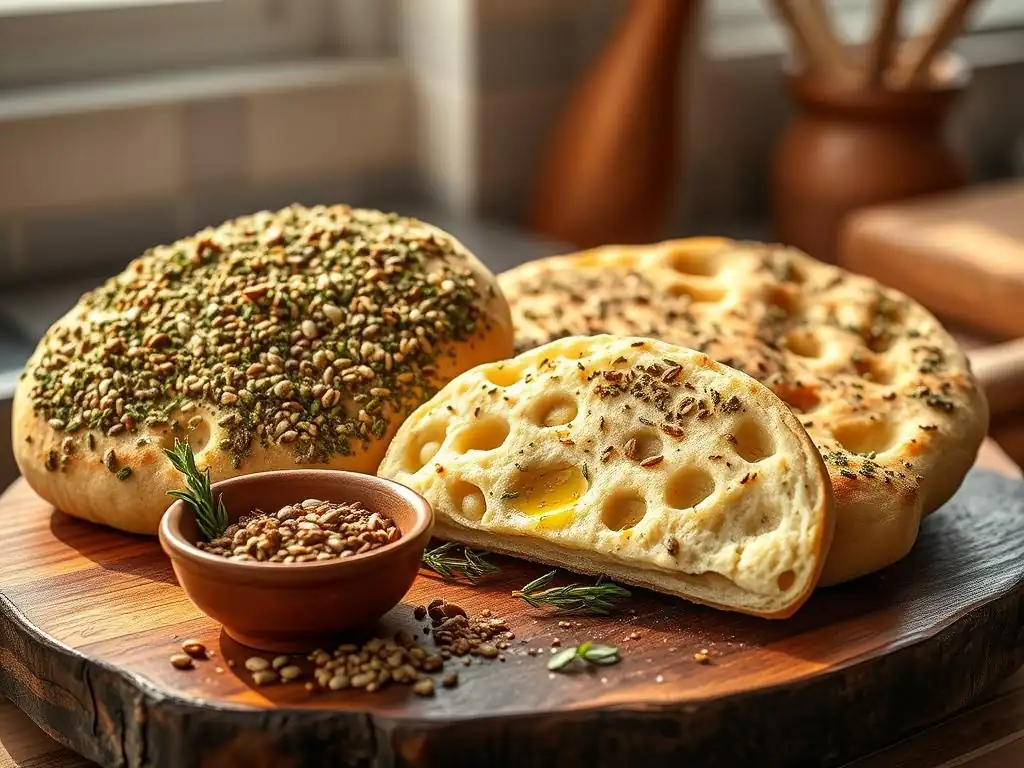
While the classic za'atar is pure herb and oil, a very popular variation involves adding cheese. A common choice is Akkawi cheese, a mild, brined white cheese. If Akkawi is unavailable, a mix of mozzarella and feta cheese works well, providing meltiness from the mozzarella and tanginess from the feta.
To make cheesy za'atar Manakish, prepare the flatbread dough and shape it as usual. Spread a thin layer of the za'atar and oil mixture over the dough, leaving the border. Then, generously sprinkle shredded cheese over the za'atar layer. Bake as directed. The cheese will melt and bubble, creating a delicious, savory, and slightly gooey version of this easy za'atar flatbread.
Vegetable Toppings: Exploring Different Flavors
You can also add finely chopped vegetables to the za'atar topping or as an additional layer. Finely diced tomatoes, onions, bell peppers, or even spinach are popular choices.
To add vegetables, you can either mix them directly into the za'atar and oil paste (ensure they are very finely chopped) or spread the za'atar mixture first and then sprinkle the vegetables over the top before baking. Keep in mind that vegetables release moisture, which can affect the flatbread texture slightly. Pre-sautéing watery vegetables like spinach can help. This allows for endless customization of your easy za'atar flatbread.
Making Mini Manakish: Perfect for Parties
This easy za'atar flatbread recipe is easily adaptable for making smaller, individual servings, often called mini Manakish or mini fatayer. Instead of dividing the dough into 4-8 pieces, divide it into 12-16 smaller pieces.
Roll or pat each small piece into a circle about 3-4 inches in diameter. Top with the za'atar mixture (or cheese/vegetable variations) and bake as directed, likely for a slightly shorter time (perhaps 4-7 minutes) due to their smaller size. Mini Manakish are perfect for parties, appetizers, or lunchboxes, offering a delightful bite-sized taste of this Middle Eastern favorite.
Troubleshooting Your Za'atar Flatbread
Dough Not Rising? Common Issues and Solutions
If your dough didn't rise, the most common culprit is inactive yeast. This can happen if the yeast is old, the water was too hot (killing the yeast), or the water was too cold (inhibiting activation). Ensure your warm water is between 105°F and 115°F (40°C-46°C) – warm to the touch but not hot.
Check the expiration date on your yeast package. To test if your yeast is alive, combine it with the warm water and sugar; it should become foamy within 5-10 minutes. If it doesn't, discard the mixture and start again with fresh yeast. Also, ensure your rising spot is warm and draft-free, especially in cooler kitchens.
Topping Burning? Adjusting Baking Time and Temperature
If your za'atar topping is burning before the flatbread is cooked through, your oven might be too hot or the baking time is too long. Ensure your oven temperature is accurate – an oven thermometer can help verify this.
Try reducing the oven temperature slightly, perhaps by 10-20°F (5-10°C), or shortening the baking time. Placing the flatbreads on a lower rack in the oven can also help, as the heat source is often stronger from the top elements in many ovens. The topping should be fragrant and bubbling gently, not charred.
Flatbread Too Dry? Tips for a Moist and Flavorful Result
Dry flatbread can result from adding too much flour during kneading or shaping, over-baking, or not using enough oil in the za'atar topping. Be careful not to add excessive flour when kneading; the dough should remain slightly tacky.
Ensure you are baking the flatbreads just until the edges are golden and the center is cooked, typically 5-10 minutes. Over-baking at high heat can quickly dry them out. Also, be generous with the olive oil in the za'atar topping; the oil helps keep the surface moist and adds flavor. A ratio of roughly equal parts za'atar blend and olive oil is usually a good starting point for a spreadable, moist topping.
Enjoy Your Homemade Middle Eastern Flatbread!
Baking your own easy za'atar flatbread (Manakish) is a rewarding experience that brings the authentic flavors of the Middle East into your kitchen. This simple za'atar bread recipe makes it accessible for bakers of all skill levels. From the quick dough preparation to the aromatic za'atar topping, each step is designed for ease and delicious results.
Whether you enjoy it for breakfast with fresh vegetables and labneh, as a snack, or as part of a larger meal, homemade Manakish is sure to impress. The unique taste of the za'atar blend combined with the soft, chewy flatbread is truly delightful. Don't hesitate to experiment with variations once you've mastered the basic easy za'atar flatbread recipe. Happy baking!
We love seeing what you bake! After trying this easy za'atar flatbread recipe, share photos of your delicious Manakish. Let us know how it turned out and any variations you tried. Your success stories and baking adventures inspire our community.
Frequently Asked Questions
What makes this za'atar flatbread recipe easy?
This recipe is considered easy because it uses readily available ingredients and features a straightforward dough-making process. It also provides step-by-step instructions suitable for beginner bakers.
What is za'atar, and where can I find it?
Za'atar is a Middle Eastern spice blend, typically containing dried thyme, sumac, and sesame seeds. You can usually find it in the international aisle of most supermarkets or at Middle Eastern grocery stores, and you can even make your own at home.
Can I customize the toppings for this flatbread?
Absolutely! While za'atar is the classic topping, you can experiment with other flavors. Consider using olive oil and herbs, cheese, or even a sprinkle of chili flakes for a spicy kick.
How should I store leftover za'atar flatbread?
Leftover flatbread is best stored in an airtight container at room temperature. To maintain its freshness, consider wrapping it in parchment paper before placing it in the container. You can also reheat it briefly in a warm oven.
What's the best way to serve this za'atar flatbread?
This flatbread is incredibly versatile! It's delicious on its own as a snack, served as a side dish with dips like hummus, or even used as a base for mini pizzas.
Final Reflection: The Humble Za'atar Flatbread: A Taste of Connection
The simple act of making and sharing za'atar flatbread transcends mere culinary creation; it's a potent symbol of connection, bridging cultures and fostering a sense of community through shared flavors. This seemingly straightforward recipe, designed for ease and accessibility, unlocks a world of culinary tradition and personal expression. The ease of preparation belies the depth of history and cultural significance woven into each bite.
The enduring appeal of this Middle Eastern staple lies not just in its delicious simplicity, but in its ability to evoke feelings of warmth, nostalgia, and shared experience. It's a dish that readily adapts to individual preferences, allowing for personal creativity within a familiar framework. Food is symbolic of love when words are inadequate.
– Alan D. Wolfelt. This quote perfectly encapsulates the power of this humble flatbread to communicate connection and care, whether shared amongst family, friends, or even enjoyed in quiet solitude.
Now, I invite you to go beyond the recipe. Consider the stories behind the ingredients, the traditions they represent, and the potential for connection they offer. Experiment with variations, share your creations, and discover the joy of bringing a taste of the Middle East – and a piece of yourself – to your table. Let this simple flatbread be a catalyst for culinary exploration and meaningful connection.
Unleash Your Inner Baker: Craft Your Own Za'atar Magic!
Thanks for joining us on this flavorful journey into the world of Za'atar flatbreads! We hope you've discovered a new favorite recipe and are feeling inspired to create something delicious. Now it's time to put those baking skills to the test!
- Bake your own batch of Za'atar flatbreads today! Use the recipe as a starting point and experiment with different herbs and toppings. Let your creativity flow!
- Share your baking adventures! Post a picture of your creation on social media using #BakeWithEaseZaatar and tag us – we’d love to see your culinary masterpieces.
- Explore other Middle Eastern recipes on our website to further expand your baking horizons. We have tons of amazing options waiting for you!
So, tell us: what unique twist will you add to your next batch of Za'atar flatbreads?