
Spring Floral Cupcake Decorating Ideas

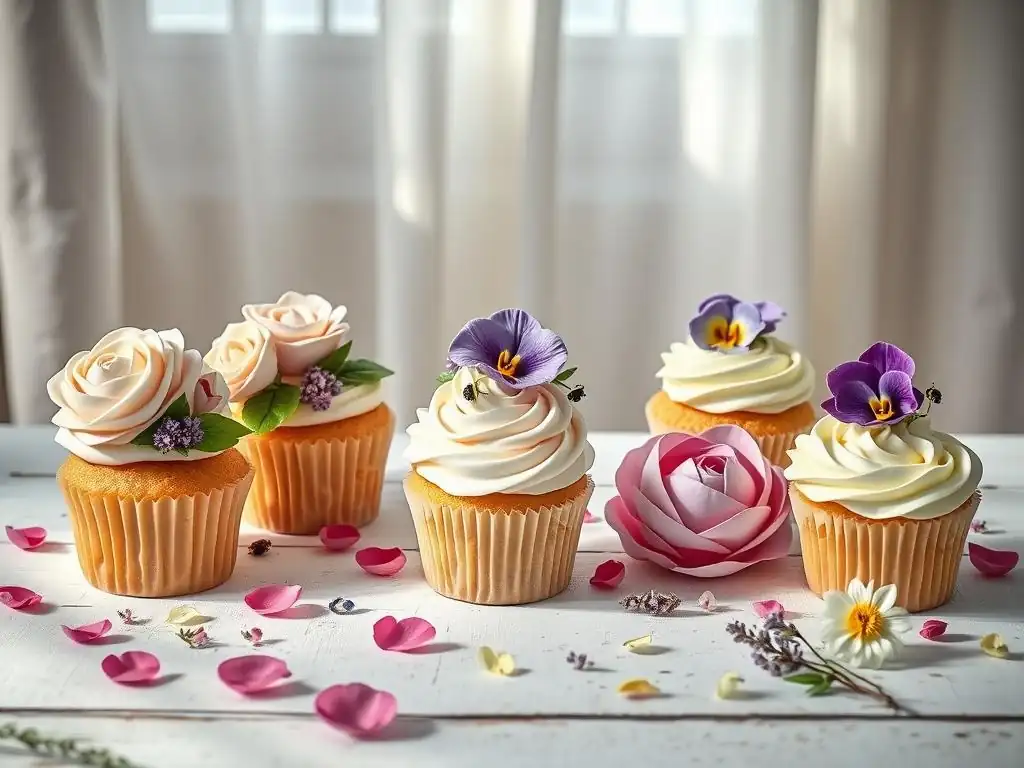
Welcome to BakeWithEase, your haven for all things baking! Ever dreamt of creating stunning, edible masterpieces? This spring, let's transform ordinary cupcakes into breathtaking bouquets. Dive into our guide on Easy Spring Floral Cupcakes and discover simple techniques to craft delicate blooms that will impress everyone. Ready to unlock your inner pastry artist? Let's get baking!
- Easy Spring Floral Cupcake Decorating Ideas for BakeWithEase
- Mastering the Art of Spring Cupcake Decoration
- The Perfect Cupcake Base for Floral Decorations
- Beginner-Friendly Spring Floral Cupcake Designs
- Intermediate Spring Floral Cupcake Techniques
- Advanced Floral Cupcake Decorating Ideas
- Spring Cupcake Decorating Ideas by Flower Type
- Tips for Keeping Your Floral Cupcakes Fresh
- Share Your Spring Floral Cupcake Creations with BakeWithEase!
-
Frequently Asked Questions
- What are some easy ways to create floral decorations on cupcakes for spring?
- What kind of buttercream is best for piping floral designs on cupcakes?
- Where can I find edible flowers to decorate my spring floral cupcakes?
- What are some common mistakes to avoid when decorating cupcakes with floral designs?
- What ingredients do I need to make a basic vanilla cupcake suitable for decorating with spring floral designs?
- Final Reflection: The Enduring Bloom of Spring Baking
- Unleash Your Inner Baker: Create Stunning Spring Cupcakes!
Easy Spring Floral Cupcake Decorating Ideas for BakeWithEase
Welcome Spring with Beautiful Floral Cupcakes
As the days grow longer and the world awakens in vibrant hues, there's no better way to celebrate the season than with baking! Spring inspires fresh flavors and beautiful aesthetics, making it the perfect time to try your hand at decorating cupcakes with delightful floral themes. Whether you're a complete novice or looking to refine your skills, creating easy spring floral cupcakes can be a truly rewarding and enjoyable process. Imagine presenting a platter of these edible blossoms at your next gathering – they're sure to bring smiles and a touch of springtime cheer.
Embracing the spring floral cupcake trend is accessible to everyone. You don't need to be a professional decorator to achieve stunning results. Many simple techniques use basic tools and readily available ingredients to transform a plain cupcake into a miniature garden masterpiece. This guide will walk you through everything from essential supplies to beginner-friendly designs and more advanced methods, ensuring you have all the tips and tricks needed to make your own beautiful and easy spring floral cupcakes.
Mastering the Art of Spring Cupcake Decoration
Essential Tools and Supplies for Floral Cupcakes
Getting started with spring floral cupcake decorating requires a few key items. Having the right tools can make all the difference, simplifying techniques and helping you achieve cleaner, more professional-looking results. Don't worry, you likely have many of these in your kitchen already, and any specialized items are often inexpensive and widely available at craft or baking supply stores. Investing in a few quality pieces will serve you well for many baking projects to come.
Beyond the basic baking gear, specific tools are crucial for creating intricate or even simple floral designs on your cupcakes. Piping bags, various tips, and couplers are fundamental for applying buttercream in different shapes and patterns. Small offset spatulas are invaluable for smoothing frosting or applying a base layer. Having a selection of food coloring, especially in pastel shades, is also essential for capturing the fresh colors of spring flowers.
Must-Have Decorating Tools for Spring Cupcakes
To create beautiful spring floral cupcakes, a few specialized tools are highly recommended. Piping bags are essential – both disposable and reusable fabric ones work well. You'll need a set of piping tips; start with a basic set including star tips (like 1M or 2D), round tips (like #12 or #4), and petal tips (like #104 or #102) which are perfect for roses and ruffles. Couplers are handy as they allow you to switch tips on the same bag without changing the frosting. A small offset spatula is great for spreading frosting smoothly or lifting delicate decorations.
Here’s a quick list of essential decorating tools:
- Piping bags (disposable or reusable)
- Piping tips (start with star, round, and petal tips)
- Couplers (optional, but very useful)
- Small offset spatula
- Food coloring (gel colors are best for vibrant shades)
- Scissors (for cutting piping bags)
- Toothpicks (for swirling colors or making small adjustments)
Cupcake Baking Essentials: Pans, Liners, and More
Before you even think about decorating, you need perfectly baked cupcakes! Standard muffin tins or cupcake pans are a must-have. A good quality non-stick pan ensures your cupcake liners don't stick and helps the cupcakes bake evenly. Standard size pans typically hold 12 cupcakes. For smaller, bite-sized floral treats, you might consider mini muffin pans.
Cupcake liners, also known as baking cups, are not just for aesthetics; they help the cupcakes release cleanly from the pan and keep them moist. You can find liners in countless colors and patterns. For spring floral cupcakes, consider using green liners to mimic leaves or soft pastel shades that complement your flower colors. Ensure you have parchment paper or cooking spray if baking without liners, though liners are highly recommended for easy handling and a neat finish.
The Perfect Cupcake Base for Floral Decorations
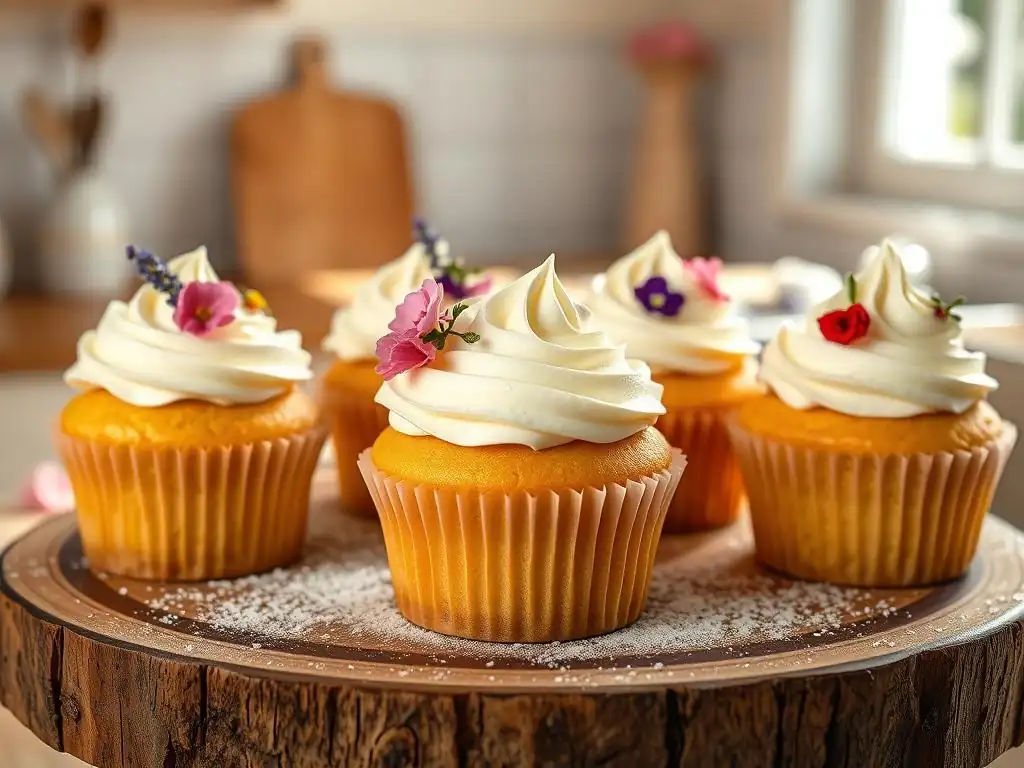
Vanilla Cupcake Recipe for Floral Decorations
A classic vanilla cupcake provides a neutral canvas that allows your vibrant spring floral decorations to truly pop. A light, fluffy texture is ideal, ensuring the cupcake isn't too dense or crumbly when handled for decorating. This simple base recipe is reliable and pairs wonderfully with various frosting flavors, though a classic vanilla or cream cheese buttercream is often preferred for floral designs due to its pipeable consistency.
This recipe typically yields about 12-18 cupcakes, depending on how full you fill the liners. You'll need standard ingredients like all-purpose flour, sugar, baking powder, salt, unsalted butter, eggs, vanilla extract, and milk. Ensure your ingredients are at room temperature for best results – specifically, the butter and eggs should be softened but not melted, and the milk should not be cold. This temperature consistency helps create a smooth, well-emulsified batter that bakes up light and airy.
Vanilla Cupcake Recipe for Floral Decorations
Here is a simple and delicious vanilla cupcake recipe perfect for your easy spring floral cupcakes:
- Yields: 12-14 cupcakes
- Prep time: 15 minutes
- Bake time: 18-22 minutes
Ingredients:
- 1 ½ cups (187g) all-purpose flour
- 1 ¾ teaspoons baking powder
- ¼ teaspoon salt
- ½ cup (113g) unsalted butter, softened
- 1 cup (200g) granulated sugar
- 2 large eggs, room temperature
- 1 teaspoon pure vanilla extract
- ½ cup (120ml) milk, room temperature
Instructions:
- Preheat oven to 350°F (175°C). Line a standard muffin tin with cupcake liners.
- In a medium bowl, whisk together the flour, baking powder, and salt.
- In a large bowl, cream the softened butter and sugar together until light and fluffy, about 3-4 minutes using an electric mixer.
- Beat in the eggs one at a time, mixing well after each addition. Stir in the vanilla extract.
- Alternately add the dry ingredients and milk to the wet ingredients, beginning and ending with the dry ingredients. Mix until just combined – do not overmix.
- Fill the cupcake liners about two-thirds full.
- Bake for 18-22 minutes, or until a toothpick inserted into the center comes out clean.
- Let cool in the pan for a few minutes before transferring to a wire rack to cool completely before frosting.
Chocolate Cupcake Recipe for Spring Themes
For chocolate lovers, a rich chocolate cupcake provides a decadent base that can still be beautifully decorated with spring floral designs. The deep color of the chocolate offers a striking contrast to bright pastel buttercreams or delicate sugar flowers. A moist and tender crumb is key, ensuring the cupcake holds up well under the weight of decoration.
This recipe often incorporates cocoa powder and sometimes melted chocolate for intense flavor. Using hot liquid, like hot water or coffee, is a common technique in chocolate cake recipes as it helps bloom the cocoa powder, intensifying the chocolate flavor and contributing to a moist texture. This recipe typically makes around 12-15 cupcakes, providing ample opportunity for various easy spring floral cupcake experiments.
Beginner-Friendly Spring Floral Cupcake Designs
Simple Buttercream Flowers for Cupcakes
Starting with simple buttercream flowers is an excellent way to achieve beautiful results without needing extensive experience. Buttercream is forgiving and versatile, allowing you to practice different techniques. Using just a few basic piping tips, you can create recognizable flower shapes that instantly elevate your cupcakes. These designs are perfect for creating easy spring floral cupcakes that look impressive but require minimal effort.
The consistency of your buttercream is crucial for piping success. It should be firm enough to hold its shape but soft enough to pipe smoothly. If it's too soft, the flowers will melt or droop; if too stiff, it will be hard to pipe and might break. A basic American buttercream (butter, powdered sugar, milk/cream, vanilla) or a stable Swiss meringue buttercream are good choices. You can adjust the consistency by adding a little more liquid or powdered sugar as needed.
How to Make Basic Buttercream Roses
Buttercream roses are a classic and surprisingly easy floral design once you get the hang of it. Using a petal tip (like Wilton #104 or #102) and a round base of frosting, you can build up petals to create a beautiful rose. The key is to hold the tip with the wider end towards the base and the narrower end pointing outwards, then gently squeeze and move your hand to form the petals.
Here's a simplified process:
- Pipe a small cone of frosting on the center of the cupcake (or on a piece of parchment paper if making them ahead). This is your base.
- Hold the petal tip with the wide end down against the cone and the narrow end up. Pipe a small 'petal' around the top of the cone, letting it curl inwards slightly to form the center bud.
- Continue piping petals around the base, slightly overlapping each one. Angle the tip slightly outwards as you move down the cone to create larger, opening petals.
- Repeat until the rose is the desired size.
Practice on parchment paper first to get a feel for the pressure and movement. Once you're comfortable, you can pipe the roses directly onto your frosted cupcakes. These make lovely easy spring floral cupcakes.
Easy Daisy Cupcake Decorations
Daisies are perhaps one of the easiest floral designs to create with buttercream, making them perfect for easy spring floral cupcakes. You only need a round tip (like Wilton #12) and a small star or round tip (like Wilton #4) for the center. The simple white petals against a contrasting center create a cheerful, classic spring look.
To make buttercream daisies:
- Ensure your cupcake is frosted smoothly with a base color, perhaps green to look like grass, or a light blue like a spring sky.
- Using white buttercream and a round tip, pipe small, elongated dots or teardrop shapes radiating outwards from the center of the cupcake. These are your petals. Try to make them relatively uniform in size and spacing.
- Once you have piped a full circle of petals, switch to yellow buttercream and a smaller star or round tip.
- Pipe a small dot or star in the very center of the petals to create the daisy's eye.
You can add small green leaves using a leaf tip (like Wilton #352) and green buttercream piped at the base of the petals for extra detail. This simple technique instantly turns a plain cupcake into a delightful spring daisy.
Using Sprinkles and Edible Flowers for Spring Cupcakes
Sometimes the easiest way to achieve a beautiful spring floral look is by using pre-made decorations like sprinkles and edible flowers. These methods require minimal skill and can yield stunning results quickly. They are fantastic options when you want to make a large batch of easy spring floral cupcakes for an event.
Sprinkles come in an astonishing variety of colors and shapes, including floral mixes, jimmies in spring colors, and nonpareils. Edible flowers offer a natural, elegant touch and are available fresh or crystallized. Combining these elements allows for creative expression with very little effort, making them ideal for beginners.
Creative Sprinkle Combinations for Spring
Sprinkles are a simple yet effective way to add color and texture to your spring floral cupcakes. Instead of just using one type, try mixing different sprinkles to create unique effects. Consider a mix of green jimmies for grass, white nonpareils for tiny buds, and pastel jimmies or shaped sprinkles (like flowers or butterflies) scattered on top of a frosted cupcake.
Here are some ideas for sprinkle combinations:
- Meadow Mix: Green jimmies, a few brown sprinkles, and small white or yellow nonpareils scattered over pale green frosting.
- Garden Path: A base of brown sugar or crushed cookies for 'dirt', topped with green jimmies for sprouts and tiny flower-shaped sprinkles.
- Pollinator's Delight: Yellow nonpareils or sanding sugar for pollen, scattered over a few piped buttercream flowers, maybe with a few bee-shaped sprinkles if you can find them!
Applying sprinkles is easy: either dip the frosted cupcake top directly into a bowl of sprinkles or gently press sprinkles onto the sides or top of the frosting with your hand or a spoon.
Tips for Applying Edible Flowers to Cupcakes
Edible flowers add an instant touch of elegance and natural beauty to your spring floral cupcakes. Ensure you purchase flowers specifically labeled as edible from a reputable source, such as a specialty grocery store, farmer's market, or online supplier. Do not use flowers from a florist or garden unless you are absolutely certain they are edible and haven't been treated with pesticides.
To apply edible flowers:
- Ensure your cupcake is frosted, preferably with a slightly soft buttercream or cream cheese frosting that the flower can gently press into.
- Handle the flowers carefully by the stem or base to avoid bruising the delicate petals.
- Gently press the base of the flower into the frosting where you want it placed. For larger flowers, you might need a small dab of extra frosting underneath for stability.
- Arrange them singly for a simple look or cluster a few smaller blooms together.
- For longer-lasting display, you can brush the flowers lightly with an edible glaze or a mixture of egg white and sugar before placing them, although this changes their texture.
Remember that fresh edible flowers are best added shortly before serving, as they can wilt over time. Crystallized edible flowers, however, last much longer and provide a beautiful, slightly sparkly effect.
Intermediate Spring Floral Cupcake Techniques
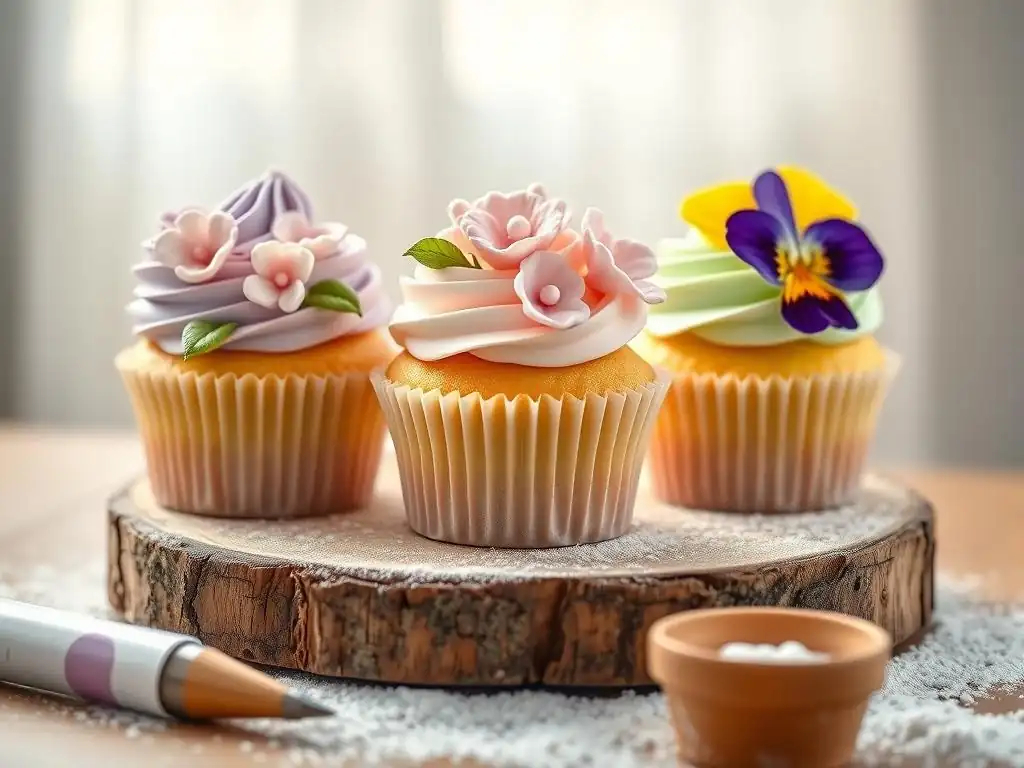
Creating Realistic Buttercream Flowers
Once you're comfortable with basic piping, you can explore techniques for creating more realistic-looking buttercream flowers. This involves mastering piping pressure, angle, and movement to form detailed petals and shapes. While requiring a bit more practice, the results are incredibly rewarding and elevate your easy spring floral cupcakes to a new level.
Specific piping tips are designed to mimic the shapes of various flower petals. Petal tips, leaf tips, and even some specialty tips are used to create roses, tulips, hydrangeas, and other blooms with surprising realism. Understanding how to hold the bag and tip, and control the flow of frosting, is key to achieving defined petals and textures.
Piping Tulips on Cupcakes
Buttercream tulips are a beautiful and achievable intermediate technique. They typically use a petal tip (like #104 or #102) or a specific tulip tip set. Unlike roses, tulips often involve piping more upright, cupped petals. The shape is built by carefully controlling the angle and pressure as you pipe around a central point.
One common method involves piping three main petals that cup inwards:
- Start with a blob of frosting as a base on the cupcake.
- Hold a petal tip with the narrow end pointing upwards and the wider end towards the base blob.
- Pipe the first petal, starting from the base and moving upwards, creating a slightly curved, cupped shape. Release pressure as you pull away.
- Pipe two more similar petals around the central point, overlapping slightly at the base to create the classic tulip shape.
- You can add a few smaller, outer petals at the base if desired.
Using two colors of buttercream in the same bag – one color on one side of the bag and another on the other – can create stunning striped petals, mimicking the look of real tulips.
Making Hydrangeas with Buttercream
Hydrangeas are clusters of small, star-shaped flowers, making them ideal for covering the entire surface of a cupcake with beautiful texture and color. This technique is relatively simple but requires consistency in piping. You'll need a small closed star tip (like Wilton #2D or #1M).
To create buttercream hydrangeas:
- Frost the entire top of the cupcake with a base layer of buttercream, perhaps in the same color as your hydrangea petals or a contrasting green.
- Using the star tip and buttercream colored in shades of blue, pink, purple, or white (hydrangeas often have color variations on one bush! ), pipe small stars or rosettes directly onto the frosted surface.
- Start at the outer edge and work your way inwards, piping the stars close together so they cover the entire surface and give the appearance of a dense cluster of flowers.
- Vary the pressure slightly as you pipe to create stars of slightly different sizes, which adds to the natural look of the cluster.
You can use multiple shades of the same color (e.g., light blue and slightly darker blue) in separate bags and alternate piping to create a more realistic, multi-tonal hydrangea effect.
Incorporating Colors and Textures into Your Floral Designs
Beyond just piping shapes, mastering color mixing and using different piping tips to create varied textures are key intermediate skills. Spring is all about vibrant yet often soft colors, and incorporating different textures makes your floral cupcakes look more dynamic and professional.
Understanding how different piping tips create different effects – from ruffled petals to jagged leaves or smooth buds – allows you to build more complex and interesting floral arrangements on your easy spring floral cupcakes. Experimenting with color palettes and texture combinations is part of the creative fun.
Achieving Pastel Shades for Spring Cupcakes
Pastel colors are synonymous with spring. Achieving these soft, delicate hues in your buttercream is straightforward but requires using the right type of food coloring and a light hand. Gel food colors are highly recommended over liquid colors because they are more concentrated, meaning you need less to achieve vibrant color, which won't thin out your buttercream.
To create pastel shades:
- Start with plain white buttercream.
- Add a very small amount of gel food coloring to the buttercream using a toothpick. It's always easier to add more color than to take it away.
- Mix thoroughly with a spatula until the color is uniform.
- If the color isn't deep enough, add another tiny amount of coloring and mix again. Repeat until you reach the desired pastel shade.
- For complex colors like dusty rose or muted greens, you might need to mix two or three different gel colors. For example, a tiny touch of brown or black can mute a bright color into a softer, more natural shade.
Mixing large batches of colored buttercream at once ensures color consistency across all your cupcakes.
Using Different Piping Tips for Varied Textures
Different piping tips produce distinct textures and shapes, allowing you to create a variety of floral elements.
- Petal tips (#101, #102, #104): Essential for roses, ruffles, carnations, and other flowers with defined petals. The size and angle of the tip determine the size and shape of the petal.
- Star tips (open like #1M, #32; closed like #2D, #30): Used for rosettes, stars, shells, and borders. Closed star tips create more defined, often ruffled, edges, great for hydrangeas or small blossoms. Open star tips are perfect for classic rosettes or borders that can look like small flowers.
- Round tips (#3, #5, #12): Ideal for dots, beads, stems, writing, and filling in areas. Larger round tips can create simple buds or centers of flowers.
- Leaf tips (#67, #70, #352): Specifically designed to create realistic leaves with a central vein. These add essential greenery to your floral arrangements.
By combining different tips on a single cupcake, you can create complex arrangements featuring various types of flowers and foliage, making your easy spring floral cupcakes truly stand out.
Advanced Floral Cupcake Decorating Ideas
Sugar Flower Cupcake Toppers
For truly show-stopping spring floral cupcakes, consider creating sugar flowers. These delicate, realistic-looking flowers are made from edible pastes like gum paste or fondant. While they require more time and skill than buttercream piping, they offer unparalleled realism and can be made ahead of time.
Sugar flowers are often created petal by petal using cutters, veiners (to add texture), and shaping tools. They are then assembled and left to dry, becoming hard and brittle. Coloring can be done by kneading color into the paste beforehand or by dusting with edible petal dusts for a natural, shaded appearance after drying.
Crafting Delicate Sugar Flowers
Creating sugar flowers is an art form that involves several steps. You typically start with gum paste or a 50/50 mix of gum paste and fondant, which is rolled out extremely thin. Cutters are used to shape petals, which are then thinned around the edges using ball tools or cel sticks. Using silicone veiners adds realistic texture.
Each petal is then usually placed on a foam pad or shaped cup to dry in a natural curve. Wires can be inserted into the base of petals or leaves to allow for easier assembly into larger flowers or arrangements. Once dry, petals are assembled using edible glue, and the finished flowers can be dusted with edible petal dusts and painted with edible colors for depth and realism. While this adds a layer of complexity, the resulting sugar flowers are stunning toppers for your easy spring floral cupcakes.
Attaching Sugar Flowers to Your Cupcakes
Attaching sugar flowers to cupcakes requires care, as the dried flowers can be fragile. Since they are hard, they won't press into soft buttercream like a fresh flower or piped design would.
The most common way to attach sugar flowers is using a small dab of buttercream or royal icing as "glue." Pipe a small amount of frosting onto the spot where you want the flower to sit, then gently press the sugar flower onto it. For larger or heavier flowers, you might need to insert a toothpick into the base of the flower (if it wasn't wired) and then into the cupcake for extra support.
Ensure the toothpick is fully inserted into the cupcake so it's not visible. If you used wires, you can gently insert the wires into the cupcake. Always inform those eating the cupcakes if wires or toothpicks are present.
Intricate Floral Arrangements on Cupcakes
Moving beyond single flowers, creating intricate floral arrangements on a single cupcake involves combining different piping techniques and elements to build a mini bouquet or garden scene. This requires planning the layout and layering different flowers and leaves effectively.
These advanced designs often feature multiple types of buttercream flowers, perhaps combined with piped leaves, vines, and even small buds or filler flowers. The goal is to create a harmonious and visually appealing composition within the limited space of the cupcake top. Practice and patience are key to mastering these detailed arrangements.
Creating a Bouquet Effect on Cupcakes
To create a bouquet effect, plan which elements you want to include – perhaps a central larger flower (like a rose or peony) surrounded by smaller flowers (like hydrangeas or primroses) and plenty of leaves.
Start by piping the largest or central flower first. Then, pipe the surrounding flowers, arranging them to fill the space around the main bloom. Finally, add leaves using a leaf tip to fill in gaps and add greenery, giving the impression of a lush, gathered bouquet. Varying the colors and sizes of the flowers adds depth and realism. Consider piping some elements slightly off-center to create a more dynamic, natural-looking arrangement. This technique transforms easy spring floral cupcakes into miniature works of art.
Advanced Piping Techniques for Floral Designs
Advanced piping involves mastering pressure control, tip angle, and movement to create complex petal structures, ruffles, and textures. Techniques like pressure piping (where the shape changes based on how hard you squeeze) and freehand piping (creating organic shapes without specific tips) come into play.
Examples include:
- Korean Buttercream Flowers: Known for their translucent, realistic appearance and complex petal structures, often created with specific Korean piping tips.
- Palette Knife Painting: Applying buttercream with a palette knife to create textured, painterly floral designs directly on the cupcake.
- Ruffles and Frills: Using petal tips to create layers of ruffles that can form flowers like carnations or peonies.
Mastering these techniques requires practice, but the ability to create highly detailed and realistic floral elements allows for truly stunning and unique easy spring floral cupcakes.
Spring Cupcake Decorating Ideas by Flower Type
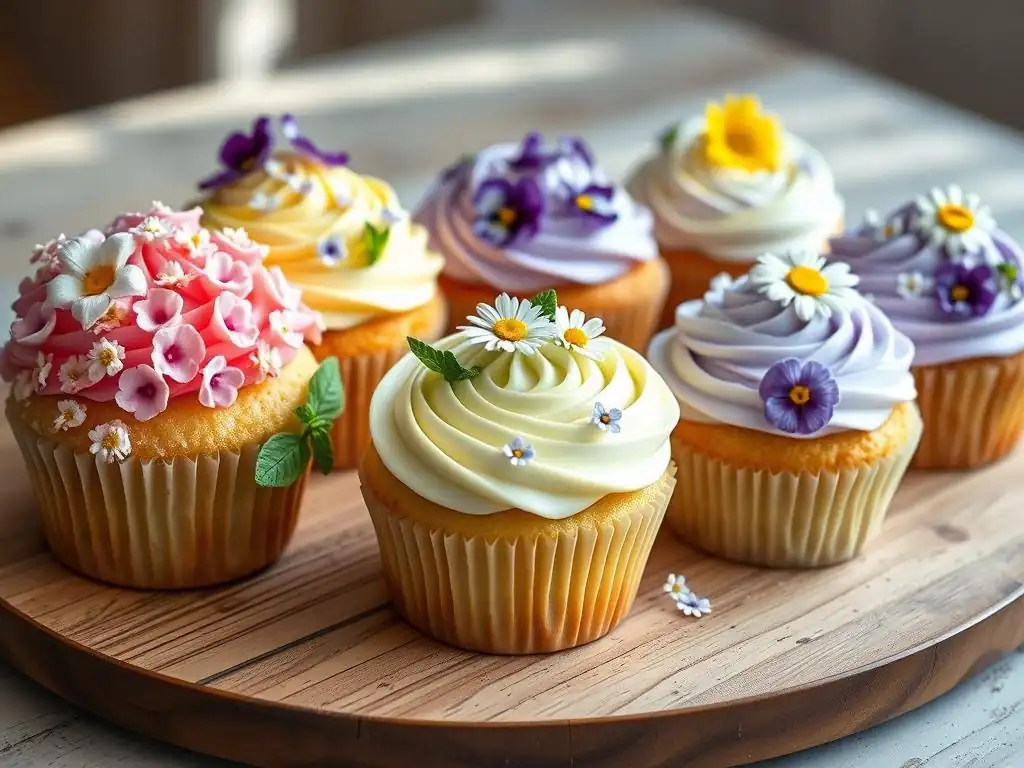
Rose-Themed Cupcake Decorations
Roses are classic symbols of beauty and love, and they translate beautifully onto cupcakes. Rose-themed easy spring floral cupcakes can range from simple piped rosettes to intricate, multi-petal blooms. The key to effective rose decorations lies in mastering the petal tip and choosing complementary colors.
You can create different types of roses, from tight buds to fully bloomed flowers, using varying sizes of petal tips and different piping techniques. Color choice is crucial; while red and pink are traditional, pastel shades like blush pink, peach, lavender, and yellow are perfect for spring.
Different Rose Variations for Cupcakes
You can create several types of buttercream roses:
- Rosette: The simplest form, made with a large open star tip (#1M) by piping a swirl starting from the center and moving outwards. This creates a quick, charming rose shape.
- Classic Piped Rose: Created with a petal tip (#104) on a cone base, building up individual petals as described in the beginner section. Varying the size of the cone and the angle of the tip allows for different stages of bloom.
- Ruffled Rose/Peony: Using a large ruffled tip or layering petals from a petal tip to create a full, lush flower resembling a peony or a very open rose.
Experimenting with these variations allows you to create a collection of rose-themed easy spring floral cupcakes, each slightly unique.
Color Palettes for Rose Cupcakes
Choosing the right color palette enhances the beauty of your rose cupcakes. For spring, think soft and fresh.
- Classic Spring: Shades of blush pink, soft yellow, and white, perhaps with light green leaves.
- Sunset Hues: Peach, coral, and light orange, mimicking the colors of a spring sunset.
- Lavender Garden: Various shades of lavender and purple, paired with pale green.
- Mixed Pastels: A mix of light pink, blue, yellow, and green roses on the same platter creates a cheerful, varied look.
Consider using slightly darker shades towards the center of the rose and lighter shades on the outer petals for a more realistic, shaded effect.
Tulip-Inspired Cupcake Designs
Tulips are iconic spring flowers, known for their simple yet elegant cup shape and vibrant colors. Translating them into easy spring floral cupcakes involves capturing this distinct form, often using specific piping techniques or shaped elements.
Tulip designs can range from simple piped shapes to more detailed representations. Their clean lines and bold colors make them a popular choice for springtime baking projects.
Recreating Tulip Petals with Buttercream
As mentioned in the intermediate section, a petal tip (#104) or specialty tulip tips are used. The key is to pipe petals that are more upright and cupped than those of a rose.
Another simple method involves using an offset spatula. Apply a blob of colored buttercream to the cupcake. Then, using the tip of a small offset spatula, gently pull and shape the frosting upwards and inwards to form three or four cupped petals around a central point. This creates a more abstract, textured tulip effect that is surprisingly easy. Add a green stem piped with a round tip at the base for a finishing touch.
Tulip Color Combinations for Spring
Tulips come in almost every color imaginable, offering endless possibilities for your cupcake palette.
- Bright & Bold: Classic red, yellow, or pink tulips piped onto a contrasting background (like white or light blue).
- Variegated: Use the two-color piping bag technique (e.g., yellow and red, or pink and white) to create striped petals.
- Soft Tones: Pastel pink, purple, and yellow tulips for a gentler spring look.
- Monochromatic: Different shades of the same color (e.g., pale pink, medium pink, and hot pink) piped as tulips on a white or green background.
Consider adding piped green leaves using a leaf tip to the base of the tulips for a more complete floral picture.
Daisy and Sunflower Cupcake Ideas
Daisies and sunflowers bring a cheerful, sunny vibe to spring floral cupcakes. While sunflowers are often associated with late summer, smaller, brighter versions can certainly fit a spring theme, especially when paired with other spring blooms. Daisies, with their simple petal structure, are perfect for easy spring floral cupcakes.
Both flowers typically use a central element (like a yellow or brown center) surrounded by petals, making their basic structure straightforward to replicate with piping tips or even simple spreading techniques.
Simple Daisy Piping Techniques
As described in the beginner section, the easiest daisy uses a round tip for petals and a star or round tip for the center.
Another simple method is using a palette knife. Swirl white buttercream onto the cupcake. Then, using a small palette knife or the back of a spoon, gently pull lines outwards from the center to create textured petals. Add a piped yellow center. This creates a more rustic, textured daisy look. You can also use small white candy melts or fondant circles as petals, attaching them around a yellow piped or candy center.
Sunflower Cupcake Designs
Sunflower cupcakes feature a large, prominent center and many surrounding petals. While traditionally yellow, you can use lighter yellow or even white petals for a spring interpretation.
- Frost the cupcake with brown or dark chocolate buttercream, or cover the top with brown sprinkles or crushed cookies to mimic the seed-filled center.
- Using a petal tip (#104) or a large open star tip (#1M or #2D) with yellow buttercream, pipe layers of petals around the brown center. Start with an inner ring of smaller petals angled slightly upwards, then pipe an outer ring of larger petals angled slightly downwards.
- Alternatively, use a leaf tip (#352) to pipe pointed yellow petals radiating outwards from the center. This creates a slightly different, spikier petal texture.
These designs are slightly more involved than simple daisies but still quite manageable, resulting in vibrant, sunny easy spring floral cupcakes.
Tips for Keeping Your Floral Cupcakes Fresh
After putting in the effort to create beautiful easy spring floral cupcakes, you want to ensure they stay fresh and look their best until they are enjoyed. Proper storage is key to maintaining both the texture of the cake and the integrity of the buttercream decorations.
Buttercream can be sensitive to temperature, and the cake itself can dry out if not stored correctly. Taking a few simple precautions will help preserve your edible artwork.
Proper Storage Techniques for Decorated Cupcakes
Once your cupcakes are decorated, allow the buttercream to "crust" slightly at room temperature if using American buttercream (this usually takes 15-30 minutes). This helps firm up the exterior.
Store cupcakes in an airtight container at room temperature if they will be eaten within 1-2 days, provided your frosting doesn't contain ingredients that require refrigeration (like cream cheese or fresh fruit). A single layer container designed for cupcakes is best to prevent decorations from getting smushed. If stacking is necessary, use layers of parchment paper between tiers or, ideally, use a container with multiple trays or high sides. Keep the container away from direct sunlight or heat sources.
If your frosting requires refrigeration (like cream cheese buttercream) or if storing for longer than 2 days, place the airtight container in the refrigerator. Before serving, allow refrigerated cupcakes to sit at room temperature for about 15-30 minutes to allow the buttercream to soften slightly and the cake to lose its chill, improving texture and flavor.
Preventing Buttercream from Melting
Buttercream, especially those made primarily with butter (like American buttercream), can soften or melt in warm conditions. This is particularly important to consider when transporting or displaying your spring floral cupcakes.
- Use a Stable Buttercream: For warmer weather or extended display, consider using a more stable frosting like Swiss meringue or Italian meringue buttercream, which are less prone to melting than American buttercream. Adding a small amount of shortening to American buttercream can also increase its stability.
- Keep Them Cool: Store and transport cupcakes in a cool environment. If transporting in warm weather, use an insulated carrier with ice packs (ensure the ice packs don't directly touch the container).
- Display Smartly: Avoid displaying cupcakes in direct sunlight or warm rooms for extended periods. If setting up a dessert table outdoors, choose a shaded area and consider using a chilled serving platter if possible.
By being mindful of temperature and storage, you can ensure your beautiful easy spring floral cupcakes remain picture-perfect.
Showcasing Your Baking Talents
We love seeing what our community creates! Your easy spring floral cupcakes are a source of inspiration for others. Whether you used a simple sprinkle method, piped intricate roses, or experimented with edible flowers, your unique touch makes them special.
Sharing your work is a great way to connect with fellow baking enthusiasts, get feedback, and inspire others to try their hand at spring floral cupcake decorating. Don't be shy – every baker, from beginner to advanced, has something valuable to share. Your journey in creating easy spring floral cupcakes is part of the fun!
Frequently Asked Questions
What are some easy ways to create floral decorations on cupcakes for spring?
You can use pre-made fondant flowers, buttercream frosting piped with various tips to create floral shapes, or even edible sugar pearls arranged to resemble flower centers. It's all about simple techniques for a beautiful look!
What kind of buttercream is best for piping floral designs on cupcakes?
A stiff buttercream, such as American buttercream or Swiss meringue buttercream, is ideal. These hold their shape well and allow for more intricate floral designs without melting or drooping.
Where can I find edible flowers to decorate my spring floral cupcakes?
Edible flowers can often be found at specialty grocery stores, farmer's markets, or online retailers that specialize in baking supplies. Be sure they are labeled as edible and safe to consume.
What are some common mistakes to avoid when decorating cupcakes with floral designs?
Avoid using buttercream that's too soft, as it will lose its shape quickly. Also, don't overcrowd the cupcake with too many decorations; simplicity often looks more elegant.
What ingredients do I need to make a basic vanilla cupcake suitable for decorating with spring floral designs?
You'll need flour, sugar, eggs, butter (or oil), milk (or buttermilk), baking powder (or baking soda), and vanilla extract. These are the core ingredients for a classic vanilla cupcake base ready for your floral touch.
Final Reflection: The Enduring Bloom of Spring Baking
The simple act of decorating a cupcake can be a powerful expression of creativity, and the vibrant colors and delicate forms of spring flowers make it an especially joyful pursuit. This article explored easy-to-follow techniques for transforming plain cupcakes into miniature masterpieces, perfect for celebrating the season's renewal and sharing with loved ones. The ease of these methods makes them accessible to everyone, regardless of baking experience.
The enduring appeal of spring baking, and floral designs in particular, lies in its ability to connect us to nature's beauty and the promise of new beginnings. It's a tradition passed down through generations, a way to share joy and celebrate life's simple pleasures. As the great Julia Child once said, Find something you're passionate about and keep tremendously interested in it.
For many, that passion is found in the kitchen, in the creative process of baking and decorating, and the simple act of sharing the results brings immense satisfaction.
This spring, I encourage you to embrace the joy of creating. Don't be afraid to experiment with different colors, flowers, and techniques. Let the vibrant energy of spring inspire your creativity, and use these simple floral cupcake designs as a springboard for your own unique expressions. The beauty of baking lies not just in the finished product, but in the journey of creation itself. So, gather your ingredients, put on some music, and let the blossoms bloom!
Unleash Your Inner Baker: Create Stunning Spring Cupcakes!
Thanks for joining us on this floral cupcake adventure! We hope you're feeling inspired and ready to create some seriously gorgeous treats. Now it's time to put those ideas into action.
- Master the Art of the Perfect Rose: Practice your piping skills and create those beautiful buttercream roses you’ve been admiring. We have plenty more tutorials on our site to help you achieve perfection!
- Share Your Creations: Show us your stunning spring cupcakes on social media using #BakeWithEaseSpring. Let's inspire each other!
- Try a New Technique: Challenge yourself to try a new piping tip or decorating technique you learned today – maybe even experiment with edible flowers!
Ready to transform your kitchen into a floral wonderland? What's your favorite spring-inspired cupcake design?