
Decoding Baking Chocolate Labels: What Percent Cocoa Means

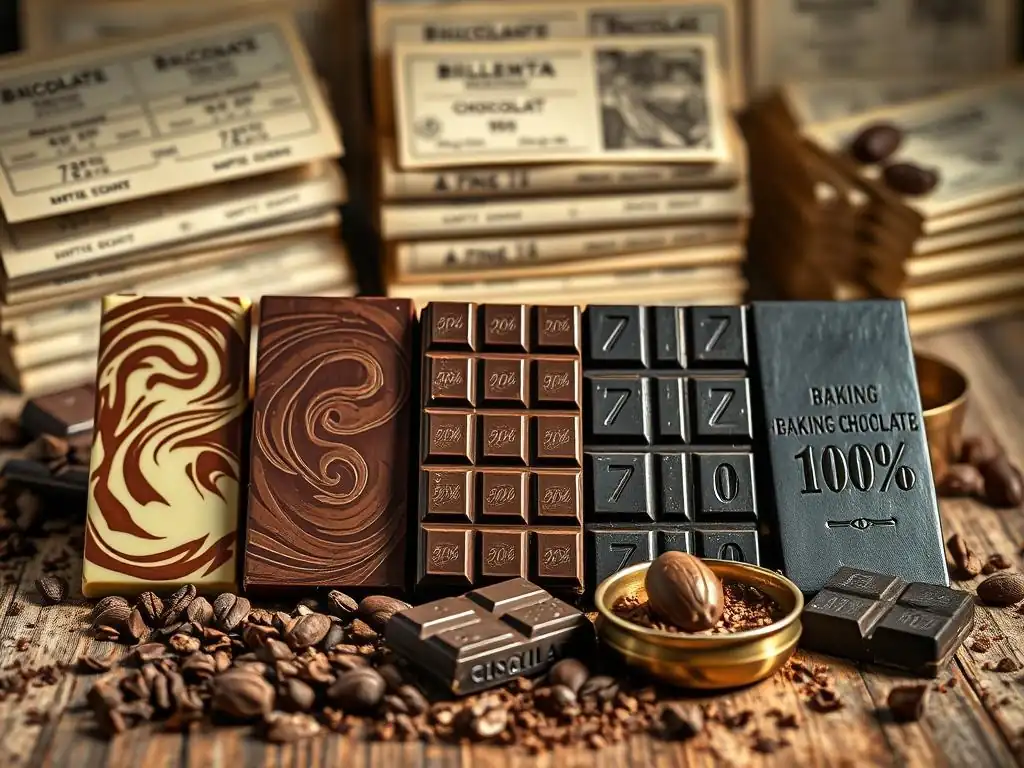
Welcome to BakeWithEase, your guide to baking bliss! Ever wondered what those numbers on your baking chocolate actually mean? Dive into our latest article, "Decoding Baking Chocolate Labels: What Percent Cocoa Means," and unlock the secrets behind choosing the perfect chocolate for your next creation. Discover how cocoa percentage impacts flavor and texture, and elevate your baking from good to extraordinary. Intrigued? Let's get baking!
- Understanding Cocoa Percentage in Baking Chocolate: A Baker's Guide
- Deciphering Baking Chocolate Labels: A Step-by-Step Guide
- The Best Baking Chocolate Percentages for Specific Recipes: A Practical Guide
- Beyond the Numbers: Tips for Choosing the Right Baking Chocolate
- High-Quality Baking Chocolate Recommendations Based on Cocoa Percentage
- Maximizing Your Baking with the Right Cocoa Percentage: Expert Tips
- Conclusion: Mastering the Art of Baking with Cocoa Percentage Knowledge
-
Frequently Asked Questions
- What does the cocoa percentage on baking chocolate indicate?
- Is a higher cocoa percentage always better for baking?
- How does the cocoa percentage affect the sweetness of the baked good?
- Can I substitute baking chocolate with different cocoa percentages in a recipe?
- Where can I find more information on baking with different types of chocolate?
- Final Reflection: Unlocking the Secrets of Cocoa Percentage
- Unlock Your Baking Potential: Master Chocolate Selection!
Understanding Cocoa Percentage in Baking Chocolate: A Baker's Guide
What Does Cocoa Percentage Actually Tell You? Unveiling the Secrets of Flavor
The cocoa percentage listed on a baking chocolate label is a crucial piece of information, often overlooked by novice bakers. It represents the total proportion of ingredients derived from the cocoa bean in that particular chocolate product. This includes both cocoa solids (sometimes called cocoa mass or cocoa liquor) and cocoa butter.
A higher percentage indicates a greater concentration of these cocoa-derived components and, consequently, a lower proportion of other ingredients like sugar, milk solids (in milk chocolate), and emulsifiers. Understanding this percentage is key to mastering the art of baking with chocolate, as it directly impacts the final flavor profile and structure of your baked goods.
For example, a chocolate labeled 70% cocoa means that 70% of its weight comes from cocoa solids and cocoa butter combined. The remaining 30% typically consists of sugar, vanilla, and potentially a small amount of lecithin as an emulsifier. In contrast, a milk chocolate might have a cocoa percentage ranging from 30% to 45%, with the rest being primarily sugar and milk powder. This fundamental difference in composition is why dark chocolate tastes more intense and less sweet than milk chocolate, and why the cocoa percentage baking chocolate meaning is so vital for predicting results.
Why Cocoa Percentage Matters for Your Baking: Taste, Texture, and Recipe Success
The cocoa percentage significantly influences the taste, texture, and overall success of your baking projects. A higher cocoa percentage generally translates to a more intense, less sweet, and potentially more bitter chocolate flavor. This is because there is less sugar and more of the pure cocoa components responsible for the complex chocolate notes. Using a 70% chocolate in a recipe designed for 55% will result in a less sweet, perhaps slightly more bitter, and deeper chocolate taste. Conversely, using a lower percentage than called for will yield a sweeter, milder chocolate flavor.
Beyond taste, cocoa percentage affects texture and structure. Cocoa butter, a key component of the percentage, dictates how the chocolate melts and sets. Higher percentages often contain more cocoa butter relative to sugar, contributing to a firmer snap when solid and a smoother melt when warm.
The cocoa solids absorb moisture and provide structure. Using a chocolate with a significantly different cocoa percentage than a recipe intends can throw off the balance of wet and dry ingredients, affecting everything from cookie spread to cake density and ganache consistency. Paying attention to the cocoa percentage baking chocolate meaning helps you choose the right chocolate for the desired outcome.
Deciphering Baking Chocolate Labels: A Step-by-Step Guide
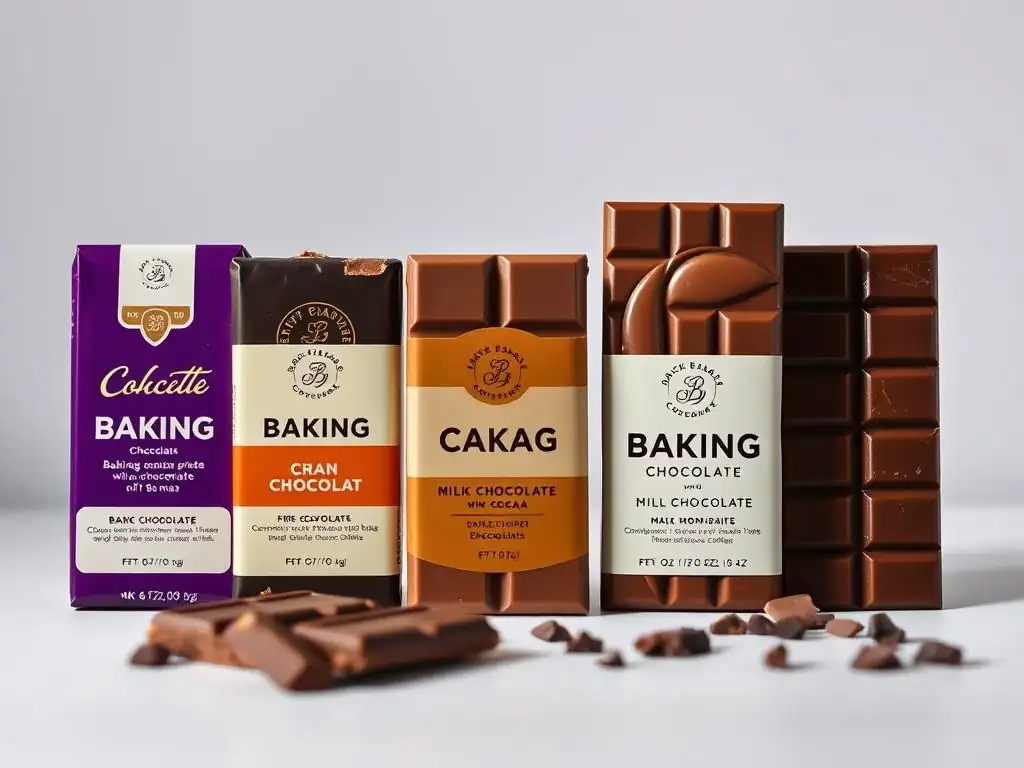
Step 1: Locating the Cocoa Percentage on the Label
Finding the cocoa percentage on a baking chocolate label is usually straightforward, although its exact placement can vary slightly between brands. Look for a number followed by a percent sign (%), often accompanied by the word "Cocoa," "Cacao," or "Cacao Percentage." This information is typically displayed prominently on the front of the packaging, sometimes near the product name or description, such as "Dark Chocolate 70% Cacao" or "Semisweet Baking Bar 55% Cocoa."
If it's not immediately visible on the front, check the back or side panels of the packaging. It's often listed within the nutritional information panel or the ingredient list, though the front display is most common for easy identification by bakers. Becoming familiar with where different brands place this information will make selecting the right chocolate based on its cocoa percentage baking chocolate meaning much quicker during your shopping trips.
Step 2: Understanding the Components Behind the Percentage: Cocoa Solids vs. Cocoa Butter
The single cocoa percentage number on a label represents the sum of all cocoa-derived ingredients. However, understanding that this figure is primarily composed of two main elements – cocoa solids and cocoa butter – is crucial for a deeper understanding of the chocolate's properties. While the label doesn't always break down the exact ratio of solids to butter within the stated percentage, recognizing their distinct roles helps predict how the chocolate will behave in your baking. Both contribute to the overall cocoa percentage baking chocolate meaning.
Cocoa solids, also known as cocoa mass or cocoa liquor (which despite the name, is a paste, not an alcoholic beverage), are the non-fat components derived from the cocoa bean after roasting and grinding. They contain the majority of the flavor compounds, the dark color, and the antioxidants found in chocolate. A higher proportion of cocoa solids within the total cocoa percentage will contribute to a more intense, complex, and potentially bitter or astringent flavor profile. This is where the deep, characteristic taste of chocolate originates.
Cocoa Solids: The Foundation of Intense Chocolate Flavor
Cocoa solids are essentially the defatted part of the cocoa bean. After the beans are fermented, dried, roasted, and cracked, the nibs are ground into a paste called cocoa liquor or cocoa mass. This liquor contains both cocoa butter and cocoa solids.
When cocoa butter is pressed out, the remaining solid mass is dried and ground into cocoa powder (which can be natural or Dutched). The "cocoa solids" referred to in the cocoa percentage are the non-fat components present in the original cocoa liquor that remains after processing, whether that's in the form of cocoa liquor itself or added cocoa powder. They are responsible for the chocolate's color and the bulk of its flavor complexity, from fruity notes to earthy undertones.
The intensity of the chocolate flavor is directly tied to the amount of cocoa solids present. A chocolate with 70% cocoa will have significantly more cocoa solids than one with 50% cocoa (assuming similar processing methods). This higher concentration of solids delivers a more pronounced chocolate taste and less sweetness because there's less room for sugar and other non-cocoa ingredients within that percentage. Understanding the role of cocoa solids is fundamental to grasping the full cocoa percentage baking chocolate meaning.
Cocoa Butter: Contributing Richness and Smoothness
Cocoa butter is the natural fat extracted from the cocoa bean. It is solid at room temperature but melts just below body temperature, which is why good quality chocolate melts so beautifully in your mouth. Cocoa butter is responsible for chocolate's smooth texture, creamy mouthfeel, and characteristic snap when broken. It also carries and enhances the flavor compounds from the cocoa solids. While flavor primarily comes from the solids, cocoa butter is essential for a luxurious chocolate experience.
The amount of cocoa butter within the total cocoa percentage also affects the chocolate's viscosity and how it behaves when melted. Chocolates with a higher proportion of cocoa butter (sometimes referred to as having higher "flow") are often preferred for tempering, coating, and making ganaches because they melt smoothly and set with a good snap. While the label only gives the total cocoa percentage, premium baking chocolates often have a balanced or slightly higher proportion of cocoa butter relative to solids within that percentage compared to lower-quality options, contributing to better performance in baking.
Step 3: Interpreting Different Cocoa Percentages for Different Baking Needs
Choosing the right cocoa percentage is critical for achieving the desired outcome in your baking. Different percentages offer distinct flavor profiles and functional properties. Understanding how a 50% chocolate differs from an 85% chocolate in terms of sweetness, bitterness, and texture is key to selecting the best option for your recipe and understanding the practical cocoa percentage baking chocolate meaning.
Generally, lower cocoa percentages mean more sugar and often more milk solids (in milk chocolate), resulting in a sweeter, milder flavor. Higher percentages mean less sugar, more intense chocolate flavor, and often a firmer texture when set.
50-60% Cocoa: Versatile for Everyday Baking
Chocolates in the 50-60% cocoa range are often labeled as semisweet or bittersweet. This range offers a good balance of sweetness and chocolate flavor, making it incredibly versatile for a wide variety of baking applications. They are sweet enough to be enjoyed on their own but have enough chocolate intensity to stand up in cookies, cakes, and sauces without being overly bitter.
A common example is Ghirardelli Semisweet Chocolate Baking Bar, which is typically around 55% cocoa. This percentage is a go-to for classic chocolate chip cookies, brownies where you want a noticeable sweetness balanced with chocolate flavor, and many cake recipes. Its balanced composition makes it melt smoothly and integrate well into batters and doughs without seizing easily, providing reliable results for everyday baking needs.
70% Cocoa: Intense Flavor for Bold Recipes
Chocolate with a cocoa percentage around 70% falls firmly into the dark chocolate category. It offers a significantly more intense, less sweet, and often more complex chocolate flavor compared to the 50-60% range. This percentage is ideal when you want the chocolate flavor to be the star of the show, providing deep, rich notes.
Scharffen Berger 70% Cacao Bittersweet Dark Chocolate is a popular choice in this category. Its high cocoa content delivers robust chocolate flavor with less sugar, making it perfect for recipes like serious dark chocolate brownies, lava cakes, or intense chocolate tarts where bitterness and depth are desired. Using a 70% chocolate instead of a 55% will drastically change the sweetness and intensity of the final product, highlighting the importance of considering the cocoa percentage baking chocolate meaning for specific flavor goals.
85% and Higher Cocoa: Unsweetened Chocolate for Special Occasions
Chocolates with 85% cocoa or higher are very intense, with minimal sugar. Some reach 100% cocoa, which is completely unsweetened cocoa mass. These are typically quite bitter and are used in recipes where the baker intends to add all the sweetness separately, or where a very strong, unsweetened chocolate presence is required.
Valrhona Abinao 85% Dark Chocolate is an example of a high-percentage chocolate used by professional and serious home bakers. While not completely unsweetened, its low sugar content results in a powerful, complex flavor profile with pronounced bitterness. Chocolates in this range, including 100% unsweetened chocolate like Baker's Unsweetened, are often used in recipes that call for specific measurements of added sugar and fat, such as certain types of fudge, rich chocolate sauces, or baked goods where the intense cocoa flavor is paramount and balanced by other ingredients. They are not typically eaten plain due to their bitterness.
Step 4: Factors Beyond Cocoa Percentage: Origin, Processing, and Ingredients
While cocoa percentage is a vital indicator, it's not the only factor determining a baking chocolate's quality and flavor. The origin of the cocoa beans, how they were processed, and the other ingredients included all play significant roles in the final product's characteristics and how it will perform in your baking. A comprehensive understanding of cocoa percentage baking chocolate meaning requires looking beyond just the number.
Considering these additional factors helps you select chocolate that not only fits your recipe's requirements based on percentage but also offers the desired flavor nuances and quality. Two chocolates with the same percentage can taste and behave quite differently depending on these variables.
Origin Matters: Exploring Single-Origin Chocolate
Just like coffee or wine, the flavor of cocoa beans is heavily influenced by the region where they are grown. Factors like climate, soil type, and local fermentation practices contribute unique characteristics to the beans. Chocolates made from beans sourced from a single region are called "single-origin" chocolates, and they often showcase distinct flavor notes that add complexity to baked goods.
For instance, Valrhona Guanaja 70% Dark Chocolate Feves is made from beans blended from South America, known for producing beans with specific flavor profiles. Other single-origin chocolates might highlight notes like red fruit (often found in beans from Madagascar), earthy or smoky notes (Indonesia), or nutty flavors (Ghana). Choosing a single-origin chocolate can introduce subtle or pronounced flavor complexities to your baking that a blend might not offer, adding an extra layer of sophistication to your creations.
The Impact of Processing: From Bean to Bar
The journey from cocoa bean to chocolate bar involves several processing steps, each impacting the final flavor and texture. Roasting levels, grinding fineness, and conching (a process of mixing and aerating the chocolate) all influence the development of flavor compounds and the smoothness of the chocolate.
Another critical processing difference is whether the cocoa has been "Dutched" (alkalized). Natural cocoa is slightly acidic and has a reddish-brown color and sharp flavor. Dutched cocoa is treated with an alkaline solution to neutralize acidity, resulting in a darker color, milder flavor, and different interactions with leavening agents (baking soda vs. baking powder). While this primarily applies to cocoa powder, the processing of the cocoa mass and butter used in baking chocolate also impacts its final characteristics. Understanding processing helps explain why two chocolates with the same cocoa percentage baking chocolate meaning might have different flavor nuances.
Ingredient Quality: Watch Out for Additives and Fillers
Beyond the cocoa components, the quality of other ingredients significantly affects the overall chocolate. High-quality baking chocolate typically contains minimal ingredients: cocoa mass/liquor, cocoa butter, sugar, vanilla, and possibly lecithin (an emulsifier, usually soy or sunflower, used in small amounts to improve texture and flow).
Lower-quality chocolates might contain vegetable oils other than cocoa butter (like palm kernel oil), artificial vanilla flavor instead of real vanilla, or excessive amounts of emulsifiers and stabilizers. These additives can negatively impact flavor, texture, and how the chocolate melts and sets. Always read the ingredient list. A shorter list with recognizable, high-quality ingredients (like real vanilla bean) is often a sign of superior baking chocolate, regardless of the cocoa percentage baking chocolate meaning itself.
The Best Baking Chocolate Percentages for Specific Recipes: A Practical Guide
Choosing the ideal cocoa percentage isn't about finding a single "best" chocolate, but rather selecting the one that best suits the specific recipe you're making. Different baked goods benefit from different levels of sweetness, bitterness, and richness that various cocoa percentages provide. This practical guide helps you match the right cocoa percentage baking chocolate meaning to your baking goals.
Consider the role chocolate plays in the recipe: Is it the main flavor? Is it a subtle background note? Does it need to melt smoothly or provide structure?
For classic chocolate chip cookies, a cocoa percentage in the 50-60% range is a popular choice. This provides a familiar, comforting balance of sweetness and chocolate flavor. Semisweet chocolate (around 55%) melts into delicious pockets without being too bitter against the sweet dough.
However, many bakers enjoy using a mix of percentages for more complex flavor. Combining 50% or 55% chocolate with some 70% dark chocolate chips or chunks can add depth and a hint of bitterness that contrasts nicely with the sweetness, enhancing the overall chocolate experience in the cookie. Experimenting with the cocoa percentage baking chocolate meaning in your favorite cookie recipe can lead to exciting new variations.
Selecting Chocolate for Brownies: Achieving the Perfect Fudgy Texture
Brownies are a prime example where cocoa percentage significantly impacts both flavor and texture. For rich, fudgy brownies, using a higher percentage chocolate, such as 70%, is often recommended. The increased cocoa solids contribute intense chocolate flavor, while the proportion of cocoa butter helps create that desirable dense, moist, and fudgy texture.
Using a lower percentage (like 50%) in a recipe designed for 70% would result in sweeter, less intense brownies. Using an even higher percentage (like 85% or 100% unsweetened) requires careful adjustment of sugar and butter in the recipe to prevent a dry or overly bitter outcome. The cocoa percentage baking chocolate meaning here is about controlling both the intensity of chocolate flavor and the final consistency.
Using Chocolate in Cakes: Balancing Flavor and Moisture
Chocolate cakes can use various forms of chocolate, including melted baking chocolate or cocoa powder. When using melted baking chocolate, the percentage affects both the flavor intensity and the moisture content. A recipe calling for melted chocolate often balances the sugar and fat based on a typical semisweet (50-60%) or bittersweet (70%) profile.
Using a higher percentage (e.g., 70% instead of 55%) will make the cake less sweet and more intensely chocolatey. It might also slightly alter the fat balance, potentially requiring minor adjustments to ensure the cake remains moist. Conversely, using a much lower percentage would result in a sweeter, milder cake. Pay attention to the type and cocoa percentage baking chocolate meaning specified in your cake recipe.
Chocolate Ganache: The Importance of High-Quality, High-Percentage Chocolate
Ganache, a simple mixture of chocolate and cream, relies heavily on the quality and cocoa percentage of the chocolate for its structure and richness. For a stable, smooth ganache that sets properly for fillings, glazes, or truffles, using a high-quality dark chocolate with a cocoa percentage of 60% to 70% (or even higher for truffles) is often essential.
The cocoa butter content within this percentage helps the ganache emulsify smoothly and set firmly when chilled. Using a lower percentage or lower-quality chocolate with less cocoa butter can result in a ganache that is too soft, greasy, or breaks easily. The cocoa percentage baking chocolate meaning is paramount for successful ganache, determining its texture and its ability to hold its shape.
Beyond the Numbers: Tips for Choosing the Right Baking Chocolate
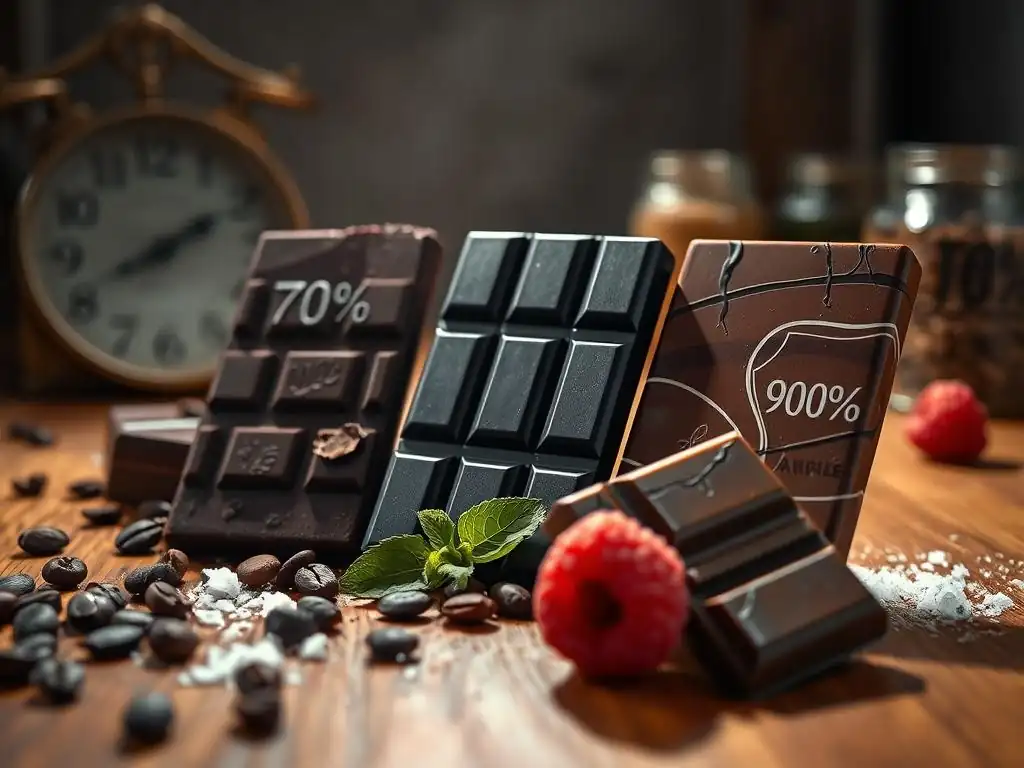
While understanding the cocoa percentage baking chocolate meaning is fundamental, becoming a skilled baker involves looking beyond just the number. Several other factors and practices can help you select the best chocolate for your needs and ensure successful baking results.
Consider the overall quality, flavor profile, and intended use of the chocolate, rather than solely focusing on the percentage.
Taste Testing: Experimenting with Different Brands and Percentages
The best way to understand how different chocolates will perform and taste in your baking is to try them! Purchase small quantities of different brands and percentages within the range you typically use (e.g., several 55% semisweet options, a couple of 70% darks). Taste a small piece of each chocolate before you bake with it. Note its sweetness, bitterness, flavor notes (fruity, nutty, earthy, etc. ), and how it melts.
Then, try baking the same simple recipe (like a batch of basic chocolate chip cookies or small chocolate cakes) using these different chocolates side-by-side. Compare the results in terms of flavor intensity, sweetness, texture, and appearance. This hands-on experimentation will build your personal knowledge base far more effectively than just reading labels, solidifying your understanding of cocoa percentage baking chocolate meaning in practice.
Reading Reviews: What Other Bakers Say About Specific Chocolates
Before investing in a large quantity of a new or expensive baking chocolate, take advantage of the baking community's knowledge. Look for reviews from other home bakers or pastry professionals who have used that specific brand and percentage for baking. Websites, baking blogs, and online forums often feature discussions and reviews of various baking chocolates.
Pay attention to comments about how the chocolate melts, its flavor profile after baking, and whether it performed well in specific types of recipes (e.g., "This 70% chocolate is amazing in brownies" or "This semisweet melts beautifully for dipping"). While individual tastes vary, consistent feedback can provide valuable insights into a chocolate's quality and suitability for your baking needs, complementing your understanding of its cocoa percentage baking chocolate meaning.
Storage Tips: Keeping Your Baking Chocolate Fresh and Flavorful
Proper storage is essential to maintain the quality, flavor, and temper of your baking chocolate. Chocolate is sensitive to temperature fluctuations, moisture, odors, and light. Incorrect storage can lead to "bloom" (white streaks or patches caused by sugar or fat separating), dull flavor, or an unpleasant texture.
Store baking chocolate in a cool, dry, dark place, away from strong odors (like spices or coffee), which chocolate can absorb. An airtight container or wrapping helps protect it from moisture and odors. Ideal storage temperatures are typically between 60°F and 70°F (15°C - 21°C). Avoid refrigerating chocolate unless you live in a very hot, humid climate, and even then, wrap it extremely well to prevent condensation and odor absorption. Proper storage ensures the cocoa percentage baking chocolate meaning you rely on delivers consistent results every time you bake.
High-Quality Baking Chocolate Recommendations Based on Cocoa Percentage
Navigating the wide world of baking chocolate can be daunting. To help you get started, here are a few examples of highly regarded baking chocolates, categorized by their typical cocoa percentage. Remember that quality can vary even within a percentage range, and personal preference plays a big role. These examples are widely available and well-regarded by bakers for their performance and flavor.
These recommendations are based on general availability and reputation among bakers, illustrating the practical application of cocoa percentage baking chocolate meaning.
Best Semisweet Baking Chocolate (50-60% Cocoa)
For a reliable, flavorful semisweet chocolate that works well in most recipes calling for this range, consider Guittard Semisweet Baking Chocolate.
- Features and Benefits: Guittard's semisweet offerings (often around 58% cocoa) are known for their smooth texture and balanced flavor profile, offering notes of classic chocolate without being overly sweet or bitter. They melt smoothly and consistently, making them excellent for chocolate chips in cookies, melting into batters, or creating glazes where a traditional semisweet flavor is desired. Their quality ingredients ensure good performance in a variety of applications.
Best Dark Baking Chocolate (70% Cocoa)
When you need a robust, intense dark chocolate flavor, Taza Chocolate Stone Ground 70% Dark Chocolate is a unique option that brings something different to the table.
- Features and Benefits: Taza's 70% dark chocolate is stone ground, giving it a slightly rustic, gritty texture compared to conventionally conched chocolate. This unique texture adds an interesting dimension to baked goods where the chocolate isn't fully melted in (like chunks in cookies) or when used for sauces where a slight texture is welcome. Its flavor is intense and often features brighter, fruitier notes due to the stone-grinding process and specific bean sourcing, offering a distinct expression of cocoa percentage baking chocolate meaning.
Best Unsweetened Baking Chocolate (100% Cocoa)
For recipes requiring pure, unsweetened cocoa mass, Baker's Unsweetened Baking Chocolate is a staple found in many grocery stores and relied upon by generations of home bakers.
- Features and Benefits: Baker's 100% unsweetened chocolate provides the foundational intense chocolate flavor without any added sugar. It is essential for classic recipes like certain fudge types, devil's food cakes, or rich chocolate sauces where the sugar is added separately and precisely controlled. Its consistent availability and reliability make it a go-to for achieving that deep, unsweetened cocoa impact, demonstrating a specific application of cocoa percentage baking chocolate meaning.
Maximizing Your Baking with the Right Cocoa Percentage: Expert Tips
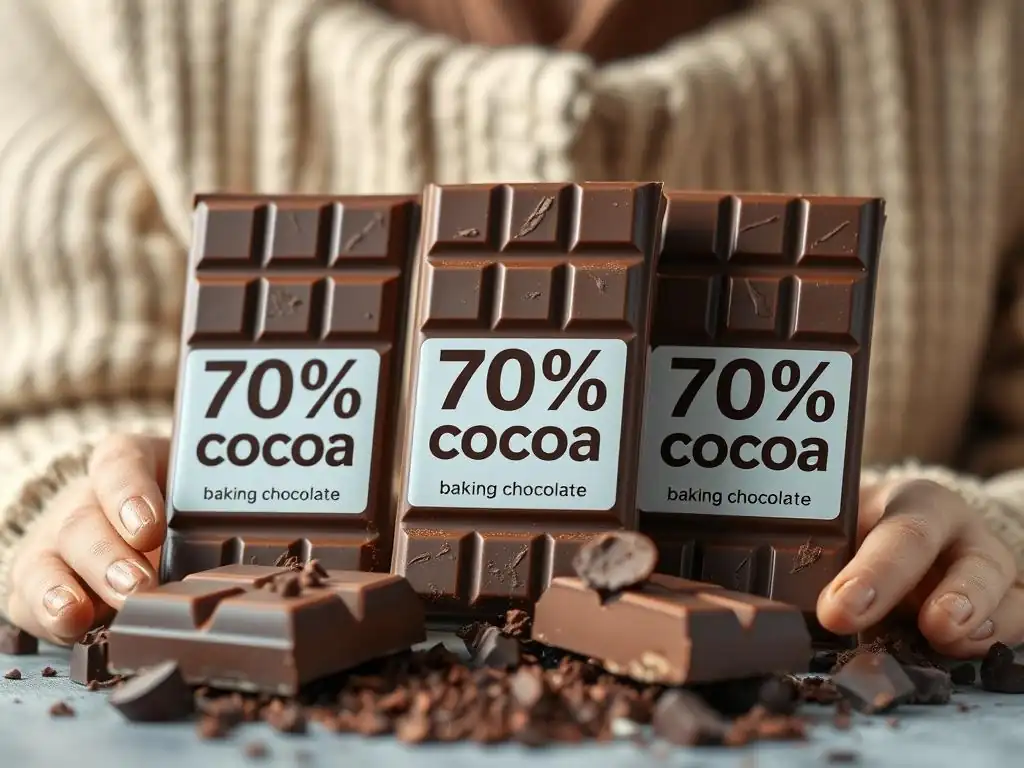
Mastering baking with chocolate involves more than just following a recipe; it requires understanding how different chocolates behave and how to adapt. Leveraging your knowledge of cocoa percentage baking chocolate meaning can elevate your results.
Here are some expert tips to help you get the most out of your baking chocolate.
Adjusting Recipes Based on Cocoa Percentage
If you substitute a chocolate with a significantly different cocoa percentage than the one specified in a recipe, you may need to make adjustments. Using a higher percentage chocolate (less sugar, more cocoa solids/butter) in a recipe designed for a lower percentage might require slightly increasing the sugar or liquid to maintain balance and moisture.
Conversely, using a lower percentage chocolate (more sugar, less cocoa) might mean slightly reducing added sugar or fat in the recipe. These adjustments aren't always straightforward and sometimes require experimentation, but being aware that they might be necessary is the first step in successfully adapting recipes based on cocoa percentage baking chocolate meaning.
The Art of Blending Different Chocolate Percentages for Complex Flavors
Professional bakers often blend chocolates of different origins and percentages to create more nuanced and complex flavor profiles. You can easily do this at home! Combining a semisweet chocolate (50-60%) with a darker chocolate (70%+) can add layers of flavor to cookies, brownies, or ganaches that a single percentage might not provide.
For example, using half 55% semisweet and half 70% dark chocolate in a chocolate chip cookie recipe can yield cookies that are less sweet and have a deeper, more interesting chocolate taste than using 100% semisweet. Experiment with blending to discover your favorite combinations and unlock new dimensions of cocoa percentage baking chocolate meaning.
Understanding cocoa percentage can help troubleshoot issues. If your ganache is too soft, you might need a higher percentage chocolate next time, or perhaps the chocolate you used had a lower proportion of cocoa butter within its percentage. If your melted chocolate seized (turned grainy), it could be due to even a tiny amount of water introduced, but using a high-quality chocolate with a good amount of cocoa butter (often found in higher percentages) can sometimes make it more forgiving.
If your baked goods aren't as intensely chocolatey as you'd like, consider using a higher cocoa percentage baking chocolate meaning for a bolder flavor. If they are too bitter, a slightly lower percentage or blending with a sweeter chocolate might be the solution.
Conclusion: Mastering the Art of Baking with Cocoa Percentage Knowledge
Decoding baking chocolate labels and understanding the cocoa percentage baking chocolate meaning is a fundamental skill for any baker aiming for excellent results. This number is far more than just a label; it's a key indicator of flavor intensity, sweetness, and functional properties that directly impact your cookies, cakes, brownies, and confections.
By paying attention to the percentage, understanding what it represents in terms of cocoa solids and cocoa butter, and considering other factors like origin and processing, you can make informed choices that elevate your baking. Don't be afraid to experiment with different percentages and brands. With practice, you'll develop an intuitive sense of which chocolate is perfect for every baking occasion, ensuring your creations are consistently delicious and satisfying.
Frequently Asked Questions
What does the cocoa percentage on baking chocolate indicate?
The cocoa percentage on baking chocolate labels indicates the proportion of the chocolate's weight that comes from cocoa solids (cocoa mass and cocoa butter). A higher percentage generally means a more intense chocolate flavor.
Is a higher cocoa percentage always better for baking?
Not necessarily. The ideal cocoa percentage depends on the specific recipe and your personal preference. Higher percentages can be bitter, while lower percentages are sweeter.
How does the cocoa percentage affect the sweetness of the baked good?
A higher cocoa percentage will typically result in a less sweet baked good. You may need to adjust the amount of sugar in the recipe to balance the bitterness.
Can I substitute baking chocolate with different cocoa percentages in a recipe?
Yes, but be mindful of how it will impact the overall flavor profile and adjust the recipe accordingly. A significant difference may require modifying other ingredients.
Where can I find more information on baking with different types of chocolate?
Visit BakeWithEase.com for detailed guides, recipes, and tips on baking with various types of chocolate, including information on cocoa percentages and their impact.
Final Reflection: Unlocking the Secrets of Cocoa Percentage
Understanding cocoa percentage isn't just about numbers; it's about unlocking the potential of flavor and texture in your baking. The seemingly simple label on a bar of baking chocolate holds a world of information, directly impacting the final outcome of your culinary creations. From the intense bitterness of high-percentage chocolates to the mellow sweetness of lower percentages, the cocoa content is the key to unlocking a vast spectrum of flavor profiles.
The journey into the world of cocoa percentages has been a fascinating one, revealing how deeply intertwined this seemingly small detail is with the history, culture, and artistry of chocolate making. It's a journey that extends beyond simple percentages, touching upon the ethical sourcing of cacao beans, the craftsmanship of chocolate production, and the sheer joy of transforming simple ingredients into something truly delicious. The best things in life are simple, but not easy.
This rings true for baking, where understanding the nuances of cocoa percentage can elevate a simple recipe to something extraordinary.
Now, armed with this knowledge, I invite you to explore the world of baking chocolate with a newfound appreciation. Don't just glance at the percentage on the label; understand what it means. Experiment with different cocoa percentages, discover your favorite flavor profiles, and most importantly, enjoy the process of creating something delicious. The next time you reach for a bar of baking chocolate, remember the power held within that seemingly insignificant number – the power to transform your baking and unlock a world of flavor possibilities.
Unlock Your Baking Potential: Master Chocolate Selection!
Thanks for diving into the world of baking chocolate with us! You've now got the knowledge to decode those confusing cocoa percentages and choose the perfect chocolate for your next creation. Ready to put your newfound expertise to the test?
- Experiment with different cocoa percentages: Try baking the same recipe with different cocoa percentages to see how the flavor and texture change. This is the best way to truly understand the impact of cocoa content.
- Share your chocolate discoveries: Tell us (and your fellow baking enthusiasts!) about your experiences! What's your favorite cocoa percentage and why?
- Challenge yourself with a new recipe: Now that you’re a chocolate label pro, find a recipe that calls for a specific cocoa percentage and give it a go.
What unexpected flavor combinations will you create with your newfound chocolate knowledge?