
The Impact of Milling Method on Artisan Flour Quality for Bread

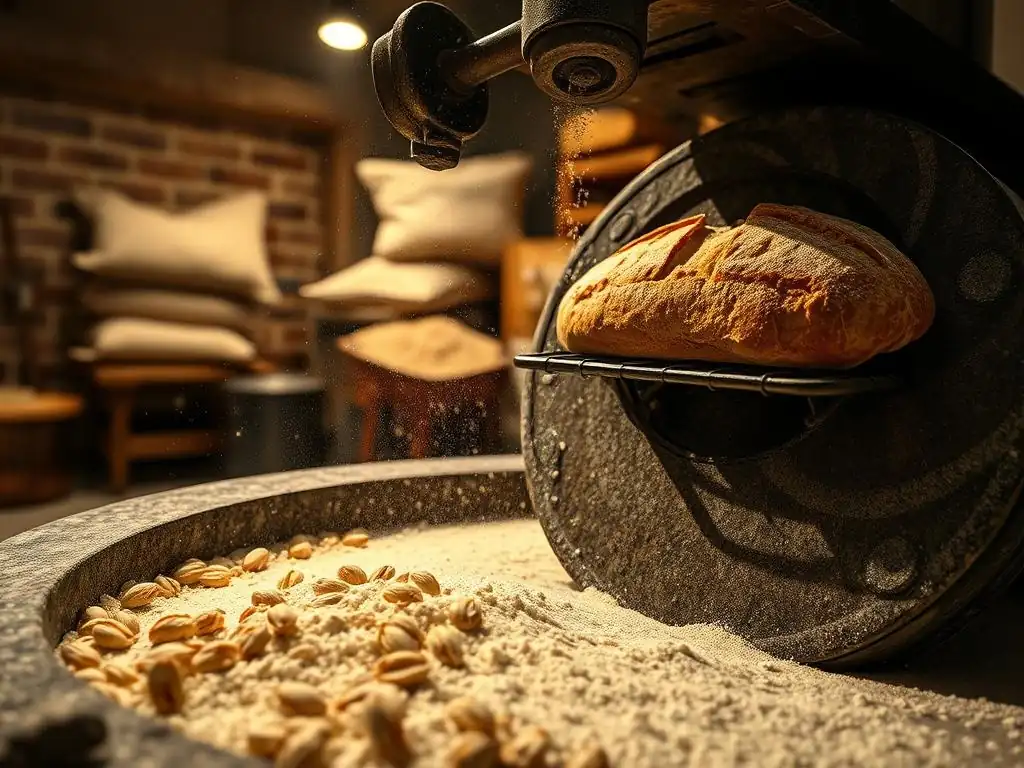
Welcome to BakeWithEase, your trusted guide to unlocking the secrets of exceptional baking! Ever wondered how the milling method truly impacts the quality of your artisan bread? Dive into our latest article, "The Impact of Milling Method on Artisan Flour Quality for Bread," and discover how artisan flour milling techniques can elevate your baking from good to extraordinary. Prepare to uncover the nuances that transform simple ingredients into breathtaking loaves!
- Understanding Artisan Flour Milling Techniques and Bread Quality
- Stone Milling vs. Roller Milling: A Comparative Analysis for Artisan Flours
- Exploring the Impact of Different Flour Milling Methods on Bread Characteristics
- Choosing the Right Flour Milling Techniques for Your Baking Needs
- Conclusion: Mastering Bread Baking with Artisan Flours
-
Frequently Asked Questions
- What are some key artisan flour milling techniques that BakeWithEase highlights?
- How does the milling method impact the flavor of bread, according to BakeWithEase?
- What are the benefits of using artisan flour in baking, as described on BakeWithEase.com?
- Does BakeWithEase provide recipes specifically designed for artisan flour?
- Where can bakers find high-quality artisan flour recommended by BakeWithEase?
- Final Reflection: The Flour Power of Precision Milling
- Unlock Your Baking Potential: Master the Flour Milling Method
Understanding Artisan Flour Milling Techniques and Bread Quality
The journey from grain to glorious loaf is deeply influenced by the quality of the flour used. For artisan bakers, understanding the nuances of artisan flour milling techniques is paramount. These methods don't just break down the grain; they fundamentally shape the flour's composition, nutritional value, and ultimately, its baking performance and flavor profile. The way a grain is milled dictates how much of the bran, germ, and endosperm ends up in the final product, affecting everything from fermentation activity to crumb structure and crust development.
Different flour milling techniques yield flours with distinct characteristics. A flour milled one way might produce a dense, flavorful loaf perfect for a rustic country bread, while the same grain milled another way could yield a light, airy baguette. Exploring these techniques helps bakers make informed choices, selecting flours that align with their desired outcomes and baking goals. It's about appreciating the craft not just in the baking process, but also in the preparation of the core ingredient itself.
Stone Milling vs. Roller Milling: A Comparative Analysis for Artisan Flours
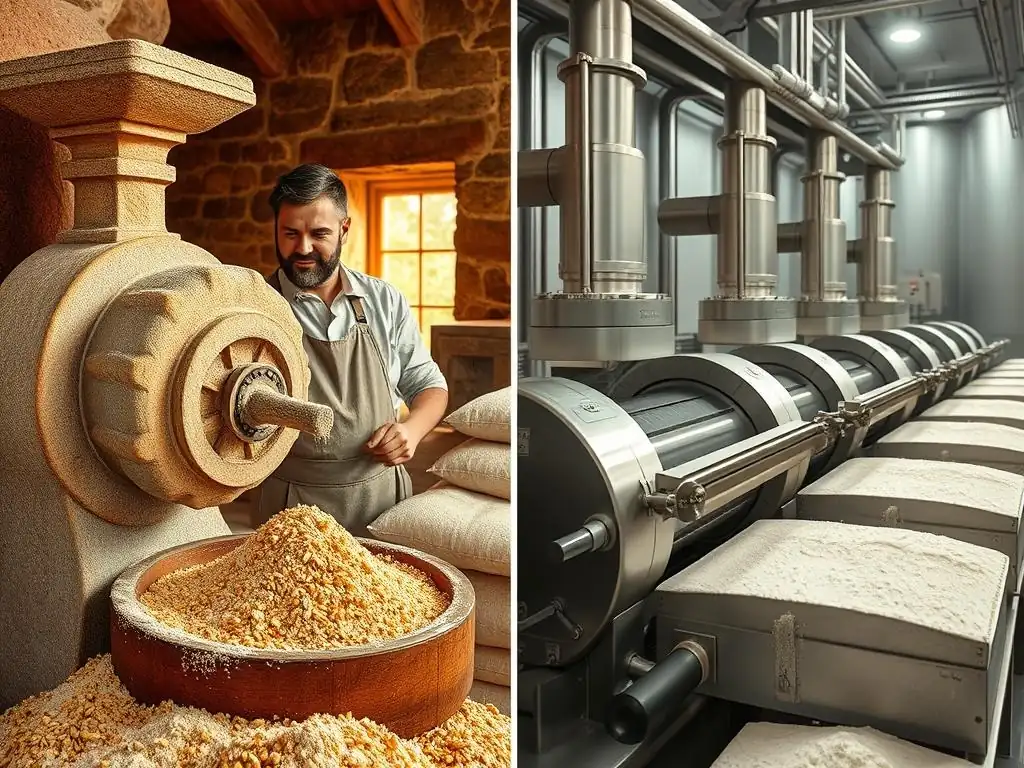
When discussing artisan flour milling techniques, the primary comparison often lies between traditional stone milling and modern roller milling. These two methods represent vastly different approaches to processing grain, each with its own set of advantages and implications for the resulting flour's quality and baking characteristics. Understanding the mechanics of each is key to appreciating their impact.
Stone milling, the historical method, grinds the grain slowly between two large stones. Roller milling, the dominant industrial method today, uses a series of steel rollers to progressively break down the grain. The fundamental difference lies in how the grain is processed and separated (or not separated), leading to significant variations in temperature during milling, particle size distribution, and the retention of different parts of the grain kernel.
Stone Ground Flour: The Traditional Approach to Flavor and Nutrition
Stone grinding is an ancient artisan flour milling technique where the entire grain kernel is typically ground between two revolving stones. This process is relatively slow and generates less heat compared to high-speed roller mills. The slower speed helps preserve the inherent qualities of the grain. A key characteristic of stone milling is that it usually incorporates a larger proportion of the bran and germ back into the flour, resulting in a 'whole grain' or 'high extraction' flour that is richer in nutrients, oils, and fiber than highly refined roller-milled flours.
The presence of the bran and germ in stone ground flour significantly impacts its flavor, imparting deeper, more complex, and often nuttier notes to baked goods. While these components contribute nutrients like B vitamins and minerals, they also contain oils that can affect shelf life and enzymes that influence dough development and fermentation.
For example, a stone-ground whole wheat flour might contain approximately 90-100% of the original grain kernel's components, compared to a roller-milled white flour which might retain only about 70-75% (primarily the starchy endosperm). This difference in composition is central to the appeal of stone-ground flour for many artisan bakers seeking robust flavors and nutritional density.
Roller Milling: Precision and Consistency in Modern Flour Production
Roller milling is the predominant flour milling technique used in large-scale commercial production today. This method involves passing grain through a series of smooth or corrugated steel rollers that progressively break down the kernel. Unlike stone milling, roller milling is designed for separation. After each pass through the rollers, the resulting particles are sifted, allowing for the precise separation of the starchy endosperm from the bran and germ. This allows millers to produce highly refined flours, such as white flour, with exceptional consistency in particle size and composition.
The roller milling process is significantly faster and generates more heat than stone milling. While the heat can potentially affect some heat-sensitive nutrients, the ability to separate components allows for the creation of very stable flours with longer shelf lives, as the germ (which contains oils that can turn rancid) is largely removed. The precision of roller milling also results in a very uniform particle size, which contributes to consistent water absorption and dough handling properties.
For instance, commercial all-purpose white flour is typically roller milled to a fine, uniform texture, facilitating consistent results across various baking applications. This consistency is a major advantage for commercial bakeries and home bakers seeking reliable outcomes every time they bake.
Exploring the Impact of Different Flour Milling Methods on Bread Characteristics
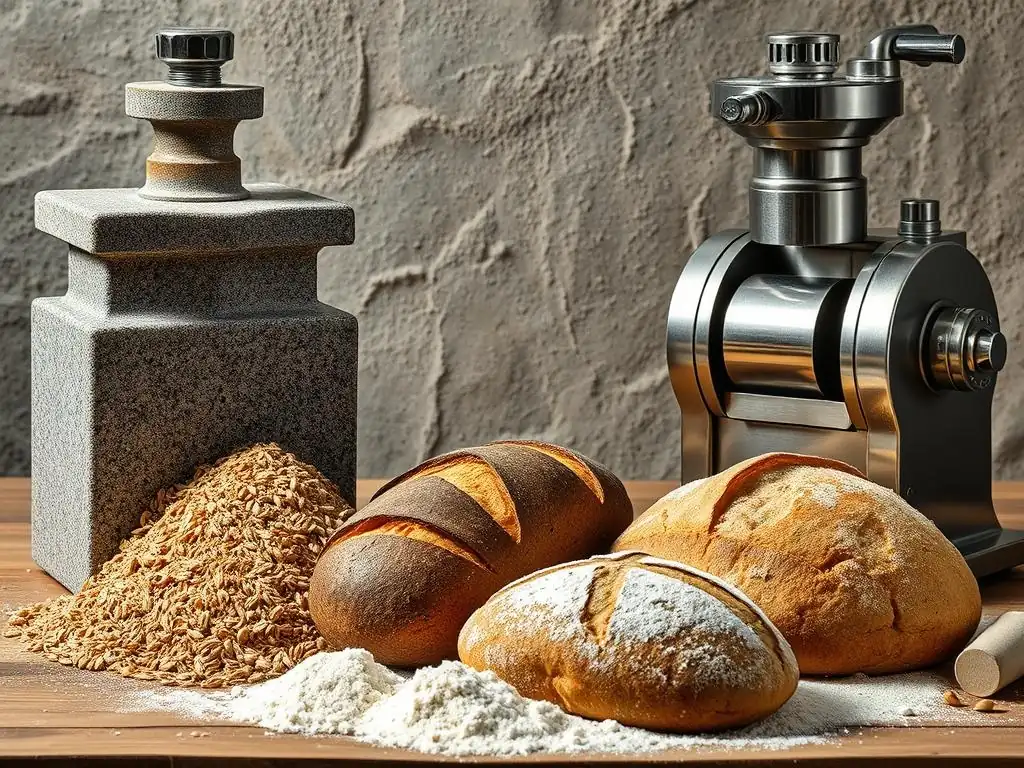
The choice of artisan flour milling techniques has a profound ripple effect on the final characteristics of a baked loaf. From the subtle nuances of flavor to the physical structure and handling of the dough, the milling method plays a critical role in shaping the bread's identity. Bakers often select flours based on how the milling process has influenced these key attributes, tailoring their ingredient choice to the specific type of bread they intend to create.
Understanding these impacts allows bakers to anticipate how a flour will behave and adjust their techniques accordingly. For example, a flour that absorbs water differently might require adjustments to hydration levels, while a flour with specific enzymatic activity might influence fermentation times. It's a fascinating interplay between the raw material and the baking process, highlighting the importance of the initial milling step.
Flavor Profiles: How Milling Affects the Taste of Your Bread
The flavor of bread is significantly influenced by the flour milling techniques used. Stone-ground flours, especially whole grain varieties, tend to produce bread with more complex and pronounced flavors. This is largely due to the retention of the bran and germ, which contain aromatic compounds and oils that contribute nutty, earthy, and sometimes slightly sweet notes.
The natural oils can also undergo slight oxidation during storage, adding further complexity. For example, a loaf baked with freshly stone-ground whole wheat flour will typically have a richer, more characterful flavor compared to one made with standard roller-milled whole wheat flour, where some flavor components might be lost or altered during the separation process.
In contrast, roller-milled white flours, stripped of most bran and germ, yield bread with a milder, cleaner flavor profile. The taste is primarily derived from the fermented starches of the endosperm. While less complex than stone-ground varieties, this neutral base is often desirable for breads where other ingredients (like enriched doughs with milk, butter, or sugar) or fermentation techniques are meant to be the primary flavor contributors. The absence of bran and germ also means fewer potential off-flavors developing over time, contributing to the flour's stability.
Texture and Structure: The Influence of Milling on Bread's Crumb and Crust
The physical characteristics of bread, such as its crumb texture and crust development, are also heavily impacted by flour milling techniques. Stone-ground flours, particularly those with higher extraction rates (more bran and germ), often result in denser crumbs. The sharp edges of bran particles can interfere with gluten development by cutting the gluten strands, leading to a less open structure.
However, the presence of bran and germ can also contribute to a moister crumb and a thicker, more rustic crust with excellent browning potential due to the sugars and oils present. A sourdough loaf made with stone-ground whole rye or wheat flour often exhibits a close, moist crumb and a substantial crust.
Roller-milled flours, being more uniform and refined, generally promote better gluten development. The fine, consistent particle size and the removal of bran and germ allow gluten networks to form more easily and strongly. This typically results in breads with a lighter, airier crumb and a more predictable structure. White flours milled this way are ideal for achieving open, lacy crumbs in breads like ciabatta or baguettes. The crust tends to be thinner and crisper compared to those made with high-extraction stone-ground flours, often developing a beautiful, even golden-brown color.
Water Absorption and Dough Handling: Key Considerations for Bakers
One of the most practical impacts of different flour milling techniques for bakers is how the resulting flour absorbs water and handles during mixing, kneading, and fermentation. Stone-ground flours, especially whole grain varieties, tend to have higher water absorption rates than roller-milled white flours. This is because the bran and germ components are highly hygroscopic, meaning they readily absorb water.
A stone-ground whole wheat flour might absorb around 65-75% of its weight in water or even more, depending on the grain and grind size, whereas a standard white bread flour might absorb closer to 60-65%. Bakers using stone-ground flours often need to adjust hydration levels upwards.
Handling dough made with stone-ground flour can also be different. The presence of bran can make the dough feel less extensible and sometimes a bit stickier or less cohesive initially. It might require gentler handling and slightly longer resting periods to allow the water to fully hydrate all the particles.
Roller-milled flours, with their uniform particle size and lower fiber content, typically produce doughs that are easier to handle, develop gluten smoothly, and are more predictable in their behavior, making them very forgiving for less experienced bakers. Understanding these differences in hydration and handling is crucial for successfully working with flours produced by different artisan flour milling techniques.
Choosing the Right Flour Milling Techniques for Your Baking Needs
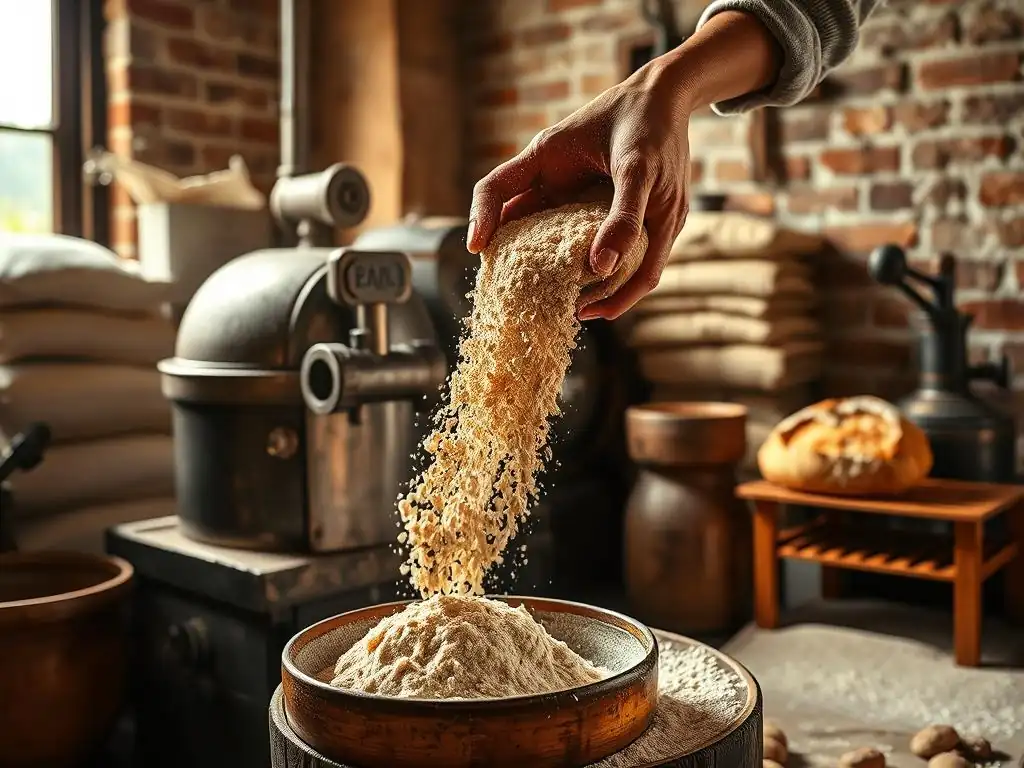
Selecting the appropriate flour is a critical step in successful bread baking, and understanding the various artisan flour milling techniques is key to making the right choice. It's not about one method being inherently "better" than the other, but rather about matching the flour's characteristics, imparted by the milling process, to the specific demands of your recipe and desired outcome. A baker aiming for a light, classic sandwich loaf will likely choose a different flour than one aiming for a dense, flavorful rye sourdough.
Consider the type of bread you want to bake, the flavors and textures you are trying to achieve, and your own familiarity with dough handling. Don't hesitate to experiment with flours from different mills and milling styles to discover what works best for you and your baking style.
Matching Flour Milling Method to Bread Type
The type of bread you plan to bake should heavily influence your choice of flour based on its milling method. For instance, traditional rustic loaves like country bread, hearty whole grain sourdoughs, or dense rye breads often benefit from stone-ground flours. The higher bran and germ content contributes deep flavors, nutritional value, and a characteristic dense-to-medium crumb structure that is desirable in these styles. Using a stone-ground whole wheat or rye flour, which might have an ash content (mineral content, indicative of bran/germ presence) of 1.5% or higher, can bring authenticity and complexity to these breads.
On the other hand, for breads requiring a very open, airy crumb and a crisp, thin crust, such as baguettes, ciabatta, or even many enriched doughs for brioche or challah, roller-milled flours are often preferred. A high-protein roller-milled white bread flour (with an ash content typically below 0.6%) allows for maximum gluten development and oven spring, resulting in that classic light texture. While you can use stone-ground white flours (where the bran/germ is sifted out after milling), commercial roller-milled flours often offer unmatched consistency in particle size and protein distribution specifically engineered for these results.
Factors to Consider When Purchasing Artisan Flours
Beyond the milling method itself, several other factors come into play when selecting artisan flour for your baking. Consider the source and quality of the grain – organic or locally sourced grains can offer unique flavors and characteristics. Look at the protein content, which is a key indicator of gluten potential, typically ranging from 8-15% depending on the grain type (e.g., soft wheat vs. hard wheat) and whether it's whole grain or refined. Ash content is another useful metric, indicating the level of bran and germ present; higher ash content means more minerals and typically more bran/germ.
Also, consider the freshness of the flour. Stone-ground flours, especially whole grain varieties, contain oils from the germ that can oxidize over time. Purchasing from a mill with a high turnover or milling fresh to order can make a noticeable difference in flavor and performance. Finally, think about the grind size – some stone mills offer different coarseness levels, which can impact dough handling and crumb texture. Don't be afraid to ask questions about the flour milling techniques and grain sourcing when buying from artisan millers.
Conclusion: Mastering Bread Baking with Artisan Flours
Mastering bread baking is an ongoing journey, and a significant part of that journey involves understanding and working with your ingredients. Artisan flour milling techniques play a foundational role in defining the very nature of the flour you use, influencing everything from its nutritional profile and flavor complexity to its behavior during mixing, fermentation, and baking. Whether you choose the rustic charm and deep flavor of stone-ground flour or the consistency and structure potential of roller-milled flour, recognizing the impact of the milling process empowers you to make deliberate choices that elevate your bread.
By paying attention to how your flour was milled and considering factors like grain source, protein content, and freshness, you gain greater control over your baking outcomes. Experimentation is key – try baking the same recipe with flours produced by different flour milling techniques and observe the differences in dough feel, fermentation speed, crumb structure, and flavor. This hands-on exploration will deepen your appreciation for the craft of milling and help you unlock the full potential of artisan flours in your pursuit of baking delicious, characterful bread.
Frequently Asked Questions
What are some key artisan flour milling techniques that BakeWithEase highlights?
Artisan milling often involves methods like stone milling, which retains more of the wheat germ and bran. This results in flour with more flavor and nutrients.
How does the milling method impact the flavor of bread, according to BakeWithEase?
Different milling methods affect the flavor profile significantly. Stone milling, for example, produces flour with a nuttier and more complex taste.
What are the benefits of using artisan flour in baking, as described on BakeWithEase.com?
Artisan flour generally leads to bread with improved texture, flavor, and nutritional value. It can also enhance the crust and crumb structure.
Does BakeWithEase provide recipes specifically designed for artisan flour?
While not exclusively, BakeWithEase offers numerous recipes that benefit from using high-quality flours. These often include sourdough and rustic bread recipes.
Where can bakers find high-quality artisan flour recommended by BakeWithEase?
BakeWithEase may recommend specific brands or sources within their recipe introductions or technique guides. Check the "Ingredients" section for suggested suppliers.
Final Reflection: The Flour Power of Precision Milling
The quest for the perfect loaf begins long before the oven heats; it starts with the careful selection and milling of the grain. This article has explored the profound impact different artisan flour milling techniques have on the final product, demonstrating how seemingly subtle variations in process can dramatically alter the quality, texture, and overall flavor profile of the resulting flour. The implications extend far beyond the baker's bench, impacting the sustainability of our food systems and the very taste of our daily bread.
The journey through various milling methods—from traditional stone grinding to modern roller milling—has underscored the intimate connection between process and product. Understanding these nuances allows us to appreciate the artistry involved in flour production and the dedication of artisan millers. The quality of the flour is the foundation upon which all good bread is built.
This simple statement encapsulates the central theme of our exploration, highlighting the crucial role of milling in shaping the culinary landscape and influencing the very essence of bread-making as a craft. The ongoing conversation surrounding sustainable and ethical food production is inextricably linked to the methods employed in flour milling, demanding a thoughtful consideration of its impact on both the environment and the consumer.
Now, consider your own relationship with bread. Think about the texture, the aroma, the taste of your favorite loaf. What if you could trace that experience back to the very method used to mill the flour?
I encourage you to seek out artisan-milled flours, to support local millers, and to appreciate the intricate process that transforms humble grains into the nourishing and delicious staple that is bread. By understanding the impact of milling techniques, you can become a more informed and engaged consumer, contributing to a future where quality, sustainability, and flavor are paramount in the production of our daily bread.
Unlock Your Baking Potential: Master the Flour Milling Method
Thanks for exploring the fascinating world of flour milling and its impact on bread baking! You've now gained valuable insights into how different milling methods affect the quality of your artisan flour. Ready to elevate your baking game?
- Experiment with different flours: Try sourcing flours milled using the methods discussed and compare the results in your next loaf. Note the differences in texture, rise, and overall flavor. This is your chance to truly understand the impact of the milling process.
- Share your baking journey: Tell us about your experiences! Post pictures of your creations and share your flour milling discoveries on social media using #BakeWithEaseFlourPower. We love seeing your baking successes!
- Join our baking community: Connect with fellow bread enthusiasts in our online forum to discuss techniques, share recipes, and learn from each other's successes and challenges.
Have you discovered a favorite milling method that consistently delivers amazing bread? Let us know in the comments!