
7 LowCarb Sweeteners and How to Use Them in Keto Baking


Welcome to BakeWithEase, your haven for baking mastery! Ever wondered if you can indulge in delicious treats while staying true to your keto lifestyle? We're diving deep into the world of low-carb baking and, more specifically, exploring the ins and outs of keto baking low carb sweeteners. Discover the secrets to achieving that perfect sweetness without the guilt, and prepare to unlock a whole new realm of delectable, diet-friendly desserts. Intrigued? Let's get baking!
- The Best Low-Carb Sweeteners for a Diabetic Diet
- Introduction to Diabetic-Friendly Sweeteners
-
Exploring the Best Low-Carb Sweeteners for a Diabetic Diet
- 1. Stevia: A Natural Zero-Calorie Sweetener
- 2. Erythritol: A Sugar Alcohol with Minimal Impact on Blood Sugar
- 3. Monk Fruit Sweetener: A Natural Sweetener with Antioxidant Properties
- 4. Allulose: A Rare Sugar with Potential Blood Sugar Benefits
- 5. Sucralose: An Artificial Sweetener for Diabetic Management
- 6. Aspartame: A Widely Used Artificial Sweetener (Use with Caution)
- 7. Saccharin: A Long-Standing Artificial Sweetener Option
- How to Convert Sugar to Low-Carb Sweeteners in Diabetic Recipes
- Tips and Tricks for Successful Cooking with Low-Carb Sweeteners for Diabetics
- Diabetic-Friendly Recipes Using Low-Carb Sweeteners
- Conclusion: Mastering Diabetic-Friendly Cooking with the Right Low-Carb Sweeteners
-
Frequently Asked Questions
- What are the most common low-carb sweeteners used in keto baking?
- How do different low-carb sweeteners affect the texture of keto-baked goods?
- Can I substitute regular sugar 1:1 with low-carb sweeteners in baking recipes?
- Are there any potential side effects associated with consuming low-carb sweeteners?
- Where can I find reliable information and recipes for keto baking using low-carb sweeteners?
- Final Reflection: Sweetening the Keto Journey
- Unlock Your Keto Baking Potential!
The Best Low-Carb Sweeteners for a Diabetic Diet
Introduction to Diabetic-Friendly Sweeteners
Why Choose Low-Carb Sweeteners for a Diabetic Diet?
Managing blood sugar levels is paramount for individuals with diabetes. Consuming foods high in sugar and carbohydrates can lead to rapid spikes in blood glucose, which over time can cause serious health complications affecting the heart, kidneys, nerves, and eyes. Low-carb sweeteners offer a way to enjoy the taste of sweetness without the significant metabolic impact of traditional sugar (sucrose).
By replacing sugar with these alternatives, diabetics can significantly reduce their daily carbohydrate and calorie intake, making it easier to maintain stable blood sugar levels within their target range. This dietary strategy is a key component of a healthy lifestyle for many managing diabetes.
Furthermore, incorporating low-carb sweeteners into a diabetic diet allows for greater flexibility and enjoyment in meal planning. It opens up possibilities for creating diabetic-friendly versions of favorite baked goods, desserts, and beverages that would otherwise be off-limits due to their high sugar content. This doesn't mean unlimited consumption, as other ingredients in low-carb baking (like flours, fats, and dairy) still contribute calories and carbohydrates, but it provides a valuable tool for reducing the glycemic load of foods. Learning how to effectively use these sweeteners is a practical skill for anyone aiming to control their blood sugar through diet.
Understanding the Importance of Sugar Substitutes in Managing Blood Sugar
Sugar substitutes, also known as non-nutritive sweeteners or low-calorie sweeteners, play a crucial role in diabetic meal planning because they provide sweetness with little to no impact on blood glucose levels. Unlike sugar, which is rapidly absorbed and requires insulin for cells to take up glucose, most approved low-carb sweeteners are either not metabolized by the body for energy or are absorbed very slowly.
This means they do not cause the sharp rise in blood glucose that sugar does. For instance, table sugar has a glycemic index (GI) of about 65, while many low-carb sweeteners have a GI of 0 or very close to it.
The consistent use of sugar substitutes can contribute to better long-term glycemic control. Studies have shown that replacing sugar-sweetened beverages with those sweetened with low-calorie alternatives can lead to reductions in HbA1c, a measure of average blood sugar over two to three months. While the primary focus remains on a balanced diet rich in whole foods, integrating sugar substitutes strategically allows diabetics to satisfy sweet cravings responsibly. This approach supports adherence to a low-carb or controlled-carbohydrate diet plan, which is often recommended for managing type 2 diabetes and can be compatible with low-carb baking for a diabetic diet.
Exploring the Best Low-Carb Sweeteners for a Diabetic Diet
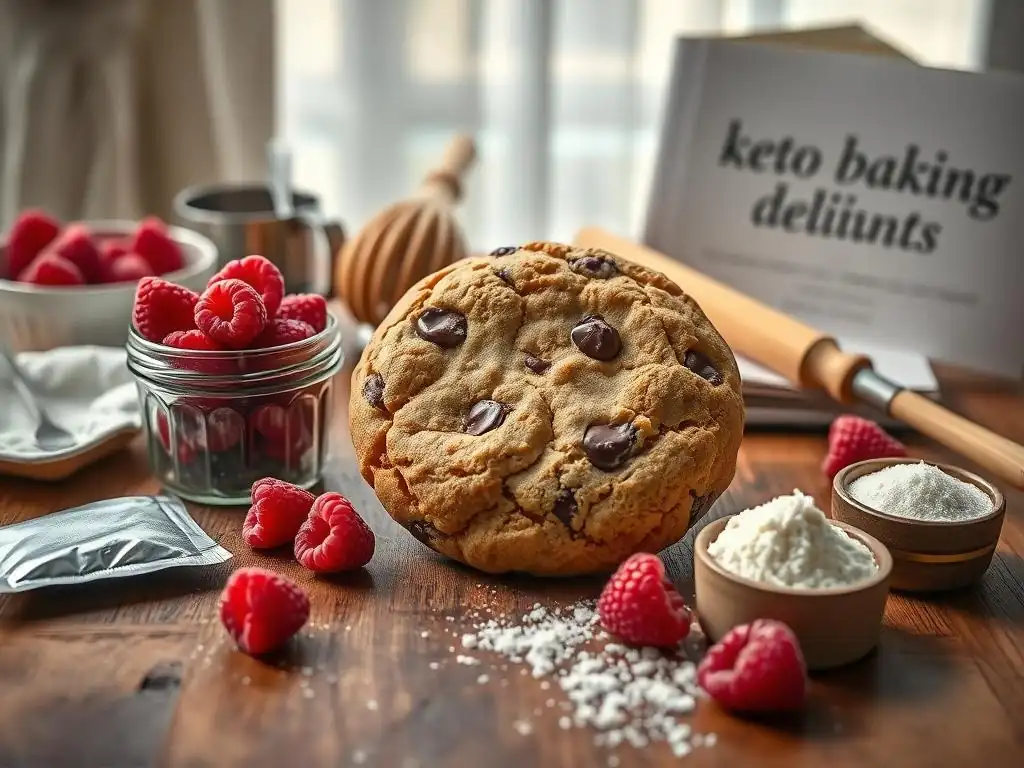
1. Stevia: A Natural Zero-Calorie Sweetener
Stevia is derived from the leaves of the Stevia rebaudiana plant, native to South America. Its sweetness comes from compounds called steviol glycosides, which are extracted and purified. It's considered a natural sweetener and is significantly sweeter than sugar, often cited as being 200 to 400 times sweeter depending on the specific glycosides used. Stevia is available in various forms, including liquid drops, powders, and granulated blends. Its zero-calorie nature and lack of impact on blood sugar have made it a popular choice for individuals managing diabetes and exploring options for low-carb baking.
While highly potent, pure stevia extract can sometimes have a slightly bitter or licorice-like aftertaste, particularly when used in large amounts. Many commercially available stevia products are blends that combine stevia extract with other ingredients like erythritol or dextrose to improve taste and texture, especially for baking applications where bulk is needed. When choosing a stevia product, diabetics should check the ingredients list to be aware of any added sugars or carbohydrates that could affect blood glucose.
Stevia's Benefits and Impact on Blood Sugar
One of the primary benefits of stevia for diabetics is its glycemic index of 0. This means it does not raise blood sugar levels when consumed. This characteristic makes it an excellent sugar substitute for managing hyperglycemia. Unlike sugar, which provides 4 calories per gram and contributes significantly to daily caloric intake, stevia provides virtually no calories. This can support weight management goals, which are often important for individuals with type 2 diabetes.
Research has explored potential non-sweetening benefits of stevia, including effects on insulin sensitivity, although more studies are needed to confirm these findings definitively in humans. However, its established safety profile and proven lack of impact on blood glucose make it a reliable option for sweetening foods and beverages within a diabetic diet. For those interested in keto baking low carb sweeteners, stevia is a staple ingredient due to its zero-carb nature.
Tips for Using Stevia in a Diabetic Diet
When using stevia in baking or cooking for a diabetic diet, remember its high potency. A little goes a long way. If using pure extract, you'll need only a tiny amount to achieve the desired sweetness. Granulated stevia blends often have a 1:1 ratio with sugar by volume, which makes conversion easier, but check the product packaging for specific instructions. Be mindful of the potential for aftertaste; sometimes combining stevia with another low-carb sweetener, like erythritol, can yield a better flavor profile in baked goods.
Stevia doesn't provide the bulk, browning, or caramelization properties of sugar, which can affect the texture and appearance of baked goods. Recipes designed specifically for low-carb baking often account for this by using alternative flours, fats, and leavening agents. Experimenting with different stevia products and quantities is key to finding what works best for your palate and recipes. For instance, replacing sugar in a simple muffin recipe with a 1:1 stevia blend might require slight adjustments to liquid or flour to maintain the correct batter consistency for successful low-carb baking.
2. Erythritol: A Sugar Alcohol with Minimal Impact on Blood Sugar
Erythritol is a sugar alcohol that occurs naturally in some fruits like grapes and pears, as well as fermented foods. It's produced commercially through the fermentation of glucose by yeast. Erythritol is about 70% as sweet as sugar but contains only about 0.2 calories per gram, significantly less than sugar's 4 calories per gram. What makes it particularly suitable for diabetics is its unique metabolic pathway; it is poorly absorbed in the small intestine and mostly excreted unchanged in urine.
Due to its low absorption rate, erythritol has a minimal impact on blood sugar and insulin levels. Its glycemic index is effectively 0. This makes it a popular bulk sweetener in low-carb and keto baking, providing some of the volume and texture that sugar offers, albeit with some differences. It's available in granulated and powdered forms, making it versatile for various diabetic-friendly recipes.
Erythritol's Benefits and Drawbacks for Diabetics
The primary benefit of erythritol for diabetics is its non-glycemic response. Consuming erythritol does not cause blood sugar spikes, making it a safe alternative to sugar for managing blood glucose. Its low caloric value also supports weight management efforts. Furthermore, erythritol is known for its digestive tolerance compared to other sugar alcohols like sorbitol or xylitol. While large amounts can still cause digestive upset in some individuals, it is generally better tolerated because most of it is excreted before reaching the large intestine where gut bacteria ferment other sugar alcohols.
A common drawback of erythritol, especially in baking, is its cooling sensation in the mouth. This effect can be noticeable in certain recipes like frostings or hard candies. It also tends to crystallize as baked goods cool, which can result in a slightly grainy texture. While it provides some bulk, it doesn't caramelize like sugar, affecting browning in baked goods. Despite these minor issues, its ease of use and minimal metabolic impact make it a go-to among keto baking low carb sweeteners.
Incorporating Erythritol into a Diabetic Meal Plan
Erythritol can be used as a direct replacement for sugar in many recipes, typically at a 1:1 ratio by volume if using a granulated form. For recipes where a smoother texture is desired, such as glazes or sauces, using powdered erythritol is recommended to avoid crystallization. It works well in baked goods like muffins, cookies, and cakes, providing some structure and sweetness.
When baking with erythritol for a diabetic diet, consider combining it with other sweeteners like stevia or monk fruit extract. This can help reduce the cooling effect and improve the overall sweetness profile. For example, a recipe might call for a cup of erythritol plus a few drops of liquid stevia. This blending strategy is common in successful low-carb baking and allows for a more balanced sweetness without excessive use of any single sweetener. Always start with a smaller amount and adjust to taste, as individual preferences for sweetness vary.
3. Monk Fruit Sweetener: A Natural Sweetener with Antioxidant Properties
Monk fruit sweetener is derived from the small, round monk fruit (also known as Luo Han Guo), native to Southeast Asia. Like stevia, its sweetness comes from non-caloric compounds called mogrosides. Mogrosides are incredibly sweet, ranging from 150 to 400 times sweeter than sugar. Monk fruit extract is available in pure liquid or powder forms, as well as blends with other low-carb sweeteners to provide bulk. It's considered a natural sweetener and has been used for centuries in traditional medicine.
The taste of monk fruit is generally considered clean and less prone to aftertaste compared to some other high-intensity sweeteners, although some individuals may detect subtle flavor notes. Its increasing popularity is due to its natural origin, zero-calorie count, and minimal impact on blood sugar, making it an attractive option for diabetics and those following low-carb or keto diets.
Monk Fruit Extract: Sweetness and Glycemic Index
Monk fruit extract contains mogrosides, primarily Mogroside V, which is responsible for its intense sweetness. These compounds are not absorbed in the upper digestive tract and are metabolized by bacteria in the colon, meaning they do not enter the bloodstream as glucose. Consequently, monk fruit sweetener has a glycemic index of 0, having no effect on blood sugar levels. This makes it an ideal sugar substitute for individuals with diabetes.
In addition to providing sweetness without affecting blood glucose, monk fruit extract contains antioxidants. While the amounts consumed as a sweetener are typically small, the presence of mogrosides with antioxidant properties adds a potential minor health benefit beyond blood sugar control. The concentration of mogrosides varies by product, influencing its sweetness intensity and potential antioxidant contribution. For diabetics seeking keto baking low carb sweeteners, monk fruit is a top contender due to its zero GI and pleasant taste profile when used correctly.
Using Monk Fruit in Diabetic-Friendly Recipes
Monk fruit sweetener can be used in a wide range of diabetic-friendly recipes, from beverages and yogurts to baked goods and sauces. When using pure monk fruit extract (liquid or powder), remember its extreme sweetness. A tiny pinch of powder or a few drops of liquid can replace a significant amount of sugar. Many granulated monk fruit products are blended with erythritol or allulose to create a cup-for-cup sugar replacement, which simplifies measuring in baking.
When baking for a diabetic diet, monk fruit blends work well in cookies, cakes, and muffins, providing sweetness and some volume. However, like stevia and erythritol, monk fruit does not caramelize, so baked goods may not brown as much as those made with sugar. Adjusting baking time or temperature might be necessary.
Experimentation is key to finding the right balance of sweetness and flavor, as the intense sweetness of pure extract can be overwhelming if overused. Combining it with a bulk sweetener like erythritol or allulose often yields the best results in terms of both taste and texture for low-carb baking.
4. Allulose: A Rare Sugar with Potential Blood Sugar Benefits
Allulose is a monosaccharide, or single sugar, that is naturally present in small amounts in certain foods like wheat, figs, and raisins. It's considered a "rare sugar" because it exists in nature but is not abundant. Commercially, it's often produced from corn or sugar beets through an enzymatic process. Allulose has about 70% of the sweetness of sugar and contains only about 0.4 calories per gram, roughly one-tenth the calories of sugar.
What distinguishes allulose from other low-carb sweeteners is that it behaves more like sugar in terms of texture and handling in baking. It dissolves well, provides bulk, and even browns slightly when heated, unlike most other sugar substitutes. This makes it particularly appealing for low-carb baking, where achieving a sugar-like texture can be challenging.
Allulose: Taste, Texture, and Impact on Insulin Levels
Allulose has a clean, mild sweetness that is very similar to sugar, with no significant aftertaste reported by most people. Its texture in baked goods is also closer to sugar, contributing to softness and moistness. It doesn't have the cooling effect often associated with erythritol. This makes it a preferred choice for many in low-carb baking.
Importantly for diabetics, allulose has minimal impact on blood glucose and insulin levels. Studies indicate that consuming allulose does not significantly raise blood sugar. Its glycemic index is estimated to be very low, around 1-4. Some research even suggests that allulose might have beneficial effects on glucose metabolism and insulin sensitivity, although more studies are needed to confirm these effects in humans with diabetes. Its unique properties make it a promising option among keto baking low carb sweeteners.
Baking Diabetic-Friendly Desserts with Allulose: Tips for Success
Allulose can be used as a cup-for-cup replacement for sugar in many diabetic-friendly baking recipes, though you might need slightly more than a 1:1 ratio to achieve the same level of sweetness due to it being only 70% as sweet as sugar. It excels in recipes where sugar's functional properties are important, such as cookies, cakes, and sauces, as it contributes to browning and texture better than most other low-carb sweeteners.
Because allulose browns more readily than other non-sugar sweeteners, you might need to adjust baking temperatures or times to prevent excessive browning, especially in delicate items. It also attracts moisture, which can help keep baked goods soft but might require slight adjustments to liquid ingredients in a recipe. For instance, in a cookie recipe, you might find that cookies made with allulose spread more than those made with sugar, requiring slight adjustments to flour or leavening. Experimenting with allulose can significantly improve the quality of your low-carb baking for a diabetic diet.
5. Sucralose: An Artificial Sweetener for Diabetic Management
Sucralose is an artificial sweetener that is about 600 times sweeter than sugar. It is derived from sugar through a process that replaces three hydrogen-oxygen groups on the sugar molecule with chlorine atoms, resulting in a compound that the body does not metabolize for energy. It is widely used in many "sugar-free" or "diet" products.
Sucralose is heat-stable, making it suitable for baking and cooking. It is available in various forms, including liquid drops, granules, and packets. Granulated sucralose products often contain maltodextrin or dextrose as bulking agents, which can add a small amount of carbohydrates and calories. Diabetics using these products should be aware of these added ingredients, especially if consuming large quantities.
Sucralose: Sweetness and Safety for Diabetics
Sucralose has a glycemic index of 0 and does not affect blood sugar levels. This makes it a safe option for sweetening foods and beverages for individuals with diabetes. Its high sweetness intensity means only a very small amount is needed to achieve significant sweetness, contributing virtually no calories or carbohydrates. Regulatory bodies worldwide, including the U.S. Food and Drug Administration (FDA), have reviewed extensive research and deemed sucralose safe for consumption.
Concerns have been raised regarding the potential effects of sucralose when heated to very high temperatures, particularly in combination with fats. However, for typical home baking temperatures, sucralose remains stable. While some anecdotal reports link sucralose to various symptoms, large-scale scientific studies have generally not supported these claims when consumed within acceptable daily intake levels. Its reliability in not raising blood sugar makes it a practical choice for diabetics managing their diet.
Using Sucralose in Diabetic-Friendly Recipes: Tips and Considerations
When using pure liquid sucralose, remember its extreme potency; only a drop or two may be needed to sweeten a serving. Granulated sucralose blends often measure cup-for-cup like sugar, simplifying recipe conversions for low-carb baking. However, because these blends contain bulking agents (often maltodextrin or dextrose), they do contribute a small amount of carbohydrates, usually around 1 gram per teaspoon. While minimal per serving, this is something for diabetics to consider, especially if consuming multiple servings of a baked good.
Sucralose does not provide the bulk or functional properties of sugar, so it works best in recipes where sweetness is the primary requirement, such as beverages, sauces, or simple baked goods where texture is less critical. It can be combined with other low-carb sweeteners like erythritol or allulose to provide sweetness along with bulk for better baking results in diabetic-friendly recipes. Always check the product label for specific conversion ratios and ingredients when using sucralose for low-carb baking.
6. Aspartame: A Widely Used Artificial Sweetener (Use with Caution)
Aspartame is an artificial sweetener composed of two amino acids, aspartic acid and phenylalanine, and a methyl ester group. It is approximately 180-200 times sweeter than sugar. Aspartame is widely used in diet sodas, chewing gum, and various processed foods and beverages labeled "sugar-free."
Unlike some other artificial sweeteners, aspartame is not heat-stable and breaks down when exposed to high temperatures. This limits its use in baking and cooking, as its sweetness can diminish significantly. It is best used in recipes that do not require prolonged heating or in items added after cooking, such as cold desserts or beverages.
Aspartame: Sweetness and Potential Health Concerns
Aspartame has a negligible impact on blood sugar levels and is considered safe for diabetics by major health organizations. It is metabolized into its component parts (amino acids and methanol), but the amounts of these substances from consuming aspartame are far below levels considered harmful. It contributes a minimal amount of calories per serving due to the small quantities needed for sweetness.
However, aspartame contains phenylalanine, which is problematic for individuals with phenylketonuria (PKU), a rare genetic disorder. Products containing aspartame are required to carry a warning label for PKU sufferers. While extensive research over decades has supported the safety of aspartame for the general population within acceptable daily intake levels, some individuals report experiencing symptoms like headaches or digestive issues. For diabetics exploring low-carb baking, aspartame is generally not the best choice due to its heat instability, but it can be used in no-bake applications.
Incorporating Aspartame into a Diabetic Diet: Important Considerations
For diabetics, aspartame can be a useful sweetener for cold foods and drinks, helping to reduce sugar intake without affecting blood glucose. It is commonly found in powdered packets designed for sweetening coffee or tea, or in liquid drops. When using aspartame in recipes, remember its heat sensitivity. It should not be used in baked goods that require high oven temperatures.
If you choose to use aspartame, be mindful of the maximum recommended daily intake, although this level is quite high (e.g., equivalent to consuming many cans of diet soda per day). For individuals without PKU, moderate consumption is considered safe. However, for low-carb baking applications, other heat-stable sweeteners like erythritol, stevia, monk fruit, or allulose are generally more practical and reliable choices for achieving desired sweetness and texture.
7. Saccharin: A Long-Standing Artificial Sweetener Option
Saccharin is one of the oldest artificial sweeteners, discovered in the late 19th century. It is significantly sweeter than sugar, ranging from 200 to 700 times depending on the concentration. Saccharin is non-caloric and is not metabolized by the body, passing through unchanged. It has been used as a sugar substitute for diabetics for many decades.
Saccharin is heat-stable, making it suitable for cooking and baking. It is typically sold in powdered form, often combined with dextrose or other bulking agents, or as a liquid concentrate. Like other high-intensity sweeteners, pure saccharin can have a noticeable bitter or metallic aftertaste, especially at higher concentrations.
Saccharin: Sweetness and Historical Usage in Diabetic Diets
Saccharin has a glycemic index of 0 and does not affect blood sugar or insulin levels. This property made it one of the first widely available sugar substitutes for diabetics seeking to manage their carbohydrate intake before many modern options existed. Its non-caloric nature also supports weight management.
Historically, concerns were raised about saccharin's safety based on animal studies in the 1970s. However, subsequent extensive research in humans did not find a link between saccharin consumption and cancer. Major health organizations now consider saccharin safe for human consumption within acceptable daily intake levels. Despite its safety clearance, its use has somewhat declined with the introduction of newer sweeteners like sucralose and stevia, partly due to the potential for a bitter aftertaste. Nevertheless, it remains an option for diabetics.
Using Saccharin in Diabetic-Friendly Recipes: Best Practices
When using saccharin in diabetic-friendly recipes, particularly for low-carb baking, it's important to be aware of its intense sweetness and potential aftertaste. Using just enough to achieve the desired sweetness is key. Like sucralose, powdered saccharin products often contain bulking agents like dextrose, which add minimal carbohydrates, but it's worth noting.
Saccharin's heat stability means it can be used in baked goods. However, because it provides no bulk, it's not a straight substitute for sugar in terms of volume. It's best used to add sweetness to recipes that already have structure, or in combination with bulk sweeteners like erythritol or allulose in low-carb baking. For instance, adding a small amount of liquid saccharin to an erythritol-sweetened cake can boost sweetness without adding more bulk sweetener, potentially reducing the cooling effect and cost. Experimentation is needed to find the right balance and minimize any off-flavors.
How to Convert Sugar to Low-Carb Sweeteners in Diabetic Recipes

Understanding Sweetness Levels: Sugar vs. Low-Carb Alternatives
Converting traditional recipes that use sugar to diabetic-friendly versions requires understanding that low-carb sweeteners have different sweetness intensities and functional properties compared to sugar. While sugar provides a specific level of sweetness along with bulk, moisture retention, browning, and structure, low-carb sweeteners vary greatly. Stevia and monk fruit are significantly sweeter than sugar by weight or volume, requiring very small amounts. Erythritol and allulose are slightly less sweet than sugar (around 70%) but provide bulk similar to sugar. Sucralose and saccharin are much sweeter than sugar but provide no bulk.
This difference in sweetness intensity is the first major factor in conversion. Using too much of a high-intensity sweetener like stevia or monk fruit will result in an overly sweet product, often with an unpleasant aftertaste. Using a 1:1 ratio of erythritol or allulose where sugar was called for might require slightly increasing the amount to match the original sweetness, or supplementing with a small amount of a high-intensity sweetener. Always refer to the specific product's packaging for its sweetness ratio relative to sugar, as this can vary between brands and types (e.g., pure extract vs. blend).
Calculating Sweetener Conversions for Diabetic-Friendly Recipes
Calculating conversions involves considering both sweetness and, for baking, the need for bulk and other functional properties. For simple sweetening in beverages or sauces, you primarily need to match the sweetness level. If a recipe calls for 1 teaspoon of sugar, and you are using a liquid stevia that is 200 times sweeter, you might need only a tiny fraction of a teaspoon or a few drops. Many sweetener manufacturers provide conversion charts on their packaging or websites, which are excellent starting points.
For low-carb baking, it's more complex. If using a bulk sweetener like erythritol or allulose, a common starting point is a 1:1 substitution by volume for sugar. However, since they are less sweet, you might need to use 1.25 cups of erythritol or allulose to equal the sweetness of 1 cup of sugar.
To compensate for the slight difference in sweetness or to reduce the amount of bulk sweetener needed (to avoid cooling effect or cost), many low-carb baking recipes use a blend. For example, a recipe might call for 1 cup of erythritol plus 1/4 teaspoon of pure stevia extract to replace 1 cup of sugar, balancing sweetness and functional properties. Always test and adjust based on your preference and the specific sweetener product you are using for successful keto baking low carb sweeteners recipes.
Tips and Tricks for Successful Cooking with Low-Carb Sweeteners for Diabetics
Combining Sweeteners for Optimal Flavor and Texture
One of the most effective strategies in low-carb baking for diabetics is combining different types of low-carb sweeteners. This approach helps mitigate the drawbacks of individual sweeteners while leveraging their strengths. For example, erythritol provides bulk and a sugar-like crystalline structure but can have a cooling effect and is slightly less sweet than sugar. Stevia or monk fruit are intensely sweet with no bulk but can have aftertastes.
By blending erythritol with a small amount of stevia or monk fruit, you can achieve a sweetness level equivalent to sugar, reduce the amount of erythritol needed (thus minimizing the cooling effect), and use less of the high-intensity sweetener (reducing the risk of aftertaste). Allulose can be combined with other sweeteners to improve texture and browning while providing sweetness. Many commercial low-carb sweetener blends already incorporate this strategy. Experimenting with ratios of two or three different sweeteners can help you find the perfect balance for your specific diabetic-friendly baking recipes.
Adjusting Recipes for Different Sweetener Properties
Beyond sweetness, low-carb sweeteners behave differently than sugar in baking. Sugar contributes to the structure, moisture, tenderness, and browning of baked goods. When replacing sugar, you may need to make adjustments to other ingredients. Since most low-carb sweeteners (except allulose to some extent) don't brown like sugar, baked goods may appear paler. You might need to bake slightly longer at a lower temperature or use browning aids like a wash (e.g., egg wash) if appearance is critical, though this is often unnecessary for taste.
The lack of bulk in high-intensity sweeteners means you cannot simply swap sugar for pure stevia extract in a cake; the cake would not have enough volume or structure. Using bulk sweeteners like erythritol or allulose helps, but they can affect moisture. Erythritol tends to dry things out slightly and can recrystallize, while allulose attracts moisture.
You might need to increase liquid or fat slightly in recipes using erythritol, or decrease it slightly with allulose, depending on the desired outcome for your low-carb baking. Pay attention to the texture of your batter or dough and adjust as needed based on experience.
Troubleshooting Common Issues with Sweeteners in Diabetic Cooking
- Aftertaste: If you detect an unpleasant aftertaste, you might be using too much of a high-intensity sweetener like stevia or saccharin, or too much of a blend containing these. Try reducing the total amount of sweetener or blending with a different type, such as adding erythritol or allulose to a recipe that primarily uses stevia.
- Cooling Effect: This is common with erythritol. Using less erythritol and supplementing sweetness with stevia or monk fruit can help. The cooling effect is also less noticeable when foods are served warm.
- Crystallization: Erythritol can recrystallize as baked goods cool, leading to a grainy texture. Using powdered erythritol instead of granulated can help. Also, combining erythritol with other sweeteners like allulose or a small amount of liquid sweetener can reduce crystallization.
- Lack of Browning: Most low-carb sweeteners don't brown like sugar. This is normal for low-carb baked goods. If browning is desired, allulose is the best option among low-carb sweeteners, or you can use techniques like baking longer at a slightly lower temperature.
- Texture Differences: Baked goods might be less tender or moist than sugar-sweetened versions. Ensure your recipe is specifically designed for low-carb baking, using appropriate flours (like almond or coconut flour) and fats. Adjusting liquid or fat slightly based on the sweetener used can also help.
- Check sweetener product labels for specific conversion ratios.
- Start with a slightly lower amount of sweetener than the sugar equivalent and taste, adding more if needed.
- For baking, use a combination of bulk and high-intensity sweeteners for best results.
- Consider the functional properties (bulk, browning, moisture) when adjusting recipes.
- Don't expect identical results to sugar-sweetened goods; embrace the unique characteristics of low-carb baking.
Diabetic-Friendly Recipes Using Low-Carb Sweeteners

Recipe 1: Diabetic-Friendly Oatmeal with Stevia
This simple recipe uses stevia to sweeten a classic breakfast, keeping carbohydrates low and fiber high.
Ingredients:
- 1/2 cup rolled oats
- 1 cup water or unsweetened almond milk
- Pinch of salt
- Liquid stevia extract, to taste (start with 2-3 drops)
- Optional toppings: a few berries (e.g., 1/4 cup blueberries), chopped nuts, cinnamon
Instructions:
1. Combine oats, water or almond milk, and salt in a small saucepan.
2. Bring to a boil, then reduce heat and simmer, stirring occasionally, until oats are cooked and liquid is absorbed (about 5-7 minutes).
3. Remove from heat. Stir in liquid stevia extract, starting with a small amount and adding more until desired sweetness is reached.
4. Pour into a bowl and add optional diabetic-friendly toppings like berries and nuts.
This recipe replaces the sugar or honey often used in traditional oatmeal with stevia, making it suitable for a diabetic diet and a good example of using keto baking low carb sweeteners in simple dishes.
Recipe 2: Diabetic-Friendly Berry Smoothie with Erythritol
A refreshing smoothie using erythritol for sweetness without added sugar.
Ingredients:
- 1/2 cup unsweetened almond milk
- 1/4 cup plain Greek yogurt (full-fat for lower carb)
- 1/2 cup mixed berries (strawberries, blueberries, raspberries)
- 1-2 tablespoons granulated erythritol (or to taste)
- Optional: 1/4 teaspoon vanilla extract, small handful of spinach
Instructions:
1. Combine unsweetened almond milk, Greek yogurt, mixed berries, and granulated erythritol in a blender.
2. Add vanilla extract and spinach if using.
3. Blend until smooth and creamy.
4. Taste and add more erythritol if needed.
5. Pour into a glass and enjoy immediately.
Erythritol blends smoothly into cold liquids, making it a great choice for diabetic-friendly beverages and demonstrating versatile uses for keto baking low carb sweeteners beyond just baked goods.
Recipe 3: Diabetic-Friendly Chocolate Mousse with Monk Fruit
A rich, decadent dessert made diabetic-friendly using monk fruit sweetener.
Ingredients:
- 1 cup heavy whipping cream
- 2 tablespoons unsweetened cocoa powder
- Liquid monk fruit extract, to taste (start with 5-8 drops)
- Optional: 1/4 teaspoon vanilla extract
Instructions:
1. Chill a mixing bowl and whisk attachment in the freezer for 10-15 minutes.
2. Pour the cold heavy whipping cream into the chilled bowl.
3. Add the unsweetened cocoa powder, liquid monk fruit extract (start conservative), and vanilla extract (if using).
4. Beat with an electric mixer on medium-high speed until stiff peaks form. Be careful not to overbeat.
5. Taste the mousse and carefully add more monk fruit extract if needed, beating briefly to combine.
6. Spoon the mousse into small serving dishes.
7. Chill in the refrigerator for at least 30 minutes before serving to allow it to set.
This recipe highlights how high-intensity sweeteners like monk fruit can create delicious low-carb desserts suitable for a diabetic diet, fitting well within the scope of keto baking low carb sweeteners applications for sweet treats.
Conclusion: Mastering Diabetic-Friendly Cooking with the Right Low-Carb Sweeteners
Choosing the Best Sweetener for Your Diabetic Needs
Navigating the world of low-carb sweeteners can seem daunting at first, but understanding their properties empowers diabetics to make informed choices for their diet and baking. The "best" sweetener often depends on the specific application and individual preference. For general sweetening without blood sugar impact, stevia and monk fruit are excellent zero-GI, zero-calorie options. For baking where bulk and texture are important, erythritol and allulose are valuable additions, offering sugar-like properties with minimal glycemic response. Sucralose and saccharin remain viable, heat-stable options, though awareness of potential aftertaste and bulking agents is important.
Consider factors like taste profile (some have aftertastes), functional properties (browning, bulk, crystallization), potential digestive effects (less common with erythritol and allulose than other sugar alcohols), and cost. Many diabetics find success by using a combination of sweeteners, tailoring their approach to different recipes and desired outcomes in their low-carb baking endeavors. Consulting with a registered dietitian or healthcare provider can also provide personalized guidance on incorporating these sweeteners into a diabetic meal plan.
Embrace the World of Delicious and Healthy Diabetic-Friendly Meals.
Adopting a diabetic-friendly diet doesn't mean sacrificing flavor or the joy of sweet treats. By learning how to effectively use low-carb sweeteners, individuals with diabetes can create a wide variety of delicious and satisfying foods that support their health goals. From simple sweetened beverages and breakfast foods to more complex low-carb baking recipes, these sugar alternatives open up possibilities that were previously limited by the need to avoid sugar.
Experiment with the different sweeteners discussed, try new recipes designed for low-carb or diabetic diets, and don't be afraid to adapt your favorite dishes. Mastering the use of keto baking low carb sweeteners is a journey that leads to greater dietary freedom and the ability to enjoy sweet moments responsibly while maintaining stable blood sugar levels. Embrace the creativity that low-carb baking offers and discover how enjoyable managing your diabetic diet can be.
Frequently Asked Questions
What are the most common low-carb sweeteners used in keto baking?
The most common sweeteners are erythritol, stevia, and monk fruit. These are popular because they have minimal impact on blood sugar levels.
How do different low-carb sweeteners affect the texture of keto-baked goods?
Different sweeteners can impact texture differently. Some, like erythritol, can sometimes create a slightly crystalline texture. Using blends or adding other ingredients can help mitigate these effects.
Can I substitute regular sugar 1:1 with low-carb sweeteners in baking recipes?
No, you generally can't substitute 1:1. Low-carb sweeteners often have different sweetness levels and bulking properties than sugar. Refer to the recipe for specific conversion recommendations.
Are there any potential side effects associated with consuming low-carb sweeteners?
Some individuals may experience digestive discomfort, such as bloating or gas, with certain sweeteners like erythritol or sugar alcohols. It's best to start with small amounts to assess tolerance.
Where can I find reliable information and recipes for keto baking using low-carb sweeteners?
BakeWithEase.com offers a wealth of simple recipes, techniques, and tips specifically for keto baking. Look for recipes with detailed instructions on using low-carb sweeteners effectively.
Final Reflection: Sweetening the Keto Journey
The quest for delicious, low-carb baked goods is more than just a culinary challenge; it's a testament to the power of adaptation and innovation within the ketogenic lifestyle. The rising popularity of keto diets highlights a growing need for accessible and satisfying alternatives to traditional baking ingredients, and understanding the nuances of low-carb sweeteners is key to unlocking that potential. This article has explored seven popular options, each with its unique properties and applications, demonstrating that delicious keto baking is entirely achievable.
The impact of low-carb baking extends beyond simply satisfying a sweet tooth. It represents a shift in our relationship with food, a conscious effort to find healthier alternatives without sacrificing enjoyment. The best way to find yourself is to lose yourself in the service of others.
While this quote might seem unrelated at first glance, it speaks to the dedication and creativity required to navigate the challenges of keto baking. Just as finding oneself requires dedication, mastering low-carb baking requires experimentation and a willingness to adapt recipes. This journey of culinary exploration fosters a deeper understanding of nutrition and empowers individuals to take control of their dietary choices.
Now, it's your turn. Consider the sweeteners discussed and experiment with them in your own kitchen. Don't be afraid to try new recipes, adjust sweetness levels to your preference, and most importantly, enjoy the process! The world of low-carb baking is vast and exciting, and with a little creativity and the right tools, you can create delicious and satisfying treats that align perfectly with your keto lifestyle. Embrace the challenge, and discover the joy of baking – keto-style.
Unlock Your Keto Baking Potential!
Thanks for taking the time to explore the delicious world of low-carb sweeteners! We hope you now feel empowered to create amazing keto-friendly treats. Ready to get baking?
- Try out your favorite new sweetener today! Experiment with a new recipe or adjust an old one – the possibilities are endless.
- Share your keto baking creations on social media using #BakeWithEaseKeto – we'd love to see what you make!
- Join our BakeWithEase community forum to connect with other keto bakers, share tips, and ask questions.
What's your favorite low-carb sweetener to bake with, and what's your go-to keto baking recipe? Let's discuss!