
The Science Behind Buttercream: Why Ingredients Matter

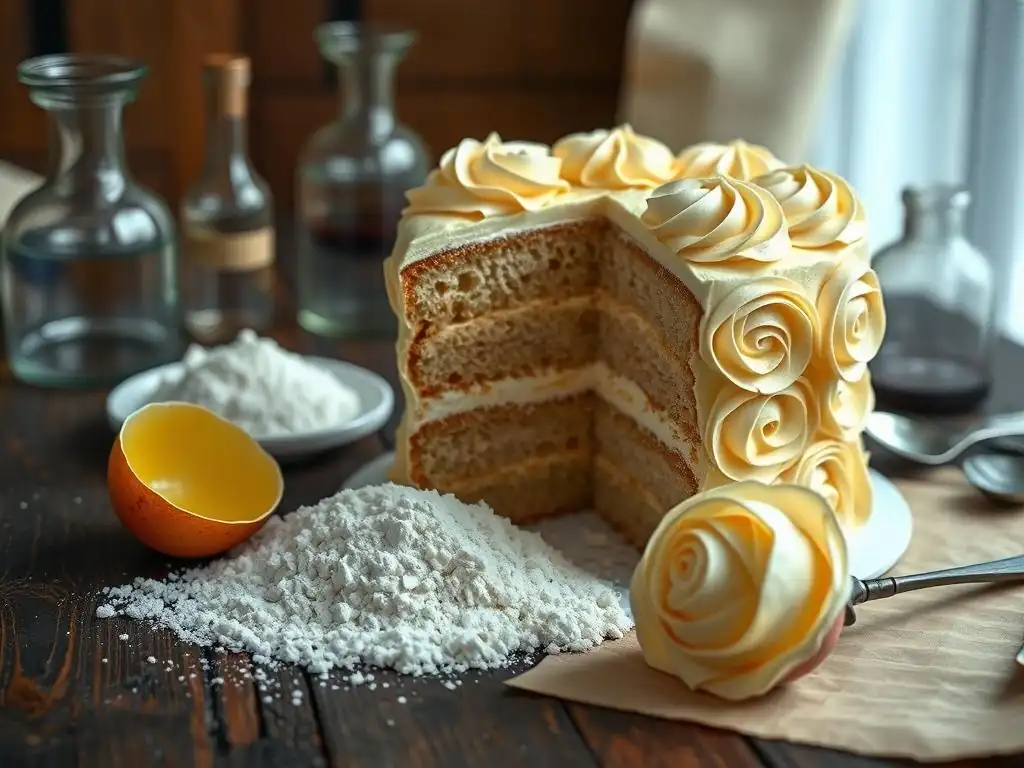
Welcome to BakeWithEase, where the magic of baking meets the precision of science! Ever wondered what really makes a buttercream frosting sing? Our latest article dives deep into the buttercream frosting recipe science, unraveling the mysteries behind perfectly smooth, stable, and utterly delicious frosting. Discover how each ingredient interacts to create the perfect texture, and unlock the secrets to buttercream success. Ready to elevate your frosting game? Let's get started!
Understanding the intricacies of a buttercream frosting recipe science is key to achieving consistently delicious results. Far from being just a simple mixture of fat and sugar, buttercream is a delicate emulsion where each ingredient plays a specific role in determining its texture, flavor, and stability. Delving into the science helps you move beyond just following instructions to truly mastering this versatile topping.
- Understanding the Buttercream Frosting Recipe Science
- The Crucial Role of Butter in Buttercream
- Sugar's Sweet Science in Buttercream Frosting
- The Liquid Component: Milk, Cream, and More
- Egg Whites & Yolks in Buttercream: Stability and Richness
- The Importance of Fat-to-Sugar Ratio in Buttercream
- Emulsifiers: The Secret to Silky Smooth Buttercream
- Mixing Techniques: The Impact on Buttercream Texture
- The Science of Buttercream Flavor Combinations
- Storing Buttercream: Maintaining Quality and Freshness
- Mastering Buttercream Frosting: A Scientific Approach
-
Frequently Asked Questions
- What makes buttercream frosting so versatile?
- Why is the temperature of ingredients crucial in buttercream making?
- How does the type of sugar used affect the final buttercream frosting?
- What role does air play in creating a light and fluffy buttercream?
- What are some common troubleshooting tips for buttercream that is too runny or too stiff?
- Final Reflection: The Sweet Science of Perfect Frosting
- Unlock Your Best Buttercream Yet!
Understanding the Buttercream Frosting Recipe Science
Mastering buttercream isn't just about having a good recipe; it's about understanding the buttercream frosting recipe science. This involves recognizing how different ingredients interact at a molecular level and how mixing techniques influence the final structure. By grasping these principles, you can troubleshoot common issues, adapt recipes, and even create your own signature buttercreams with confidence.
What is Buttercream and Why Does it Matter?
At its core, buttercream is a type of frosting made primarily from butter and sugar, often with other ingredients like milk, cream, eggs, or flavorings. Its defining characteristic is its creamy, smooth texture, which makes it ideal for frosting cakes, cupcakes, and pastries, as well as for decorative piping. The versatility of buttercream allows it to range from light and airy meringue-based types to dense and rich American styles.
Understanding the fundamental science behind your buttercream frosting recipe matters because it empowers you to control the outcome. For example, knowing how sugar dissolves or how fats emulsify helps you prevent common problems like graininess or separation. This scientific insight transforms baking from following steps to applying principles, making you a more adaptable and successful baker.
Buttercream Variations: An Overview
The world of buttercream is vast, encompassing several distinct types, each with its own unique characteristics dictated by its ingredient ratios and preparation method. The most common variations include American, Swiss Meringue, Italian Meringue, French, German, and Ermine buttercream. Each type relies on a slightly different application of the core buttercream frosting recipe science.
- American Buttercream: Simple, made by creaming butter with powdered sugar and liquid. Known for sweetness and firmness.
- Swiss Meringue Buttercream: Butter is whipped into a meringue made by heating sugar and egg whites over a double boiler. Smooth, less sweet, and stable.
- Italian Meringue Buttercream: Hot sugar syrup is poured into whipping egg whites, then butter is added. Very stable and silky, ideal for warm climates.
- French Buttercream: Similar to Italian, but uses egg yolks (or whole eggs) for a richer, custardy texture.
- German Buttercream: Butter is whipped into pastry cream (crème pâtissière). Rich and creamy.
- Ermine Buttercream: A cooked flour and milk mixture is whipped into butter. Fluffy and less sweet than American.
These variations highlight how altering ingredients and techniques fundamentally changes the final product, showcasing the diverse applications of buttercream frosting recipe science.
The Crucial Role of Butter in Buttercream
Butter is more than just a filler; it's the foundation of buttercream. Its composition – primarily fat, water, and milk solids – directly impacts the texture, stability, and flavor of the final frosting. The specific type of butter, its fat content, and its temperature are critical factors in achieving a successful buttercream.
Butterfat Content and Buttercream Texture
The amount of butterfat in your butter significantly affects the richness and texture of buttercream. Standard butter in the US typically contains about 80% butterfat, while European-style butters often boast a higher percentage, sometimes reaching 82-83% or even higher. This seemingly small difference can make a noticeable impact on the finished product.
Higher butterfat content generally results in a creamier, silkier texture because there is less water and more fat to create a smooth emulsion. It can also contribute to greater stability, particularly in meringue-based buttercreams. When considering the buttercream frosting recipe science, opting for a higher-fat butter can elevate your frosting from good to exceptional, especially for intricate piping or warm-weather stability.
Salted vs. Unsalted Butter: Impact on Buttercream Flavor
The choice between salted and unsalted butter is crucial for flavor control in your buttercream. Salt is a flavor enhancer, and using salted butter introduces an unpredictable amount of salt depending on the brand, which can overpower the sweetness or clash with other flavors in your frosting or cake.
Unsalted butter is the preferred choice for most baking, including buttercream, because it gives you complete control over the salt level. You can add a pinch of salt separately if desired to balance the sweetness, ensuring the flavors are harmonious. This precision in ingredient control is a fundamental aspect of mastering the buttercream frosting recipe science.
Achieving the Right Butter Temperature for Smooth Buttercream
Butter temperature is perhaps one of the most critical, yet often overlooked, factors in buttercream success. For most methods, especially American buttercream or creaming butter for meringue-based types, the butter needs to be at a specific "room temperature." This doesn't mean warm or melted; it means pliable but still cool to the touch, typically around 68-70°F (20-21°C).
Butter at this temperature creams properly with sugar, incorporating air and creating a stable base. If the butter is too cold, it won't emulsify properly and will result in a lumpy, separated frosting. If it's too warm or melted, the emulsion will break, leading to a greasy, soupy mess. Getting the butter temperature right is a non-negotiable step in the buttercream frosting recipe science.
Sugar's Sweet Science in Buttercream Frosting
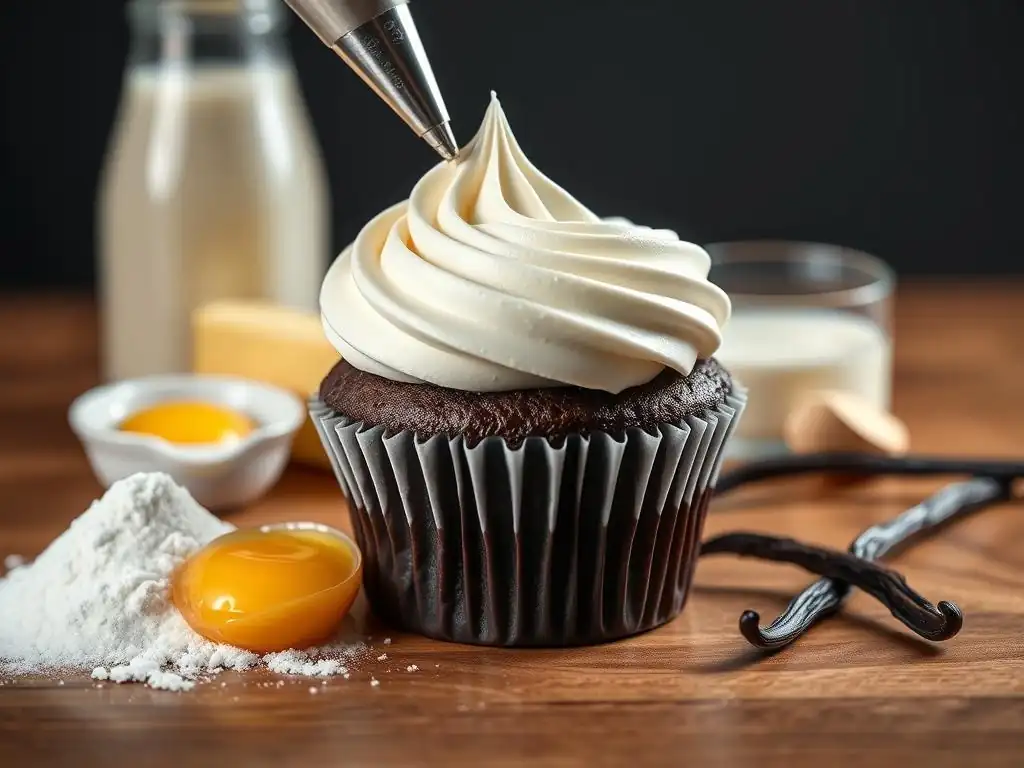
Sugar provides the primary sweetness in buttercream, but its role extends far beyond just flavor. Different types of sugar behave differently when mixed with butter and other liquids, influencing texture, stability, and even how the frosting holds its shape. Understanding sugar's properties is vital for successful buttercream.
Granulated Sugar: The Classic Choice
Granulated sugar, or table sugar, is a common sweetener in baking, particularly in meringue-based buttercreams (Swiss and Italian). In these recipes, the sugar is dissolved into egg whites, either by heating (Swiss) or by adding hot syrup (Italian). This dissolution prevents the sugar crystals from creating a gritty texture in the final buttercream.
The science here involves creating a smooth, stable meringue base before the butter is added. The dissolved sugar stabilizes the whipped egg whites, providing structure. While granulated sugar isn't typically used directly in American buttercream (as it would remain gritty), its use in other types highlights how the form and state of sugar are paramount in buttercream frosting recipe science.
Powdered Sugar (Icing Sugar): Achieving Smoothness
Powdered sugar, also known as confectioners' sugar or icing sugar, is the workhorse of American buttercream. Its fine texture dissolves more easily in the fat and liquid compared to granulated sugar, contributing to a smoother mouthfeel. Powdered sugar also contains a small amount of cornstarch (typically around 3-4%), which acts as an anti-caking agent.
This cornstarch content also subtly helps stabilize the buttercream and improves its ability to hold piped shapes. However, relying solely on powdered sugar can result in a very sweet and sometimes dense frosting. Sifting powdered sugar is often recommended to remove lumps and ensure maximum smoothness, a simple step that significantly impacts the texture in the buttercream frosting recipe science.
Corn Syrup and Invert Sugar: Preventing Crystallization
Some buttercream recipes, particularly those using sugar syrups like Italian meringue buttercream, may incorporate corn syrup or other forms of invert sugar. These ingredients play a crucial role in the science of sugar crystallization. When sugar is boiled into a syrup, there's a risk of the dissolved sugar molecules re-forming into crystals as the syrup cools – a process called crystallization.
Invert sugars like corn syrup interfere with this crystallization process, keeping the sugar molecules separated and the syrup smooth. This ensures that when the hot syrup is added to the egg whites, it remains liquid and dissolves completely, resulting in a silky-smooth meringue and, subsequently, a smooth buttercream. Using a small amount of corn syrup (e.g., 1-2 tablespoons in a standard Italian meringue recipe) is a scientific trick to guarantee a non-gritty Italian meringue buttercream, a key aspect of advanced buttercream frosting recipe science.
The Liquid Component: Milk, Cream, and More
Liquids are essential in buttercream for achieving the desired consistency and texture. They help dissolve sugar (in some cases), create a smoother mouthfeel, and allow for easier spreading or piping. The type and amount of liquid used significantly impact the final result.
Milk and Cream: Adding Moisture and Richness
Milk or heavy cream are common additions to American buttercream. They provide moisture, helping to dissolve the powdered sugar and create a smoother, less dense texture than butter and sugar alone. Heavy cream, with its higher fat content (typically 30-36% fat), adds extra richness and contributes to a creamier consistency compared to milk (around 3.25% fat for whole milk).
Adding liquid allows you to adjust the consistency of your buttercream frosting recipe. A tablespoon or two can transform a stiff frosting into a spreadable one, while adding more will create a looser frosting suitable for pouring or thin glazes. It's a delicate balance, as too much liquid can break the emulsion and make the buttercream soupy.
Flavor Extracts and Liquors: Enhancing Buttercream Flavor Profiles
Flavor extracts, such as vanilla, almond, or lemon, and liquors like rum or liqueur, are common additions to buttercream. While their primary role is to impart flavor, they also contribute a small amount of liquid to the mixture. High-quality extracts, often alcohol-based, disperse flavors effectively throughout the fat and sugar base.
When incorporating extracts or liquors, it's important to consider their liquid content and how it might affect the overall consistency. Adding too much can make the buttercream too thin. However, the alcohol in some extracts and liquors can also help dissolve flavor compounds and contribute to a smoother flavor profile, a subtle but important detail in the buttercream frosting recipe science.
Water: Hydration and Consistency Control
While not always added directly to American buttercream, water is a key component in meringue-based buttercreams where it's used to dissolve granulated sugar for the syrup. In Swiss meringue, a small amount of water might be added to the sugar and egg whites over the double boiler to help the sugar dissolve. In Italian meringue, water is combined with sugar and boiled to a specific temperature (typically 240-245°F or 115-118°C for a soft-ball stage).
Water is also present in butter itself (around 16-18%) and in other ingredients like milk or eggs. Managing the total liquid content is crucial for achieving the correct emulsion and consistency. Understanding how water interacts with sugar and fat is fundamental to the buttercream frosting recipe science, particularly when dealing with cooked sugar syrups.
Egg Whites & Yolks in Buttercream: Stability and Richness
Eggs play a transformative role in certain types of buttercream, providing structure, richness, and emulsifying properties. Meringue-based and French buttercreams rely heavily on eggs, showcasing a different facet of the buttercream frosting recipe science.
The Science of Egg Whites: Meringue-Based Buttercreams
Egg whites are the foundation of Swiss and Italian meringue buttercreams. When whipped, the proteins in egg whites denature and create a foam structure that traps air bubbles. Adding sugar stabilizes this foam, creating a sturdy meringue. In Swiss meringue, gentle heat helps dissolve the sugar and strengthen the protein structure. In Italian meringue, the hot sugar syrup cooks the egg whites as they whip, resulting in a very stable meringue.
The stability of the meringue is directly proportional to the stability of the final buttercream. The whipped egg white structure helps to hold the butter and sugar emulsion together, resulting in a lighter, less sweet, and more stable frosting that is less prone to melting than American buttercream. This reliance on protein structure is a key scientific principle in these buttercream types.
Egg Yolks: Adding Richness and Emulsification
French buttercream uniquely incorporates egg yolks (or sometimes whole eggs). Yolks are rich in fat and lecithin, a powerful natural emulsifier. When yolks are whipped with hot sugar syrup (similar to Italian meringue), they create a rich, custardy base. The fat from the yolks adds incredible richness and a smooth, melt-in-your-mouth texture to the buttercream.
The lecithin in the egg yolks helps to bind the fat from the butter and the liquid from the syrup, preventing separation and contributing to a stable emulsion. While French buttercream is incredibly rich and delicious, the presence of uncooked yolks means it has a shorter shelf life and requires careful handling, another consideration in the buttercream frosting recipe science.
Pasteurization and Food Safety Considerations
When using raw egg whites or yolks in buttercream (as in traditional Swiss, Italian, or French methods), pasteurization is an important food safety consideration. Using pasteurized eggs eliminates the risk of salmonella. Alternatively, techniques like the Swiss method (heating egg whites and sugar over a double boiler to 160°F or 71°C) or the Italian/French method (pouring hot sugar syrup heated to the soft-ball stage, 240-245°F or 115-118°C, into whipping eggs) effectively pasteurize the eggs through heat.
Ensuring proper heating during the meringue or egg-base preparation is a critical step in the buttercream frosting recipe science for these types. It not only ensures safety but also helps achieve the correct texture by dissolving sugar and developing the necessary protein structure.
The Importance of Fat-to-Sugar Ratio in Buttercream
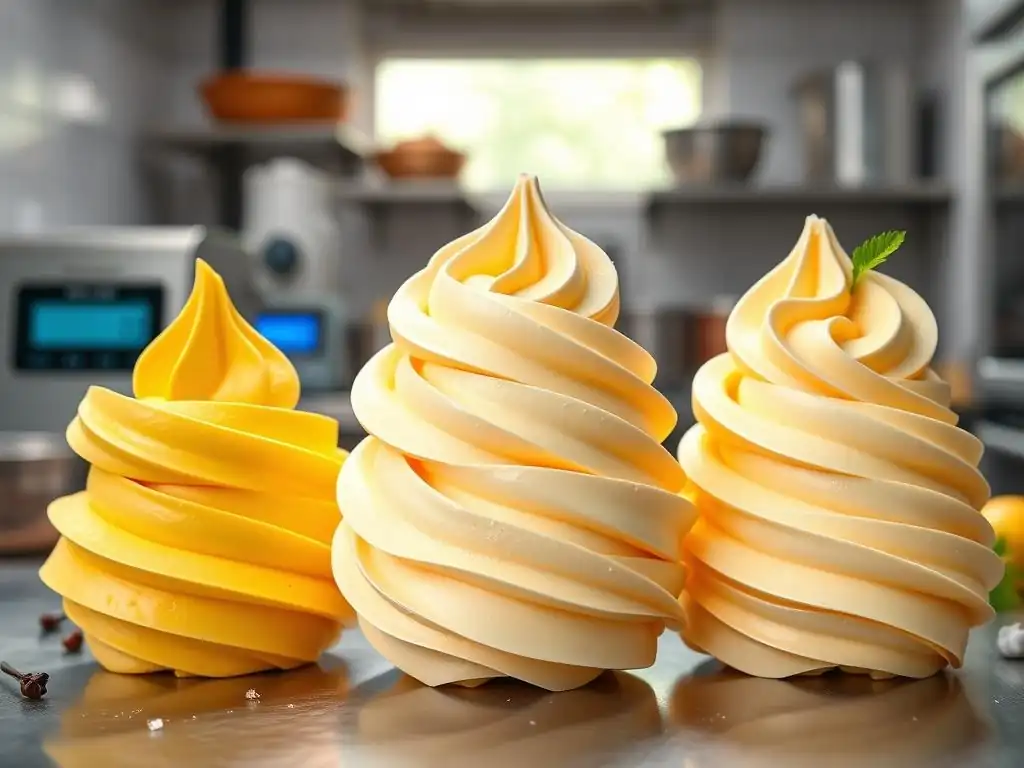
The balance between fat (primarily from butter) and sugar is fundamental to the texture, sweetness, and stability of any buttercream. Altering this ratio significantly changes the characteristics of the final frosting and is a core aspect of buttercream frosting recipe science.
Balancing Sweetness and Stability
The ratio of fat to sugar directly impacts both the sweetness level and the structural integrity of the buttercream. American buttercream, for instance, typically uses a higher ratio of powdered sugar to butter, sometimes around 2 parts sugar to 1 part butter by weight. This results in a very sweet and relatively firm frosting.
Meringue-based buttercreams, on the other hand, often use a lower sugar-to-fat ratio, perhaps closer to 1.5 or 1.75 parts sugar to 1 part butter, and the sugar is dissolved or cooked. This creates a much less sweet, lighter, and often more stable frosting. Achieving the right balance is crucial for both taste and function in any buttercream frosting recipe science.
Adjusting the Ratio for Different Buttercream Styles
Different buttercream types inherently have different fat-to-sugar ratios embedded in their traditional recipes. An American buttercream's high sugar ratio provides stiffness suitable for piping intricate details. A Swiss or Italian meringue buttercream's lower sugar and higher butter ratio results in a smooth, pipeable frosting that is less prone to crusting.
You can adjust the ratio within a specific type to fine-tune the result. For example, in American buttercream, adding more powdered sugar will make it stiffer and sweeter, while adding more butter or liquid will make it softer and less sweet. Understanding these effects allows for precise control over your buttercream frosting recipe science.
Troubleshooting Common Buttercream Problems: Ratio Imbalance
Many common buttercream issues stem from an incorrect fat-to-sugar ratio or improper emulsification influenced by this ratio. A buttercream that is too soft and won't hold its shape might have too much liquid or too high a fat ratio relative to the stabilizers (like sugar or meringue). A grainy buttercream might have too much sugar that hasn't dissolved properly.
Diagnosing these problems often involves assessing the ratio and how the ingredients were combined. For instance, adding a bit more sifted powdered sugar can stiffen a loose American buttercream, while gently warming and re-whipping a separated meringue buttercream can help the fat and meringue re-emulsify. Applying the principles of buttercream frosting recipe science helps you identify and fix these issues.
Emulsifiers: The Secret to Silky Smooth Buttercream
Emulsification is the process of combining two liquids that normally don't mix, like oil (fat) and water. Buttercream is an emulsion of the fat from butter (and sometimes eggs) and the water/liquid components (from butter, milk, eggs, sugar syrup). Emulsifiers are key to creating and maintaining this stable mixture, preventing separation and ensuring a smooth texture.
What are Emulsifiers and How Do They Work?
Emulsifiers are molecules that have both a water-attracting (hydrophilic) end and a fat-attracting (hydrophobic) end. They work by positioning themselves at the interface between the fat and water droplets, essentially acting as a bridge that helps keep the two phases dispersed within each other. Without emulsifiers, the fat and water would separate, resulting in a greasy, broken buttercream.
In buttercream, both naturally occurring and sometimes added emulsifiers play a role. Proper mixing techniques also aid in mechanical emulsification by breaking fat into tiny droplets that are then stabilized by emulsifiers. Understanding this principle is central to the buttercream frosting recipe science.
Lecithin: A Natural Emulsifier in Egg Yolks
Egg yolks are a rich source of lecithin, a phospholipid that is a powerful natural emulsifier. This is why French buttercream, which uses a significant amount of egg yolks, is known for its incredibly rich and smooth texture and its relative stability despite its high fat content. The lecithin helps to create and maintain a stable emulsion of the butterfat with the liquid components.
Even in buttercreams that don't use yolks, there's some lecithin present in the butter itself (though in smaller amounts than in yolks). Leveraging the natural emulsifying properties of ingredients like egg yolks is a sophisticated aspect of buttercream frosting recipe science.
The Role of Emulsifiers in Preventing Separation
Emulsifiers are the unsung heroes preventing buttercream from "breaking" or separating into a greasy, liquid mess. They keep the fat droplets suspended evenly throughout the mixture. If the emulsion breaks (often due to temperature issues, incorrect ratios, or over/undermixing), the fat and liquid separate.
Adding an emulsifier, like a small amount of melted chocolate or even re-whipping while gently warming a separated meringue buttercream, can sometimes help re-establish the emulsion. Understanding the role of emulsifiers allows you to create more stable frostings and troubleshoot issues effectively, applying core principles of buttercream frosting recipe science.
Mixing Techniques: The Impact on Buttercream Texture
How you mix your buttercream ingredients is just as important as the ingredients themselves. Mixing techniques influence the incorporation of air, the size of fat and sugar particles, and the formation of a stable emulsion, all of which determine the final texture of the buttercream.
Creaming Butter and Sugar: Incorporating Air
Creaming is a fundamental technique in many buttercream types, particularly American buttercream and as the initial step for incorporating butter into meringue bases. It involves beating softened butter, often with sugar, until light and fluffy. During this process, the sugar crystals cut into the butter, creating tiny air pockets.
These trapped air bubbles are crucial for giving buttercream a light, airy texture and increasing its volume. Proper creaming develops the foundation of the emulsion. Over-creaming can sometimes generate too much heat, potentially melting the butter and hindering the emulsion, while under-creaming won't incorporate enough air or properly combine the ingredients. This initial step is a key application of buttercream frosting recipe science.
Whipping: Creating Volume and Lightness
Whipping is used to incorporate air, either into egg whites (for meringue-based buttercreams) or into the finished buttercream mixture itself. Whipping meringue creates a stable foam structure that gives Swiss and Italian buttercreams their characteristic lightness and volume. Once the butter is added, continued whipping helps emulsify the butter into the meringue.
For all buttercream types, a final whip after all ingredients are combined helps to make the frosting light and fluffy and ensures a smooth texture. This step breaks down any remaining small lumps and further develops the emulsion. The speed and duration of whipping are critical variables in the buttercream frosting recipe science.
Overmixing vs. Undermixing: Finding the Sweet Spot
Finding the right amount of mixing is crucial. Undermixing can result in a lumpy, grainy, or separated buttercream because the ingredients haven't properly emulsified or the sugar hasn't dissolved sufficiently. For example, an undermixed American buttercream might feel gritty from undissolved powdered sugar.
Overmixing, particularly after the emulsion has formed, can sometimes break that emulsion, especially if the mixture warms up. In meringue buttercreams, overmixing after the butter is incorporated can sometimes cause it to curdle or appear broken before it comes back together. Knowing when to stop mixing – often just until the buttercream is smooth, light, and uniform – is a skill developed through practice and understanding the underlying buttercream frosting recipe science.
The Science of Buttercream Flavor Combinations
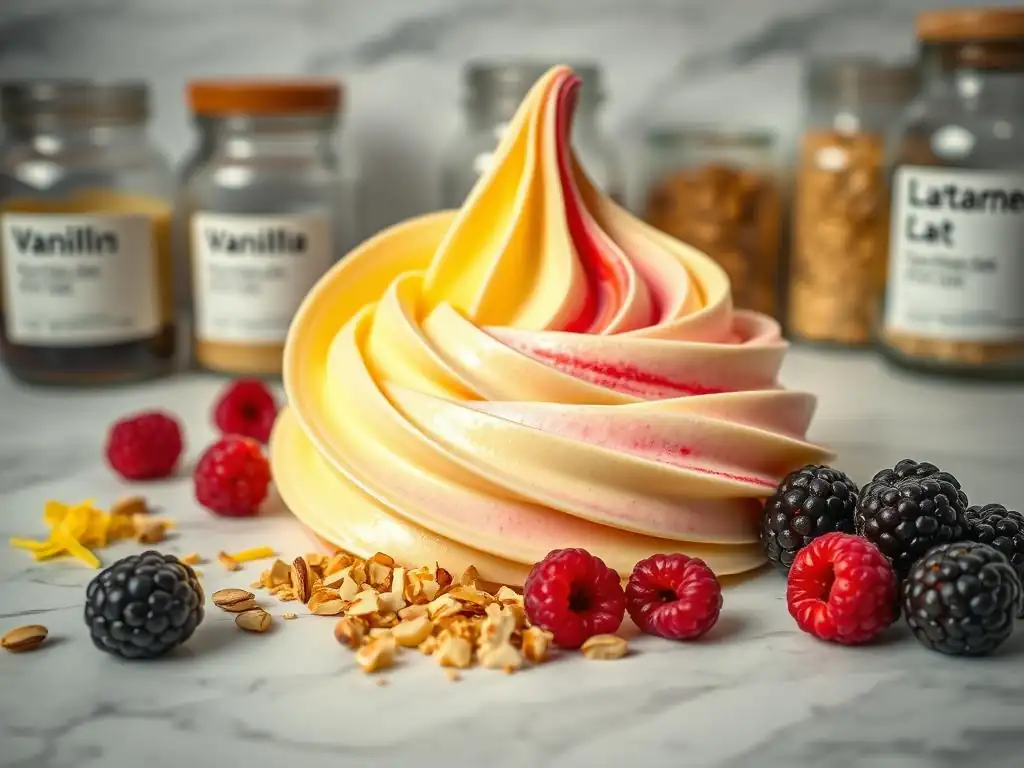
While structure and texture are vital, flavor is what truly makes buttercream shine. Understanding how different flavor compounds interact with the fat and sugar base allows for creating balanced and exciting flavor profiles. The science here involves solubility and how flavors are perceived in a fatty matrix.
Complementary Flavors: Vanilla and Almond
Certain flavors naturally complement the rich, sweet base of buttercream. Vanilla is almost universally used because its complex aroma enhances sweetness and rounds out the flavor without overpowering it. Almond extract pairs beautifully with butter and sugar, adding a nutty depth that complements many cake flavors like white cake or cherry.
These flavors work well because their compounds are soluble in the fat base of the buttercream, allowing them to disperse evenly and release their aroma effectively as the buttercream melts in your mouth. Selecting complementary flavors is a delicious application of the buttercream frosting recipe science.
Contrasting Flavors: Chocolate and Raspberry
Contrasting flavors can create dynamic and interesting buttercreams. Pairing the richness of chocolate with the tartness of raspberry, for example, creates a balance that prevents the frosting from being cloyingly sweet. Cocoa powder or melted chocolate adds fat and complex flavor compounds to the buttercream.
Adding acidic components like fruit purees (ensure they are reduced and concentrated to minimize excess liquid) or citrus zest introduces contrasting notes that cut through the sweetness and richness. Understanding how acidity and bitterness interact with sweetness and fat is part of the flavor buttercream frosting recipe science.
Using Extracts, Zests, and Spices Effectively
The form in which you add flavor impacts its intensity and how it integrates into the buttercream. Extracts, being concentrated, should be added cautiously. Zests from citrus fruits contain volatile oils in their skin that add bright, fresh notes; these oils are fat-soluble and disperse well in the buttercream.
Spices like cinnamon or cardamom, whether ground or infused, add warmth and complexity. When using dry ingredients like cocoa powder or ground spices, sifting is crucial to prevent a grainy texture. Each flavoring agent interacts differently with the fat and sugar matrix, requiring an understanding of their properties within the context of buttercream frosting recipe science.
Storing Buttercream: Maintaining Quality and Freshness
Proper storage is essential for maintaining the quality, texture, and safety of your buttercream. Temperature control is the primary factor, as it affects both microbial growth and the physical state of the fat and sugar emulsion.
Refrigeration: Preventing Spoilage
Buttercream made with dairy or eggs is perishable and must be stored in the refrigerator if not used immediately. Refrigeration slows down the growth of bacteria and prevents spoilage. Store buttercream in an airtight container to prevent it from absorbing odors from the refrigerator and to protect it from drying out and forming a crust.
Buttercream stored in the refrigerator will firm up considerably due to the butter solidifying. Before use, it needs to be brought back to room temperature and re-whipped to restore its smooth, spreadable consistency. Refrigeration is a short-term storage solution, typically keeping buttercream fresh for about 3-5 days while maintaining food safety standards based on buttercream frosting recipe science.
Freezing: Long-Term Storage Options
Most types of buttercream can be frozen for longer-term storage, typically up to 1-2 months. Freezing suspends microbial activity and preserves the quality of the ingredients. Again, store it in an airtight container, ideally with a layer of plastic wrap pressed directly onto the surface to prevent freezer burn.
Freezing is a great option for making buttercream ahead of time. The key is proper thawing. Rapid temperature changes can break the emulsion. Thawing slowly in the refrigerator overnight is best, followed by bringing it to room temperature on the counter. Freezing significantly extends the shelf life, a practical application of buttercream frosting recipe science for planning ahead.
Thawing and Re-whipping for Optimal Texture
After refrigerating or freezing, buttercream will be hard and likely lose its smooth texture. Thawing frozen buttercream slowly is crucial. Once thawed and brought back to cool room temperature (pliability, not warmth), it almost always needs to be re-whipped.
Re-whipping helps to re-emulsify any fat that may have separated during storage and incorporates air to restore the light, fluffy texture. Start on low speed to break it up, then gradually increase the speed until it becomes smooth and spreadable again. This step is vital for returning stored buttercream to its optimal state, relying on the principles of buttercream frosting recipe science to restore the emulsion.
Mastering Buttercream Frosting: A Scientific Approach
Approaching buttercream with a scientific mindset transforms the baking process from following a recipe to understanding and controlling the outcome. By recognizing the role each ingredient plays and how techniques influence the final product, you gain the ability to consistently create perfect buttercream and troubleshoot when things go wrong.
Key Ingredients and Techniques for Perfect Buttercream
Achieving perfect buttercream hinges on controlling temperature, using quality ingredients, and applying the correct techniques.
- Butter Temperature: Ensure butter is the correct temperature (often cool room temperature) for proper emulsification and air incorporation.
- Ingredient Quality: Use good quality butter with appropriate fat content and fresh eggs if required.
- Sugar Handling: Dissolve sugar completely in cooked methods or sift powdered sugar for smoothness.
- Emulsification: Understand how to create and maintain a stable emulsion through temperature control and mixing.
- Mixing: Cream butter and sugar effectively, whip sufficiently for desired lightness, and avoid overmixing.
Paying attention to these details, guided by the principles of buttercream frosting recipe science, is the path to consistent success.
Further Resources for Buttercream Perfection
To deepen your understanding of buttercream frosting recipe science, explore resources that detail the specific chemistry of baking ingredients. Look for guides on emulsification, sugar crystallization, and protein denaturation in eggs. Experiment with different buttercream types, paying attention to how ingredient ratios and techniques alter the final texture and stability. Practice makes perfect, and a little scientific knowledge goes a long way in the art of buttercream.
Frequently Asked Questions
What makes buttercream frosting so versatile?
Buttercream frosting's versatility stems from its ability to be easily flavored and adjusted in texture. The ratio of fat to sugar is key, allowing for variations in sweetness and consistency, making it suitable for many desserts. Different types of butter and fats also influence the final result.
Why is the temperature of ingredients crucial in buttercream making?
Ingredient temperature is paramount for proper emulsification and texture. Room-temperature butter allows for proper aeration and a smooth, creamy consistency, while cold ingredients can lead to a curdled or separated frosting. Inconsistent temperatures can ruin the frosting.
How does the type of sugar used affect the final buttercream frosting?
Different sugars impact the texture and sweetness of buttercream. Powdered sugar creates a smooth, less grainy frosting, while granulated sugar can result in a slightly coarser texture. The choice depends on the desired consistency and sweetness level. Experimentation is key.
What role does air play in creating a light and fluffy buttercream?
Air incorporation is essential for achieving a light and fluffy buttercream. Beating the butter and sugar together creates air pockets, contributing to the volume and lightness of the frosting. Overmixing can deflate the frosting, so be careful.
What are some common troubleshooting tips for buttercream that is too runny or too stiff?
For runny buttercream, add more powdered sugar in small increments, ensuring it's fully incorporated. If the buttercream is too stiff, add a small amount of liquid, such as milk or cream, while continuing to beat until the desired consistency is achieved. Patience is crucial.
Final Reflection: The Sweet Science of Perfect Frosting
The pursuit of the perfect buttercream frosting is more than just a culinary quest; it's a journey into the fascinating world of emulsion science. Understanding the interplay of fats, sugars, and liquids is key not only to achieving a flawless texture but also to unlocking the potential for truly creative and delicious results. This knowledge empowers home bakers to move beyond simple recipes and truly master the art of frosting.
The impact of understanding the science behind buttercream extends far beyond the kitchen. It highlights the power of understanding fundamental principles to achieve superior results in any field. It's a testament to the interconnectedness of seemingly disparate disciplines, reminding us that even the seemingly simple act of making frosting can be a gateway to deeper scientific understanding. The best things in life are simple, but not easy.
This quote perfectly encapsulates the journey of mastering buttercream – simple ingredients, but a complex process requiring understanding and precision.
Now, consider your own baking adventures. What have you learned about the delicate balance of ingredients? How can you apply this newfound knowledge to your next baking project? Don't just follow recipes blindly; experiment, observe, and refine your technique. Embrace the science, and unlock the potential to create buttercream frostings that are not only visually stunning but also incredibly delicious, reflecting your own unique understanding and mastery of this sweet science.
Unlock Your Best Buttercream Yet!
Thanks for diving deep into the science of buttercream with us! You now have the knowledge to create truly exceptional frosting. Ready to put your newfound expertise into practice?
- Bake a batch of your favorite cake and experiment with different butters and sugars – Notice the subtle differences in texture and flavor! This is the best way to solidify your understanding.
- Share your buttercream creations on social media using #BakeWithEaseButtercream and tag us – Let’s see your delicious results!
- Challenge yourself to develop a completely new buttercream flavor based on what you learned. Think outside the box!
What unique buttercream flavor will you create next?