
High vs. Low Gluten Flour: Choosing the Right One for Your Bake

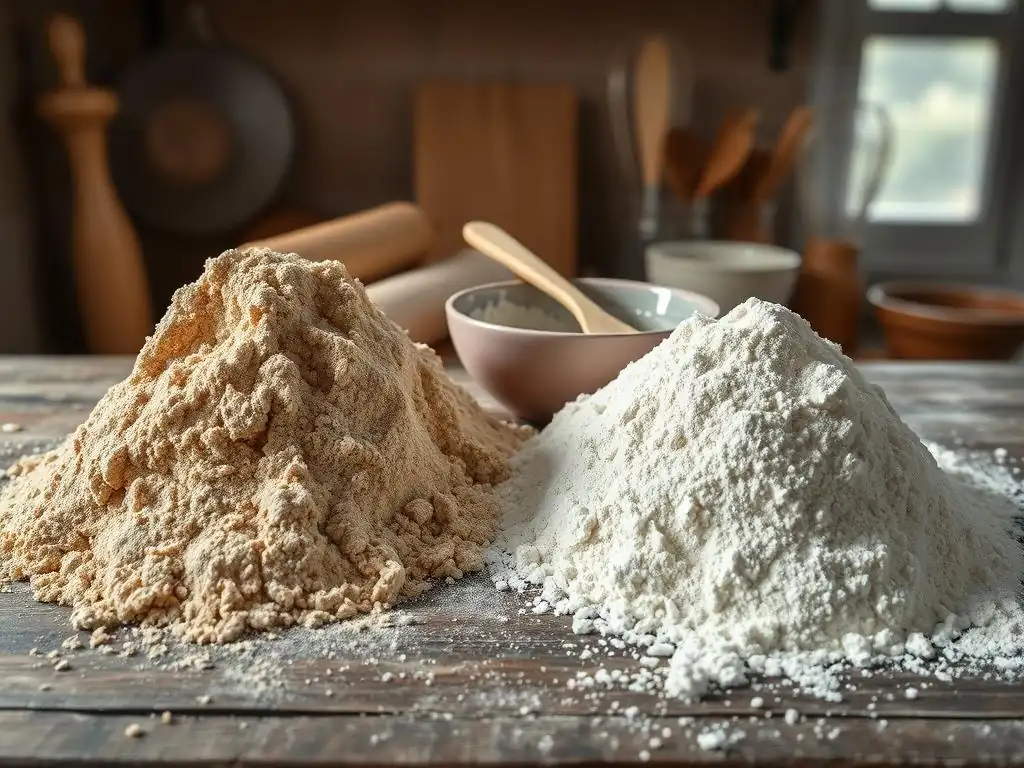
Welcome to BakeWithEase, your trusted companion on the baking journey! Ever wondered how different types of flour can dramatically impact your baked goods? This week, we're diving deep into the science with our Glutenfree flour comparison guide. Unlock the secrets to achieving perfect textures and flavors, and discover the surprising variations that will elevate your baking. Ready to choose the right flour and transform your next creation? Let's get started!
- Understanding Gluten in Baking: A BakeWithEase Guide
- High Gluten Flour Explained
- Low Gluten Flour Explained
- Gluten Flour Comparison Guide: High vs. Low
- Choosing the Right Flour: Considerations for Your Recipe
- Mastering Gluten Development: BakeWithEase Tips & Techniques
- Troubleshooting: Common Issues with High and Low Gluten Flours
- Frequently Asked Questions
- Final Reflection: The Flour Power of Choice
- Unlock Your Baking Potential: Mastering Gluten
Understanding Gluten in Baking: A BakeWithEase Guide
What is Gluten and Why Does it Matter in Baking?
Gluten is a complex protein structure that forms when two proteins, gliadin and glutenin, present in wheat flour, come into contact with water. As these proteins hydrate, they begin to link together, forming an elastic network. This network is crucial in baking because it provides structure and elasticity to doughs and batters. Think of it as the scaffolding that holds your baked goods together, allowing them to rise and maintain their shape. Without gluten, many traditional baked items would be flat, dense, and crumbly.
The development of this gluten network is what gives bread its chewy texture and cakes their tender crumb. The amount of gluten potential in flour varies significantly depending on the type of wheat it's milled from. Harder wheat varieties contain more protein (and thus more potential for gluten development) than softer wheat varieties. Understanding this difference is the first step in mastering how to choose the right flour for your specific baking project, ensuring you achieve the desired texture and structure every time you bake with BakeWithEase.
The Role of Gluten in Different Baked Goods
The function of gluten differs greatly depending on what you're baking. In bread making, a strong, well-developed gluten network is essential. It traps the carbon dioxide produced by yeast during fermentation, causing the dough to rise. This elasticity allows the dough to expand without collapsing, and the structure provides the characteristic chewiness and open crumb often desired in loaves like sourdough or baguettes. Kneading is the primary method used to develop this strong network.
Conversely, for delicate baked goods like cakes, pastries, and cookies, a tender, soft texture is paramount. Here, minimizing gluten development is key. Too much gluten can result in a tough cake or a crumbly cookie. Flours with lower protein content are preferred, and mixing techniques are often designed to gently combine ingredients without overworking the gluten. The goal is to create just enough structure to hold the item together while allowing for a soft, melt-in-your-mouth quality.
High Gluten Flour Explained
Characteristics of High Gluten Flour
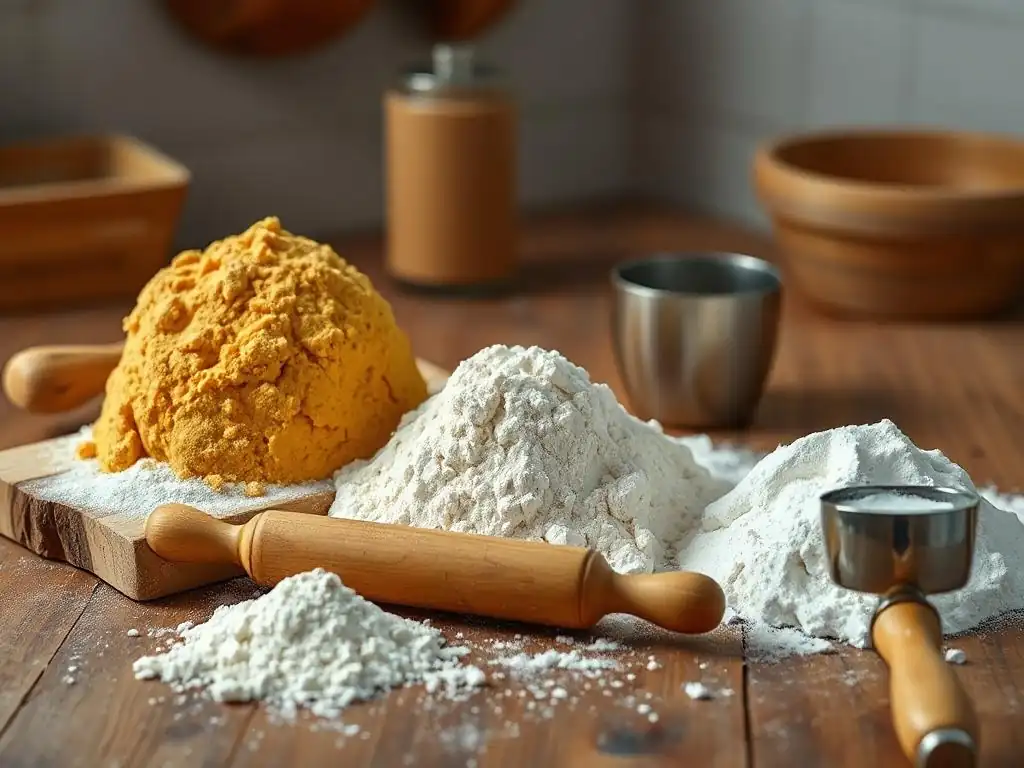
High gluten flour is characterized by its high protein content, typically ranging from 12% to 14% or even higher. This elevated protein level means it has a greater potential for forming a strong, elastic gluten network when hydrated and kneaded. The resulting dough is often quite elastic and extensible, meaning it can be stretched without tearing easily. This strength is vital for baked goods that rely on structure and rise.
The color of high gluten flour is generally a creamy white, and it feels slightly gritty compared to lower protein flours. When you mix high gluten flour with water and knead it, you can physically feel the dough become smoother, more elastic, and resistant to tearing as the gluten develops. This type of flour absorbs more water than low gluten flours due to its higher protein content, which is an important consideration when formulating recipes.
Best Uses for High Gluten Flour: Bread, Pizza, and More
High gluten flour is the champion of baked goods requiring significant structure and chewiness. Its primary use is in bread baking, particularly for artisan loaves, sourdough, and rolls, where a strong crumb structure and good oven spring are desired. The robust gluten network captures gases effectively, leading to a well-risen loaf with a satisfying chew.
Beyond bread, high gluten flour is also the preferred choice for pizza dough. It provides the necessary elasticity to stretch the dough thinly without tearing and contributes to a chewy crust. Some recipes for bagels and pasta also benefit from the strength and chewiness imparted by high gluten flour. Essentially, any bake where you want a strong, resilient dough that can hold its shape and offer a substantial texture is a prime candidate for high gluten flour.
Examples of High Gluten Flour: King Arthur Baking Company Bread Flour, Bob's Red Mill Artisan Bread Flour
Several reputable brands offer high gluten flours specifically designed for demanding baking applications. King Arthur Baking Company's Bread Flour is a widely recognized example, known for its consistent performance and high protein content, typically around 12.7%. This flour is a staple for many home and professional bread bakers due to its reliable gluten development.
Another excellent example is Bob's Red Mill Artisan Bread Flour. This flour is also milled from hard red wheat and boasts a high protein level, often in the 12-14% range, making it ideal for creating strong, elastic doughs for artisan breads, bagels, and pizza crusts. These specific examples illustrate the type of product you should look for when a recipe calls for high gluten flour, ensuring you get the protein power needed for a successful bake.
Low Gluten Flour Explained
Characteristics of Low Gluten Flour
Low gluten flour, often referred to as soft wheat flour, has a significantly lower protein content compared to high gluten varieties, typically ranging from 6% to 10%. This lower protein level means that when mixed with liquid, it forms a weaker, less elastic gluten network. The resulting dough or batter is usually softer, more tender, and less prone to developing toughness.
Flours in this category are usually milled from soft red or white wheat. They tend to feel finer and silkier to the touch than high gluten flours. Because they absorb less water, batters made with low gluten flour are often thinner. The goal when working with these flours is to handle them gently to minimize gluten development, preserving the delicate structure required for specific types of baked goods.
Low gluten flour is the secret to achieving light, tender, and delicate textures in baking. Cake flour, with the lowest protein content (6-8%), is specifically designed for cakes, cupcakes, and muffins where a fine, soft crumb is desired. It minimizes gluten development, preventing toughness. Pastry flour, with a slightly higher protein content (8-10%), is perfect for pie crusts, biscuits, scones, and some cookies, providing flakiness and tenderness without being overly crumbly.
For cookies, especially those meant to be soft or delicate, using an all-purpose flour (which has a medium protein content, typically 10-12%) or sometimes even a blend with cake or pastry flour helps control spread and texture without creating a tough bite. The key is that for baked goods where tenderness is prioritized over chewiness or significant structure, a low gluten flour is the go-to choice.
Examples of Low Gluten Flour: Softasilk Cake Flour, King Arthur Baking Company Pastry Flour
Specific brands are well-regarded for their low gluten flour offerings. Softasilk Cake Flour is a classic example of a bleached cake flour known for its very low protein content (around 6-8%) and fine texture, which helps create incredibly tender cakes and cupcakes. Its bleaching process further helps break down proteins, inhibiting gluten development.
King Arthur Baking Company also offers a Pastry Flour, typically with a protein content of about 8%, milled from soft wheat. This flour is unbleached and provides a good balance for flaky pie crusts, tender biscuits, and delicate cookies. These examples represent the type of flours you would choose when aiming for a soft, tender, or flaky result in your baking endeavors.
Gluten Flour Comparison Guide: High vs. Low
Protein Content Comparison: High Gluten vs. Low Gluten
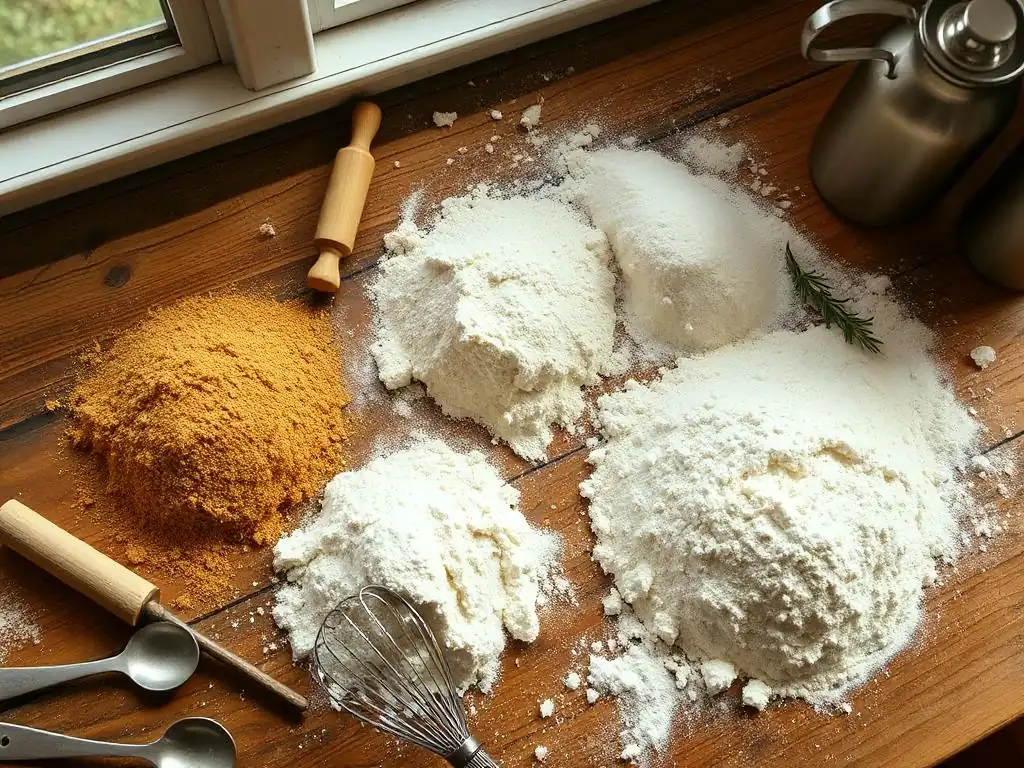
The most significant difference between high and low gluten flours lies in their protein content. High gluten flours, like bread flour, contain 12-14% protein, with some specialized flours reaching 15% or more. This high percentage of gliadin and glutenin proteins allows for the formation of a strong, elastic gluten network when hydrated and worked.
In stark contrast, low gluten flours, such as cake flour (6-8% protein) and pastry flour (8-10% protein), have considerably less protein. This lower concentration of gluten-forming proteins means that even with extensive mixing, they will only form a weak gluten structure. This fundamental difference in protein content dictates their suitability for various baking applications.
Texture and Structure in Baking: High Gluten vs. Low Gluten
The difference in protein content directly impacts the texture and structure of the final baked good. High gluten flours create a strong, resilient, and elastic dough. When baked, this results in a chewy texture and a robust internal structure capable of supporting air pockets for a good rise, as seen in crusty bread or chewy pizza crust. The gluten network provides the necessary framework.
Low gluten flours, on the other hand, produce a tender, soft, and often crumbly texture. The weak gluten network cannot support a significant rise or provide chewiness. Instead, it allows for a fine, delicate crumb, characteristic of moist cakes, flaky pastries, or tender biscuits. The goal is minimal structure, prioritizing softness and melt-in-your-mouth qualities.
Flavor Differences: Does Gluten Content Affect Taste?
While gluten itself is largely flavorless, the type of wheat and the milling process associated with high and low gluten flours can subtly influence the flavor profile of the final bake. High gluten flours are typically milled from hard wheat varieties, which can sometimes impart a slightly nuttier or more robust flavor compared to the softer wheat used for low gluten flours.
Furthermore, the way gluten develops affects the texture, which in turn influences how we perceive flavor. A chewy texture from high gluten flour allows flavors to linger, while the tender crumb from low gluten flour might provide a quicker release of flavor. While not a primary flavor component, the gluten content is linked to other factors that contribute to the overall taste experience in your BakeWithEase creations.
Choosing the Right Flour: Considerations for Your Recipe
Matching Flour to Your Baking Goals
Selecting the correct flour is perhaps the most critical step in achieving successful baking outcomes. Your primary consideration should always be the desired final texture and structure of your baked good. Are you aiming for a light, airy cake or a chewy, crusty loaf of bread? This fundamental question will immediately guide you towards either a low or high gluten flour.
For recipes where tenderness and a delicate crumb are paramount, such as layer cakes, muffins, or scones, opt for a low gluten flour like cake or pastry flour. If your goal is a chewy texture, significant rise, and a robust structure, as required for artisan bread, pizza dough, or bagels, then a high gluten flour is your best choice. Matching the flour's characteristics to your baking goal ensures optimal results.
Understanding Recipe Requirements: High Gluten or Low Gluten?
Most well-written recipes will specify the type of flour required, often indicating "bread flour," "cake flour," "pastry flour," or "all-purpose flour." Pay close attention to these instructions, as they are tailored to achieve a specific outcome based on the flour's gluten potential. A recipe calling for bread flour relies on its high protein content for structure and chewiness, while a recipe calling for cake flour is designed to minimize gluten development for tenderness.
If a recipe simply states "flour" without specifying the type, it often implies all-purpose flour (which has a moderate protein content, typically 10-12%). However, for optimal results in specialized bakes, understanding the nuances between high and low gluten flours allows you to make informed decisions, even adapting recipes slightly if needed.
Substituting Flours: Tips on Substituting High and Low Gluten Flours
Substituting flours with different gluten levels can be tricky, but it's possible with careful consideration.
- Substituting High for Low: Replacing cake or pastry flour with high gluten flour (like bread flour) will almost certainly result in a tough, dense cake or pastry. The high protein will develop too much gluten. If you must substitute, using all-purpose flour might yield a slightly tougher result than desired but better than bread flour. Reducing liquid slightly might be necessary as high gluten flour absorbs more water.
- Substituting Low for High: Using low gluten flour (like cake or pastry flour) in a bread recipe will result in a loaf with poor structure, little rise, and a crumbly texture instead of chewy. The weak gluten network cannot support the fermentation process. All-purpose flour is a slightly better substitute for bread flour if necessary, though the texture will be less chewy. You might need to adjust hydration.
Generally, it's best to use the flour specified in the recipe for optimal results. However, understanding the properties of each allows for educated substitutions when necessary, managing expectations about the final texture.
Mastering Gluten Development: BakeWithEase Tips & Techniques
Kneading Techniques for High Gluten Flour
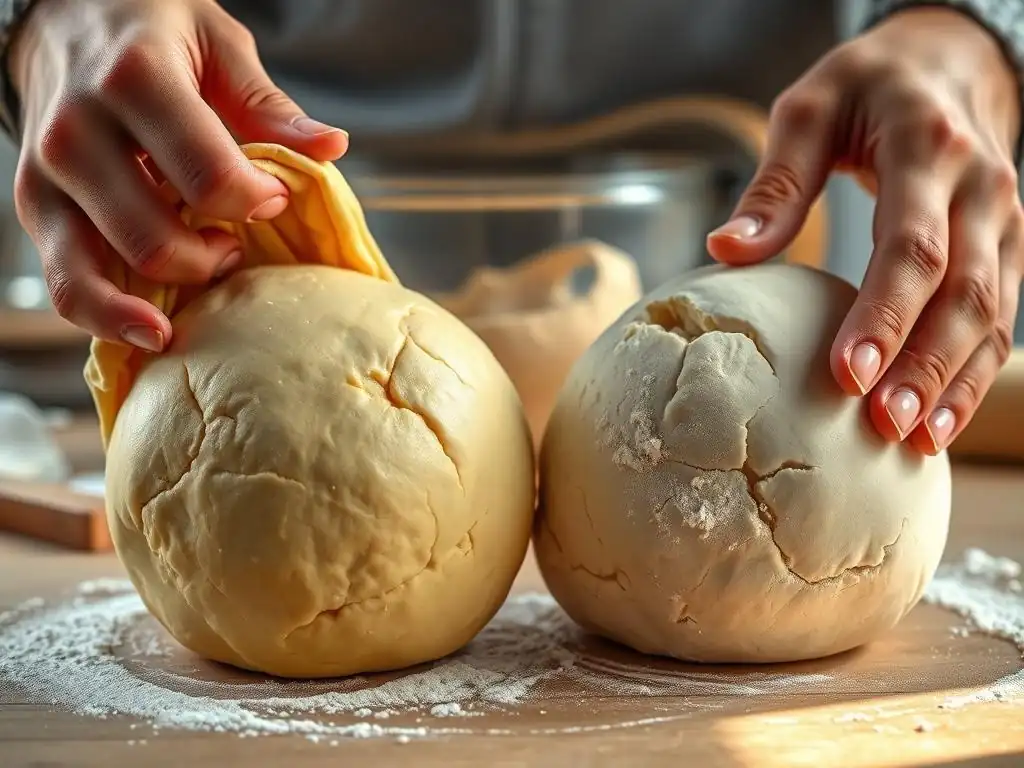
Developing the strong gluten network in high gluten flour requires proper kneading. Kneading serves two main purposes: hydrating the proteins and aligning them to form strong elastic strands.
- Mechanical Kneading: Using a stand mixer with a dough hook is highly effective. Start on a low speed to combine ingredients, then increase to medium speed (usually 2-4 depending on the mixer) and knead for 8-15 minutes. The dough should become smooth, elastic, and pass the "windowpane test" (stretch a small piece thinly until light passes through without tearing).
- Hand Kneading: This is more labor-intensive but equally effective. Fold the dough onto itself, press down and away with the heel of your hand, rotate, and repeat. Continue for 10-20 minutes until the dough is smooth and elastic.
Regardless of the method, proper hydration is key. Too little water makes kneading difficult and limits gluten development; too much results in a sticky, unmanageable dough.
Mixing Techniques for Low Gluten Flour
When working with low gluten flour, the goal is typically to minimize gluten development. Overmixing can lead to toughness.
- Creaming Method (for cakes): This involves beating butter and sugar together before adding dry ingredients. When the flour is added, mix just until combined. Overmixing at this stage activates gluten unnecessarily.
- Biscuit/Pastry Method: Cold fat (like butter) is cut into the flour before liquid is added. This coats the flour particles, inhibiting gluten development and promoting flakiness. Mix minimally once liquid is added, just until the dough comes together.
Block quote example:
Remember, for tender baked goods using low gluten flour, gentle handling and minimal mixing after adding the flour are your best friends. Stop mixing as soon as dry streaks disappear.
Achieving the Perfect Texture: Gluten Control in Baking
Controlling gluten development is paramount to achieving the desired texture in your baked goods.
- Hydration Level: More water leads to faster and more extensive gluten development in flours with sufficient protein. Less water inhibits it.
- Mixing/Kneading Time: The more you mix or knead, the more gluten develops. This is why bread is kneaded for a long time, while cake batter is mixed only briefly after flour is added.
- Fat and Sugar: These ingredients interfere with gluten development by coating the flour particles and preventing them from hydrating fully. This is why cakes and cookies, which are high in fat and sugar, tend to be tender even if made with all-purpose flour.
- Acidity: Acidic ingredients (like buttermilk, yogurt, or lemon juice) can weaken the gluten network, contributing to a more tender crumb.
By understanding these factors, you can manipulate your mixing process and recipe ingredients to control gluten and achieve the perfect texture, whether it's a chewy sourdough or a fluffy sponge cake.
Troubleshooting: Common Issues with High and Low Gluten Flours
Over-developed Gluten: Solutions and Prevention
Over-developed gluten, often caused by over-kneading high gluten dough or overmixing low gluten batters, results in tough, dense, or rubbery baked goods. In bread, it can make the loaf heavy and hard to chew. In cakes or muffins, it leads to a tough, unpleasant texture.
Prevention is the best solution:
- For high gluten doughs (bread, pizza): Learn the signs of proper gluten development (windowpane test, smooth, elastic dough) and stop kneading when achieved. Rest periods (autolyse, bulk fermentation) also help gluten develop without excessive mechanical work.
- For low gluten batters (cakes, muffins, pancakes): Mix just until the dry ingredients are incorporated. Lumps are often preferable to toughness. Sifting flour can also help distribute it evenly, reducing the need for extensive mixing.
If a dough is slightly over-kneaded, a longer rest period can sometimes help the gluten relax, but severe over-development is hard to fix.
Under-developed gluten occurs when there isn't enough mixing or kneading for the protein level of the flour. This is a common issue when trying to develop structure in high gluten flour. The dough will be slack, sticky, and tear easily. The resulting bread will be dense, flat, and have a tight crumb structure with small, uneven holes.
Solutions and Prevention:
- For high gluten doughs: Ensure you are kneading for the appropriate time, either by hand or machine. Learn the windowpane test and knead until the dough passes it. Check your hydration levels; sometimes a dough seems under-developed because it's too dry, preventing proper hydration of the proteins.
- For low gluten batters: While you want minimal development, you still need some structure. Ensure ingredients are just combined. In some cases, a very slight rest (5-10 minutes) can help the minimal gluten hydrate.
A task list for troubleshooting under-developed bread dough:
- [ ] Check dough hydration level.
- [ ] Perform the windowpane test.
- [ ] Increase kneading time if necessary.
- [ ] Ensure proper fermentation (bulk rise).
Dense Bread with Bread Flour: Use Proper Hydration and Proofing Techniques
Even with high gluten bread flour, your loaf can turn out dense if other factors aren't managed correctly. One common cause is insufficient hydration. Bread flour absorbs a lot of water; if there isn't enough liquid, the gluten network won't form properly, leading to a tight, dense crumb instead of an open, airy one. Ensure you're using the correct water ratio for your flour.
Another frequent culprit is improper proofing (rising).
- Under-proofing: The dough hasn't had enough time to rise, and the yeast hasn't produced enough gas to create a light structure. The loaf will be dense and heavy.
- Over-proofing: The dough has risen too much, and the gluten structure has weakened and collapsed. When baked, it won't rise further and will result in a dense, often gummy texture.
Horizontal rule example:
Perfecting bread texture involves balancing gluten development, hydration, and fermentation times. Understanding the role of high gluten flour is just one piece of the puzzle in this BakeWithEase guide.
Frequently Asked Questions
What is the main difference between high and low gluten flour?
The primary difference lies in the protein content. High gluten flour, often called bread flour, has more protein, while low gluten flour, like cake flour, has less.
Why does gluten content matter in baking?
Gluten develops when flour is mixed with water, creating an elastic network that traps gas and provides structure. The amount of gluten dictates the texture of the final product.
When should I use high gluten flour?
High gluten flour is ideal for breads, especially sourdough and other yeasted breads, where a strong structure and chewy texture are desired.
Low gluten flour is best for delicate baked goods like cakes, pastries, and cookies, where a tender and crumbly texture is the goal. It helps prevent toughness.
Can I substitute gluten-free flour for high or low gluten flour?
Yes, BakeWithEase offers a gluten-free flour comparison guide that can help you choose the best gluten-free alternative for your desired outcome. Remember that gluten-free flours will not behave exactly the same.
Final Reflection: The Flour Power of Choice
Understanding the nuances of gluten-free and high-gluten flours is no longer a niche pursuit; it's a crucial element of mindful baking and dietary choices in our increasingly health-conscious world. The rise in gluten-free diets, coupled with the growing demand for artisanal breads and pastries, highlights the importance of selecting the right flour for the desired outcome. This knowledge empowers both experienced bakers and enthusiastic beginners to achieve baking success.
The journey through the world of flours has been a fascinating one, revealing the profound impact that seemingly small ingredients can have on both the texture and taste of our food. It's a journey that underscores the interconnectedness of food production, personal health, and culinary creativity. The best flour is the one that best suits your needs and your recipe.
This simple truth, often overlooked, is the cornerstone of successful baking, regardless of dietary restrictions. The exploration of different flour types has broadened my own understanding of the delicate balance required in baking, and I hope it has done the same for you.
Now, armed with this knowledge, I encourage you to embark on your own flour-filled adventures! Experiment with different blends, explore new recipes, and most importantly, don't be afraid to fail. Each failed loaf, each slightly off-texture cookie, is a valuable lesson learned, bringing you closer to mastering the art of baking and understanding the unique properties of high-gluten and gluten-free flours. The power to choose the right flour rests in your hands – use it wisely, and enjoy the delicious results!
Unlock Your Baking Potential: Mastering Gluten
Thanks for diving into the world of flour with us! You've now got the knowledge to choose the perfect gluten level for your next baking masterpiece. Ready to put your newfound expertise to the test?
- Bake a test loaf: This is your chance to experiment! Use a recipe you already love and swap out the flour type. Note the changes in texture and taste.
- Share your results: Tell us (and other bakers!) about your experience! What flour did you choose, and how did it turn out?
- Explore new recipes: Try a recipe specifically designed for high or low-gluten flour – step outside your comfort zone!
What unique baking adventure will you embark on next?