
Salt in Cookies: A Beginner's Guide


Welcome to BakeWithEase, your kitchen companion for unlocking the secrets of delicious baking! Ever wondered how such a seemingly simple ingredient can transform your cookies from good to unforgettable? Dive into our guide, "Salt in Cookies: A Beginner's Guide," and discover how this essential element enhances cookie flavor in ways you never imagined. Get ready to elevate your baking game – the journey to perfectly balanced, mouthwatering cookies starts here!
- The Role of Salt in Cookie Baking: A Comprehensive Guide
- Introduction: Unlocking Flavor with Salt
- The Science of Salt in Cookie Dough
- Types of Salt and Their Impact on Cookies
- Determining the Ideal Salt Quantity
- Step-by-Step Guide: Incorporating Salt Effectively
- Salt-Forward Cookie Recipes
- Troubleshooting: Addressing Salty Imbalances
- Advanced Techniques: Layering Salt for Complex Flavors
- Conclusion: Mastering Salt for Exceptional Cookies
- Frequently Asked Questions
- Final Reflection: The Unsung Hero of a Perfect Cookie
- Unlock Your Inner Baker: Mastering the Art of Salted Cookies!
Introduction: Unlocking Flavor with Salt
Salt is one of the most fundamental ingredients in baking, yet its role often extends far beyond simply adding a salty taste. In cookies, salt acts as a powerful flavor enhancer. It doesn't just contribute its own flavor; it also brightens and intensifies the other ingredients, particularly sugar and fat. Think of a chocolate chip cookie made without salt – the chocolate might taste flat, the sweetness overwhelming and one-dimensional.
Adding salt provides contrast, making the sweetness more nuanced and allowing the deeper, richer notes of chocolate and butter to shine through. This is why even a small pinch of salt can make a significant difference, transforming a good cookie into a truly memorable one. The principle is simple: salt enhances cookie flavor by providing balance and depth, preventing the final product from tasting overly sweet or bland.
Moreover, salt's ability to improve cookie taste is crucial for creating complex flavor profiles. It interacts with our taste receptors, making them more sensitive to other flavors present in the cookie dough. This means the subtle notes of vanilla, the nuttiness of brown butter, or the richness of cocoa are perceived more intensely and distinctly.
Without salt, these flavors can meld together indistinctly. A classic example is a simple sugar cookie; while primarily sweet, a touch of salt prevents it from being just sweet, adding a layer that makes each bite more satisfying. Understanding how salt enhances cookie flavor is a key step for any baker looking to improve their results.
Elevate Your Baking: Mastering the Art of Salt
Mastering the use of salt in cookie baking is a skill that can truly elevate your creations. It's not just about following a recipe; it's about understanding why the salt is there and how different amounts or types can impact the final outcome. For instance, a recipe might call for 1/4 teaspoon of salt, but adjusting that slightly based on the other ingredients – perhaps adding a bit more if using very sweet chocolate or less if using salted butter – can fine-tune the flavor.
Learning to taste and adjust your dough before baking is a critical step in this process. A tiny nibble of raw dough can give you clues about the salt balance, though remember that flavors intensify and change during baking.
Furthermore, exploring different types of salt opens up new possibilities. Finishing salts, added after baking, provide bursts of flavor and texture that table salt simply cannot. Imagine a dark chocolate cookie sprinkled with flaky sea salt – the visual appeal is matched by the delightful contrast of intense chocolate and crunchy salt crystals. This conscious application of salt, beyond just mixing it into the dough, is where the art truly comes in. It demonstrates how understanding and manipulating salt enhances cookie flavor in sophisticated ways.
Sweetness Perception: How Salt Enhances Sweet Flavors
The primary way salt enhances cookie flavor, particularly sweetness, is through a fascinating interaction with our taste buds. Research suggests that salt, in moderate amounts, can suppress our perception of bitterness. Since many sweet ingredients (like chocolate or even some flours) have subtle bitter undertones, reducing this bitterness allows the pure sweetness to come forward and be more noticeable.
It's like cleaning a window so you can see the view more clearly. Additionally, salt helps to activate the receptors on our tongues that detect sweetness. Some studies indicate that sodium ions can interact with glucose receptors, making them more responsive to sugar molecules.
Beyond the direct physiological effect, salt also provides contrast. Our brains perceive flavors in relation to each other. A purely sweet taste can quickly become monotonous. By introducing a salty element, even a small one, you create a dynamic interplay that makes the sweetness more exciting and less cloying. This is why salted caramel is so popular – the salt cuts through the intense sweetness, making it richer and more complex. In cookie dough, this principle applies broadly, ensuring that the sweetness is pleasant and balanced, rather than overwhelming. Salt enhances cookie flavor by creating this crucial contrast.
Flavor Harmony: Balancing Sweet, Bitter, and Savory Notes
Salt is the ultimate flavor balancer in baking. It doesn't just enhance sweetness; it brings all the different flavor components into harmony. Consider a cookie with multiple strong flavors – perhaps dark chocolate (bitter), brown sugar (caramel/sweet), and maybe even some nuts (savory/fatty). Without salt, these flavors might clash or exist in isolation. Salt acts like a conductor in an orchestra, ensuring that each instrument (flavor) plays its part distinctly but also contributes to the overall melody. It tames bitterness, amplifies sweetness, and even highlights the savory notes from butter or nuts.
This balancing act is crucial for creating a well-rounded and satisfying cookie. A cookie that is perfectly balanced in flavor is far more appealing and addictive than one that is merely sweet. For example, in a peanut butter cookie, salt is essential not just for sweetness but also to enhance the nutty, slightly savory flavor of the peanut butter itself. It prevents the cookie from tasting only like sugar and peanut butter, instead creating a more complex and integrated flavor profile. This careful balancing is a key aspect of how salt enhances cookie flavor.
While sugar and fat are the primary drivers of cookie texture, salt also plays a subtle role, particularly concerning gluten development. Flour contains proteins that, when hydrated and mixed, can form gluten strands. In cookies, we generally want limited gluten development to achieve a tender, sometimes crumbly texture, rather than the chewy, elastic structure desired in bread. Salt can have a tightening effect on the gluten network. It helps to strengthen the gluten strands, making the dough slightly firmer. However, in the low-hydration, high-fat environment of most cookie doughs, this effect is much less pronounced than in bread dough.
In cookies, salt's impact on texture is often more related to its effect on other ingredients. For instance, salt can influence the rate at which sugar dissolves and how fats melt during baking, indirectly affecting spread and chewiness. A dough with sufficient salt might spread slightly less than an undersalted one, though this is a subtle effect compared to factors like butter temperature or sugar type.
While not its most significant role in cookies compared to flavor enhancement, salt does contribute to the overall structure and feel of the baked good. Understanding this minor structural impact complements the knowledge of how salt enhances cookie flavor.
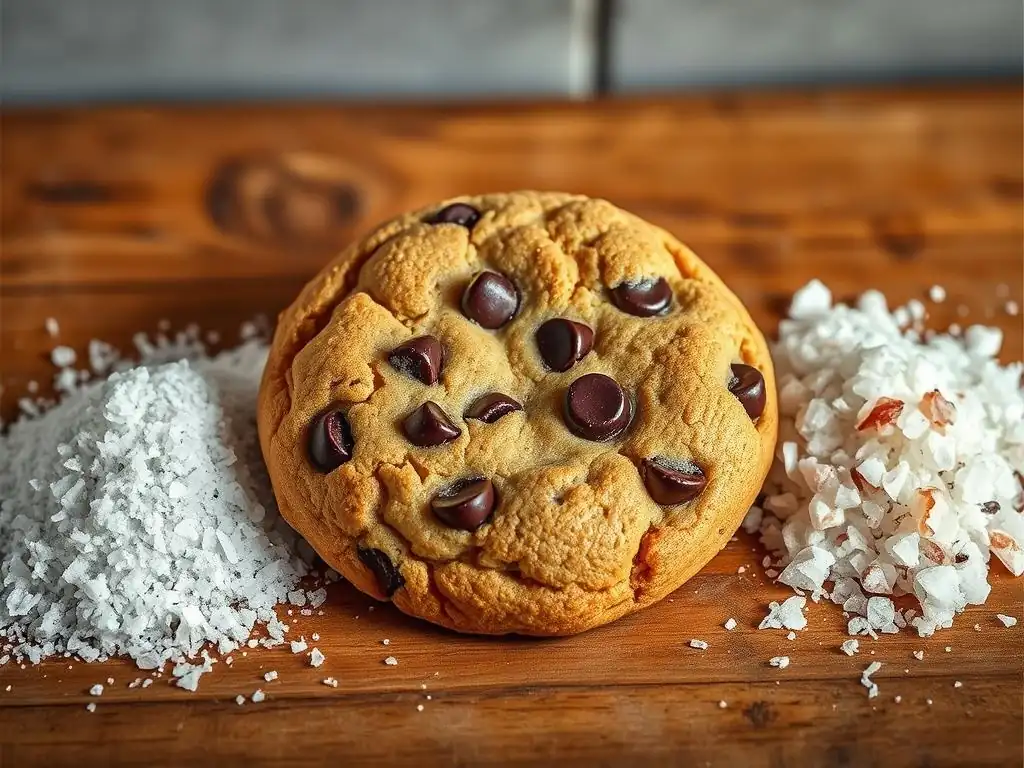
Table Salt, Kosher Salt, and Sea Salt: A Comparative Analysis
The world of salt for baking extends beyond the familiar shaker of table salt. The most common types used in baking include table salt, kosher salt, and various sea salts. Table salt is typically fine-grained, often contains anti-caking agents (like calcium silicate), and is usually iodized. Its fine grain means it dissolves quickly and packs densely, so measuring by volume requires precision.
Kosher salt has a larger, flakier crystal structure than table salt and rarely contains additives like iodine. It is less dense than table salt, meaning a teaspoon of kosher salt contains less sodium by weight than a teaspoon of table salt. This difference in density is crucial when substituting salts; using the same volume of kosher salt as table salt will result in a less salty product.
Sea salt comes in various forms, from fine grains to large, irregular flakes. Its mineral content can vary depending on its origin, sometimes imparting subtle flavor differences. Fine sea salt can often be substituted for table salt or kosher salt, while flaky sea salt is often preferred as a finishing salt.
| Salt Type | Grain Size | Additives (Common) | Density (Approx. vs. Table Salt) | Primary Use in Cookies |
|---|---|---|---|---|
| Table Salt | Fine | Anti-caking, Iodine | 1x | Mixing into dough |
| Kosher Salt | Larger Flake | None | ~0.5 - 0.8x | Mixing into dough, some finishing |
| Sea Salt | Varied | Varied (Minerals) | Varied | Mixing into dough, Finishing (flakes) |
Understanding these differences is vital because the type of salt used directly impacts the final flavor intensity and, in the case of finishing salts, texture. This knowledge is key to ensuring salt enhances cookie flavor as intended.
Grain Size Matters: Texture and Flavor Delivery
The grain size of salt significantly affects how it performs in cookie dough and the final baked good. Fine-grained salts, like table salt or fine sea salt, dissolve rapidly and distribute evenly throughout the dough. This ensures a consistent level of saltiness in every bite and allows the salt to interact thoroughly with other ingredients during mixing and baking, maximizing its flavor-enhancing properties. They are ideal for incorporating directly into the dough during the creaming or mixing stages.
Larger-grained salts, such as flaky kosher salt or coarse sea salt, dissolve more slowly. When mixed into dough, they can create tiny pockets of higher salt concentration, leading to subtle bursts of saltiness in the finished cookie. When used as a finishing salt, sprinkled on top of cookies before or after baking, the larger crystals remain intact, providing a delightful textural contrast – a satisfying crunch – alongside intense pops of salt flavor.
This dual impact of texture and concentrated flavor is a sophisticated way that salt enhances cookie flavor. For example, a chocolate chip cookie topped with flaky sea salt offers a completely different experience than one using only fine salt mixed into the dough.
Beyond the common types, exploring unique salts can add distinctive character to cookies. Smoked salts, for instance, impart a subtle, smoky aroma and flavor that can pair wonderfully with chocolate, caramel, or even nutty flavors. Imagine a smoked sea salt brownie cookie – the salt doesn't just enhance sweetness, it introduces an entirely new dimension.
Mineral-rich salts, like pink Himalayan salt or grey Celtic sea salt, contain trace minerals that can contribute subtle, complex undertones beyond pure sodium chloride. While the difference might be subtle when mixed into a sweet dough, these salts often excel as finishing salts where their unique mineral profile can be more noticeable.
Other specialty salts, such as black lava salt (often sea salt blended with activated charcoal for color and a subtle minerality) or flavored salts (like truffle salt, though less common in sweet baking), offer opportunities for creative experimentation. Using these salts, often sparingly as a finishing touch, is an advanced technique that allows bakers to precisely control and layer flavors, demonstrating how specialized salt selections can dramatically enhance cookie flavor and appeal.
Determining the Ideal Salt Quantity
Salt Ratios: A Guide to Achieving Perfect Balance
Determining the correct amount of salt is critical for achieving optimal flavor balance in cookies. While recipes provide a starting point, understanding typical ratios can help you troubleshoot or adapt. A common guideline in baking is to use salt at a ratio of about 1% to 2% of the flour weight. For example, if a recipe calls for 200 grams (about 1.5 cups) of flour, you might expect to use between 2 and 4 grams of salt.
Since table salt is roughly 5.5 grams per teaspoon, this translates to about 1/3 to 2/3 teaspoon of table salt for 200g of flour. However, this is a very general guideline, and the ideal amount depends heavily on other ingredients. Recipes heavy in sugar, chocolate, or nuts often benefit from slightly more salt to balance their intensity. Conversely, very simple, low-sugar cookies might need less.
Another way to think about it is relative to other leaveners or flavorings. Some bakers use a ratio relative to baking soda or powder, but this is less reliable as leavener amounts vary greatly. A more practical approach is to consider the overall sweetness and richness of the dough.
A very rich, buttery, and sweet dough needs enough salt to cut through that richness and prevent it from being cloying. A good starting point for many standard cookie recipes (like chocolate chip) is often around 1/2 to 1 teaspoon of fine salt per batch yielding 2-3 dozen cookies. This ratio helps ensure salt enhances cookie flavor effectively without making them overtly salty.
Ingredient Adjustments: Tailoring Salt Levels to Your Recipe
The specific ingredients in your cookie recipe should guide your salt levels. Are you using salted or unsalted butter? Most recipes assume unsalted butter, which gives you complete control over the salt content. If using salted butter, which typically contains about 1/4 teaspoon of salt per half cup (one stick), you'll need to reduce or omit the salt called for in the recipe. A common approach is to reduce the added salt by half if using salted butter, or even omit it entirely for very sensitive palates, then add finishing salt if desired.
Consider the intensity of other flavors. Dark chocolate and cocoa powder benefit greatly from salt, which reduces their natural bitterness and enhances their deep, complex notes. Recipes featuring these ingredients can often handle, and are improved by, slightly higher salt levels. Similarly, ingredients like brown sugar, molasses, or caramel, which have strong, sometimes slightly bitter or burnt notes, are beautifully balanced by salt.
Nuts also pair well with salt, as seen in many savory snacks, and adding sufficient salt to a nutty cookie dough highlights their flavor. Conversely, delicate flavors like vanilla or almond might require a more restrained hand with the salt shaker to avoid overpowering them. Tailoring the salt based on these ingredients ensures salt enhances cookie flavor in the most harmonious way possible.
Avoiding Common Pitfalls: Over-Salting and Under-Salting
Getting the salt quantity right is key to delicious cookies. One common pitfall is under-salting. This results in cookies that taste bland, overly sweet, or flat. The flavors don't pop, and the cookie lacks depth. It's often described as tasting "missing something."
If your cookies taste only sweet, they are likely under-salted. The other extreme is over-salting. This makes the cookies taste unpleasantly salty, sometimes even metallic. While some recipes benefit from a prominent salt presence (like a salted caramel cookie), the salt should complement, not overwhelm, the other flavors. An over-salted cookie is difficult to eat more than one of.
Identifying the cause of these issues often comes down to measurement or recipe adaptation. Using the wrong type of salt without adjusting the quantity (e.g., using a teaspoon of table salt when the recipe meant kosher salt) is a frequent culprit. Not accounting for salted butter is another. Tasting a tiny bit of the raw dough can help, but remember that baking changes flavors.
If you suspect your dough is slightly undersalted, it's often better to err on the side of caution and plan to add a finishing salt after baking. If you think it might be over-salted, it's harder to fix, though sometimes adding more flour and leavening (while adjusting other ingredients) can dilute the saltiness, essentially scaling up the recipe. Careful measurement and understanding salt types are the best prevention strategies.
Step-by-Step Guide: Incorporating Salt Effectively

Accurate Measurement: Ensuring Consistent Results
Accurate measurement is the foundation of successful baking, and salt is no exception. Unlike flour or sugar, where slight variations might not ruin a batch, too much or too little salt has a dramatic impact on flavor. Always use standard measuring spoons and level off the salt. For fine salts like table salt or fine sea salt, scoop the spoon into the salt and level the excess with a straight edge, like the back of a knife.
For flaky kosher salt, which is less dense, measure by scooping and leveling as well, but be aware that its volume-to-weight ratio is different from table salt. If a recipe specifies "kosher salt" and you only have table salt, you'll need to adjust the quantity. A good rule of thumb is to use about half the volume of table salt as the recipe calls for in kosher salt (e.g., if it says 1 tsp kosher, use 1/2 tsp table).
For best accuracy, especially with different salt types, weighing the salt is ideal if you have a kitchen scale. One teaspoon of table salt weighs approximately 5.5 grams, while one teaspoon of Diamond Crystal kosher salt weighs about 2.8 grams, and Morton kosher salt is around 3.8 grams. These variations highlight why precision, by volume or weight, is key to ensuring salt enhances cookie flavor predictably.
Task List: Accurate Salt Measurement

- [x] Choose the correct measuring spoon size.
- [x] For fine salt, scoop and level with a straight edge.
- [x] For flaky salt, scoop and level (note density difference vs. table salt).
- [ ] Consider weighing salt for maximum accuracy, especially when substituting types.
- [ ] Double-check recipe for specified salt type (table, kosher, sea).
Uniform Distribution: Achieving Even Flavor Throughout
Once measured, the salt needs to be evenly distributed throughout the cookie dough to ensure consistent flavor in every bite. The most common method is to whisk the salt together with the dry ingredients – flour, leavening agents (baking soda/powder), and any spices – before adding them to the wet ingredients. This preliminary mixing disperses the salt crystals throughout the bulk of the dry components, preventing clumps of salt and ensuring that when the dry ingredients are incorporated into the wet, the salt is carried along and spread relatively uniformly.
Adding salt directly to the wet ingredients (creamed butter and sugar) is also acceptable, provided it is mixed thoroughly. Some bakers prefer this as salt can help cut through the fat and sugar during the creaming process. The key is always thorough mixing. Whether wet or dry, ensure the salt is fully incorporated before forming the cookies. Uneven distribution can lead to "hot spots" of saltiness in some cookies and blandness in others, undermining the goal of having salt enhances cookie flavor uniformly across the batch.
Tasting and Adjusting: Fine-Tuning Salt Levels
While not always recommended for food safety reasons (raw eggs/flour), a tiny taste of raw cookie dough can offer valuable insight into the salt balance before baking. Take a small crumb of dough and carefully taste it. Does it seem too sweet? Too bland? Does the saltiness feel right? Remember that flavors intensify and change during baking – sweetness often becomes less sharp, and other flavors deepen. So, if the raw dough tastes just right in terms of saltiness, the baked cookie might be slightly over-salted. If it tastes slightly undersalted, the baked cookie might be bland.
If you taste the dough and realize it's significantly undersalted, you can try to carefully mix in a very small amount more salt, ensuring it's evenly distributed without overworking the dough. This is tricky and best done cautiously. If you suspect it's over-salted, it's much harder to fix at this stage without significantly altering the dough's consistency. This is why accurate measurement and understanding ingredient interactions are so important upfront. The ability to taste and make informed adjustments, even if subtle, is part of the art of ensuring salt enhances cookie flavor to perfection.
The Salted Chocolate Chunk Cookie is a perfect example of how salt enhances cookie flavor by providing contrast and highlighting richness. This recipe typically features large chunks of high-quality chocolate (often a mix of dark and milk or bittersweet) embedded in a rich, buttery dough.
The key isn't just the salt in the dough, but the addition of flaky sea salt sprinkled on top before baking. The salt in the dough balances the sweetness of the sugar and chocolate, while the finishing salt provides bursts of intense saltiness that cut through the decadent chocolate and butter, creating a complex and addictive flavor profile.
A standard recipe might use 1 teaspoon of fine salt in the dough for about 2 dozen cookies, plus another 1/2 to 1 teaspoon of flaky sea salt for sprinkling. The interplay between the deep, slightly bitter notes of dark chocolate, the sweet, caramel notes from brown sugar, the richness of butter, and the sharp, clean taste of the salt creates a multi-layered experience.
Each bite offers a delightful combination of textures – chewy or crisp cookie, melting chocolate, and crunchy salt crystals – alongside the sophisticated flavor balance that demonstrates precisely how salt enhances cookie flavor in a truly impactful way.
Brown butter brings a wonderful nutty, caramelized depth to cookies, and salt is its perfect partner. When butter is browned, the milk solids caramelize, developing complex flavors. Toffee, essentially caramelized sugar and butter, is also intensely sweet and rich. In a brown butter toffee cookie, salt plays a crucial role in balancing the deep, sometimes slightly bitter notes of the browned butter and the intense sweetness of the toffee. It prevents the cookie from being overwhelmingly rich or sugary.
Recipes for these cookies often feature a higher proportion of brown sugar and browned butter, ingredients that benefit immensely from salt's balancing act. The salt enhances the inherent caramel notes created by browning the butter and melting the toffee, making them more pronounced and less flat. A typical recipe might use slightly more salt than a standard sugar cookie – perhaps 1.25 to 1.5 teaspoons of fine salt for a batch.
Sprinkling a touch of flaky sea salt on top further accentuates these flavors, providing a delightful counterpoint to the chewy, caramel-rich cookie. This highlights how salt enhances cookie flavor by amplifying and balancing complex, caramelized elements.
Rosemary Shortbread: Balancing Herbaceous and Sweet Flavors
While less common than chocolate chip, savory-sweet cookies like Rosemary Shortbread beautifully illustrate salt's ability to bridge different flavor profiles. Shortbread is traditionally simple: butter, sugar, flour, and salt. Adding fresh rosemary introduces an herbaceous, slightly piney, and savory element. In this context, salt is essential not just for tempering sweetness but for integrating the savory rosemary into the sweet, buttery base. Without sufficient salt, the rosemary might taste out of place or like an afterthought.
The salt in Rosemary Shortbread works to highlight both the richness of the butter and the aromatic notes of the rosemary. It creates a sophisticated balance where the sweetness, the savory herb, and the decadent butter all coexist harmoniously.
The amount of salt needed might be slightly higher than in a plain shortbread to stand up to the strong flavor of the herb – perhaps 0.75 to 1 teaspoon of fine salt per cup of flour. This example demonstrates how salt enhances cookie flavor not just by interacting with sugar and fat, but by helping to integrate and balance more unusual, savory additions into a sweet context.
Troubleshooting: Addressing Salty Imbalances
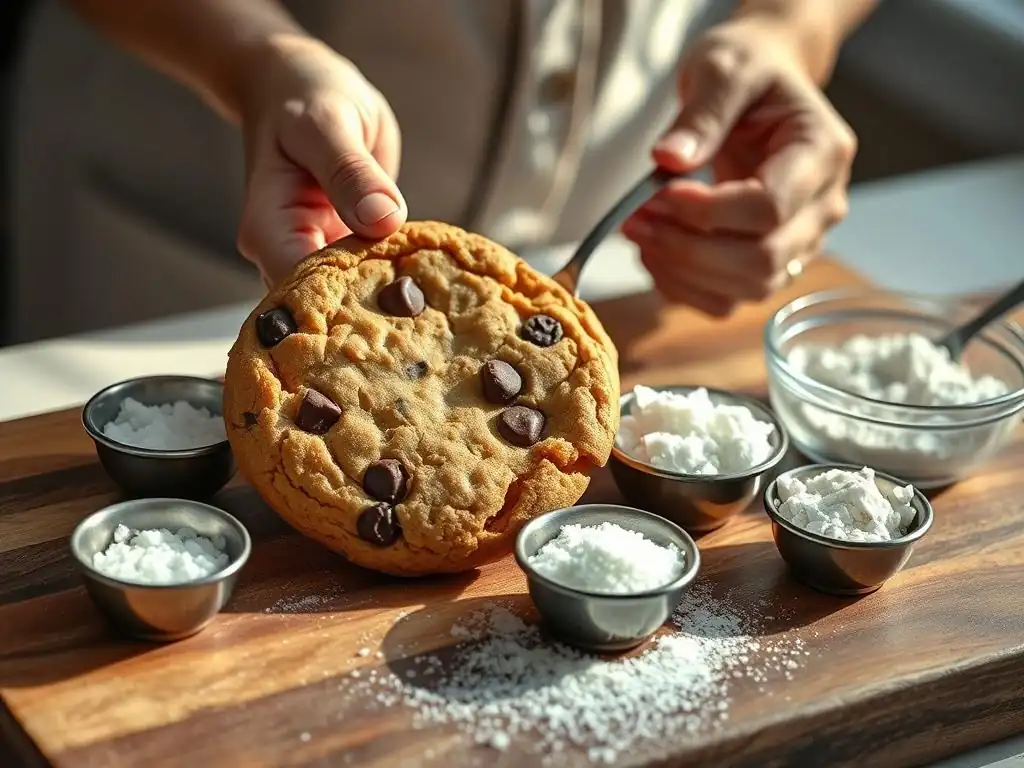
Identifying the Source: Pinpointing the Cause of Over-Saliness
If your cookies turn out too salty, the first step is to identify the likely cause. The most common reasons include:
- Incorrect measurement: Scooping too much salt, especially fine salt which is dense, is a frequent culprit.
- Substituting salt types incorrectly: Using the same volume of table salt when the recipe called for kosher salt will result in a much saltier product due to the density difference.
- Using salted butter when the recipe assumed unsalted: This adds hidden salt that wasn't accounted for.
- Misreading the recipe: Accidentally adding tablespoons instead of teaspoons, or doubling the salt amount.
Consider the specific taste of the cookie. Does it taste uniformly too salty? This points to an issue with the salt incorporated into the dough (measurement, type substitution, or salted butter). Does it have intense bursts of saltiness in certain spots? This might indicate uneven mixing or, if only on top, too much finishing salt. Pinpointing the source is crucial before attempting a rescue.
Rescue Techniques: Salvaging Over-Salied Dough
Unfortunately, fixing over-salted cookie dough is challenging, as salt is difficult to remove once mixed in. The most effective method is dilution. This involves adding more of the other ingredients to the dough to spread the saltiness thinner.
You would essentially scale up the recipe, adding more flour, sugar, butter, eggs, and leavening, but without adding more salt. For example, if you think you accidentally doubled the salt in a recipe, you could double the rest of the ingredients. This will result in a much larger batch of dough, but the salt concentration per cookie will be closer to the intended level.
Another, less reliable, method is to add a liquid ingredient like milk or cream, but this can significantly alter the dough's consistency and require adding more flour, potentially leading back to the dilution method. Sometimes, if only slightly over-salted, baking the cookies anyway and pairing them with something unsweetened (like black coffee or plain milk) can help balance the flavor when eating.
Adding a sweet glaze or frosting can also sometimes mask slight over-saltiness, though this changes the nature of the cookie. For significant over-salting, diluting the batch is usually the most practical solution, albeit resulting in more cookies than planned.
Preventing salt-related issues is far easier than fixing them. Implement these strategies for consistent results:
- Read the recipe carefully: Note the type of salt specified (table, kosher, etc.) and the exact measurement.
- Use standard measuring spoons: Avoid using dinner spoons or inaccurate tools.
- Level properly: Always level dry ingredients, including salt.
- Know your salt types: Understand the density differences between table, kosher, and different sea salts. If substituting, use a reliable conversion chart or weigh the salt.
- Check your butter: Be aware if you are using salted or unsalted butter and adjust added salt accordingly. Most recipes assume unsalted.
- Mix dry ingredients thoroughly: Whisk salt with flour and leavening to ensure even distribution before adding to wet ingredients.
- Taste cautiously (optional): A tiny nibble of raw dough can provide clues, but understand its limitations.
- Start with less, add more: If unsure, especially with finishing salt, start with a smaller amount and add more to individual cookies or after baking if needed.
By being meticulous with measurement, understanding your ingredients, and recognizing how salt enhances cookie flavor based on its type and quantity, you can dramatically reduce the chances of ending up with an imbalanced batch.
Advanced Techniques: Layering Salt for Complex Flavors
Finishing Salts: Adding Texture and Visual Appeal
Using finishing salts is an advanced technique that adds a layer of flavor and texture not achievable by simply mixing salt into the dough. Finishing salts are typically coarse, flaky, or irregularly shaped salts (like Maldon sea salt flakes, fleur de sel, or certain coarse sea salts) sprinkled on top of cookies just before or immediately after baking. Unlike fine salts that dissolve and blend in, these salts remain as distinct crystals.
The impact of finishing salt is multifaceted:
- Flavor Bursts: Each crystal provides an intense pop of pure saltiness that contrasts beautifully with the sweetness of the cookie.
- Textural Contrast: The crunch of the salt crystals adds an exciting textural element to the soft or chewy cookie.
- Visual Appeal: Finishing salts add sparkle and a professional look to the baked goods.
This technique is particularly effective on rich, sweet cookies like chocolate chip, brownies, caramel, or shortbread. The salt doesn't just enhance cookie flavor; it provides a dynamic experience. A little goes a long way; a light sprinkle is usually sufficient.
Salted caramel is a flavor combination that perfectly showcases salt's ability to transform sweetness into something extraordinary. Incorporating salted caramel into cookies takes this principle to a gourmet level. This can involve:
- Adding chunks of salted caramel candy: The caramel melts slightly during baking, creating gooey pockets, while the salt provides bursts of contrast.
- Swirling homemade salted caramel sauce into the dough: This distributes the caramel and salt throughout the cookie, creating pockets of intense flavor.
- Using salted caramel as a filling or topping: Baking plain cookies and then filling or topping them with a rich, salty caramel sauce.
Creating the salted caramel itself requires precise balancing of sugar, butter, cream, and salt. The salt is crucial for cutting through the intense sweetness of the caramelized sugar, making the caramel taste richer and more complex rather than just sugary. When integrated into a cookie, this salted caramel element ensures salt enhances cookie flavor throughout the bite, offering layers of sweetness, richness, and sharp, clean saltiness.
Customization: Experimenting with Salt for Unique Flavors
Once you understand the fundamentals, you can begin experimenting with different salts and techniques to create unique cookie profiles.
- Combine salt types: Use fine salt in the dough for even distribution and flaky salt on top for texture and bursts of flavor.
- Pair salts with specific ingredients: Try smoked salt with chocolate or nuts, a mineral-rich sea salt with simple butter cookies, or even a chili-infused salt (used sparingly) with a spicy chocolate cookie.
- Adjust levels based on preference: Some people prefer a more pronounced saltiness, while others like it subtle. Don't be afraid to slightly adjust the salt amount in a trusted recipe after you've made it once, based on your personal taste and how you feel the salt enhanced cookie flavor.
- Experiment with salt placement: Try mixing a portion of the salt with the wet ingredients and the rest with the dry, or reserving a small amount of fine salt to sprinkle over the cookies immediately after they come out of the oven while the fat is still liquid – this creates a different effect than sprinkling before baking.
Experimentation is key to mastering salt's role. By thoughtfully considering the type, quantity, and placement of salt, you can unlock a world of complex and delicious flavors in your cookies.
Key Insights: Salt's Transformative Power in Baking
Salt is far more than just a seasoning in cookie baking; it is a fundamental ingredient with transformative power. We've seen how salt enhances cookie flavor by balancing sweetness, reducing bitterness, and allowing other ingredients like chocolate, butter, and caramel to shine. It plays a subtle role in texture and can contribute distinct flavor profiles depending on the type used.
From the even distribution of fine salt within the dough to the textural contrast and flavor bursts of finishing salts, understanding how to effectively incorporate salt is essential for any baker aiming for exceptional results. Accurate measurement, careful ingredient consideration, and a willingness to taste and adjust are key skills in mastering salt's role.
Remember that different salts behave differently due to grain size and density, impacting both measurement and the final eating experience. Whether you're making simple sugar cookies or complex salted caramel creations, the thoughtful inclusion of salt is what elevates a cookie from merely good to truly outstanding. The simple principle that salt enhances cookie flavor is a cornerstone of delicious baking.
Further Resources: Expanding Your Baking Knowledge
To continue expanding your baking knowledge and further explore the fascinating world of salt and other ingredients, consider delving into resources like:
- Comprehensive baking cookbooks that explain ingredient functions.
- Online baking communities and forums where experienced bakers share tips and experiments.
- Reputable baking blogs and websites (like BakeWithEase!) that offer detailed guides and recipes.
- Books specifically dedicated to the science of baking, which delve deeper into ingredient interactions.
By continuing to learn and experiment, you'll gain confidence in your ability to use salt and other ingredients to create cookies that are perfectly balanced, wonderfully textured, and bursting with flavor. Happy baking!
Frequently Asked Questions
Salt is crucial because it enhances cookie flavor and balances sweetness. It helps to bring out the natural flavors of the ingredients, making your cookies taste richer.
Typically, a pinch or about 1/4 teaspoon of salt per cup of flour is recommended. Adjusting the amount can help you achieve the desired taste and texture.
Yes, you can use table salt, sea salt, or Himalayan salt. Just be mindful that different salts may have varying levels of saltiness, so adjust accordingly.
Absolutely! Salt can influence the baking process by strengthening gluten, leading to a chewier texture in cookies. It also helps to retain moisture, enhancing overall quality.
Without salt, cookies may taste flat or bland. Salt is essential for flavor development, so omitting it can significantly affect the final result.
The subtle crunch, the rich depth of flavor, the perfect texture – these aren't just happy accidents in a great cookie; they're the result of a carefully balanced recipe, and salt plays a surprisingly crucial role. Understanding the impact of salt on our baking, particularly in cookies, moves beyond simple seasoning; it's about unlocking the full potential of every ingredient. This isn't just about avoiding blandness; it's about achieving culinary artistry.
The journey through understanding salt's contribution to cookie flavor has been a fascinating one, revealing how a seemingly insignificant ingredient can dramatically alter the overall taste experience. It's not just about enhancing sweetness; salt actually amplifies all the other flavors, creating a more complex and satisfying profile. As culinary writer, Mark Bittman, once said, Salt is the most important single ingredient in cooking. It's the key to unlocking flavor.
This rings especially true in baking, where the delicate balance of sweet and savory can make or break a recipe.
Now, consider your own baking journey. Think about the cookies you've enjoyed, the ones that truly stood out. Were they perfectly balanced? Did they possess a depth of flavor that lingered on your palate? I encourage you to experiment with salt in your next batch of cookies. Start small, adjust to your taste, and discover the transformative power of this often-overlooked ingredient. Don't just bake cookies; craft a culinary experience. The perfect cookie, after all, is waiting to be discovered, one pinch of salt at a time.
Thanks for taking the time to explore the wonderful world of salted cookies with us! We hope you've gained some valuable insights into the magic of salt in baking. Ready to put your newfound knowledge into practice?
- Bake your dream salted cookie: Grab your ingredients and try out one of the recipes we discussed—or even experiment with your own! Let your creativity flow!
- Share your creations: Post a picture of your masterpiece on social media and tag us @BakeWithEase! We'd love to see your baking journey.
- Join our baking community: Head over to the BakeWithEase forum (link omitted per instructions) and share your tips, tricks, and experiences with other passionate bakers. Let's learn and grow together!
What unique salt flavor profile will you explore in your next baking adventure?