
Choosing the Right Flour for Authentic French Baguettes

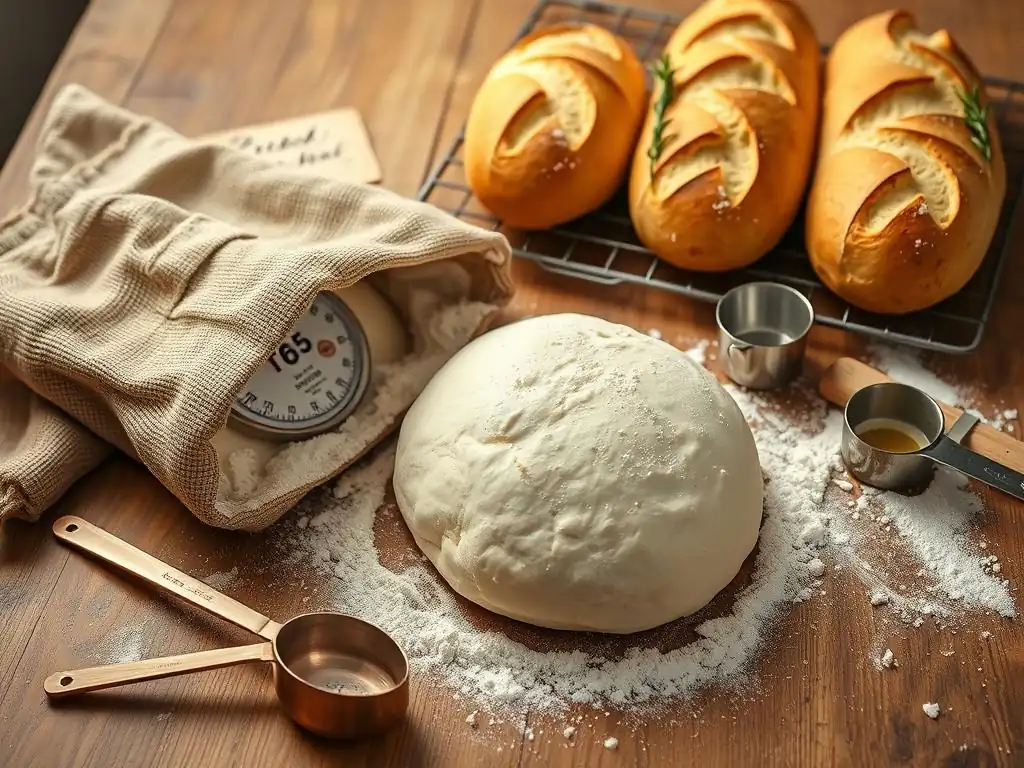
Welcome to BakeWithEase, your guide to confident baking! Ever wondered what really makes a French baguette so irresistibly crusty and airy? This week we're diving deep into the secrets of selecting the perfect flour with our "Choosing the Right Flour for Authentic French Baguettes" article. Unlock the secrets to achieving that iconic texture and flavor with our French baguette flour recipe tips, and prepare to elevate your bread baking game. Curious to know which flour is the key to baguette perfection? Read on to discover the answer!
Baking a truly authentic French baguette is a rewarding challenge that many home bakers aspire to master. The iconic crackling crust, the airy, open crumb, and the distinct flavor are hallmarks of this classic bread. While technique, hydration, and fermentation play crucial roles, the foundation of a great baguette lies in a seemingly simple ingredient: flour. Understanding the properties of different flours is the first step towards achieving that perfect loaf.
- Introduction to Flour and Artisan Baking
- Understanding Different Types of Flour for Baguette Baking
- Key Characteristics of Flour for Perfect Baguettes
- Recipe Tips and Techniques
- Achieving the Perfect Crust and Crumb
- Where to Buy Flour
- Conclusion: Mastering Baguette Baking Through Flour Selection
-
Frequently Asked Questions
- What type of flour is best for achieving an authentic French baguette?
- Can I use all-purpose flour to make a French baguette?
- What protein percentage should I look for in baguette flour?
- How does flour impact the crust of a French baguette?
- Are there any specific brands of flour recommended for French baguettes?
- Final Reflection: The Flour Power of Authentic French Baguettes
- Unleash Your Inner Boulanger: Bake the Perfect Baguette!
Introduction to Flour and Artisan Baking
Artisan baking, particularly when it comes to breads like French baguettes, is an art form that respects the ingredients and the process. Unlike mass-produced bread, artisan loaves often feature longer fermentation times, higher hydration levels, and minimal additives. This approach highlights the natural flavors and textures that develop from quality ingredients, with flour being paramount. Choosing the right flour sets the stage for the entire baking journey, influencing everything from dough handling to the final bake.
The Importance of Flour in Achieving Authentic French Baguettes
The type of flour used is arguably the single most critical ingredient for creating authentic French baguettes. Flour provides the structure through its protein content, which develops into gluten when hydrated and worked. This gluten network traps the gases produced by yeast during fermentation, allowing the dough to rise and creating the characteristic airy crumb structure. Without the correct type and quality of flour, achieving the desired volume, shape, and internal texture becomes significantly more difficult, if not impossible.
Furthermore, flour contributes significantly to the flavor profile of the baguette. Different flours, even within the "bread flour" category, can vary in taste due to factors like the type of wheat used and the milling process. Using a flour specifically suited for artisan bread baking helps develop the subtle, complex flavors that are expected in a traditional French baguette, moving beyond just a vehicle for toppings and becoming a delicious item in its own right.
Why Flour Choice Matters for Baguette Texture, Crust, and Flavor
The selection of flour directly impacts the key sensory attributes of a French baguette: texture, crust, and flavor. A flour with sufficient protein (typically 11-13%) is essential for developing a strong gluten network, which supports the high hydration often used in baguette doughs (around 70-80% hydration relative to flour weight). This strength allows the dough to expand properly, resulting in a light, open crumb with irregular holes, a signature of authentic baguettes.
The flour's composition also affects the crust. The specific starches and sugars in the flour caramelize during baking, contributing to the beautiful golden-brown color and the desired crisp, crackling texture of the crust. Flours with different ash content (mineral content) can also influence crust color and contribute subtle flavor nuances. Ultimately, selecting a flour optimized for bread baking ensures the best possible development of structure, appearance, and taste, making your French baguette flour recipe tips truly shine.
Understanding Different Types of Flour for Baguette Baking
Navigating the world of flour can seem daunting, as there are many types available. For French baguettes, the focus is primarily on flours milled from hard wheat, which are higher in protein. Understanding the differences between common types like bread flour, all-purpose flour, and specialty flours is crucial for making informed choices that will impact your baking results.
Bread Flour: The Foundation for Baguettes
Bread flour is the most commonly recommended flour for baking baguettes, and for good reason. It is specifically milled from hard wheat varieties, which are naturally higher in protein compared to soft wheat. This higher protein content translates directly into a greater capacity for gluten development, providing the necessary structure and elasticity required to produce a well-risen, airy loaf with a chewy crumb and a sturdy crust.
Using bread flour provides a reliable base for most French baguette flour recipe tips. Its consistent protein levels typically fall within a range that is ideal for handling high-hydration doughs and supporting the long fermentation periods often used in traditional baguette making. While variations exist between brands, choosing a quality bread flour is the most straightforward path to achieving good baguette structure and volume.
Protein Content and Gluten Development in Bread Flour
Bread flour typically contains between 11% and 13% protein. This range is higher than that found in all-purpose flour (usually 10-12%) or cake flour (6-8%). When water is added to bread flour and the dough is mixed or kneaded, these proteins (primarily glutenin and gliadin) bond together to form gluten. A higher protein content means more potential for forming a strong, elastic gluten network. This network is vital for trapping the carbon dioxide gas produced by yeast, allowing the dough to rise significantly and create the characteristic open, irregular crumb structure of a French baguette.
Effective gluten development is achieved through proper hydration and mechanical action (mixing/kneading), but it begins with having enough protein in the flour to begin with. A flour with insufficient protein will result in a weak dough that struggles to hold its shape, yields less volume, and produces a dense, tight crumb rather than the desired airy one. The right protein level in bread flour is the cornerstone of successful baguette structure.
Recommended Bread Flour Brands for French Baguettes
While specific brand availability varies greatly by region, several brands are widely recognized for producing high-quality bread flour suitable for baguettes. King Arthur Baking Company's Bread Flour, for example, is a popular choice in the US, known for its consistent protein content (around 12.7%) and reliable performance in artisan breads. Another option often recommended is Bob's Red Mill Artisan Bread Flour, which also has a high protein level and is favored by many bakers.
In Europe, particularly in France, flours are often classified differently (by ash content, e.g., Type 55), but dedicated bread flours from reputable mills like les Grands Moulins de Paris or Moulins Viron are excellent choices. When selecting a brand, look for information about protein content on the packaging if possible, aiming for that 11-13% range. Reading reviews from other bread bakers can also provide insights into a particular brand's performance for French baguette recipes.
All-Purpose Flour: A Substitute, But Not Ideal
All-purpose flour is designed to be versatile, suitable for a wide range of baking applications from cakes to cookies and some breads. It is typically a blend of hard and soft wheat and has a moderate protein content, usually ranging from 10% to 12%. While it can be used to make baguettes, it is generally not the ideal choice if you are aiming for truly authentic results with the perfect texture and crumb.
Using all-purpose flour might be necessary if bread flour isn't available, but it requires an understanding of its limitations. The resulting baguette will likely be acceptable, but it may lack the characteristic chewiness and open crumb structure that higher-protein bread flour facilitates. Adjustments to the recipe or technique might be needed to compensate for the lower protein level.
Limitations of All-Purpose Flour in Baguette Baking
The primary limitation of all-purpose flour for baguettes is its lower and often more variable protein content compared to dedicated bread flour. This results in a weaker gluten network. A weaker network means the dough has less strength to hold its shape and trap fermentation gases, leading to reduced oven spring and a denser, less airy crumb structure. The elasticity and extensibility needed for shaping long, thin baguettes can also be compromised.
Furthermore, the blend of hard and soft wheat in all-purpose flour can sometimes lead to a less predictable outcome compared to the consistent hard wheat used in bread flour. While some brands of AP flour lean towards the higher end of the protein spectrum (closer to 11.5-12%), many are closer to 10.5-11%, which is borderline for supporting the high hydration and rigorous handling often associated with traditional French baguette flour recipe tips.
Adjusting Your Recipe When Using All-Purpose Flour
If you must use all-purpose flour for your French baguettes, there are a few adjustments you can make to try and compensate for the lower protein. First, consider slightly reducing the hydration level (the amount of water) by a few percentage points, perhaps from 75% down to 70-72%. This makes the dough slightly easier to handle with a weaker gluten structure.
Second, focus on developing gluten effectively during the mixing and kneading process. Techniques like stretch and folds performed over a longer period (e.g., every 30 minutes for 2-3 hours) can help build strength gradually without overworking the potentially weaker dough.
You might also consider adding a small amount of vital wheat gluten (about 1-2% of the flour weight) to boost the overall protein content, though this can sometimes affect flavor and texture slightly. Finally, be mindful during shaping, as the dough might be more prone to tearing. Gentler handling is key. While these adjustments can help, they may not fully replicate the results achieved with proper bread flour.
Specialty Flours: Exploring Artisan Options for Baguettes
Beyond standard bread and all-purpose flours, a world of specialty flours exists that can influence the flavor, texture, and nutritional profile of your baguettes. While traditional French baguettes are typically made with refined wheat flour, exploring options like French Type 55, spelt, rye, or whole wheat can add unique dimensions to your baking, even if they deviate slightly from strict authenticity.
Using specialty flours allows bakers to experiment with different flavor profiles and textures. A touch of rye or whole wheat, for instance, can add depth and earthiness to the bread, while Type 55 flour offers a distinct taste and handling property revered by French bakers. Incorporating these flours, even in small percentages, can transform a basic baguette into a more complex artisan loaf.
French Flour (Type 55): The Gold Standard for Authentic Flavor
For many purists, French Type 55 flour is considered the gold standard for authentic French baguettes. The "Type 55" designation refers to the ash content (minerals left after burning a sample), indicating how much of the outer bran and germ is included.
Type 55 flour has an ash content of 0.50% to 0.60%, meaning it is a relatively refined white flour but retains slightly more of the wheat kernel than very low-ash flours (like Type 45, used for pastries). This small amount of retained material contributes a subtle, nuanced flavor profile and a slightly different handling characteristic than typical North American bread flour.
Type 55 flour is milled from specific varieties of soft wheat (though sometimes blended with hard wheat) grown in France and is known for its excellent balance of extensibility and elasticity, making it ideal for the long, slender shape of baguettes. It often results in a crust with a unique crispness and color. While North American bread flour can produce excellent results, using Type 55 flour, if available, can bring you closer to the true taste and texture found in a Parisian boulangerie.
Using Type 55 Flour in Your Recipe
When using French Type 55 flour in your French baguette flour recipe tips, you may notice a few differences compared to using North American bread flour. Type 55 flour often feels softer and silkier to the touch. Its protein content can vary, but it typically falls within a range suitable for baguettes (often similar to, or slightly lower than, high-protein bread flour, but with different gluten characteristics). You might find that the dough develops gluten slightly differently, requiring a bit of adjustment in your mixing or kneading time.
Due to its specific milling and wheat type, Type 55 flour often absorbs water a little differently than standard bread flour. It's wise to start with a hydration level recommended for the flour or your recipe and be prepared to adjust slightly based on how the dough feels. The resulting dough should be extensible enough to shape easily but still have sufficient strength to hold its form and produce a good oven spring, contributing to that desirable open crumb and crisp crust.
Other Specialty Flours: Spelt, Rye, and Whole Wheat in Baguettes
While not traditional for classic French baguettes, incorporating small amounts of other specialty flours like spelt, rye, or whole wheat can add complexity and nutritional value. Adding 5-10% whole wheat flour, for example, will introduce more fiber, vitamins, and minerals, and impart a nuttier, slightly earthy flavor. However, whole wheat flour's bran particles can interfere with gluten development, so using it in larger quantities will result in a denser loaf.
Rye flour, even in small percentages (e.g., 5%), significantly impacts flavor and can make the crumb slightly tighter due to its different protein structure (less gluten-forming). Spelt flour is an ancient grain that offers a milder, nuttier flavor than whole wheat and generally develops gluten more easily than rye, but it can also be more extensible and less elastic than hard wheat flours. Experimenting with these flours in small quantities can lead to delicious variations on the classic French baguette.
Key Characteristics of Flour for Perfect Baguettes
Beyond simply identifying the type of flour, understanding its specific characteristics is crucial for success in French baguette baking. Factors like protein content, ash content, and how well the gluten develops are fundamental properties that dictate the flour's performance and the final quality of the bread. Paying attention to these details helps demystify why certain flours yield better results than others.
Protein Content: The Cornerstone of Gluten Strength
As discussed earlier, protein content is perhaps the most critical characteristic of flour for baguettes. It directly correlates with the potential for gluten development. High-protein flours (11-13% for bread flour) form a strong, elastic gluten network capable of trapping fermentation gases, supporting high hydration, and creating that sought-after open, airy crumb structure. Insufficient protein leads to a weak dough and a dense result.
Consider a typical French baguette dough with 75% hydration. A flour with 13% protein can handle this moisture and develop the strength needed to rise dramatically in the oven. A flour with only 10% protein, however, would likely result in a slack, difficult-to-handle dough that spreads rather than rises, yielding a flat loaf with a tight crumb. Prioritizing flour with adequate protein is essential for achieving the structural integrity required for authentic baguettes.
Ash Content: Impact on Flavor and Crust Color
Ash content refers to the mineral residue left after incinerating a flour sample. It's measured as a percentage of the original flour weight. This figure is an indicator of how much of the outer layers of the wheat kernel (bran and germ), which are rich in minerals, has been included in the flour. White flours have lower ash content (more refined), while whole wheat flours have high ash content. French flour classifications (like Type 55, Type 65, etc.) are based on ash content.
Type 55 flour (0.50-0.60% ash) is a relatively white flour, but its slightly higher ash content compared to very refined flours contributes subtle mineral notes to the flavor and can influence the crust color, promoting better browning. Higher ash flours like Type 65 (0.60-0.75%) or even whole wheat flour will impart stronger flavors and darker crusts. Understanding ash content helps predict the flavor profile and appearance your chosen flour will contribute to your French baguette recipe.
Gluten Development: Understanding Flour's Role
Gluten development is the process where the proteins in flour, glutenin and gliadin, combine with water and mechanical energy (mixing/kneading) to form a viscoelastic network. The quality and quantity of protein in the flour determine the potential strength and elasticity of this network. Hard wheat flours, like bread flour and Type 55, are rich in the types of proteins that form strong, extensible gluten.
The flour's role isn't just providing the protein; its specific properties influence how easily and effectively gluten develops. Some flours require more kneading or longer fermentation times with gentle folding to build strength. Proper gluten development is visible in the dough's ability to stretch thinly without tearing (the "windowpane test") and its elasticity – its ability to spring back after being gently poked. Achieving optimal gluten development, facilitated by the right flour, is key to a well-risen loaf with a beautiful crumb structure.
Recipe Tips and Techniques
Choosing the right flour is the first step, but how you handle that flour in your French baguette recipe is equally important. Specific techniques for measuring, hydrating, mixing, and kneading are crucial for maximizing the potential of your chosen flour and ensuring optimal gluten development for that perfect baguette structure and texture.
Best Practices for Measuring Flour Accurately
Accurate measurement of flour is paramount in baking, especially for recipes like French baguettes where hydration percentages are critical. The most reliable method is to weigh your flour using a digital kitchen scale. A cup of flour can vary significantly in weight depending on how it's scooped and settled – it can differ by as much as 20-30 grams (or about 1 ounce). Weighing ensures you use the exact amount specified in the recipe, leading to consistent results.
If you don't have a scale, the next best method is the "spoon and level" technique. Gently spoon the flour into your measuring cup until it overflows, then level off the excess with a straight edge (like a knife or spatula) without tapping or shaking the cup. Scooping directly from the bag with the measuring cup can compact the flour, resulting in too much flour being used, which will throw off the hydration and make the dough too stiff, hindering proper gluten development and crumb structure.
Hydration Levels and Flour Absorption
Hydration refers to the ratio of water to flour in a dough, expressed as a percentage (water weight / flour weight * 100%). French baguette recipes often feature high hydration levels, typically ranging from 70% to 80% or even higher. These high hydration levels contribute to a more open crumb and a crispier crust, but they also result in a very wet, sometimes challenging-to-handle dough.
The type and brand of flour you use will affect how much water it can absorb. Hard wheat bread flours and Type 55 flour generally have good absorption capabilities due to their protein and starch composition. However, even within the same type, different brands can absorb water slightly differently.
It's often best to start with the recipe's recommended hydration and be prepared to add a little more water if the dough feels too stiff, or a little less if it feels too slack, based on your specific flour and environmental conditions. This adaptability is a key French baguette flour recipe tip.
Mixing and Kneading Techniques for Optimal Gluten Development
Effective mixing and kneading are essential for developing the gluten network in your baguette dough. For wet, high-hydration doughs typical of baguettes, traditional aggressive kneading can be difficult. Instead, many bakers use gentler methods like the autolyse technique (mixing flour and water only and letting it rest before adding yeast and salt) followed by periodic "stretch and folds" or "coil folds."
Autolyse allows the flour to fully hydrate and enzymes to start breaking down starches, which makes gluten development easier later. Stretch and folds involve gently stretching and folding the dough onto itself in the bowl at intervals (e.g., every 30-45 minutes for 2-3 hours). This process aligns the gluten strands without tearing them, gradually building strength and elasticity. Using these techniques, facilitated by the right French baguette flour, helps create a strong yet extensible dough perfect for shaping and achieving that signature airy crumb.
Achieving the Perfect Crust and Crumb
The hallmark of an authentic French baguette is its incredibly crisp, shatteringly thin crust and its open, irregular crumb structure. While baking technique (steam, oven temperature) is critical here, the flour choice and how it's handled significantly influence these final characteristics. Understanding this connection helps troubleshoot issues and refine your French baguette flour recipe tips.
How Flour Affects Crust Color and Crispness
The type of flour used directly impacts the crust's color and crispness. White flours, like bread flour and Type 55, contain starches and residual sugars that caramelize beautifully when exposed to high heat in the oven, especially in the presence of steam. This caramelization creates the desirable golden-brown hue and contributes to the crisp texture. Flours with slightly higher ash content (like Type 55) or those containing some whole wheat will often brown more readily due to the presence of more minerals and sugars.
Furthermore, the gluten development facilitated by appropriate flour contributes to a thinner, more delicate crust. A strong gluten network allows the dough to expand fully during oven spring, stretching the outer layer thin. When baked at high temperatures with sufficient steam, this thin layer dries out and becomes incredibly crisp. A weak flour leading to poor oven spring will result in a thicker, less appealing crust.
Flour's Influence on Crumb Structure
The crumb, or the interior structure of the bread, is perhaps the most telling sign of a well-made baguette, and it's heavily influenced by the flour. A high-protein bread flour or Type 55 flour provides the necessary structural integrity (gluten network) to trap large pockets of gas produced during fermentation. This results in the characteristic open, irregular, and airy crumb with varying sizes of holes.
Conversely, using a lower-protein all-purpose flour or insufficient gluten development will lead to a tighter crumb with smaller, more uniform holes. Flours with significant amounts of bran or germ (like whole wheat) can also disrupt the gluten network, resulting in a denser crumb, even if the flour itself has high protein. Selecting the right flour and developing its gluten potential through proper handling is fundamental to achieving the signature open crumb of a French baguette.
Many common baguette baking problems can be traced back to the flour or how it was handled. If your dough is slack and won't hold its shape, the flour might have insufficient protein, or gluten wasn't developed enough. If your crumb is dense and tight, it could be a sign of low protein flour, inadequate hydration, or insufficient fermentation/proofing exacerbated by a weak flour.
A crust that is pale and soft might indicate a flour with low residual sugars or insufficient ash content for browning, or perhaps insufficient oven temperature or steam. If your baguettes don't achieve good oven spring, the flour's protein content might be too low, or the gluten structure wasn't strong enough to support the rise. By understanding the properties of your French baguette flour, you can better diagnose and correct these issues in your recipe and technique.
Where to Buy Flour
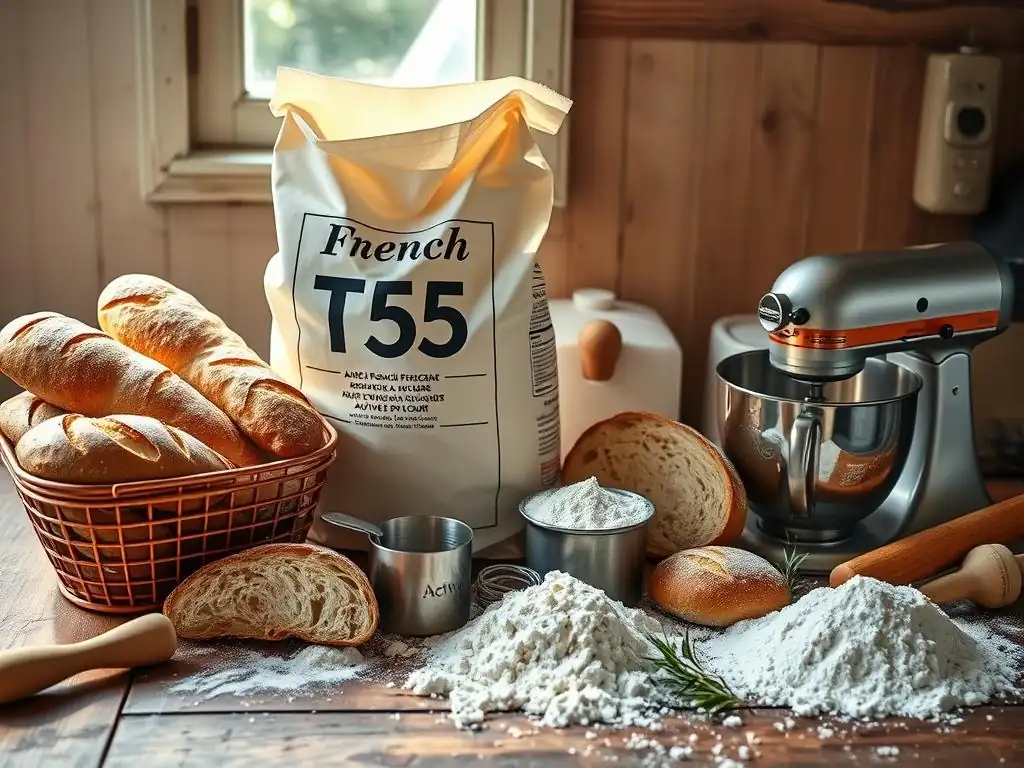
Once you understand the characteristics needed for excellent French baguette flour, finding the right supplier is the next step. While standard supermarkets carry basic flours, sourcing higher-quality or specialty flours might require looking elsewhere. Knowing where to find reliable sources ensures you consistently get the quality needed for authentic results.
Online Retailers
Online retailers offer a vast selection of flours, including specialty types that might not be available locally. Websites dedicated to baking supplies often carry a wide range of bread flours from various mills, including imported French Type 55 flour. Large online marketplaces also stock many different brands. Buying online provides convenience and access to a wider variety of options, allowing you to compare protein levels, milling processes, and even ash content specifications from different producers.
However, buying flour online can sometimes be more expensive due to shipping costs, especially for heavy bags. It's also important to check the retailer's reputation and reviews to ensure the flour is fresh and stored properly before shipping. Consider buying in slightly larger quantities to potentially save on shipping per pound, but ensure you have adequate storage space.
Local Millers and Bakeries
Sourcing flour directly from local millers or artisan bakeries can be an excellent way to find high-quality, fresh flour. Local mills often produce flours with specific characteristics and can provide detailed information about their products, including the types of wheat used and milling techniques. Buying directly supports local businesses and can sometimes offer a fresher product compared to flour that has traveled through extensive supply chains.
Many artisan bakeries also sell the flour they use for their own bread. This is a fantastic opportunity to use the exact same flour that professionals rely on for their acclaimed loaves. While the selection might be limited compared to online retailers, the quality is often exceptional, and you might even get valuable tips from the baker about how to best use their flour in your French baguette flour recipe.
Considerations for Storage and Shelf Life
Proper storage is crucial to maintain the quality and freshness of your French baguette flour. Flour is susceptible to moisture, pests, and oxidation, which can affect its baking performance and flavor. Store flour in a cool, dry, dark place, ideally in an airtight container. This prevents moisture absorption, keeps insects out, and protects the fats in the germ (even in white flour, there are trace amounts) from going rancid.
While white flours have a relatively long shelf life (typically 6-12 months), whole wheat and other whole grain flours have a shorter shelf life (around 3-6 months) due to the presence of oils in the germ, which can oxidize. Buying quantities you can use within a reasonable timeframe is advisable. Freezing flour can extend its shelf life significantly, especially for whole grain varieties, though it's best to let it come back to room temperature before using.
Conclusion: Mastering Baguette Baking Through Flour Selection
Achieving the dream of baking authentic French baguettes at home is a journey that begins with a fundamental understanding of your ingredients, particularly flour. The type and quality of flour you choose lay the groundwork for the entire process, influencing everything from dough handling and fermentation to the final crust, crumb, and flavor. Prioritizing a high-quality flour designed for bread baking is perhaps the most impactful decision you can make.
Recap of Key Flour Considerations
To consistently bake beautiful, delicious French baguettes, remember these key points about flour:
- Protein Content: Aim for 11-13% protein in your flour for strong gluten development, essential for structure and an open crumb. Bread flour is the standard choice.
- Ash Content: While less commonly listed on North American labels, understanding ash content (like in French Type 55 flour) helps predict flavor nuances and crust characteristics.
- Gluten Development: The flour provides the potential, but proper hydration and handling techniques (like autolyse and stretch/folds) are needed to build a strong, elastic gluten network.
- Accuracy: Always weigh your flour for precise hydration and consistent results.
- Sourcing: Seek out reputable brands or local sources for quality flour, and store it properly to maintain freshness.
By focusing on selecting the right French baguette flour and understanding how its properties interact with your recipe and technique, you are well on your way to mastering the art of baking these iconic loaves. Keep practicing, pay attention to how different flours behave, and enjoy the delicious results of your efforts!
Frequently Asked Questions
What type of flour is best for achieving an authentic French baguette?
The best flour is typically French-style flour or a high-protein bread flour. These flours help create the characteristic crispy crust and open crumb structure.
Can I use all-purpose flour to make a French baguette?
While possible, all-purpose flour doesn't have the same protein content as bread flour. This can result in a baguette with a less chewy texture and a less pronounced crust. It's best to use a higher protein flour for optimal results.
What protein percentage should I look for in baguette flour?
Ideally, aim for a flour with a protein content between 11% and 13%. This range provides the gluten development necessary for the baguette's structure and chewiness.
How does flour impact the crust of a French baguette?
The type of flour significantly impacts the crust. Higher protein flours contribute to a crispier and chewier crust due to the gluten development during baking.
Are there any specific brands of flour recommended for French baguettes?
While brands vary regionally, look for flours labeled as "bread flour" or "French-style flour" from reputable milling companies. Experiment to find your personal favorite!
Final Reflection: The Flour Power of Authentic French Baguettes
The pursuit of the perfect French baguette is more than just a culinary quest; it's a journey into the heart of French baking tradition. Understanding the nuances of flour selection is paramount to achieving that crisp crust and airy crumb that defines a truly authentic baguette. This article has explored the crucial role different flours play, highlighting the importance of protein content and its impact on gluten development. The right flour isn't just an ingredient; it's the foundation upon which a masterpiece is built.
The impact of this knowledge extends far beyond the kitchen. It underscores the interconnectedness of culture, tradition, and the simple act of baking. The meticulous attention to detail required in selecting the right flour mirrors the dedication and artistry inherent in French culinary heritage. As Julia Child once wisely said, Find something you're passionate about and keep tremendously interested in it.
This passion for perfecting the baguette, fueled by understanding the subtleties of flour, is a testament to that enduring principle. It's a reminder that even seemingly small details can have a profound impact on the final product and the experience of sharing it.
Now, consider your own baking journey. What flour are you using? Does it truly reflect the level of quality and authenticity you strive for? I encourage you to experiment, to explore the different types of flour discussed, and to discover the unique characteristics each brings to your baking. The path to the perfect baguette is a personal one, but armed with the knowledge gained here, you are well-equipped to embark on that journey with confidence and a newfound appreciation for the power of flour. Embrace the challenge, and savor the rewards of your efforts.
Unleash Your Inner Boulanger: Bake the Perfect Baguette!
Thanks for joining us on this journey into the world of French bread! You've now unlocked the secrets to choosing the perfect flour for an authentic baguette. Ready to put your newfound knowledge to the test?
- Knead your way to success: Try baking a baguette today using your newly selected flour. Embrace the process, even if it's your first attempt!
- Share your masterpiece: Post a picture of your freshly baked baguette on social media and tag us — we'd love to see your creation! Use #BakeWithEaseBaguette.
- Explore further: Dive deeper into our other baking guides to expand your culinary skills and discover more delicious bread recipes.
What unique ingredient will you add to your next baguette to elevate its flavor? Let's hear your ideas in the comments below!