
Get Started Baking: The Easiest Homemade Brownie Recipe Ever

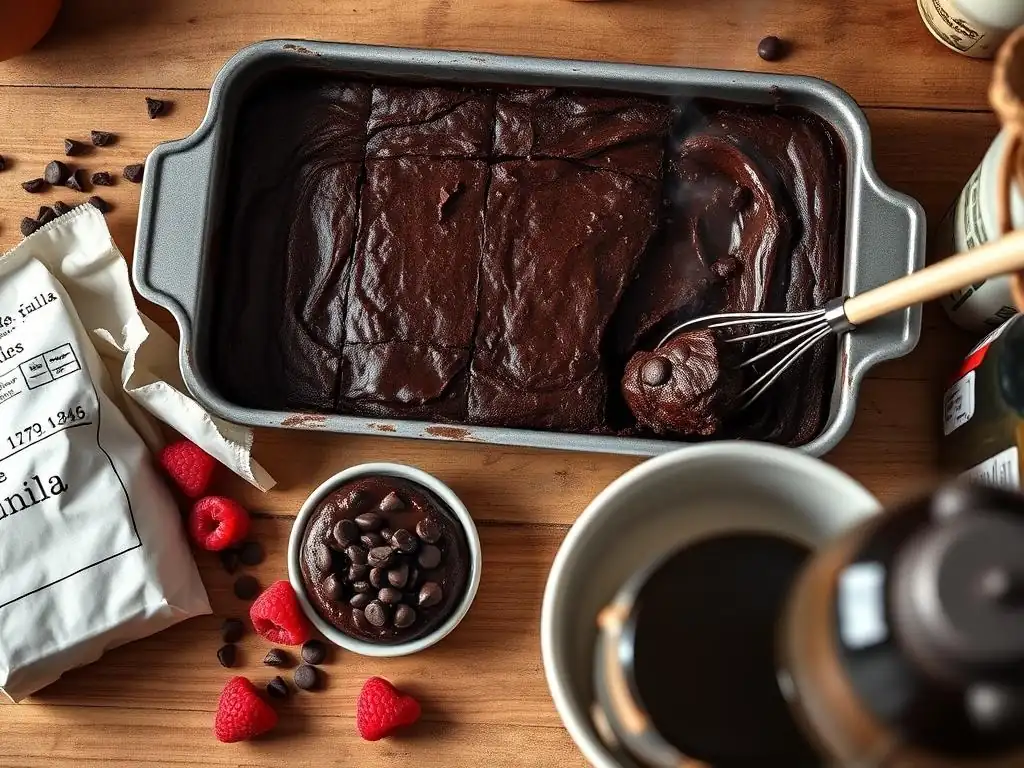
Welcome to BakeWithEase, where your baking journey begins! Whether you’re a novice in the kitchen or a seasoned baker looking to refine your skills, we’re here to guide you every step of the way. Dive into our latest article on the Easy Homemade Brownie Recipe for Beginners, designed to make your first baking experience not only simple but utterly delicious. With our straightforward instructions and accessible ingredients, you'll be crafting mouthwatering brownies in no time. Prepare to uncover the joy of baking as you explore a world of pastries, breads, cakes, and cookies that are just a click away!
- Chocolate Chip Cookie Recipe: The Easiest Homemade Cookies Ever
- Why This Easy Homemade Cookie Recipe is Perfect for Beginners
- The Easiest Homemade Cookie Recipe: Step-by-Step Guide
- Tips & Tricks for Baking the Best Homemade Cookies (Even for Beginners!)
- Mastering Cookies: Beyond the Basics
-
Frequently Asked Questions
- What makes this brownie recipe especially easy for beginners?
- How can I ensure my brownies are fudgy and not cakey?
- What are some simple variations I can make to this brownie recipe?
- What's the best way to store leftover brownies to keep them fresh?
- Can I substitute any ingredients in this recipe if I have dietary restrictions?
- Final Reflection: The Sweetness of Simple Beginnings
- Unlock Your Inner Baker: Delicious Brownies Await!
Embarking on your baking journey can feel daunting, but starting with a straightforward, reliable recipe is key to building confidence. This easy homemade cookie recipe is specifically designed with new bakers in mind. It minimizes complex techniques and uses readily available ingredients, ensuring a high success rate and delicious results every time. Think of it as your first friendly step into the wonderful world of creating sweet treats right in your own kitchen.
Learning to bake should be fun, not frustrating. This simple approach breaks down the process into manageable steps, focusing on fundamental techniques like creaming butter and sugar, which are building blocks for countless other recipes. Unlike recipes that might require precise temperature controls or intricate folding methods, this easy homemade cookie recipe for beginners prioritizes simplicity and forgiveness, making those first attempts rewarding and encouraging.
This particular recipe has been tested and refined to remove common pitfalls faced by beginner bakers. We focus on clear measurements and simple instructions that guide you smoothly from start to finish. For instance, we specify using room temperature butter, a crucial detail often overlooked, which ensures proper creaming and contributes to the cookies' final texture. The steps are laid out logically, making it easy to follow along without getting lost.
Furthermore, this foolproof cookie recipe relies on a balanced ratio of ingredients that consistently produces a tender, slightly chewy cookie with crispy edges – a texture universally loved. We've found that using a mix of granulated and brown sugar, for example, provides both spread and moisture, contributing to that perfect texture without requiring advanced techniques. It's designed so that even if your technique isn't perfect the first time, the results will still be satisfyingly good.
Making delicious homemade cookies doesn't require a pantry stocked with exotic items. The beauty of this easy recipe lies in its reliance on basic staples you likely already have or can easily find at any grocery store. You'll need all-purpose flour, granulated sugar, brown sugar, unsalted butter, eggs, vanilla extract, baking soda, salt, and of course, chocolate chips. Using unsalted butter allows you to control the salt level yourself, a small detail that can make a big difference in flavor.
The quality of your ingredients does matter, even in a simple recipe. Opt for fresh eggs and good quality vanilla extract for the best flavor payoff. While any chocolate chips will work, experimenting with different types (milk, semi-sweet, dark) can add a fun variation. Ensure your baking soda isn't expired, as this leavening agent is crucial for the cookies to rise properly during baking. These simple, essential ingredients are the foundation of your easy homemade cookie success.
One of the biggest advantages of this easy homemade cookie recipe is its speed. From gathering your ingredients to having warm cookies ready to eat, the entire process can take less than 30 minutes. The dough comes together quickly, requiring minimal mixing, and the baking time is relatively short, typically 9-12 minutes per batch. This makes it an ideal recipe for spontaneous baking cravings or when you need a quick treat.
The efficiency of this quick and easy cookie recipe is perfect for busy schedules. There's no chilling required for the dough, allowing you to scoop and bake immediately after mixing. While we recommend letting them cool slightly for the best texture, the aroma filling your kitchen is usually too tempting to wait long! This rapid turnaround time makes it incredibly satisfying for beginners who want to see tangible, delicious results without a lengthy commitment.
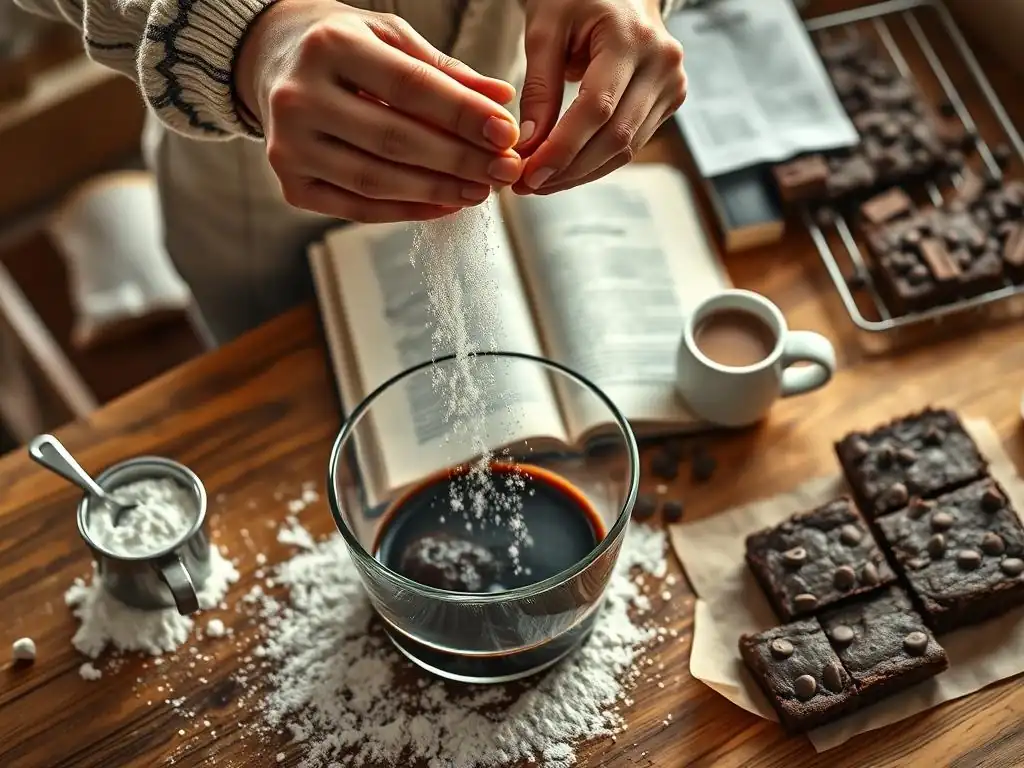
This section provides a clear, step-by-step walkthrough of the entire baking process. Each stage is broken down into simple, actionable instructions designed for beginner bakers. Following these steps precisely will ensure you achieve fantastic results with your easy homemade cookies. Pay close attention to measurements and temperatures for optimal outcomes.
We'll cover everything from preparing your workspace and measuring ingredients accurately to the specifics of mixing, scooping, and baking. This guide aims to demystify the process, showing you that creating delicious cookies from scratch is entirely achievable, even on your first try. Let's get started on this straightforward journey to warm, homemade goodness.
Having all your ingredients measured and ready before you begin is a practice called "mise en place" and is incredibly helpful for beginners. It prevents you from frantically searching for something mid-recipe. For this easy homemade cookie recipe, accuracy in measurement is important, especially for the dry ingredients. Using the correct amounts ensures the right balance of flavors and textures.
For example, using too much flour can result in dry, dense cookies, while too little can cause them to spread too much. Similarly, the ratio of sugars affects both sweetness and texture. Measure carefully, level off your dry ingredients with a straight edge, and ensure your butter is at room temperature – soft enough to indent easily but not melted.
Dry Ingredients:
All-Purpose Flour, Baking Soda, Salt
You will need 2 ¼ cups of all-purpose flour. It's best to spoon the flour into your measuring cup and level it off with a knife rather than scooping directly from the bag, which can compact the flour and result in using too much. This simple technique, known as the "spoon and level" method, is crucial for consistent baking results, especially with an easy homemade cookie recipe.
Combine 1 teaspoon of baking soda and ½ teaspoon of salt with the flour. Baking soda acts as the primary leavening agent, helping the cookies rise and spread slightly. The salt balances the sweetness and enhances the overall flavor profile. Whisk these dry ingredients together gently in a medium bowl to ensure they are evenly distributed before adding them to the wet ingredients.
Wet Ingredients:
Unsalted Butter, Granulated Sugar, Brown Sugar, Large Eggs, Vanilla Extract
For the wet ingredients, you'll start with 1 cup (which is equivalent to two sticks or 8 ounces) of unsalted butter, softened to room temperature. This is crucial for the creaming step. You will also need ¾ cup of granulated sugar and ¾ cup of packed light brown sugar. The blend of these two sugars contributes to the cookies' texture and moisture.
You'll also need two large eggs and 1 teaspoon of pure vanilla extract. Ensure the eggs are also at room temperature; this helps them emulsify better with the butter and sugar mixture, leading to a smoother dough. The vanilla extract adds a warm, classic flavor that complements the chocolate chips perfectly in this easy homemade cookie recipe.
Preparing the dough is the core of this easy homemade cookie recipe. It involves combining the wet and dry ingredients in stages to create a cohesive mixture that will bake into delicious cookies. Don't overmix the dough; gentle handling is key to preventing tough cookies.
This step is straightforward and forgiving, making it ideal for beginners. You'll typically use a stand mixer or a hand mixer, but you can even do it by hand with a little effort. The process involves creaming the fats and sugars, incorporating the liquids, and finally adding the dry components.
Creaming Together Butter and Sugars
Begin by placing the softened unsalted butter, granulated sugar, and light brown sugar in a large mixing bowl. Using an electric mixer (stand mixer with paddle attachment or a hand mixer), beat these ingredients together on medium speed. Start slowly to avoid sugar flying out of the bowl.
Continue mixing until the mixture is light and fluffy, and the color has lightened slightly, usually taking about 2-3 minutes. This process, called creaming, incorporates air into the mixture, which helps the cookies rise and spread properly during baking. Scrape down the sides of the bowl with a rubber spatula occasionally to ensure everything is evenly combined.
Incorporating Eggs and Vanilla for Flavor
Once the butter and sugars are creamed, add the two large eggs, one at a time, beating well after each addition. Make sure each egg is fully incorporated into the mixture before adding the next. This helps create a smooth, emulsified base for the dough.
After the eggs are mixed in, add the 1 teaspoon of vanilla extract. Beat for another 30 seconds or so until the vanilla is evenly distributed throughout the wet mixture. The mixture might look slightly curdled after adding the eggs; this is often normal and will resolve once the dry ingredients are added.
Gently Folding in the Dry Ingredients and Chocolate Chips
Now, add the whisked dry ingredients (flour, baking soda, salt) to the wet mixture. It's important to mix this stage just until the dry ingredients are just combined. Overmixing the flour can develop the gluten too much, resulting in tough cookies. You can switch to a lower speed on your mixer or even finish mixing by hand with a spatula.
Once most of the flour streaks have disappeared, gently fold in about 1 ½ cups of chocolate chips (or more, to your preference!). Mix only until the chocolate chips are evenly distributed throughout the dough. The dough for this easy homemade cookie recipe should be soft but not sticky.
Baking is where the magic happens! Proper preparation of your baking sheet and understanding your oven are key to achieving perfectly baked cookies. This recipe bakes relatively quickly, so keep a close eye on them, especially during the last few minutes.
Preheating your oven correctly is vital. Most ovens fluctuate in temperature, so using an oven thermometer can be helpful, but for this easy homemade cookie recipe, setting your oven to 375°F (190°C) is the standard starting point. Ensure the oven is fully preheated before putting in your cookies.
Preparing Your Baking Sheet [Silicone Mat or Parchment Paper]
To prevent your cookies from sticking and to ensure even baking, prepare your baking sheets. The easiest methods for beginners are using either a silicone baking mat or lining the sheet with parchment paper. Both options provide a non-stick surface and make cleanup significantly easier.
Silicone mats are reusable and provide excellent non-stick properties. Parchment paper is disposable and also works very well. Avoid greasing the pan directly with butter or oil unless the recipe specifically calls for it, as this can sometimes cause cookies to spread too much. For this easy homemade cookie recipe, either a silicone mat or parchment paper is recommended.
Dropping Cookie Dough by Rounded Tablespoons
Use a rounded tablespoon or a small cookie scoop (about 1.5-2 tablespoons capacity) to portion the cookie dough. Drop rounded balls of dough onto the prepared baking sheet, leaving about 2 inches of space between each cookie. This spacing is important because the cookies will spread as they bake.
Do not flatten the dough balls; they will spread naturally in the oven. For a standard-sized baking sheet (approx. 13x18 inches), you can typically fit 10-12 cookies per sheet without overcrowding. This ensures even heat circulation around each cookie, leading to consistent baking results for your easy homemade cookies.
Baking Time and Temperature for Golden Brown Cookies
Bake the cookies in the preheated oven at 375°F (190°C) for approximately 9 to 12 minutes. Baking time can vary depending on your oven and how you like your cookies. For a slightly chewy center and crispy edge, aim for the lower end of the time range.
The cookies are done when the edges are set and lightly golden brown, but the centers still look slightly soft and maybe a little shiny. They will continue to cook slightly from the residual heat after they are removed from the oven. Don't wait for the entire cookie to look fully set, or they may become overbaked and dry.
The cooling process is just as important as the baking itself for achieving the right texture. Allowing the cookies to cool correctly prevents them from breaking and helps them set properly. Patience is key here, though the aroma might make it difficult!
This final stage is simple and quick, leading you directly to enjoying the fruits of your labor. Proper cooling also makes transferring the cookies easier and prepares them for storage if you manage not to eat them all immediately.
Letting the Cookies Cool Slightly on the Baking Sheet
Once you remove the baking sheet from the oven, let the cookies sit on the sheet for about 2 to 5 minutes. During this time, the cookies finish cooking from the residual heat of the pan and firm up enough to be moved without falling apart.
Trying to move them too soon will likely result in broken cookies because they are still quite delicate and soft when they first come out of the oven. This short cooling period on the hot pan is a crucial step for the structure of your easy homemade cookies.
Transferring Cookies to a Wire Rack to Cool Completely
After the initial cooling period on the baking sheet, use a thin spatula to carefully transfer the cookies to a wire cooling rack. A wire rack allows air to circulate around the cookies, cooling them down completely and preventing the bottoms from becoming soggy from trapped steam.
Arrange the cookies on the rack in a single layer, ensuring they aren't touching, to facilitate even cooling. Allow them to cool completely before storing them or stacking them. Fully cooled cookies have the best texture and flavor profile and are less likely to stick together when stored.
Serving and Storing Your Delicious Cookies
Once your easy homemade cookies are fully cooled, they are ready to be enjoyed! Serve them warm or at room temperature. They pair wonderfully with a glass of milk or a cup of coffee or tea. Share them with friends and family to spread the baking joy.
To store leftover cookies, place them in an airtight container at room temperature. They will typically stay fresh for 3-4 days. For longer storage, you can freeze baked cookies in a freezer-safe container or bag for up to 2 months. Thaw them at room temperature before enjoying.
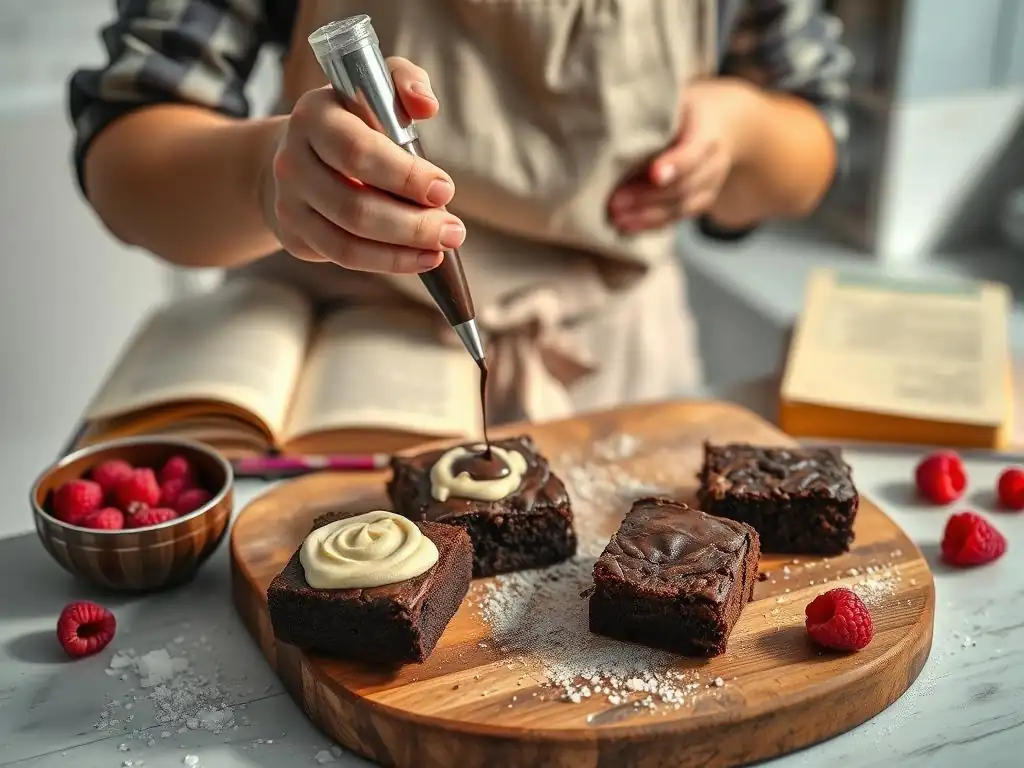
Baking is a skill that improves with practice, but a few simple tips can significantly enhance your results from the very first batch of this easy homemade cookie recipe. These pointers address common questions and offer ways to ensure your cookies turn out perfectly every time.
From understanding ingredient states to knowing how to adjust for minor issues, these tips are designed to empower beginner bakers. Don't be afraid to experiment slightly once you've mastered the basic recipe; baking is also about creativity and personal preference.
Accuracy in measuring is paramount, especially for dry ingredients. Using too much flour is a common mistake that leads to dry, crumbly cookies. Always spoon flour into your measuring cup and level it off. Another key tip is to use room temperature ingredients, particularly butter and eggs, as they emulsify better and contribute to the dough's structure and texture.
Don't skip the creaming step; beating the butter and sugars until light and fluffy incorporates air, which is essential for the cookies' lift and texture. Also, avoid overmixing once the flour is added. Mix only until the dry ingredients are just incorporated to prevent gluten development, which can make cookies tough. Finally, trust the visual cues for doneness described in the baking section – slightly golden edges, slightly soft center.
One common issue is cookies spreading too much. This can happen if the butter is too soft or melted, if you used too little flour, or if your oven temperature is too low (making the butter melt before the cookie structure sets). Ensure your butter is only softened, measure your flour accurately using the spoon and level method, and verify your oven temperature if possible. Chilling the dough for 15-30 minutes before baking can also help prevent excessive spreading.
Conversely, if cookies aren't spreading enough and are too thick or cakey, it might be because your butter wasn't soft enough, you used too much flour, or your baking soda isn't fresh. Ensure ingredients are at room temperature and check the expiration date of your baking soda (you can test it by adding a little to vinegar; it should fizz).
If cookies are burning on the bottom but aren't done in the center, your oven rack might be too low, or your baking sheet is too dark and absorbing too much heat. Try moving the rack up or using a lighter colored baking sheet.
Once you've successfully made the basic easy homemade cookie recipe, feel free to get creative with variations! Instead of just chocolate chips, try mixing in different types of chocolate, such as white chocolate chunks, dark chocolate disks, or even chopped candy bars. The ratio of chocolate chips can also be adjusted based on your preference; adding a little extra never hurt anyone!
Other popular add-ins include chopped nuts like walnuts or pecans for added crunch and flavor. You can also add about ½ cup of rolled oats for a slightly chewier texture and a hint of nutty flavor, transforming them into a type of easy oatmeal chocolate chip cookie. Ensure any added ingredients are evenly distributed when you fold them into the dough. Start with small amounts (around ½ to 1 cup total) so you don't significantly alter the dough consistency on your first try.

Congratulations on mastering this easy homemade cookie recipe! This is just the beginning of your baking adventures. Understanding the fundamentals you've just practiced opens the door to a vast array of cookie types and other delightful baked goods. Continue practicing this recipe to build confidence and consistency.
As you become more comfortable, you'll start to notice how slight variations in ingredients or technique can impact the final cookie. This intuitive understanding is key to becoming a more advanced baker. Don't be afraid to try new recipes and techniques; every baking experience is a learning opportunity.
To elevate your cookie baking skills, consider exploring slightly more complex techniques or ingredients. For instance, experimenting with different types of flour, like bread flour for chewier cookies or cake flour for softer ones, can teach you a lot about how gluten affects texture. Understanding the role of different types of sugar (e.g., using more brown sugar for chewiness) is another way to level up.
Try chilling your dough before baking. While this easy recipe doesn't require it, chilling can deepen the flavors and result in a thicker, chewier cookie. You can also experiment with different fats, like using a mix of butter and shortening, to see how they impact spread and texture. Reading up on the science behind baking ingredients is a fantastic way to gain a deeper understanding and control over your results.
The world of cookies offers incredible variety, largely determined by the balance of ingredients and baking time. This easy homemade cookie recipe yields a cookie that is typically chewy in the center with slightly crispy edges. However, you can lean towards a chewier or crispier result with minor adjustments.
For crispier cookies, you can slightly increase the amount of granulated sugar relative to brown sugar, bake them for a minute or two longer, or press them slightly thinner before baking. For ultra-chewy cookies, increase the amount of brown sugar, slightly decrease the baking time, or even melt the butter instead of just softening it (though this requires careful handling as the dough will be softer). Experimenting with these variables is a fun way to discover your preferred cookie texture.
Other Easy Beginner Baking Recipes on BakeWithEase.com
Mastering this easy homemade cookie recipe is a great accomplishment! It provides a solid foundation for tackling other simple baking projects. BakeWithEase.com offers a wealth of other beginner-friendly recipes that use similar techniques and ingredients, allowing you to expand your repertoire.
Look for recipes like simple muffins, easy quick breads (like banana bread), basic sugar cookies, or even introductory brownie recipes. These recipes often involve creaming, mixing dry and wet ingredients, and baking – skills you've now honed. Each new recipe is an opportunity to build on your knowledge and discover new favorites to bake and share.
Frequently Asked Questions
What makes this brownie recipe especially easy for beginners?
This recipe focuses on simple ingredients and straightforward instructions, minimizing complex techniques. It also avoids needing specialized equipment, making it accessible to all.
How can I ensure my brownies are fudgy and not cakey?
Avoid over-baking the brownies. Look for the edges to be set, but the center to still be slightly soft and gooey. Using the correct ratio of fat to flour is also crucial.
What are some simple variations I can make to this brownie recipe?
You can add chocolate chips, nuts, or a swirl of peanut butter to the batter before baking. Consider adding a pinch of sea salt on top for enhanced flavor.
What's the best way to store leftover brownies to keep them fresh?
Store brownies in an airtight container at room temperature for up to three days. They can also be frozen for longer storage; wrap them individually in plastic wrap first.
Can I substitute any ingredients in this recipe if I have dietary restrictions?
You can explore gluten-free flour blends or dairy-free butter alternatives, but be aware that this may affect the final texture and taste. Always check the ingredient for cross-contamination.
Final Reflection: The Sweetness of Simple Beginnings
The ease of baking, once demystified, unlocks a world of creative potential and delicious rewards. This article aimed to provide a gateway for beginners into the joy of homemade baking, focusing on the simplicity and accessibility of creating delicious brownies. The recipe itself is a testament to the fact that achieving impressive results doesn't require complicated techniques or extensive experience.
The impact of homemade baking extends far beyond the simple act of creating a treat; it fosters a connection to tradition, encourages creativity, and offers a tangible way to share joy with others. Baking is at once child's play and adult joy. And love, of course.
This quote perfectly encapsulates the experience of baking, especially for beginners who discover the satisfaction of creating something delicious from scratch. The act of following a recipe, even a simple one, provides a sense of accomplishment and a deeper appreciation for the ingredients and the process.
Now, I invite you to roll up your sleeves and try the recipe. Don't be intimidated by the seemingly complex world of baking; embrace the simplicity, enjoy the process, and savor the delicious results. Remember, the most important ingredient in any recipe is the joy you bring to the process. Let this be your first step on a journey of culinary exploration, where the sweetest rewards await those who dare to begin.
Unlock Your Inner Baker: Delicious Brownies Await!
Thanks for joining us on this baking adventure! We hope you’ve gained the confidence to tackle even the most decadent desserts. Now it’s time to put your newfound skills to the test!
- Bake those brownies! Grab your ingredients and follow the recipe – we promise, it's easier than you think! This is your chance to experience the joy of homemade goodness.
- Share your creation: Snap a picture of your delicious brownies and tag us on social media – we'd love to see your baking masterpiece!
- Explore more easy recipes: Dive into our recipe collection on BakeWithEase.com and discover more simple and satisfying treats to bake.
Ready to transform your kitchen into a haven of deliciousness? What's your favorite brownie topping? Let us know in the comments!