
German Schwarzbrot: An Authentic Rye Experience

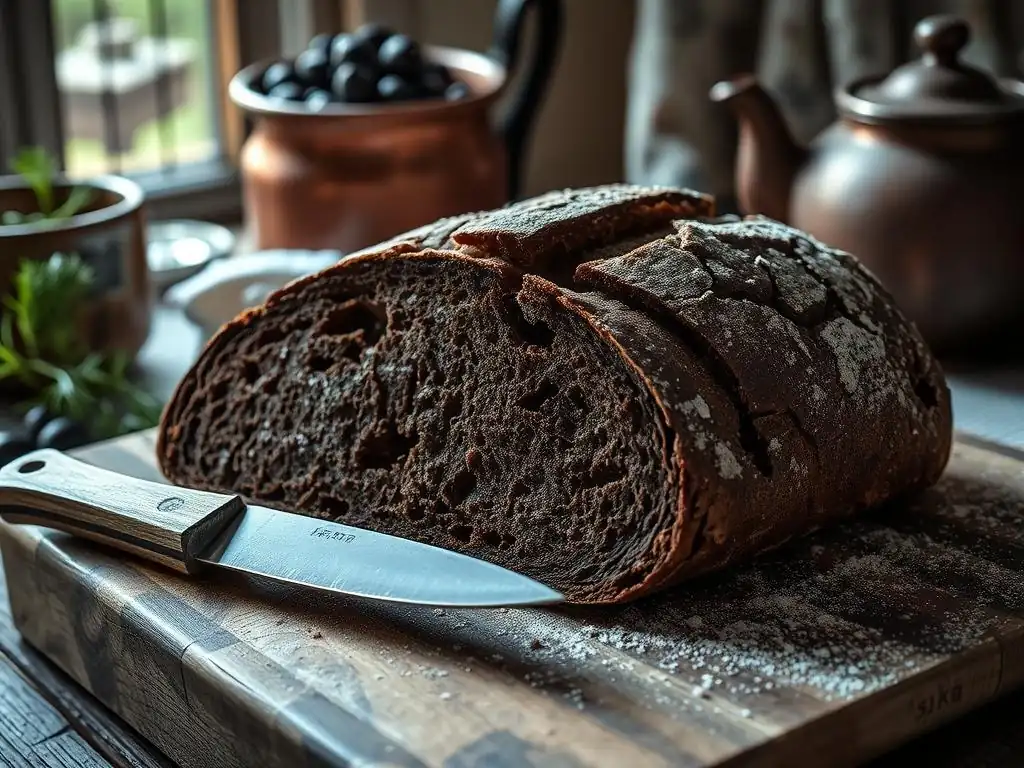
Welcome to BakeWithEase, your trusted guide to a world of delightful baking! Ever dreamt of crafting the perfect, crusty loaf? Then prepare to be transported to the heart of Germany. Today, we're unveiling the secrets behind an authentic German rye bread recipe – Schwarzbrot. Curious about the rich, tangy flavor and dense texture? Dive in and discover how surprisingly simple it is to bake this traditional masterpiece at home. Let's unlock the secrets to this hearty bread together!
- Introduction to Authentic German Rye Bread Recipe: Discovering Schwarzbrot
- Ingredients for Crafting Traditional German Schwarzbrot
- Step-by-Step Guide to Baking Authentic German Schwarzbrot
- Flavor Profile and Texture Characteristics of German Schwarzbrot
- Variations and Regional Styles of German Rye Bread
- Tips and Techniques for Perfecting Your Authentic German Rye Bread Recipe
- Health Benefits of Traditional German Rye Bread
- Conclusion: Mastering the Art of Authentic German Rye Bread with BakeWithEase
- Frequently Asked Questions
- Final Reflection: The Enduring Power of Schwarzbrot
- Unleash Your Inner Bäcker: Craft Your Own Schwarzbrot!
Introduction to Authentic German Rye Bread Recipe: Discovering Schwarzbrot
What Makes German Schwarzbrot a Unique Rye Bread Experience
Authentic German rye bread, particularly Schwarzbrot, stands apart in the world of baking due to its distinctive characteristics. Unlike many commercially produced rye loaves that often include a significant proportion of wheat flour, traditional Schwarzbrot is made predominantly, if not entirely, from rye. This focus on rye flour imparts a unique density, a deep, earthy flavor, and a dark color that is instantly recognizable.
The structure of Schwarzbrot is incredibly tight and moist, a result of rye's lower gluten content compared to wheat and the long, slow fermentation process often involving a sourdough starter. It's not a light, airy bread; it's a substantial, nutrient-rich loaf designed to provide sustained energy and flavor.
The unique texture and flavor profile of this authentic German rye bread recipe come from a combination of factors: the specific type of rye flour used, the long fermentation period, and the baking method. High-extraction rye flours or pumpernickel meal (very coarse rye flour) are commonly used, contributing to the bread's characteristic density and chewiness. The sourdough starter, or Sauerteig, is crucial, not only for leavening but also for developing the complex, slightly tangy flavor that balances the sweetness of the rye.
Baking is typically done at lower temperatures for extended periods, sometimes even steaming the bread, which helps create the moist crumb and dark crust. This meticulous process results in a bread that is a staple in German households, often sliced very thinly and served with savory toppings.
The Cultural Significance of Schwarzbrot in German Baking Traditions
Schwarzbrot, meaning "black bread," is far more than just a loaf; it's deeply embedded in German culinary history and culture. For centuries, rye has been the grain of choice in many parts of Germany, particularly in the north and east, where the climate was more suitable for growing rye than wheat. This historical reliance on rye led to the development of countless regional rye bread variations, with Schwarzbrot being one of the most iconic.
It represents resilience, sustenance, and a connection to the land. The tradition of baking authentic German rye bread recipe variations has been passed down through generations, often with family-specific starters and techniques.
The cultural significance is also evident in how Schwarzbrot is consumed. It's rarely eaten fresh out of the oven like a wheat loaf; its flavors and texture develop over time, making it ideal for storage and travel. Historically, its long shelf life was vital for sustenance, especially during winter months or long journeys.
Today, it's a cherished part of German meals, often served as part of a hearty breakfast, a simple lunch with cheese or cold cuts, or as a base for open-faced sandwiches ( Butterbrot). The act of baking and sharing Schwarzbrot connects people to their heritage, celebrating the rich tradition of German baking and the enduring appeal of this authentic rye bread.
Ingredients for Crafting Traditional German Schwarzbrot
Essential Rye Flours and Their Impact on Authenticity
Crafting an authentic German rye bread recipe like Schwarzbrot hinges significantly on the type of rye flour used. Rye flour comes in different grades, primarily defined by the amount of the kernel included after milling. For traditional Schwarzbrot, dark rye flour or pumpernickel meal is often preferred. Dark rye flour contains more of the bran and germ than lighter rye flour, resulting in a darker color, more intense flavor, and higher nutritional value. Pumpernickel meal is even coarser, consisting of cracked or coarsely ground rye kernels, which gives the bread a distinct texture with visible grain pieces.
Using these specific flours is crucial for achieving the characteristic density, dark color, and earthy flavor of authentic German rye bread. Lighter rye flours, while still rye, result in a less dense crumb and a lighter hue, deviating from the traditional Schwarzbrot profile. The choice of flour also impacts water absorption and fermentation.
Darker, coarser flours absorb more water and require longer hydration periods, which is why the dough for Schwarzbrot is often very wet and sticky, unlike typical wheat doughs. Mastering the handling of this unique dough is a key step in perfecting your authentic German rye bread recipe.
Selecting Natural Ingredients for an Authentic German Rye Bread Recipe
Beyond the rye flour itself, the authenticity of a German Schwarzbrot recipe relies on using simple, natural ingredients. The core components typically include rye flour, water, salt, and a sourdough starter. Some recipes might incorporate minimal amounts of other grains or seeds, but the focus remains squarely on the rye. Avoiding commercial yeast, chemical additives, or excessive sweeteners is essential for maintaining the traditional character and flavor profile. The beauty of Schwarzbrot lies in the purity and interaction of these few, high-quality ingredients.
- Rye Flour: As discussed, dark rye or pumpernickel meal is key.
- Water: Clean, plain water is sufficient.
- Salt: Essential for flavor and controlling fermentation.
- Sourdough Starter: Provides leavening and flavor development.
- Optional: Occasionally, a small amount of malt extract or dark syrup might be used to deepen color and add a subtle sweetness, but this varies by region and recipe.
The philosophy behind an authentic German rye bread recipe is simplicity and allowing the natural flavors of the rye and the fermentation process to shine. Using natural ingredients ensures that the resulting loaf has the true, deep, and slightly tangy flavor that is characteristic of traditional Schwarzbrot, embodying the essence of German rye bread.
The Role of Natural Sourdough and Starters in Schwarzbrot
The heart and soul of an authentic German rye bread recipe, especially for Schwarzbrot, is the natural sourdough starter, or Sauerteig. Unlike commercial yeast, which provides a quick and uniform rise, a sourdough starter is a living culture of wild yeasts and lactic acid bacteria. These microorganisms work together over a long period to ferment the dough, producing carbon dioxide for leavening and organic acids that contribute significantly to the bread's complex flavor, aroma, and texture.
For rye bread, particularly dense loaves like Schwarzbrot, a stiff rye sourdough starter is often preferred. Rye flour ferments differently than wheat flour; its enzymes are more active, and the lack of strong gluten structure means that the acids produced by the lactic acid bacteria are crucial for providing structure and preventing the loaf from becoming too gummy. The long, slow fermentation facilitated by the Sauerteig breaks down the rye's complex carbohydrates, making the nutrients more available and improving the bread's digestibility.
This natural process is fundamental to achieving the deep, slightly tangy, and earthy flavor profile that distinguishes authentic German rye bread from loaves made with commercial yeast. Developing and maintaining a healthy rye starter is therefore a foundational step in mastering the art of baking Schwarzbrot.
Step-by-Step Guide to Baking Authentic German Schwarzbrot
Preparing the Rye Dough: Techniques for Perfect Texture
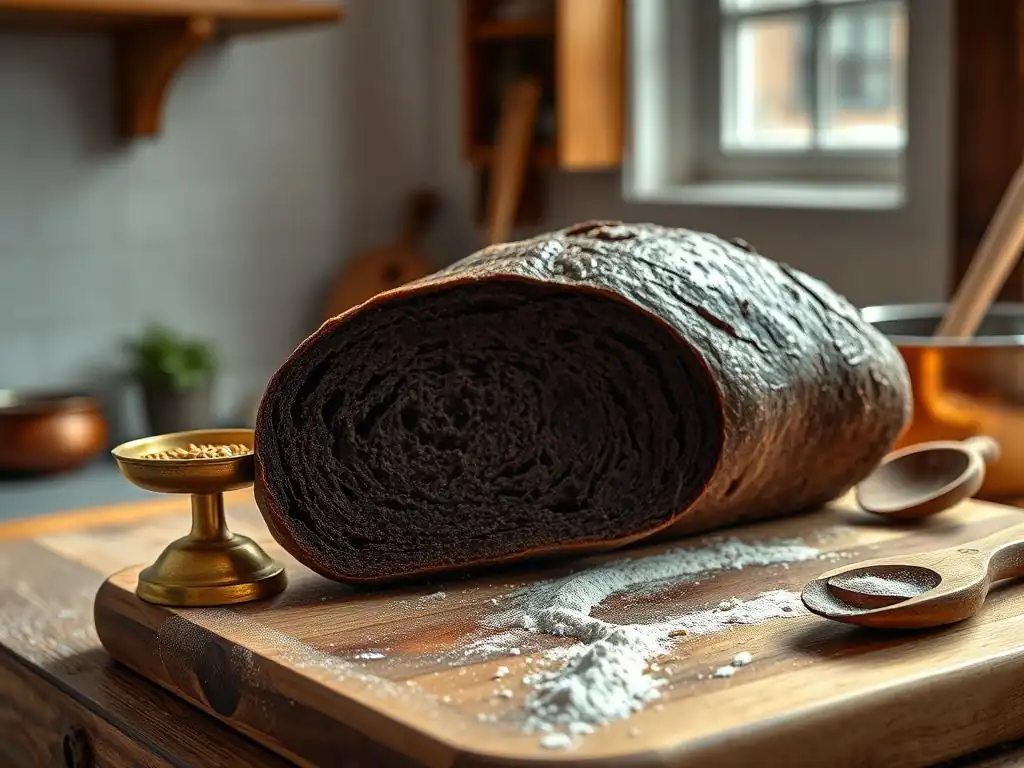
Preparing the dough for an authentic German rye bread recipe like Schwarzbrot requires a different approach than working with wheat dough. Rye flour has much less gluten-forming protein, so you don't knead it in the same way to develop elasticity. Instead, the focus is on mixing thoroughly to hydrate the flour and distribute the sourdough starter evenly. The dough will be quite wet and sticky, more like a thick batter than a traditional bread dough. Overworking rye dough can actually lead to a gummy texture, so gentle handling is key.
A common technique involves mixing the rye flour, water, salt, and active sourdough starter in a bowl until just combined. Some traditional recipes use a multi-stage process, starting with a "refreshment" of the starter to ensure it's very active, then mixing a portion into a pre-dough or Vorteig, and finally combining this with the remaining ingredients. This multi-stage approach allows for deeper flavor development.
Once the ingredients are mixed, the dough is typically scraped into a prepared loaf pan or mold, as its high hydration prevents it from holding a freeform shape effectively. Ensuring the dough is evenly distributed in the pan is important for even baking and achieving the characteristic dense, uniform crumb of authentic German rye bread.
Fermentation and Proofing: Timing for Traditional Rye Bread
Fermentation and proofing are arguably the most critical stages in baking an authentic German rye bread recipe like Schwarzbrot, requiring significant time and patience. Because rye dough relies solely on the slow action of the sourdough starter (and sometimes inherent enzymes), the fermentation period is much longer than for yeast-leavened breads. A typical bulk fermentation can last anywhere from 12 to 24 hours, often at a cool room temperature or even in the refrigerator, allowing the complex flavors to develop slowly.
After the initial bulk fermentation, the dough (already in its pan) undergoes a final proofing stage. This stage is also relatively long, usually lasting several hours. Unlike wheat bread, which doubles or triples in size, rye dough shows only a modest rise during proofing.
You're looking more for subtle signs of activity, such as a slight increase in volume and perhaps small bubbles on the surface. Over-proofing rye dough can cause it to collapse in the oven, so observing subtle cues is important. The long fermentation and proofing times are fundamental to breaking down the rye carbohydrates, developing the signature tangy flavor, and achieving the dense yet moist texture characteristic of authentic German rye bread.
Baking Schwarzbrot: Temperature and Duration for Authentic Results
Baking an authentic German rye bread recipe like Schwarzbrot involves a specific approach to temperature and duration to ensure the dense loaf cooks through evenly and develops its signature dark crust. Unlike many breads baked at high initial temperatures, Schwarzbrot is often baked at a moderate temperature for a very extended period. A common method starts with a slightly higher temperature, perhaps around 200-220°C (390-430°F) for the first 15-20 minutes, to help set the crust, and then significantly reduces the temperature to a lower range, typically 160-180°C (320-350°F), for the remainder of the baking time.
The total baking time for a standard loaf can be anywhere from 1.5 to 3 hours, or even longer for very large loaves. This long, slow bake is essential for allowing the heat to penetrate the dense crumb and cook the interior thoroughly without burning the exterior. Some traditional methods even involve steaming the bread during baking or using a sealed container (like a Römertopf or covered pan) to create a moist environment, which helps prevent the crust from hardening too quickly and ensures a moist crumb.
The goal is a loaf that is uniformly dark both inside and out, with a substantial, cooked-through texture. Checking for doneness often involves using an internal thermometer, aiming for a temperature around 95-100°C (205-212°F). This careful baking process is key to achieving the true characteristics of authentic German rye bread.
Flavor Profile and Texture Characteristics of German Schwarzbrot
Understanding the Dense, Hearty Texture of Authentic Rye Bread
One of the most defining features of authentic German rye bread, specifically Schwarzbrot, is its incredibly dense and hearty texture. This isn't a light, airy loaf; it's substantial and compact. This density is primarily a result of the high proportion of rye flour used. Rye flour has a different protein structure than wheat and forms less gluten, the network that traps gas bubbles and creates an open crumb in wheat bread. Instead, rye relies on pentosans, complex carbohydrates that absorb large amounts of water, contributing to the dough's stickiness and the final bread's moisture and density.
The long, slow fermentation process, often with a sourdough starter, also plays a role in developing this texture. The acids produced by lactic acid bacteria help to provide structure in the absence of strong gluten, preventing the loaf from collapsing. The extended baking time at moderate temperatures ensures the dense crumb is cooked through evenly.
When sliced, Schwarzbrot has a tight, uniform crumb with very few large holes. It feels heavy for its size and has a distinct chewiness. This dense, moist texture makes it perfect for slicing very thinly and serving with strong flavors, as it holds up well and provides a satisfying mouthfeel characteristic of authentic German rye bread.
Flavor Notes: Deep, Earthy, and Slightly Tangy Tastes in Schwarzbrot
The flavor profile of authentic German rye bread like Schwarzbrot is as distinctive as its texture. It's a complex taste experience that is primarily deep, earthy, and slightly tangy, with subtle hints of sweetness. The dominant flavor comes from the rye flour itself, which has a more pronounced, earthy, and sometimes slightly sweet taste compared to wheat. The darker the rye flour or the more coarse meal used, the more intense this earthy flavor becomes.
The tanginess is a direct result of the natural sourdough fermentation. The lactic acid bacteria in the starter produce lactic and acetic acids, which impart a pleasant sourness that balances the inherent sweetness of the rye. The specific balance of these acids depends on the starter, fermentation temperature, and time, contributing to the unique character of each loaf.
Some Schwarzbrot recipes might include a touch of malt or syrup, which enhances the dark color and adds a subtle caramelized sweetness that complements the rye and tang. Overall, the flavor is robust and satisfying, making it an ideal base for a variety of toppings and a true representation of an authentic German rye bread recipe.
Variations and Regional Styles of German Rye Bread
Comparing Schwarzbrot to Other German Rye Breads: Pumpernickel and Vollkornbrot
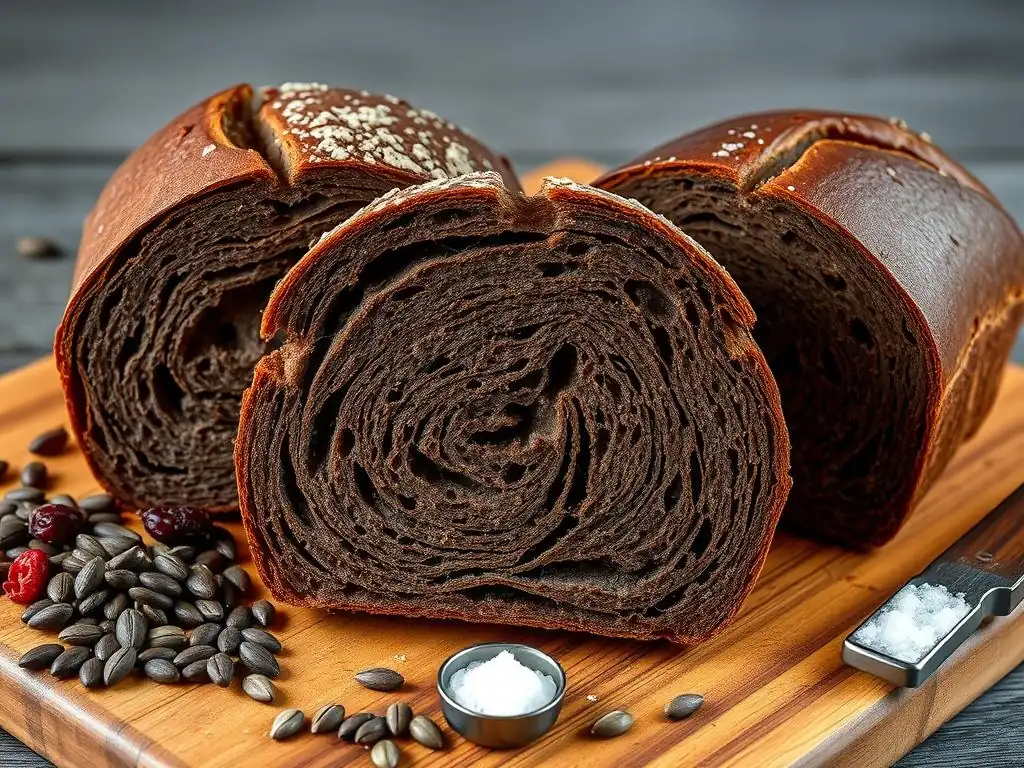
Germany boasts a rich diversity of rye breads, and while Schwarzbrot is iconic, it exists alongside other popular variations like Pumpernickel and Vollkornbrot. Understanding the differences helps appreciate the spectrum of authentic German rye bread recipes. Pumpernickel, originating from the Westphalia region, is perhaps the darkest and densest German rye bread.
It's traditionally made from coarse rye meal (schrot) and often includes whole or cracked rye kernels. The key characteristic is its incredibly long, slow baking process, sometimes taking 16-24 hours at very low temperatures (below 100°C / 212°F), often in sealed containers. This low-temperature baking caramelizes the starches, resulting in a deep, almost black color and a distinctly sweet, malty flavor profile, different from the tang of Schwarzbrot.
Vollkornbrot, meaning "whole grain bread," is another staple. While it can be made purely from rye, it might also include other whole grains like wheat or spelt. The defining feature is that it uses whole grains (or whole grain flour) and often incorporates seeds (like sunflower or pumpkin) or nuts.
Vollkornbrot is typically less dense than Pumpernickel and Schwarzbrot, though still significantly heartier than most wheat breads. It's also usually leavened with sourdough. While all three are examples of authentic German rye bread, they differ in their specific flour composition (meal vs. flour vs. whole grain), baking methods (long, low temperature for Pumpernickel; moderate for Schwarzbrot/Vollkornbrot), and resulting texture and flavor profiles (sweet/malty Pumpernickel; tangy/earthy Schwarzbrot; varied/nutty Vollkornbrot).
How Regional Ingredients Influence Rye Bread Recipes in Germany
The diverse landscape and agricultural history of Germany have led to fascinating regional variations in authentic German rye bread recipes. Historically, regions grew the grains best suited to their soil and climate. In the cooler, wetter north and east, rye thrived, making it the primary grain and leading to the development of very high-rye content breads like Schwarzbrot and Pumpernickel. In contrast, areas with better wheat-growing conditions might incorporate more wheat into their "rye" breads, resulting in lighter loaves.
Beyond the main grain, regional variations in ingredients can include:
- Sweeteners: While not universal, some regions might historically add ingredients like sugar beet syrup ( Zuckerrübensirup) or malt extract. For instance, Westphalian Pumpernickel often uses these for color and flavor.
- Seeds and Spices: While less common in pure Schwarzbrot, other regional rye breads might include caraway seeds (particularly popular in Bavaria), coriander, or fennel, adding aromatic notes. Vollkornbrot frequently incorporates sunflower, pumpkin, or flax seeds.
- Sourdough Starters: The specific microbial composition of sourdough starters can vary slightly by region, influenced by local flour and environmental microbes, potentially leading to subtle differences in tanginess and flavor development.
These regional nuances demonstrate how an authentic German rye bread recipe isn't a single monolithic entity but a family of breads shaped by local availability, tradition, and taste preferences. Exploring these variations offers a deeper appreciation for the richness of German baking heritage.
Tips and Techniques for Perfecting Your Authentic German Rye Bread Recipe
Common Challenges in Baking Schwarzbrot and How to Overcome Them
Baking an authentic German rye bread recipe like Schwarzbrot can present unique challenges, especially if you're used to working with wheat dough. The high rye content and lack of strong gluten structure behave very differently. One common issue is a dense, gummy texture. This can happen if the dough isn't properly hydrated (rye needs a lot of water) or if it's under-fermented. Rye requires a long fermentation with a strong sourdough starter to break down starches and develop structure. Ensuring your starter is active and allowing sufficient fermentation time (often 12+ hours) is crucial.
Another challenge is getting the loaf to cook through without drying out the exterior during the long bake. Using a covered baking pan or a Dutch oven can help trap steam and create a moist environment, promoting even cooking and a better crust. Starting with a slightly higher temperature and then reducing it significantly for the remainder of the bake also helps prevent the crust from setting too quickly while the interior cooks.
Don't expect a dramatic rise; rye bread is inherently dense. Focus instead on proper hydration, adequate fermentation time, and a long, slow bake to overcome these common hurdles and achieve a successful authentic German rye bread.
Enhancing Rye Bread Flavor with Natural Fermentation Techniques
The deep, complex flavor of an authentic German rye bread recipe is largely a product of natural fermentation. To enhance this flavor, focus on nurturing your sourdough starter and optimizing fermentation conditions. Using a stiff rye starter (lower hydration) can sometimes favor lactic acid production, leading to a milder tang, while a wetter starter might lean towards acetic acid, resulting in a sharper sourness. Experimenting with starter hydration can subtly alter the flavor profile.
Temperature also plays a significant role. Fermenting the dough at cooler temperatures (e.g., 18-20°C / 65-68°F) for longer periods tends to develop more complex flavors than a rapid fermentation at warmer temperatures. Consider incorporating a 'soaker' or 'Vorteig' (pre-ferment) where a portion of the rye flour and water is mixed with the starter and left to ferment for several hours before the final dough is mixed.
This multi-stage fermentation allows enzymes to start breaking down starches and proteins earlier, contributing to deeper flavor notes and improving the texture. By carefully controlling starter activity, temperature, and fermentation duration, you can significantly enhance the earthy, tangy richness that defines authentic German rye bread.
Storage and Serving Suggestions to Preserve Freshness and Taste
Authentic German rye bread, particularly dense loaves like Schwarzbrot, has excellent keeping qualities compared to lighter wheat breads. However, proper storage is essential to maintain its unique texture and flavor. Once fully cooled (this is crucial; slicing while warm can make it gummy), the best way to store Schwarzbrot is wrapped tightly in a clean linen cloth or tea towel, then placed in a bread bin or a sealed plastic bag.
The cloth helps absorb excess moisture while the bag prevents it from drying out. Stored this way at room temperature, it can remain fresh for several days, often improving in flavor as the complex notes meld.
For longer storage, Schwarzbrot freezes exceptionally well. Slice the cooled loaf thinly, stack the slices with parchment paper in between (optional, but helpful), wrap the stack tightly in plastic wrap, and then place it in a freezer bag or container. Frozen slices can be thawed individually as needed.
Serving Schwarzbrot is simple: slice it thinly (thick slices can be overwhelming due to its density) and enjoy it with traditional German accompaniments like butter, cheese, cold cuts, smoked fish, or pickled vegetables. Its robust flavor stands up beautifully to rich and savory pairings, making it a versatile and satisfying bread for various meals.
Health Benefits of Traditional German Rye Bread
Nutritional Advantages of Rye Compared to Wheat Bread
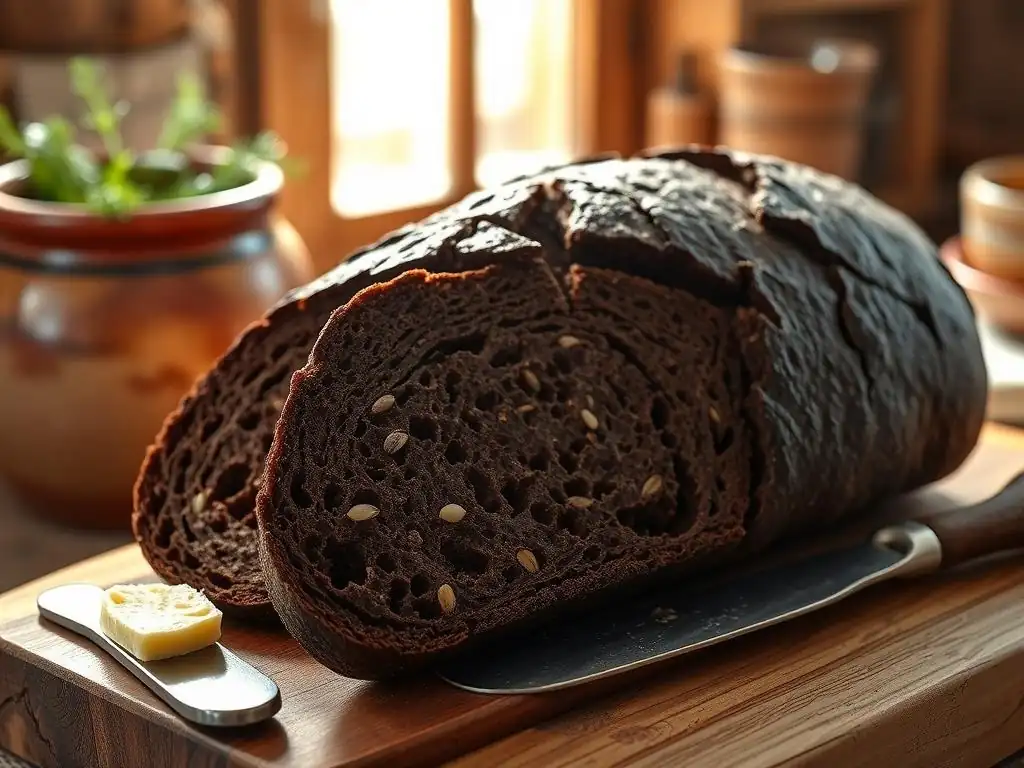
Authentic German rye bread, especially varieties like Schwarzbrot made predominantly from whole or dark rye flour, offers significant nutritional advantages over many common wheat breads, particularly those made from refined white flour. Rye is a powerhouse of fiber, containing substantially more dietary fiber per serving than wheat. For example, 100 grams of whole rye flour can contain around 15 grams of fiber, while refined wheat flour might have only 3-4 grams. This high fiber content is crucial for digestive health and contributes to a feeling of fullness, aiding in weight management.
Beyond fiber, rye is also richer in certain micronutrients. It contains higher levels of minerals such as magnesium, phosphorus, zinc, and iron compared to refined wheat. It's also a good source of B vitamins, including thiamine, riboflavin, niacin, and folate. The specific compounds in rye, such as lignans and phenolic acids, also act as antioxidants. Choosing an authentic German rye bread recipe means opting for a loaf that is not only flavorful and traditional but also packed with beneficial nutrients, making it a smart dietary choice.
How Authentic German Rye Bread Supports Digestive Health
The high fiber content is perhaps the most celebrated health benefit of authentic German rye bread in relation to digestive health. The significant amount of soluble and insoluble fiber in rye acts as a prebiotic, feeding beneficial gut bacteria and promoting a healthy gut microbiome. This can improve bowel regularity and help prevent constipation. The fiber also slows down the digestion and absorption of carbohydrates, resulting in a lower glycemic response compared to many wheat breads. This slower release of sugar into the bloodstream is beneficial for managing blood sugar levels.
Furthermore, the natural fermentation process involved in making authentic German rye bread with a sourdough starter also contributes to digestive health. The lactic acid bacteria in the starter partially break down starches and phytic acid in the rye flour. Phytic acid can bind to minerals, making them less available for absorption.
By reducing phytic acid levels, sourdough fermentation can increase the bioavailability of minerals like iron, zinc, and calcium. While Schwarzbrot itself isn't a probiotic food (the bacteria don't typically survive the baking process), the prebiotics and reduced anti-nutrients, combined with the fiber, make it a highly digestible and gut-friendly bread option. Incorporating an authentic German rye bread recipe into your diet is a delicious way to support your digestive system.
Conclusion: Mastering the Art of Authentic German Rye Bread with BakeWithEase
Embracing the Tradition and Flavor of Schwarzbrot in Your Baking Journey
Embarking on the journey to bake an authentic German rye bread recipe like Schwarzbrot is more than just following steps; it's about connecting with a rich culinary tradition and appreciating the unique qualities of rye. From understanding the role of dark rye flour and natural sourdough to mastering the long fermentation and slow baking process, each stage contributes to the deep flavor and dense, moist texture that define this iconic loaf. It's a bread that rewards patience and attention to detail, offering a truly satisfying baking experience and a delicious result that is both nutritious and historically significant.
Successfully baking your first authentic German rye bread, perhaps a traditional Schwarzbrot, is a rewarding achievement. You'll discover the earthy aroma filling your kitchen and the distinct pleasure of slicing into a dense, dark loaf you created yourself. This bread challenges conventional notions of baking with its unique dough handling and extended timeline, but the payoff is immense – a hearty, flavorful bread that's a staple in Germany for good reason. Embrace the process, learn from each bake, and enjoy the journey of mastering this wonderful part of German baking heritage.
Encouragement to Explore More Rye Bread Recipes on BakeWithEase.com
Your exploration of authentic German rye bread doesn't have to end with Schwarzbrot. The world of rye baking is vast and fascinating, with numerous variations and techniques waiting to be discovered. BakeWithEase.com is dedicated to helping you navigate these delicious possibilities, offering guides and recipes for bakers of all levels.
We encourage you to delve deeper into the realm of rye bread recipes. Try your hand at a hearty Vollkornbrot packed with seeds, experiment with different levels of rye inclusion, or explore quicker rye loaves that still capture some of the grain's unique character. Each recipe offers new insights into working with rye flour and the magic of fermentation.
Visit BakeWithEase.com to find more authentic German rye bread recipes, tips on maintaining your sourdough starter, and techniques to expand your baking repertoire. Let us be your guide as you continue to explore the rewarding art of baking fantastic rye bread.
Frequently Asked Questions
What makes Schwarzbrot different from other rye breads?
Schwarzbrot is a very dense and dark rye bread characterized by its coarse texture and long baking time. It relies heavily on a sourdough starter for its unique flavor.
Is Schwarzbrot difficult to make at home?
While it requires patience due to the long fermentation and baking processes, Schwarzbrot isn't inherently difficult. Follow the step-by-step recipe carefully, and you can achieve authentic results.
Can I substitute ingredients in the Authentic German Rye Bread recipe?
Substituting ingredients can impact the texture and flavor significantly. It's best to stick to the recipe, especially for the rye flour and sourdough starter.
How long does Schwarzbrot typically last?
Due to its density and low moisture content, Schwarzbrot has a long shelf life. Properly stored, it can last for up to a week or more at room temperature.
What is the best way to serve and enjoy Schwarzbrot?
Schwarzbrot is delicious served thinly sliced with savory toppings such as cheese, cold cuts, or smoked fish. Its hearty flavor pairs well with strong flavors.
Final Reflection: The Enduring Power of Schwarzbrot
The resurgence of interest in traditional baking methods, particularly those emphasizing whole grains and sourdough, highlights the enduring appeal of authentic food experiences. Schwarzbrot, with its complex flavors and satisfying texture, stands as a powerful testament to the artistry and cultural significance of breadmaking. Its simple ingredients, when combined with the right technique and a touch of patience, yield a loaf that transcends mere sustenance; it becomes a connection to history and a celebration of craftsmanship.
The journey of making Schwarzbrot, from the initial mixing of the sourdough starter to the satisfying thud of the loaf hitting the cooling rack, is a deeply rewarding one. It’s a process that connects us to generations of bakers who have perfected this craft over centuries. Bread is the staff of life,
a simple phrase, yet it encapsulates the profound role bread has played in human history and continues to play in our daily lives. The act of making Schwarzbrot, in particular, allows us to appreciate the simplicity and the profound complexity inherent in this seemingly mundane food.
Now, consider your own kitchen. Imagine the aroma of freshly baked Schwarzbrot filling your home, the satisfying crust yielding to a dense, flavorful crumb. Don't just read about the authentic German rye bread experience; live it. Embrace the challenge, experiment with the recipe, and discover the joy of creating something truly special with your own hands. The rewards extend far beyond a delicious loaf; they nourish the soul and connect you to a rich culinary heritage.
Unleash Your Inner Bäcker: Craft Your Own Schwarzbrot!
Thanks for joining us on this delicious journey into the world of German Schwarzbrot! We hope you've gained a newfound appreciation for this hearty rye bread. Now it's time to put your knowledge into practice.
- Bake your own Schwarzbrot: This is the ultimate test of your newfound skills! Follow the recipe we provided (or find your own inspiration!) and experience the joy of creating something truly special.
- Share your baking triumphs (or challenges!): We'd love to see your Schwarzbrot creations. Share a photo on social media using #BakeWithEaseSchwarzbrot – let's build a community of bread lovers!
- Explore other traditional German breads: Ready for a new adventure? Discover the diverse world of German baking – from pretzels to pumpernickel, the possibilities are endless!
What unique twist will you add to your next Schwarzbrot bake? Let's hear your ideas in the comments below!