
Is More Expensive Butter Really Better for Baking? Our Comparison Says...

Welcome to BakeWithEase, your haven for all things baking! Are you ready to unlock the secrets to truly exceptional treats? In this article, we dive deep into a question that's been simmering in baking circles for ages: Does more expensive butter actually make a difference in your baked goods? We conducted a thorough expensive butter baking comparison, revealing surprising benefits (and perhaps a few myths!). Prepare to discover whether splurging on that premium butter is truly worth it, and how it impacts flavor, texture, and overall baking success. Intrigued? Let's get started!
- The Great Butter Bake-Off: Expensive Butter vs. Budget Butter - A Taste Test
- Understanding Butter: The Key to Baking Success
- Expensive Butter Baking Comparison: Brands and Features
- Budget Butter Baking Comparison: Brands and Features
- The Baking Experiments: Putting Butter to the Test
- Expensive Butter Baking Benefits: A Detailed Analysis
- Budget Butter Baking Benefits: When It's Good Enough
- The Verdict: Is Expensive Butter Worth It for Baking?
- Recommendations: Our Top Butter Picks for Baking
-
Frequently Asked Questions
- Is there a noticeable difference in taste when using expensive butter in baking?
- Does the type of butter affect the texture of baked goods?
- Are there specific baked goods where expensive butter makes the biggest difference?
- Is it worth the extra cost to use expensive butter for every baking project?
- What are some key factors to consider when choosing butter for baking, besides price?
- Final Reflection: The Golden Standard of Baking? Rethinking Butter's Value
- Unleash Your Inner Baker: Elevate Your Baking Game!
The Great Butter Bake-Off: Expensive Butter vs. Budget Butter - A Taste Test
Unveiling the Truth: Does Price Impact Baking Quality?
It's a question every home baker has pondered while standing in the dairy aisle: is that fancy, imported butter truly worth the extra cost compared to the supermarket staple? The price difference can be significant, sometimes double or even triple, leading many to wonder if the investment translates into a noticeably better cookie, flakier pie crust, or richer buttercream. While marketing often highlights heritage or special processes for more expensive butters, the real test is in how they perform when subjected to the heat of the oven or the whisk of a mixer.
Our goal is to move beyond the marketing hype and conduct a practical expensive butter baking comparison. We want to see if the inherent properties of different butters – primarily butterfat content, moisture level, and whether they are cultured – genuinely lead to superior results in common baking applications. By testing side-by-side, we can assess if the perceived benefits of expensive butter for baking are tangible and if they justify the higher price point for the average baker.
Why We're Comparing Expensive Butter for Baking
Baking is a science as much as an art, and ingredients play a critical role in the final outcome. Butter, being a foundational component in countless recipes, has a profound impact on texture, flavor, and structure. Variations in butter composition can mean the difference between a cookie that spreads perfectly and one that stays stubbornly in a dome, or a pastry that shatters into flaky layers versus one that is tough and dense.
This deep dive into expensive butter baking benefits aims to help you make informed decisions. Instead of guessing, you're getting insights based on how these butters actually behave in real recipes. We're looking to identify if using a premium butter provides measurable advantages in terms of enhanced flavor profiles, superior texture, and improved overall baking performance that budget options simply cannot replicate, or if for many applications, a less expensive stick will do the job just fine.
Understanding Butter: The Key to Baking Success
Butterfat Content: The Secret Ingredient for Texture and Flavor
Butterfat is the primary component of butter, typically making up 80-82% of its weight in American-style butter and often 82-86% in European-style varieties. This fat is crucial because it provides richness, tenderness, and contributes to the overall texture of baked goods. When butter melts, the fat coats flour particles, inhibiting gluten development, which is essential for creating tender cakes and flaky pastries. Higher butterfat means less water and milk solids, leading to more tender results and often a richer flavor.
The percentage of butterfat directly influences how a dough or batter behaves. For instance, in cookies, higher butterfat can lead to more spread and a chewier texture because there's less water to create steam and structure. In pie crusts, the solid fat creates pockets that melt during baking, leaving behind flaky layers. Understanding the butterfat percentage is key to predicting how a specific butter will perform and is one of the primary reasons why an expensive butter baking comparison is relevant, as premium butters often boast higher butterfat levels.
Types of Butter: European vs. American - What's the Difference?
The main distinction between European and American butter lies in their butterfat content and often, whether they are cultured. American butter typically contains a minimum of 80% butterfat, as mandated by USDA standards. European butter, on the other hand, adheres to stricter regulations often requiring at least 82% butterfat. This higher fat content means European butter has less water and milk solids than its American counterpart.
Beyond butterfat, many European butters are cultured, meaning lactic acid bacteria are added to the cream before churning. This fermentation process develops a slightly tangy flavor and aroma, adding complexity that some bakers prefer, especially in pastries. The lower moisture content of European butter also results in a firmer texture at room temperature, which can be advantageous for creaming with sugar or cutting into dough for biscuits and scones.
Salted vs. Unsalted Butter: Which is Best for Baking?
Most baking recipes call for unsalted butter, and there's a good reason for this. The amount of salt in salted butter can vary significantly from brand to brand and even batch to batch. Using unsalted butter gives the baker complete control over the amount of salt in the recipe, ensuring consistent results every time. Salt plays an important role in balancing sweetness and enhancing other flavors, but adding too much can ruin a delicate baked good.
While some bakers might use salted butter in a pinch, it's generally not recommended for precision baking. The added salt can also impact the butter's moisture content slightly, though this effect is less significant than the variability in salt levels. For consistent, predictable outcomes and the ability to fine-tune your flavors, unsalted butter is the standard choice and should be used unless a recipe specifically indicates otherwise, regardless of whether you're doing an expensive butter baking comparison or using budget butter.
Expensive Butter Baking Comparison: Brands and Features
Kerrygold: The Irish Gold - High Fat Content for Rich Flavor
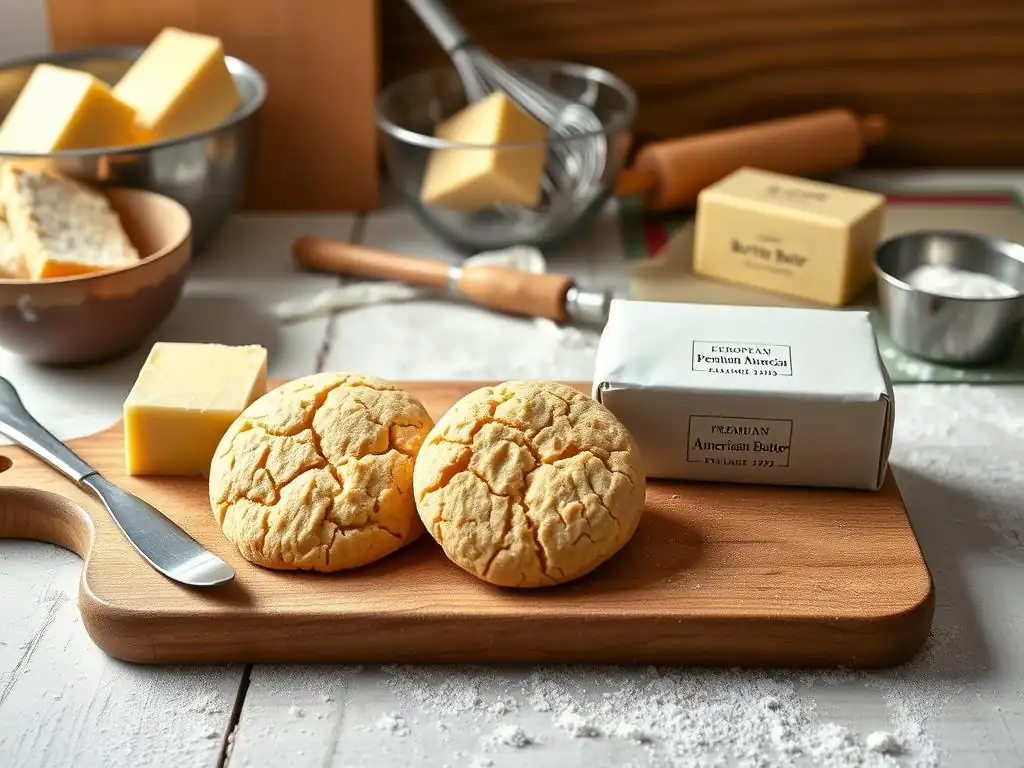
Kerrygold, an Irish butter made from the milk of grass-fed cows, is a popular choice among bakers seeking premium quality. It boasts a butterfat content of 82%, higher than the standard 80% in American butter. This higher fat, combined with its production from grass-fed milk, contributes to its rich, golden color and distinct, slightly nutty flavor profile that many find superior.
The higher butterfat and lower moisture of Kerrygold make it excellent for recipes where butter is a prominent flavor or contributes significantly to texture, such as in shortbread, pie crusts, or simple pan-fried goods. Its creamy texture at room temperature also makes it easy to cream with sugar, essential for cakes and cookies. While more expensive than typical supermarket butter, many bakers feel its flavor and performance justify the cost, making it a frequent contender in any expensive butter baking comparison.
Plugrá: The Baker's Choice - European Style with Lower Moisture
Plugrá is an American-made butter produced in the European style, specifically designed with bakers in mind. It contains 82% butterfat and has a lower moisture content compared to most standard American butters. This combination results in a butter that is firmer at cooler temperatures, easier to work with for laminating doughs (like croissants or puff pastry), and contributes to flakier results due to less water creating steam.
Often referred to as "the baker's butter," Plugrá's consistent composition and focus on baking performance make it a reliable premium option. Its flavor is clean and less intensely grassy than some other European-style butters, allowing it to blend well into various recipes without overpowering other ingredients. When conducting an expensive butter baking comparison, Plugrá is frequently highlighted for its technical advantages in creating delicate, layered textures.
Vermont Creamery Cultured Butter: Tangy and Complex - Adds Depth to Baked Goods
Vermont Creamery's cultured butter offers a unique profile among premium options. It's churned from fresh cream and then cultured with beneficial bacteria, giving it a distinct, slightly tangy flavor and creamy texture reminiscent of crème fraîche. This butter typically has a butterfat content of around 82%, providing the richness expected from a European-style butter.
The tangy notes of cultured butter can add a layer of complexity and depth to baked goods, particularly those that benefit from a slight counterpoint to sweetness, like pound cake, muffins, or certain cookies. While its flavor is more pronounced than non-cultured butters, it can enhance the overall taste experience. Including a cultured butter like Vermont Creamery's in an expensive butter baking comparison allows bakers to explore the impact of fermentation on flavor.
Budget Butter Baking Comparison: Brands and Features
Land O'Lakes: The Midwestern Staple - Consistent Performance and Availability
Land O'Lakes is a widely available and popular American butter brand, typically containing the standard 80% butterfat. It is known for its consistent quality and performance, making it a reliable choice for everyday baking needs. Found in virtually every grocery store across the country, its accessibility is a major benefit for home bakers.
While it doesn't have the higher butterfat or cultured tang of premium options, Land O'Lakes performs well in a wide range of recipes, from simple cookies to cakes and quick breads. Its predictable behavior makes it a comfortable choice for many, offering satisfactory results without the higher cost. It serves as a solid benchmark when evaluating the benefits of expensive butter for baking – does the premium option significantly outperform this reliable standard?
Great Value (Walmart Brand): The Economical Option - Reliable for Basic Baking
Great Value butter, Walmart's store brand, represents one of the most economical choices available. Like other American butters, it typically contains 80% butterfat. Its primary appeal is its low price point, making baking more accessible and affordable for budget-conscious individuals and families.
While it may not offer the nuanced flavors or slightly higher performance advantages of premium butters, Great Value butter is perfectly capable of producing acceptable results in many basic baking applications. It melts, creams, and solidifies like other butters, functioning as the necessary fat component. For simple recipes where butter isn't the star flavor, or for high-volume baking, it provides a cost-effective solution, highlighting that budget butter baking benefits include significant savings.
Challenge Butter: The West Coast Favorite - Made with Real Milk
Challenge Butter is another prominent American butter brand, particularly popular on the West Coast, also adhering to the 80% butterfat standard. It emphasizes being made with 100% real milk and cream, focusing on freshness and quality within the standard butter category. Like Land O'Lakes, it offers consistent performance for general baking purposes.
Challenge Butter is a reliable workhorse for everyday baking. It creams well, melts predictably, and contributes the necessary fat and moisture to recipes. It provides a dependable option at a mid-range price point, sitting comfortably between the most budget-friendly store brands and the premium European-style butters. Its inclusion in a budget butter baking comparison alongside store brands shows the range available within the standard 80% butterfat category.
The Baking Experiments: Putting Butter to the Test
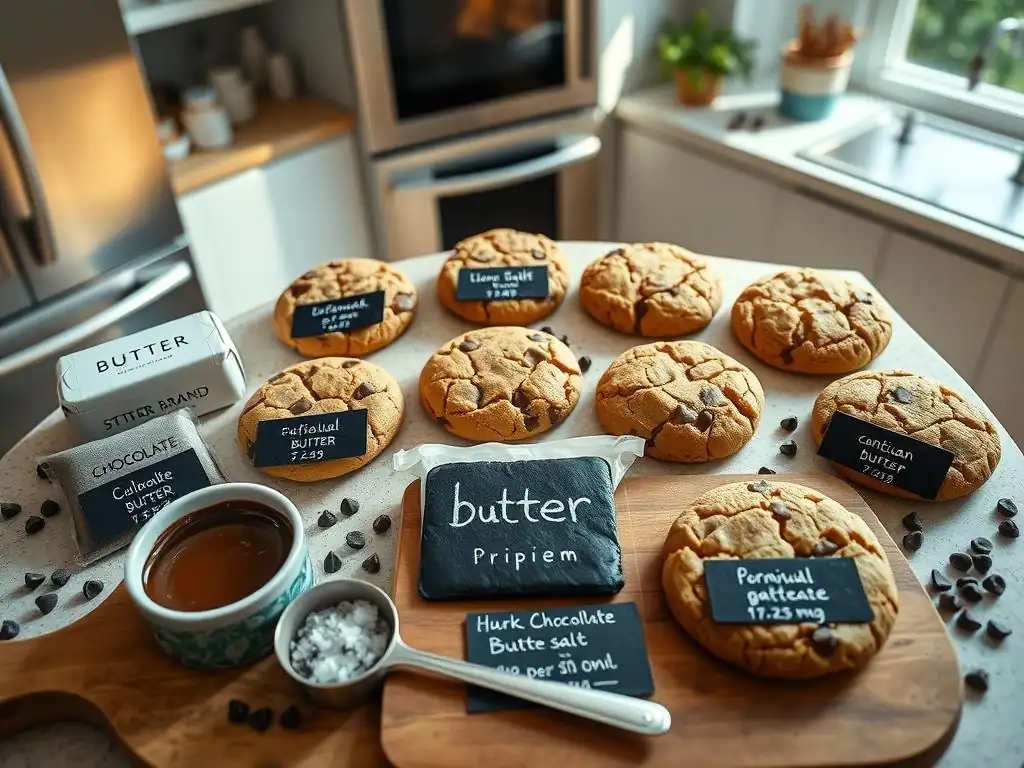
Chocolate chip cookies are a classic test for butter because butter affects their spread, chewiness, and overall richness. The fat content and melting point influence how quickly the cookies flatten in the oven, while the flavor of the butter contributes significantly to the final taste. We baked identical batches using expensive and budget butters, controlling for all other variables like flour, sugar, chocolate chips, and baking time/temperature.
Expensive Butter Chocolate Chip Cookies: Texture and Flavor Analysis
Cookies made with expensive butter (like Kerrygold or Plugrá) often exhibit slightly less spread and a thicker profile, especially if using a higher butterfat, lower moisture variety like Plugrá. The texture tends to be more tender and sometimes chewier in the center, with crisp edges. The flavor is noticeably richer, and if using a cultured butter, there might be a subtle tangy undertone that complements the sweet chocolate. The higher butterfat contributes to a more luxurious mouthfeel.
Budget Butter Chocolate Chip Cookies: Texture and Flavor Analysis
Cookies made with budget butter (like Land O'Lakes or Great Value) typically spread more due to the standard 80% butterfat and slightly higher moisture content. They often result in thinner, crispier cookies overall. While still delicious and satisfying, the flavor profile is generally less complex and rich compared to those made with premium butter. The texture is good, but might lack the same level of tenderness in the center that higher-fat butters can provide.
Buttercream Frosting: A Delicate Balance
Buttercream frosting relies heavily on butter for its structure, smoothness, and flavor. The ability of the butter to emulsify with sugar and liquid is key to achieving a light, fluffy, and stable frosting. Butter temperature and consistency are critical here, and the butter's composition can impact how well it holds air and maintains its structure.
Expensive Butter Buttercream: Smoothness and Stability
Buttercream made with expensive butter, particularly those with higher butterfat and lower moisture like Plugrá, tends to be incredibly smooth, less likely to break or curdle, and holds its shape exceptionally well. The richer flavor of premium butter also shines through, resulting in a more decadent-tasting frosting. The higher fat content contributes to a silky mouthfeel and a frosting that is stable at room temperature for longer.
Budget Butter Buttercream: Smoothness and Stability
Buttercream made with budget butter is generally successful, but may require slightly more careful handling to prevent separation. It can sometimes feel slightly less smooth or airy compared to buttercream made with higher-fat butter. The flavor is pleasant but lacks the depth and richness provided by premium butter. It's perfectly functional for covering cakes and cupcakes, but the texture and flavor aren't quite as luxurious.
Scones: Achieving the Perfect Crumble
Scones rely on cold, solid butter being cut into the dry ingredients to create pockets of fat that melt and steam during baking, resulting in a tender, crumbly texture. The firmness and fat content of the butter are crucial for this process. Too soft, and the butter incorporates too much; too much moisture, and the texture can become tougher.
Expensive Butter Scones: Tenderness and Richness
Scones made with cold, expensive butter (especially firmer, low-moisture varieties like Plugrá) tend to have a superior crumb structure. The butter is easier to cut into discrete pieces, which melt to create perfect air pockets, resulting in incredibly tender and flaky layers. The richer flavor of the premium butter also enhances the overall taste of the scone, making it feel more indulgent.
Budget Butter Scones: Tenderness and Richness
Scones made with budget butter can still be good, but achieving the same level of tenderness and flakiness might be slightly more challenging. Standard 80% butterfat butter can sometimes be softer when cold, making it harder to cut in effectively. While they will still rise and be enjoyable, they may be slightly less tender or have a less pronounced flaky texture compared to those made with premium, lower-moisture butter.
Expensive Butter Baking Benefits: A Detailed Analysis
Enhanced Flavor Profiles: Does Expensive Butter Taste Better?
Yes, in many cases, expensive butter does taste better, and this translates into enhanced flavor profiles in baked goods. Butters made from grass-fed cows (like Kerrygold) often have a richer, more complex, and sometimes slightly grassy or nutty flavor. Cultured butters introduce a pleasant tanginess that can balance sweetness and add dimension. This superior inherent flavor of the butter itself becomes part of the final product, especially in recipes where butter is a primary ingredient or flavor carrier.
When compared side-by-side in blind taste tests of plain butter or simple recipes like shortbread, the difference in flavor between a premium butter and a budget option is often discernible. While sugar, flour, and other ingredients dominate in complex recipes, the subtle richness and depth provided by high-quality butter can elevate the overall taste experience, contributing significantly to the expensive butter baking benefits.
Superior Texture and Mouthfeel: The Impact of Butterfat
One of the most significant expensive butter baking benefits is the impact on texture and mouthfeel, largely due to higher butterfat content and lower moisture. Higher butterfat leads to less gluten development and more fat coating flour particles, resulting in more tender cakes, crumbly scones, and chewier cookies (depending on other factors). The lower moisture content in European-style butters means less steam is created during baking, which is crucial for achieving flaky layers in pastries and biscuits.
The texture difference is often palpable – baked goods made with premium butter can feel more delicate, melt-in-your-mouth, and luxurious. In frostings, higher butterfat contributes to a smoother, silkier consistency that holds peaks beautifully. This textural superiority is a key reason why bakers invest in expensive butter for specific applications.
Improved Baking Performance: Consistency and Reliability
Premium butters often offer superior consistency and reliability. Brands like Plugrá are specifically manufactured with baking in mind, ensuring precise butterfat and moisture levels batch after batch. This predictability means you can rely on the butter to perform the same way every time you use it, which is invaluable for professional bakers and serious hobbyists.
While budget butters are generally consistent within their own brand, the higher technical specifications and quality control often associated with premium butters can lead to slightly more predictable and optimal results, particularly in challenging techniques like laminating dough or achieving perfect emulsion in sauces and frostings. This improved performance is a tangible benefit of choosing expensive butter for baking projects where precision is paramount.
Budget Butter Baking Benefits: When It's Good Enough
Cost-Effectiveness: Saving Money Without Sacrificing Too Much
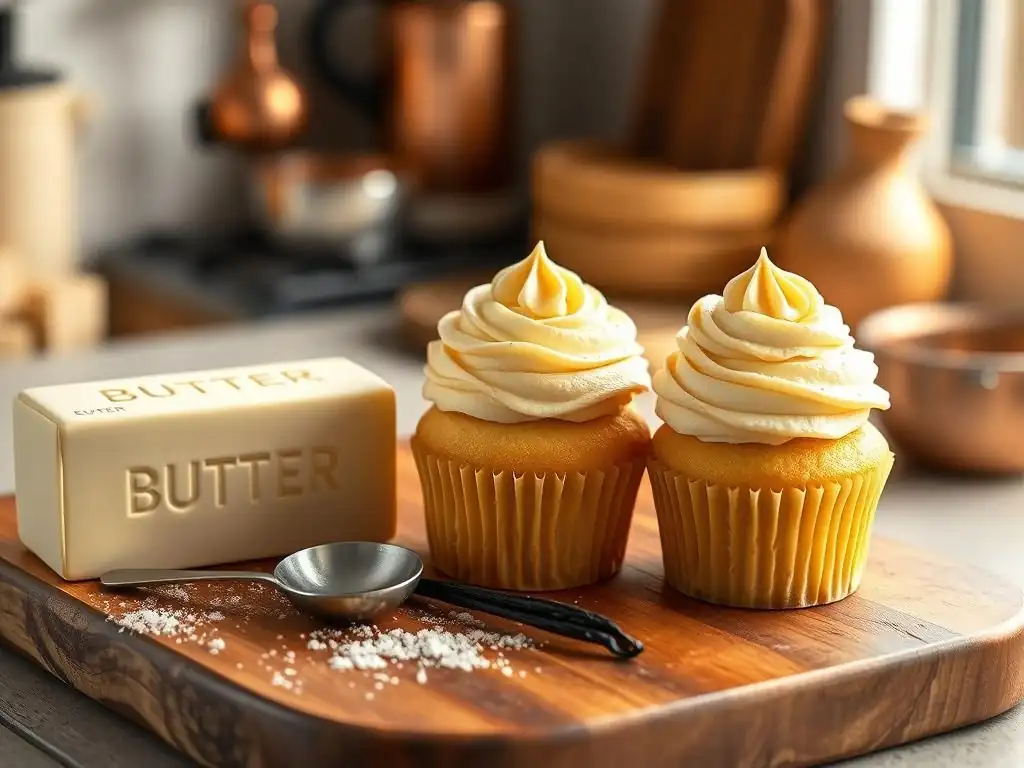
The most obvious budget butter baking benefit is cost-effectiveness. Standard 80% butterfat butter is significantly cheaper than premium options, often by 30-50% or more per pound. For bakers who bake frequently, in large quantities, or for whom budget is a primary concern, this cost saving is substantial and allows for more frequent baking without breaking the bank.
While premium butters offer advantages, the reality is that standard butter produces perfectly delicious baked goods for the vast majority of recipes and consumers. Unless you are aiming for the absolute pinnacle of texture or flavor in a specific application, using budget butter allows you to enjoy baking regularly and affordably.
Accessibility: Easy to Find in Any Grocery Store
Another significant budget butter baking benefit is accessibility. Standard 80% butterfat butter from major brands is available in virtually every grocery store, from large supermarkets to smaller convenience stores. You don't need to seek out specialty stores or premium sections to find it.
This widespread availability means you can decide to bake spontaneously without needing to plan a special shopping trip. For everyday baking, having a reliable, accessible option like Land O'Lakes or Challenge Butter readily available is a major convenience that expensive butters, which may only be stocked in select stores, cannot match.
Acceptable Results: Still Delicious Baked Goods
Crucially, budget butter still yields perfectly acceptable, and often delicious, baked goods. For many recipes – think simple muffins, quick breads, everyday cakes, or basic cookies – the difference in the final product when using budget butter versus expensive butter is subtle enough that most people wouldn't notice or mind.
The core function of butter – providing fat, moisture, and flavor – is still fulfilled by budget options. While the nuances of texture or richness might be slightly less pronounced, the end result is still a satisfying homemade treat. The benefit here is that you can bake a wide variety of successful recipes using readily available and affordable ingredients, proving that you don't always need the most expensive option to bake something wonderful.
The Verdict: Is Expensive Butter Worth It for Baking?
After our expensive butter baking comparison, the answer isn't a simple yes or no. It depends entirely on the recipe, your baking goals, and your budget. Premium butters do offer tangible benefits, particularly in flavor depth, textural superiority, and consistency, especially those with higher butterfat and lower moisture or a cultured profile.
However, budget butters are reliable workhorses that perform perfectly well in countless applications, are easily accessible, and significantly more economical. For many bakers and many recipes, the difference provided by expensive butter, while real, may not be worth the added cost.
When to Splurge on Expensive Butter
Consider splurging on expensive butter when:
- Butter is a primary flavor component in the recipe (e.g., shortbread, pound cake, simple butter cookies).
- Texture is paramount (e.g., flaky pie crusts, croissants, delicate scones).
- You need maximum control and consistency for professional-level results (e.g., complex pastries, competition baking).
- You are making a recipe specifically designed for high-fat or cultured butter.
- You simply want the richest possible flavor and don't mind the extra cost.
When Budget Butter is the Right Choice
Budget butter is the right choice when:
- Butter is just one of many ingredients and its flavor/texture impact is less dominant (e.g., dense cakes, brownies, muffins with lots of mix-ins).
- Cost is a significant factor, or you are baking in large quantities.
- Accessibility is key, and you need butter from your local supermarket.
- You are making everyday baked goods for family or casual events where slight textural nuances aren't critical.
- The recipe doesn't specifically call for a high-fat or European-style butter.
Recommendations: Our Top Butter Picks for Baking
Here are our picks based on performance, value, and specific use cases from our expensive butter baking comparison:
Best Overall: Kerrygold - For Uncompromising Quality
- Combines excellent flavor from grass-fed milk with a beneficial 82% butterfat.
- Performs beautifully in a wide range of recipes, enhancing both flavor and texture.
- Widely available compared to some other European imports.
- A great choice when you want noticeable expensive butter baking benefits without going to the absolute highest price tier.
Best Value: Land O'Lakes - For Everyday Baking
- Consistently reliable 80% butterfat butter.
- Performs well in the majority of standard American baking recipes.
- Readily available and affordable.
- The perfect workhorse butter for all your basic baking needs, offering great results for the price.
Best for Specific Recipes: Plugrá - For Flaky Pastries
- Excellent 82% butterfat and low moisture content.
- Ideal for recipes where cold, firm butter and flakiness are key, such as pie crusts, biscuits, and laminated doughs.
- Provides superior control and results for specific technical applications.
- Worth the splurge when making pastries where texture is the star, showcasing specific expensive butter baking benefits.
Frequently Asked Questions
Is there a noticeable difference in taste when using expensive butter in baking?
Yes, often there is. More expensive butters, particularly European-style butters, typically have a higher butterfat content, which contributes to a richer, more complex flavor in baked goods. This can lead to a more decadent and satisfying final product.
Does the type of butter affect the texture of baked goods?
Absolutely. The butterfat content plays a significant role in texture. Higher fat content can lead to more tender and flaky pastries, cookies, and pie crusts. Lower fat butter may result in a drier or tougher texture.
Are there specific baked goods where expensive butter makes the biggest difference?
Generally, baked goods where butter is a prominent flavor, like shortbread cookies, croissants, and butter cakes, will benefit the most from using expensive butter. The nuanced flavor will be more noticeable in these recipes.
Is it worth the extra cost to use expensive butter for every baking project?
Not necessarily. For recipes where butter is a minor ingredient or masked by other strong flavors (like chocolate chip cookies with lots of chocolate), the difference may be negligible. Consider using less expensive butter for these projects.
What are some key factors to consider when choosing butter for baking, besides price?
Look for butterfat content (aim for 82% or higher for European-style butters), whether it's salted or unsalted, and the butter's freshness. Unsalted butter is usually preferred for baking to control the salt level in the recipe.
Final Reflection: The Golden Standard of Baking? Rethinking Butter's Value
The seemingly simple question of whether expensive butter truly elevates baking has revealed a complex interplay of factors extending far beyond mere price. Our comparison highlighted subtle yet significant differences in flavor, texture, and overall baking performance, challenging the assumption that a higher price tag automatically equates to superior results. This isn't just about butter; it's about understanding the nuanced relationship between ingredients, process, and the final product.
This exploration has underscored the importance of mindful ingredient selection in baking, a craft deeply intertwined with our cultural heritage and personal experiences. The act of baking, itself, is often a cherished tradition, passed down through generations. The quality of ingredients, therefore, directly impacts not only the taste but also the emotional connection we have with the finished product. Baking is at once child's play and adult joy. And love, of course.
– Alma Flor Ada. This quote perfectly encapsulates the emotional weight we place on the process and the resulting baked goods, making the choice of butter a significant one.
So, what does this mean for you, the baker? Consider this a call to curiosity. Don't be afraid to experiment, to compare, and to discover what truly resonates with your palate and baking style. The "best" butter isn't a universal constant; it's a personal journey of discovery. Embrace the process, savor the results, and remember that even the simplest act of baking can hold profound meaning. Let this exploration inspire you to approach your baking with intention and appreciation for the ingredients that bring your creations to life.
Unleash Your Inner Baker: Elevate Your Baking Game!
Thanks for taking the time to explore the world of butter with us! We hope you gained valuable insights into choosing the perfect butter for your baking needs. Now it's time to put that knowledge to the test!
- Try a blind taste test: Bake the same recipe twice – once with your usual butter and once with a higher-end option. See if you can really taste the difference! This is your primary action – it's engaging and directly relates to the article’s content.
- Share your results: Tell us (and other bakers!) about your experience in the comments below. Did the more expensive butter make a noticeable difference?
- Experiment with a new recipe: Challenge yourself to try a recipe you've never baked before, using the butter you've learned is best suited for the results you desire.
So, what delicious creation will you bake next to put your newfound butter wisdom to the test?