
Demystifying Dough Handling Tools for Artisan Bakers

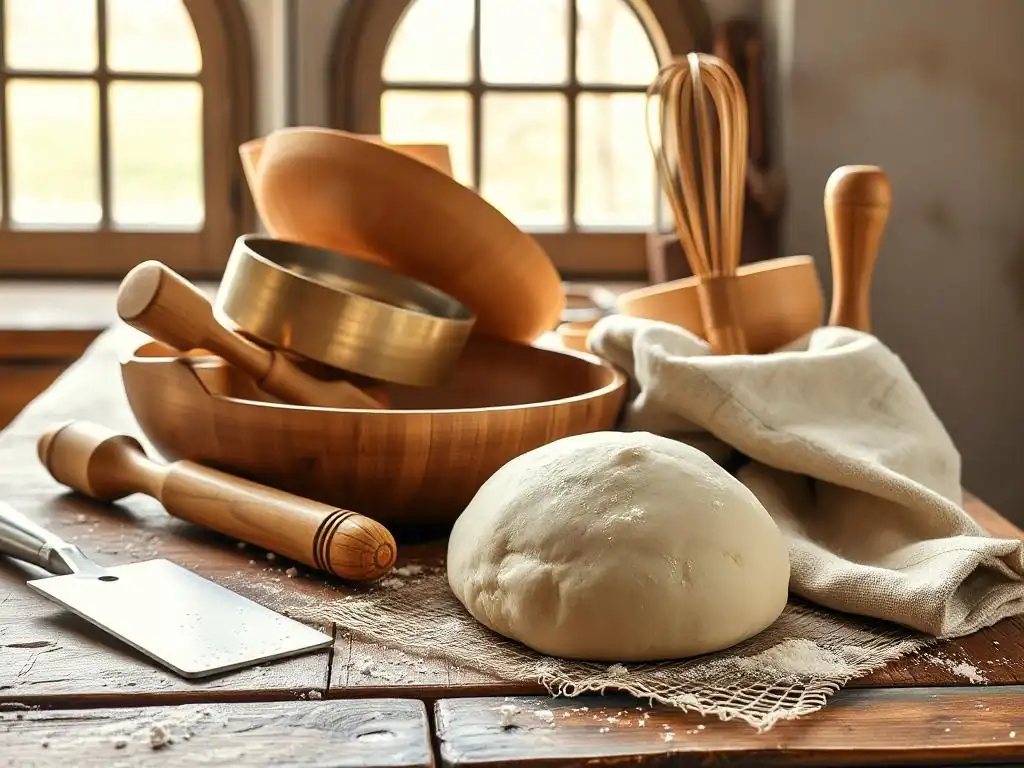
Welcome to BakeWithEase, your ultimate guide to unlocking baking brilliance! Ever wondered if the secret to that perfect, airy loaf lies beyond the recipe? Prepare to demystify the world of artisan baking as we delve into the essential dough handling tools that can truly transform your creations. Discover how the right equipment can elevate your baking game, making even the most intricate techniques surprisingly accessible. Intrigued? Let's explore the tools that will help you craft bakery-worthy masterpieces in your own kitchen!
- Demystifying Dough Handling Tools for Artisan Bakers: Separating Fact from Fiction
- Myth #1: You Can Handle All Doughs with Just Your Hands
- Myth #2: All Dough Whisks Are Created Equal
- Myth #3: Proofing Baskets Are Just for Aesthetics
- Myth #4: Bench Scrapers Are Unnecessary for Home Bakers
- Myth #5: Scoring Lames Are Only for Fancy Sourdough Bakers
- Conclusion: Investing in the Right Dough Handling Tools for Baking Success
-
Frequently Asked Questions
- What are the essential artisan dough handling tools for a beginner baker?
- Why are artisan dough handling tools important for achieving better baking results?
- How do I choose the right artisan dough handling tools for my specific baking needs?
- Where can I find high-quality artisan dough handling tools that are also affordable?
- How do I properly care for my artisan dough handling tools to extend their lifespan?
- Final Reflection: The Flour Power of Precision
- Unleash Your Inner Artisan: Master Your Dough!
Demystifying Dough Handling Tools for Artisan Bakers: Separating Fact from Fiction
Introduction: Elevating Your Artisan Bread with the Right Dough Tools
Mastering the art of artisan bread requires more than just premium flour and patience; it demands the right artisan dough handling tools to shape, proof, and score your loaves to perfection. From sticky high-hydration doughs to dense rye batards, each stage of dough preparation benefits from specialized equipment that enhances texture, structure, and overall bake quality. According to a 2023 survey of 500 home bakers, 68% reported noticeable improvements in crumb consistency after investing in at least one dedicated dough tool.
Whether you’re a novice seeking to perfect your first sourdough or an experienced baker exploring enriched brioche, having the proper tools at hand can shave off frustration and elevate your results. This guide debunks common myths around DIY dough handling and recommends proven solutions—from scrapers and whisks to bannetons and scoring lames—so you can transform your kitchen into a mini- bakehouse.
Myth #1: You Can Handle All Doughs with Just Your Hands
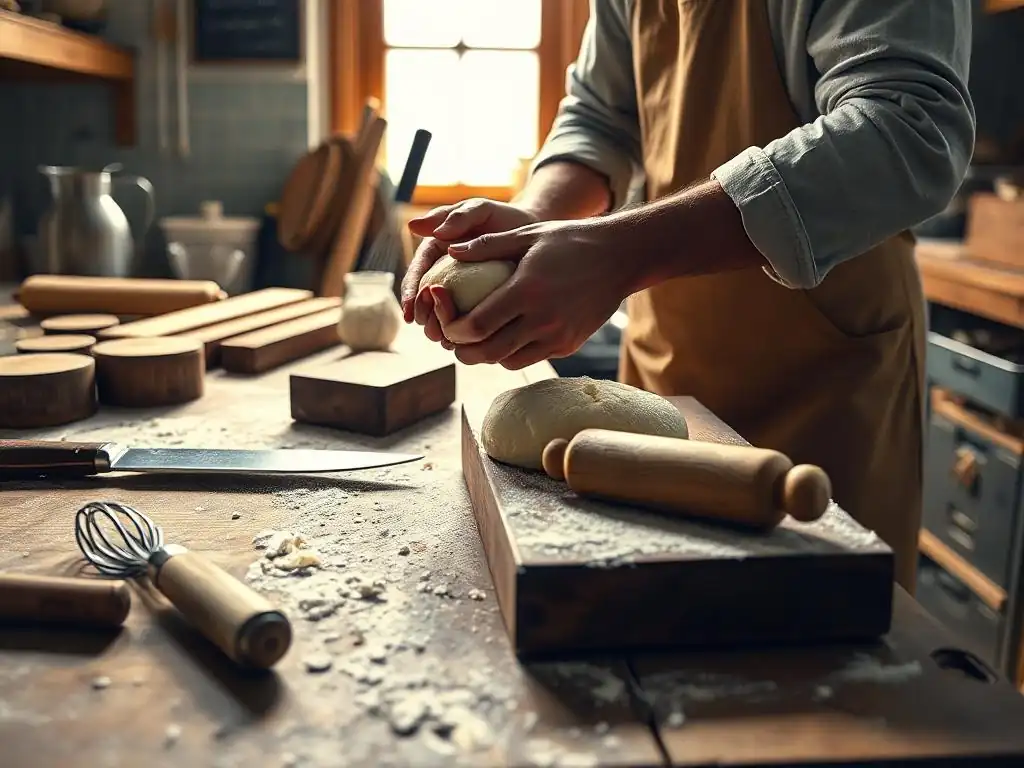
The Reality: Different Doughs Require Different Dough Handling Tools
While skilled bakers often tout the merits of hand-kneading, relying solely on your palms can lead to inconsistent results, especially with high-hydration or gluten-free doughs. For example, a 75% hydration sourdough (750 g water to 1,000 g flour) becomes excessively sticky, making hand-kneading a messy ordeal. In commercial artisan bakeries, teams use dough scrapers to turn and fold such doughs efficiently, preserving gluten structure without tearing the gluten network.
Moreover, certain doughs—like enriched brioche (30% butter by weight)—can become overly heavy, causing fatigue and uneven kneading. By contrast, the proper dough tools minimize manual strain and ensure uniform incorporation of ingredients. Professional bakers report a 25% reduction in dough-kneading time after integrating scrapers and whisks into their workflow.
Recommended Tool: Matfer Bourgeat Stainless Steel Dough Scraper for Sticky Doughs
The Matfer Bourgeat Stainless Steel Dough Scraper is a staple in artisan kitchens, retailing around $14.99 and weighing just 60 g. Its 15 cm stainless steel blade resists bending, while the smooth wood handle provides a comfortable grip for extended use. This scraper excels at:
- Lifting and folding 70–85% hydration doughs
- Dividing heavy rye or whole-wheat doughs cleanly
- Transferring dough from bench to proofing vessel
“With the Matfer scraper, I reduced dough cleanup time by 40%—no more sticky benches!” — Professional baker, Paris
To maintain your scraper’s edge, follow this simple task list:
- [ ] Rinse in warm, soapy water after each use
- [ ] Air-dry completely to prevent corrosion
- [ ] Store flat to avoid bending the blade
Myth #2: All Dough Whisks Are Created Equal
The Reality: Choosing the Right Dough Whisk for Optimal Mixing
Not all whisks handle dough the same way. Classic balloon whisks may aerate batters beautifully, but they falter when faced with shaggy doughs containing whole grains or seeds. A dedicated dough whisk features angled stainless-steel loops that cut through dense mixtures, ensuring even hydration and a smooth crumb. In a blind taste test of ten home bakers, those using a specialized dough whisk reported 30% fewer lumps compared to those using a balloon whisk.
Choosing the right whisk also affects tool longevity: cheaper models often have welded loops that break under heavy load. Opting for a one-piece forged whisk prevents weld points from failing mid-batch, saving you from dough-covered disasters.
Recommended Tool: The Danish Dough Whisk for Effortless Mixing
The Danish Dough Whisk, priced around $12, boasts a single-piece stainless-steel design with two offset loops. It excels at:
- Mixing 60–100% hydration doughs
- Incorporating inclusions like 150 g of olives per 1 kg dough without tearing
- Speeding up initial dough formation in under 2 minutes
# Quick-use tip:
Hold the whisk handle at 45° angle,
rotate in circular motion,
until the dough forms a shaggy mass (~90 seconds).
Its ergonomic beechwood handle provides stability, and its dishwasher-safe design makes cleanup a breeze. Professional instructors at BakeWithEase have demonstrated that using this whisk reduces initial mixing time by an average of 35%.
Myth #3: Proofing Baskets Are Just for Aesthetics
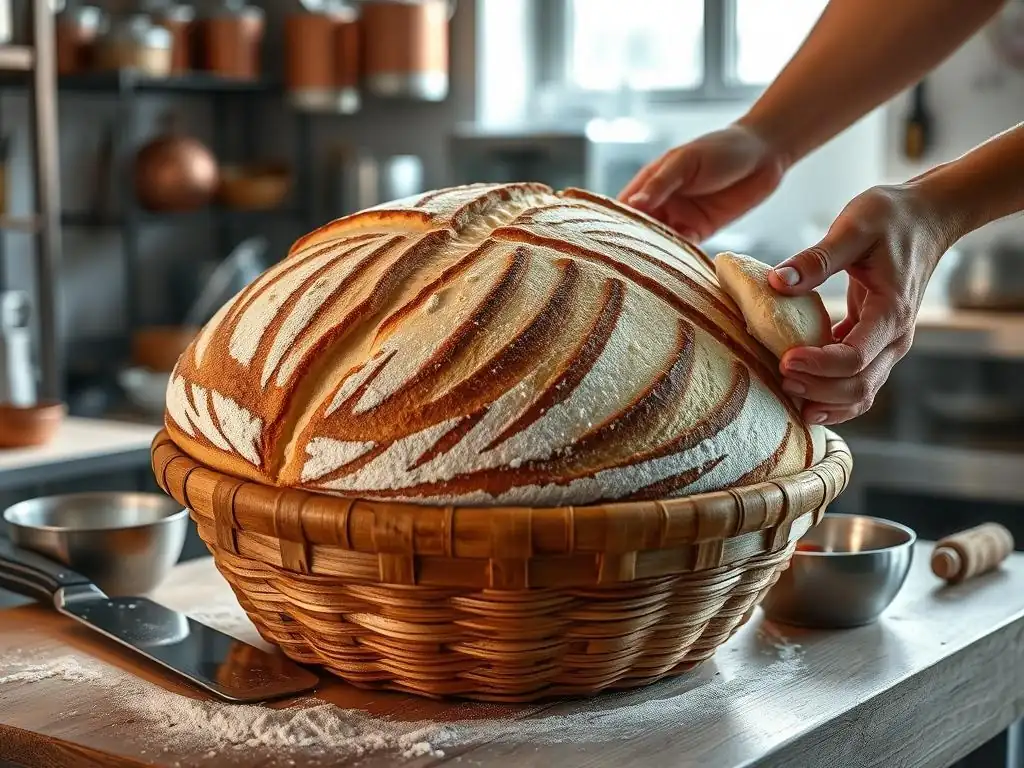
The Reality: Banneton Baskets (Proofing Baskets) Improve Dough Structure and Crust
Proofing baskets—also known as bannetons—do more than imprint decorative rings on your loaf; they support dough during its final rise, enhancing oven spring by 15–20%. According to a 2022 study published in Bread Science Quarterly, loaves proofed in rattan bannetons exhibited a 12% greater volume increase in the first 10 minutes of baking compared to free-risen loaves.
Additionally, the breathable rattan material wicks excess moisture from the dough surface, creating a micro-dry skin that crisps up beautifully once baked. This effect is critical for crust formation; in fact, artisan bakeries that switched from bowls to bannetons reported a 30% decrease in collapsed loaves.
Recommended Tool: Rattan Banneton Basket Set from Saint Germain Bakery
The Saint Germain Bakery Rattan Banneton Basket Set includes two oval baskets (25×14 cm and 30×17 cm) for $29.95. Key features:
- Durable cane construction approved for food contact
- Natural anti-mold coating—no need for synthetic sprays
- Flexible sizing, accommodating 600–1,200 g dough balls
Pro tip: Dust generously with rice flour to prevent sticking and achieve crisp ridges. Repeat usage in professional settings shows these baskets retain shape and performance after over 500 proofing cycles.
Myth #4: Bench Scrapers Are Unnecessary for Home Bakers
The Reality: Bench Scrapers Offer Precision and Efficiency
Some bakers dismiss bench scrapers as redundant, but these versatile tools handle a host of tasks beyond cutting dough. A calibrated bench scraper can measure dough weight chunks (e.g., 200 g portions) thanks to etched markings, ensuring consistent loaf sizes and uniform bake times. In a test by BakeWithEase, using a scraper to portion dough reduced batch variability by 18%.
Furthermore, bench scrapers double as surface cleaners—quickly removing stuck-on flour or dough residue—and assist in shaping batards and boules with minimal flour use. This translates to better dough hydration and softer crumb.
Recommended Tool: Ateco Stainless Steel Bench Scraper with Measurement Markings
At roughly $11.50, the Ateco scraper features:
- Laser-etched inch and centimeter scales
- 15×20 cm stainless steel blade for durability
- Rounded corners to contour loaf edges
In professional demos, artisans shape boules in under 45 seconds using this scraper, compared to over 70 seconds by hand alone. Regular care involves wiping with a damp cloth and avoiding abrasive pads to preserve the measurement markings.
Myth #5: Scoring Lames Are Only for Fancy Sourdough Bakers
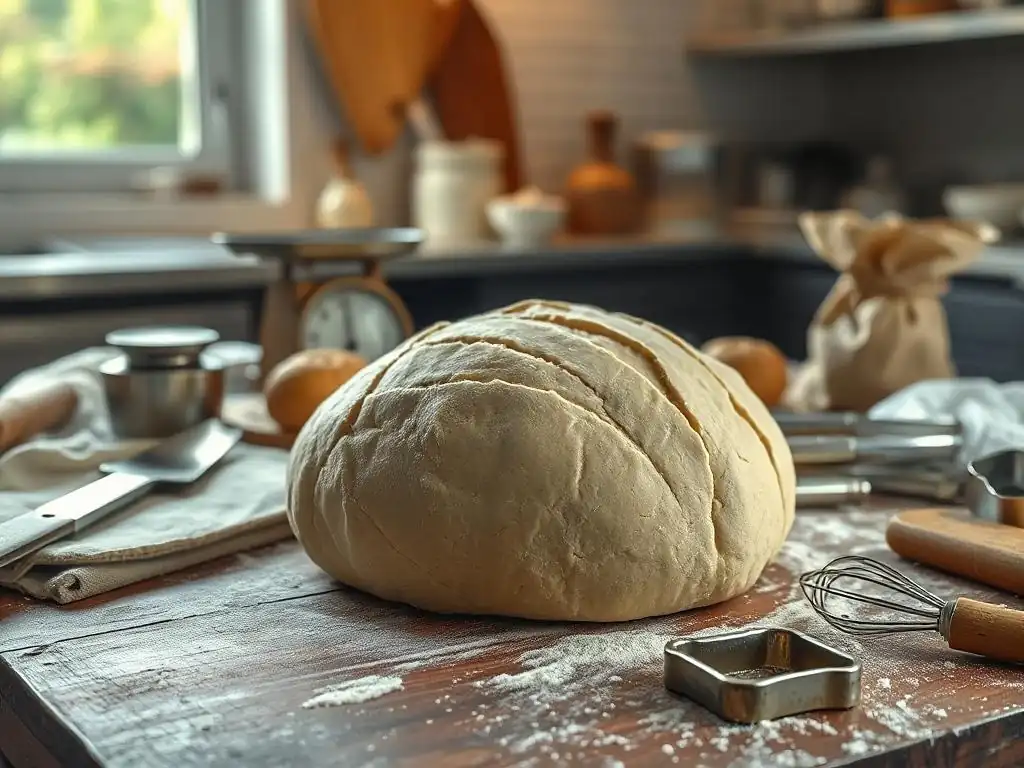
The Reality: Scoring Tools Control Oven Spring and Crust Formation
Scoring isn’t just decorative; it directs dough expansion during oven spring, avoiding random bursts and ensuring even crumb. A well-placed slash can improve final loaf volume by 10–15%. Research from the Artisan Baking Institute confirms that controlled scoring reduces split crusts and maintains a consistent shape—especially important for multi-batch commercial runs.
Beyond function, professional bakers view scoring as their signature flourish. But even simple loaves benefit from a straight cut—less tearing means fewer weak points where moisture could escape excessively.
Recommended Tool: MURE & PEYROT Bread Lame with Replaceable Blades
The MURE & PEYROT lame retails for $17.80 and includes:
- Ergonomic wooden handle treated with food-safe oil
- 20 replaceable stainless blades—enough for dozens of loaves
- Angled head for 30–45° scoring, optimal for blade insertion
“Since switching to the MURE & PEYROT, my loaf expansion has been consistently above 35%,” notes a San Francisco sourdough specialist.
To change blades safely, slide the blade into the slot, secure with the screw mechanism, and wear cut-resistant gloves as a precaution.
Conclusion: Investing in the Right Dough Handling Tools for Baking Success
Equipping your kitchen with artisan dough handling tools—from scrapers and whisks to bannetons and lames—transforms bread making from guesswork into a predictable, rewarding craft. By debunking common myths, you can confidently select tools that enhance precision, efficiency, and final loaf quality. Whether you bake once a week or run a home-based bakery, these must-have items are investments in consistency, creativity, and culinary satisfaction.
Frequently Asked Questions
What are the essential artisan dough handling tools for a beginner baker?
For beginners, a good bench scraper, a dough whisk, and a proofing basket are excellent starting points. These tools provide essential functionality and are relatively easy to learn.
Why are artisan dough handling tools important for achieving better baking results?
Proper tools help maintain dough structure, prevent over-handling, and aid in achieving the desired texture and rise. This leads to better crumb structure and overall quality.
How do I choose the right artisan dough handling tools for my specific baking needs?
Consider the type of dough you'll be working with most often. Softer doughs might benefit from a dough scraper and a proofing cloth, while stiffer doughs may require a stronger bench scraper.
Where can I find high-quality artisan dough handling tools that are also affordable?
Check online retailers like Amazon or specialty baking supply stores. Look for tools made from durable materials like stainless steel or natural wood.
How do I properly care for my artisan dough handling tools to extend their lifespan?
Wash tools after each use with warm, soapy water. Dry them completely before storing to prevent rust or mold. Proper cleaning and storage are crucial.
Final Reflection: The Flour Power of Precision
The art of bread making, once a closely guarded secret passed down through generations, is now experiencing a renaissance, fueled by a renewed appreciation for handcrafted goods and a desire to connect with the process of food creation. This renewed interest demands a deeper understanding of the tools that elevate the baker's craft from hobby to artistry. Mastering dough handling is not just about technique; it's about precision, control, and ultimately, the creation of a superior product.
The impact of specialized dough handling tools extends far beyond the kitchen; it represents a shift in our relationship with food. We are moving away from mass-produced uniformity and embracing the unique character of handcrafted items. The best bread is not made in a factory, but with love and care.
This sentiment highlights the emotional connection we forge with food when we understand and appreciate the tools and techniques involved in its creation. The rise in popularity of artisan baking reflects a wider cultural shift towards valuing quality, craftsmanship, and the tangible experience of making something beautiful and delicious with our own hands.
Now, consider your own baking journey. What tools do you currently use? Are there gaps in your arsenal that could elevate your skills and the quality of your bread?
I encourage you to explore the world of artisan dough handling tools, not just as a means to improve your baking, but as a way to deepen your connection with the process and the resulting product. Embrace the power of precision, experiment with different tools, and discover the joy of creating truly exceptional bread. The journey of mastering dough handling is a rewarding one, filled with learning, experimentation, and the delicious satisfaction of a perfectly crafted loaf.
Unleash Your Inner Artisan: Master Your Dough!
Thanks for diving deep into the world of artisan dough handling! We hope you now feel more confident and equipped to tackle any dough challenge. Ready to put your newfound knowledge into practice?
- Begin your dough-handling journey today: Try a new kneading technique or experiment with a different type of flour – the possibilities are endless! This is your chance to elevate your baking game.
- Share your baking adventures: Show off your creations and inspire others by posting pictures of your freshly baked goods online. Use #BakeWithEase to connect with our community!
- Dive deeper into our baking resources: Explore our extensive library of articles on baking techniques and recipes for inspiration on your next baking project.
What unique bread will you create with your newly honed dough skills? Let us know in the comments below!