
Expanding Your Menu: When and How to Introduce New Baked Goods

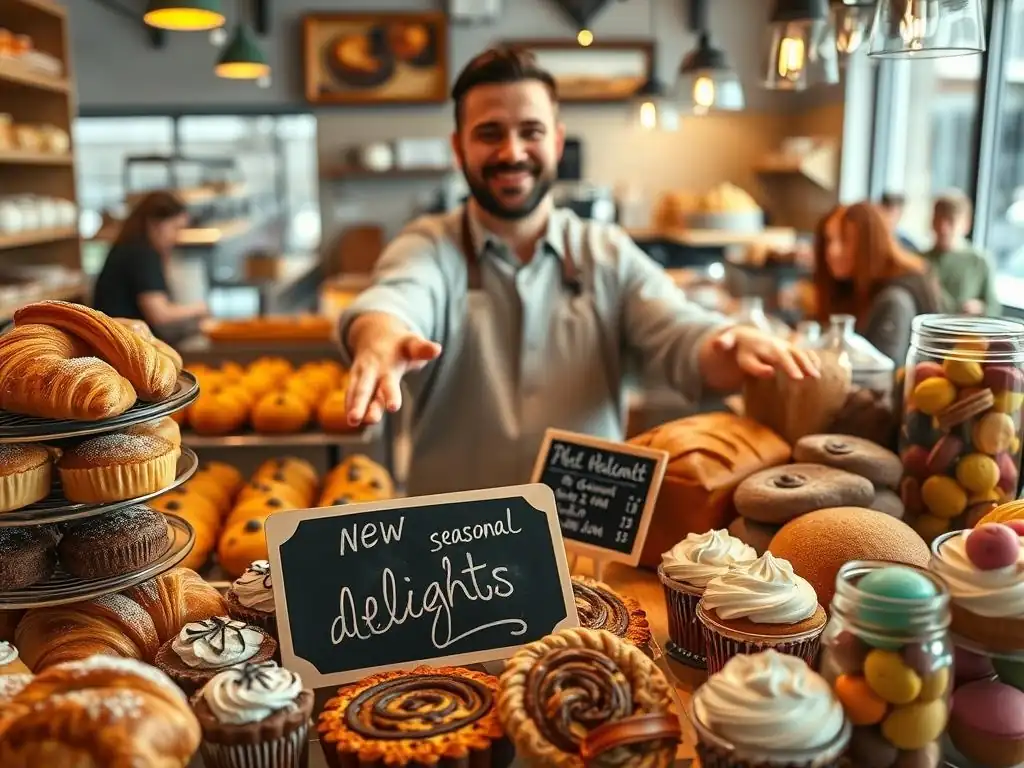
Welcome to BakeWithEase, your trusted guide to the delightful world of baking! Ever wondered how to effectively introduce new flavors and creations to your loyal customers? Today, we delve into the strategic art of a new baked goods menu launch. Discover the secrets to timing, presentation, and customer engagement that will have everyone craving your latest masterpieces. Ready to expand your repertoire and your business? Let's get baking!
Embarking on a new baked goods menu launch for your home bakery is an exciting step. It's a chance to refresh your offerings, delight existing customers, and attract new ones. Deciding when and how to introduce these new creations requires careful planning, from recipe development to marketing strategy. This guide will walk you through the process, helping you make your next menu expansion a sweet success.
- Why Consider a New Baked Goods Menu Launch for Your Home Bakery?
- Assessing the Right Time for a New Baked Goods Menu Launch
- Planning Your New Baked Goods Menu Items
- Marketing Your New Baked Goods Menu Launch
- Implementing Your New Baked Goods Menu Successfully
- Troubleshooting Common Challenges When Launching a New Baked Goods Menu
- Examples of Successful New Baked Goods Menu Launches in Home Bakeries
- Measuring the Success of Your New Baked Goods Menu Launch
-
Frequently Asked Questions
- How often should I introduce new items to my baked goods menu?
- What factors should I consider when deciding when to launch a new baked goods menu?
- How can I effectively market a new baked goods menu launch?
- What's the best way to gather customer feedback on new baked goods?
- How many new items should I add to my menu at once?
- Final Reflection: The Sweet Success of Culinary Innovation
- Unleash Your Inner Baker: Expand Your Delicious Menu Today!
Introducing new items isn't just about having more options; it's a strategic move that can significantly impact your business's growth and sustainability. A well-executed new baked goods menu launch can revitalize interest, increase sales, and solidify your brand identity in the market.
Boosting Revenue with Signature Creations
A new baked goods menu launch provides an opportunity to introduce unique, signature items that command attention and potentially higher price points. For example, developing a unique flavor combination for a cupcake line, like "Lavender Honey" or "Spicy Chocolate Chili," can differentiate your bakery from competitors.
If your average customer spends $15 per order and you introduce a signature cake that sells for $30, even a few sales of this new item per week can notably increase your average transaction value and overall revenue. Many home bakeries report a 10-15% increase in average order size within the first few months after launching a popular signature item.
Furthermore, signature creations often lead to repeat business and word-of-mouth referrals. A customer who falls in love with your unique "Maple Pecan Scone" is likely to return specifically for it and tell their friends. This organic marketing is invaluable and directly contributes to sustained revenue growth beyond the initial launch phase. Think about how a single, rave-reviewed item can become synonymous with your brand, driving consistent demand.
Attracting New Customers with Unique Offerings
A diverse and evolving menu is a powerful magnet for new customers. People are often searching for specific items they can't easily find elsewhere, whether it's vegan cookies, gluten-free bread, or a regional pastry. A new baked goods menu launch that caters to these niche demands can open up entirely new customer segments for your home bakery. For instance, adding a line of allergen-friendly treats could attract families with dietary restrictions who previously couldn't purchase from you.
Consider a scenario where a home bakery primarily sold standard cakes and cookies. By introducing a line of artisanal sourdough breads, they could attract customers specifically looking for high-quality, naturally leavened loaves, a demographic likely different from their original clientele. This expansion broadens market reach and reduces reliance on a single customer base. Research indicates that bakeries introducing popular niche items can see their customer base expand by 20-30% within a year.
Staying Competitive in the Local Baking Market
The home baking market can be competitive, with new cottage food businesses popping up regularly. Stagnation can lead to customers seeking novelty elsewhere. A periodic new baked goods menu launch demonstrates innovation and keeps your offerings fresh and exciting, ensuring you remain top-of-mind for consumers. It signals that your bakery is dynamic and responsive to trends and customer desires.
Regularly updating your menu, perhaps quarterly or seasonally, helps maintain customer interest and provides reasons for repeat visits. If a competitor just launched a successful line of decorated sugar cookies, counter with your own unique twist, like custom-designed cookie sets or innovative flavors. Staying competitive is about offering perceived value and novelty that encourages customers to choose your bakery over others.
Timing is crucial for a successful new baked goods menu launch. Rushing the process can lead to production issues, poor reception, and wasted resources. Taking the time to evaluate your business's current state and market conditions will help you determine the optimal moment to introduce new items.
Analyzing Current Sales Data: Identifying Top and Bottom Performers
Before introducing a new baked goods menu, dive deep into your existing sales data. Identify your top-selling items – these are your cash cows and shouldn't be overshadowed or neglected by the new additions. Equally important is identifying your bottom performers.
Are there items that consistently sell poorly? These might be candidates for removal to make space and resources for new products. For example, if your data shows that your lemon bars consistently account for less than 2% of sales while your chocolate chip cookies make up 30%, it might be time to phase out the lemon bars to focus on developing a new, potentially more popular bar flavor.
Analyzing sales data also helps you understand sales cycles and peak seasons. Launching a heavy, rich dessert in the middle of summer might not be as successful as launching it closer to the holiday season. Look at trends over the past year: when are sales highest? When do specific items peak? Use this information to plan your new baked goods menu launch timing to coincide with periods of high customer activity or specific seasonal demands.
Identifying Customer Demand: Surveys and Direct Feedback
Your customers are your best source of information regarding potential new products. Actively solicit feedback through surveys, social media polls, or direct conversations at pickup points or markets. Ask them what they wish you offered or what types of baked goods they struggle to find locally. For instance, if multiple customers have asked if you make savory scones or gluten-free options, this indicates a potential area of demand for a new baked goods menu item.
Gathering this feedback isn't just about getting ideas; it also builds anticipation and makes customers feel valued. When you launch an item they suggested, they become invested in its success and are more likely to purchase and promote it. Consider running a simple poll on Instagram asking followers to choose between three potential new items – the response rate will give you a strong indication of initial interest before you even start baking.
Considering Seasonal Trends: Holiday Specials and Summer Treats
Seasonal trends offer natural opportunities for a new baked goods menu launch. Customers look forward to special treats during holidays like Christmas, Thanksgiving, or Valentine's Day. Planning limited-time offerings around these events can create excitement and drive temporary spikes in sales. Think gingerbread cookies and festive cakes in winter, or light, fruity tarts and iced coffees in summer.
Beyond major holidays, consider local seasonal produce. If your area has a berry season, introducing a berry-focused pie or scone can be a hit. These seasonal items not only align with customer expectations but also allow you to use fresh, local ingredients, which can be a selling point. A well-timed seasonal new baked goods menu launch feels timely and relevant to your customers' lives.
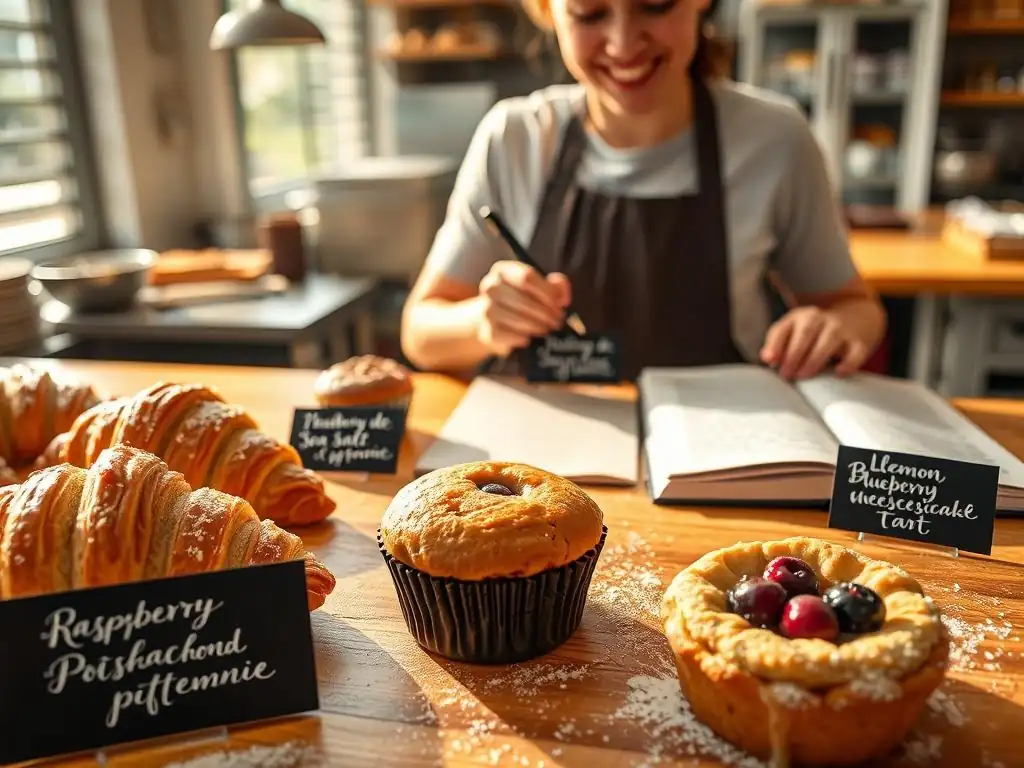
Once you've decided when to launch, the next step is figuring out what to launch. This involves creativity, testing, and practical considerations like cost and pricing.
Brainstorming New Recipes: Incorporating Local Ingredients
Begin by brainstorming ideas based on your analysis of sales data and customer feedback. What gaps can you fill? What unique twist can you put on a classic? Incorporating local ingredients can add a unique selling proposition and support local producers. For example, if you live in a region known for its apples, developing a signature apple pie or apple cider donut using locally sourced fruit can resonate strongly with customers.
Think about your brand identity. Are you known for rustic breads, delicate pastries, or fun, decorated treats? Ensure the new items align with your existing brand or represent a desired evolution. Research current baking trends, but also consider timeless classics that might be missing from your menu. Jot down every idea, no matter how wild it seems initially.
Testing and Refining New Recipes: Focus Groups and Taste Tests
Recipe development is an iterative process. Once you have potential ideas, move to the kitchen. Start with small batches, meticulously documenting ingredients, measurements, and procedures. Refine until you achieve the desired taste, texture, and appearance. Don't be afraid to experiment and iterate; it might take several attempts to perfect a recipe.
Once you're happy with the initial results, conduct taste tests. Start with friends and family, then move to a small group of trusted customers or a dedicated focus group. Provide clear feedback forms asking about taste, texture, appearance, and perceived value. For instance, after a focus group tasted a potential new chocolate chip cookie recipe, feedback might reveal it's too sweet or not chewy enough, prompting further adjustments. Aim to get feedback from at least 10-15 people before finalizing a recipe for your new baked goods menu.
Calculating Costs and Pricing: Considering Ingredient and Labor Costs
Before adding any item to your new baked goods menu, you must accurately calculate its cost. This includes the cost of all ingredients (factoring in waste), packaging, and labor. Don't forget overhead costs like electricity, water, and your own time. For a batch of 12 muffins, you might calculate ingredient costs at $3.50, packaging at $1.20, and labor (baking, cooling, packaging) at $5.00, totaling $9.70. This means each muffin costs approximately $0.81 to produce.
Once you have your total cost per item or batch, you can determine a profitable selling price. Consider your target profit margin, the perceived value of the item, and the prices of similar items from competitors. A common formula is (Total Cost / (1 - Desired Profit Margin)). If you want a 50% profit margin on the muffins that cost $0.81 each, you'd price them at $0.81 / (1 - 0.50) = $1.62 each. Ensure your prices cover all costs and provide a healthy profit margin to make the new baked goods menu items sustainable for your business.
A fantastic new product won't sell itself. Effective marketing is crucial to inform your customers and generate excitement about your new baked goods menu launch.
Start building anticipation before the official launch date. Use social media platforms like Instagram and Facebook to tease the upcoming additions. Post behind-the-scenes photos of the testing process, short videos of baking trials, or polls asking customers to guess what's coming next. For instance, share a blurred photo of a new pastry and ask followers to guess the flavor. This creates intrigue and keeps your bakery top-of-mind.
Consider running a contest where followers can win a free sample of the new items if they guess correctly or share the post. Engagement on social media in the weeks leading up to a new baked goods menu launch is key to ensuring a strong initial uptake. Aim to start this pre-launch buzz at least 1-2 weeks before the launch date.
On launch day, make a clear and exciting announcement across all your marketing channels. This should include dedicated posts on social media and an email newsletter to your subscriber list. The visual appeal of baked goods is paramount, so invest time in taking high-quality, enticing photos of your new items. Clear, well-lit photos that show the texture and detail of the baked goods are essential.
Your announcement should clearly state what the new items are, highlight their unique features (e.g., "made with local berries," "vegan and gluten-free," "our signature spice blend"), and explain how customers can order them. Use persuasive language that makes people want to try them immediately. An email newsletter announcement might see open rates of 20-30% and click-through rates of 2-5%, directly driving traffic to your ordering platform.
Offering Special Promotions: Limited-Time Discounts and Bundles
Incentivize customers to try the new items with special launch promotions. This could be a small discount on the new products for the first week, a free sample with any purchase over a certain amount, or a bundle deal combining a new item with a popular existing one. For example, offer "Buy any coffee and get 50% off our new Blueberry Muffin" for the first three days.
Promotions create a sense of urgency and encourage immediate trial. They can significantly boost initial sales figures for your new baked goods menu items and help gather early feedback. Track which promotions are most effective using unique codes or tracking links if possible.
Launching is just the beginning. Successful implementation requires consistent execution and ongoing engagement with your customers.
Ensuring Consistent Quality: Standardized Recipes and Procedures
Consistency is vital for a home bakery's reputation. Customers expect the same delicious quality every time they order a specific item. For your new baked goods menu items, this means having standardized, detailed recipes that you follow precisely. Train any helpers or family members involved in production on these exact procedures.
Document everything: ingredient weights, mixing times, baking temperatures, cooling methods, and even packaging instructions. This ensures that whether you bake a batch on Monday or Friday, the end product is virtually identical. Inconsistency can quickly erode customer trust and lead to negative reviews, undermining your new baked goods menu launch efforts.
Gathering Customer Feedback: Online Reviews and In-Person Interactions
Actively seek feedback on your new items after the launch. Encourage customers to leave reviews on your website, social media pages, or Google My Business profile. Pay attention to comments left on social media posts about the new items. When customers pick up orders, ask them what they thought of the new additions.
Create a simple, anonymous feedback form online if possible. This ongoing feedback loop is critical for understanding what's working and what might need adjustment. For example, if multiple customers comment that a new cookie is too dry, you know exactly what to address in the recipe.
Even with careful planning, challenges can arise during a new baked goods menu launch. Being prepared to address them quickly can prevent minor issues from becoming major problems.
Addressing Ingredient Sourcing Issues: Identifying Alternative Suppliers
Sometimes, a key ingredient for a new item might suddenly become unavailable or increase significantly in price. This is a common challenge. Proactively identify alternative suppliers for your essential ingredients during the planning phase. Have a backup plan in case your primary supplier runs out or experiences delays.
Building relationships with multiple local suppliers can also help mitigate sourcing issues. For example, if your new scone recipe relies on a specific type of flour, know which other local mills or distributors carry it. Having alternatives ensures you can continue producing your new baked goods menu items without interruption.
Managing Production Capacity: Streamlining Processes and Scheduling
Introducing new items can strain your current production capacity, especially if they require new techniques or equipment. Before launching, honestly assess whether your kitchen setup and schedule can handle the increased workload. Can you bake the new items alongside your existing bestsellers, or do you need dedicated baking slots?
Consider streamlining your existing processes to free up time. For instance, preparing certain components (like dough or frosting bases) in larger batches beforehand. If demand for the new items exceeds your current capacity, you might need to adjust your ordering limits or consider scaling up your equipment or workspace in the future. Effective scheduling is key to a smooth new baked goods menu launch.
Responding to Customer Feedback: Addressing Concerns and Making Improvements
Not all feedback will be glowing. Some customers might have constructive criticism or even complaints about the new items. It's crucial to respond gracefully and professionally. Thank customers for their feedback, even if it's negative. Publicly acknowledge comments on social media where appropriate, showing you are listening.
Use the feedback to make data-driven improvements. If several customers mention a new cake is too sweet, adjust the sugar level in your recipe. If a new bread isn't rising correctly for many, re-evaluate your instructions or ingredients. Demonstrating that you listen to customer feedback and make changes based on it builds loyalty and improves the long-term success of your new baked goods menu.
Looking at real-world examples can provide inspiration and insight into how a new baked goods menu launch can be executed effectively.
Case Study: "Sweet Surrender Bakery" and their Gluten-Free Brownie Line
Sweet Surrender Bakery, a home-based business, primarily sold conventional cakes and cookies. They noticed increasing customer inquiries about gluten-free options. After extensive recipe testing and taste panels, they launched a dedicated line of gluten-free brownies in various flavors (classic fudge, salted caramel, and raspberry swirl). They marketed the launch heavily on local community Facebook groups and collaborated with a local health food store for cross-promotion.
Within three months, the gluten-free brownie line accounted for nearly 20% of their total sales and attracted a significant number of new customers specifically seeking allergy-friendly treats. The success of this new baked goods menu expansion allowed them to raise their overall revenue by 15% and establish themselves as a go-to source for delicious gluten-free options in their area.
Case Study: "Crumb & Co." and their Seasonal Scone Subscription Box
Crumb & Co., a home bakery specializing in scones, wanted to increase recurring revenue and offer customers a curated experience. They decided on a new baked goods menu concept centered around a seasonal scone subscription box. Each quarter, subscribers received a box with four limited-edition scone flavors inspired by the season (e.g., Pumpkin Spice in fall, Lemon Poppy Seed in spring).
They promoted the subscription box through email marketing to their existing customer base and targeted social media ads to local foodies. The exclusivity and novelty of the rotating flavors created high demand. The subscription model provided predictable monthly income and introduced customers to new flavors they might not have tried otherwise. The initial launch saw 50 subscribers sign up, providing a stable revenue stream that complemented their á la carte sales. This new baked goods menu approach diversified their business model effectively.
After the excitement of the launch subsides, it's essential to measure its impact to understand what worked and identify areas for future improvement.
Tracking Sales and Customer Feedback: Using Analytics Tools
The most direct measure of success is sales data. Track the sales volume and revenue generated by each new item individually. Compare these figures to your projections and to the performance of your existing items. Many online ordering platforms and point-of-sale systems offer built-in analytics tools that make this tracking straightforward. Look at metrics like units sold, total revenue from new items, and how frequently new items are purchased alongside existing ones.
Also, continue to track customer feedback. Are the reviews positive? Are repeat purchases of the new items high? Use social media engagement rates on posts about the new items as another indicator of interest. For instance, if a new cookie flavor sold 100 units in the first month and received overwhelmingly positive reviews (average 4.8 stars), while another new item sold only 20 units with mixed feedback, you know which one is performing better.
Analyzing Profit Margins: Calculating ROI on New Products
Sales volume isn't the only metric; profitability is key. Recalculate the profit margin for each new item based on actual production costs and selling prices. Is the item as profitable as you anticipated? If costs were higher than expected (e.g., due to ingredient price fluctuations or production inefficiencies), the profit margin might be lower.
Calculate the return on investment (ROI) for your new baked goods menu launch. This involves comparing the profit generated by the new items against the costs incurred in their development and marketing (e.g., ingredient testing, marketing materials, time invested). If you spent $500 on recipe development and marketing for items that generated $2000 in profit in the first quarter, your ROI is ($2000 - $500) / $500 = 300%.
Making Data-Driven Decisions: Adjusting Recipes and Marketing Strategies
Use the data gathered on sales, profit margins, and customer feedback to make informed decisions. If a new item is selling well but has a low-profit margin, can you adjust the recipe slightly (e.g., use a slightly less expensive ingredient that doesn't compromise quality) or slightly increase the price? If an item isn't selling well but receives positive feedback, perhaps the marketing wasn't effective, and you need to adjust your promotional strategy.
Conversely, if an item isn't selling well and receives negative feedback, it might be time to tweak the recipe significantly or consider phasing it out. Continuously analyzing performance data allows you to optimize your new baked goods menu over time, ensuring that every item contributes positively to your home bakery's success.
Frequently Asked Questions
Introducing new items should be strategically planned, usually seasonally or to coincide with special events. Too frequent changes can overwhelm customers, while too infrequent changes can lead to stagnation.
Consider factors like ingredient availability, seasonal trends, and upcoming holidays or local events. Analyzing customer feedback and sales data can also reveal opportune times.
Utilize social media, email marketing, and in-store promotions to create buzz. Highlight the unique selling points of the new items and offer introductory discounts.
What's the best way to gather customer feedback on new baked goods?
Offer samples and gather feedback through comment cards, online surveys, and social media polls. This allows for adjustments before a full menu launch.
Start with a limited number of new items, typically 2-3, to gauge customer interest and manage inventory. This reduces the risk of wasted ingredients and allows for focused marketing efforts.
Final Reflection: The Sweet Success of Culinary Innovation
The art of baking isn't just about creating delicious treats; it's about constantly evolving and adapting to the ever-changing tastes of your customers. Introducing new baked goods isn't merely a business decision; it's a testament to your creativity and a commitment to providing fresh, exciting experiences. The success of a new menu launch hinges on careful planning, understanding your audience, and a willingness to embrace both triumph and the occasional stumble.
The impact of introducing new baked goods extends far beyond the immediate sales figures. It reflects a bakery's dynamism, its ability to stay relevant and engaging in a competitive market. It's about fostering a sense of anticipation and excitement among your loyal customers, while simultaneously attracting new ones. This constant evolution is crucial for long-term success. As Julia Child wisely said, Find something you're passionate about and keep tremendously interested in it.
This passion for innovation is what truly sets apart a successful bakery from the rest.
Now, consider your own baking journey. What new flavors are calling to you? What innovative techniques are you eager to explore? Don't be afraid to experiment, to push boundaries, and to introduce your unique vision to the world. The next delicious creation, the next successful menu launch, is waiting for you to bring it to life. Embrace the challenge, trust your instincts, and savor the sweet rewards of culinary innovation.
Thanks for taking the time to explore the exciting world of expanding your baked goods menu! You've gained valuable insights into timing, market research, and recipe development – now it's time to put that knowledge into action. Let's get baking!
- Launch your star creation: Choose your best new recipe and dedicate this week to perfecting its production and presentation. Aim for consistent quality and a visually appealing final product. This is your key step to success!
- Share your journey: Post a picture of your finished product on social media and tag #BakeWithEase – let’s build a supportive baking community together! Let others know what inspired you to create this new treat.
- Gather feedback: Don't be shy! Share samples with friends and family and actively ask for honest feedback on taste, texture, and presentation. Use their comments to fine-tune your recipe.
Ready to see your delicious creations delight customers and friends? What exciting flavor combinations will you explore next?