
The Great Butter Debate: Salted vs. Unsalted for Superior Baking

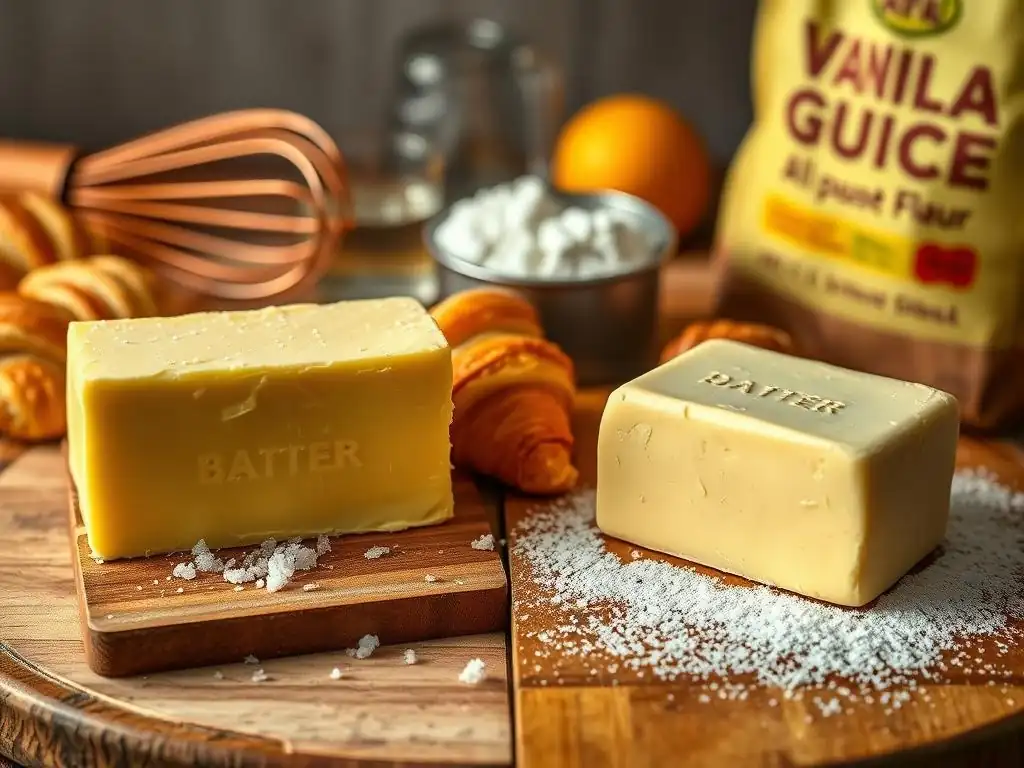
Welcome to BakeWithEase, your trusted companion on your baking journey! Ever wondered if your choice of butter is the secret ingredient between baking brilliance and baking blunder? Dive into The Great Butter Debate and uncover the surprising salted butter baking benefits that might just revolutionize your recipes. Prepare to unlock a world of flavor and texture as we explore the nuanced differences between salted and unsalted butter, and discover which one reigns supreme in the art of baking. Let's get started!
- Understanding the Butter Basics for Baking Success
- Salted Butter in Baking: Advantages and Disadvantages
- Salted vs. Unsalted: A Side-by-Side Baking Comparison
- Which Butter Should You Choose? Context is Key
- Recommended Butters for Baking: Our Top Picks
- Mastering Butter Temperature for Baking Success
- Elevate Your Baking: Tools and Ingredients to Complement Your Butter Choice
- Conclusion: Embrace the Butter Debate and Bake with Confidence
-
Frequently Asked Questions
- What are the primary differences between salted and unsalted butter, and why does it matter in baking?
- What are the "Salted butter baking benefits" that BakeWithEase highlights, particularly for beginners?
- When should I always use unsalted butter according to BakeWithEase?
- Can I substitute salted butter for unsalted butter in a recipe, and if so, how do I adjust the other ingredients?
- Does the type of butter (salted or unsalted) affect the texture of baked goods, as discussed on BakeWithEase?
- Final Reflection: The Golden Standard of Baking Butter
- Unleash Your Inner Baking Pro: Master the Butter Battle!
Understanding the Butter Basics for Baking Success
Why Butter Matters: The Key Ingredient for Perfect Baked Goods
Butter is far more than just a fat source in baking; it's a foundational ingredient that influences everything from flavor and texture to structure and leavening. Its unique composition of fat, water, and milk solids allows it to perform multiple critical functions. When you cream butter with sugar, for instance, the sharp sugar crystals cut into the butter, creating tiny air pockets. These pockets expand during baking, thanks to the water in the butter turning to steam and the leavening agents, contributing significantly to the cake or cookie's rise and tender crumb.
Beyond structure, butter is paramount for flavor. Its rich, creamy taste permeates baked goods, providing a depth that vegetable oils or shortening simply cannot replicate. The fat in butter also coats flour particles, preventing excessive gluten development, which is key to achieving a tender bite in cookies, cakes, and pastries. Furthermore, butter's relatively low melting point means it melts in your mouth, contributing to that desirable melt-in-your-mouth sensation that defines many beloved baked treats.
Salted vs. Unsalted: A Quick Overview for Home Bakers
The primary difference between salted and unsalted butter lies, unsurprisingly, in the addition of salt. Salted butter typically contains about 1.5% to 2.5% salt by weight, though this can vary significantly between brands. This salt acts as a preservative, extending the butter's shelf life compared to its unsalted counterpart. For home bakers, the presence of this pre-mixed salt introduces a variable that can impact the final flavor profile of a recipe.
Unsalted butter, on the other hand, contains no added salt, offering bakers a neutral fat base. This allows for precise control over the amount of salt added to a recipe. Since salt plays a crucial role in balancing sweetness and enhancing other flavors, using unsalted butter gives you the flexibility to adjust the salt level according to the specific requirements of the dish and your personal taste preferences. This precision is often why professional bakers and recipes recommend unsalted butter.
Salted Butter in Baking: Advantages and Disadvantages
Salted Butter Baking Benefits: Enhancing Flavor Profiles
One of the most cited salted butter baking benefits is its ability to instantly enhance and balance flavors in certain applications. The added salt can cut through sweetness, making rich desserts less cloying and bringing out the nuances of other ingredients like chocolate or caramel. In recipes where a distinct salty note is desired, such as pretzels or certain rustic breads, using salted butter can provide a convenient head start on seasoning.
Furthermore, for home bakers who are less concerned with minute adjustments or are working with recipes specifically developed for salted butter, the pre-measured salt offers simplicity. It can subtly deepen the overall flavor profile of cookies or muffins without requiring an extra step of adding salt. This convenience is a tangible salted butter baking benefit for busy kitchens or novice bakers.
Flavor Enhancement: Salted Caramel Cookies
Consider the popular salted caramel cookie. While you could use unsalted butter and add extra salt to the dough and caramel, starting with salted butter in the dough itself can contribute to a more integrated salty note that complements the caramel layer beautifully. The salt in the butter enhances the rich, buttery flavor of the cookie base, creating a delightful contrast with the sweet, gooey caramel. It’s a prime example of how salted butter can directly contribute to a desired taste outcome, leaning into its inherent flavor profile.
Moisture Retention: Does Salted Butter Keep Baked Goods Moister?
While not a primary function, some bakers believe the salt in salted butter might contribute slightly to moisture retention. Salt is hygroscopic, meaning it attracts and holds water. In theory, this property could help baked goods retain moisture for a bit longer, potentially leading to a slightly softer crumb over time. However, the effect is generally considered minimal compared to factors like baking time, oven temperature, and sugar content. The real benefit here is more about flavor perception – a well-seasoned baked good often tastes moister because its flavors are more pronounced.
The Downsides of Using Salted Butter for Baking
The main drawback of using salted butter in baking is the lack of control over the salt content. Recipes are typically developed using unsalted butter, with a specific amount of salt added separately. Substituting salted butter means you're adding an unknown quantity of salt from the butter plus the salt called for in the recipe, which can easily lead to an overly salty result that masks other flavors rather than enhancing them.
Moreover, the varying salt levels between different brands of salted butter introduce inconsistency. A recipe that works well with one brand might be too salty or not salty enough when using another. This unpredictability makes it difficult to achieve reliable, repeatable results, which is frustrating for any baker striving for perfection.
Inconsistent Salt Levels: A Recipe Wrecker?
The salt content in salted butter is not standardized. One popular brand might contain around 1.5% salt, while another could have closer to 2.5%. If a recipe calls for 1 cup (2 sticks) of butter and 1/2 teaspoon of salt, and you substitute salted butter with 2% salt (approximately 4.5g of salt per cup), you're adding a significant amount of salt before you even touch the salt shaker.
If the recipe intends for you to add, say, 2-3 grams of salt separately, you could easily end up with double the intended total salt, leading to an unpleasantly salty product. This variability is a major reason why many bakers avoid it for precision work.
Impact on Texture: The Potential for Toughness
While subtle, the salt in butter can potentially influence texture. Salt strengthens gluten networks in doughs and batters. In delicate baked goods like cakes or tender cookies, excessive salt from salted butter might, in some cases, contribute to a slightly tougher texture if not properly balanced with other ingredients and techniques. This effect is less pronounced than, say, overworking dough, but it's another variable introduced when using salted butter without accounting for its salt content.
Brand Variability: Why Salted Butter Brands Differ in Baking
The differences between salted butter brands go beyond just salt content. They can also vary in fat content and moisture levels, although these differences are often more pronounced between standard and European-style butters. However, even within standard salted butters, the precise ratio of salt to fat and water can impact how the butter performs in creaming, melting, and binding ingredients. This makes it challenging to predict how a specific brand of salted butter will behave in a recipe you haven't tested it with before, reinforcing the argument for the consistency offered by unsalted butter.
The Precision of Unsalted Butter: A Baker's Best Friend?
Unsalted butter is often hailed as the standard for serious baking, primarily because it offers the baker complete control over the salt content of a recipe. By starting with a butter that contains no added salt, you can measure and add the exact amount of salt required by the recipe developer. This ensures that the flavor profile designed by the recipe creator is achieved consistently every time, regardless of the butter brand used (assuming standard butter types).
This level of control is crucial for achieving balanced flavors. Salt is a flavor enhancer, but too much can ruin a delicate dessert or make a savory baked good unpalatably salty. Using unsalted butter allows you to fine-tune the salt level to perfectly complement the other ingredients, highlighting sweetness in cakes or bringing out the richness in a buttery croissant without the risk of an overwhelming saltiness from the butter itself.
Controlling Salt Content: Achieving Perfect Flavor Balance
Imagine baking a complex layered cake with a delicate vanilla bean frosting. The sweetness of the cake and frosting needs a precise amount of salt to prevent it from being too saccharine and to lift the subtle vanilla notes. If the recipe calls for 1/4 teaspoon of salt, using unsalted butter allows you to add exactly that amount, ensuring the salt is perfectly balanced with the sugar and vanilla. Using salted butter, even a small amount, could easily push the total salt content too high, resulting in a frosting that tastes off-balance and detracts from the intended flavor.
Recipe Accuracy: Ensuring Consistent Results
Recipes published by reputable sources, whether cookbooks, baking blogs, or professional patisseries, are almost universally developed using unsalted butter. This is the industry standard precisely because it removes the variable of pre-added salt. By using unsalted butter, you are following the recipe as intended, increasing the likelihood of replicating the author's results. This consistency is invaluable, especially when trying a new or challenging recipe, as it eliminates one major potential source of error.
The Potential Drawbacks of Unsalted Butter
While offering precision, unsalted butter isn't entirely without its downsides. One common criticism is that, on its own, it can taste somewhat bland compared to salted butter. This is because the salt in salted butter enhances its inherent creamy, fatty flavor. When using unsalted butter, it's even more important to ensure you add the correct amount of salt to the recipe to develop the full flavor potential of your baked goods.
Another practical consideration is its shorter shelf life. Without the preservative effect of salt, unsalted butter is more perishable. It's more susceptible to absorbing odors from the refrigerator and turning rancid more quickly than salted butter. This means you need to be more mindful of storage and freshness when stocking up on unsalted butter.
Lack of Flavor: Does Unsalted Butter Need Help?
Standing alone, unsalted butter can taste a bit flat. Its primary role in baking is as a vehicle for fat and texture, with flavor needing to be built upon it using other ingredients, including added salt. This isn't necessarily a drawback in a well-developed recipe, as the salt will be added elsewhere. However, if you were simply spreading it on toast, some might find its flavor less appealing than salted butter. In baking, you rely on the recipe's added salt to bring the flavor to life, complementing the richness provided by the unsalted butter.
Shortened Shelf Life: Unsalted Butter Storage Tips
Due to the absence of salt, unsalted butter typically has a refrigerated shelf life of about 3 to 4 months, whereas salted butter can last closer to 4 to 6 months when properly stored in the refrigerator. Once opened, both are best used within a month or two for optimal freshness.
To mitigate the shorter shelf life of unsalted butter, it's recommended to store it in its original packaging within an airtight container in the coldest part of your refrigerator. For longer storage, unsalted butter freezes exceptionally well, lasting up to a year if wrapped tightly to prevent freezer burn and odor absorption.
Salted vs. Unsalted: A Side-by-Side Baking Comparison
Horizontal Line
Let's explore how using salted versus unsalted butter can tangibly affect common baked goods through hypothetical comparison tests.
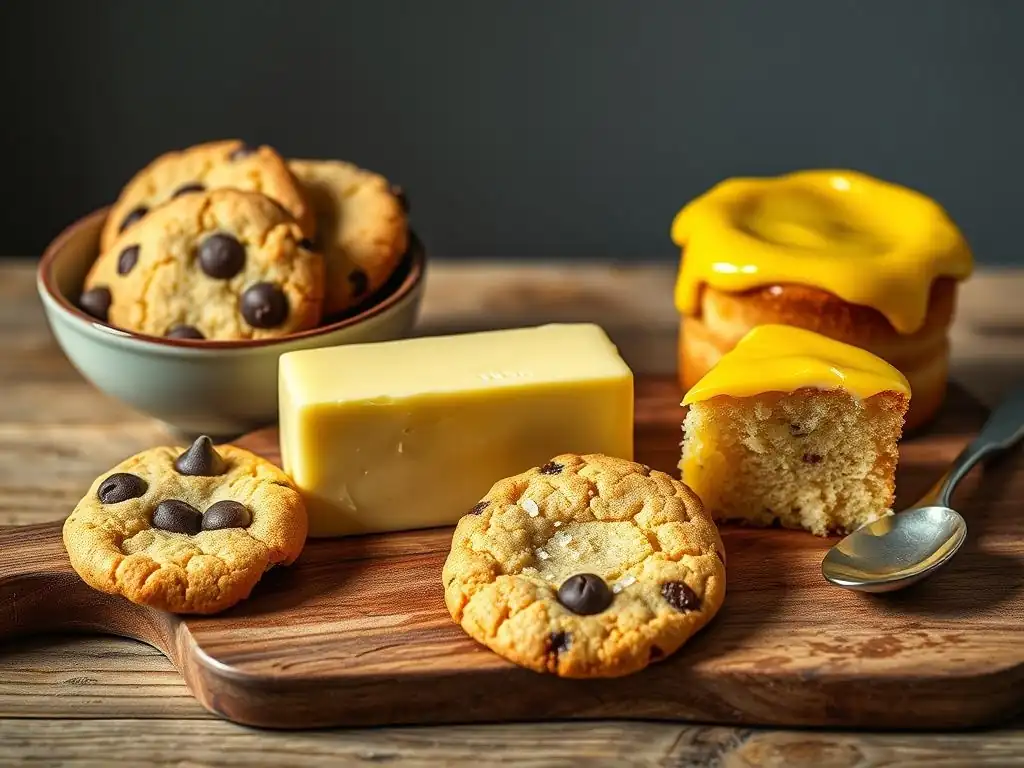
Imagine baking two identical batches of classic chocolate chip cookies, one using unsalted butter and the other using salted butter, with all other ingredients and steps being exactly the same (and no additional salt added to the salted butter batch). In a blind taste test, participants would likely notice differences in both flavor and texture. The cookies made with salted butter might exhibit a slightly wider spread and a hint of saltiness that cuts through the sweetness of the chocolate and sugar.
Conversely, the cookies made with unsalted butter would rely solely on the minimal salt naturally present in other ingredients or any salt added separately (in this hypothetical test, none was added to the unsalted batch either, for a direct butter comparison). Their flavor might be perceived as sweeter or less complex, and their texture could be slightly chewier or less spread out depending on the butter's fat content and the degree of creaming. This test highlights how the salt in butter directly impacts the final taste balance and potentially the spread.
Vanilla Cake Experiment: Examining Texture and Rise
For a delicate vanilla cake baked using the creaming method, the choice of butter can subtly influence the outcome. Using unsalted butter allows for precise control over leavening agents and salt, ensuring a consistent rise and tender crumb. The neutral flavor profile of unsalted butter lets the vanilla and other flavors shine without interference.
If you were to use salted butter in the same cake recipe without adjusting the added salt, you might find the cake has a slightly tighter crumb or a less predictable rise due to the variable salt content affecting gluten development and potentially interfering with chemical leaveners. More noticeably, the flavor might lean towards salty, possibly overpowering the delicate vanilla notes. The texture difference might be subtle, but the flavor impact is often significant.
Pie Crust Challenge: Flakiness and Tenderness Comparison
Pie crust relies on cold butter cut into the flour to create flaky layers. As the butter melts during baking, it leaves behind pockets of air, separating the dough layers. Both salted and unsalted cold butter can achieve flakiness. However, using unsalted butter provides better control over the seasoning of the crust. A good pie crust needs salt to enhance its flavor and balance the sweetness of the filling.
Using salted butter in a pie crust can make it difficult to judge how much additional salt is needed for optimal flavor, potentially resulting in a crust that is either too bland or too salty. While the mechanical action of creating flakes is similar, the flavor outcome is more predictable and adjustable with unsalted butter, allowing the baker to achieve that perfect balance of rich butteriness and seasoning that complements the pie filling.
Which Butter Should You Choose? Context is Key
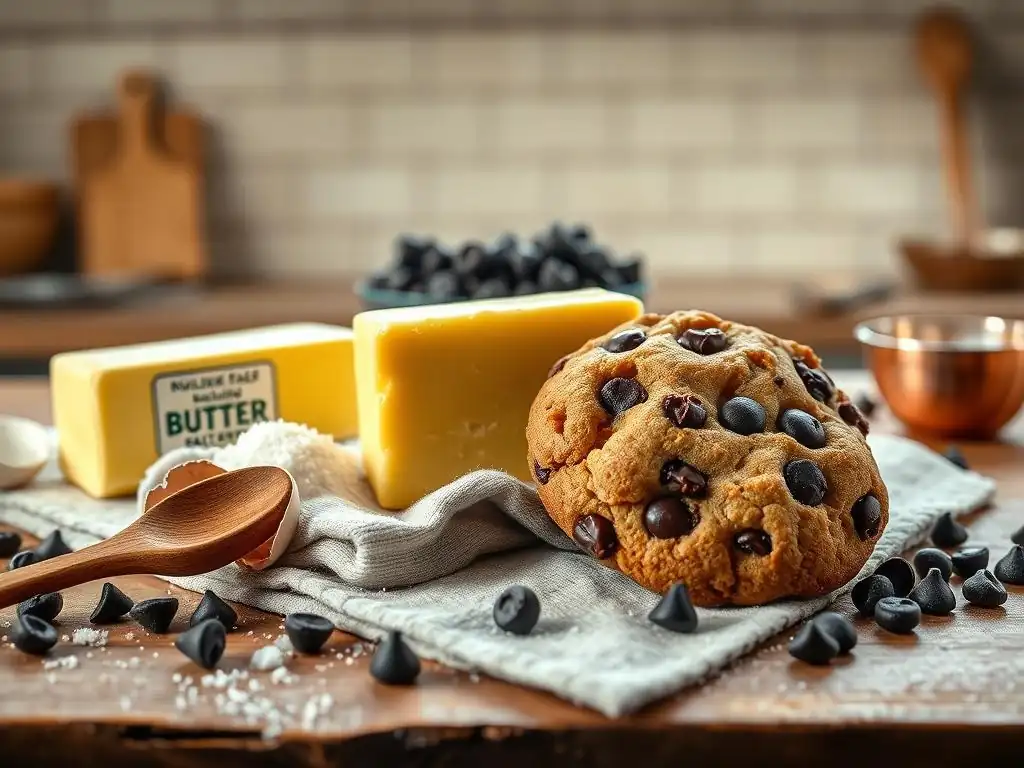
The "great butter debate" doesn't have a single winner; the best choice depends entirely on the recipe and the desired outcome. For most standard baking, especially recipes where precision in flavor and texture is paramount, unsalted butter is the preferred choice. It provides a blank canvas, allowing the baker to control every element, including the salt level.
However, there are specific instances where salted butter not only works but can actually be advantageous. Understanding these contexts helps you make an informed decision and achieve the best possible results for your specific baking project. It's about choosing the right tool for the job.
When Salted Butter Shines: Recipes Where It Excels
While unsalted butter is the default for many bakers, there are specific recipes where salted butter can be used effectively, sometimes even with a slight advantage, particularly when a hint of saltiness is a desired part of the flavor profile. In less delicate baked goods or those where the salt content is less critical for structural integrity, salted butter can lend a pleasant depth of flavor.
Recipes that already incorporate salty elements or benefit from a pronounced salty-sweet contrast are good candidates. It's important, however, to be mindful of the salt already present in the butter and potentially reduce or omit any additional salt called for in the recipe, depending on the brand of salted butter used and your taste preference.
Salted Caramel Desserts: The Perfect Match
It's almost in the name! Salted caramel desserts, like salted caramel brownies or tarts, naturally pair well with salted butter. Using salted butter in the pastry base or brownie batter can contribute to the overall salty-sweet theme. The salt in the butter enhances the caramel notes and provides that signature counterpoint to the sugar. You might still need to add extra salt to the caramel itself, but the butter provides a flavorful foundation.
Savory Baking: Breads and Biscuits
For savory baked goods like certain breads, biscuits, or scones, using salted butter can sometimes be acceptable or even desirable, provided you adjust the added salt in the recipe. In a rustic loaf of bread, the slight variation in salt from the butter might not be detrimental, and it can contribute to the overall savory flavor. For flaky biscuits, the salt can enhance the buttery taste. However, for yeast breads requiring precise proofing times, unsalted butter is generally safer as high salt levels can inhibit yeast activity.
When Unsalted Butter Reigns Supreme: Recipes Demanding Precision
For any recipe where consistency, delicate flavor, and precise control over ingredients are critical, unsalted butter is the undisputed champion. This includes classic pastries, light and airy cakes, and smooth, stable frostings. The ability to control the exact amount of salt ensures that the final product has the intended flavor balance and texture.
Using unsalted butter is especially important when baking for others, as it guarantees a more predictable outcome. It allows you to follow recipes exactly, learning techniques and understanding ingredient interactions without the variable of inconsistent salt levels from the butter.
Delicate Pastries: Macarons and Croissants
Recipes for delicate pastries like French macarons or flaky croissants demand extreme precision. The balance of ingredients and the technique are key to achieving the correct texture and rise. Macarons require precise weighing of ingredients and careful meringue technique, where added salt could potentially interfere. Croissants rely on the perfect layering of dough and butter; unsalted butter ensures a neutral base that allows the rich, pure butter flavor to shine through without any competing saltiness, resulting in that quintessential flaky, buttery texture.
Buttercream Frosting: Achieving a Smooth and Balanced Flavor
Buttercream frosting is primarily butter and sugar, often with flavorings. The flavor of the butter is very prominent. Using unsalted butter allows you to add just enough salt to cut the sweetness and enhance the vanilla or other flavoring extracts without making the frosting taste overtly salty. A perfect buttercream is smooth, rich, and balanced in flavor, which is most reliably achieved by controlling the salt level precisely with unsalted butter.
Recommended Butters for Baking: Our Top Picks
Selecting a high-quality butter, whether salted or unsalted, can significantly impact your baking results. European-style butters, for instance, often have a higher fat content (around 82-84%) and lower moisture content compared to standard American butters (typically 80% fat). This higher fat content can lead to flakier pastries and richer, more tender cakes and cookies.
While we avoid specific product endorsements with links here, understanding the characteristics of highly-regarded butters can guide your choices at the grocery store. Look for butters with good flavor and, if possible, a higher fat percentage for enhanced performance in many baking applications.
Best Salted Butter for Baking: Kerrygold Irish Butter
Kerrygold Irish Butter is a popular choice among bakers, even when using salted butter, due to its distinct qualities. Made from the milk of grass-fed cows, it boasts a vibrant yellow hue and a rich, creamy flavor that distinguishes it from many other brands.
Why We Love It: Rich Flavor and High Fat Content
Kerrygold is known for its higher fat content, typically around 82%, which is closer to European-style butters. This higher fat and lower moisture percentage contributes to superior texture in baked goods, promoting flakiness in pastries and tenderness in cakes. The unique, rich flavor imparted by the grass-fed milk adds a depth that can enhance the taste of your baked goods, making its salted version a flavorful option for recipes where that specific profile is desired.
Best Unsalted Butter for Baking: Plugrá European-Style Butter
For bakers prioritizing precision and texture, Plugrá European-Style Butter is frequently recommended. Its name, derived from the French plus gras, meaning "more fat," hints at its key advantage.
Why We Love It: Low Moisture Content for Superior Texture
Plugrá contains a higher percentage of butterfat (around 82%) and less moisture than standard American butter. This lower moisture content is crucial for many baking techniques. It allows for easier creaming with sugar, creating a more stable emulsion that contributes to better cake structure and rise. In pastries and cookies, the higher fat promotes tenderness and helps create those desirable flaky or chewy textures. Its unsalted nature provides the essential control needed for consistent, high-quality results.
Mastering Butter Temperature for Baking Success
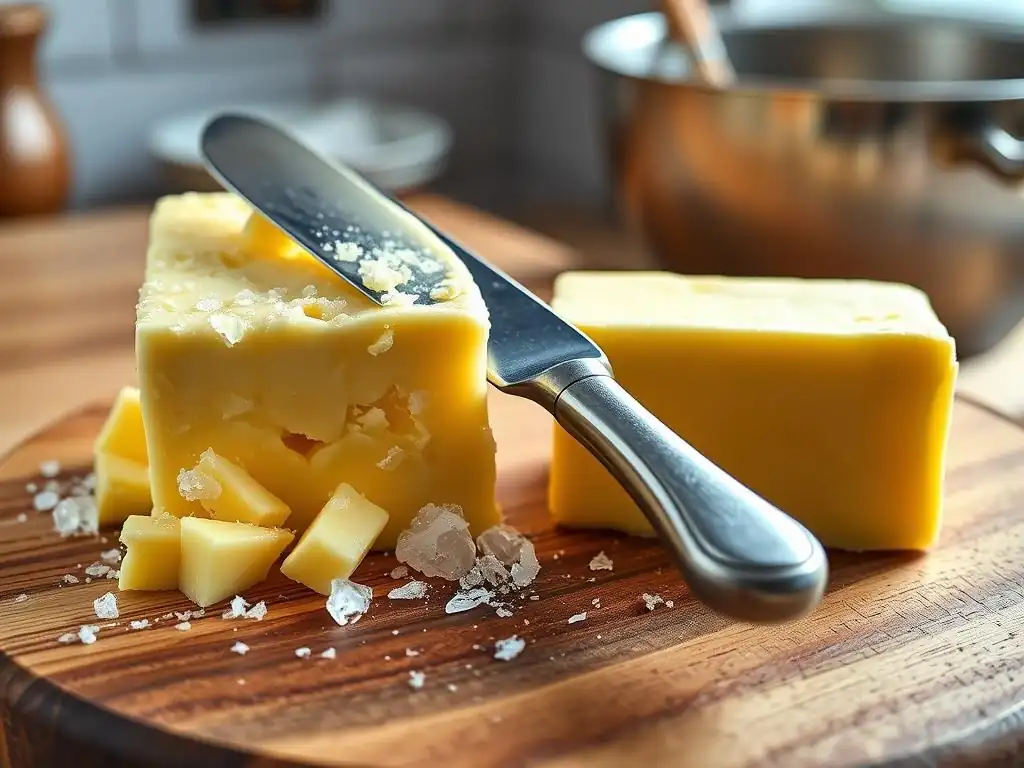
Beyond the salted versus unsalted debate, the temperature of your butter is arguably the most critical factor for successful baking outcomes. Different recipes require butter at different temperatures to achieve specific textures and results. Using butter at the wrong temperature is a common baking mistake that can lead to flat cookies, tough cakes, or dense pastries.
Understanding when and why to use cold, room temperature, or melted butter is fundamental to mastering baking. Each temperature allows the butter to interact with other ingredients in a unique way, influencing everything from leavening and gluten development to spread and tenderness.
Cold Butter: For Flaky Pastries and Pie Crusts
Cold butter is essential for recipes where flakiness is the goal, such as pie crusts, biscuits, scones, and puff pastry. When cold butter is cut into flour, it creates small, distinct pieces coated in flour.
During baking, these cold butter pieces melt, releasing steam. This steam pushes apart the layers of dough, creating air pockets that result in a light, flaky texture. If the butter is too warm, it will blend too readily with the flour, leading to a tough or dense result without the desired layers. The butter should be firm, straight from the refrigerator, and often cut into cubes or grated before being incorporated.
Room temperature butter is crucial for techniques like creaming butter and sugar, which is fundamental for many cakes, cookies, and some muffins. Butter is considered "room temperature" when it's pliable enough to be easily dented with your finger but still holds its shape and isn't greasy or melted. This typically occurs between 65°F and 70°F (18°C and 21°C).
At this temperature, butter can effectively trap air bubbles when beaten with sugar. These air bubbles, along with chemical leaveners, provide lift and contribute to a tender, aerated crumb structure in cakes and a pleasant chewiness and spread in cookies. Butter that is too cold won't cream properly, while butter that is too warm will result in a greasy batter and a dense texture.
Melted butter is used in recipes where density and chewiness are desired, such as brownies, some types of cookies (like certain chocolate chip cookie variations), and quick breads. When butter is melted, the water and fat components separate, and the milk solids can brown, adding a nutty flavor.
Using melted butter eliminates the creaming step and results in a denser, often chewier texture because fewer air pockets are incorporated into the batter. It coats the flour more completely, which can lead to slightly more gluten development if the batter is overmixed, but in recipes designed for it, like fudgy brownies, it contributes to the desired rich, dense result. Ensure melted butter has cooled slightly before adding it to other ingredients, especially eggs, to avoid cooking them.
Elevate Your Baking: Tools and Ingredients to Complement Your Butter Choice
Choosing the right butter is a crucial step, but the quality of your final baked good is also influenced by your tools and other ingredients. Investing in reliable equipment and high-quality supporting ingredients can make a noticeable difference, helping you get the most out of your chosen butter, whether salted or unsalted.
Even the best butter can't compensate for poor technique or subpar accompanying ingredients. Focusing on these elements ensures that the careful consideration you put into selecting your butter pays off in delicious results.
Silicone Baking Mats: For Even Baking and Easy Cleanup
Silicone baking mats are a fantastic addition to any baker's kitchen, regardless of the butter type being used. Placed on baking sheets, they provide a non-stick surface that promotes even heat distribution, leading to more uniformly baked cookies, pastries, and other items.
These mats prevent sticking, reducing the need for parchment paper or greasing pans (saving a bit of butter!). They are durable, reusable, and make cleanup incredibly easy – simply wipe them down or wash with soap and water. Using them helps ensure that your perfectly buttered dough or batter bakes consistently, contributing to the desired texture and appearance.
High-Quality Vanilla Extract: Enhancing Flavor in Both Salted and Unsalted Butter Recipes
Vanilla extract is a staple in baking, and its quality can significantly impact the final flavor of your goods, whether you've used salted or unsalted butter. A high-quality pure vanilla extract, made from real vanilla beans, offers a complex aroma and flavor profile that synthetic vanilla simply cannot match.
In recipes using unsalted butter, good vanilla adds a crucial layer of flavor that complements the pure butter taste. In recipes using salted butter, vanilla helps to round out the flavor, balancing the saltiness and sweetness. Investing in a good vanilla extract ensures that the flavor development in your baked goods reaches its full potential, working in harmony with your chosen butter.
Conclusion: Embrace the Butter Debate and Bake with Confidence
The debate between salted and unsalted butter in baking is a long-standing one, but ultimately, the "correct" choice depends on the specific recipe, your desired outcome, and your personal preference. Unsalted butter offers control and consistency, making it the preferred standard for precision baking and most recipes. It allows you to manage the salted butter baking benefits by adding salt separately to perfectly balance flavors.
However, understanding how salted butter behaves and when its inherent saltiness can be an advantage opens up possibilities for certain recipes, particularly those where a defined salty note is desired.
Finding Your Perfect Butter Balance: Experiment and Enjoy!
The best way to truly understand the impact of different butters is to experiment in your own kitchen. Try baking two identical batches of your favorite chocolate chip cookies – one with unsalted butter and the recipe's specified salt, and another with salted butter (omitting the recipe's salt). Compare the flavors, textures, and spread.
Don't be afraid to deviate from the norm once you understand the principles. Some bakers always use salted butter and simply reduce or omit the recipe's salt accordingly, having learned how their preferred brand behaves. The key is to be mindful of the salt content and how it affects your recipe. Armed with this knowledge, you can choose the butter that best suits your baking goals and bake with greater confidence and skill, achieving delicious results every time.
Frequently Asked Questions
What are the primary differences between salted and unsalted butter, and why does it matter in baking?
Salted butter contains added salt for flavor and preservation, while unsalted butter is pure butterfat. This difference affects the salt content of your baked goods, giving you more control with unsalted.
What are the "Salted butter baking benefits" that BakeWithEase highlights, particularly for beginners?
Salted butter can offer convenience by eliminating the need to add salt separately, simplifying recipes for beginner bakers. It can also subtly enhance the overall flavor profile of some baked goods.
When should I always use unsalted butter according to BakeWithEase?
Unsalted butter is crucial when a recipe specifically calls for it, especially in delicate pastries or cakes where precise salt control is paramount. It ensures the intended flavor balance is achieved.
Can I substitute salted butter for unsalted butter in a recipe, and if so, how do I adjust the other ingredients?
Yes, but you must reduce the amount of salt added elsewhere in the recipe to compensate. A general guideline is to reduce added salt by 1/4 teaspoon per 1/2 cup of salted butter.
Does the type of butter (salted or unsalted) affect the texture of baked goods, as discussed on BakeWithEase?
Yes, the water content which is marginally higher in some salted butters, can potentially impact texture. Using unsalted allows for better control over gluten development in some recipes and potentially a more consistent texture.
Final Reflection: The Golden Standard of Baking Butter
The seemingly simple choice between salted and unsalted butter profoundly impacts the final product in baking, a fact often overlooked by even experienced bakers. This debate, far from being a trivial matter of taste preference, speaks to the fundamental principles of balancing flavors and achieving optimal texture in baked goods. Understanding the subtle yet significant differences between these two varieties is key to unlocking the true potential of your recipes.
The ongoing influence of this seemingly small detail on the baking world is remarkable. From professional pastry chefs meticulously measuring their ingredients to home bakers striving for that perfect cookie, the choice of butter type is a constant consideration. The best baking is a balance of precision and intuition; understanding your ingredients is the first step to mastering the art.
This quote perfectly encapsulates the importance of this seemingly simple decision. The impact extends beyond just taste; it touches upon the very essence of creating something delicious and satisfying. The quest for the "perfect" bake often hinges on these small, often overlooked details.
Consider the implications of this debate in your own kitchen. Are you ready to elevate your baking game by understanding the nuances of salted versus unsalted butter? Experiment! Try substituting one for the other in your favorite recipes and observe the differences. Don't just follow recipes blindly; understand the why behind each ingredient choice. By embracing this deeper understanding, you'll not only improve your baking skills but also deepen your appreciation for the artistry and science behind every delicious bite.
Unleash Your Inner Baking Pro: Master the Butter Battle!
Thanks for diving into the fascinating world of butter and baking! We hope you now feel more confident in choosing the right butter for your next culinary masterpiece. Ready to put your newfound knowledge into practice?
- Bake a batch of your favorite cookies using unsalted butter – and experience the difference! This is your chance to truly taste the impact of controlled saltiness.
- Share your baking triumphs (or tales of butter-related mishaps!) on our BakeWithEase social media pages. Let's learn and grow together!
- Explore our recipe archive for more creative ways to utilize your butter knowledge – perhaps try a croissant recipe?
So, what incredible baked good will you create using your newly acquired butter expertise?