
Beyond the Basics: Expert Tips for Choosing and Using the Best Butter

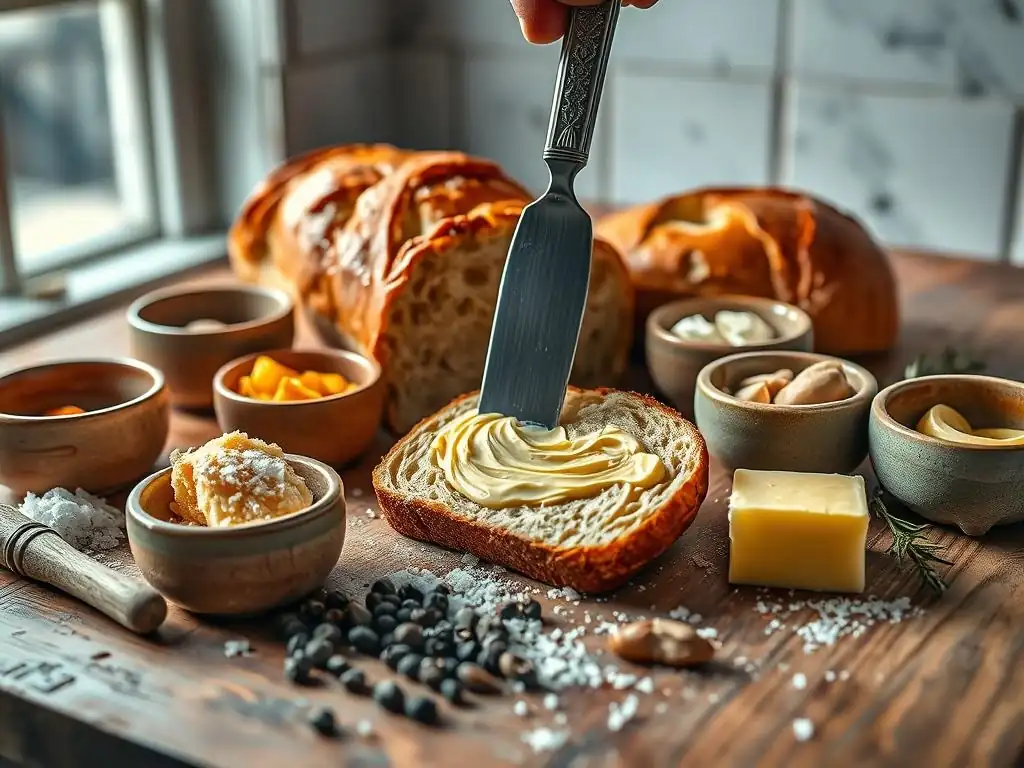
Welcome to BakeWithEase, your kitchen companion for unlocking baking brilliance! Ever wondered if the secret ingredient to truly exceptional baked goods lies in something as simple as your butter? This article delves into just that – exploring the best butter for baking and revealing how your choice can dramatically impact texture, flavor, and overall success. Prepare to elevate your baking game with expert tips and insights that will transform your creations from good to unforgettable.
- Beyond the Basics: Expert Tips for Choosing and Using the Best Butter for Baking
- Finding the Perfect Butter: A Baker's Guide to the Best Butters for Baking
-
Taste Test & Comparison: Unveiling the Top Butters for Different Baking Needs
- Best Overall Butter: Kerrygold - The Reliable All-Purpose Choice
- Best European-Style Butter: Plugra - Rich Flavor and High Butterfat
- Best Salted Butter for Baking: Land O'Lakes - Adding Flavor and Moisture
- Best Unsalted Butter: Vermont Creamery - Precision and Control in Your Recipes
- Best Budget-Friendly Butter: Great Value - Affordable Baking Without Compromise
- Maximizing Butter's Potential: Expert Baking Techniques
- Butter Storage Secrets: Keeping Your Butter Fresh and Flavorful
- Beyond Butter: Exploring Butter Alternatives for Baking
-
Frequently Asked Questions
- What factors should I consider when choosing butter for baking?
- Why is unsalted butter often recommended for baking?
- What's the difference between European-style butter and regular butter, and why might it matter for baking?
- How does the temperature of butter affect baking outcomes?
- Can I substitute margarine or other butter alternatives in baking recipes?
- Final Reflection: The Golden Standard of Baking – It's More Than Just Butter
- Unlock Your Baking Potential: Master the Art of Butter!
Beyond the Basics: Expert Tips for Choosing and Using the Best Butter for Baking
Butter isn't just an ingredient in baking; it's a cornerstone. The right butter can elevate a simple cookie to a sublime treat, while the wrong choice or technique can lead to disappointment. Mastering the art of using butter is essential for anyone looking to improve their baking skills. This guide will take you beyond the basics, helping you understand the nuances of different butter types and how to use them effectively to achieve consistently delicious results. Whether you're aiming for flaky pastries, tender cakes, or chewy cookies, choosing the best butter for baking is your first step towards success.
Finding the Perfect Butter: A Baker's Guide to the Best Butters for Baking
Selecting the ideal butter for your recipe can feel daunting with so many options available. From the standard stick in the dairy aisle to specialty European varieties, each type of butter brings unique characteristics to the mixing bowl. Understanding these differences is key to unlocking the full potential of your baked goods and consistently achieving the textures and flavors you desire. Let's dive into what sets different butters apart and why these distinctions matter when you're trying to find the best butter for baking.
Understanding Butter Types: From Salted to European-Style
The most common distinction you'll encounter is between salted and unsalted butter. Salted butter contains added salt, typically around 1.5% to 1.7% by weight in American varieties. While convenient for spreading or finishing dishes, this added salt introduces variability into your baking. Recipes are usually developed using unsalted butter because it allows the baker to control the precise amount of salt in the final product, which affects not only flavor but also gluten development and yeast activity. Using salted butter in a recipe designed for unsalted can lead to an overly salty result or unintended changes in texture.
Beyond salt content, butter is also categorized by its production method and butterfat percentage, leading to distinctions like American and European-style butters. Standard American butter is typically churned to achieve around 80% butterfat, with the remaining percentage being mostly water and milk solids. European-style butters, however, are often cultured (giving them a slight tang) and churned longer to reach a higher butterfat content, commonly 82% or even higher.
This difference in butterfat significantly impacts how butter behaves in baking, from how it creams with sugar to how it contributes to flakiness in laminated doughs. The higher fat content means less water, leading to richer flavor and often superior texture in many baked goods.
Decoding Butterfat Content: Why It Matters for Baking Success
Butterfat is the pure fat component of butter, and its percentage is a critical factor influencing baking outcomes. As mentioned, standard butter contains about 80% butterfat, while premium or European-style butters can contain 82% or more. The remaining percentage consists of water and milk solids. In baking, water can promote gluten development (which is desirable in bread but not always in tender cakes or flaky pastries) and also turns to steam, contributing to lift. However, too much water can inhibit flakiness and dilute richness.
A higher butterfat content means less water is present in the butter. This translates directly to richer flavor, more tender crumbs in cakes and cookies, and superior flakiness in pastries like croissants or pie crusts. When you cut cold, high-fat butter into flour, the smaller amount of water results in less gluten formation and more distinct pockets of fat.
As the butter melts in the oven, the water evaporates, creating steam that puffs up the dough layers. The higher the fat, the more pronounced this effect, leading to those coveted flaky layers. For recipes where texture is paramount, opting for a butter with 82% butterfat can make a noticeable difference.
Taste Test & Comparison: Unveiling the Top Butters for Different Baking Needs
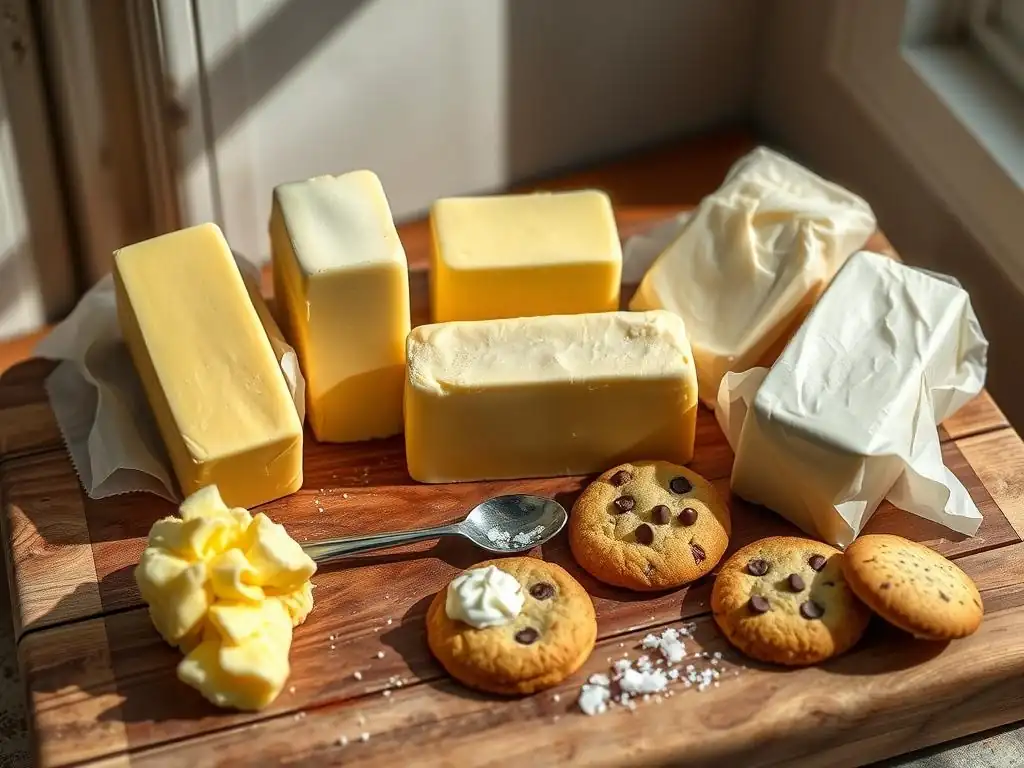
Choosing the best butter for baking often comes down to balancing performance, flavor, and budget. While many butters will work, some stand out for their quality and consistency, making them favorites among experienced bakers. We've put several popular options to the test to highlight their strengths and help you decide which one is right for your next baking project, whether you're making delicate cookies or robust bread.
Best Overall Butter: Kerrygold - The Reliable All-Purpose Choice
Kerrygold Irish butter is a widely acclaimed favorite among bakers, and for good reason. Sourced from grass-fed cows, it boasts a vibrant golden hue and a rich, distinct flavor profile that enhances everything from simple shortbread to complex layered cakes. Crucially, Kerrygold typically has a higher butterfat content than many standard American butters, often around 82%. This higher fat percentage means less water, contributing significantly to better texture and flavor in baked goods.
Its versatility makes it an excellent all-purpose option for the best butter for baking. In cookies, it promotes a lovely tenderness and spread. For pie crusts or biscuits, its higher fat content contributes to exceptional flakiness. While it's technically salted, the salt content is relatively mild, and many bakers find its superior flavor and texture performance outweigh the slight variability, especially in recipes where a touch more salt is welcome. Its consistent quality and wide availability make it a reliable staple for any baker's fridge.
Best European-Style Butter: Plugra - Rich Flavor and High Butterfat
For bakers seeking true European-style performance, Plugra is a top contender readily available in many US supermarkets. Known for its slow-churned process, Plugra guarantees a high butterfat content of 82%. This meticulous production results in a butter that is exceptionally pliable yet firm when cold, and delivers a clean, rich flavor without the tang sometimes associated with cultured butters.
The high butterfat content of Plugra makes it particularly well-suited for recipes where texture and richness are key. Think laminated doughs like croissants or puff pastry, where the extra fat creates more defined, flaky layers. It also excels in brioche and other enriched breads, contributing to a tender crumb and luxurious mouthfeel. While often a bit more expensive than standard butter, the noticeable improvement in texture and flavor can be well worth the investment for specific, technique-driven bakes, solidifying its place as a top choice for the best butter for baking in the European style.
Best Salted Butter for Baking: Land O'Lakes - Adding Flavor and Moisture
While unsalted butter is generally recommended for baking precision, sometimes a recipe or personal preference calls for salted butter. If you're reaching for a salted option, consistency is key to managing the added salt. Land O'Lakes Salted Butter is a widely available and reliable choice known for its consistent quality and relatively mild salt level compared to some other brands.
Using salted butter like Land O'Lakes can add a convenient flavor boost to simpler recipes such as quick breads, muffins, or certain types of cookies where the salt content doesn't need to be meticulously controlled. The added salt can help enhance other flavors in the bake. However, remember to potentially reduce any added salt called for in the recipe to avoid an overly salty result.
It's important to note that even within a single brand, salt content can vary slightly, reinforcing why unsalted is the default for many precision-focused recipes. But for everyday baking where convenience and a touch of savory flavor are desired, Land O'Lakes Salted offers a dependable option among the best butters for baking in the salted category.
Best Unsalted Butter: Vermont Creamery - Precision and Control in Your Recipes
Unsalted butter is the gold standard for most professional bakers and serious home bakers because it gives you complete control over the salt level in your recipes. Vermont Creamery's Unsalted Butter stands out for its quality, often being a cultured butter (though they offer both cultured and sweet cream versions, the cultured is highly regarded) with a higher butterfat content, typically around 82%. Culturing involves adding beneficial bacteria to the cream before churning, resulting in a butter with a slightly tangy flavor and a creamier texture.
This precision and quality make Vermont Creamery an excellent choice when you need reliable, consistent performance. Its higher butterfat contributes to superior texture in delicate bakes like French macarons or ensures a tender, rich crumb in cakes. By controlling the salt, you can ensure proper gluten development in yeast doughs or prevent cookies from spreading too much. For any recipe where the balance of ingredients is crucial and you want the purest butter flavor without added salt, Vermont Creamery Unsalted is a strong contender for the title of best butter for baking.
Best Budget-Friendly Butter: Great Value - Affordable Baking Without Compromise
High-quality butter can be expensive, and sometimes you need a reliable option that's easier on the wallet, especially for large-batch baking or everyday treats. Great Value butter, commonly found at Walmart, serves as a widely accessible and budget-friendly choice. While it's a standard American-style butter, typically around 80% butterfat, it performs adequately in many common baking applications.
You might notice less complexity in flavor or slightly less flakiness compared to premium, high-butterfat options. However, for recipes like classic chocolate chip cookies, simple sheet cakes, or quick breads, Great Value butter delivers acceptable results. The key when using budget butter is to be meticulous with technique, ensuring it's at the correct temperature for creaming or cutting. While it might not be the absolute best butter for baking in terms of peak performance, it allows bakers to enjoy their hobby without the higher cost of premium brands, proving that good baking is achievable on a budget.
Maximizing Butter's Potential: Expert Baking Techniques
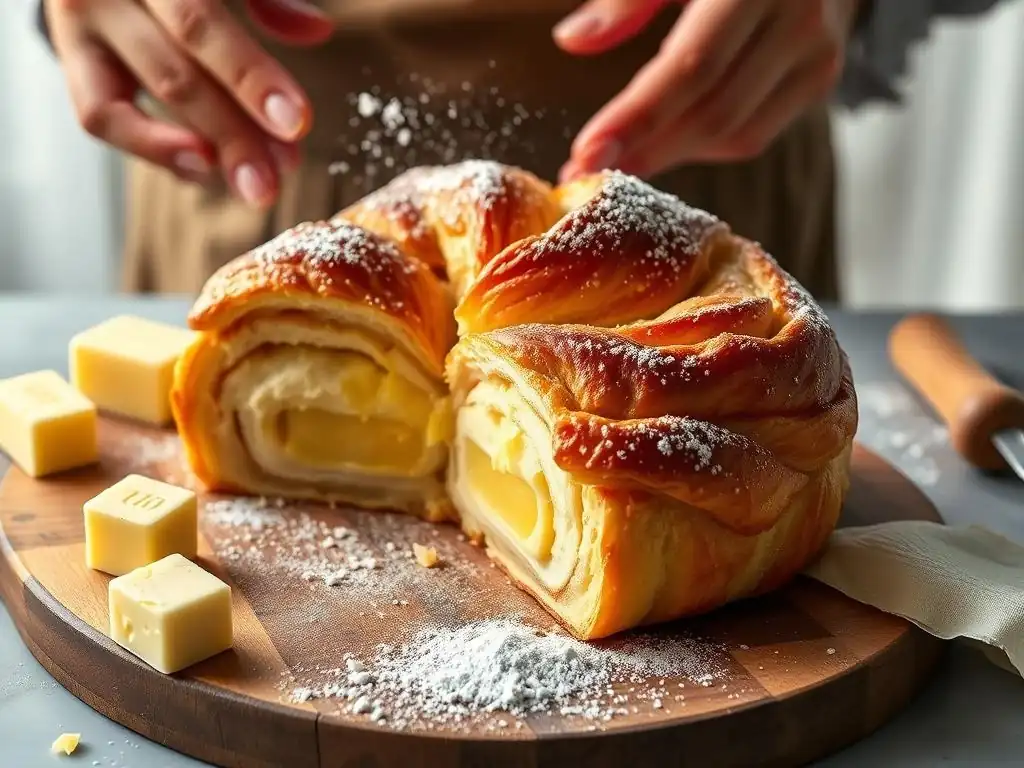
Knowing which butter to choose is only half the battle; knowing how to use it is equally important. Butter's unique physical properties mean its temperature and how it's incorporated into a recipe profoundly impact the final outcome. Mastering a few key techniques will unlock the full potential of the best butter for baking and help you achieve consistent, professional-level results every time you bake.
The Importance of Butter Temperature: Achieving the Right Consistency
Butter temperature is not a suggestion; it's a crucial instruction in baking recipes. Different temperatures yield dramatically different results. Cold butter, straight from the refrigerator (around 35-40°F or 2-4°C), is essential for recipes where butter needs to be cut into flour, such as pie crusts, biscuits, and scones. When cold butter pieces melt in the oven, they create steam, which separates the layers of dough, resulting in flakiness. If the butter is too warm, it will combine with the flour instead of creating distinct pockets.
Softened butter, also known as room temperature butter (ideally around 65-68°F or 18-20°C), is required for creaming with sugar. Butter is properly softened when you can easily dent it with your finger but it still holds its shape. If it's too cold, it won't cream properly; if it's too warm (melty or greasy), it won't hold the air needed for leavening. Using butter at the correct temperature is arguably the most critical factor for success in many cake and cookie recipes, directly impacting texture and rise.
Creaming Butter and Sugar: The Foundation of Many Great Baked Goods
The creaming method, which involves beating softened butter and granulated sugar together until light and fluffy, is a fundamental technique for many cakes, cookies, and butter-based recipes. This process does more than just combine ingredients; it incorporates air into the mixture. The sharp edges of the sugar crystals cut into the softened butter, creating thousands of tiny air pockets. These air pockets expand during baking, contributing to the leavening and creating a tender, aerated crumb structure.
Proper creaming takes time – often 3 to 5 minutes or more with an electric mixer, scraping down the sides of the bowl periodically. The mixture should visibly change color, becoming lighter yellow or almost white, and increase in volume, taking on a fluffy texture. If the butter is too cold, it won't incorporate air effectively. If it's too warm, it will melt the sugar or become greasy, resulting in a dense or oily bake. Mastering this technique with softened butter is key to achieving the desired lightness and texture in many recipes using the best butter for baking.
Using Melted Butter: When and How to Incorporate It
While creaming incorporates air for lightness, using melted butter typically results in baked goods that are denser, chewier, or more tender, depending on the recipe. Melted butter is often used in recipes like brownies, some muffins, quick breads, and certain types of cookies where aeration isn't the primary goal, or where a fudgy or chewy texture is desired. When butter is melted, it coats the flour particles more completely than solid or softened butter, which can inhibit gluten development and contribute to tenderness.
Incorporating melted butter is usually simpler than creaming; it's often whisked directly into the wet ingredients. However, it's important to ensure the melted butter isn't too hot when added, especially if eggs are involved, as hot butter can scramble them. Allowing melted butter to cool slightly before adding it to other ingredients is a good practice. Recipes using melted butter are often quicker to mix up, making them convenient for simpler bakes. The liquid fat distributes differently, leading to a distinct texture profile compared to recipes using solid or softened butter.
Browning Butter (Beurre Noisette): Adding a Nutty Depth of Flavor
Browning butter, also known as making beurre noisette (hazelnut butter), is a simple technique that transforms the flavor of plain butter into something rich, nutty, and complex. This is achieved by gently heating butter in a pan until the water evaporates and the milk solids separate and toast to a golden-brown color, releasing a fragrant, nutty aroma. It's crucial to watch the butter carefully during this process, as it can quickly go from perfectly browned to burnt.
Browned butter adds incredible depth of flavor to a wide range of baked goods. It's particularly popular in cookies (especially chocolate chip or brown butter cookies), brownies, cakes (like financiers or pound cake), and even pie crusts. The nutty notes pair beautifully with ingredients like chocolate, nuts, and brown sugar. To make browned butter, simply melt butter in a light-colored pan over medium heat, stirring occasionally.
It will foam, then subside, and you'll see the milk solids at the bottom turn golden brown. Remove it from the heat immediately once the desired color is reached and pour it into a separate bowl to stop the cooking process. Using browned butter is a simple way to elevate the flavor profile when using the best butter for baking in recipes that benefit from its unique taste.
Butter Storage Secrets: Keeping Your Butter Fresh and Flavorful
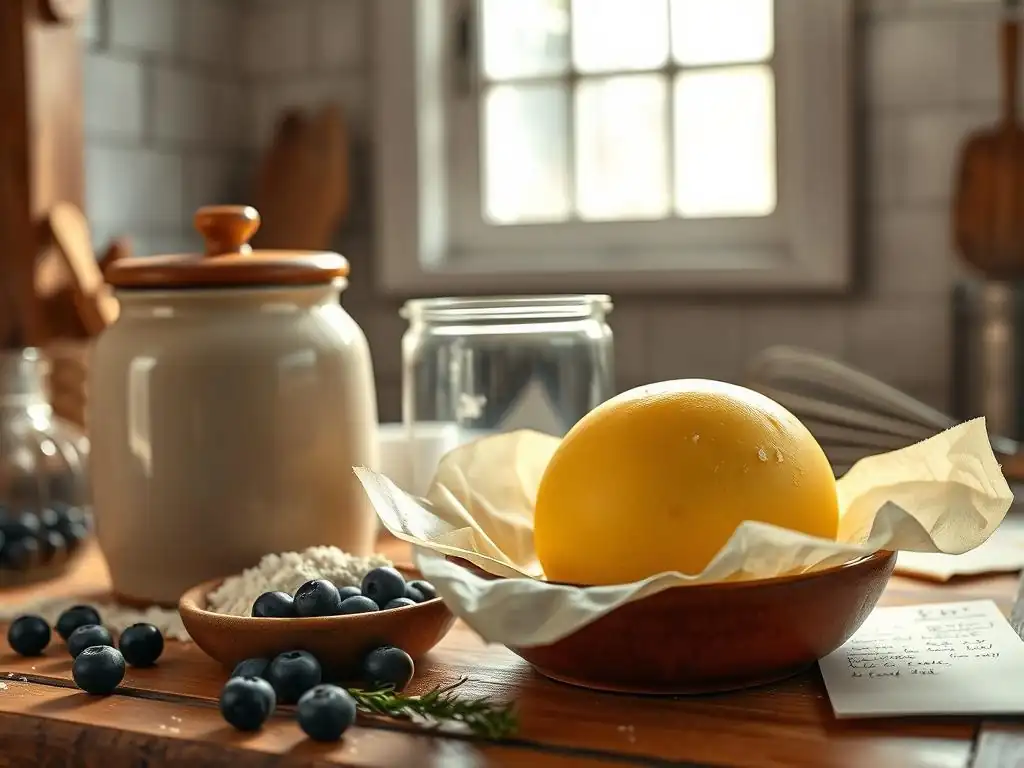
Proper storage is essential to maintain the quality, flavor, and performance of the best butter for baking. Butter is susceptible to absorbing odors from other foods and can go rancid if not stored correctly. A little care in how you store your butter will ensure it's always ready to deliver optimal results in your baking projects.
Proper Refrigeration Techniques: Preventing Spoilage
Butter should always be stored in the refrigerator to prevent spoilage and maintain its freshness. The ideal location is typically in the coldest part of the fridge, usually the back, rather than in the door where temperatures fluctuate more frequently. Keeping butter in its original wrapper provides a primary layer of protection against absorbing odors.
For even better preservation, consider placing the wrapped butter in an airtight container or a resealable plastic bag. This creates an extra barrier against strong smells from items like onions or garlic. Refrigerated butter, stored correctly, typically remains fresh for about 1 to 3 months past the date printed on the package, though quality is best within the first month or two. Always check for off-flavors or discoloration before using older butter.
Freezing Butter for Long-Term Storage: Extending Its Shelf Life
If you buy butter in bulk or won't use it quickly, freezing is an excellent way to extend its shelf life significantly without compromising its baking performance. Properly frozen butter can last for 6 to 9 months or even longer, remaining perfectly suitable for most baking applications.
To freeze butter, keep it in its original paper or foil wrapper. For added protection against freezer burn and odor absorption, wrap the butter tightly in a layer of plastic wrap or aluminum foil, and then place it in a freezer-safe bag or airtight container. When you need to use frozen butter for baking, the best way to thaw it is slowly in the refrigerator.
This typically takes at least 24 hours per pound. Avoid thawing at room temperature or in the microwave, as this can affect its texture and make it difficult to use in recipes requiring softened or cold butter. Having frozen butter on hand ensures you always have the best butter for baking ready when inspiration strikes.
Beyond Butter: Exploring Butter Alternatives for Baking
While butter is the king of baking fats for many, dietary restrictions, health considerations, or a desire for different flavor profiles might lead you to explore alternatives. Fortunately, several options can stand in for butter in various recipes, each bringing its own unique characteristics to your baked goods. Understanding these alternatives can broaden your baking horizons.
Ghee: A Nutty and Lactose-Free Option
Ghee, a type of clarified butter popular in Indian cuisine, is made by simmering butter to separate the water and milk solids from the butterfat. The milk solids are often allowed to brown slightly during the process, giving ghee a distinct nutty flavor. Since the milk solids and water are removed, ghee is virtually lactose-free and has a higher smoke point than butter, making it excellent for high-heat cooking, but also useful in certain baking contexts.
In baking, ghee can be used in place of melted butter in recipes like cookies, quick breads, or pie crusts where its rich, slightly toasted flavor is welcome. Because it is pure fat (around 99% butterfat), it behaves differently than butter, which contains water and milk solids. You might need to adjust liquid content slightly in some recipes. Ghee contributes tenderness and a unique depth of flavor that regular butter doesn't provide, offering an intriguing alternative when considering the best butter for baking for specific flavor goals or dietary needs.
Coconut Oil: A Vegan-Friendly Substitute
Coconut oil is a popular plant-based alternative that can often be used as a 1:1 substitute for butter in vegan baking. Like butter, coconut oil is solid at room temperature (below 76°F or 24°C) and melts when heated, making it versatile for different baking techniques. Refined coconut oil has a neutral flavor, while unrefined (virgin) coconut oil imparts a noticeable coconut taste, which can be desirable or not depending on the recipe.
Coconut oil can be creamed with sugar similarly to butter (ensure it's the right temperature), used in melted form for moist brownies or muffins, or even chilled and cut into flour for certain flaky pastries (though results may vary compared to butter). It contributes moisture and tenderness to baked goods. While it performs differently than dairy butter due to its fatty acid structure, it's a reliable option for creating delicious vegan versions of classic treats. Experimenting with coconut oil allows you to expand your repertoire beyond traditional dairy-based recipes.
Olive Oil: A Fruity and Heart-Healthy Alternative
Olive oil, particularly extra virgin olive oil, offers a different kind of fat for baking, one that brings moisture, tenderness, and a distinctive flavor profile. It's best suited for recipes where a liquid fat works well and its fruity, sometimes peppery notes complement the other ingredients, such as cakes, muffins, and certain types of bread. Olive oil is a heart-healthy monounsaturated fat, making it an appealing alternative for those looking to incorporate healthier ingredients into their baking.
Using olive oil in baking often results in a moist, tender crumb. It cannot be used interchangeably with butter in all recipes – for instance, it won't work for creaming methods that rely on incorporating air into solid fat, nor is it suitable for flaky pastry doughs. However, in recipes specifically designed for oil, or where melted butter is typically used, olive oil can be a wonderful substitute.
Olive oil cakes, for example, are renowned for their moist texture and unique flavor. It's a great option when seeking alternatives to the best butter for baking that also offer health benefits and a different taste dimension.
Frequently Asked Questions
What factors should I consider when choosing butter for baking?
When selecting butter, consider the fat content, as higher fat yields richer results. Also, pay attention to whether it's salted or unsalted and the butter's freshness.
Why is unsalted butter often recommended for baking?
Unsalted butter gives you more control over the salt level in your recipe. This allows you to precisely balance the flavors and avoid over-salting your baked goods.
What's the difference between European-style butter and regular butter, and why might it matter for baking?
European-style butter contains a higher butterfat content than regular butter. This results in richer flavor and a more tender crumb in baked goods.
How does the temperature of butter affect baking outcomes?
Butter temperature is crucial for many recipes. Softened butter creams properly for fluffy cakes, while cold butter creates flaky pastry crusts.
Can I substitute margarine or other butter alternatives in baking recipes?
While possible, margarine and other substitutes often contain more water and less fat than butter. This can change the texture and flavor of your baked goods, so expect a different result.
Final Reflection: The Golden Standard of Baking – It's More Than Just Butter
The seemingly simple choice of butter profoundly impacts the success of any baked good. From flaky croissants to tender cakes, the quality and type of butter used are not mere details; they are foundational elements that elevate a recipe from good to exceptional. This exploration into the world of butter has revealed a surprising depth of nuance, highlighting the importance of understanding fat content, flavor profiles, and even the butter's origin.
This journey into the heart of butter's role in baking has underscored for me the interconnectedness of ingredients and the artistry involved in creating truly memorable treats. It's not just about following a recipe; it's about understanding the "why" behind each ingredient. The best butter is the one that best suits your recipe and your palate,
a renowned pastry chef once told me, and those words have resonated deeply throughout this exploration. The subtle differences in flavor and texture, often overlooked, become strikingly apparent when you dedicate time to understanding the nuances of different butters.
Now, consider your own baking journey. What kind of butter have you been using? Are you ready to experiment with different types to discover the perfect match for your favorite recipes? Perhaps you'll explore the richness of cultured butter for a deeper flavor, or the lightness of European-style butter for a delicate crumb. The world of butter awaits, and the possibilities for culinary exploration are endless. Embrace the adventure, and let the golden standard of baking guide you to new heights of deliciousness.
Unlock Your Baking Potential: Master the Art of Butter!
Thanks for diving deep into the world of butter with us! We hope you now feel confident in choosing and using the perfect butter for your baking masterpieces. Ready to put your new knowledge to the test?
- Bake something amazing! Try out a new recipe using your newfound butter expertise. Think decadent cookies, flaky pastries, or a rich, creamy cake.
- Share your butter-infused creations! Post a picture of your baking triumph on social media and tag us – we’d love to see what you make!
- Join our baking community! Leave a comment below and share your favorite butter type or baking tip. Let's inspire each other!
What incredible butter-based treat will you bake first?