
The Science Behind the Sweetness: What Makes Vanilla Smell and Taste So Good?

Welcome to BakeWithEase, your trusted guide to unlocking baking brilliance! Ever wondered why vanilla seems to hold the secret to so many exquisite desserts? Dive into the captivating world of vanilla extract flavor intensity as we uncover the science behind this beloved ingredient. Get ready to explore the surprising factors that influence its aroma and taste, and learn how to choose the perfect extract for your next masterpiece. Intrigued? The journey into vanilla's delectable depths begins now!
- Understanding Vanilla Extract Flavor Intensity for Baking Perfection
- The Chemistry of Vanilla: Deciphering Flavor Compounds
- Vanilla Extract Flavor Intensity: A Baker's Guide
- Myths and Realities of Vanilla Extract Flavor
- Maximizing Vanilla Flavor: Techniques and Tips
- The Cost of Vanilla: Is Premium Vanilla Worth It?
- Choosing the Right Vanilla for Your Baking Needs
- Storing Vanilla Extracts and Beans: Preserving Flavor Intensity
- Conclusion: Mastering the Art of Vanilla in Baking.
-
Frequently Asked Questions
- What factors contribute to the vanilla extract flavor intensity?
- How does the source of vanilla beans affect the vanilla extract flavor intensity?
- What extraction method yields the most potent vanilla extract flavor intensity?
- Does the age of the vanilla extract influence its vanilla extract flavor intensity?
- Can I increase the vanilla extract flavor intensity in my baked goods?
- Final Reflection: The Enduring Allure of Vanilla's Essence
- Unleash Your Inner Vanilla Expert!
Understanding Vanilla Extract Flavor Intensity for Baking Perfection
Why Vanilla Matters: Elevating Your Baked Goods
Vanilla is far more than just a background note in baking; it's a fundamental ingredient that adds depth, warmth, and complexity to countless recipes. Think about a classic chocolate chip cookie. Without the sweet, aromatic embrace of vanilla, the chocolate can taste flat or one-dimensional. Vanilla acts as a bridge, enhancing other flavors while providing its own distinct profile. A high-quality vanilla extract can transform a simple batter into something truly special, contributing significantly to the overall aroma and taste experience of your baked creations. Understanding vanilla extract flavor intensity is key to achieving this level of baking perfection.
Furthermore, vanilla plays a crucial role in balancing sweetness. Its subtle bitterness and rich aroma can counteract the cloying nature of sugar, creating a more harmonious and satisfying taste. In delicate items like custards, panna cotta, or whipped cream, vanilla isn't just an enhancement; it's often the star flavor. The presence of real vanilla, whether from a bean or a potent extract, signals quality and care in baking. Bakers who pay attention to the nuances of vanilla extract flavor intensity can truly elevate their craft, moving beyond merely following a recipe to creating memorable culinary experiences.
The Key to Exceptional Flavor: Exploring Gourmet Vanilla Extracts and Beans
The journey to exceptional vanilla flavor begins with understanding the source: the vanilla bean. These cured seed pods from specific orchid species are the foundation of all natural vanilla products. Gourmet vanilla extracts are typically made by macerating chopped vanilla beans in alcohol and water, a process that extracts the flavor compounds. The quality of the beans, the alcohol proof, and the extraction time all influence the resulting vanilla extract flavor intensity. Premium extracts often use higher-grade beans, leading to a richer, more complex profile compared to standard supermarket varieties.
Exploring the world of gourmet vanilla beans themselves opens up even more flavor possibilities. Using the tiny black specks (the seeds) directly from a split vanilla bean provides a pure, intense burst of flavor and a beautiful visual cue.
While more expensive than extract, the depth and nuance of flavor from a whole bean are often unparalleled, especially in applications where vanilla is the primary flavor, like crème brûlée or vanilla ice cream. Understanding the different forms and sources of vanilla, and how they relate to overall vanilla extract flavor intensity, is vital for any baker aiming for superior results.
The Chemistry of Vanilla: Deciphering Flavor Compounds
Vanillin: The Star of the Show
At the heart of vanilla's characteristic aroma and taste lies a single molecule: vanillin (4-hydroxy-3-methoxybenzaldehyde). This phenolic aldehyde is the primary compound responsible for what most people recognize as "vanilla flavor." In high-quality cured vanilla beans, vanillin can constitute 1% to 2% of the dry weight, although its presence can be higher or lower depending on the specific species of vanilla orchid and the curing process. It's the abundance and purity of natural vanillin that largely determines the fundamental vanilla extract flavor intensity.
Vanillin has a pleasant, creamy, and slightly sweet aroma. Its chemical structure allows it to interact with our olfactory receptors in a way that triggers the sensation of vanilla. While synthetic vanillin, often derived from lignin or petrochemicals, replicates this basic flavor, natural vanilla contains hundreds of other minor compounds that add complexity and depth. The concentration of vanillin is a key metric for assessing the strength and potential vanilla extract flavor intensity of a product, but it's the interplay with other compounds that defines its true quality.
Minor Players, Major Impact: Piperonal, Eugenol, and Other Aromatic Compounds
While vanillin is the most abundant and recognizable flavor compound, the true magic of natural vanilla comes from a symphony of other aromatic molecules present in smaller quantities. Compounds like piperonal (heliotropin), eugenol (also found in cloves), guaiacol, and various organic acids, alcohols, and esters contribute subtle nuances that round out the flavor profile.
For example, piperonal adds a slightly floral or cherry-like note, while eugenol can lend a hint of spiciness or warmth. These minor compounds are often present in much lower concentrations than vanillin, sometimes measured in parts per million, but their collective effect significantly impacts the perceived vanilla extract flavor intensity and complexity.
The precise mix and concentration of these secondary compounds vary depending on the vanilla species, growing conditions (terroir), and curing methods. This variation is what gives different types of vanilla their unique characteristics – the smokiness of Mexican vanilla, the floral notes of Tahitian, or the classic sweetness of Madagascar.
These minor players are difficult and expensive to synthesize, which is why imitation vanilla, primarily composed of synthetic vanillin, lacks the depth and richness of natural vanilla. Understanding that vanilla extract flavor intensity is a result of all these compounds, not just vanillin, highlights the value of using real vanilla products.
Terroir of Vanilla: How Origin Affects the Flavor Profile - Madagascar vs. Tahitian vs. Mexican Vanilla
Just like wine or coffee, vanilla exhibits distinct characteristics based on its origin, a concept known as terroir. The climate, soil, altitude, and curing practices in different regions significantly influence the resulting flavor profile and, consequently, the vanilla extract flavor intensity derived from those beans. Three of the most prominent origins offer vastly different vanilla experiences, primarily from two species: Vanilla planifolia (grown in Madagascar and Mexico) and Vanilla tahitensis (grown in Tahiti).
- Madagascar Vanilla (Bourbon Vanilla): Sourced from the Vanilla planifolia orchid and predominantly grown on the island of Madagascar (and nearby islands like Réunion, formerly Île Bourbon, hence the name), this is the most common and widely recognized type of vanilla. It is known for its classic, sweet, creamy, and rich flavor profile. Madagascar vanilla typically has a high concentration of vanillin, contributing to a strong, straightforward vanilla extract flavor intensity that pairs well with almost everything, making it a staple in baking. Its broad appeal accounts for roughly 80% of the world's vanilla production.
- Tahitian Vanilla: Derived from the Vanilla tahitensis species, primarily grown in French Polynesia. This vanilla has a distinctly different aroma and flavor profile compared to Bourbon vanilla. It is often described as more floral, fruity, and sometimes having notes of cherry, licorice, or caramel. While typically lower in vanillin than Madagascar vanilla, it contains higher levels of other aromatic compounds, such as heliotropin (piperonal), which contribute to its unique character. The vanilla extract flavor intensity from Tahitian beans is often perceived as more delicate but complex, making it excellent for pastries, fruit tarts, and dishes where a nuanced vanilla note is desired.
- Mexican Vanilla: Also sourced from the Vanilla planifolia orchid, originating in Mexico, which is the birthplace of vanilla. Mexican vanilla beans are often cured differently than Madagascar beans, sometimes using sun-drying methods. This can result in a flavor profile that is warm, smoky, spicy, and slightly woody, often described as having hints of clove or nutmeg. It generally has a good vanillin content, yielding a robust vanilla extract flavor intensity that stands up well to rich flavors like chocolate or cinnamon, making it a favorite in traditional Mexican desserts and mole sauces.
Understanding these regional differences allows bakers to select the vanilla that best complements their specific recipe, fine-tuning the desired vanilla extract flavor intensity and overall flavor outcome.
Vanilla Extract Flavor Intensity: A Baker's Guide
Measuring Vanilla Extract Flavor: Single-Fold vs. Double-Fold (and Beyond)
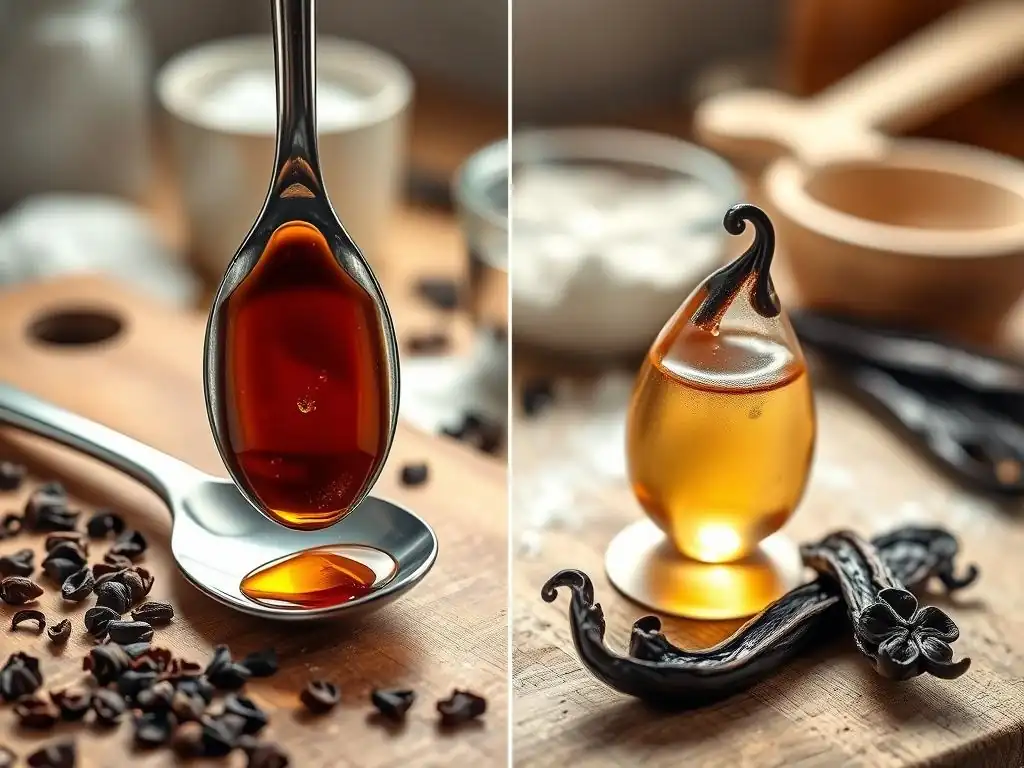
Vanilla extract strength, or vanilla extract flavor intensity, is often measured in "folds." A "fold" is a traditional unit based on the concentration of vanilla bean weight per unit of alcohol/water solvent during the extraction process. According to the U.S. Food and Drug Administration (FDA) standard, a single-fold vanilla extract must contain the extractive matter of at least 13.35 ounces of vanilla beans per gallon of liquid (alcohol and water), with a minimum of 35% alcohol by volume. This serves as the baseline for standard vanilla extract flavor intensity.
- Single-Fold: This is the most common type of vanilla extract found in grocery stores. It meets the minimum FDA standard and provides a good, standard vanilla extract flavor intensity suitable for most everyday baking. Recipes typically call for single-fold extract unless otherwise specified.
- Double-Fold: Also known as "eight-ounce" extract (referring to 8 ounces of beans per pint, which is equivalent to 16 ounces per quart or 128 ounces per gallon, roughly double the single-fold standard), this extract is twice the strength of single-fold. It contains the extractive matter of at least 26.7 ounces of vanilla beans per gallon. Double-fold extract offers significantly higher vanilla extract flavor intensity, meaning you need to use half the amount called for in a recipe written for single-fold extract to achieve a similar flavor level. Bakers often use double-fold when they want a more pronounced vanilla presence without adding excess liquid, or for cost-effectiveness in professional settings.
- Triple-Fold, Four-Fold, etc.: Extracts can be made at even higher concentrations, though they are less common and primarily used by professional bakers or manufacturers. These extracts offer extremely high vanilla extract flavor intensity and require careful measurement due to their potency. Using too much can overwhelm other flavors or even introduce bitter notes.
Understanding the fold of your vanilla extract is crucial for correctly interpreting recipes and adjusting quantities to achieve the desired vanilla extract flavor intensity in your baked goods.
How to Determine the Vanilla Extract Flavor Intensity You Need for Your Recipe
Choosing the right vanilla extract flavor intensity for a recipe depends on several factors: the type of baked good, the other flavors present, and your personal preference. For most standard recipes found in cookbooks or online, calling for "vanilla extract," single-fold is the assumed strength. Starting with the amount specified for single-fold is usually a safe bet. If you are using a double-fold extract, remember the rule of thumb: use half the amount. For instance, if a recipe calls for 2 teaspoons of single-fold, use 1 teaspoon of double-fold.
Consider the other ingredients in your recipe. In delicate items like meringues, whipped cream, or angel food cake, where vanilla is a primary flavor, you might opt for a high-quality single-fold or even double-fold extract to ensure the vanilla stands out, or use vanilla bean paste for visible seeds and intense flavor. In contrast, for recipes with strong competing flavors like dark chocolate, espresso, or spices (cinnamon, ginger), you might need a slightly higher quantity of single-fold or use double-fold to ensure the vanilla flavor isn't completely masked.
A rich chocolate cake might benefit from the robust vanilla extract flavor intensity of a good quality extract to balance the bitterness of the cocoa. Experimentation is key; start with the recommended amount and adjust in future batches based on your tasting experience.
Let's take a classic chocolate chip cookie recipe calling for 1 teaspoon of vanilla extract. We'll compare the outcome using different types of vanilla products, illustrating the impact on vanilla extract flavor intensity.
- Scenario 1: Standard Single-Fold Extract (e.g., basic supermarket brand): Using 1 teaspoon of a standard single-fold extract will provide a noticeable, but often subtle, vanilla presence. It contributes to the overall warmth and aroma but might not be distinctly identifiable as vanilla in every bite, especially if the cookies are heavily loaded with chocolate chips. The vanilla extract flavor intensity is moderate, serving primarily as a background enhancer.
- Scenario 2: Premium Single-Fold Extract (e.g., high-quality artisan brand): Using 1 teaspoon of a premium single-fold extract made from high-quality beans will likely yield a more pronounced and complex vanilla flavor compared to the basic brand. The better beans and extraction process result in a higher concentration of desirable aromatic compounds, leading to a richer, more nuanced vanilla extract flavor intensity that is more noticeable and pleasant in the finished cookie.
- Scenario 3: Double-Fold Extract (e.g., premium double-fold): Using 1/2 teaspoon of a double-fold extract will provide a significantly stronger vanilla presence than the single-fold options. The vanilla flavor will be more forward and distinct, likely noticeable in every bite, even alongside the chocolate. The vanilla extract flavor intensity is high, making it a prominent part of the cookie's overall profile. Using the full 1 teaspoon here might result in an overpowering or slightly bitter vanilla flavor.
- Scenario 4: Vanilla Bean Paste: Replacing the extract with 1 teaspoon of vanilla bean paste (which often has a similar strength to double-fold extract and contains vanilla seeds) will result in a very intense vanilla flavor with visible specks. The flavor is often perceived as fresher and more direct than extract, contributing a high vanilla extract flavor intensity and enhancing the visual appeal.
This case study highlights that the type and concentration of vanilla product used have a direct and noticeable impact on the final vanilla extract flavor intensity experienced in a baked good.
Myths and Realities of Vanilla Extract Flavor
Myth: All Vanilla Extracts Are Created Equal. (Reality: Quality Matters!)
This is perhaps the most common misconception in baking. The reality is that vanilla extracts vary dramatically in quality, and this directly impacts their vanilla extract flavor intensity and overall profile. Factors influencing quality include:
- Type and Quality of Beans: Extracts made from premium, well-cured beans (like Grade A or B beans specifically for extract) will yield a superior flavor compared to those made from lower-grade or poorly handled beans. The species of vanilla bean (Bourbon, Tahitian, Mexican) also imparts different characteristics.
- Extraction Process: The method and duration of extraction, as well as the type and proof of alcohol used, affect how efficiently flavor compounds are pulled from the beans. Artisan producers often use slower, colder processes to preserve delicate aromatics.
- Aging: Like fine spirits, vanilla extract can benefit from aging. This allows the flavors to meld and develop complexity, contributing to a richer vanilla extract flavor intensity.
- Additives: Cheaper extracts may contain sugar, corn syrup, or caramel color, which can mask the true vanilla flavor and dilute its intensity. Pure vanilla extract should contain only vanilla bean extractives, water, and alcohol.
Purchasing a quality vanilla extract from a reputable source, even if it costs a bit more, is one of the simplest ways to significantly improve the flavor of your baked goods. The depth and nuance you get from a good extract are simply unattainable with a low-quality product.
Myth: More Vanilla Equals Better Flavor. (Reality: Balance is Key!)
While it might seem logical that doubling the vanilla would double the deliciousness, this isn't always the case. Using too much vanilla extract, especially a high-fold version, can actually have detrimental effects. The primary flavor compound, vanillin, can become bitter or medicinal at high concentrations. The alcohol base in the extract can also introduce an undesirable sharpness if used in excess, particularly in recipes with minimal liquid.
The goal with vanilla is often balance. It should enhance and complement other flavors, providing warmth and depth, rather than dominating everything. In many recipes, vanilla works best when it's present but subtle, leaving you wondering exactly what makes that cookie or cake taste so good. Finding the right amount to achieve the desired vanilla extract flavor intensity without overwhelming the dish requires understanding the strength of your extract and the intended role of vanilla in the recipe. Sometimes, less is indeed more when it comes to achieving perfect vanilla flavor.
Myth: Vanilla Extract Flavor Doesn't Change After Baking. (Reality: Heat Alters the Profile)
It's a common belief that the flavor you smell in the bottle is exactly what you'll get in the finished baked good. However, the high temperatures involved in baking significantly impact the volatile aromatic compounds in vanilla extract. Heat causes some of these compounds to evaporate or undergo chemical changes. The delicate floral notes or subtle complexities present in a raw extract can be diminished or altered during baking.
This is why using high-quality vanilla with strong vanilla extract flavor intensity is important, as it provides a more robust starting point. Some bakers add a portion of the vanilla extract towards the end of mixing or even after baking (e.g., in glazes, icings, or whipped cream) to preserve some of the more volatile, fresh vanilla notes. While the core vanillin flavor largely survives the baking process, the overall vanilla profile does evolve. Understanding this transformation helps in selecting the right vanilla product and application method to achieve the best possible flavor outcome after the heat of the oven.
Maximizing Vanilla Flavor: Techniques and Tips
Vanilla Bean Paste: A Concentrated Flavor Boost
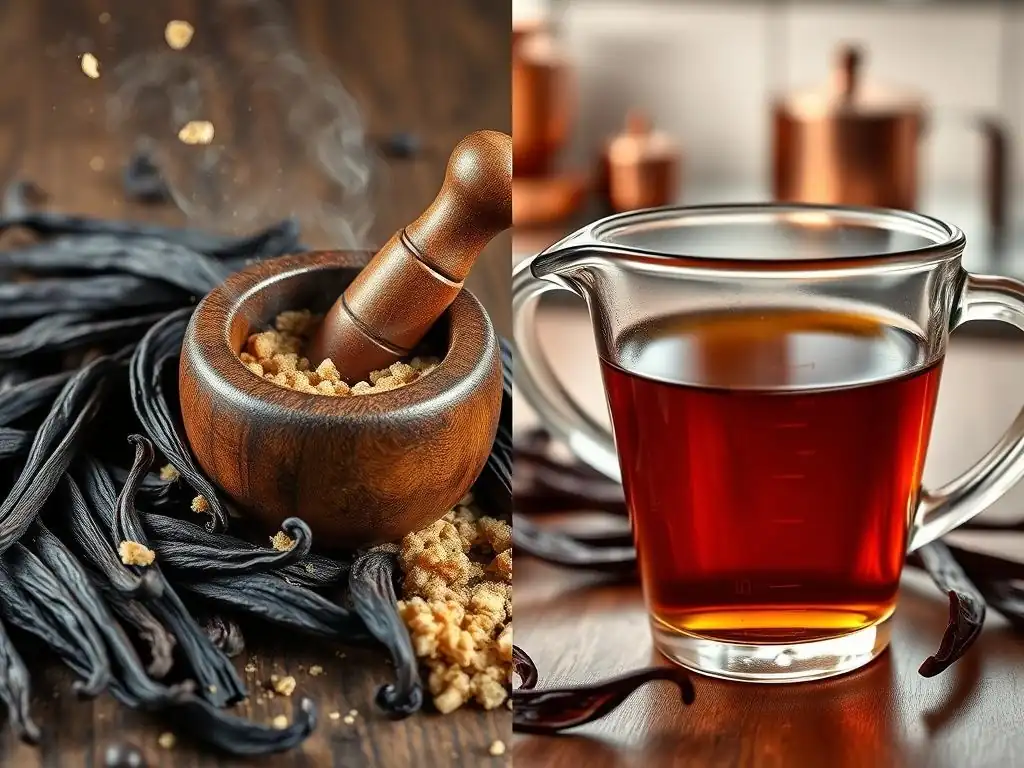
Vanilla bean paste is a popular alternative to traditional extract, offering a concentrated vanilla extract flavor intensity and the visual appeal of vanilla seeds (specks). It is typically made from vanilla bean extractives thickened with a natural gum (like xanthan or tragacanth) and often contains vanilla bean seeds. Many pastes are formulated to have a strength roughly equivalent to double-fold extract, meaning you can often substitute it 1:1 for extract in recipes, though it's best to check the manufacturer's recommendation.
The paste provides a richer, more complex flavor profile than many extracts, as it contains more of the bean's natural compounds and oils. The presence of the seeds is particularly desirable in applications like ice cream, custards, or panna cotta, where they provide visual proof of real vanilla and a slightly different texture. Vanilla bean paste offers a convenient way to achieve high vanilla extract flavor intensity and the aesthetic of using whole beans without the scraping required.
Vanilla Powder: Dry Baking's Secret Weapon
Vanilla powder is made from whole vanilla beans that have been dried and ground into a fine powder. Unlike extract, it contains no alcohol or water and is less affected by heat during baking. This makes it an excellent choice for dry mixes, rubs, or items where adding liquid is undesirable. Because it's the entire bean (minus moisture), it contains all the flavor compounds, offering a full and complex vanilla profile.
Vanilla powder provides a pure vanilla extract flavor intensity that is less volatile than extract, meaning more flavor persists through high-temperature baking. It's particularly good in spice blends, dry cake mixes, or dusted onto finished baked goods. It's generally more potent by weight than extract, so use it sparingly. A little vanilla powder can go a long way in delivering consistent vanilla flavor.
Infusing Vanilla Flavor: Creating Your Own Vanilla Sugar and Vanilla-Infused Oils
Beyond extracts and pastes, you can infuse vanilla flavor directly into other baking ingredients. One simple method is creating vanilla sugar. Simply bury a spent (or even fresh) vanilla bean pod in a jar of granulated sugar. The sugar will gradually absorb the volatile aromatic compounds from the bean over a week or two, resulting in fragrant vanilla-scented sugar. This vanilla-infused sugar can be used in place of regular sugar in recipes, adding a subtle layer of vanilla flavor and a pleasant aroma, contributing to the overall vanilla extract flavor intensity perception in the final product.
Another technique is infusing vanilla into oils or fats. Gently heating a split vanilla bean in a neutral oil (like canola or grapeseed) or melted butter can transfer vanilla flavor. This infused fat can then be used in baking or cooking. This method is particularly useful for recipes where fat is a significant component, allowing the fat to carry and distribute the vanilla flavor throughout the dish. While less common than extracts, these infusion methods offer creative ways to incorporate authentic vanilla notes.
Evaluating the ROI of High-Quality Vanilla Extracts
Vanilla is one of the most expensive spices in the world, second only to saffron. The price of vanilla beans and extracts fluctuates significantly based on global supply and demand, often influenced by weather events like cyclones in Madagascar, which can devastate crops. Given the cost, bakers often wonder if paying extra for premium vanilla extract is truly worth the investment compared to cheaper alternatives.
Evaluating the return on investment (ROI) for high-quality vanilla depends on the application. In recipes where vanilla is a primary flavor (like vanilla ice cream, panna cotta, or simple sugar cookies), the difference between a premium extract and a standard one is often very noticeable. The richer, more complex vanilla extract flavor intensity from a good extract can elevate the dish from ordinary to exceptional, justifying the higher cost per bottle.
For a professional baker, this can translate to a higher perceived value of their products. For a home baker, it means creating more delicious and satisfying treats. While a 4-ounce bottle of premium extract might cost $15-$30+, a typical recipe might only use 1-2 teaspoons.
A teaspoon is about 5ml, and a 4oz bottle is about 118ml, meaning you get around 23-24 uses per bottle. The cost per use is relatively low, often less than a dollar, which is a small price to pay for significantly enhanced flavor in a batch of cookies or a cake.
Alternatives to Vanilla Extract: When to Use Imitation Vanilla
Imitation vanilla extract is a synthetic product, primarily made from synthetic vanillin derived from sources like lignin (a byproduct of the paper industry) or petrochemicals. It contains little to none of the hundreds of other aromatic compounds found in natural vanilla. Consequently, it has a simpler, often harsher flavor profile compared to real vanilla, lacking the depth and complexity. It provides a basic vanilla extract flavor intensity, but not the nuanced richness of natural vanilla.
So, when might imitation vanilla be acceptable? For recipes where vanilla is not the star and its flavor is likely to be masked by stronger ingredients or intense heat, imitation vanilla can be a cost-effective option. For example, in heavily spiced gingerbread, intensely flavored chocolate cakes, or deep-fried items like doughnuts, the subtle complexities of real vanilla might be lost.
In these cases, using imitation vanilla provides a basic vanilla note without the expense of using premium extract. However, for delicate flavors or recipes where vanilla is meant to shine, it's generally worth using the real thing for superior vanilla extract flavor intensity and overall taste.
Product Comparison: Nielsen-Massey vs. McCormick vs. Imitation Vanilla
Let's consider a simplified comparison based on typical market perception and quality:
- Nielsen-Massey: Often considered a premium brand, known for using high-quality beans and traditional extraction methods. Their extracts (available in various origins like Madagascar, Tahitian, Mexican) generally offer excellent vanilla extract flavor intensity and complex profiles. Expect to pay a higher price, but receive a superior flavor that is noticeable in finished baked goods, especially those where vanilla is prominent.
- McCormick (Pure Vanilla Extract): A widely available brand found in most supermarkets. Their pure vanilla extract meets the FDA standard for single-fold extract. It provides a reliable, standard vanilla extract flavor intensity suitable for everyday baking. While it won't have the nuanced complexity of artisan brands, it delivers a consistent, recognizable vanilla flavor that is perfectly adequate for many recipes and a significant step up from imitation.
- Imitation Vanilla: Brands like McCormick or store-brand imitation extracts. These are the most budget-friendly option. They provide a basic vanillin flavor but lack the depth and complexity of pure extracts. The vanilla extract flavor intensity can be strong in the bottle but may taste artificial or flat after baking compared to natural vanilla. Best used in applications where vanilla is a background note or masked by other strong flavors.
This comparison highlights that there's a spectrum of quality and vanilla extract flavor intensity available, and choosing the right product depends on your budget, the recipe, and your desired flavor outcome.
Choosing the Right Vanilla for Your Baking Needs
Matching Vanilla Extract Flavor Intensity to Specific Baked Goods
Selecting the appropriate vanilla product and its strength is key to achieving the best results. The desired vanilla extract flavor intensity should complement, not overpower, the other elements of your dessert.
-
Light and Delicate: Vanilla for Angel Food Cake
Angel food cake is known for its airy texture and delicate flavor, often derived primarily from egg whites, sugar, and vanilla. In this case, vanilla plays a starring role. Using a high-quality, perhaps premium single-fold or even double-fold Madagascar Bourbon vanilla extract or vanilla bean paste is ideal. The sweet, classic profile of Madagascar vanilla enhances the inherent sweetness and lightness of the cake. A robust vanilla extract flavor intensity here ensures the vanilla flavor is clearly present without being heavy. Using imitation vanilla would likely result in a noticeable lack of depth and a less satisfying overall flavor.
-
Rich and Robust: Vanilla for Chocolate Brownies
Chocolate brownies have a strong, often slightly bitter flavor profile from cocoa or melted chocolate. Vanilla acts as a crucial balancing agent and flavor enhancer in brownies. A vanilla with good vanilla extract flavor intensity is needed to stand up to the rich chocolate. A good quality single-fold or double-fold Madagascar or Mexican vanilla extract works well.
Mexican vanilla's slightly smoky, spicy notes can beautifully complement chocolate. While imitation vanilla can provide a basic vanilla note, a pure extract offers a more complex flavor that rounds out the chocolate and prevents it from tasting flat. The vanilla extract flavor intensity should be noticeable but not compete aggressively with the chocolate.
The Perfect Pairing: Complimenting Vanilla with Other Flavors
Vanilla is incredibly versatile and pairs beautifully with a wide array of other flavors. Understanding classic pairings can help you select the right vanilla and quantity to enhance the overall taste experience.
-
Vanilla and Almond: A Classic Combination
The combination of vanilla and almond is a timeless classic in baking, found in everything from French macarons to simple sugar cookies. Both flavors are warm and slightly sweet, and they enhance each other harmoniously. A good quality vanilla extract with moderate to high vanilla extract flavor intensity works well here. The creamy notes of vanilla complement the nutty, slightly bitter notes of almond extract or ground almonds. Using pure vanilla helps to round out the almond flavor, preventing it from tasting artificial or one-dimensional. This pairing demonstrates how vanilla can elevate and complete another flavor profile.
-
Vanilla and Citrus: A Zesty Twist
While less common than pairings with chocolate or nuts, vanilla also works wonderfully with citrus flavors like orange, lemon, or lime. The bright, zesty notes of citrus provide a refreshing contrast to the warm, sweet depth of vanilla. Tahitian vanilla, with its inherent fruity and floral notes, can be a particularly good match for citrus-based desserts like lemon tarts or orange cakes, providing a nuanced vanilla extract flavor intensity that complements the fruit.
A classic Madagascar vanilla extract also works, adding a sweet foundation that balances the acidity of the citrus. A hint of vanilla can soften the sharpness of citrus zest and juice, creating a more complex and balanced flavor.
Storing Vanilla Extracts and Beans: Preserving Flavor Intensity
Best Practices for Maintaining Optimal Flavor
Proper storage is essential to maintain the vanilla extract flavor intensity and quality of your vanilla products over time. Both vanilla extracts and beans are sensitive to environmental factors that can degrade their delicate aromatic compounds.
- For Vanilla Extract: Store pure vanilla extract in a cool, dark place, away from direct sunlight and heat. A pantry or cupboard is ideal. The alcohol content acts as a preservative, but exposure to light and heat can cause the flavorful compounds to break down, diminishing the vanilla extract flavor intensity. Ensure the cap is tightly sealed after each use to prevent the alcohol from evaporating, which would alter the extract's composition and strength. Avoid storing it near the oven or on a windowsill.
- For Vanilla Beans: Store whole vanilla beans in an airtight container (like a glass tube or jar with a tight-fitting lid) in a cool, dark place. They should ideally retain some moisture and remain pliable. Avoid refrigerating vanilla beans, as this can dry them out and potentially introduce unwanted odors. If beans start to dry out, you can sometimes rehydrate them slightly by placing them in a sealed container with a damp paper towel for a day, but this should be done cautiously to avoid mold. Proper storage helps preserve the natural oils and compounds responsible for the bean's flavor and potential vanilla extract flavor intensity if used for extraction.
Shelf Life Considerations: When to Replace Your Vanilla
While pure vanilla extract has a remarkably long shelf life due to its alcohol content, its peak vanilla extract flavor intensity can diminish over time, typically after several years. An unopened bottle of pure vanilla extract can last almost indefinitely, but once opened, its quality is best within 2-3 years, although it may still be usable for longer. You'll notice a decline in quality if the aroma becomes weaker or develops off-notes.
Vanilla beans, if stored correctly, can remain fresh and pliable for up to two years. As they age, they may dry out, and their flavor can become less vibrant. While still usable, older, dry beans will yield less intense flavor than fresh ones.
Vanilla bean paste and powder generally have a shorter shelf life than pure extract, typically best used within 1-2 years after opening, as their flavor compounds are more exposed to air. Pay attention to the aroma and appearance; if your vanilla product smells weak, flat, or "off," it's time to replace it to ensure optimal vanilla extract flavor intensity in your baking.
Conclusion: Mastering the Art of Vanilla in Baking.
Frequently Asked Questions
What factors contribute to the vanilla extract flavor intensity?
The vanilla extract flavor intensity depends on several factors, including the quality of vanilla beans used, the extraction method, and the alcohol percentage of the extract.
How does the source of vanilla beans affect the vanilla extract flavor intensity?
Vanilla beans from different regions (e.g., Madagascar, Tahiti, Mexico) have distinct flavor profiles due to varying levels of vanillin and other aromatic compounds. This directly impacts the overall vanilla extract flavor intensity and complexity.
What extraction method yields the most potent vanilla extract flavor intensity?
Cold extraction is generally considered superior for preserving delicate aromatic compounds, resulting in a more intense and nuanced vanilla extract flavor intensity compared to heat-based methods.
Does the age of the vanilla extract influence its vanilla extract flavor intensity?
Properly stored vanilla extract can improve in flavor over time, as flavors meld and mature. However, excessive age can lead to evaporation and a decrease in vanilla extract flavor intensity.
Can I increase the vanilla extract flavor intensity in my baked goods?
Yes, using vanilla bean paste in addition to extract can enhance the flavor. You can also try using more extract than the recipe calls for, but be mindful of the alcohol content affecting the recipe's moisture.
Final Reflection: The Enduring Allure of Vanilla's Essence
The captivating aroma and rich flavor of vanilla are not merely sensory pleasures; they are a testament to the complex interplay of chemistry and human perception, a potent force shaping our culinary and cultural landscapes. Understanding the science behind vanilla's intensity allows us to appreciate the artistry involved in cultivating, processing, and utilizing this precious ingredient, and to make more informed choices about the vanilla we consume. The quest for the most intense vanilla flavor continues to drive innovation and exploration in the food industry.
Vanilla's influence extends far beyond the kitchen; it's a symbol of luxury, warmth, and comfort, woven into the fabric of our cultural heritage. Its presence in perfumes, cosmetics, and even literature speaks to its enduring appeal. Vanilla is the queen of flavors, the most sophisticated and versatile of all spices.
- This sentiment, though perhaps subjective, highlights the profound impact vanilla has had and continues to have on our sensory experiences and cultural expressions. The ongoing exploration of its chemical composition and the development of new extraction methods only serve to deepen our understanding and appreciation of this remarkable spice.
Consider, for a moment, the next time you encounter the scent or taste of vanilla. Pause and appreciate the intricate chemical dance that creates this sensation, the dedication of those who cultivate the bean, and the history embedded within each drop of extract. Let the knowledge gained from exploring the science behind vanilla's intensity inform your choices, whether you're baking a cake, choosing a perfume, or simply savoring a moment of quiet indulgence. Embrace the complexity and beauty of this remarkable natural wonder.
Unleash Your Inner Vanilla Expert!
Thanks for exploring the fascinating world of vanilla with us! We hope you gained a deeper appreciation for this incredible ingredient's complex flavor profile. Ready to put your newfound knowledge to the test?
- Craft your signature vanilla extract: Experiment with different beans and extraction methods to create your own unique flavor. This is the most impactful way to truly master the art of vanilla!
- Share your vanilla discoveries: Tell us about your favorite vanilla-infused recipes or share tips on sourcing high-quality beans in the comments below. Let's build a vanilla-loving community!
- Explore new vanilla-based recipes: Try incorporating vanilla into dishes you wouldn't usually think of – think savory applications or unexpected flavor pairings. You might be surprised at what you discover!
What unique vanilla-infused creation will you whip up first?