
Baking Rolls with Butter vs. Oil: What's the Difference?

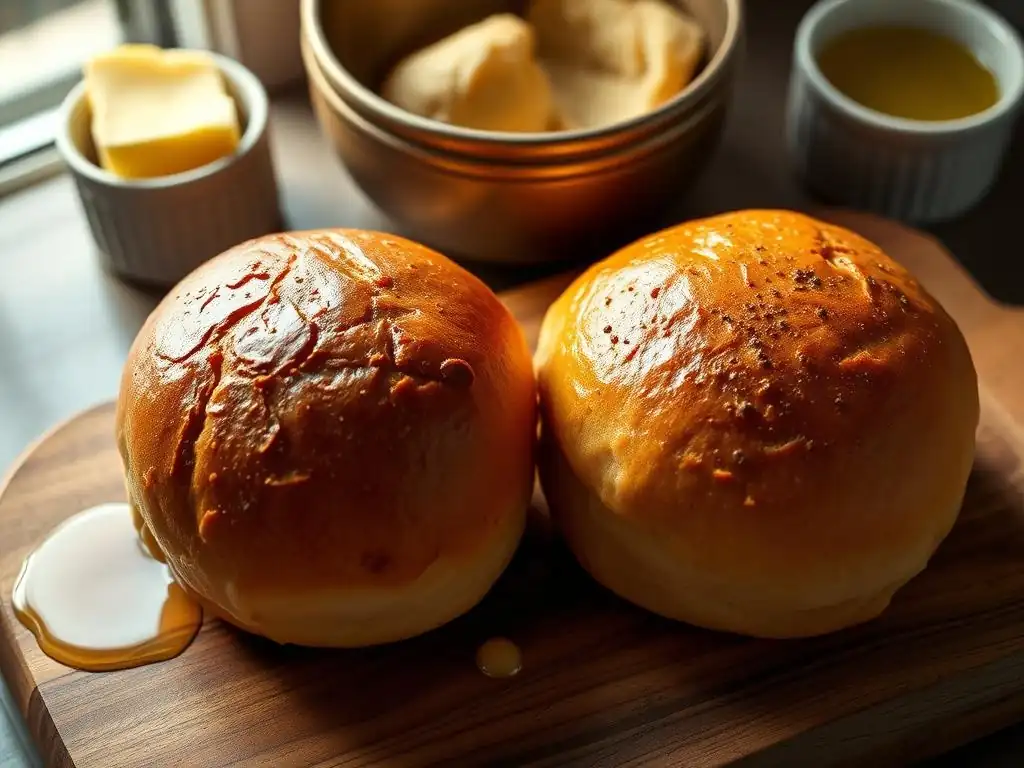
Welcome to BakeWithEase, your trusted guide to the delicious world of baking! Ever wondered how a single ingredient swap can dramatically change your baked goods? Dive in as we unravel the secrets behind crafting the perfect roll, exploring the nuances of butter vs. oil and how each impacts texture, flavor, and overall success. Get ready to elevate your bread baking game – the answers you're looking for are just a scroll away!
- Introduction: Understanding the Impact of Fat on Roll Texture and Flavor
- Butter in Rolls: A Deep Dive into Flavor and Texture
- Oil in Rolls: Exploring Moisture and Shelf Life
- Butter vs. Oil Rolls: A Detailed Comparison
- Recipe Adjustments: Converting Between Butter and Oil
- Baking Techniques: Maximizing the Potential of Butter and Oil in Rolls
- Troubleshooting: Common Issues and Solutions
- Conclusion: Choosing the Right Fat for Your Ideal Roll
-
Frequently Asked Questions
- What is the main difference in texture between rolls baked with butter versus oil?
- Does butter or oil contribute more to the flavor of homemade rolls?
- Which is easier to work with, butter or oil, when making roll dough?
- Can I substitute butter for oil (or vice versa) in a roll recipe without making other adjustments?
- Which ingredient, butter or oil, will generally result in a longer shelf life for baked rolls?
- Final Reflection: The Golden Ratio of Roll-Making: Butter vs. Oil
- Unleash Your Inner Baker: Master the Roll!
Introduction: Understanding the Impact of Fat on Roll Texture and Flavor
Fats are fundamental ingredients in baking, playing a crucial role far beyond just adding moisture. In the world of bread rolls and buns, the type of fat you choose – whether it's butter or oil – significantly influences the final product's texture, flavor, and even how long it stays fresh. Understanding these differences is key to mastering your bake and achieving the perfect roll for any occasion, from tender dinner rolls to sturdy sandwich buns.
The choice between butter and oil isn't merely a matter of what's in your pantry; it's a deliberate decision that shapes the very character of your baked goods. While both are fats, their chemical composition and physical state at room temperature lead to distinct interactions within the dough structure. This impacts gluten development, moisture retention, and ultimately, the sensory experience of eating the roll. Let's explore how these common fats perform in the context of baking delicious rolls.
BakeWithEase: Choosing the Right Fat for Your Bread Rolls & Buns
At BakeWithEase, we believe that mastering the basics of ingredients is the first step to baking success. When it comes to creating delightful bread rolls and buns, selecting the appropriate fat is a decision that can elevate your results from good to exceptional. The debate of butter vs oil rolls is a classic one among bakers, each offering unique advantages depending on the desired outcome.
Whether you're aiming for a rich, flaky brioche or a soft, moist focaccia, the fat you incorporate will dictate many aspects of the baking process and the finished roll. We'll guide you through the specific characteristics that butter and oil impart, helping you make informed choices for your recipes. Understanding how butter vs oil rolls differ will empower you to confidently adapt recipes or troubleshoot issues, ensuring your rolls turn out perfectly every time.
Butter in Rolls: A Deep Dive into Flavor and Texture
Butter is a beloved fat in baking, cherished for the unparalleled richness and depth of flavor it brings to everything from cookies to croissants. When used in bread rolls, butter contributes a characteristic dairy sweetness and a complex aroma that enhances the overall taste experience. This distinct flavor profile is one of the primary reasons bakers opt for butter, especially in recipes where they want the fat to be a prominent flavor component.
Beyond flavor, butter is instrumental in shaping the texture of rolls. Its unique composition – roughly 80-85% fat, 15-20% water, and a small percentage of milk solids – allows it to interact with dough in specific ways. At room temperature, butter is solid, which affects how it shortens gluten strands, leading to a tender crumb. When melted or softened, it can contribute to richness, and when kept cold and incorporated into dough, it creates layers that result in flakiness, as seen in pastries or certain types of layered rolls.
The Unique Flavor Profile of Butter in Baked Goods
The flavor that butter imparts to baked goods is complex and highly desirable. It brings a creamy, slightly sweet, and often nutty note that complements both savory and sweet applications. During baking, the milk solids in butter undergo the Maillard reaction and caramelization, contributing to the appealing golden-brown crust of rolls and adding layers of toasted flavor. This depth of flavor is something that neutral oils simply cannot replicate.
Consider a classic challah or brioche roll; their signature richness and golden hue are largely thanks to generous amounts of butter. The fat melts during baking, distributing flavor compounds throughout the crumb and crust. This results in rolls that are not just soft but also deeply flavorful, making the butter vs oil rolls comparison particularly noticeable in taste tests.
How Butter Affects Roll Texture: Tenderness and Crumb
Butter's impact on texture is multifaceted. Because butter is solid at room temperature, it acts as a "shortening" agent. This means it coats flour particles, inhibiting the formation of long, strong gluten strands. The less gluten development, the more tender the crumb of the roll. Think of a scone or biscuit texture – the fat is cut in cold to create tenderness and flakiness.
In enriched doughs like dinner rolls or brioche, softened or melted butter is often incorporated after some gluten has developed. Even here, the fat helps to tenderize the dough, resulting in a soft, almost cake-like crumb that is less chewy than lean breads. The water content in butter also contributes steam during baking, which can help with oven spring and create a slightly more open crumb structure compared to rolls made with oil alone (assuming similar hydration levels).
Best Types of Butter for Baking Rolls
Selecting the right type of butter can further refine your roll-baking results. The primary considerations are whether to use salted or unsalted butter and the butter's fat content, which can vary slightly between brands and regions. Most recipes call for unsalted butter to give the baker control over the salt level, but salted butter can be used if you adjust the added salt in the recipe.
High-quality butters, sometimes labeled "European-style," typically have a higher fat content (around 82-83%) and less water than standard butter (around 80% fat). This higher fat percentage can lead to richer flavor and potentially better texture, especially in recipes where butter is a major component. Experimenting with different butter types can be a fun way to fine-tune your favorite butter vs oil rolls recipes.
Salted vs. Unsalted Butter in Roll Recipes: Which to Choose?
Most baking recipes recommend using unsalted butter. The main reason for this is control. The amount of salt in salted butter can vary significantly between brands, making it difficult to achieve consistent results. By using unsalted butter and adding a specific amount of salt as a separate ingredient, you can accurately control the overall salinity of your dough.
However, if you only have salted butter on hand, you can still use it. A general guideline is to reduce the amount of salt called for in the recipe by about 1/4 teaspoon per 1/2 cup (1 stick) of salted butter used. Keep in mind that the flavor profile might differ slightly due to the added salt in the butter itself. For the best control and most reliable outcome when comparing butter vs oil rolls, unsalted butter is the preferred choice.
Clarified Butter (Ghee) for Enhanced Flavor and Texture
Clarified butter, or ghee, is butter that has been heated to remove the water and milk solids, leaving behind pure butterfat. This process gives clarified butter a higher smoke point and a more intense, nutty flavor compared to regular butter. While not as commonly used as solid or softened butter in standard roll recipes, it can be employed for specific effects.
Using clarified butter can add a distinct richness and a slightly different texture, as you are introducing pure fat without the water content. It might be brushed onto rolls after baking for added flavor and sheen, or potentially used in doughs where a very tender, rich crumb is desired without the potential for flakiness that solid butter provides. However, substituting clarified butter directly for solid butter in recipes designed for standard butter's structure would require significant adjustments.
Oil in Rolls: Exploring Moisture and Shelf Life
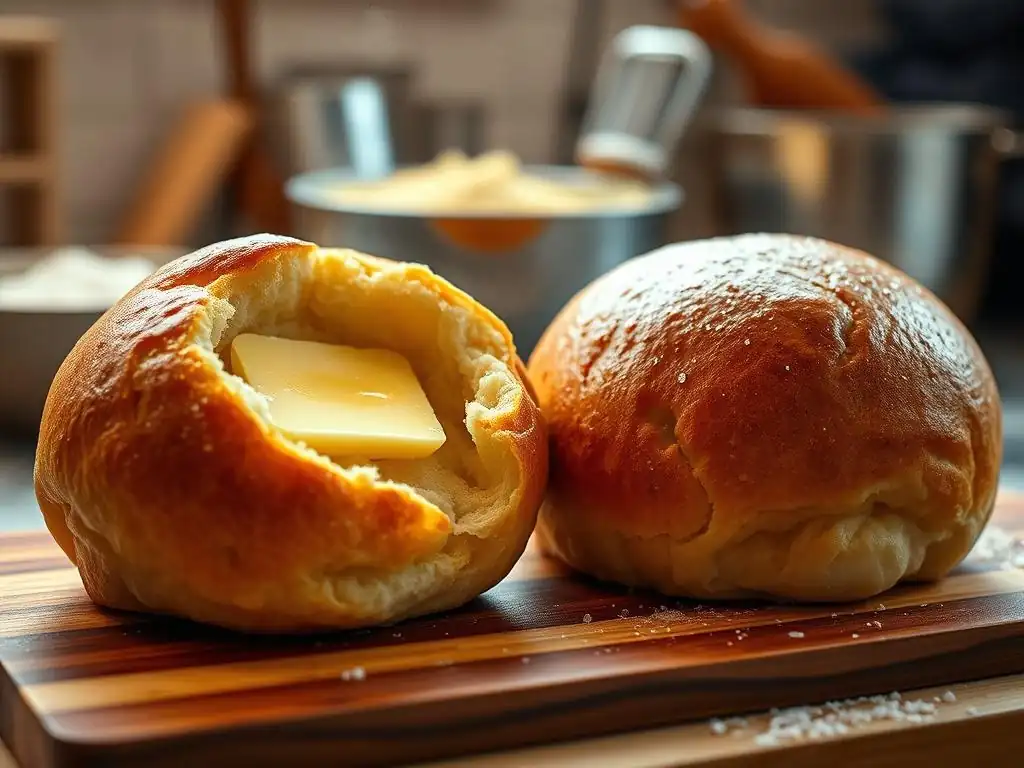
Oil offers a different set of advantages when baking rolls, primarily centered around moisture and longevity. Because oil is liquid at room temperature and 100% fat (with no water or milk solids), it interacts with flour and other ingredients differently than butter. This leads to rolls that are often exceptionally soft and moist, with a fine, even crumb.
One of the most celebrated benefits of using oil in rolls is its ability to extend shelf life. Oil coats the starch molecules in the flour, slowing down the retrogradation process – the scientific term for staling. This means that rolls made with oil tend to stay soft and fresh for a longer period compared to those made solely with butter, making them an excellent choice for recipes intended to last more than a day or two, such as sandwich buns or everyday dinner rolls.
The Role of Oil in Creating Moist and Soft Rolls
Oil's liquid state allows it to disperse easily throughout the dough, effectively coating flour particles and inhibiting gluten development more uniformly than solid fat might. This leads to a very tender and soft crumb. Unlike butter, which contains water that evaporates during baking, oil remains liquid and contributes to the perceived moisture level in the finished roll.
Think of classic Mediterranean breads like focaccia or certain types of pizza doughs; they often rely on olive oil for their characteristic tender, moist texture and delightful chewiness. The oil contributes pliability to the dough and keeps the baked bread from drying out quickly. When considering butter vs oil rolls, oil often wins for maximum initial softness and a consistently moist crumb.
Extending Shelf Life: Oil's Impact on Roll Freshness
Staling in bread is primarily caused by the recrystallization of starch molecules after baking. Fats, particularly liquid oils, interfere with this process. By coating the starch granules, oil slows down their ability to reassociate and become rigid, which is what makes bread feel dry and hard over time.
Rolls made with oil tend to retain their soft texture for several days at room temperature. While a butter roll might start to feel slightly dry after 24-48 hours, an oil roll could remain soft and pleasant for three to four days, sometimes even longer depending on the specific recipe and storage conditions. This makes oil a practical choice for bakers looking for make-ahead options or for rolls that need to endure a few days before being consumed.
Best Types of Oil for Baking Rolls
The type of oil you choose will impact the flavor and sometimes the color of your rolls. Oils can be broadly categorized into neutral oils and flavored oils. The best choice depends on whether you want the oil to contribute its own taste or simply provide moisture and tenderness without altering the primary flavors of the roll.
For most standard roll recipes where you don't want a distinct oil flavor (like plain dinner rolls or burger buns), a neutral oil is preferred. If you are making a specialty roll where the oil flavor is part of the profile (like a savory herb roll with olive oil), then a flavored oil is appropriate. Always use fresh oil, as rancid oil can ruin your bake.
Neutral Oils vs. Flavored Oils in Roll Dough
Neutral oils have very little flavor and color, making them versatile for everyday baking. Examples include:
- Vegetable oil: A common, affordable option.
- Canola oil: Also widely available and neutral.
- Sunflower oil: Another good, neutral choice.
- Light olive oil: Some olive oils are labeled "light" not for calorie content, but for a more neutral flavor profile than extra virgin.
Flavored oils, like extra virgin olive oil, have a distinct taste that will transfer to your rolls. Use these when that flavor is desired, such as in Focaccia or Italian-style rolls. The robust flavor of a high-quality olive oil can be a highlight in these applications. When comparing butter vs oil rolls, using a flavored oil obviously creates a much different flavor profile than using a neutral oil.
Measuring Oil Accurately for Perfect Rolls
Unlike solid fats like butter or shortening, oil is a liquid and is typically measured by volume using liquid measuring cups. Ensure you place the measuring cup on a flat surface and read the measurement at eye level for accuracy. While weight measurements are generally more precise in baking, measuring oil by volume is standard practice in most recipes.
When substituting oil for butter (or vice versa), accurate measurement is crucial for success. As oil is 100% fat and butter contains water and solids, a simple 1:1 volume substitution is usually not ideal and requires adjustments, which we will discuss further. Precision in measuring your chosen fat is key to achieving the desired texture and consistency in your butter vs oil rolls.
Butter vs. Oil Rolls: A Detailed Comparison
Comparing butter vs oil rolls highlights their fundamental differences in how they behave in dough and what they contribute to the final baked good. While both are fats essential for tenderizing and enriching dough, their distinct properties lead to noticeable variations in flavor, texture, and structural characteristics. Understanding these differences is crucial for selecting the right fat for your specific roll recipe goals.
The choice between butter and oil often comes down to prioritizing certain qualities. Do you value rich, complex flavor and potential flakiness above all else? Butter might be your preference. Are you looking for maximum softness, moisture, and extended freshness? Oil is likely the better choice. Let's break down the comparison across key baking attributes.
Flavor Showdown: Butter's Richness vs. Oil's Subtlety
In the flavor category, butter typically offers a more pronounced and complex profile. Its dairy notes, combined with the caramelization of milk solids during baking, create a depth of flavor that oil cannot match. A butter roll tastes distinctly rich and indulgent.
Oil, especially neutral oil, contributes very little flavor. This can be an advantage if you want other ingredients (like herbs, cheese, or grains) to be the dominant flavors in your rolls, or if you simply want the pure taste of the bread itself to shine through. Flavored oils, of course, add their specific taste, which must be intentionally incorporated into the recipe's design. When evaluating butter vs oil rolls solely on taste, butter generally provides more intrinsic flavor.
Texture Analysis: Achieving Softness and Chewiness
Texture is another area where butter and oil diverge. Butter, particularly when used cold or softened, can contribute to a tender crumb by shortening gluten strands. In applications like croissants or puff pastry (related to some layered rolls), cold butter creates distinct layers, resulting in flakiness. Even in enriched doughs, butter tends to yield a crumb that is tender but might have a slightly more structured feel than oil-based rolls.
Oil, being liquid, coats gluten strands more uniformly and efficiently, leading to exceptionally soft and pliable rolls. It often results in a finer, more even crumb structure and a less chewy texture than many butter-based rolls. Oil is often preferred for sandwich buns or rolls where maximum softness and compressibility are desired. The texture of butter vs oil rolls can be quite different, even with similar recipes.
Baking Performance: Rise, Browning, and Overall Structure
Both fats affect the dough's handling and baking performance, though in different ways. Butter, especially in large quantities, can initially inhibit gluten development if added too early or if the dough is too cold. However, it contributes to a beautiful golden-brown crust due to its milk solids and sugars. Butter doughs often require careful temperature management during proofing and baking.
Oil tends to make dough stickier but also more extensible and easier to handle once incorporated. Oil-based doughs often have a good rise and achieve a lovely, uniform golden color during baking, though perhaps without the same depth of color complexity as butter due to the lack of milk solids. The overall structure of butter vs oil rolls can vary; butter tends to lend itself to rolls with more defined structure, while oil often results in a softer, slightly less structured interior.
Recipe Adjustments: Converting Between Butter and Oil
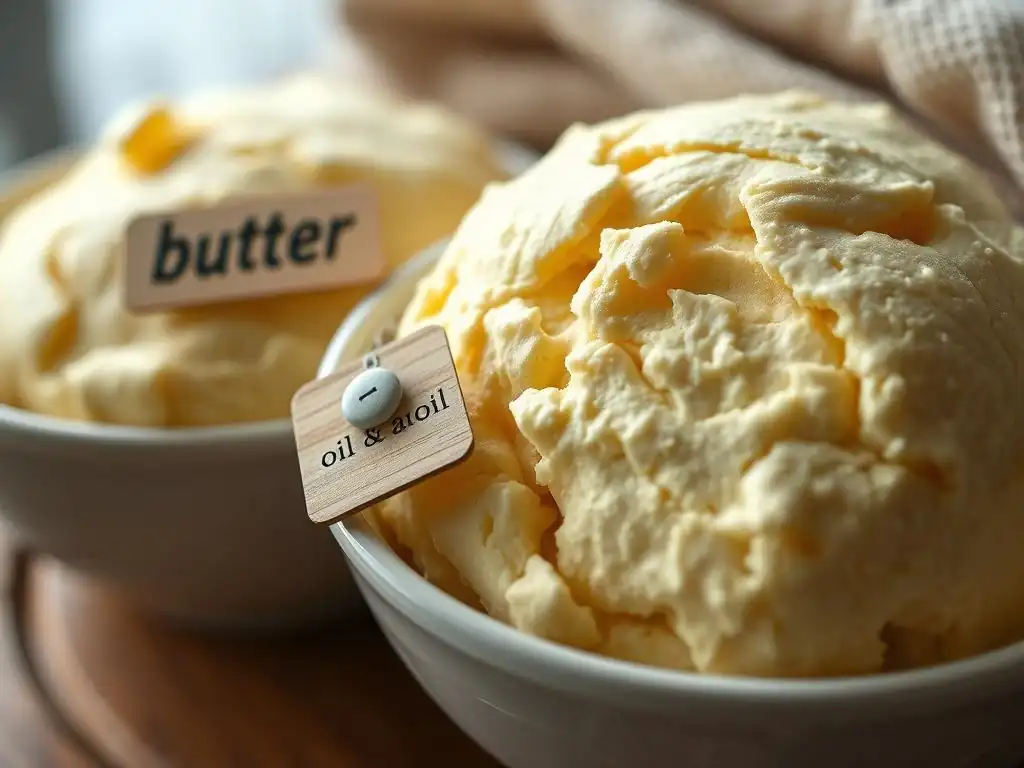
It's often possible to substitute oil for butter (or vice versa) in a roll recipe, but it requires more than a simple 1:1 swap due to their different compositions. Butter is about 80-85% fat, while oil is 100% fat. Butter also contains water and milk solids, which contribute to the dough's hydration and browning. Simply swapping equal volumes will result in too much fat and too little liquid when replacing butter with oil.
Successful conversion requires accounting for the fat content and the missing water/solids. While exact conversions can be tricky and may require some experimentation, general guidelines can help you adapt your favorite butter vs oil rolls recipes. The goal is to maintain the proper fat-to-flour ratio and overall hydration level of the dough.
Adapting Existing Roll Recipes for Different Fats
When adapting a recipe, first identify the role the original fat played. Was it for flavor, tenderness, flakiness, or moisture? This will help you anticipate the changes and decide if the substitution is suitable for the desired outcome. For instance, substituting oil for butter in a classic croissant or puff pastry recipe designed for lamination is generally not feasible, as the solid state of butter is essential for creating layers.
For enriched doughs like dinner rolls or sweet rolls, substituting oil for butter is more straightforward. The primary adjustments needed are the amount of fat and potentially the amount of liquid. Conversely, substituting butter for oil in a recipe designed for oil might require melting the butter and could change the texture and shelf life considerably. Adapting butter vs oil rolls recipes requires careful consideration of the original recipe's intent.
Calculating the Right Amount of Oil to Substitute for Butter
A common guideline for substituting oil for butter by weight is to use about 75-80% of the butter's weight in oil. For example, if a recipe calls for 100 grams of butter, you would use approximately 75-80 grams of oil.
If measuring by volume, a rough guideline is to use about 7/8 cup of oil for every 1 cup of butter. Additionally, you may need to add 1 to 3 tablespoons of liquid (like milk or water, depending on the recipe) per cup of butter substituted, to account for the water content missing from the butter. This helps maintain the dough's hydration level. Remember, these are starting points, and slight adjustments might be needed based on the specific recipe and desired dough consistency when converting butter vs oil rolls.
Tips for Successful Conversions: Avoiding Common Mistakes
- Measure carefully: Use a kitchen scale for accuracy, especially when substituting by weight. If using volume, be precise with liquid measuring cups.
- Adjust liquid: Always consider adding a small amount of extra liquid (1-2 tbsp per cup of butter) when substituting oil for butter to compensate for butter's water content.
- Consider the role of fat: Don't substitute if the recipe relies on the solid state of butter for structure (like laminated doughs).
- Start small: If experimenting with a crucial recipe, try a half batch first to see how the substitution affects the dough and final roll before committing to a full batch.
- Anticipate texture changes: Understand that substituting oil for butter will likely result in a softer, less structured roll, while substituting butter for oil might result in a slightly firmer crumb and reduced shelf life.
[ ] Calculate oil substitution amount for 1 cup (227g) butter (approx. 170-182g oil, plus 1-3 tbsp liquid).
[ ] Note that substituting butter for oil means adding solid fat which changes mixing.
Baking Techniques: Maximizing the Potential of Butter and Oil in Rolls
The type of fat used in your rolls can also influence the best mixing and handling techniques. Butter-based doughs, particularly enriched ones, often benefit from specific approaches to incorporate the fat without hindering gluten development or affecting the desired texture. Similarly, oil-based doughs handle differently and may require slight adjustments in technique.
Understanding how to work with each type of fat ensures you leverage its strengths. For example, incorporating softened butter effectively requires creaming or thorough mixing, while oil can often be simply whisked in with wet ingredients. Temperature control is also more critical with butter doughs due to butter's melting point. Mastering these techniques is key to achieving perfect butter vs oil rolls.
Kneading Techniques for Butter-Based Doughs
For enriched doughs where softened butter is added, it's often best to develop some gluten structure before incorporating the butter. This can be done by mixing the initial ingredients (flour, yeast, liquid, sugar, eggs if used) until a shaggy dough forms, then kneading it for a few minutes until it starts to become smooth. Once this initial gluten network is established, the softened butter is added gradually, piece by piece, allowing each addition to be fully absorbed before adding the next.
This method, sometimes called the "intensive mix" or adding fat "after development," helps ensure the fat doesn't completely coat the flour particles too early, which could prevent gluten formation. The dough will likely become very soft and possibly sticky as the butter is incorporated, but continued kneading will bring it back together into a smooth, elastic dough suitable for butter vs oil rolls.
Mixing Methods for Oil-Based Doughs
Oil-based doughs are often simpler to mix, as the liquid oil can typically be added along with the other wet ingredients at the beginning of the process. Since oil is already liquid, it disperses easily and coats the flour particles from the start, contributing to immediate tenderness.
A common method involves whisking the oil with the liquid (water, milk), yeast, sugar, and any eggs, then adding this mixture to the dry ingredients (flour, salt). The dough is then mixed and kneaded until smooth and elastic. Oil doughs tend to be softer and more pliable than butter doughs and may feel slightly greasy. They are often quite easy to handle once kneaded properly.
Temperature Considerations: Butter vs. Oil Doughs
Temperature plays a more critical role when working with butter, especially if the recipe relies on butter's solid state for texture, such as in laminated doughs (like for crescent rolls or Danish pastries). In these cases, keeping the butter and the dough cold is essential to create distinct layers of fat that result in flakiness. The dough needs to be chilled between folds.
For enriched butter doughs where softened butter is used, the dough temperature still matters. If the dough gets too warm during mixing or kneading, the butter can melt, leading to a greasy dough that is difficult to handle and may not develop gluten properly. Oil-based doughs are less sensitive to temperature fluctuations during mixing, though proper proofing temperatures are still crucial for yeast activity in both butter vs oil rolls.
Troubleshooting: Common Issues and Solutions
Even experienced bakers encounter challenges. When baking rolls, issues like dense texture, dryness, or poor rise can sometimes be linked back to the fat used and its interaction with other ingredients. Understanding how butter and oil influence the dough can help you diagnose problems and find effective solutions.
Troubleshooting your butter vs oil rolls requires considering the role of fat in the recipe's overall balance of ingredients and techniques. Is the fat content correct? Is the dough hydrated properly? Was the fat incorporated correctly? Addressing these questions can help you refine your process and achieve consistently great results.
Rolls Too Dense: Adjusting Fat Content
If your rolls turn out dense, it could be due to several factors, but fat content is a possibility. Too little fat might result in excessive gluten development, leading to a tough, dense crumb. Conversely, too much fat, especially if not incorporated properly, can weigh down the dough and hinder rise, also resulting in density.
If you suspect fat is the issue when baking butter vs oil rolls, review your measurements carefully. Ensure you are using the correct type and amount of fat specified in the recipe. If adapting a recipe, double-check your conversion calculations. Sometimes, slightly reducing the fat or ensuring it's fully incorporated through proper kneading or mixing can help achieve a lighter texture.
Rolls Too Dry: Hydration and Fat Balance
Dry rolls can be caused by under-hydration (not enough liquid) or sometimes, paradoxically, by using too little fat. Fat contributes to the dough's richness and moisture retention. If your rolls are dry, first check if you measured the liquid accurately. Flour absorption varies, so you might need a little more liquid than the recipe states to achieve a soft, slightly sticky dough.
If hydration seems correct, consider the fat level. In butter vs oil rolls, oil generally contributes more to perceived moisture and shelf life than butter. If you're using a recipe with a lower fat percentage, increasing it slightly (while maintaining overall ingredient balance) can help. Ensure the fat is evenly distributed throughout the dough so it can effectively coat starch molecules and prevent drying.
Rolls Not Rising Properly: Yeast Activity and Fat Interaction
Poor rise in rolls is often related to yeast activity (dead yeast, incorrect water temperature, not enough sugar for the yeast to feed on, etc.). However, fat can sometimes play a role. Excessive amounts of fat, particularly if added too early in the mixing process before adequate gluten development, can coat the yeast cells and inhibit their activity, preventing the dough from rising properly.
Ensure your yeast is fresh and activated correctly (if using active dry yeast). If using butter, make sure it is softened (not melted) when added to enriched doughs, and incorporate it gradually. Don't add large amounts of fat all at once, especially at the very beginning of mixing, unless the recipe specifically calls for it and uses a method designed to handle it. Proper kneading is also crucial; an underdeveloped dough won't rise well, regardless of the fat used in your butter vs oil rolls.
Conclusion: Choosing the Right Fat for Your Ideal Roll
The choice between butter and oil when baking rolls is a significant one, influencing everything from flavor and texture to moisture and how long your delicious creations stay fresh. Butter lends unparalleled richness, a complex flavor profile, and contributes to tenderness and potential flakiness. Oil provides exceptional softness, moisture, and extends the shelf life of your rolls, often resulting in a fine, even crumb.
Ultimately, the "best" fat depends entirely on the type of roll you want to bake and the qualities you prioritize. For a rich, flavorful, and perhaps slightly more structured roll like brioche or a tender dinner roll where flavor is key, butter is often the preferred choice. For soft, moist sandwich buns, everyday rolls that need to stay fresh for several days, or recipes where a neutral flavor base is desired, oil is an excellent option. Experimenting with both and understanding their unique properties will empower you to create your perfect butter vs oil rolls.
BakeWithEase Recommendations: Tailoring Your Roll Recipe to Your Preferences
At BakeWithEase, we encourage you to experiment and discover your own preferences. Don't be afraid to try a recipe using butter and then adapt it to use oil (following proper conversion guidelines) to compare the results side-by-side. Pay attention to the differences in dough handling, rise, crust color, crumb texture, and flavor.
Consider what you'll use the rolls for. Are they for immediate enjoyment with a meal? Butter's flavor might be ideal. Are they for packing in lunches or serving over several days? Oil's shelf-life benefits could be more important. By understanding the characteristics of butter vs oil rolls, you can confidently tailor recipes or choose the best fat for your specific baking goals, always resulting in delicious, satisfying homemade rolls.
Frequently Asked Questions
What is the main difference in texture between rolls baked with butter versus oil?
Rolls baked with butter tend to have a richer, more tender crumb and a slightly crispier crust due to the butter's solid fat content. Oil, on the other hand, results in a softer, more uniformly textured roll.
Does butter or oil contribute more to the flavor of homemade rolls?
Butter contributes significantly more flavor to rolls than oil. The distinct buttery taste enhances the overall richness and aroma, while oil typically offers a more neutral flavor profile.
Which is easier to work with, butter or oil, when making roll dough?
Oil is generally considered easier to work with because it's liquid at room temperature, making it simple to incorporate into the dough. Butter often requires softening or melting, adding an extra step.
Can I substitute butter for oil (or vice versa) in a roll recipe without making other adjustments?
While you can substitute, it's not a 1:1 replacement without affecting the outcome. Expect changes in texture and flavor. You might need to adjust liquid content to compensate.
Which ingredient, butter or oil, will generally result in a longer shelf life for baked rolls?
Rolls made with oil tend to stay softer for a longer period than those made with butter, extending their shelf life somewhat. The fat content and structure of oil help retain moisture.
Final Reflection: The Golden Ratio of Roll-Making: Butter vs. Oil
The seemingly simple choice between butter and oil in baking profoundly impacts the final product, a truth as relevant today as it was centuries ago. The subtle nuances in flavor, texture, and even the baking process itself highlight the importance of understanding these fundamental ingredients and how they interact with dough. Choosing wisely isn't just about taste; it's about mastering the art of baking.
This exploration of butter versus oil in roll-making has underscored for me the deep connection between seemingly small choices and the overall outcome. The differences, while subtle at times, accumulate to create a dramatically different eating experience. The proof of the pudding is in the eating,
as the old saying goes, and this couldn't be truer when comparing the results of these two common baking fats. The richness of butter, the lightness of oil – each offers a unique contribution to the culinary landscape.
Now, consider your own baking journey. Will you stick with the familiar comfort of butter, embracing its rich flavor and tender crumb? Or will you venture into the lighter, crispier world of oil-based rolls? Perhaps, most importantly, will you now approach your baking with a newfound appreciation for the subtle yet significant impact of ingredient selection? Experiment, explore, and discover the perfect golden ratio for your perfect roll.
Unleash Your Inner Baker: Master the Roll!
Thanks for taking the time to explore the delightful world of butter vs. oil in baking rolls! You’ve now gained valuable insights into achieving perfectly textured and flavored rolls. Ready to put your newfound knowledge into practice?
- Bake a batch of rolls using your preferred fat today! Experiment with both butter and oil to discover which creates your favorite texture and taste. This is your chance to truly master the technique.
- Share your baking triumphs (and even your flour-covered mishaps!) on social media using #BakeWithEaseButterOil! Let's build a community of fellow baking enthusiasts!
- Consider exploring other BakeWithEase articles for more tips and tricks on perfecting your baking skills.
What unique flavor or texture will you aim for in your next batch of rolls?