
Quick Red Bean & Matcha Desserts: A Perfect Pairing

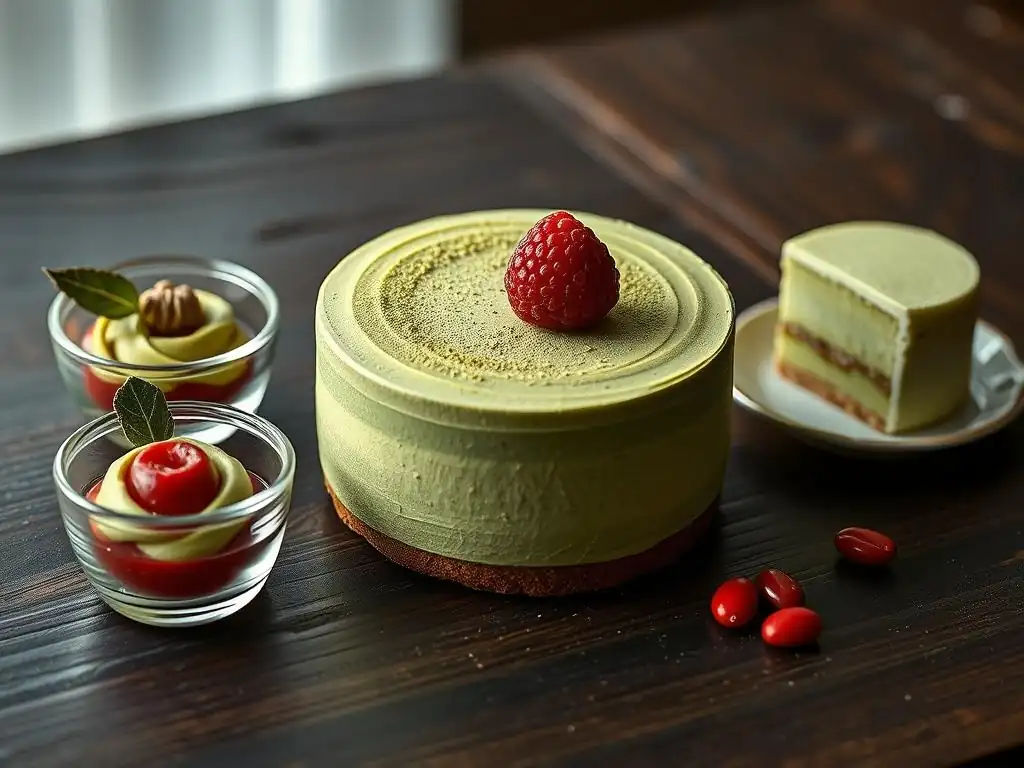
Welcome to BakeWithEase, your companion in the delicious world of baking! Ever wondered how to effortlessly blend traditional Asian flavors into stunning desserts? Prepare to be amazed as we unveil the secrets to creating a Quick Red Bean & Matcha Dessert that's both incredibly easy and irresistibly delightful. Discover the perfect pairing and embark on a baking adventure that will tantalize your taste buds – let's get started!
- BakeWithEase Presents: The Magic of Red Bean and Matcha
- Why Red Bean and Matcha Are a Match Made in Dessert Heaven
- Quick & Easy Red Bean Matcha Dessert Recipes
- Mastering the Art of Red Bean Paste (Anko) for Desserts
- Exploring Different Types of Matcha for Baking
- Tips & Tricks for Baking with Red Bean and Matcha
- Other Delicious Japanese Inspired Dessert Ideas
- Enjoying Your Quick Red Bean Matcha Desserts
-
Frequently Asked Questions
- How can I quickly prepare a red bean and matcha dessert?
- What are some easy ingredient substitutes for red bean and matcha desserts?
- What are some simple variations of the "Quick Red Bean & Matcha Dessert"?
- What are the key tips for achieving the best flavor balance in a red bean and matcha dessert?
- Where can I find reliable recipes and techniques for baking red bean and matcha desserts?
- Final Reflection: The Enduring Harmony of Red Bean and Matcha
- Unleash Your Inner Pastry Chef: Master the Matcha-Red Bean Magic!
BakeWithEase Presents: The Magic of Red Bean and Matcha
Discover the Delicious Harmony of Red Bean and Matcha
The pairing of red bean and matcha might seem unusual to some, but across East Asia, this flavor combination is a beloved classic, especially in desserts. Red bean paste, known as 'anko' in Japanese, offers a gentle, earthy sweetness and a smooth, often slightly grainy texture, depending on its preparation. Matcha, finely ground powder of specially grown and processed green tea leaves, brings a unique bittersweet note and a vibrant green color. Together, they create a balanced profile where the sweetness of the bean complements the subtle bitterness and complex umami notes of the tea.
This harmonious blend isn't just about taste; it's a sensory experience. The deep ruby-red of the bean paste contrasts beautifully with the vivid green of the matcha, making these desserts visually striking. From traditional wagashi (Japanese sweets) to modern cakes, ice creams, and pastries, the red bean and matcha duo has stood the test of time, proving its versatility and enduring appeal. Whether you're a novice baker or looking for a quick red bean matcha dessert, this pairing offers a delightful journey into Asian-inspired sweets.
Why Red Bean and Matcha Are a Match Made in Dessert Heaven
The Earthy Sweetness of Red Bean Paste (Anko)
Red bean paste, or anko, is the heart of many Asian desserts. It's made from azuki beans, which are boiled, mashed, and typically sweetened with sugar. Unlike the intense sweetness often found in Western confectionery, anko possesses a more subdued, earthy sweetness. This characteristic allows it to pair exceptionally well with flavors that might otherwise be overwhelmed. There are generally two main types: tsubuan (chunky, with visible bean skins) and koshian (smooth, with skins removed). Both offer unique textural experiences that enhance the overall dessert.
The natural starchiness of the azuki bean gives anko a substantial texture, which is often used as a filling in pastries, buns, and mochi. Its versatility means it can be used in hot or cold applications, from warm steamed buns to chilled jellies and ice creams. A well-made anko provides a foundational sweetness that is satisfying without being cloying, making it an ideal partner for the more complex profile of matcha. Understanding the nuances of anko is key to creating authentic and delicious quick red bean matcha dessert recipes.
The Distinctive Bitterness of Matcha Powder
Matcha is more than just green tea; it's a concentrated form of green tea, retaining much of the plant's natural chlorophyll and nutrients. Its flavor profile is complex, featuring notes of grassiness, subtle sweetness, and a pronounced, pleasant bitterness, especially in higher grades. This bitterness is crucial as it provides a counterpoint to the sweetness of the red bean paste, creating balance.
The quality of matcha significantly impacts the final flavor and color of a dessert. Culinary grade matcha is generally used for baking, offering a robust flavor that stands up to other ingredients, while ceremonial grade is typically reserved for drinking.
When incorporated into desserts, matcha imparts its signature vibrant green hue and unique aroma. It blends seamlessly into creams, batters, and doughs, infusing them with its distinctive taste. The interaction between matcha's slight astringency and red bean's smooth sweetness is what makes this pairing so successful. It's a sophisticated flavor combination that appeals to those who appreciate depth and balance in their sweets. Mastering the use of matcha is essential for any quick red bean matcha dessert creator.
A Flavor Combination Loved Across East Asia
The red bean and matcha pairing is deeply ingrained in the culinary traditions of countries like Japan, Korea, and China. In Japan, it's fundamental to wagashi, appearing in treats like mochi, dorayaki, and manju. The serene, balanced flavors align with the aesthetic principles of Japanese confectionery. In Korea, red bean (pat) is a popular filling for tteok (rice cakes) and pastries, often enjoyed alongside green tea beverages. While matcha specifically is most prominent in Japanese cuisine, green tea flavors and red bean are common partners throughout the region.
This enduring popularity is a testament to the inherent compatibility of these ingredients. They represent a classic example of how contrasting flavors can come together to create something truly special. The combination evokes a sense of comfort and tradition, making it a favorite for everyday snacks and special occasions alike. Exploring quick red bean matcha dessert options allows home bakers to tap into this rich culinary heritage and create delightful treats with relative ease.
Quick & Easy Red Bean Matcha Dessert Recipes
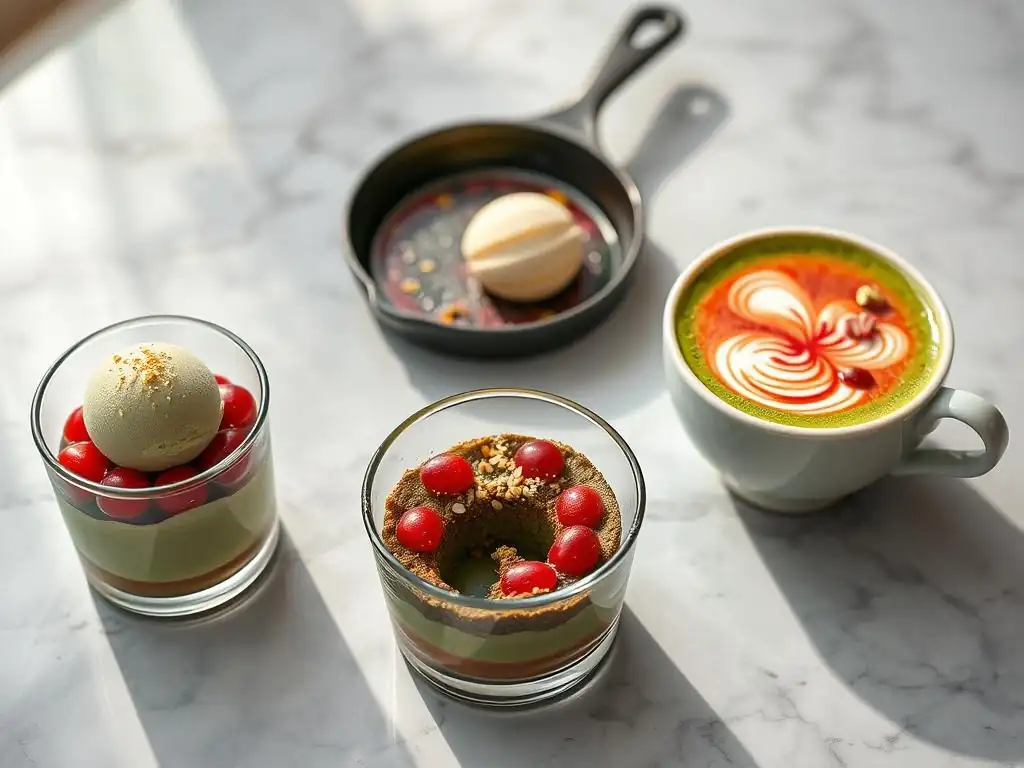
Recipe 1: No-Bake Red Bean Matcha Bars
Simple Ingredients for Red Bean Matcha Bars
Creating quick red bean matcha dessert bars doesn't require many ingredients. You'll typically need: about 1 cup of finely crushed biscuits (like graham crackers or digestive biscuits), 1/4 cup melted butter, 1 cup smooth red bean paste (koshian works well here), 1/2 cup cream cheese (softened), 1/4 cup powdered sugar, 1-2 tablespoons matcha powder (culinary grade), 1/2 cup heavy cream (whipped to soft peaks), and a pinch of salt. Optional additions include chopped nuts or sesame seeds for texture.
These simple components come together quickly. The biscuit base provides a sturdy foundation, the red bean paste adds the core sweetness, and the matcha cream cheese layer introduces the signature green tea flavor and a creamy texture. Using common pantry staples or easily found ingredients makes this a perfect recipe for a quick red bean matcha dessert fix. The quantities listed here are for a small batch, yielding about 8-10 bars depending on size.
Step-by-Step Bar Preparation
Prep time for these no-bake bars is minimal, often less than 20 minutes before chilling. First, combine the crushed biscuits and melted butter, pressing this mixture firmly into the bottom of a small square pan (around 6x6 or 7x7 inches) lined with parchment paper. Chill this base while you prepare the fillings. Next, in a bowl, whisk together the softened cream cheese, powdered sugar, salt, and matcha powder until smooth and well combined. Gently fold in the whipped heavy cream until no streaks remain.
Now, assemble the layers. Spread the red bean paste evenly over the chilled biscuit base. Carefully spoon the matcha cream cheese mixture over the red bean layer and spread smoothly. Chill the bars for at least 2-3 hours, or until firm. Once chilled, lift the bars out using the parchment paper and slice into squares or rectangles. This layered approach ensures each bite delivers the distinct flavors of a quick red bean matcha dessert.
Tips for the Perfect Bar Texture
Achieving the right texture is crucial for enjoyable no-bake bars. Ensure your biscuit base is pressed down very firmly; using the bottom of a glass or measuring cup helps compress it tightly, preventing crumbling. For the matcha cream cheese layer, make sure the cream cheese is truly softened to avoid lumps. Folding in the whipped cream gently preserves the airy texture, resulting in a lighter, creamier topping. Overmixing after adding the whipped cream can deflate it.
Using smooth red bean paste (koshian) creates a cleaner layer, though chunky (tsubuan) can add interesting texture if you prefer. If the red bean paste feels too thick, you can warm it slightly or mix in a tablespoon of milk or water to make it more spreadable, but be careful not to make it too runny. Proper chilling time is essential; rushing this step will result in bars that are difficult to slice cleanly and may fall apart. A minimum of 2 hours is recommended, but 3-4 hours is ideal for a firm quick red bean matcha dessert bar.
Recipe 2: Quick Red Bean Matcha Ice Cream (No Churn)
Ingredients for No-Churn Red Bean Matcha Ice Cream
Making a quick red bean matcha dessert in ice cream form without a machine is surprisingly simple. You'll need: 2 cups cold heavy whipping cream, 1 can (14 oz) sweetened condensed milk, 2-3 tablespoons matcha powder (culinary grade, sifted), and about 1/2 cup smooth red bean paste. For a swirl effect, you might reserve a bit more red bean paste. Ensure all your ingredients, especially the cream, are very cold for best results.
The magic of no-churn ice cream lies in the combination of whipped cream for airiness and condensed milk for sweetness and structure without needing ice crystals to form in a churner. Adding matcha infuses the base, while red bean paste provides pockets of flavor and texture. This minimal ingredient list makes a quick red bean matcha dessert ice cream accessible and easy to whip up on impulse.
How to Make Ice Cream Without an Ice Cream Maker
The process is straightforward. In a large, cold bowl, beat the heavy whipping cream with an electric mixer on high speed until stiff peaks form. In a separate bowl, whisk together the sweetened condensed milk and sifted matcha powder until completely smooth and the color is uniform. Gently fold the matcha-condensed milk mixture into the whipped cream using a spatula, being careful not to deflate the cream. Fold until just combined.
Pour about half of the mixture into a freezer-safe container. Dollop spoonfuls of the red bean paste over the mixture. Pour the remaining ice cream mixture on top and add more dollops of red bean paste. You can swirl the red bean paste gently with a knife if desired, but don't overmix. Cover the container tightly and freeze for at least 6 hours, or preferably overnight, until firm. This method yields a creamy, scoopable quick red bean matcha dessert ice cream.
Variations: Adding Mochi or Other Toppings
Once your quick red bean matcha dessert ice cream is frozen, you can elevate it with various toppings or mix-ins. Small cubes of mochi (either store-bought or homemade) are a classic addition, adding a chewy texture that contrasts nicely with the creamy ice cream and smooth red bean. Look for plain or matcha-flavored mochi. Other options include toasted sesame seeds, a drizzle of extra red bean paste, a sprinkle of kinako (roasted soybean flour), or even small pieces of candied chestnuts.
For mix-ins before freezing, consider adding small bits of chewy mochi towards the end of the folding process. Be mindful that some mix-ins can become very hard when frozen. Experimenting with different textures and flavors can customize your quick red bean matcha dessert ice cream to your preference. A simple sprinkle of matcha powder just before serving also adds a visual flourish and an extra punch of green tea flavor.
Recipe 3: Red Bean Matcha Mochi (Microwave Ready)
Mochi Ingredients: A Small Batch Delight
Making mochi in the microwave is a revelation for those seeking a quick red bean matcha dessert. For a small batch (about 6-8 pieces), you'll need: 1/2 cup glutinous rice flour (also known as sweet rice flour), 1/4 cup sugar, 1/2 cup water, 1-2 teaspoons matcha powder, and about 1/2 cup smooth red bean paste for filling. You'll also need cornstarch or potato starch for dusting to prevent sticking.
Glutinous rice flour is essential; regular rice flour will not work as it lacks the necessary starch composition for mochi's signature chewiness. The sugar adds sweetness and helps keep the mochi soft. Matcha infuses the dough with color and flavor. These minimal ingredients highlight the simplicity behind this traditional treat, adapted for modern convenience, making it a truly quick red bean matcha dessert.
Microwave Mochi Instructions: Ready in Minutes
Combine the glutinous rice flour, sugar, and matcha powder in a microwave-safe bowl. Gradually whisk in the water until you have a smooth, lump-free batter. Cover the bowl loosely with plastic wrap (leave a small vent) or a microwave-safe lid. Microwave on high power for 1 minute. Carefully remove the bowl (it will be hot! ), stir the dough with a wet spatula, re-cover, and microwave for another minute.
The dough should now be thick and somewhat translucent. If it's still opaque and liquidy in the center, microwave in 30-second intervals, stirring in between, until cooked through. The total microwave time typically ranges from 2 to 3 minutes depending on your microwave's power. Once cooked, turn the hot dough out onto a surface heavily dusted with cornstarch or potato starch. Allow it to cool slightly until handleable. This rapid cooking method makes microwave mochi a fantastic quick red bean matcha dessert option.
Customizing Your Mochi: Fillings and Toppings
Once the mochi dough is cool enough to handle but still warm, dust your hands and a knife with starch. Divide the dough into equal portions. Flatten each portion into a disc. Place a small ball of red bean paste (about 1-2 teaspoons) in the center of the disc. Carefully wrap the dough around the filling, pinching the seams together to seal. Roll gently between your palms to form a smooth ball. Dust again with starch if needed.
Beyond the classic red bean filling, you can customize your quick red bean matcha dessert mochi. Consider adding a fresh strawberry along with the red bean paste (ichigo daifuku style), or substituting the red bean with sweet potato paste or even a dollop of ice cream (though this requires working quickly and freezing immediately). Toppings can include a light dusting of more matcha powder, kinako, or even finely chopped nuts. The possibilities allow for creative variations on this speedy treat.
Mastering the Art of Red Bean Paste (Anko) for Desserts
Homemade vs. Store-Bought Anko: Which is Best?
Deciding between homemade and store-bought red bean paste depends largely on time, desired texture, and control over sweetness. Store-bought anko is widely available in Asian grocery stores and online. It offers unparalleled convenience, making it the go-to choice for a truly quick red bean matcha dessert. Quality varies significantly; some brands can be overly sweet or have a less refined texture. However, good quality store-bought anko is perfectly acceptable and yields delicious results in most recipes.
Making anko from scratch allows you to control the sweetness level and achieve your preferred texture (chunky or smooth). It involves soaking, boiling, and simmering azuki beans until very soft, then mashing and cooking with sugar until thickened. While it requires more time and effort (often 1-2 hours of active cooking and simmering), the resulting paste has a fresher flavor and a satisfying homemade quality. For a quick red bean matcha dessert, store-bought is usually preferred for speed, but homemade offers a deeper connection to the process and customizable results.
Tips for Making Smooth and Delicious Anko
If you opt for homemade anko, achieving a smooth, delicious paste requires a few key steps. Start by soaking the azuki beans overnight; this significantly reduces cooking time. After soaking, drain and rinse the beans. Boil them in fresh water until very soft – you should be able to easily crush a bean between your fingers. This can take anywhere from 45 minutes to 1.5 hours depending on the beans and whether they were soaked.
For smooth anko (koshian), the traditional method involves pushing the cooked beans through a sieve to remove the skins. This is the most labor-intensive step but results in a silky paste. For chunky anko (tsubuan), simply drain most of the excess water and mash the beans with a potato masher or spoon to your desired consistency.
Finally, return the mashed beans to the pot, add sugar (start with about 1/2 to 2/3 the weight of the dry beans, adjusting to taste), and cook over medium heat, stirring constantly, until the paste thickens and pulls away from the sides of the pot. Cooking it down properly concentrates the flavor and prevents it from being watery in your quick red bean matcha dessert.
Using Different Types of Red Beans
While azuki beans (Vigna angularis) are the standard for anko, different varieties and sizes exist, which can slightly impact cooking time and final texture. Smaller azuki beans tend to cook faster and produce a finer-textured paste. Some regions might use slightly larger red beans, which might require longer cooking. The quality and freshness of the dried beans are paramount. Older beans can take significantly longer to soften, even after soaking.
Ensure you are using dried azuki beans specifically intended for cooking. Canned red beans, while convenient for some dishes, are typically pre-sweetened and may contain additives that alter the flavor and texture, making them less suitable for traditional anko preparation for a quick red bean matcha dessert. Sticking to dried azuki beans ensures the authentic flavor and texture profile necessary for successful anko.
Exploring Different Types of Matcha for Baking
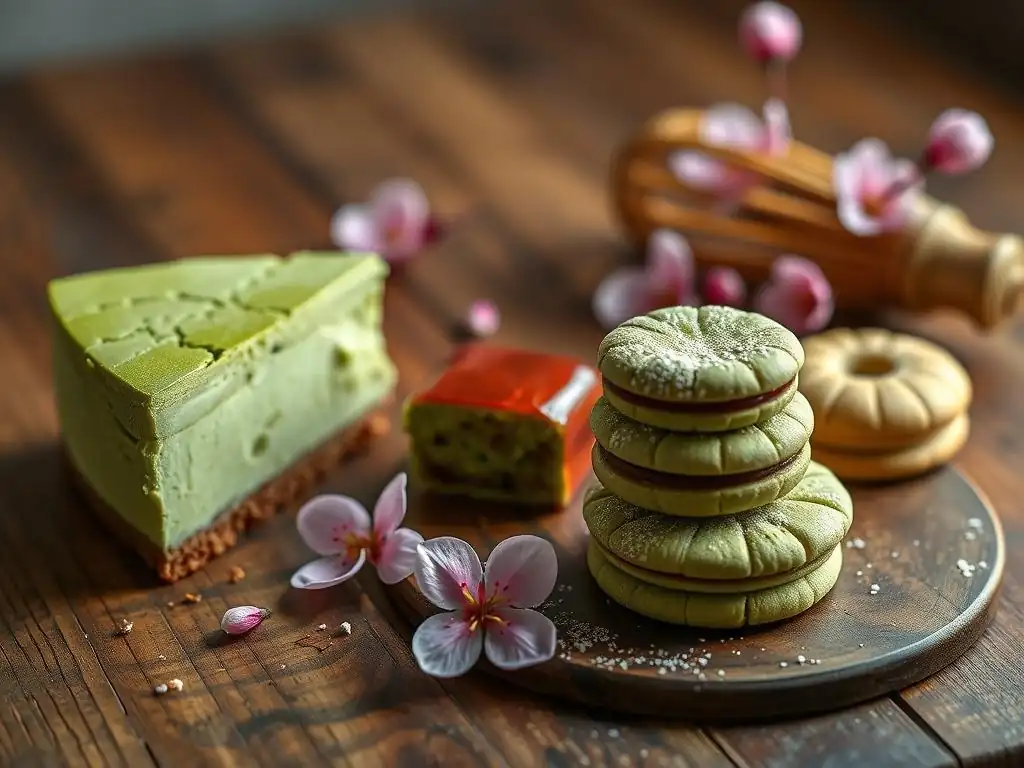
Ceremonial vs. Culinary Grade Matcha: What's the Difference?
Matcha is categorized into different grades, primarily ceremonial and culinary. Ceremonial grade matcha is the highest quality, made from the youngest tea leaves harvested during the first flush. It is intended to be whisked with hot water and drunk plain, appreciating its delicate flavor, vibrant green color, and smooth texture with minimal bitterness or astringency. It is significantly more expensive than culinary grade.
Culinary grade matcha is processed from slightly older leaves or later harvests. While still high quality, it has a more robust, sometimes slightly more bitter flavor profile that is designed to stand up to other ingredients in recipes. It is perfect for baking, smoothies, lattes, and other applications where it will be mixed. Using ceremonial grade in a quick red bean matcha dessert would be a waste of its nuanced flavor and higher cost; culinary grade provides the necessary color and strong matcha taste desired in baked goods and confections.
The Impact of Matcha Quality on Dessert Flavor
The quality of the matcha you use directly impacts the flavor, color, and aroma of your quick red bean matcha dessert. Low-quality matcha can result in a dull, brownish-green color and a flat, overly bitter, or even fishy taste. Higher quality culinary grade matcha, however, will yield a bright green hue and a balanced flavor with pleasant earthy and slightly bitter notes that complement the red bean paste beautifully.
Investing in good quality culinary matcha is worthwhile for the best results. Look for matcha that is vibrant green (not yellowish or brown), has a fine, smooth texture, and smells fresh and slightly grassy. Reputable brands specializing in Japanese teas are a good starting point. Using fresh, good quality matcha ensures your quick red bean matcha dessert has the authentic, appealing flavor and appearance you're aiming for.
Storing Matcha for Freshness
Matcha is sensitive to light, heat, moisture, and air, all of which can degrade its quality and cause it to lose its vibrant color and fresh flavor. Proper storage is essential to keep your matcha potent for your quick red bean matcha dessert creations. Always store matcha in an airtight container, away from direct sunlight and heat. Opaque containers are best to protect it from light.
Ideally, matcha should be stored in the refrigerator once opened to maintain freshness. If storing in the fridge, allow the container to come to room temperature before opening to prevent condensation from forming, which can ruin the powder. Use your matcha relatively quickly after opening, ideally within a few months, as its quality diminishes over time. Proper storage ensures that every quick red bean matcha dessert you make is infused with the best possible flavor.
Tips & Tricks for Baking with Red Bean and Matcha
Balancing Sweetness and Bitterness in Your Desserts
The key to a successful quick red bean matcha dessert is achieving a harmonious balance between the sweetness of the red bean paste and the slight bitterness of the matcha. Red bean paste sweetness varies by brand or homemade recipe, and matcha bitterness varies by grade. It's important to taste your components before combining them. If your red bean paste is very sweet, you might use slightly less or choose a less sweet variety. If your matcha is particularly bitter, you might need a touch more sugar in the matcha component of the recipe.
Generally, allowing the matcha's bitterness to come through slightly is desirable, as it provides a counterpoint to the red bean's sweetness. Avoid making the dessert overly sweet, as this can mask the delicate flavors of both ingredients. Many recipes will provide a starting point for sugar, but don't hesitate to adjust slightly based on the specific ingredients you are using and your personal preference for your quick red bean matcha dessert.
Achieving the Perfect Green Hue
The visual appeal of a quick red bean matcha dessert heavily relies on a vibrant green color from the matcha. To achieve this, start with high-quality, fresh culinary grade matcha. Its natural pigment is strong. Sifting the matcha powder before adding it to liquid or batter is crucial; this prevents clumps and ensures the color is evenly distributed without unsightly speckles.
Avoid over-baking or overcooking matcha-based items, as prolonged heat can dull the bright green color. For no-bake items like ice cream or bars, the color will remain vibrant as long as the matcha quality is good. Storing the finished quick red bean matcha dessert away from light can also help preserve its color over time. If a recipe calls for a specific amount of matcha, stick to it or add slightly more if you desire a more intense color and flavor, but be mindful that adding too much can increase bitterness significantly.
Storing Your Red Bean Matcha Creations
Proper storage is key to keeping your quick red bean matcha desserts fresh and delicious. Most red bean and matcha desserts, especially those containing dairy or fresh bean paste, should be stored in an airtight container in the refrigerator. This is particularly true for items like mochi, ice cream, and layered bars. Storing them airtight prevents them from drying out or absorbing odors from the fridge.
Items like cookies or drier cakes might be stored at room temperature for a day or two in an airtight container, but refrigerating will extend their shelf life. For longer storage, many quick red bean matcha dessert items, like ice cream or mochi (before thawing), can be frozen in airtight containers or wrapped well to prevent freezer burn. Thaw frozen items in the refrigerator before serving for the best texture.
Other Delicious Japanese Inspired Dessert Ideas
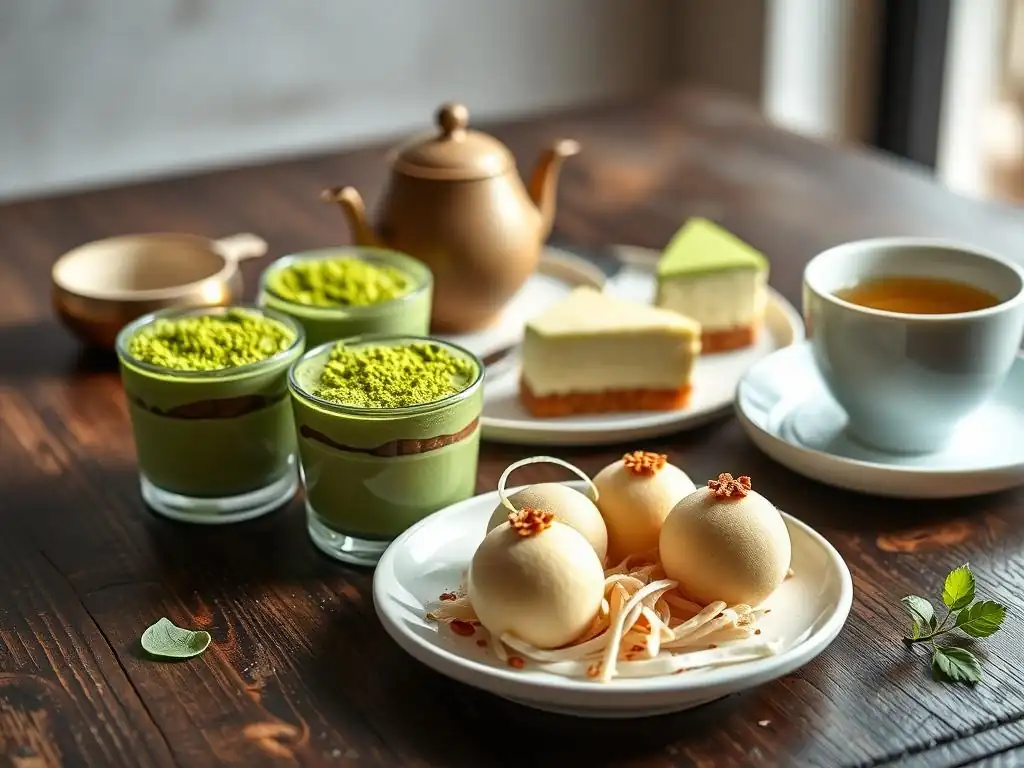
Dorayaki Recipe
Dorayaki is a classic Japanese confection consisting of a dollop of red bean paste (anko) sandwiched between two small pancake-like patties. It's a simple yet satisfying treat, often enjoyed with green tea. The patties are made from a batter similar to pancakes, typically including flour, eggs, sugar, honey, and baking soda or powder. The honey gives them a distinctive flavor and soft texture.
Making the patties involves cooking small, round portions of batter on a griddle until golden brown. Once cooked and cooled slightly, a generous amount of red bean paste is placed on the flat side of one patty, and another patty is placed on top, creating a sandwich. While not typically considered a "quick" dessert from start to finish if making everything from scratch, using store-bought anko and focusing on the pancake patties makes it a relatively fast and delightful Japanese-inspired treat. It's a pure expression of the red bean's charm.
Brief Description of Dorayaki
Dorayaki is essentially a Japanese sweet pancake sandwich filled with red bean paste. The patties are soft, slightly sweet, and have a hint of honey flavor, providing a lovely contrast to the earthy, sweet anko filling. Its shape resembles a 'dora' (gong), which is said to be the origin of its name. It's a popular snack in Japan, widely available in convenience stores and bakeries.
The texture combination of the fluffy pancake exterior and the smooth or slightly chunky red bean interior is very appealing. While traditionally filled with anko, modern variations might include chestnut paste, matcha cream, or even savory fillings, though red bean remains the classic. Dorayaki is a simple yet iconic example of Japanese wagashi, highlighting the importance of red bean paste in their confectionery.
Enjoying Your Quick Red Bean Matcha Desserts
Whether you've whipped up no-bake bars, churned (or not churned!) ice cream, or microwaved mochi, you're now ready to enjoy the delightful combination of red bean and matcha. These quick red bean matcha dessert recipes offer a taste of East Asian flavors with minimal effort, perfect for satisfying a sweet craving or impressing guests. The balance of earthy sweetness and subtle bitterness is truly unique.
Serve your creations chilled for the most refreshing experience, often paired with a cup of hot or iced green tea to complement the flavors. Share them with friends and family, or simply savor them yourself as a moment of sweet indulgence. Experiment with the recipes, adjust sweetness to your liking, and explore variations. Baking and creating these quick red bean matcha desserts should be an enjoyable, delicious process from start to finish.
Frequently Asked Questions
How can I quickly prepare a red bean and matcha dessert?
You can use pre-made red bean paste (anko) and combine it with matcha powder in various ways, such as in a no-bake mousse or layered parfait. This eliminates the lengthy process of cooking red beans.
What are some easy ingredient substitutes for red bean and matcha desserts?
If you can't find matcha powder, you could try another green tea powder, though the flavor will be slightly different. For red bean paste, while not a direct substitute, other bean pastes can be used for a similar texture.
What are some simple variations of the "Quick Red Bean & Matcha Dessert"?
Consider adding layers of mochi, using different types of cookies as a base, or incorporating fresh fruits like strawberries for added flavor and texture.
What are the key tips for achieving the best flavor balance in a red bean and matcha dessert?
Be mindful of the sweetness of the red bean paste and adjust the amount of matcha accordingly to avoid overpowering the dessert with bitterness. High-quality matcha will offer a smoother, less astringent flavor.
Where can I find reliable recipes and techniques for baking red bean and matcha desserts?
BakeWithEase.com is your go-to resource for mastering the art of baking, offering simple recipes, techniques, and tips for bakers of all levels, and has plenty of step-by-step guides for desserts.
Final Reflection: The Enduring Harmony of Red Bean and Matcha
The vibrant simplicity of red bean and matcha desserts speaks to a timeless culinary elegance, a testament to the power of contrasting flavors and textures that continues to resonate with modern palates. This seemingly simple combination transcends mere sweetness; it's a delightful dance between earthy bitterness and subtly sweet creaminess, a balance that's both refreshing and deeply satisfying. The ease of preparation, as explored throughout this article, only enhances its appeal in our increasingly fast-paced lives.
The enduring popularity of red bean and matcha desserts reflects a broader cultural appreciation for mindful simplicity and the beauty found in traditional techniques. These ingredients, steeped in history and tradition, offer a comforting familiarity while simultaneously presenting opportunities for creative exploration. The versatility showcased in the recipes highlights the potential for personal expression within a framework of classic flavors. Simplicity is the ultimate sophistication,
as Leonardo da Vinci wisely observed, and this perfectly encapsulates the essence of these delightful treats.
Now, consider the possibilities. Perhaps you'll experiment with different variations of these recipes, adding your own unique twist to the classic combination. Maybe you'll find yourself drawn to the meditative quality of preparing these desserts, a moment of calm amidst the chaos of daily life. More importantly, I hope this article has inspired you to embrace the joy of simple pleasures and the unexpected harmony found in the most unexpected pairings. Go forth and create your own perfect red bean and matcha masterpiece!
Unleash Your Inner Pastry Chef: Master the Matcha-Red Bean Magic!
Thanks for joining us on this delicious journey into the world of matcha and red bean desserts! We hope you’ve discovered some new favorites and feel inspired to try your hand at these delightful pairings. Ready to take your baking skills to the next level?
- Bake your own magic: Try one of the recipes from today's article – the red bean mochi is a great starting point! You'll be surprised how easy it is.
- Share your creations: Show off your baking prowess by posting a picture of your finished dessert on social media using #BakeWithEaseMatcha. Let's see those culinary masterpieces!
- Explore new flavor combinations: Think beyond the traditional – experiment with different types of beans or matcha variations to find your ultimate flavor profile. What exciting new dessert will you create?
What unexpected ingredient will you pair with matcha and red beans next? Let’s hear your ideas in the comments below!