
Easy Korean Sweet Rice Dessert (Yaksik) Recipe

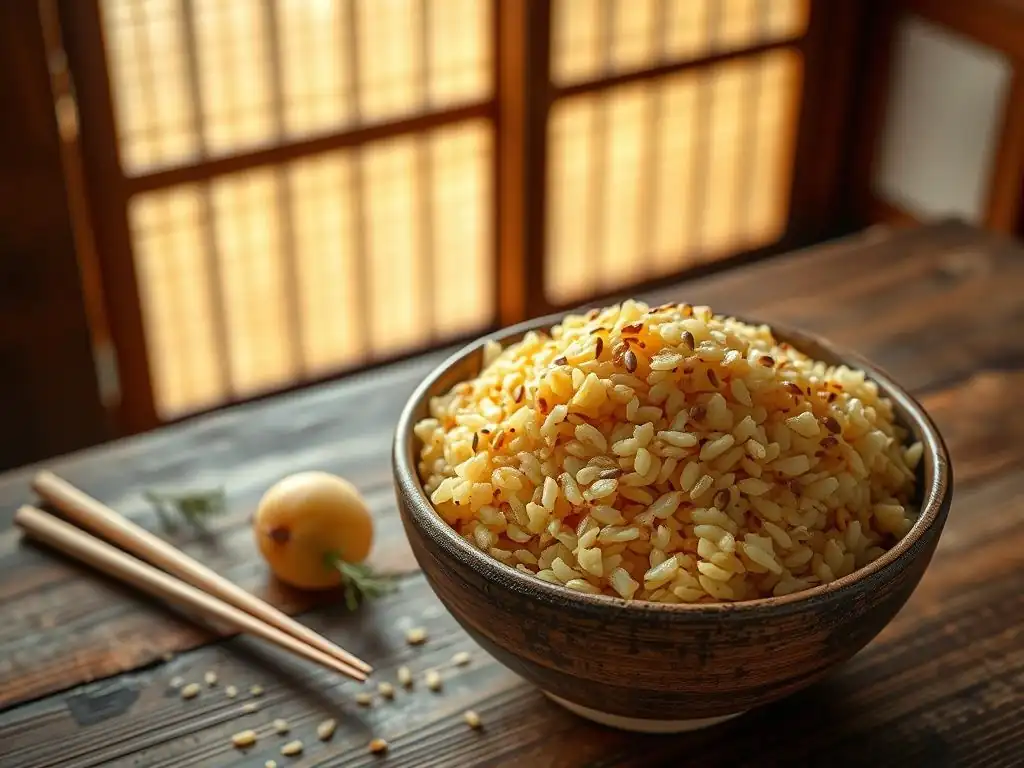
Welcome to BakeWithEase, where delicious adventures begin! Ever dreamt of creating authentic flavors from around the world in your own kitchen? Dive into the captivating world of Regional & Cultural Baking with us, starting with a delightful journey to Korea. Today, we unlock the secrets to making an easy Korean sweet rice dessert – Yaksik – a treat so good, you'll want to share it with everyone. Curious about how to transform simple ingredients into a fragrant and chewy masterpiece? Let's get baking!
- Easy Korean Sweet Rice Dessert (Yaksik) Recipe - BakeWithEase
- Introduction to Yaksik: A Deliciously Easy Korean Sweet Rice Treat
- Gathering Your Ingredients: Easy-to-Find Components for Korean Sweet Rice
-
Step-by-Step Guide: Making Easy Korean Sweet Rice Dessert (Yaksik) at Home
- Preparing the Sweet Rice: Soaking and Steaming for Perfect Texture
- Creating the Sweet and Savory Mixture: Mastering the Yaksik Sauce
- Combining Rice and Sweet Mixture: Ensuring Even Flavor Distribution
- Steaming the Yaksik: Achieving the Ideal Consistency
- Alternative Cooking Methods for Yaksik - Rice Cooker/Instant Pot
- Tips and Tricks for Perfect Yaksik Every Time
- Variations and Customizations: Adapting Your Yaksik to Your Taste
- Serving and Enjoying Your Homemade Korean Sweet Rice Dessert
- Conclusion: Baking a Taste of Korea with Ease
- Frequently Asked Questions
- Final Reflection: The Sweetness of Shared Culture
- Unlock the Sweetness: Make Your Own Yaksik Today!
Easy Korean Sweet Rice Dessert (Yaksik) Recipe - BakeWithEase
Introduction to Yaksik: A Deliciously Easy Korean Sweet Rice Treat
What is Yaksik? Exploring the History and Flavors of Korean Sweet Rice Dessert
Yaksik, also known as Yakbap (약밥), is a traditional Korean sweet rice dessert made from glutinous rice, sweetened with honey or brown sugar, and mixed with various nuts and dried fruits like chestnuts, jujubes (Korean dates), and pine nuts. The name "Yaksik" literally translates to "medicinal food" (약 - yak, meaning medicine or medicinal; 식 - sik, meaning food), a name believed to have originated from the historical use of honey, which was considered a valuable medicinal ingredient in ancient Korea.
This sweet and slightly savory treat has been enjoyed for centuries, often served on special occasions such as Jeongwol Daeboreum, the first full moon of the lunar new year, and other festive gatherings.
The distinct flavor of Yaksik comes from a unique combination of sweet, savory, and aromatic elements. The base is the chewy glutinous rice, which provides a satisfying texture. This is coated in a sauce typically made from soy sauce, honey or brown sugar, sesame oil, and sometimes cinnamon.
The soy sauce adds a subtle depth and balances the sweetness, preventing it from being cloyingly sugary. The sesame oil contributes a nutty aroma, while honey or brown sugar provides the primary sweetness and a rich caramel-like hue. The added nuts and dried fruits introduce layers of texture and flavor – chewy jujubes, tender chestnuts, and crunchy pine nuts are classic additions, each contributing their own unique sweetness and nuttiness to this beloved Korean sweet rice dessert.
Why This Yaksik Recipe is Perfect for Beginner Bakers
Baking and cooking traditional desserts can sometimes seem intimidating, but this easy Korean sweet rice dessert, Yaksik, is surprisingly accessible for newcomers. Unlike many complicated pastries or cakes that require precise measurements, delicate techniques, and specific oven temperatures, Yaksik is much more forgiving. The primary cooking method involves steaming or using a rice cooker, which is generally simpler to manage than oven baking. The ingredients are also relatively straightforward to find, and the steps are logical and easy to follow, making it an ideal entry point into Asian-inspired sweets.
Furthermore, this easy Korean sweet rice dessert allows for a good degree of flexibility. While traditional ingredients provide the authentic flavor, you can easily adjust the types of nuts or dried fruits based on what's available or what you prefer. The sweetness level can also be tweaked slightly without ruining the outcome.
This adaptability reduces the pressure often felt by beginner bakers aiming for perfection. By starting with this simple Yaksik recipe, you can build confidence in handling glutinous rice and creating delicious, culturally rich treats without needing advanced skills or specialized equipment beyond a steamer or a standard kitchen appliance like a rice cooker or Instant Pot.
Gathering Your Ingredients: Easy-to-Find Components for Korean Sweet Rice
Essential Ingredients for Authentic Yaksik Flavor
To create an authentic and delicious easy Korean sweet rice dessert, you'll need a few key ingredients. The foundation is sweet rice, also known as glutinous rice or sticky rice (찹쌀 - chapssal). This is different from regular short-grain or long-grain rice and is essential for achieving the characteristic chewy and sticky texture of Yaksik.
You'll typically need about 2 cups of dry sweet rice for a standard batch. The primary sweetener is often a combination of dark brown sugar and honey or Korean malt syrup (Jocheong), contributing both sweetness and a rich, dark color. Roughly ½ cup of dark brown sugar and ¼ cup of honey is a common starting point, though this can be adjusted.
Balancing the sweetness and adding depth is a small amount of soy sauce. About 1 to 2 tablespoons is usually sufficient, providing a subtle savory note that enhances the overall flavor profile without making the dessert taste salty. Sesame oil is crucial for its aromatic qualities; about 1 tablespoon stirred in adds a distinctive nutty fragrance.
Finally, traditional mix-ins include jujubes (dried Korean dates), chestnuts (often pre-cooked or canned), and pine nuts. You might use about ½ cup of chopped jujubes, ½ cup of chopped chestnuts, and ¼ cup of pine nuts. These ingredients, while specific, are increasingly available in Asian grocery stores or even in the international aisle of larger supermarkets, making this easy Korean sweet rice dessert achievable for many home cooks.
Ingredient Substitutions for Yaksik
While traditional ingredients yield the most authentic easy Korean sweet rice dessert, you can make substitutions if certain items are difficult to find or if you have dietary preferences. If Korean malt syrup (Jocheong) isn't available, a combination of honey and dark brown sugar works perfectly well, and many recipes, including this easy Yaksik recipe, rely solely on these two.
For the dried fruits, if jujubes are hard to source, you can substitute with other chewy dried fruits like raisins, dried cranberries, or chopped dried apricots. While the flavor profile will change slightly, you will still get the pleasant chewiness.
Chestnuts add a unique tender texture and nutty sweetness. If fresh or canned chestnuts are unavailable, you could try using other nuts like chopped walnuts, pecans, or even almonds, though they won't replicate the chestnut's specific texture. Pine nuts are classic, but slivered almonds or chopped peanuts can be used for crunch if needed.
For a vegan version of this easy Korean sweet rice dessert, simply swap the honey for an equal amount of maple syrup, agave nectar, or another liquid vegan sweetener. Ensure your brown sugar is also vegan, as some are processed with bone char. These substitutions allow you to make a delicious Yaksik even if you don't have every single traditional ingredient on hand.
Step-by-Step Guide: Making Easy Korean Sweet Rice Dessert (Yaksik) at Home
Preparing the Sweet Rice: Soaking and Steaming for Perfect Texture
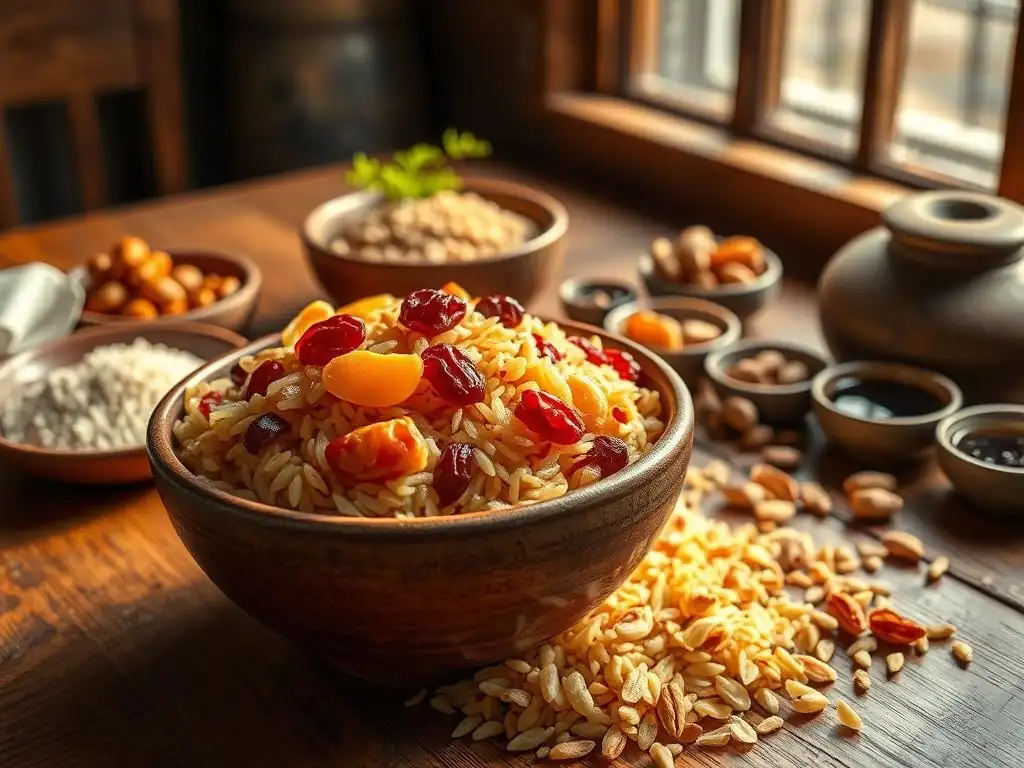
The first crucial step in making this easy Korean sweet rice dessert is preparing the sweet rice. Unlike regular rice, glutinous rice requires soaking to ensure it cooks evenly and achieves its signature sticky, chewy texture. Measure out your sweet rice (e.g., 2 cups) and rinse it thoroughly under cold water until the water runs clear. This removes excess starch and impurities.
Place the rinsed rice in a large bowl and cover it with plenty of cold water, ensuring the water level is several inches above the rice. Let the rice soak for a minimum of 3 hours, or preferably overnight, especially if you plan to steam it traditionally. Soaking helps the grains absorb moisture, reducing steaming time and resulting in a more uniformly cooked and tender texture.
After soaking, drain the rice thoroughly. If you are steaming it using a traditional steamer basket lined with cheesecloth or a clean kitchen towel, spread the soaked rice evenly. Steam the rice over high heat for about 20-30 minutes, or until it is translucent and cooked through but still firm.
The exact steaming time can vary based on the amount of rice and the efficiency of your steamer. A good indicator is that the grains should look plump and slightly sticky. Proper soaking and steaming are fundamental to achieving the delightful chewiness that defines a great easy Korean sweet rice dessert like Yaksik.
Creating the Sweet and Savory Mixture: Mastering the Yaksik Sauce
While the rice is steaming, prepare the flavorful sauce that will coat the sweet rice and give Yaksik its distinctive color and taste. In a medium saucepan, combine the liquid ingredients: dark brown sugar (e.g., ½ cup), honey or malt syrup (e.g., ¼ cup), soy sauce (e.g., 1-2 tablespoons), and sesame oil (e.g., 1 tablespoon). You can also add about ¼ cup of water or the soaking liquid from the jujubes if you soaked them. For added aroma, some recipes include a pinch of ground cinnamon.
Heat this mixture over medium heat, stirring occasionally, until the sugar is completely dissolved and the sauce comes to a gentle simmer. Let it simmer for just a minute or two to allow the flavors to meld. This sauce is the heart of the easy Korean sweet rice dessert's unique sweet-and-savory profile.
Taste and adjust if necessary – add a touch more sugar or honey for sweetness, or a tiny bit more soy sauce for depth, keeping in mind it will be mixed into a large volume of rice. Once the sauce is ready, remove it from the heat and set it aside.
Combining Rice and Sweet Mixture: Ensuring Even Flavor Distribution
Once the sweet rice is perfectly steamed and the sauce is ready, it's time to combine them with the nuts and dried fruits. In a large mixing bowl, gently transfer the hot steamed sweet rice. Pour the prepared sweet and savory sauce over the rice. Add your prepared mix-ins: chopped jujubes, chestnuts, pine nuts, or any other nuts and dried fruits you are using.
Using a spatula or large spoon, gently fold the sauce and mix-ins into the rice. The goal is to coat every grain of rice evenly with the flavorful sauce without mashing the delicate grains. Work quickly while the rice is still hot, as it will be easier to mix. Ensure the nuts and fruits are distributed throughout the mixture. This step is crucial for ensuring that every bite of your easy Korean sweet rice dessert is packed with flavor and texture.
Steaming the Yaksik: Achieving the Ideal Consistency
After the rice, sauce, and mix-ins are thoroughly combined, the mixture needs a final steaming period to allow the flavors to fully penetrate the rice and the texture to become perfectly cohesive and sticky. Transfer the mixed Yaksik into a heatproof container or mold. Traditionally, a large steaming pot or individual molds are used. Press the mixture down lightly but firmly to create a compact block or individual servings.
Place the container with the Yaksik back into your steamer. Steam over medium-high heat for another 20-30 minutes. This second steaming allows the rice to absorb the sauce fully, deepen in color, and develop its characteristic sticky consistency. You'll know it's ready when the color is uniform and dark brown, and the texture is very sticky and holds its shape. This final steaming step transforms the flavored rice mixture into the delightful, chewy easy Korean sweet rice dessert we know as Yaksik.
Alternative Cooking Methods for Yaksik - Rice Cooker/Instant Pot
While traditional steaming yields excellent results, using a rice cooker or Instant Pot makes preparing this easy Korean sweet rice dessert even simpler and more convenient. For a rice cooker, you can often cook the soaked sweet rice directly in the cooker with the prepared sauce and mix-ins. After soaking and draining the rice, add it to the rice cooker pot.
In a separate bowl, mix the sauce ingredients (brown sugar, honey, soy sauce, sesame oil, water/jujube liquid) and add the chopped nuts and dried fruits. Pour this mixture directly over the rice in the cooker. Stir gently to distribute everything evenly.
Add water according to your rice cooker's instructions for sweet rice, or use slightly less liquid overall compared to traditional steaming because rice cookers retain moisture more effectively. Cook using the "sweet rice" or "sticky rice" setting if available, or the regular "rice" setting. Once the cooking cycle is complete, let it sit on the "warm" setting for 10-15 minutes before opening.
For an Instant Pot, follow a similar process. Combine the soaked rice, sauce mixture, and mix-ins in the inner pot. Add the appropriate amount of liquid (often less than traditional steaming, perhaps 1 cup of liquid for 2 cups of soaked rice).
Close the lid, set the vent to sealing, and cook on high pressure for 10-12 minutes. Allow for a natural pressure release for 10-15 minutes before manually releasing any remaining pressure. Both methods result in a wonderfully sticky and flavorful easy Korean sweet rice dessert with minimal fuss.
Tips and Tricks for Perfect Yaksik Every Time
Achieving the Perfect Sticky Texture: Avoiding Common Mistakes
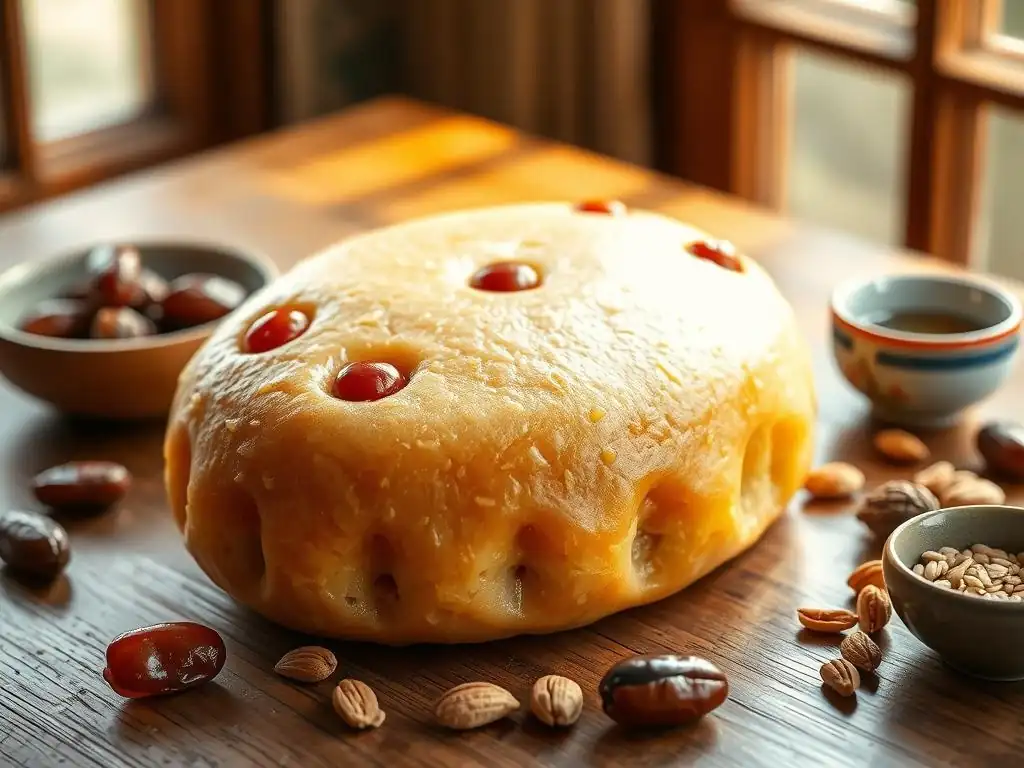
The signature texture of Yaksik is chewy and sticky, achieved through proper preparation of the sweet rice. One common mistake is not soaking the rice for long enough. Sweet rice grains are very hard and require significant time submerged in water to soften and absorb moisture evenly. Aim for at least 3 hours of soaking, but overnight is ideal for the best results, especially when traditional steaming. Insufficient soaking can lead to uneven cooking, with some grains remaining hard in the finished easy Korean sweet rice dessert.
Another factor is managing the moisture during cooking. Whether steaming traditionally, using a rice cooker, or an Instant Pot, using the correct amount of liquid is key. Too much liquid can result in a mushy Yaksik, while too little will leave the rice dry and hard.
When using a rice cooker or Instant Pot, remember that less water is typically needed compared to stovetop cooking or traditional steaming, as these appliances trap steam efficiently. Following the liquid ratios suggested for your specific appliance and type of rice is crucial. Also, ensuring the rice is cooked through in the initial steaming phase before mixing with the sauce is important; the second steaming is primarily for flavor absorption and texture setting, not for cooking raw grains.
Maximizing Flavor: Enhancing Your Yaksik with Toasted Nuts and Seeds
While the sauce provides the primary sweet and savory flavor for this easy Korean sweet rice dessert, the nuts and seeds are not just for texture; they contribute significantly to the overall taste. Toasting the nuts and seeds before adding them to the Yaksik mixture can dramatically enhance their flavor. Pine nuts, walnuts, almonds, or sesame seeds all benefit from a quick toast.
To toast, spread them in a single layer on a dry pan over medium heat, or on a baking sheet in a preheated oven at about 300°F (150°C). Watch them carefully, as nuts and seeds can burn quickly. Pan-toasting usually takes just 3-5 minutes, while oven-toasting might take 5-10 minutes. Toasting releases their natural oils, intensifying their nutty aroma and flavor, which then permeates the sweet rice mixture during the final steaming. Adding toasted nuts and seeds elevates your easy Korean sweet rice dessert from simply good to truly exceptional, providing a deeper, richer flavor profile.
Storing and Reheating Yaksik: Keeping Your Dessert Fresh
Yaksik is a wonderful dessert because it keeps well and can be enjoyed at room temperature, warm, or even chilled. Once your easy Korean sweet rice dessert has cooled, you can cut it into individual serving sizes, typically squares or rectangles. For short-term storage (1-2 days), keep the Yaksik in an airtight container at room temperature. Its high sugar and oil content helps preserve it.
For longer storage, Yaksik freezes exceptionally well. Wrap individual pieces tightly in plastic wrap, then place them in a freezer-safe bag or container. Frozen Yaksik can last for up to 2-3 months. To reheat, you can steam the frozen pieces for about 15-20 minutes, or microwave them wrapped in damp paper towel for 1-2 minutes per piece until soft and warm. Reheating restores the chewy texture. Keeping your easy Korean sweet rice dessert properly stored ensures you can enjoy this delicious treat whenever a craving strikes.
Variations and Customizations: Adapting Your Yaksik to Your Taste
Adding Dried Fruits: Exploring Different Flavor Combinations
While traditional Yaksik typically features jujubes, chestnuts, and sometimes raisins or pine nuts, you can easily customize this easy Korean sweet rice dessert by incorporating other dried fruits. The key is to use fruits that offer a pleasant chewiness and complement the sweet, savory, and nutty base flavors.
Consider adding dried apricots, chopped into small pieces. Their slight tanginess can provide a lovely counterpoint to the sweetness of the honey and brown sugar. Dried cranberries offer a similar tartness and vibrant color. Chopped dried figs or dates (other than jujubes) can add a different type of sweetness and texture. Even small amounts of candied citrus peel could introduce a fragrant, slightly bitter note. Experimenting with different dried fruits allows you to put your own spin on the classic easy Korean sweet rice dessert, creating unique flavor combinations tailored to your preference or what you have on hand.
Adjusting Sweetness Levels: Tailoring Yaksik to Your Preferences
The sweetness level in Yaksik can be quite personal. Traditional recipes often use a generous amount of honey and brown sugar, resulting in a rich, dessert-like sweetness. However, if you prefer a less sweet treat, you can easily adjust the quantities in this easy Korean sweet rice dessert recipe.
Start by reducing the amount of brown sugar and honey by 15-20%. Prepare the sauce and taste it before mixing it with the rice. Remember that the flavor will be diluted once combined with the rice, but you can get a sense of the sweetness base. If it seems too low, you can add a little more sweetener at that stage.
It's harder to correct once mixed and steamed. Conversely, if you have a sweet tooth, you can slightly increase the amount of sugar or honey. Using a combination of dark brown sugar and honey provides a complex sweetness and a beautiful color, but you could use light brown sugar or other liquid sweeteners as well, keeping in mind they might alter the color and subtle flavor notes of your easy Korean sweet rice dessert.
Vegan Yaksik Recipe
Making a vegan version of this easy Korean sweet rice dessert is straightforward, primarily requiring a substitution for honey. The traditional recipe uses glutinous rice, soy sauce, sesame oil, nuts, and dried fruits, all of which are typically vegan. The main non-vegan ingredient is honey.
To make vegan Yaksik, simply replace the honey with an equal amount of a vegan liquid sweetener such as maple syrup, agave nectar, or brown rice syrup. Ensure the brown sugar you use is also vegan-friendly, as some brands process it with bone char. Check ingredient labels for the dried fruits and nuts to ensure no non-vegan additives have been included, though this is uncommon. With these simple swaps, you can create a delicious and authentic-tasting easy Korean sweet rice dessert that is entirely plant-based, allowing everyone to enjoy this delightful treat.
Serving and Enjoying Your Homemade Korean Sweet Rice Dessert

Traditional Ways to Serve and Present Yaksik
Serving Yaksik is part of the enjoyable experience of this easy Korean sweet rice dessert. Traditionally, after the final steaming and allowing it to cool slightly, the Yaksik is pressed into a flat layer, about 1 to 1.5 inches thick, in a container or on a tray. While still warm but firm enough to handle, it is cut into individual serving pieces. The most common shapes are squares or small rectangles, but you can also use cookie cutters to create decorative shapes, especially for festive occasions.
Yaksik can be served warm, at room temperature, or even chilled straight from the refrigerator. Each temperature offers a slightly different texture experience – warmer Yaksik is softer and stickier, while chilled Yaksik is firmer and chewier. Present the pieces neatly arranged on a plate or in small individual dishes. Sometimes, a sprinkle of toasted sesame seeds or thinly sliced jujubes is added on top for garnish. Serving this easy Korean sweet rice dessert allows you to appreciate its beautiful dark color, rich aroma, and appealing texture.
Pairing Yaksik with Complementary Beverages
The rich, sweet, and slightly savory flavor of Yaksik pairs well with a variety of beverages that can cleanse the palate or complement its characteristics. Traditionally, Yaksik is often served with tea. A simple hot barley tea (boricha) or corn silk tea (oksusu cha), both popular in Korea, offers a light, nutty, and slightly roasted flavor that provides a refreshing contrast to the sweetness of the Yaksik. Green tea, particularly a mild variety, can also be a good choice.
For a more festive pairing, consider traditional Korean drinks like Sujeonggwa (cinnamon punch) or Sikhye (sweet rice drink). Sujeonggwa, with its strong ginger and cinnamon flavors, offers a bold, spicy contrast that cuts through the richness of the easy Korean sweet rice dessert. Sikhye, a naturally sweet and slightly milky rice drink with floating rice grains, complements the rice base of Yaksik and offers a comforting, traditional pairing. A simple glass of cold milk can also be surprisingly satisfying alongside this chewy treat.
Conclusion: Baking a Taste of Korea with Ease
Recap of the Easy Yaksik Recipe and Key Takeaways
Making Yaksik, the delightful Korean sweet rice dessert, is a rewarding experience that is surprisingly simple, even for beginner bakers. We've walked through the process, starting with soaking and steaming the glutinous rice, preparing the sweet and savory sauce with brown sugar, honey, soy sauce, and sesame oil, and combining it with classic mix-ins like jujubes, chestnuts, and pine nuts. A second steaming integrates the flavors and creates the perfect sticky texture.
Key takeaways for mastering this easy Korean sweet rice dessert include the importance of properly soaking the sweet rice, balancing the flavors in the sauce, and ensuring even mixing. We also explored alternative cooking methods like using a rice cooker or Instant Pot, making it even more accessible. Tips like toasting nuts for enhanced flavor and proper storage methods ensure your Yaksik is delicious every time. With its unique blend of sweet, savory, and nutty notes, Yaksik is a wonderful introduction to Korean desserts that you can easily make at home.
We hope this easy Korean sweet rice dessert recipe inspires you to try making Yaksik in your own kitchen. It's a fantastic way to explore new flavors and techniques. The beauty of this recipe is its adaptability – feel free to experiment with different nuts and dried fruits or adjust the sweetness to match your taste.
Once you've made your batch of this delicious easy Korean sweet rice dessert, we'd love to see your results! Share photos of your Yaksik creations. Let us know what variations you tried or what you paired it with. Your experiences can inspire others in the BakeWithEase community. Happy baking, and enjoy your homemade taste of Korea!
Frequently Asked Questions
What exactly is Yaksik?
Yaksik is a popular Korean sweet rice dessert, traditionally enjoyed during holidays and special occasions. It's made with glutinous rice, nuts, and dried fruits, and flavored with soy sauce, brown sugar, and sesame oil.
Is Yaksik difficult to make at home?
Not at all! BakeWithEase provides an easy-to-follow Yaksik recipe designed for bakers of all skill levels. The instructions are step-by-step and use easy-to-find ingredients.
What are the key ingredients needed for this Korean sweet rice dessert?
The essential ingredients include glutinous rice (sweet rice), dried jujubes (Korean dates), chestnuts, pine nuts, soy sauce, brown sugar, and sesame oil. You can find a complete list on BakeWithEase.
Can I customize the ingredients in the Yaksik recipe?
Yes, you can! While the traditional recipe uses specific ingredients, you can experiment with different types of nuts and dried fruits based on your preference. Just be mindful of the overall flavor profile.
How long does Yaksik typically last?
Yaksik can be stored in the refrigerator for up to 3-4 days. Make sure to keep it in an airtight container to prevent it from drying out. You can also freeze it for longer storage.
The simple act of making and sharing a bowl of yaksik transcends a mere recipe; it's a bridge connecting us to Korean culinary heritage and the comforting power of tradition in a fast-paced world. This easy Korean sweet rice dessert, accessible even to novice cooks, offers a delicious gateway to understanding a culture rich in history and flavor. The ease of the recipe itself belies the depth of meaning embedded within its ingredients and preparation.
The enduring appeal of yaksik, and indeed of all traditional desserts, lies in their ability to evoke memories and foster connection. It's a dish that easily crosses generations, bringing families together around a shared experience. The subtle sweetness of the rice, the delicate aroma of the nuts and seeds – these sensory details weave a tapestry of cultural significance. Food is symbolic of love when words are inadequate.
– Alan D. Wolfelt. This quote perfectly encapsulates the emotional resonance of sharing yaksik, a sentiment that extends far beyond the simple act of eating.
Now, I invite you to consider the possibilities. Perhaps you'll try your hand at making yaksik, savoring the process and sharing the results with loved ones. Maybe this recipe will inspire you to explore other aspects of Korean culture, or even other culinary traditions around the world. Remember, the journey of culinary discovery is a personal one, filled with unique flavors and enriching experiences. Embrace the sweetness, both literal and metaphorical, that awaits you.
Unlock the Sweetness: Make Your Own Yaksik Today!
Thanks for taking the time to explore the delightful world of Yaksik with us! We hope you gained a new appreciation for this classic Korean dessert and are feeling inspired to try it yourself. Now it's time to get baking (or rather, simmering! ).
- Dive right in and make your own Yaksik: Gather your ingredients and follow the recipe – we promise, it's easier than you think! This is your chance to experience the authentic flavors.
- Share your Yaksik creation: Post a picture on social media and tag us! We'd love to see your delicious results and feature them.
- Explore other Korean desserts: Feeling adventurous? Use the techniques you learned here to explore other amazing Korean sweets!
So, what delicious twist will you add to your homemade Yaksik? Let us know in the comments!