
How to Store Nuts & Seeds to Keep Them Fresh for Baking

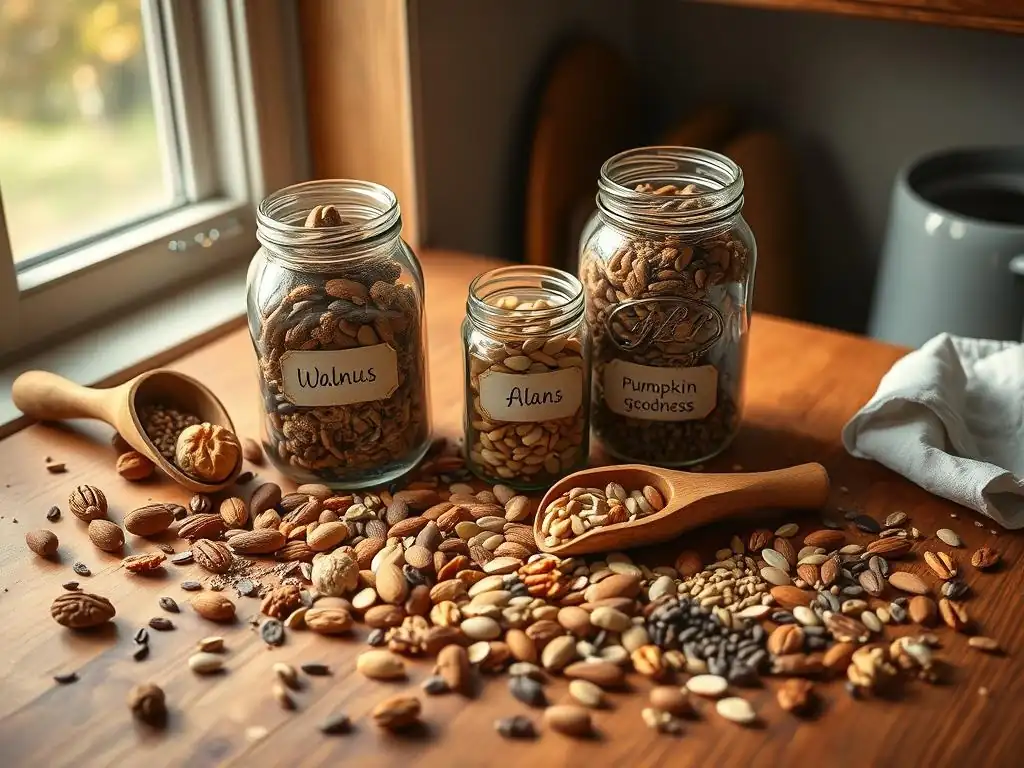
Welcome to BakeWithEase, your trusted companion on your baking journey! Did you know that the secret to truly exceptional baked goods often lies in the freshness of your ingredients? This week, we're diving deep into Ingredient Deep Dives to uncover the best strategies for fresh baking nuts seeds storage. Curious about how to keep those precious walnuts crisp and those flax seeds potent? Keep reading to unlock the secrets to maximizing flavor and extending the shelf life of your nuts and seeds!
- How to Store Nuts & Seeds for Baking Freshness
- Introduction: Maintaining Freshness for Baking
- Enemies of Freshness: Light, Heat, and Moisture
- Best Storage Practices: A Step-by-Step Guide
- Specific Storage Tips for Different Types
- Identifying Spoiled Nuts and Seeds
- Utilizing Freshly Stored Nuts and Seeds in Baking
- Conclusion: Maximizing Freshness
-
Frequently Asked Questions
- How long can I store nuts and seeds at room temperature before they go bad?
- What is the best method for storing nuts and seeds to maintain their freshness for baking?
- Does freezing nuts and seeds affect their flavor or texture when using them in baking?
- What are some signs that my nuts and seeds have gone bad and are no longer suitable for baking?
- Can I toast nuts and seeds before storing them to improve their shelf life?
- Final Reflection: The Enduring Delight of Freshly Baked Goods
- Unlock the Secrets to Perfectly Fresh Nuts & Seeds!
How to Store Nuts & Seeds for Baking Freshness
Introduction: Maintaining Freshness for Baking
Why Proper Storage Matters
The quality of your baked goods hinges significantly on the freshness of your ingredients, and this is especially true for nuts and seeds. Using nuts and seeds that have been stored improperly can introduce off-flavors, negatively impact texture, and even compromise the safety of your creations. Imagine biting into a beautiful cookie only to be met with a bitter, stale taste from rancid walnuts – it's a disappointing experience that proper fresh baking nuts seeds storage can easily prevent. Fresh ingredients ensure your recipes achieve their intended aroma, flavor, and crunch, elevating your baking from good to truly exceptional.
Beyond flavor, the nutritional value of nuts and seeds also degrades over time, particularly when exposed to unfavorable conditions. These ingredients are packed with healthy fats, vitamins, and minerals, which are more potent when the nuts and seeds are fresh. By implementing effective fresh baking nuts seeds storage methods, you not only preserve their culinary qualities but also their beneficial nutrients, contributing to healthier and more delicious baked goods. Taking a few simple steps to store them correctly is an investment in the success and enjoyment of all your baking endeavors.
Oxidation's Impact on Baking Quality
Oxidation is a primary culprit behind the spoilage of nuts and seeds, profoundly affecting their quality for baking. Nuts and seeds are rich in unsaturated fats, particularly polyunsaturated fatty acids (PUFAs) like omega-3 and omega-6. These fats have double bonds in their molecular structure, which are highly susceptible to reacting with oxygen in the air.
This reaction, known as oxidation, breaks down the fats into smaller compounds, including aldehydes and ketones, which are responsible for the unpleasant "rancid" smell and bitter, acrid taste associated with stale nuts and seeds. This rancidity is irreversible and will ruin the flavor profile of any baked good they are added to.
The degree of unsaturation in the fats directly correlates with their susceptibility to oxidation. Walnuts, for example, are particularly high in omega-3 fats and tend to go rancid faster than almonds, which have more monounsaturated fats. When rancid nuts or seeds are used in baking, their off-flavors are often amplified by the heat of the oven, permeating the entire dish.
This can overpower delicate flavors in cakes, pastries, or breads, turning a potentially delightful treat into an unappetizing one. Effective fresh baking nuts seeds storage techniques are designed specifically to minimize oxygen exposure and slow down this damaging oxidative process, thereby preserving the sweet, nutty flavors essential for quality baking.
Enemies of Freshness: Light, Heat, and Moisture
Light's Effect on Quality
Light, especially ultraviolet (UV) light, is a significant catalyst for the oxidation of fats in nuts and seeds. Exposure to light accelerates the chemical reactions that cause fats to break down and become rancid. Think of how cooking oils are often sold in dark glass bottles; this is to protect them from light degradation.
Similarly, nuts and seeds stored in clear containers or left exposed on shelves where they receive direct sunlight or even strong artificial light will deteriorate much faster than those kept in darkness. This light-induced oxidation can lead to off-flavors and a loss of the delicate aromas that contribute to the success of your baked goods.
Studies on food storage demonstrate that light exposure can significantly reduce the shelf life of fatty foods. For instance, nuts stored in transparent packaging under supermarket lighting might show signs of oxidative damage much sooner than those stored in opaque containers in a dark pantry. The impact is cumulative; even intermittent exposure over time contributes to the degradation. Therefore, a fundamental aspect of proper fresh baking nuts seeds storage is ensuring they are kept away from light sources, ideally in opaque containers or within dark cupboards or pantries.
Heat's Role in Degrading Oils
Heat is another major enemy of freshness for nuts and seeds. Elevated temperatures dramatically increase the rate of chemical reactions, including the oxidation of fats. Storing nuts and seeds in warm environments, such as near a stove, on top of a refrigerator, or in a cupboard that gets warm from appliance heat, will drastically shorten their shelf life.
The higher the temperature, the faster the fats will degrade, leading to rancidity and a stale texture. For example, nuts left in a pantry that regularly exceeds 70°F (21°C) will likely go rancid several times faster than those stored in a cool, dark place around 40-50°F (4-10°C).
Consider the shelf life difference: while some nuts might last 6-12 months in a cool pantry, that time can be cut in half or more if stored in a consistently warm kitchen. The heat not only accelerates oxidation but can also cause the oils within the nuts and seeds to migrate to the surface, leading to a greasy feel and further exposure to air.
Maintaining a cool storage temperature is one of the most effective strategies for extending the freshness of these ingredients, ensuring they are in optimal condition for your baking projects. This is a critical component of effective fresh baking nuts seeds storage.
Moisture's Impact and Mold Prevention
Moisture is detrimental to the freshness of nuts and seeds primarily because it promotes microbial growth, particularly mold. Nuts and seeds absorb moisture from the air, especially in humid environments. When the moisture content rises above certain levels (often cited as above 7-10% for many nuts), it creates a favorable environment for mold spores to germinate and grow. Mold not only ruins the appearance and texture but can also produce harmful mycotoxins, such as aflatoxins, which are toxic and cannot be destroyed by baking temperatures. Consuming moldy nuts or seeds, even in baked goods, poses a serious health risk.
Beyond mold, excess moisture can also negatively impact the texture of nuts and seeds, making them soft or rubbery instead of crisp, which is often desired in baking. Proper fresh baking nuts seeds storage involves keeping them dry. This means storing them in airtight containers to prevent humidity from reaching them and avoiding storing them in damp areas like basements (unless specifically designed for food storage with controlled humidity). Ensuring the nuts and seeds are thoroughly dry before storage and keeping them sealed away from moisture sources is essential for preventing spoilage and ensuring safety.
Best Storage Practices: A Step-by-Step Guide
Step 1: Selecting Containers
Airtight Containers: The Key
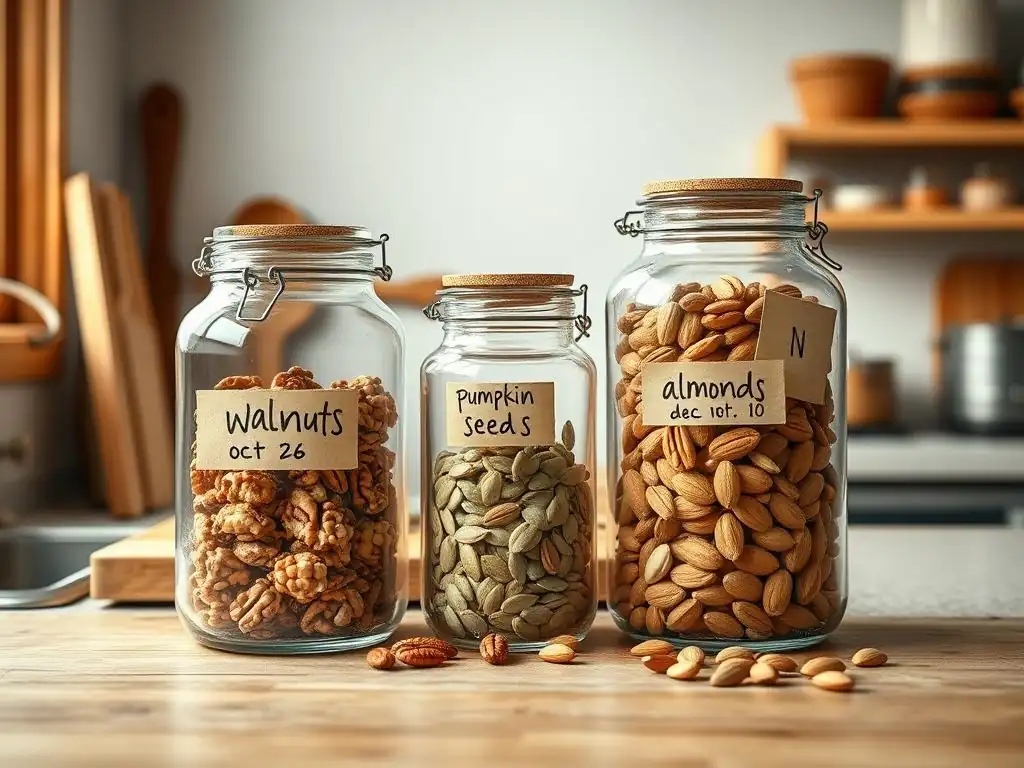
The single most important factor in effective fresh baking nuts seeds storage is using airtight containers. Exposure to air, specifically oxygen, is the primary driver of oxidation, which leads to rancidity. An airtight seal minimizes this exposure, dramatically slowing down the degradation process. This is far more effective than simply clipping a bag shut or using containers with loose-fitting lids. When oxygen can't easily reach the nuts and seeds, their delicate oils are protected, preserving their flavor and extending their shelf life significantly.
Using airtight containers also protects your nuts and seeds from moisture absorption and prevents them from picking up odors from other foods stored nearby. This is particularly important in a refrigerator or freezer where various food smells coexist. By creating a sealed barrier, you ensure that the nuts and seeds retain their natural aroma and flavor, crucial for consistent baking results. Whether you choose glass or plastic, ensuring the lid creates a tight, impermeable seal is paramount for optimal fresh baking nuts seeds storage.
Material: Glass vs. Plastic
When choosing airtight containers for fresh baking nuts seeds storage, both glass and plastic have their pros and cons. Glass containers are non-porous and do not absorb odors or stains, making them easy to clean and ensuring that no residual flavors transfer to your nuts and seeds. They also offer a clear view of the contents, which can be convenient. However, glass is heavier and more fragile than plastic. Examples include mason jars or glass food storage containers with locking lids.
High-quality, food-grade plastic containers are lightweight, durable, and less prone to breakage. Look for BPA-free options. While some plastics can potentially absorb odors over time, those designed for food storage with good seals work effectively for nuts and seeds. Opaque plastic containers offer the added benefit of blocking light, which is a plus for fresh baking nuts seeds storage. Ultimately, the choice between glass and plastic often comes down to personal preference, budget, and storage space, but the airtight seal is the critical feature regardless of material.
Step 2: Optimizing Location
Pantry Conditions
For short-term fresh baking nuts seeds storage (a few weeks to a couple of months, depending on the type), a cool, dark pantry is acceptable, provided they are in airtight containers. The ideal pantry temperature is consistently below 70°F (21°C), ideally closer to 60°F (15°C). Avoid shelves high up near the ceiling, which tend to be warmer, or those directly next to heat-generating appliances like ovens or refrigerators. Darkness is crucial to prevent light-induced oxidation, so store containers in a closed cupboard rather than on open shelving.
While a pantry is convenient, it's important to recognize that it offers the shortest shelf life compared to refrigeration or freezing. Nuts and seeds with higher fat content, like walnuts or pecans, will go rancid faster in a pantry than those with lower fat content, like almonds or pumpkin seeds. Monitoring the smell and taste periodically is wise if storing in a pantry for extended periods. This basic level of fresh baking nuts seeds storage works best for ingredients you plan to use relatively quickly.
Refrigeration: When to Use
Refrigeration is an excellent option for extending the fresh baking nuts seeds storage life significantly, particularly for nuts and seeds with high fat content or those you buy in larger quantities. The cooler temperatures (typically 35-40°F or 1.5-4°C) drastically slow down the rate of oxidation and inhibit mold growth. Most nuts and seeds can last for 6 months to a year or even longer when properly stored in airtight containers in the refrigerator.
It is absolutely essential that nuts and seeds stored in the refrigerator are kept in airtight containers. The refrigerator environment is often humid, and nuts and seeds can easily absorb moisture and odors if not sealed properly. Before using refrigerated nuts or seeds in baking, allow them to come to room temperature to prevent condensation from forming, which could introduce unwanted moisture into your dough or batter. Refrigeration is a highly recommended method for maintaining fresh baking nuts seeds storage quality for medium-term use.
Freezing: Extending Shelf Life
For long-term fresh baking nuts seeds storage, freezing is the gold standard. At temperatures typically zero°F (-18°C) or below, oxidation and enzymatic activity are nearly halted. Properly frozen nuts and seeds can maintain their quality for 1-2 years or even longer, depending on the variety. This is ideal for bulk purchases or ingredients you use infrequently.
Again, airtight packaging is non-negotiable when freezing to prevent freezer burn and absorption of freezer odors. Heavy-duty freezer bags with all air squeezed out, or airtight containers designed for freezing, work well. Just like with refrigeration, it's best to let frozen nuts and seeds thaw at room temperature before using them in baking to avoid condensation. Freezing offers the longest possible fresh baking nuts seeds storage duration, ensuring you have high-quality ingredients available whenever inspiration strikes.
Step 3: Preparing for Storage
Toasting for Enhanced Flavor
While not strictly necessary for storage, toasting nuts and seeds before storage can enhance their flavor profile, bringing out deeper, nuttier notes. However, toasting also exposes the fats to heat, which slightly increases their susceptibility to oxidation if not stored correctly afterward. If you choose to toast before storage, it's even more critical to follow proper fresh baking nuts seeds storage procedures immediately after they cool.
Toasting can be done in a dry pan on the stovetop over medium heat, stirring frequently, or spread on a baking sheet in a preheated oven at around 300-325°F (150-160°C) for 5-15 minutes, depending on the type and quantity. Watch them closely as they can burn quickly. Toasting is a great way to prep ingredients for immediate use, but if storing afterward, the next step is vital.
Cooling Before Sealing
If you toast nuts or seeds or if they are warm from recent purchase (e.g., from a bulk bin that might have been recently refilled), it is absolutely essential to let them cool completely to room temperature before placing them into airtight containers for fresh baking nuts seeds storage. Sealing warm nuts or seeds traps moisture inside the container as they cool, creating a humid environment.
As discussed earlier, trapped moisture is a major risk factor for mold growth and can negatively affect texture. Ensure the nuts or seeds are spread out in a single layer on a tray or plate and allowed to cool fully for at least 30 minutes to an hour, or until they no longer feel warm to the touch. This simple step prevents condensation and is critical for successful long-term fresh baking nuts seeds storage.
Step 4: Labeling and Dating
Why Labeling is Crucial
Labeling your stored nuts and seeds is a simple yet incredibly important step in maintaining an organized pantry or freezer and ensuring you use ingredients before they spoil. Without labels, it's easy to forget when you stored something or even exactly what type of nut or seed is in a container, especially if you store similar-looking items like pine nuts and slivered almonds. Proper labeling prevents guesswork and helps you implement a 'first-in, first-out' system, using older stock before newer purchases.
This is particularly vital for fresh baking nuts seeds storage in the refrigerator or freezer, where items can last for many months or even years. A clear label eliminates the need to open containers, which exposes the contents to air and temperature changes, thus preserving freshness. It's a small investment of time that saves you from potentially wasting ingredients or using stale ones unknowingly.
Best Practices
For effective labeling as part of your fresh baking nuts seeds storage routine, use labels or masking tape and a permanent marker. Include the following information:
- Contents: Be specific (e.g., "Walnut Halves," "Slivered Almonds," "Raw Pumpkin Seeds").
- Date Stored: Use a clear format, like MM/DD/YY.
- Optional: Note if they were toasted or raw.
Place the label prominently on the container. If storing in the freezer, ensure the label material and ink are freezer-safe. Regularly check your stored ingredients and prioritize using those with older dates. This diligent labeling practice is key to maximizing the benefits of your fresh baking nuts seeds storage efforts and minimizing waste.
Specific Storage Tips for Different Types
Storing Almonds
Almonds, particularly whole or slivered varieties, have a relatively good shelf life due to their higher monounsaturated fat content compared to polyunsaturated fats. For fresh baking nuts seeds storage in a cool, dark pantry in an airtight container, almonds can last typically 6-9 months. However, for optimal freshness and to prevent any hint of staleness, especially for ground almond flour or blanched almonds which are more susceptible to oxidation, refrigeration is highly recommended.
In an airtight container in the refrigerator, almonds can easily last for a year or more. Freezing extends their life even further, often for two years or longer. When using almonds in baking, their delicate, sweet flavor is best when they are fresh. Stale almonds can impart an unpleasant bitterness. Ensure they are completely cool before storing, especially if you've purchased them warm from a bulk bin.
Keeping Walnuts Fresh
Walnuts are notoriously prone to rancidity because they are very high in polyunsaturated fats (omega-3s). Proper fresh baking nuts seeds storage is essential for walnuts. Storing them in a pantry is generally not recommended for more than a few weeks, even in an airtight container, as they can develop off-flavors relatively quickly, especially in warmer conditions above 70°F (21°C).
The best place for fresh baking nuts seeds storage of walnuts is the refrigerator or freezer. In an airtight container in the refrigerator, walnuts can last for 6 months to a year. For longer storage, the freezer is ideal, preserving their quality for 1-2 years. Always use an airtight container to protect them from moisture and odors. A quick sniff test before using is always a good idea; fresh walnuts should smell mildly nutty, not like old crayons or paint.
Preserving Pecans
Like walnuts, pecans have a high fat content, making them susceptible to rancidity. Effective fresh baking nuts seeds storage is crucial for maintaining their sweet, buttery flavor profile, which is so prized in pies, tarts, and cookies. Pecans stored in a pantry, even airtight, will likely only stay fresh for 1-2 months before starting to show signs of oxidation, especially in warm temperatures.
For optimal fresh baking nuts seeds storage of pecans, refrigeration is highly recommended for storage up to 6-9 months. For longer periods, freezing is the best option, extending their freshness for 1-2 years. Always use airtight containers or heavy-duty freezer bags to protect them from air, moisture, and freezer burn. Checking for a sweet, fresh aroma before baking is the best way to ensure your pecans will contribute positively to your finished product.
Optimal Storage for Sunflower, Pumpkin, and Sesame Seeds
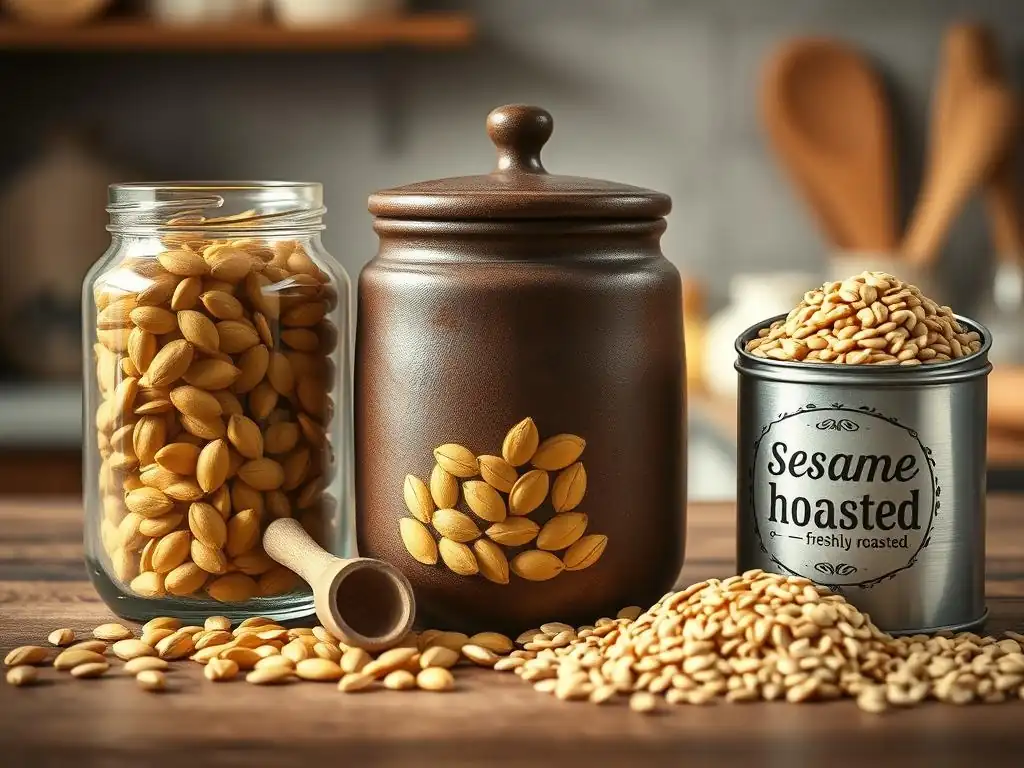
Smaller seeds like sunflower, pumpkin (pepitas), and sesame seeds also benefit greatly from proper fresh baking nuts seeds storage, although their fat content and susceptibility to rancidity can vary. Pumpkin seeds and sunflower seeds have moderate fat content and can last a few months in an airtight container in a cool, dark pantry. However, their shelf life is significantly extended by refrigeration (6-12 months) or freezing (1-2 years).
Sesame seeds, particularly hulled ones, are also prone to oxidation. While unhulled sesame seeds have a slightly longer pantry life, both types are best stored in the refrigerator or freezer for extended freshness, lasting up to a year refrigerated and longer frozen. As with nuts, always use airtight containers to prevent moisture absorption and maintain quality for fresh baking nuts seeds storage. The small size of seeds makes them particularly vulnerable to absorbing ambient odors.
Flaxseed Storage to Avoid Rancidity
Flaxseeds, especially ground flaxseed (flaxseed meal), are extremely vulnerable to oxidation because they are exceptionally high in delicate omega-3 fatty acids (ALA). Whole flaxseeds have a protective outer shell that helps somewhat, allowing them to last a few months in a cool, dark pantry in an airtight container.
However, once flaxseeds are ground, their surface area increases dramatically, exposing the vulnerable oils to air. Ground flaxseed can go rancid very quickly at room temperature, sometimes within weeks. For optimal fresh baking nuts seeds storage, whole flaxseeds are best stored in the refrigerator or freezer. Ground flaxseed must be stored in an airtight container in the refrigerator or, preferably, the freezer, where it can last for 6-12 months. It is often recommended to buy whole flaxseeds and grind them yourself in small batches just before use for maximum freshness in baking.
Identifying Spoiled Nuts and Seeds
Visual Clues: Mold and Texture
One of the most obvious visual signs of spoiled nuts and seeds is the presence of mold. Mold can appear as fuzzy, white, green, or black patches on the surface. This is often a result of exposure to excessive moisture during fresh baking nuts seeds storage. Any nuts or seeds showing visible mold should be discarded immediately, as they may contain harmful mycotoxins even if the mold is only on a few pieces. Do not try to salvage them.
Beyond mold, changes in texture can also indicate spoilage or staleness. Fresh nuts should generally be firm and crisp. If they appear shriveled, discolored (beyond their natural variation), or feel soft and rubbery, they are likely past their prime. Seeds might clump together if they've absorbed moisture. While not always a direct indicator of rancidity, poor texture suggests the nuts or seeds have been stored improperly and their quality for baking will be compromised.
Smell Test: Detecting Rancidity
The smell test is perhaps the most reliable way to detect rancidity in nuts and seeds. Fresh nuts and seeds should have a pleasant, mild, and characteristic aroma – nutty for almonds, sweet and slightly earthy for walnuts, etc. Rancid nuts and seeds develop a distinct, unpleasant odor. This smell is often described as bitter, acrid, like old paint, stale cooking oil, or even crayons.
If you open a container of nuts or seeds and are greeted by an off-putting smell, they are likely rancid and should not be used in baking. Heat from baking will only intensify the rancid flavor. A quick sniff test is an essential step before incorporating nuts or seeds into your recipes, even if you believe your fresh baking nuts seeds storage methods were perfect. Trust your nose – if it smells wrong, it is.
Taste Test: Caution Advised
While the smell test is usually sufficient, a small taste test can confirm suspected rancidity if the smell is ambiguous. However, this should be done with caution, especially if you suspect mold. Take a single nut or seed and chew it carefully. Fresh nuts and seeds will taste clean, nutty, and pleasant.
Rancid nuts and seeds will taste bitter, sharp, or unpleasant. The flavor is distinctly "off" and often leaves a lingering bad aftertaste. If you detect any bitterness or acrid flavor, spit it out and discard the batch. While tasting won't harm you if it's just rancid, it's not a pleasant experience and using them will ruin your baked goods. Relying on visual and smell cues, combined with best fresh baking nuts seeds storage practices, is the safest approach.
Utilizing Freshly Stored Nuts and Seeds in Baking
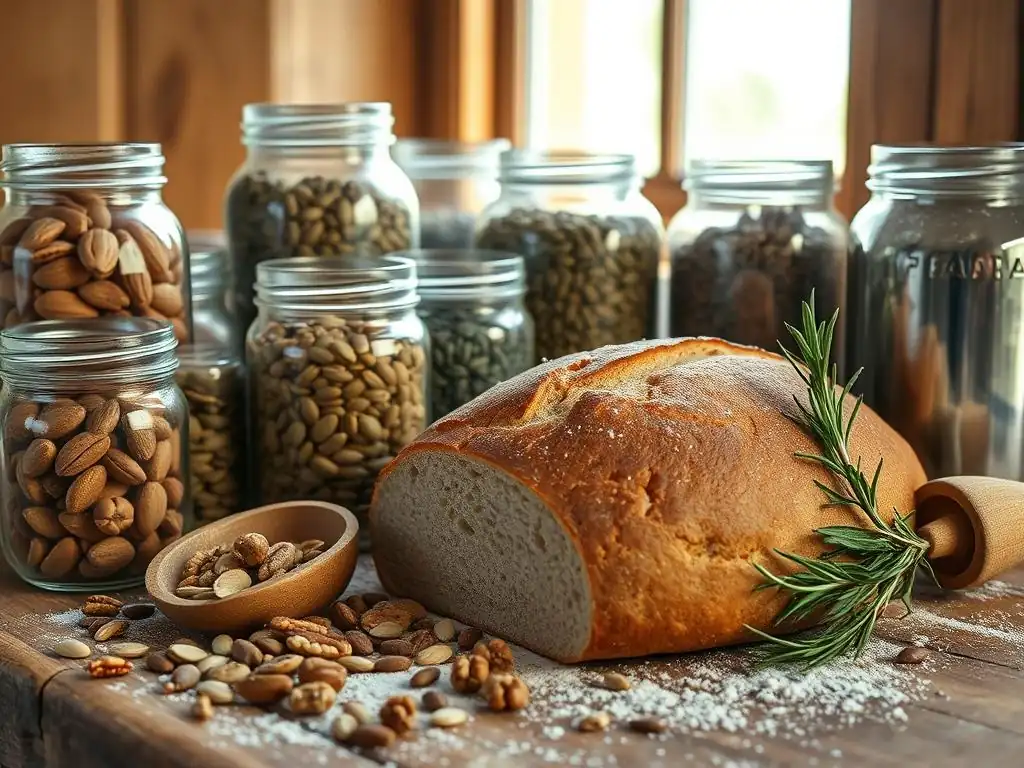
Using ingredients that have benefited from careful fresh baking nuts seeds storage makes a world of difference in the final quality of your baked goods. The vibrant, clean flavors and perfect textures of properly stored nuts and seeds translate directly into more delicious results. Here are a couple of examples where fresh ingredients shine:
Almond Biscotti Recipe
Almond biscotti relies heavily on the crisp texture and delicate flavor of almonds. Using fresh almonds, stored correctly in an airtight container, ensures they provide that satisfying crunch without any hint of bitterness.
- Key Ingredients: Flour, sugar, eggs, baking powder, fresh slivered or chopped almonds.
- Impact of Freshness: Fresh almonds toast beautifully during the double-baking process, releasing their sweet aroma and developing a perfect snap. Stale almonds would taste flat or bitter, ruining the subtle sweetness of the biscotti. Proper fresh baking nuts seeds storage is key to achieving the signature taste and texture.
Walnut chocolate chip cookies are a classic, with the walnuts adding a wonderful contrast in texture and a slightly earthy, nutty depth to the sweet chocolate. Using fresh walnuts, stored optimally in the refrigerator or freezer, is crucial.
- Key Ingredients: Butter, sugars, eggs, vanilla, flour, baking soda, chocolate chips, fresh chopped walnuts.
- Impact of Freshness: Fresh walnuts maintain their distinct shape and slight bite after baking. Their natural oils contribute moisture and flavor without the off-notes of rancidity. Rancid walnuts would introduce an unpleasant, acrid flavor that clashes terribly with the sweet chocolate and buttery cookie dough, demonstrating the necessity of careful fresh baking nuts seeds storage.
Conclusion: Maximizing Freshness
Recap of Key Practices
Maintaining the freshness of nuts and seeds is paramount for achieving the best possible results in your baking. We've explored how enemies like light, heat, and moisture, as well as the process of oxidation, can quickly degrade the quality of these valuable ingredients. Implementing effective fresh baking nuts seeds storage methods is your defense against spoilage and rancidity.
Key practices for optimal fresh baking nuts seeds storage include:
- Storing them in airtight containers to minimize oxygen exposure.
- Choosing the right location:cool, dark pantries for short-term, the refrigerator for medium-term (6-12 months), and the freezer for long-term storage (1-2+ years).
- Ensuring nuts and seeds are completely cool and dry before sealing them for storage.
- Labeling and dating containers to track freshness and manage inventory.
- Being vigilant in checking for signs of spoilage (mold, off smells, bitter taste) before use.
Enjoying Properly Stored Ingredients
By following these simple yet effective fresh baking nuts seeds storage guidelines, you ensure that the nuts and seeds you use in your baking retain their peak flavor, texture, and nutritional value. This attention to ingredient quality is a hallmark of great baking. Say goodbye to disappointing bakes caused by stale ingredients and hello to consistently delicious outcomes.
Investing a little time in proper fresh baking nuts seeds storage pays off immensely in the quality of your cookies, cakes, breads, and pastries. So, gather your airtight containers, find the coolest, darkest spot in your kitchen, and start storing your nuts and seeds the smart way. Your taste buds, and those of anyone lucky enough to sample your baked goods, will thank you!
Frequently Asked Questions
How long can I store nuts and seeds at room temperature before they go bad?
Nuts and seeds generally last only a few weeks at room temperature due to their high oil content, which makes them prone to rancidity. Proper storage is key to extending their shelf life.
What is the best method for storing nuts and seeds to maintain their freshness for baking?
The best method is storing them in an airtight container in the refrigerator or freezer. This slows down the oxidation process and prevents rancidity.
Does freezing nuts and seeds affect their flavor or texture when using them in baking?
Freezing does not significantly affect the flavor when baking, but can slightly alter the texture. Allow them to thaw before using, or use them directly from frozen in some recipes like muffins.
What are some signs that my nuts and seeds have gone bad and are no longer suitable for baking?
Signs include a rancid odor, a bitter taste, or a sticky texture. Discard them if you notice any of these changes to ensure the quality of your baked goods.
Can I toast nuts and seeds before storing them to improve their shelf life?
Toasting can slightly improve shelf life by reducing moisture, but be careful not to over-toast. Ensure they are completely cool before storing in an airtight container to prevent condensation and mold growth for optimal freshness.
Final Reflection: The Enduring Delight of Freshly Baked Goods
The quality of your ingredients directly impacts the success of your baking, and nothing diminishes a delicious treat like stale nuts and seeds. This simple truth underscores the importance of proper storage, a detail often overlooked but crucial to achieving truly exceptional baked goods. From the subtle crunch of perfectly toasted pecans to the vibrant flavor of freshly ground flax seeds, the difference is undeniable.
The impact of fresh ingredients extends beyond mere taste; it's about the overall experience of baking and sharing the joy of homemade treats. The aroma alone, when using high-quality, freshly stored nuts and seeds, can transport you to a cozy kitchen filled with warmth and the promise of deliciousness. The best things in life are simple, but not easy.
This sentiment perfectly captures the effort involved in sourcing and storing ingredients correctly, but the reward – the unparalleled taste and satisfaction – is well worth the endeavor.
Now, consider your own baking practices. Are you maximizing the freshness of your nuts and seeds? Take a moment to evaluate your current storage methods. Perhaps a simple shift to airtight containers or a strategic use of the freezer could elevate your baking to a whole new level. Embrace the challenge of perfecting the details, and you'll discover a deeper appreciation for the art of baking, one delicious bite at a time.
Unlock the Secrets to Perfectly Fresh Nuts & Seeds!
Thanks for taking the time to learn how to keep your nuts and seeds at their peak freshness! We hope this guide helps you bake even more delicious treats. Now it's time to put your newfound knowledge into action!
- Prioritize your pantry: Immediately check your current nut and seed storage and organize them using the tips from this article. This is your first step to baking success!
- Share your storage wins: Tell us – and your fellow baking enthusiasts – how you're implementing these storage solutions! Share your photos on social media using #BakeWithEaseStorage.
- Experiment with a new recipe: Now that you know how to keep your ingredients fresh, it's time to bake something amazing! Find a new nut or seed-based recipe and try it out.
Ready to elevate your baking game with perfectly fresh ingredients? What's the first recipe you're going to tackle with your newly organized pantry?