
Beyond Black Forest: Easy Recipes for LesserKnown German Cakes

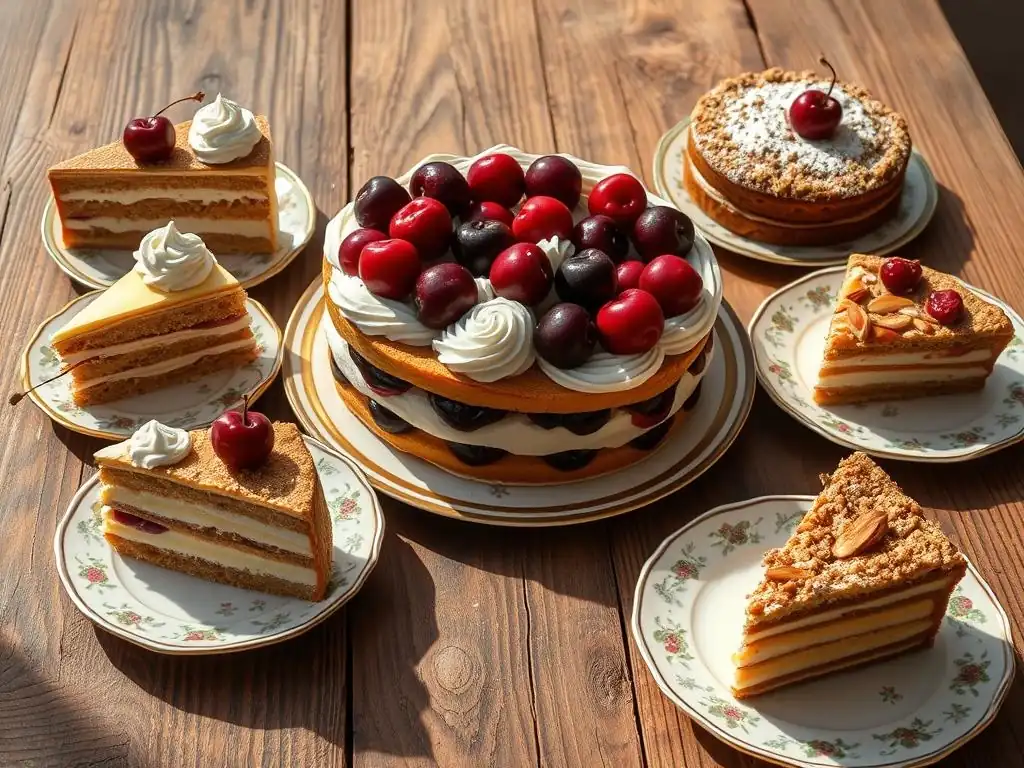
Welcome to BakeWithEase, your baking journey starts here! Are you ready to explore a world of delightful flavors and surprisingly simple techniques? Forget the Black Forest Gateau for a moment and prepare to be captivated. This week, we're diving deep into Regional & Cultural Baking with a tantalizing collection of Easy German cake recipes you probably haven't tried before. Intrigued? Keep reading to discover these hidden gems and bake your way to a truly authentic German experience!
- Introduction to German Baking Delights: Beyond the Black Forest Gateau
- Discovering Hidden Gems: Easy German Cake Recipes You Need to Try
- Recipe 1: Bee Sting Cake (Bienenstich) - A Honey Almond Delight
- Recipe 2: Plum Cake (Zwetschgenkuchen) - A Fruity Fall Favorite
- Recipe 3: Marble Cake (Marmorkuchen) - A Classic with a Twist
- Recipe 4: Apple Cake (Apfelkuchen) - A Rustic and Comforting Treat
- Tips for Baking Authentic German Cakes at Home
- Conclusion: Expanding Your Baking Horizons with Easy German Cake Recipes
-
Frequently Asked Questions
- What makes these German cake recipes "easy"?
- Are these recipes authentic German cakes, or Americanized versions?
- What if I can't find a specific ingredient mentioned in the recipe?
- Do these recipes require special baking equipment?
- How are these cakes different from the Black Forest cake I already know?
- Final Reflection: A Slice of History, A Taste of Home
- Unlock Your Inner Bäcker: Bake a New German Delight!
Introduction to German Baking Delights: Beyond the Black Forest Gateau
When you think of German cakes, the iconic Black Forest Gateau often comes to mind. Its rich layers of chocolate sponge, whipped cream, cherries, and kirsch are undeniably delicious. However, the world of German Kuchen (cake) is vast and varied, extending far beyond this famous classic. From rustic fruit cakes to delicate layered creations, German baking offers a treasure trove of flavors and textures that are surprisingly accessible for home bakers.
This article invites you on a journey to discover some of these delightful, yet perhaps lesser-known, German cakes. We'll explore easy German cake recipes that are perfect for expanding your baking repertoire. Many of these recipes rely on simple, wholesome ingredients and straightforward techniques, making them ideal for bakers of all skill levels looking to try something new and impressive. Get ready to bake your way through Germany's sweet side!
Germany boasts a rich culinary history, and its baking traditions are particularly noteworthy. While pastries like croissants originated elsewhere, Germany has perfected the art of the simple yet satisfying cake, often highlighting seasonal fruits or classic flavor combinations. Exploring these less-famous recipes offers a taste of authentic German home baking.
Moving beyond the internationally recognized Schwarzwälder Kirschtorte opens up a world of possibilities. Imagine a cake that combines fluffy sponge with a crisp, nutty topping, or a moist cake bursting with the flavor of ripe plums. These easy German cake recipes are not only delicious but also tell a story of regional ingredients and generations-old techniques passed down through families.
Why Explore Lesser-Known German Cakes?
Exploring lesser-known German cakes allows you to delve deeper into the country's diverse regional culinary landscape. While the Black Forest Gateau is famous worldwide, cakes like Bee Sting Cake (Bienenstich) are staples in German bakeries and homes across many regions, including Bavaria and Baden-Württemberg. Baking these offers a more authentic glimpse into everyday German life and celebrations, providing a connection to tradition that a globally recognized dessert might not offer.
Furthermore, many of these traditional recipes are surprisingly straightforward, making them excellent choices for easy German cake recipes. Often, they don't require complex decorating skills or exotic ingredients. For example, a simple Apple Cake (Apfelkuchen) relies on pantry staples and fresh apples, making it accessible to bakers everywhere. Mastering these simpler cakes builds fundamental baking skills while delivering delicious results perfect for fika (coffee time) or dessert.
The Charm of Authentic German Baking
The charm of authentic German baking lies in its emphasis on quality ingredients, balanced flavors, and comforting textures. Unlike some modern desserts that can be overly sweet or complex, traditional German cakes often feature a pleasant balance of sweetness, often offset by fruit or nuts. A classic Zwetschgenkuchen, for instance, highlights the slightly tart flavor of plums against a simple yeast or shortcrust base, creating a harmonious balance.
This approach to baking also values seasonality and local produce. Many traditional easy German cake recipes, such as those featuring apples, plums, or berries, are tied to the harvest seasons. Baking these cakes at home allows you to connect with this tradition, using fresh, ripe fruit for the best possible flavor. It's a baking philosophy centered around simplicity, quality, and enjoying the natural goodness of ingredients.
Recipe 1: Bee Sting Cake (Bienenstich) - A Honey Almond Delight
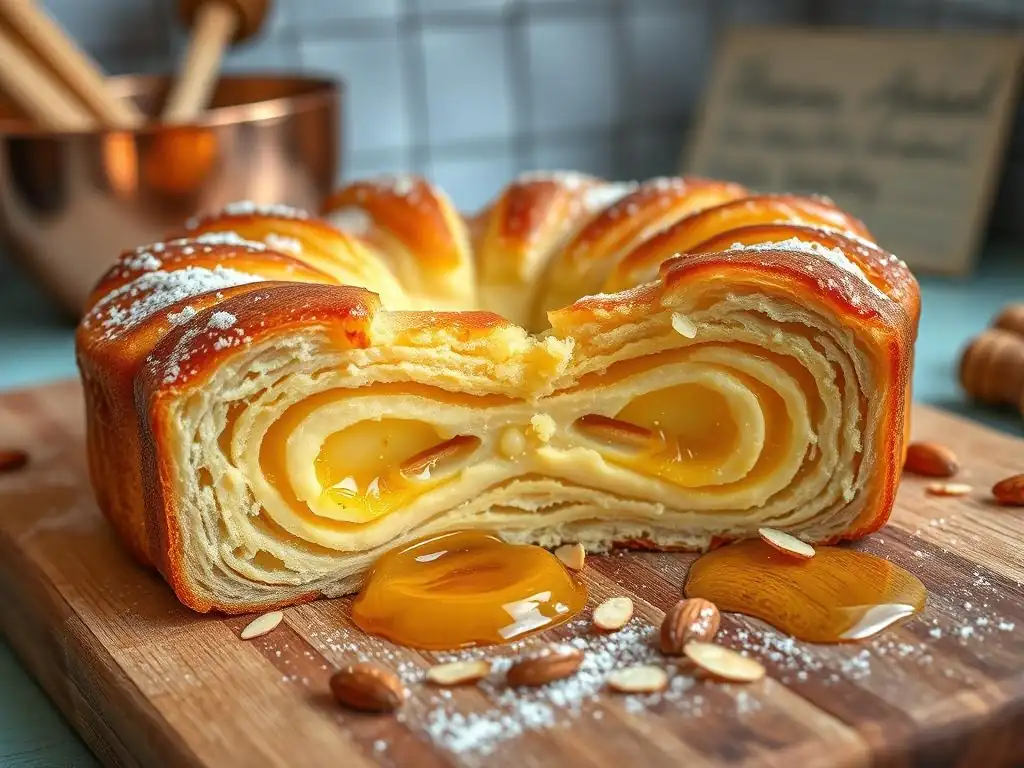
Bienenstich, or Bee Sting Cake, is a beloved German classic featuring a sweet yeast dough base, a luscious vanilla or cream filling, and a signature topping of caramelized almonds and honey. The name supposedly comes from the story of beekeepers using the cake to lure away a swarm of bees, or perhaps from the 'sting' of the sweet, rich topping. Regardless of its origin, it's a truly delightful cake.
This cake offers a wonderful interplay of textures and flavors: the soft, slightly sweet yeast dough, the smooth, creamy filling (often a German buttercream or pastry cream), and the crunchy, sticky almond topping. While it might sound complex, breaking it down into its three main components makes it one of the more achievable easy German cake recipes, yielding impressive results that are well worth the effort.
Understanding the Bienenstich Layers: Cake, Cream, and Topping
The foundation of Bienenstich is a yeast dough, similar to a brioche but often less rich. This dough is spread into a flat layer and partially baked. During the final 10-15 minutes of this initial bake, the signature almond-honey topping is added, caramelizing into a golden, crunchy crust. This precise timing is crucial to prevent the topping from burning while allowing the dough to cook through.
Once the cake base with the topping is baked and cooled, it is typically sliced horizontally into two layers. The bottom layer is then generously spread with a rich filling. Traditional fillings include Puddingcreme (pastry cream) or Buttercreme (German buttercream made with pastry cream). The top layer, with its caramelized almond crust, is then placed on top. The contrast between the soft dough, smooth cream, and crunchy topping is what makes Bienenstich so special.
Easy Bienenstich Recipe: Step-by-Step Instructions
Making Bienenstich involves three main stages, making it manageable even for intermediate bakers looking for easy German cake recipes. First, prepare the yeast dough. This involves activating yeast (typically 7g of active dry yeast for a standard cake), mixing it with flour (around 300-350g), sugar (approx. 50g), milk (about 150ml), butter (around 50g), and an egg. Knead until smooth, let it rise until doubled (about 1-1.5 hours).
While the dough rises, prepare the almond topping by melting butter (approx. 100g) with sugar (100g) and honey (2-3 tablespoons) in a saucepan, then stirring in sliced almonds (about 150g). Knock down the risen dough, press it into a greased 26cm springform pan, and partially bake for about 15 minutes at 180°C (350°F). Spread the warm almond mixture evenly over the partially baked dough and return to the oven for another 10-15 minutes until golden. Let cool completely before slicing and filling with prepared pastry cream (made from milk, sugar, egg yolks, and cornstarch, approx. 500ml milk).
Tips for a Perfect Bee Sting Cake
Achieving a perfect Bienenstich requires attention to a few key details. Firstly, ensure your yeast is active; proofing it in warm milk with a pinch of sugar is a good practice. The yeast dough should be soft and pliable, not too dry. Kneading it properly (around 5-10 minutes) is essential for developing gluten and achieving a light texture.
Secondly, the timing for adding the almond topping is critical. If added too early, it can sink into the dough or burn before the dough is cooked. If added too late, it won't adhere properly. Aim for the last 10-15 minutes of the initial bake. Finally, ensure the cake base is completely cool before slicing and filling. This prevents the cream from melting and ensures clean cuts. Chilling the assembled cake for an hour or two before serving also helps the filling set.
Recipe 2: Plum Cake (Zwetschgenkuchen) - A Fruity Fall Favorite
Zwetschgenkuchen, or German Plum Cake, is a quintessential autumn treat enjoyed throughout Germany, particularly popular when plums (specifically Zwetschgen, a type of European plum) are in season from late summer through fall. It's a wonderfully simple cake that lets the natural flavor of the fruit shine. Often served warm with a dollop of whipped cream, it embodies rustic German baking at its finest.
This cake is a fantastic example of easy German cake recipes because its beauty lies in its simplicity. The base can be a simple yeast dough, a shortcrust pastry-like dough ( Mürbeteig), or even a simple batter. The key is a dense layer of halved plums arranged tightly on top. As the cake bakes, the plums soften and release their juices, creating a moist and flavorful result, often dusted with cinnamon and sugar or topped with Streusel (crumb topping).
The Allure of German Plum Cake: Simple and Seasonal
The allure of Zwetschgenkuchen is deeply tied to its seasonality. Germans eagerly anticipate plum season to bake this beloved cake. The Zwetschge plum, distinct from rounder varieties, holds its shape well during baking and offers a slightly tart counterpoint to the cake's sweetness. This focus on using fresh, seasonal produce is a hallmark of traditional German cooking and baking.
Beyond its seasonality, Zwetschgenkuchen is cherished for its straightforward preparation. It doesn't require elaborate techniques or fancy ingredients, making it one of the most accessible easy German cake recipes. Whether made with a yeast dough that yields a bread-like base or a Mürbeteig crust that's more like a tart, the focus remains on the generous layer of fruit, often simply sprinkled with a mix of sugar and cinnamon before baking, or covered with a buttery crumb topping.
Baking Zwetschgenkuchen: A Beginner-Friendly Guide
Baking Zwetschgenkuchen is quite beginner-friendly. If using a Mürbeteig base (a common approach), combine flour (approx. 250g), cold butter (125g), sugar (approx. 75g), and an egg to form a dough. Chill for about 30 minutes. Roll out the dough and press it into a greased springform pan (26cm) or a rectangular baking sheet, forming a slight edge.
Halve and pit about 1-1.5 kg of fresh Zwetschgen plums. Arrange the plum halves tightly, cut-side up, over the dough base. Sprinkle generously with a mix of sugar (approx. 50g) and cinnamon (1-2 teaspoons). Bake in a preheated oven at 180°C (350°F) for about 40-50 minutes, or until the crust is golden and the plums are soft. Let cool slightly before serving. For a Streusel topping, mix flour (150g), sugar (100g), and cold butter (100g) until crumbly, then sprinkle over the plums before baking.
Variations on the Traditional Zwetschgenkuchen Recipe
While the classic Zwetschgenkuchen features plums, variations abound, making it adaptable and one of the most versatile easy German cake recipes. The base dough can be swapped; a simple sponge batter or a yeast dough provides a different texture compared to the traditional Mürbeteig. The yeast dough version, often baked on a large sheet pan, is particularly popular in some regions.
The topping also offers room for creativity. A simple sugar-cinnamon sprinkle is classic, but adding a buttery Streusel topping is equally common and adds a lovely crunch. Some recipes also include a thin layer of ground nuts or almond paste beneath the plums for added flavor. While plums are traditional, other fruits like apples (Apfelkuchen, discussed next), cherries, or apricots can be used, adapting the name and flavor profile while keeping the simple, fruit-forward concept.
Recipe 3: Marble Cake (Marmorkuchen) - A Classic with a Twist
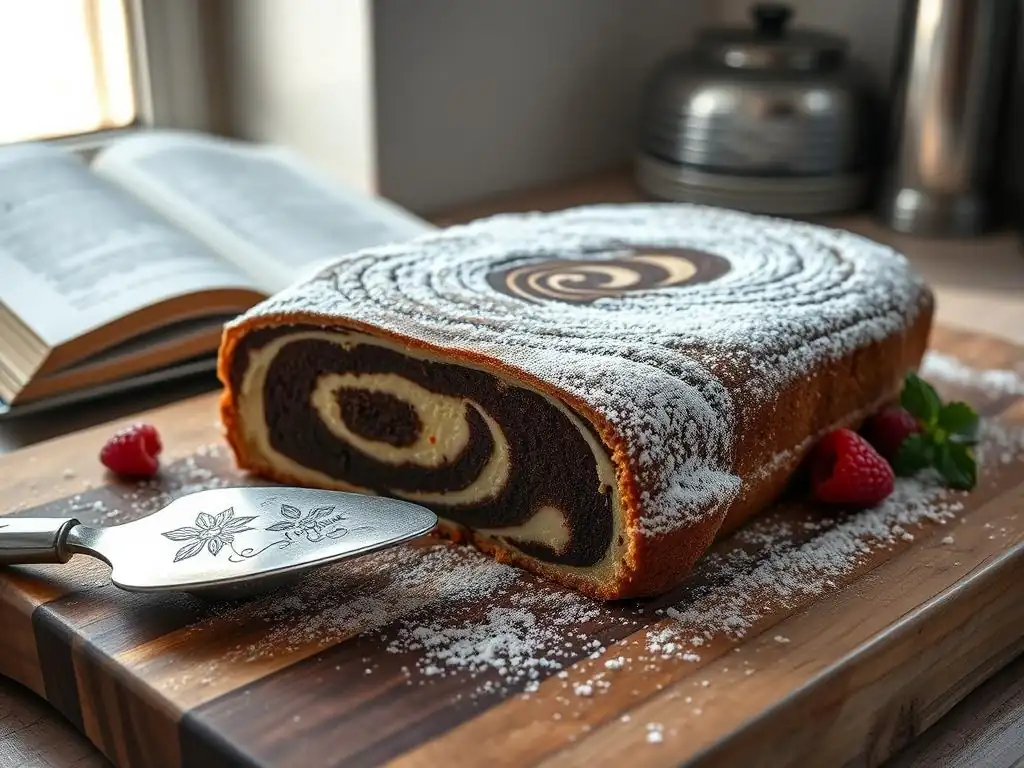
Marmorkuchen, or German Marble Cake, is a timeless classic found in bakeries and homes across Germany. Its enduring popularity stems from its simple ingredients, ease of preparation, and the delightful visual appeal of the marbled pattern created by swirling light and dark batters together. It's a comforting cake, often baked in a loaf pan or a ring (bundt) pan, perfect for enjoying with coffee or tea.
This cake is a prime example of how simple techniques can create impressive results, making it one of the most accessible easy German cake recipes. The base is typically a butter-based sponge or pound cake batter, divided into two portions. One portion is flavored with cocoa powder or melted chocolate to create the dark batter. The magic happens when spoonfuls of each batter are alternately placed in the pan and then gently swirled with a knife or skewer to create the signature marble effect.
Mastering the Marble Cake: Achieving the Perfect Swirl
Achieving a beautiful marble pattern in Marmorkuchen is easier than it looks, and it's the key to this cake's visual charm. Start with two batters: a plain vanilla or butter batter and a chocolate batter (made by whisking cocoa powder or melted chocolate into a portion of the plain batter). The consistency of both batters should be similar to ensure they swirl nicely without completely blending.
To create the marble effect, alternate dollops of each batter in your prepared cake pan. Don't overfill the pan; it should be about two-thirds full. Once the batters are in the pan, use a knife, skewer, or chopstick to gently swirl through the batter a few times. Avoid over-swirling, as this will cause the colors to mix too much and result in a muddy, rather than marbled, pattern. Just a few careful strokes are usually sufficient to create distinct swirls.
Easy Marmorkuchen Recipe: Simple Ingredients, Delicious Results
An easy Marmorkuchen recipe starts with creaming together softened butter (approx. 200g) and sugar (approx. 150g) until light and fluffy. Beat in eggs (3-4 large) one at a time, followed by vanilla extract (1-2 tsp). In a separate bowl, whisk together flour (approx. 250g) and baking powder (2 tsp). Gradually add the dry ingredients to the wet ingredients, alternating with milk (approx. 100ml), mixing until just combined.
Divide the batter roughly in a 2:1 ratio. To the smaller portion, whisk in cocoa powder (2-3 tbsp) mixed with a tablespoon or two of hot water or milk to form a smooth paste. Spoon alternate dollops of the vanilla and chocolate batters into a greased and floured loaf pan or bundt pan (24-26cm). Swirl gently as described above. Bake in a preheated oven at 180°C (350°F) for 50-60 minutes for a loaf cake, or 40-50 minutes for a bundt cake, until a skewer inserted comes out clean.
Elevating Your Marble Cake: Flavor Variations and Decorations
While the classic Marmorkuchen is simple vanilla and chocolate, you can easily elevate this easy German cake recipe with flavor variations. Instead of cocoa powder, use melted dark chocolate for a richer chocolate flavor. Add a tablespoon of strong coffee or espresso powder to the chocolate batter to enhance its depth. A touch of rum or almond extract can also be added to either batter for a subtle flavor twist.
Decoration for Marmorkuchen is typically simple. A dusting of powdered sugar is classic and elegant. Alternatively, a simple glaze made from powdered sugar and milk or lemon juice can be drizzled over the cooled cake. For a slightly richer finish, a chocolate ganache or a simple chocolate glaze made from melted chocolate and a little butter can be used to cover the top or drizzle down the sides, adding another layer of indulgence to this comforting cake.
Recipe 4: Apple Cake (Apfelkuchen) - A Rustic and Comforting Treat
Apfelkuchen, or German Apple Cake, is perhaps the most universally loved German cake, with countless regional variations. It's a simple, comforting cake that highlights the natural sweetness and slight tartness of apples. Often less sweet than American apple pies or cakes, German Apfelkuchen typically features a generous amount of sliced or cubed apples baked into a variety of bases, from simple sponge to yeast dough or Streusel-topped variations.
This cake is a staple in German households and cafes, particularly during apple season. Its appeal lies in its straightforward preparation and the heartwarming aroma it fills the kitchen with as it bakes. It's a perfect example of easy German cake recipes that yield delicious results with minimal fuss, making it a go-to for many home bakers.
The Simplicity of German Apple Cake: A Baking Staple
The simplicity of German Apple Cake is its greatest strength, making it a baking staple across the country. It doesn't rely on complex fillings or elaborate layering. Instead, it features a generous amount of apples (often 1 kg or more for a standard cake), which are the star of the show. The base is typically a simple batter or dough that provides a soft contrast to the tender baked apples.
This focus on the fruit makes it one of the most adaptable easy German cake recipes. Depending on the region or family tradition, the base can range from a moist sponge cake ( Rührkuchen) to a firm shortcrust ( Mürbeteig) or even a yeasted dough ( Hefeteig). The apples are usually tossed with cinnamon and sugar, sometimes with a touch of lemon juice, before being added to or placed on top of the dough. The result is a moist, flavorful cake that is satisfying without being overly rich.
Quick and Easy Apfelkuchen Recipe: Perfect for Any Occasion
A quick and easy Apfelkuchen recipe often uses a simple Rührkuchen (stirred cake) batter. Cream together butter (approx. 150g) and sugar (approx. 150g) until fluffy. Beat in eggs (3 large) one at a time, followed by vanilla extract (1 tsp). Whisk together flour (approx. 200g) and baking powder (2 tsp). Gradually add dry ingredients to the wet ingredients, alternating with milk (approx. 50ml), mixing until just combined.
Peel, core, and slice or cube about 1 kg of apples (firm varieties like Elstar, Jonagold, or Gala work well). Toss the apples with 2-3 tablespoons of sugar and 1-2 teaspoons of cinnamon. Pour half the batter into a greased and floured 26cm springform pan. Spread half the apples over the batter. Pour the remaining batter over the apples and arrange the remaining apples on top, pressing them slightly into the batter. Bake at 180°C (350°F) for 50-60 minutes, or until a skewer comes out clean.
Serving Suggestions and Variations for Your German Apple Cake
German Apple Cake is traditionally served slightly warm, often with a dollop of whipped cream ( Sahne) or a scoop of vanilla ice cream. Some people enjoy it simply dusted with powdered sugar. It's a versatile cake that pairs wonderfully with coffee for an afternoon treat or serves as a comforting dessert after a meal.
Variations on this easy German cake recipe are numerous. You can add raisins or walnuts to the apple mixture for extra texture and flavor. A Streusel topping (as described for Zwetschgenkuchen) is a very popular variation, adding a delightful crunch. Using different apple varieties will slightly alter the flavor and texture of the finished cake; mixing varieties can add complexity. Some recipes incorporate a layer of pudding or a crumble base for added richness or texture.
Tips for Baking Authentic German Cakes at Home
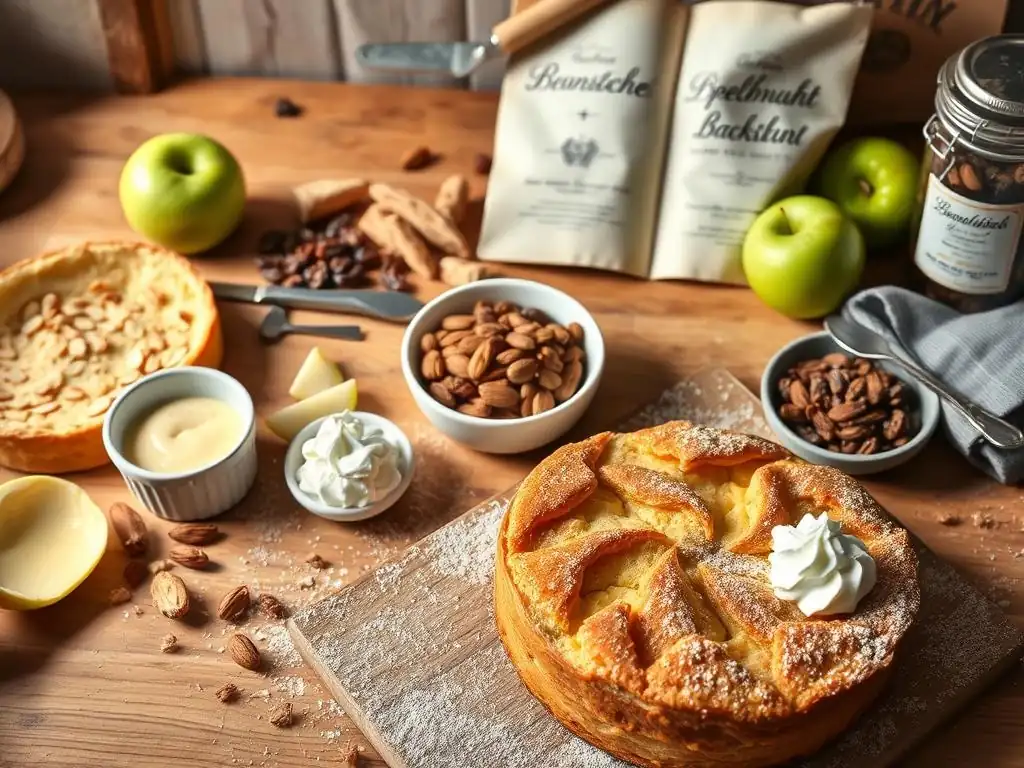
Baking easy German cake recipes at home is a rewarding experience that brings a taste of Germany into your kitchen. While the recipes are often straightforward, paying attention to a few key tips can help you achieve authentic and delicious results. German baking emphasizes precision, quality ingredients, and proper technique, even in simpler recipes.
One important tip is understanding the role of fat, often butter, in German cakes. Butter contributes significantly to flavor and texture. Ensuring butter is at the correct temperature (softened for creaming, cold for Mürbeteig) is crucial. Another tip is understanding the different types of doughs and batters used; Rührkuchen (stirred cake) is forgiving, while Hefeteig (yeast dough) requires patience and warmth for rising.
Sourcing Ingredients for German Cake Recipes
Sourcing ingredients for easy German cake recipes is generally quite simple, as most use common pantry staples. Flour, sugar, eggs, butter, milk, and baking powder are standard. For recipes like Bee Sting Cake, you'll need sliced almonds and honey. For fruit cakes like Zwetschgenkuchen or Apfelkuchen, fresh, seasonal fruit is key. While Zwetschgen plums are ideal for Zwetschgenkuchen, firm, slightly tart plums or even certain prune plums can be good substitutes if Zwetschgen aren't available.
Spices like cinnamon and vanilla extract are also common. Many German recipes call for European-style butter, which has a higher fat content; while not strictly necessary, using good quality butter will enhance the flavor. If a recipe calls for yeast, ensure it is fresh and active. Overall, the focus is on using fresh, good-quality ingredients rather than specialty items, making these truly easy German cake recipes to source for.
Essential Baking Techniques for German Cake Success
Mastering a few essential baking techniques will help ensure success with easy German cake recipes. For butter-based cakes like Marmorkuchen or Rührkuchen Apfelkuchen, proper creaming of butter and sugar is vital for incorporating air and creating a light texture. Cream until the mixture is pale and fluffy, which can take several minutes with an electric mixer.
For recipes involving yeast dough, patience is key. Ensure your milk is lukewarm (around 35-40°C or 95-105°F) to activate the yeast, and allow sufficient time for the dough to rise in a warm, draft-free place until doubled in size. For fruit cakes, properly preparing the fruit (washing, peeling, coring, pitting, and slicing) and arranging it neatly on the cake ensures even baking and beautiful presentation. Don't be afraid to gently swirl batter for Marmorkuchen or arrange plums tightly for Zwetschgenkuchen; these simple steps make a big difference.
Storing and Serving Your Homemade German Cakes
Proper storage helps maintain the freshness and flavor of your easy German cake recipes. Cakes with fruit, like Apfelkuchen or Zwetschgenkuchen, are best stored at room temperature for 1-2 days, loosely covered. If kept longer, they can be refrigerated for up to 3-4 days. Cakes with cream fillings, such as Bienenstich, must be stored in the refrigerator due to the dairy filling. Cover tightly with plastic wrap to prevent drying out.
Marmorkuchen and other simple sponge or pound cakes can be stored at room temperature in an airtight container for 3-4 days. Most German cakes, especially fruit cakes, are delicious served warm or at room temperature. Bienenstich is best served chilled or at room temperature to maintain the filling's consistency. For fruit cakes, gently warming a slice in the microwave can enhance the flavors, especially when served with cream or ice cream.
Conclusion: Expanding Your Baking Horizons with Easy German Cake Recipes
Exploring easy German cake recipes beyond the famous Black Forest Gateau opens up a world of delicious possibilities for home bakers. From the honey-almond crunch of Bienenstich to the comforting simplicity of Apfelkuchen and Zwetschgenkuchen, these traditional cakes offer unique flavors and textures that are surprisingly easy to recreate in your own kitchen. They embody a rich baking heritage that values quality, seasonality, and straightforward techniques.
Trying these recipes is a fantastic way to expand your baking skills while discovering new favorites. You'll learn about different doughs, fillings, and toppings that are characteristic of German baking. These easy German cake recipes prove that you don't need to be an expert to create impressive and authentic Kuchen that will delight your family and friends.
Embrace the Variety of German Baking
The examples covered – Bienenstich, Zwetschgenkuchen, Marmorkuchen, and Apfelkuchen – represent just a small selection of the incredible variety within German baking. There are countless regional specialties, holiday cakes, and everyday treats waiting to be discovered. Each cake tells a story about its origin and the ingredients popular in that area. Embracing this variety means embracing new flavors, textures, and baking challenges, all while staying within the realm of accessible and easy German cake recipes.
Whether you prefer fruit-laden cakes, creamy delights, or simple batters, there's a German cake out there for you. Don't be intimidated by names that are hard to pronounce; the recipes themselves are often quite logical and follow familiar baking principles. So, grab your apron, preheat your oven, and get ready to bake your way through Germany's sweet traditions.
Baking is often about sharing, and your delicious homemade easy German cake recipes are meant to be enjoyed with others. Share your creations with family, friends, or colleagues. A slice of warm Apfelkuchen with coffee or a piece of chilled Bienenstich makes for a perfect shared moment.
Don't forget to document your baking journey! Take photos of your beautiful Bienenstich layers, the rustic charm of your Zwetschgenkuchen, the perfect swirl in your Marmorkuchen, or the inviting warmth of your Apfelkuchen. Share your experiences and perhaps inspire others to try these wonderful easy German cake recipes too. Happy baking!
Frequently Asked Questions
What makes these German cake recipes "easy"?
These recipes prioritize simple techniques and easy-to-find ingredients, making them accessible even for beginner bakers. They also often involve fewer steps compared to more complex German cakes.
Are these recipes authentic German cakes, or Americanized versions?
While adapted for ease, these recipes maintain the authentic flavors and traditional elements of lesser-known German cakes. We aim for genuine taste with simplified methods.
What if I can't find a specific ingredient mentioned in the recipe?
BakeWithEase provides substitution suggestions within each recipe. You can also generally search online for common ingredient alternatives suitable for baking.
Do these recipes require special baking equipment?
No, these recipes primarily use standard baking equipment that most home bakers already own, like mixing bowls, measuring cups, and cake pans. No fancy tools are typically required.
How are these cakes different from the Black Forest cake I already know?
These recipes explore a wider range of German cake flavors and textures beyond the typical Black Forest gateau. They offer unique regional specialties and less common ingredients for a broader baking experience.
Final Reflection: A Slice of History, A Taste of Home
The enduring appeal of German baking transcends mere culinary enjoyment; it's a portal to history, culture, and the comforting embrace of tradition. These lesser-known cakes, often overlooked in favor of Black Forest's ubiquitous charm, offer a delicious journey through regional variations and family recipes, proving that simple ingredients can create extraordinary flavors. This exploration of easy German cake recipes is not just about baking; it's about rediscovering the heart of German culinary heritage.
The influence of these recipes extends beyond the kitchen table; they represent a connection to family history, a shared cultural experience passed down through generations. These cakes are more than just desserts; they are tangible links to the past, whispering stories of grandmothers' kitchens and cherished family gatherings. As the renowned food writer, Michael Pollan, once said, Food is symbolic of love when words are inadequate.
These recipes, in their simplicity and deliciousness, embody this sentiment perfectly, offering a way to connect with heritage and create meaningful memories.
Now, I invite you to explore the world of easy German cakes. Don't be intimidated by the unfamiliar names or ingredients; embrace the challenge, gather your loved ones, and bake your way through a taste of history. Let the aroma of warm spices and sweet dough fill your home, creating a space of warmth, connection, and delicious memories. The journey of discovery awaits – and the first slice is yours to savor.
Unlock Your Inner Bäcker: Bake a New German Delight!
Thanks for exploring the wonderful world of German cakes beyond the Black Forest! You've now discovered delicious alternatives, and we know you're ready to get baking. Let's put those newfound skills to the test:
- Bake your favorite recipe from the article: Which lesser-known cake caught your eye? It's time to whip up a batch and impress your friends and family!
- Share your baking journey: Post a picture of your creation on social media using #BakeWithEaseGermanCakes and tag us! We'd love to see your masterpieces.
- Explore our other German recipes: Dive deeper into the BakeWithEase recipe collection and find even more delicious treats to try.
Ready to discover your next baking adventure? What unique ingredient will you incorporate into your German cake masterpiece?