
The Difference Between Buttercream Types and When to Use Them

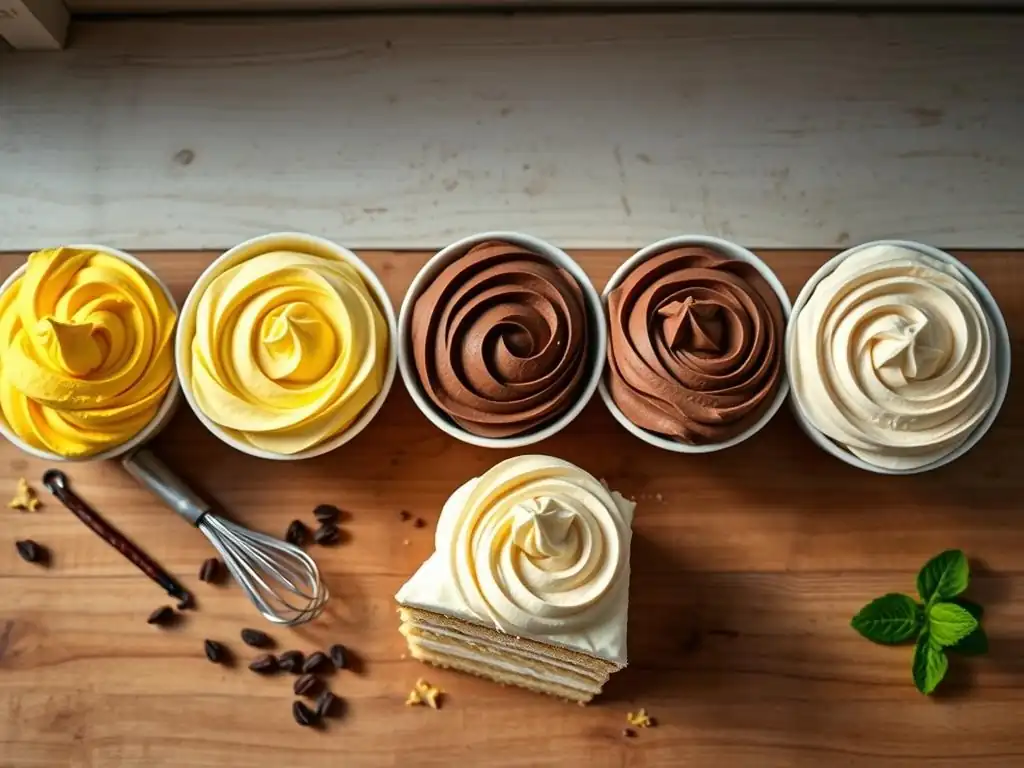
Welcome to BakeWithEase, your haven for all things baking!
Ever wondered why your buttercream frosting sometimes crumbles while other times it's perfectly smooth? Dive into our guide and discover the secrets behind the best buttercream frosting recipes! Unlocking the nuances between different types—from Swiss meringue to American buttercream—will transform your desserts from good to spectacular. Get ready to elevate your baking game and create frosting masterpieces!
- Buttercream Types: Choosing the Right Frosting for Your Cake
- Introduction to Buttercream
- Exploring Buttercream Varieties
- American Buttercream: Quick and Easy
- Swiss Meringue Buttercream: Smooth and Stable
- Italian Meringue Buttercream: Glossy and Heat-Resistant
- French Buttercream: Rich and Custardy
- German Buttercream: Light and Tangy
- Korean Buttercream: Intricate Floral Designs
- Choosing the Right Buttercream
- Buttercream Tips and Tricks
- Conclusion: Perfecting Your Buttercream
-
Frequently Asked Questions
- What are the main types of buttercream frosting discussed on BakeWithEase.com?
- Which buttercream type is easiest for beginners to make according to BakeWithEase?
- When should I use Swiss meringue buttercream, based on BakeWithEase's recommendations?
- Does BakeWithEase.com offer recipes for all the buttercream types mentioned?
- How does BakeWithEase help me choose the "best buttercream frosting recipe" for my needs?
- Final Reflection: The Sweet Science of Buttercream Choice
- Unleash Your Inner Pastry Chef: Master Buttercream Today!
Buttercream Types: Choosing the Right Frosting for Your Cake
Introduction to Buttercream
What is Buttercream and Why Use It?
Buttercream is a classic frosting beloved by bakers worldwide for its rich texture, sweet flavor, and versatility. At its core, it's typically a mixture of fat (usually butter) and sugar, often enhanced with milk, cream, or eggs. Unlike glazes or ganaches, buttercream is known for its fluffy, spreadable consistency, making it ideal for everything from simply frosting a cake or cupcakes to intricate piping and decorating. It provides a smooth canvas or a textured finish, adapting beautifully to various dessert styles.
Its popularity stems from its ability to hold shape well, especially certain types, which is crucial for creating swirls, rosettes, and other decorative elements. It also carries flavor wonderfully, allowing bakers to infuse it with vanilla, chocolate, fruit purees, coffee, or liqueurs. Whether you're a beginner looking for an easy way to top your first batch of cupcakes or an experienced decorator aiming for a show-stopping tiered cake, understanding the different types of buttercream is key to achieving the best results.
Buttercream: A Versatile Frosting
Buttercream's versatility extends far beyond basic cake frosting. It's a staple for filling layer cakes, providing both structure and flavor between tiers. Cupcakes are almost synonymous with a generous swirl of buttercream on top. Tarts, cookies, and pastries also benefit from a dollop or piped design of this creamy confection. The stability of some buttercream types makes them suitable for supporting the weight of additional decorations or even stacking multiple cake layers.
Moreover, buttercream can be adjusted in consistency for different applications. A slightly softer buttercream is perfect for spreading smoothly over a cake surface, while a firmer version is essential for sharp edges and detailed piping work. Learning how to manipulate buttercream's texture and flavor opens up a world of possibilities for enhancing your baked goods, proving why it's considered one of the best frosting options available. Exploring different types helps you find the best buttercream frosting recipes for your specific needs.
Exploring Buttercream Varieties
Different Buttercreams for Different Purposes
Not all buttercreams are created equal. While they share a common name, the method of preparation and the inclusion of ingredients like eggs, meringue, or pastry cream result in distinct textures, flavors, and levels of stability. For instance, American buttercream, the simplest type, is known for its sweetness and firm texture, while Swiss meringue buttercream offers a silky smooth, less sweet alternative. Italian meringue buttercream provides exceptional stability, particularly in warm environments, making it a top choice for professional decorators and wedding cakes.
The choice of buttercream significantly impacts the final outcome of your dessert. A light, airy meringue-based buttercream might be perfect for balancing a rich chocolate cake, whereas a tangy German buttercream could complement a fruit-filled tart. Understanding the characteristics of each type allows you to select the best buttercream recipe that not only tastes delicious but also performs exactly as you need it to for your specific baking project, from simple treats to elaborate creations.
American Buttercream: Quick and Easy
American Buttercream: Ingredients and Properties
American buttercream, often called "simple buttercream" or "powdered sugar buttercream," is perhaps the most common and easiest type to make. Its primary ingredients are softened butter, powdered sugar (also known as confectioners' sugar or icing sugar), a liquid like milk or cream, and flavorings like vanilla extract. The ratio is typically quite high in sugar, often using two parts powdered sugar to one part butter by weight, though this can vary.
This simple combination results in a very sweet, dense, and somewhat crusty frosting once it sets. It's known for its quick preparation time – often just a few minutes with an electric mixer. While its intense sweetness and sometimes grainy texture (if not mixed thoroughly) are characteristics, its ease of production makes it a go-to for many home bakers seeking quick buttercream frosting recipes.
Pros and Cons of American Buttercream
The main advantage of American buttercream is its speed and simplicity. It requires no cooking and uses readily available ingredients. It also holds color exceptionally well, making it popular for brightly colored frostings. Furthermore, its firm texture makes it excellent for simple piping like stars and borders, and it forms a slight crust as it dries, which can be beneficial for certain decorating techniques or for packaging baked goods.
However, its significant sweetness can be overwhelming for some palates. The high ratio of powdered sugar can also sometimes result in a slightly gritty texture if the sugar isn't finely sifted or if it's not mixed long enough. Compared to meringue-based buttercreams, it can also feel heavier or greasier in the mouth. Despite these drawbacks, for many quick projects, it remains one of the best buttercream options due to its accessibility.
Best Uses for American Buttercream
Given its ease and firm consistency, American buttercream is fantastic for topping cupcakes, sheet cakes, and simple layer cakes where speed and a sturdy frosting are priorities. It's excellent for basic piping decorations like swirls, rosettes, and shell borders. Because it sets slightly, it's also suitable for crumb coating cakes before applying a final layer of frosting or fondant.
Think of classic birthday cakes or school bake sale treats – they are often frosted with American buttercream. While perhaps not the choice for delicate, gourmet pastries, it's the workhorse of quick, reliable frosting, making it a staple in many best buttercream frosting recipes for everyday baking.
American Buttercream Recipe
Creating American buttercream involves creaming softened butter until pale and fluffy, typically for 3-5 minutes. Powdered sugar is then gradually added, often cup by cup, mixing on low speed to avoid a sugar cloud, then increasing speed to combine fully. A small amount of liquid (like 2-4 tablespoons of milk or cream per pound of butter) and vanilla extract are mixed in to achieve the desired consistency.
For a smoother texture, some bakers like to beat the finished buttercream on medium-high speed for several minutes after all ingredients are combined, which helps dissolve some of the sugar crystals and incorporates more air. The resulting frosting should be smooth and spreadable but firm enough to hold its shape when piped.
Swiss Meringue Buttercream: Smooth and Stable
Swiss Meringue Buttercream: What Makes it Unique
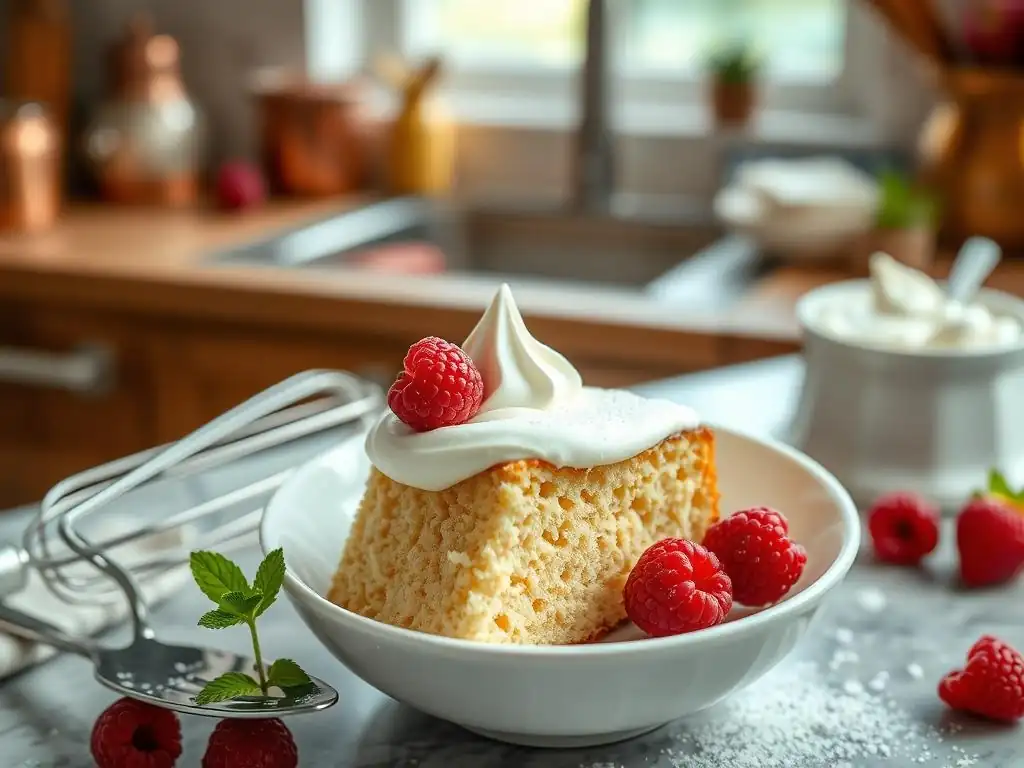
Swiss meringue buttercream stands apart due to its base: a meringue made from egg whites and sugar gently heated over a double boiler, then whipped into a glossy, stable foam. Softened butter is then gradually whipped into this meringue. This method results in a frosting that is significantly less sweet than American buttercream, with an incredibly smooth, silky texture.
The heating step serves two purposes: it dissolves the sugar completely into the egg whites, preventing graininess, and it pasteurizes the egg whites, making them safe to consume raw. This creates a stable, emulsified frosting that is less prone to breaking than some other types, offering a refined alternative among best buttercream frosting recipes.
Making Swiss Meringue Buttercream
The process begins by whisking egg whites and granulated sugar together in a heatproof bowl set over a pot of simmering water (a double boiler). The mixture is whisked constantly until the sugar is completely dissolved and the mixture reaches a temperature of about 160°F (71°C). This typically takes 5-10 minutes.
The bowl is then removed from the heat, and the mixture is whipped on high speed using a stand mixer fitted with a whisk attachment until it forms a stiff, glossy meringue and cools completely to room temperature. This cooling step is crucial and can take 10-15 minutes or longer.
Once the meringue is cool, the whisk attachment is usually swapped for a paddle attachment, and softened butter is added in chunks, a few pieces at a time, mixing until fully incorporated before adding more. The mixture may look curdled or broken at first, but continued mixing will emulsify it into a smooth, luxurious buttercream. This transformation is often described as magical and requires patience.
Pros and Cons of Swiss Meringue Buttercream
A major pro of Swiss meringue buttercream is its wonderfully smooth, almost satiny texture and its balanced sweetness. It's much less sugary than American buttercream, allowing other flavors (like chocolate or fruit) added to it to shine. It's also quite stable and holds piped shapes beautifully, making it excellent for detailed decorating. Its emulsified nature makes it less likely to feel greasy.
On the downside, it requires more steps and time to make than American buttercream, particularly the heating and cooling of the meringue. It can also be sensitive to temperature fluctuations; if the meringue isn't cool enough, the butter will melt, resulting in a soupy mess. Troubleshooting a broken Swiss meringue buttercream can sometimes be frustrating for beginners.
When to Use Swiss Meringue Buttercream
Swiss meringue buttercream is perfect for elegant layer cakes, cupcakes, and pastries where a smooth, less-sweet frosting is desired. Its stability makes it excellent for piping detailed decorations like intricate flowers or sharp swirls. It's also a great choice for filling macarons or delicate pastries.
Because it's less sweet, it pairs wonderfully with richer cakes, such as dense chocolate cakes, red velvet cakes, or spice cakes, providing a beautiful balance of flavor. It's a favored option among those seeking sophisticated and reliable buttercream frosting recipes for special occasions.
Swiss Meringue Buttercream Recipe
A typical Swiss meringue buttercream recipe might start with 4-6 large egg whites and 1 cup (approx. 200g) of granulated sugar, heated over a double boiler to 160°F (71°C). This meringue is then whipped until stiff peaks form and the bowl is cool to the touch. Gradually, 1 to 1.5 cups (approx. 225-340g) of softened, unsalted butter, cut into pieces, is added while mixing on medium-low speed.
After all the butter is incorporated, the mixture is often beaten on medium-high speed for several minutes until it comes together into a smooth, luxurious frosting. Vanilla extract or other flavorings are mixed in last. If it appears curdled, continued beating often resolves it; if it's too soft, chilling briefly then re-whipping can help.
Italian Meringue Buttercream: Glossy and Heat-Resistant
Italian Meringue Buttercream: Characteristics
Italian meringue buttercream is renowned for being the most stable and heat-resistant of the meringue-based buttercreams. Like Swiss, it starts with a meringue, but the sugar is cooked into a hot syrup (typically 240°F or 115°C) and then carefully streamed into whipping egg whites. This method creates an incredibly stable meringue that, when combined with butter, yields a buttercream that is exceptionally smooth, glossy, and holds its shape remarkably well, even in warmer conditions.
Its texture is often described as lighter and fluffier than Swiss meringue buttercream, and it shares the same advantage of being significantly less sweet than American buttercream. This makes it a top contender for professional decorating and complex cake designs.
Making Italian Meringue Buttercream: Hot Sugar Method
Preparation involves two main parts happening simultaneously: whipping egg whites and cooking a sugar syrup. Granulated sugar and water are heated in a saucepan without stirring until the syrup reaches the 'soft ball' stage (around 240°F or 115°C). As the syrup approaches this temperature, egg whites are whipped in a stand mixer until they reach soft peaks.
Once the syrup hits the target temperature, it is carefully and slowly poured in a thin stream down the side of the mixer bowl into the whipping egg whites while the mixer is running on medium-high speed. The mixer continues to whip the meringue on high speed until it is very thick, glossy, and the bowl is completely cool to the touch. Softened butter is then added gradually, as with Swiss meringue buttercream, until the mixture emulsifies into a smooth frosting.
Pros and Cons of Italian Meringue Buttercream
The primary pro of Italian meringue buttercream is its unparalleled stability, making it ideal for stacking cakes and intricate piping, especially in humid or warm environments where other buttercreams might wilt. It has a wonderfully smooth, light texture and is not overly sweet. It takes flavorings very well and provides a beautiful, professional finish.
The main con is the complexity and potential danger of working with hot sugar syrup. Reaching the correct syrup temperature is crucial, and pouring hot syrup into a mixer requires caution. It also takes more time and steps than American or even Swiss buttercream. Troubleshooting can be tricky if the syrup isn't hot enough or if the meringue isn't cooled properly before adding butter.
Best Uses for Italian Meringue Buttercream: Wedding Cakes, Hot Climates
Due to its superior stability and heat resistance, Italian meringue buttercream is the preferred choice for tiered wedding cakes, celebration cakes that need to sit out for a while, and cakes made in warmer climates. Its firmness allows for sharp edges and smooth finishes, making it perfect for modern cake designs.
It's also excellent for detailed piping work, supporting heavy decorations, and as a stable filling for cakes and pastries. For serious bakers looking for the most reliable and professional buttercream frosting recipes, Italian meringue buttercream is often the answer.
Italian Meringue Buttercream Recipe
An Italian meringue buttercream recipe might start with 4-6 large egg whites whipped to soft peaks. Simultaneously, a syrup is made from 1.5-2 cups (approx. 300-400g) of granulated sugar and about 1/2 cup (120ml) of water, heated to 240°F (115°C). The hot syrup is slowly poured into the whipping egg whites, which are then whipped until the meringue is stiff, glossy, and cool.
Finally, 1 to 1.5 cups (approx. 225-340g) of softened butter is added gradually, beating until the buttercream is smooth and emulsified. Flavorings are added last. Achieving the correct syrup temperature is critical; a candy thermometer is essential for this type of buttercream.
French Buttercream: Rich and Custardy
French Buttercream: Egg Yolk Based
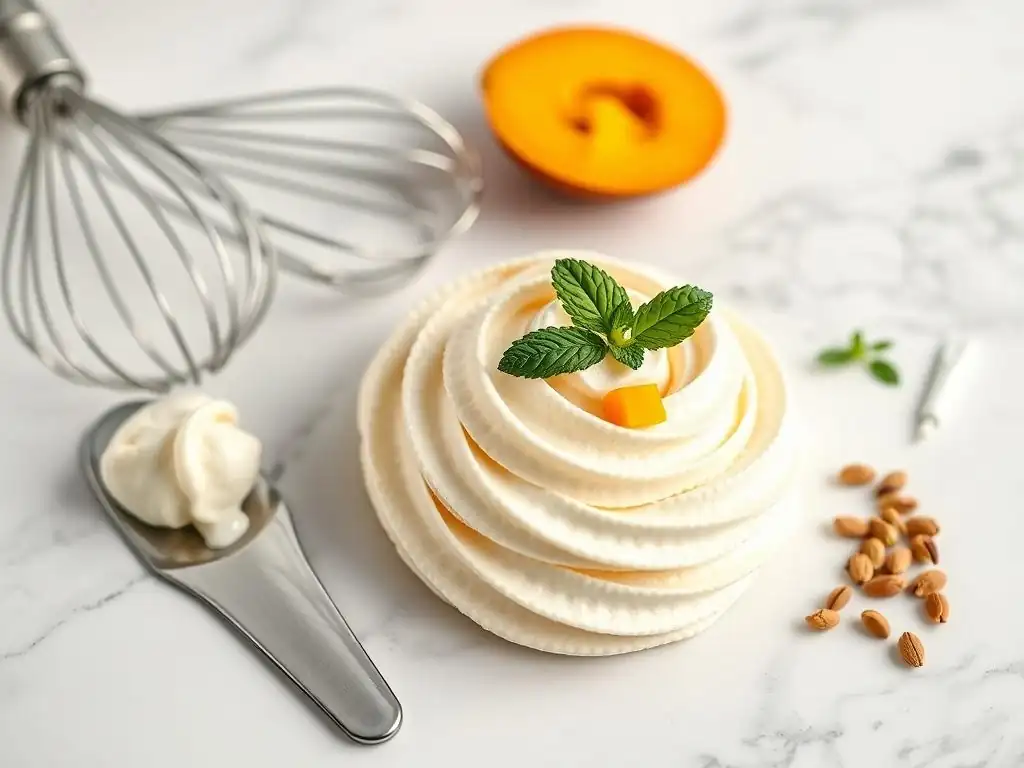
Unlike meringue-based buttercreams that use egg whites, French buttercream uses egg yolks. This gives it a distinctly rich, custardy flavor and a beautiful pale yellow hue. It's made by whipping egg yolks while a hot sugar syrup is streamed into them, similar to the Italian meringue method, creating a pâte à bombe base. Softened butter is then whipped into this base.
The presence of egg yolks makes this buttercream exceptionally smooth, luxurious, and intensely flavorful. It's often considered one of the richest buttercreams due to the fat content from both the butter and the yolks.
Making French Buttercream
The process involves whisking egg yolks in a mixer while a hot sugar syrup (heated to 240°F or 115°C) is slowly poured in. The yolks are whipped continuously as the syrup is added, and then whipping continues until the mixture is thick, pale, and completely cool. This creates a sabayon-like base called a pâte à bombe.
Once the pâte à bombe is cool, softened butter is gradually added, piece by piece, while mixing with a paddle attachment until the buttercream is fully emulsified, smooth, and creamy. This process requires patience to ensure the butter is fully incorporated without making the mixture greasy.
Pros and Cons of French Buttercream
The major pro of French buttercream is its incredibly rich flavor and silky smooth texture. The egg yolks contribute a unique depth and creaminess that is unmatched by other types. It's a truly decadent frosting that pairs wonderfully with specific desserts.
However, it is less stable than meringue-based buttercreams and can be quite soft, especially in warmer temperatures. It's also very rich, which means a little goes a long way. Because it uses raw egg yolks (though heated slightly by the syrup), some people may have safety concerns if the syrup temperature isn't precise. It's also more prone to becoming greasy if overworked or if the butter is added too quickly.
When to Use French Buttercream: Chocolate Cakes
French buttercream's richness makes it a perfect partner for cakes and pastries that can stand up to its intensity. It is particularly divine with chocolate cakes, providing a luxurious, melt-in-your-mouth counterpoint to the cocoa flavor. It's also excellent for filling pastries, tarts, and éclairs.
While not ideal for intricate piping or structural support due to its softness, it's wonderful for frosting a cake smoothly or piping simple, elegant swirls on cupcakes. If you're looking for the best buttercream recipe for pure indulgence and flavor, French buttercream is a strong contender, especially when paired with chocolate.
French Buttercream Recipe: Chocolate Variation
A basic French buttercream recipe might use 6-8 egg yolks whipped in a mixer. A syrup made from 1 cup (approx. 200g) sugar and 1/4 cup (60ml) water is heated to 240°F (115°C) and streamed into the yolks while whipping. The mixture is whipped until cool. Then, 1 to 1.5 cups (approx. 225-340g) of softened butter is gradually added and beaten until smooth.
For a rich chocolate variation, melted and slightly cooled unsweetened or semi-sweet chocolate (perhaps 4-6 ounces or 115-170g) can be mixed in after the butter is fully incorporated. This creates an exceptionally decadent chocolate French buttercream, perfect for intense chocolate desserts.
German Buttercream: Light and Tangy
German Buttercream: Pastry Cream Base
German buttercream, also known as Crème Mousseline when enriched with extra butter, is based on pastry cream (crème pâtissière). A cooked custard base is made from milk, sugar, egg yolks, and a thickener like cornstarch or flour. Once the pastry cream is cooked and cooled, softened butter is whipped into it.
This unique combination results in a buttercream that is less sweet than American, lighter than French, and has a distinct, slightly tangy or custardy flavor from the pastry cream. Its texture is soft and creamy, making it delightful as a filling or frosting.
Making German Buttercream: The Custard
The process starts by making a rich pastry cream. Milk is typically heated in a saucepan. In a separate bowl, egg yolks are whisked with sugar and cornstarch (or flour) until pale and creamy. A small amount of hot milk is tempered into the egg yolk mixture, then the mixture is returned to the saucepan with the rest of the milk. The custard is cooked over medium heat, stirring constantly, until it thickens significantly and comes to a gentle boil, often for 1-2 minutes after thickening to ensure the starch is fully cooked.
The pastry cream is then transferred to a bowl, covered directly with plastic wrap to prevent a skin from forming, and cooled completely to room temperature. This cooling step is crucial. Once cool, softened butter is whipped into the pastry cream until the mixture is light, fluffy, and smooth.
Pros and Cons of German Buttercream
A key pro of German buttercream is its lovely creamy texture and balanced sweetness with a subtle tang from the pastry cream base. It's less heavy than American buttercream and less rich than French. It's also a great way to incorporate the flavor of pastry cream into a frosting.
However, it requires making pastry cream first, which adds a cooking step and cooling time, making it less quick than American buttercream. The texture is typically softer than meringue-based buttercreams, making it less suitable for intricate piping or structural use. It can also sometimes curdle if the pastry cream isn't fully cooled or if the butter is added too quickly.
When to Use German Buttercream: Fruit Cakes
German buttercream is wonderfully suited for filling and frosting cakes and pastries that benefit from its creamy, slightly tangy profile. It pairs exceptionally well with fruit-based desserts, such as fruit tarts, cakes with fresh berries, or lemon cakes, where its subtle tang complements the fruit.
It's also delicious in cream puffs, éclairs, and as a filling for Boston cream pie or layered cakes. While not the go-to for elaborate sculpted cakes, it's a fantastic option for adding a delicious, creamy layer to everyday bakes or desserts where a pastry cream flavor is desired. It offers a different dimension to the best buttercream frosting recipes.
German Buttercream Recipe
A typical German buttercream recipe begins with making pastry cream using perhaps 2 cups (480ml) milk, 4-6 egg yolks, 1/2 cup (100g) sugar, and 1/4 cup (30g) cornstarch. This custard is cooked, cooled completely, and then whipped with 1 to 1.5 cups (approx. 225-340g) of softened butter until light and smooth.
Vanilla extract is a common addition, but variations can include adding chocolate, coffee, or liqueurs to the finished buttercream. Ensuring the pastry cream is truly at room temperature before adding the butter is vital for a smooth emulsion.
Korean Buttercream: Intricate Floral Designs
Korean Buttercream: Smoothness for Flowers
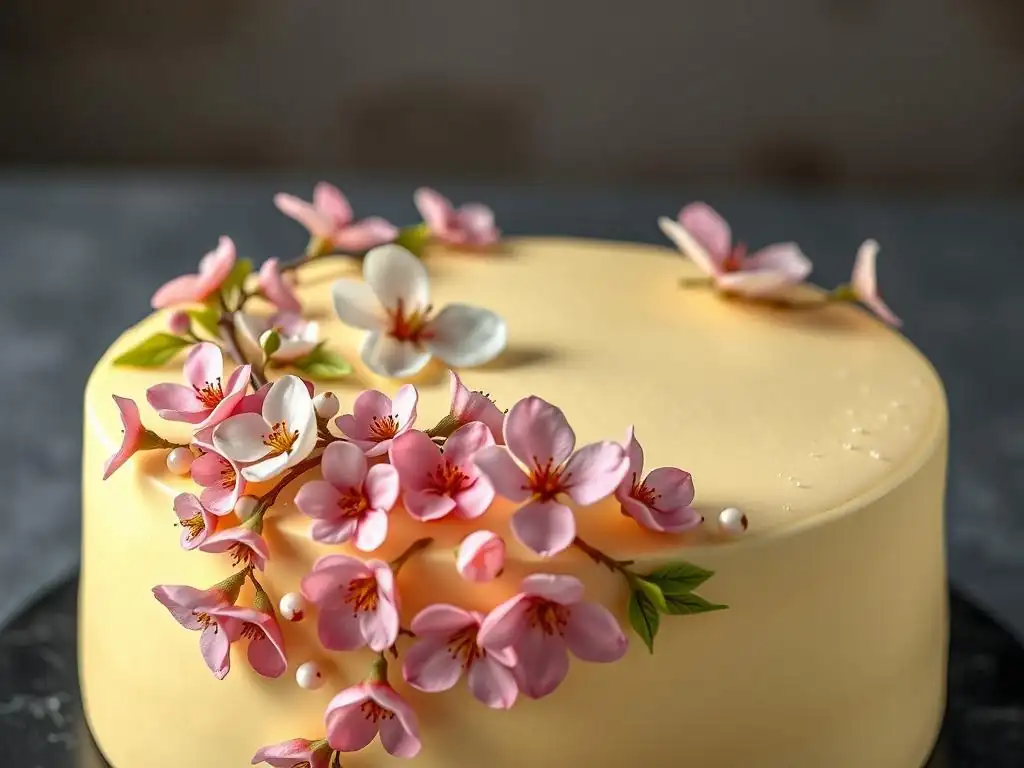
Korean buttercream is a relatively newer style that has gained popularity specifically for its unique properties that make it ideal for piping incredibly realistic and intricate floral designs. While variations exist, many popular versions are based on a transparent or translucent medium like clear corn syrup, butter, and sometimes a small amount of shortening or oil, rather than a traditional meringue or custard base. Some versions also incorporate white chocolate or a specific type of bean paste.
The key characteristic is its exceptional smoothness, pliability, and ability to hold ultra-fine details without cracking or wilting quickly. This allows decorators to create delicate petals and leaves with remarkable precision, distinguishing it from other buttercream types used for piping.
Korean Buttercream Recipe and Techniques
A common Korean buttercream recipe involves whipping softened butter (and sometimes a small amount of shortening) with a significant amount of clear corn syrup, often in a 1:1 ratio by weight or volume, until very light and fluffy. Powdered sugar is typically not used, contributing to its smooth texture. Some recipes incorporate melted white chocolate for stability and flavor.
The technique for making Korean buttercream focuses on achieving a very light and airy texture through prolonged whipping. The temperature of the ingredients is also carefully controlled. Decorators then use specialized piping tips and techniques, often learned through specific classes, to create detailed flowers petal by petal directly onto the cake surface or onto parchment paper to be transferred later.
When to Use Korean Buttercream: Flower Cakes
Korean buttercream is almost exclusively used for creating hyper-realistic floral decorations on cakes, often referred to as "flower cakes." It's not typically used for frosting the entire cake due to its unique texture and often higher cost or complexity compared to other buttercreams.
Its ability to be tinted in vibrant colors and piped into delicate shapes makes it the go-to choice for stunning edible bouquets. If your goal is to pipe lifelike roses, peonies, or chrysanthemums, exploring Korean buttercream frosting recipes is essential.
Choosing the Right Buttercream
Buttercream Comparison Chart
Here's a quick look at how the main types stack up:
- American: Sweet, dense, crusts slightly. Quickest to make. Best for simple cakes, cupcakes, basic piping.
- Swiss Meringue: Less sweet, smooth, silky, stable. Requires heating egg whites. Great for elegant cakes, detailed piping.
- Italian Meringue: Least sweet, lightest, glossiest, most stable (heat-resistant). Requires hot sugar syrup. Best for wedding cakes, hot climates, intricate designs.
- French: Rich, custardy, soft. Uses egg yolks and hot sugar syrup. Excellent filling, pairs well with rich cakes (especially chocolate).
- German: Creamy, slightly tangy, soft. Uses a pastry cream base. Pairs well with fruit desserts, good filling.
- Korean: Exceptionally smooth, pliable. Often uses syrup/white chocolate base. Primarily for intricate floral piping.
Understanding these differences helps you select the best buttercream recipe for your project.
Factors to Consider: Taste, Stability, Texture
When choosing a buttercream, think about what you need it to do and how you want it to taste.
- Taste: Do you prefer something very sweet (American) or less sweet (Meringue-based)? Do you want a rich, eggy flavor (French) or a subtle, creamy one (German)?
- Stability: Will the cake be displayed in a warm room? Do you need to stack heavy tiers or pipe complex structures? Italian meringue is the most stable, followed by Swiss and American. French and German are softer.
- Texture: Do you want a dense, firm frosting (American), a silky smooth one (Meringue-based), a rich and creamy one (French), or a light, custardy one (German)? For ultra-fine piping, Korean is unique.
Consider the flavor profile of your cake or dessert. A light sponge might pair well with a lighter buttercream, while a dense mud cake can handle the richness of French or American.
Buttercream Techniques for Different Recipes
Mastering buttercream isn't just about the recipe; it's also about the technique. For American buttercream, proper creaming of butter and gradual addition of sugar prevents lumpiness. For meringue-based types, achieving the correct temperature for the meringue and ensuring it's fully cooled before adding butter is critical for preventing a soupy mess.
For French and German buttercreams, ensuring the base (pâte à bombe or pastry cream) is completely cool is key to incorporating the butter smoothly. Techniques like whipping on high speed after adding butter can help emulsify and lighten the frosting. Learning how to troubleshoot common issues like curdling or greasiness is also part of becoming proficient with the best buttercream frosting recipes.
Buttercream Tips and Tricks
Troubleshooting Buttercream Issues
Even experienced bakers encounter buttercream problems. If your meringue-based buttercream looks curdled after adding butter, keep beating! Often, it will magically come together after several minutes as the emulsion forms. If it's still broken, it might be too warm or too cold. Try gently warming a small portion and re-whipping, or chilling briefly and re-whipping.
If American buttercream is too stiff, add a tablespoon of milk or cream at a time until it reaches the desired consistency. If it's too soft, add more powdered sugar or chill it briefly. Greasiness in French or German buttercream often means the base wasn't cool enough or the butter was added too fast; chilling and re-whipping can sometimes help.
Achieving Perfect Consistency
The ideal consistency for buttercream depends on its use. For spreading smoothly over a cake, you want it soft enough to glide but firm enough not to slide off. For piping, it needs to be firm enough to hold sharp edges and detailed shapes. Meringue-based buttercreams are naturally good for piping once properly made. American buttercream can be adjusted by adding more liquid (softer) or more sugar/chilling (firmer).
Temperature plays a huge role. Cold buttercream will be very firm; letting it come to a cool room temperature and re-whipping it can restore its smooth, spreadable consistency. If it's too warm, it will be too soft or even greasy; chilling it down is necessary. Learning to judge and adjust consistency is a key skill for any baker aiming for the best buttercream results.
Buttercream Flavoring Ideas
Buttercream is a fantastic vehicle for flavor. Beyond classic vanilla, consider these ideas:
- Extracts: Almond, peppermint, lemon, orange, maple.
- Melted Chocolate: White, milk, or dark chocolate (cool slightly before adding).
- Cocoa Powder: For chocolate buttercream (add extra liquid as it absorbs moisture).
- Fruit Purees/Reductions: Raspberry, strawberry, passion fruit (reduce liquid content).
- Coffee/Espresso: Dissolved in a small amount of liquid.
- Liqueurs: Rum, Kahlúa, Grand Marnier (use sparingly).
- Citrus Zest/Juice: For a bright, tangy flavor.
- Spices: Cinnamon, nutmeg, ginger (especially in fall-themed buttercreams).
When adding liquid flavorings like purees or liqueurs, add them gradually to control the consistency. For dry flavorings like cocoa, you might need to add a touch more liquid. Experimenting with flavorings is part of the fun in discovering the best buttercream frosting recipes.
Conclusion: Perfecting Your Buttercream
Mastering Buttercream for Every Occasion
From simple cupcakes to elaborate wedding cakes, mastering different buttercream types opens up a world of decorating and flavor possibilities. Whether you choose the straightforward ease of American, the silky elegance of Swiss, the reliable stability of Italian, the rich indulgence of French, or the creamy comfort of German, understanding their unique characteristics is the first step. And for specialized artistry, Korean buttercream offers unparalleled piping precision.
Each type has its place and purpose in the baking world. Don't be afraid to try making different buttercreams to see which ones you enjoy working with most and which best complement your favorite cake recipes. Practice makes perfect, and soon you'll be confidently whipping up the perfect frosting for any occasion.
Buttercream: Your Guide to Delicious Frosting
Buttercream is more than just a sweet topping; it's an integral part of the dessert experience, contributing flavor, texture, and visual appeal. By learning about the various types – their ingredients, methods, pros, and cons – you can make informed choices to elevate your baking.
Finding the best buttercream frosting recipes for your needs involves considering the desired taste, the required stability, the texture you're after, and the time you have available. With this guide, you're well on your way to becoming a buttercream expert, ready to tackle any frosting challenge and delight everyone with your delicious creations.
Frequently Asked Questions
What are the main types of buttercream frosting discussed on BakeWithEase.com?
BakeWithEase.com focuses on several types, including American, Swiss, Italian, and French buttercream. Each differs in its preparation method and butter-to-sugar ratio, impacting the final texture and taste.
Which buttercream type is easiest for beginners to make according to BakeWithEase?
American buttercream is generally considered the easiest. It involves simply creaming butter and powdered sugar, making it quick and straightforward for new bakers.
When should I use Swiss meringue buttercream, based on BakeWithEase's recommendations?
Swiss meringue buttercream is ideal when you want a silky smooth and less sweet frosting. It's perfect for decorating cakes and cupcakes where appearance and texture are key.
Does BakeWithEase.com offer recipes for all the buttercream types mentioned?
Yes, BakeWithEase.com provides step-by-step guides and easy-to-follow recipes for all the buttercream types discussed, ensuring success for bakers of all skill levels.
How does BakeWithEase help me choose the "best buttercream frosting recipe" for my needs?
BakeWithEase.com explains the nuances of each buttercream, guiding you to select based on factors like sweetness preference, desired texture, and the specific application (e.g., frosting a cake vs. piping decorations).
Final Reflection: The Sweet Science of Buttercream Choice
The perfect buttercream frosting isn't just about taste; it's about understanding the nuanced properties of each type and choosing wisely to elevate your baking. From the delicate fluff of Swiss meringue to the robust richness of American buttercream, the right choice can transform a simple cake into a masterpiece. This understanding is more than just a baking tip; it's a key to unlocking culinary creativity.
The exploration of different buttercream types has profoundly impacted my own baking journey, shifting my perspective from simply following recipes to understanding the underlying chemistry and texture variations. The difference between something good and something great is attention to detail.
This quote resonates deeply, as the subtle differences between buttercream types, often overlooked, can significantly impact the final product's appearance and taste. The journey of learning about these variations has been a rewarding one, pushing me to experiment and refine my techniques.
Now, it's your turn. Don't just bake a cake; craft a cake. Consider the occasion, the flavor profile of your cake, and the desired texture. Experiment with different buttercream types, understanding their strengths and weaknesses. Embrace the process of learning and refining your skills, and you'll find the joy in creating truly exceptional desserts, ones that not only taste incredible but also reflect your personal touch and understanding of the sweet science of buttercream.
Here's a Call to Action (CTA) for an article on BakeWithEase.com titled "The Difference Between Buttercream Types and When to Use Them":
Unleash Your Inner Pastry Chef: Master Buttercream Today!
Thanks for exploring the wonderful world of buttercreams with us! You've now got the knowledge to create truly amazing cakes and confections. Ready to put your new skills to the test?
- Bake your dream cake: Choose your favorite buttercream type from the article and create a masterpiece. Don't be afraid to experiment!
- Share your creations: Show us your buttercream magic on social media using #BakeWithEaseButtercream. We can't wait to see what you bake!
- Challenge yourself: Try a buttercream frosting you haven't used before – maybe that Swiss Meringue you've been eyeing?
What flavor buttercream will you conquer first? Let us know in the comments below!