
SidebySide: Comparing Vanilla Flavors from Madagascar, Tahiti, and Mexico

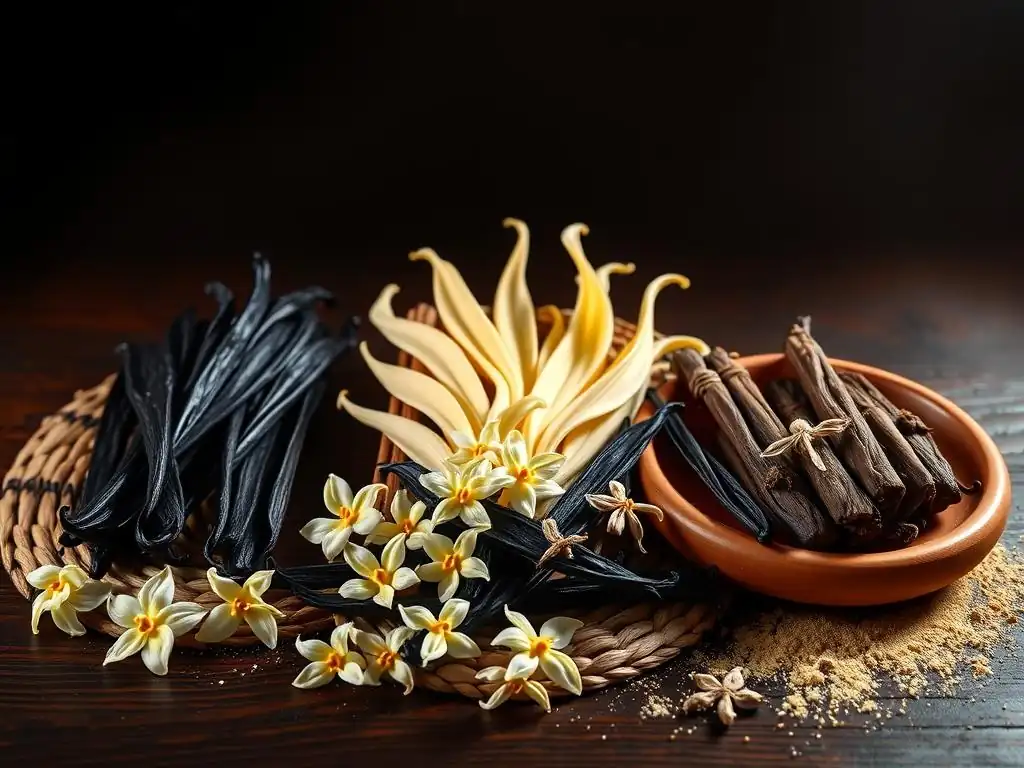
Welcome to BakeWithEase, your trusted guide to unlocking the delicious world of baking! Ever wondered how different regions influence the taste of your favorite ingredients? Dive into our latest exploration of premium baking ingredients as we embark on a fascinating journey to understand the nuances of Madagascar vanilla flavor comparison. Prepare to tantalize your taste buds and discover how origin impacts the exquisite taste of vanilla - are you ready to find your perfect vanilla?
- Unlocking the Secrets of Gourmet Vanilla: A Madagascar Vanilla Flavor Comparison
- Madagascar Vanilla vs. Tahitian vs. Mexican: A Comprehensive Flavor Profile
-
Madagascar Vanilla: The Classic Choice for Baking Excellence
- Madagascar Vanilla Flavor Profile: Sweet, Creamy, and Familiar
- Best Uses for Madagascar Vanilla Extract in BakeWithEase.com Recipes
- Nielsen-Massey Madagascar Bourbon Vanilla Extract: A Top Pick for Cakes and Cookies
- Madagascar Vanilla Beans: Perfect for Infusing Creams and Custards
- Heilala Vanilla Beans: Elevating Your Crème Brûlée
-
Tahitian Vanilla: An Exotic Twist on a Baking Staple
- Tahitian Vanilla Flavor Profile: Floral, Fruity, and Cherry-Like
- Best Uses for Tahitian Vanilla Extract in BakeWithEase.com Recipes
- Singing Dog Vanilla Tahitian Vanilla Extract: Enhancing Fruit-Based Desserts
- Tahitian Vanilla Beans: Adding Depth to Ice Cream and Mousse
- Cook's Vanilla Tahitian Vanilla Beans: A Luxurious Addition to Homemade Ice Cream
-
Mexican Vanilla: A Bold and Spicy Alternative
- Mexican Vanilla Flavor Profile: Spicy, Woody, and Slightly Smokey
- Best Uses for Mexican Vanilla Extract in BakeWithEase.com Recipes
- Blue Cattle Truck Mexican Vanilla Extract: Ideal for Chocolate Desserts and Spiced Cakes
- Mexican Vanilla Beans: Complementing Savory Dishes and Mole Sauces
- Orlando Vanilla Bean Mexican Vanilla Beans: A Unique Flavor for Savory Baking
- Side-by-Side Vanilla Extract Comparison: Which is Right for You?
- Optimizing Your BakeWithEase.com Recipes with the Right Vanilla
- Where to Buy Premium Vanilla Beans and Extracts for Baking
- Mastering Vanilla Flavor: Tips and Tricks for BakeWithEase.com Users
- Conclusion: Elevate Your Baking with the Perfect Vanilla Flavor Profile
-
Frequently Asked Questions
- What makes Madagascar vanilla beans so popular in baking?
- How does the flavor of Tahitian vanilla compare to Madagascar vanilla?
- Can I substitute Mexican vanilla extract for Madagascar vanilla extract in a recipe?
- Is there a significant price difference between vanilla beans from Madagascar, Tahiti, and Mexico?
- Which vanilla bean is best suited for making vanilla ice cream?
- Final Reflection: The Unexpected Symphony of Vanilla
- Unleash Your Inner Pastry Chef: Taste the Difference!
Unlocking the Secrets of Gourmet Vanilla: A Madagascar Vanilla Flavor Comparison
Welcome to BakeWithEase.com, your ultimate guide to elevating your baking skills, starting with the finest ingredients. Today, we're diving deep into the fragrant world of vanilla, specifically focusing on a crucial Madagascar vanilla flavor comparison alongside its Tahitian and Mexican counterparts. Understanding the unique characteristics of vanilla from different origins is key to unlocking unparalleled depth and complexity in your baked goods. Whether you're a seasoned baker or just starting, selecting the right vanilla can transform a good recipe into an extraordinary one.
Our exploration covers everything from the cultivation process, which significantly impacts flavor, to the distinct aromatic compounds found in each variety. We'll discuss how factors like climate, curing methods, and even the specific species of the vanilla orchid (Vanilla planifolia for Madagascar and Mexico, Vanilla tahitensis for Tahiti) contribute to the final taste profile. This detailed look will help you appreciate why a simple ingredient like vanilla warrants such careful consideration in your culinary endeavors.
Madagascar Vanilla vs. Tahitian vs. Mexican: A Comprehensive Flavor Profile
Understanding the Nuances of Vanilla Bean Origins
The origin of a vanilla bean is perhaps the single most important factor determining its flavor profile. While all true vanilla comes from orchids of the Vanilla genus, different species grown in varied climates and processed using distinct methods yield vastly different aromas and tastes. For instance, Madagascar vanilla, often referred to as Bourbon vanilla (though it contains no bourbon), comes primarily from Vanilla planifolia beans cultivated off the southeast coast of Africa. Its curing process, involving sun-drying and sweating, concentrates vanillin, the primary flavor compound.
In contrast, Tahitian vanilla originates from Vanilla tahitensis, believed to be a hybrid species, grown in French Polynesia. These beans are typically plumper and contain less vanillin but boast a higher concentration of other aromatic compounds like heliotropin, contributing to their unique floral notes. Mexican vanilla, also from Vanilla planifolia, has a history intertwined with the vanilla orchid's origins in Mesoamerica. Its traditional curing often involves sun exposure and drying, resulting in a bolder, spicier profile compared to its Bourbon-cured cousin from Madagascar. A thorough Madagascar vanilla flavor comparison reveals these fundamental differences driven by geography and technique.
The Importance of Origin in Vanilla Flavor Development
The journey from a vanilla orchid flower to a fragrant bean is complex and labor-intensive, with each step influencing the final flavor. Pollination, often done by hand, is followed by months of maturation on the vine. The subsequent curing process is where the magic truly happens, converting flavorless glucovanillin into vanillin and other volatile compounds. The specific techniques used in Madagascar, Tahiti, and Mexico—ranging from hot water dips and sun exposure to careful drying and conditioning—are tailored to the local climate and the bean's inherent characteristics.
For example, the high humidity and temperature swings in regions like Madagascar necessitate a specific curing method to prevent mold while developing maximum vanillin content. Tahitian beans, being naturally more fragile and aromatic, require a gentler process that preserves their delicate floral and fruity notes. Mexican beans often undergo a longer, slower drying process that enhances their woody and spicy undertones. Understanding these processes is crucial for appreciating the nuances uncovered in any Madagascar vanilla flavor comparison and for choosing the right vanilla for your baking projects.
Madagascar Vanilla: The Classic Choice for Baking Excellence
Madagascar Vanilla Flavor Profile: Sweet, Creamy, and Familiar
Madagascar vanilla, often considered the gold standard by bakers, is celebrated for its classic, universally appealing flavor profile. It is predominantly sweet and creamy, with rich, warm undertones that are instantly recognizable. The high concentration of vanillin gives it that quintessential vanilla aroma and taste that forms the base of countless desserts. Think of the comforting flavor of a classic vanilla ice cream or a perfectly baked sugar cookie – that's often the taste of Madagascar vanilla shining through.
This profile makes it incredibly versatile, pairing beautifully with a wide range of other flavors without overpowering them. It provides a smooth, mellow vanilla foundation that enhances, rather than competes with, other ingredients like chocolate, fruit, or nuts. Its familiarity and consistent quality make it a reliable choice for bakers worldwide, solidifying its position as a pantry staple.
Best Uses for Madagascar Vanilla Extract in BakeWithEase.com Recipes
Madagascar vanilla extract is a workhorse in the BakeWithEase.com kitchen, ideal for recipes where you want that pure, classic vanilla note to be prominent. It excels in:
- Cakes and Cupcakes: Provides a clean, sweet base flavor.
- Cookies: Enhances the buttery richness of sugar, shortbread, and chocolate chip cookies.
- Puddings and Custards: Creates a smooth, creamy vanilla flavor.
- Whipped Cream and Frostings: Adds a touch of sweetness and aromatic depth.
Using a high-quality Madagascar vanilla extract ensures your baked goods have that authentic, comforting vanilla taste that everyone loves. A good Madagascar vanilla flavor comparison often starts with this familiar profile.
When it comes to premium Madagascar vanilla extract, Nielsen-Massey's Madagascar Bourbon Vanilla Extract is frequently cited as a top-tier option. Known for its consistent quality and rich flavor derived from select beans, it imparts a deeply sweet and creamy vanilla note that elevates simple baked goods.
For instance, using Nielsen-Massey in a standard yellow cake recipe from BakeWithEase.com results in a noticeably brighter, more complex vanilla flavor compared to extracts of lesser quality. In chocolate chip cookies, it doesn't just add vanilla; it rounds out the flavors, enhancing the caramel notes of the brown sugar and the richness of the chocolate. Many professional bakers rely on this extract for its reliable performance and superior taste, making it a worthy investment for home bakers aiming for excellence.
Madagascar Vanilla Beans: Perfect for Infusing Creams and Custards
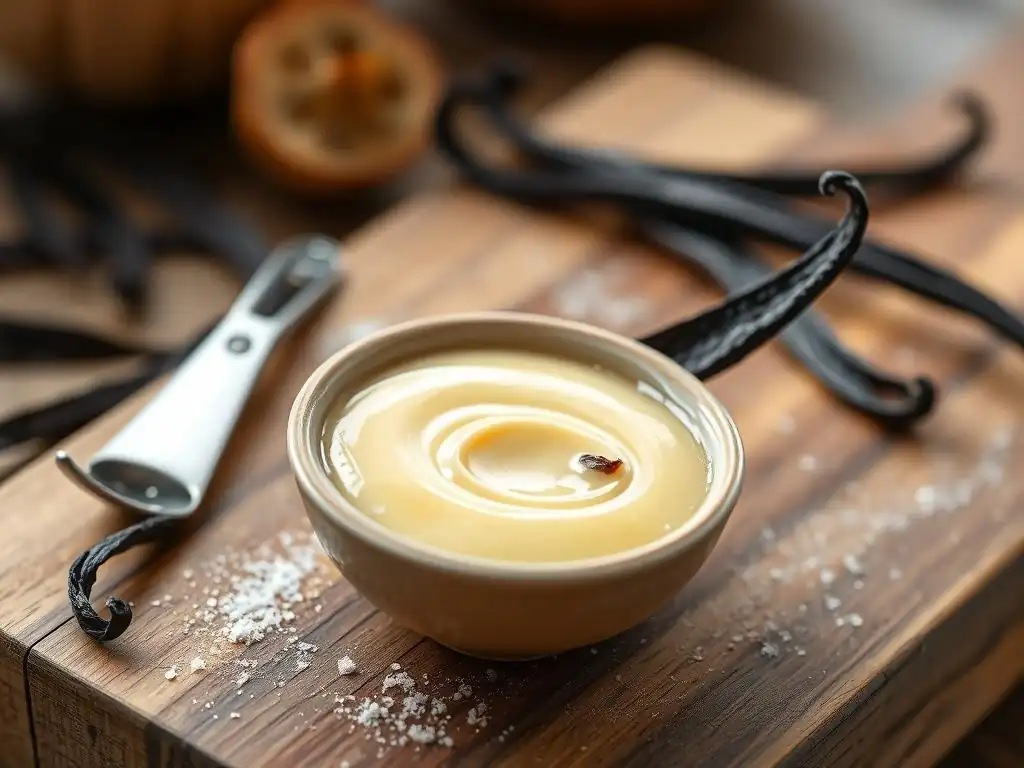
Using whole Madagascar vanilla beans allows you to extract the maximum amount of flavor, including the tiny black specks known as vanilla caviar, which add visual appeal and intense aroma. These beans are particularly well-suited for applications where the vanilla flavor is infused slowly and deeply into a liquid base.
Creams, custards, panna cotta, and ice cream bases benefit immensely from the long, gentle heating process with a split vanilla bean. The heat helps to release the complex array of flavor compounds from the bean and its seeds. After infusing, the spent bean pod can often be rinsed, dried, and stored in sugar to create vanilla sugar, extending its utility and ensuring no flavor is wasted. This method provides a purer, more nuanced vanilla taste than extract alone.
Heilala Vanilla Beans: Elevating Your Crème Brûlée
Heilala Vanilla is a brand known for its high-quality vanilla products, and their Madagascar vanilla beans are no exception. These plump, oily beans are perfect for showcasing the rich, sweet flavor of Madagascar vanilla in classic desserts like crème brûlée.
To use them, you would typically split a bean lengthwise, scrape out the seeds (the caviar), and add both the seeds and the pod to the cream and milk base as it heats. The gentle simmering allows the vanilla flavor to fully infuse. When you bite into the caramelized sugar crust of a crème brûlée made with Heilala beans, you're met with a luxurious, deeply satisfying vanilla flavor that is clean, sweet, and utterly classic – a testament to the quality of the bean and the effectiveness of the infusion method.
Tahitian Vanilla: An Exotic Twist on a Baking Staple
Tahitian Vanilla Flavor Profile: Floral, Fruity, and Cherry-Like
Tahitian vanilla offers a departure from the classic profile of Madagascar beans. Its flavor is often described as more floral and fruity, with distinct notes of cherry, anise, and sometimes even a hint of wine or dried fruit. It contains lower levels of vanillin but higher concentrations of other aromatic compounds, resulting in a profile that is less about creamy sweetness and more about complex, exotic aromatics.
The beans themselves are typically plumper, darker, and more oily than Madagascar beans, reflecting their unique composition. This distinctive profile makes Tahitian vanilla a fascinating ingredient for adding a layer of intrigue to desserts, offering something different from the standard vanilla taste. A Madagascar vanilla flavor comparison highlights just how different these two popular types can be.
Best Uses for Tahitian Vanilla Extract in BakeWithEase.com Recipes
Tahitian vanilla extract is wonderful for adding a unique, aromatic twist to recipes, particularly those involving fruits or delicate flavors. It shines in:
- Fruit Tarts and Pies: Complements berries, stone fruits, and tropical fruits.
- Panna Cotta and Mousse: Adds a sophisticated, aromatic note.
- Pastry Cream and Custards: Provides a floral complexity.
- White Chocolate Desserts: Pairs beautifully with the creamy sweetness.
Its floral and fruity notes can elevate simple fruit dishes or add an unexpected layer of flavor to classic desserts.
Singing Dog Vanilla Tahitian Vanilla Extract: Enhancing Fruit-Based Desserts
Singing Dog Vanilla is known for its commitment to organic and fair trade practices, and their Tahitian vanilla extract captures the essence of this unique bean. Its pronounced floral and cherry notes make it an excellent choice for enhancing the natural sweetness and acidity of fruits in baked goods.
Consider a simple apple crumble or a peach tart from BakeWithEase.com. Adding a teaspoon of Singing Dog Tahitian vanilla extract to the filling doesn't just add vanilla; it brightens the fruit flavors and introduces a subtle, aromatic complexity that wouldn't be present with a more traditional vanilla. The extract's distinct character prevents the fruit from tasting flat and adds a layer of gourmet sophistication.
Tahitian Vanilla Beans: Adding Depth to Ice Cream and Mousse
Using whole Tahitian vanilla beans in cold or chilled desserts like ice cream and mousse allows their delicate, aromatic compounds to shine without being overwhelmed by high heat. The subtle floral and fruity notes are beautifully preserved in these applications.
Infusing the cream base for homemade ice cream with a split Tahitian bean adds a sophisticated flavor that is immediately noticeable. The cherry and floral undertones complement rich dairy and can pair surprisingly well with subtle flavors like green tea or white chocolate. Similarly, adding the seeds and pod to a mousse base before chilling imparts a refined aroma that elevates the dessert beyond a simple vanilla flavor.
Cook's Vanilla Tahitian Vanilla Beans: A Luxurious Addition to Homemade Ice Cream
Cook's Vanilla offers high-quality Tahitian vanilla beans that are plump and intensely fragrant. These beans are a luxurious ingredient, perfect for showcasing the unique Tahitian profile in homemade ice cream.
Imagine making a classic vanilla bean ice cream base. Using Cook's Tahitian beans, you would infuse the warm milk and cream with the split bean and scraped seeds. As the mixture cools and churns, the distinct floral, cherry, and slightly anise-like notes of the Tahitian vanilla develop beautifully. The resulting ice cream is not just sweet and creamy; it's complex, aromatic, and offers a genuinely exotic vanilla experience that differs significantly from one made with Madagascar beans – a key point in any comprehensive Madagascar vanilla flavor comparison.
Mexican Vanilla: A Bold and Spicy Alternative
Mexican Vanilla Flavor Profile: Spicy, Woody, and Slightly Smokey
Mexican vanilla, hailing from the birthplace of the vanilla orchid, offers a flavor profile that is often described as bold, spicy, and woody, sometimes with a subtle smokiness. While also derived from Vanilla planifolia, the traditional curing methods in Mexico tend to emphasize different compounds than the Bourbon method used in Madagascar.
It generally has a good vanillin content but is balanced by other flavor notes that give it a slightly darker, more robust character. This profile makes it less overtly sweet than Madagascar vanilla and more assertive, capable of standing up to stronger flavors like chocolate and spice.
Best Uses for Mexican Vanilla Extract in BakeWithEase.com Recipes
Mexican vanilla extract is excellent for recipes where you want a vanilla flavor that is more pronounced and can complement or cut through rich, intense ingredients. It works wonderfully in:
- Chocolate Cakes and Brownies: Its bold notes pair exceptionally well with cocoa.
- Spiced Breads and Muffins: Complements cinnamon, nutmeg, and cloves.
- Coffee-Flavored Desserts: Adds depth to tiramisu or coffee cakes.
- Molasses Cookies: Enhances the deep, rich flavor of molasses.
Its unique spicy and woody character makes it a fantastic secret ingredient in recipes where other vanillas might get lost.
Blue Cattle Truck Mexican Vanilla Extract: Ideal for Chocolate Desserts and Spiced Cakes
Blue Cattle Truck is a well-regarded producer of Mexican vanilla extract, known for its authentic flavor derived from Veracruz beans. This extract possesses the characteristic spicy, woody notes that make Mexican vanilla unique.
Using Blue Cattle Truck extract in a rich chocolate cake recipe from BakeWithEase.com adds a layer of complexity that complements the cocoa beautifully. Instead of just adding sweetness, it introduces subtle spice and depth that makes the chocolate flavor pop. Similarly, in a spiced apple cake or gingerbread, the Mexican vanilla extract enhances the warmth of the spices, creating a richer, more integrated flavor profile. It's a fantastic choice when you want vanilla to be a significant player alongside other strong flavors.
Mexican Vanilla Beans: Complementing Savory Dishes and Mole Sauces
While often associated with sweet baking, Mexican vanilla beans' bold, spicy, and sometimes smoky profile makes them surprisingly versatile in savory applications. They can add a subtle sweetness and complexity that balances rich or spicy savory dishes.
Traditional Mexican cuisine, where vanilla originated, sometimes incorporates vanilla into savory sauces, most notably mole. Adding a split Mexican vanilla bean pod to a simmering mole sauce can introduce a fascinating depth, complementing the chili and chocolate notes without making the sauce sweet. They can also be used to infuse oils or vinegars for dressings or marinades, offering a unique aromatic base.
Orlando Vanilla Bean Mexican Vanilla Beans: A Unique Flavor for Savory Baking
Orlando Vanilla Bean is a supplier known for providing quality vanilla, including Mexican beans that exhibit the robust characteristics typical of their origin. These beans are particularly interesting for bakers looking to experiment beyond sweet applications.
Consider using Orlando Mexican vanilla beans to infuse butter or oil that will be used in a savory pastry dough, like for empanadas with a rich, spiced filling. The subtle woody and spicy notes of the vanilla can add an unexpected layer of flavor that enhances the savory components. While less common, experimenting with Mexican vanilla beans in savory contexts can lead to truly unique and memorable culinary creations, showcasing the bean's versatility beyond typical sweet recipes.
Side-by-Side Vanilla Extract Comparison: Which is Right for You?
Madagascar Vanilla Flavor Comparison: A Detailed Taste Test
Performing a side-by-side Madagascar vanilla flavor comparison with Tahitian and Mexican extracts is the best way to understand their differences. For Madagascar vanilla extract, expect a clean, sweet, and creamy flavor that is instantly recognizable as classic vanilla. It's the most straightforward and universally appealing, providing a comforting baseline.
- Taste Notes: Sweet, creamy, smooth, classic vanilla.
- Aroma: Warm, familiar, rich.
- Intensity: Moderate, well-balanced.
- Best For: Recipes where you want a pure, traditional vanilla flavor, especially with dairy or sugar bases.
Tahitian Vanilla Flavor Comparison: Exploring its Unique Notes
Comparing Tahitian vanilla extract side-by-side reveals its distinct aromatic complexity. It's less about pure sweetness and more about fragrance and subtle fruitiness.
- Taste Notes: Floral, fruity (cherry, sometimes prune), slightly anise-like.
- Aroma: Highly aromatic, exotic, perfume-like.
- Intensity: Can be perceived as less intense in pure vanilla flavor but more complex aromatically.
- Best For: Enhancing fruit flavors, delicate desserts, cold applications like mousse or panna cotta.
Mexican Vanilla Flavor Comparison: Understanding its Bold Character
The Mexican vanilla extract offers a bolder, spicier contrast in a flavor comparison. Its profile is more robust and less purely sweet than Madagascar vanilla.
- Taste Notes: Spicy, woody, slightly smokey, notes of clove or nutmeg.
- Aroma: Rich, deep, sometimes slightly earthy.
- Intensity: Assertive, stands up well to strong flavors.
- Best For: Pairing with chocolate, coffee, spices, and potentially savory dishes.
Choosing the "right" vanilla depends entirely on the desired outcome for your specific recipe. A Madagascar vanilla flavor comparison helps clarify which profile best fits the other ingredients and the overall flavor goal.
Optimizing Your BakeWithEase.com Recipes with the Right Vanilla
Choosing the Best Vanilla Bean Type for Specific Baked Goods
Selecting the appropriate vanilla bean type is crucial for achieving the desired flavor in your baked goods. For classic, comforting desserts like pound cake, shortbread, or vanilla ice cream, Madagascar beans are often the top choice due to their sweet, creamy profile. Their high vanillin content provides that familiar, beloved vanilla taste.
If you're making a fruit tart, a delicate white chocolate mousse, or a dessert featuring tropical flavors, Tahitian beans can add an exciting layer of floral and fruity complexity. Their unique aromatics can elevate simple fruit dishes. For robust desserts like chocolate lava cakes, spiced gingerbread, or even savory dishes, Mexican vanilla beans offer a bold, spicy counterpoint that can enhance other strong flavors without being overwhelmed.
Leveraging Vanilla Extract Concentration for Flavor Intensity
Vanilla extract comes in various concentrations, typically labeled as "single-fold" or "double-fold." Single-fold is the standard, made by extracting the flavor from 13.35 ounces of vanilla beans per gallon of alcohol solution. Double-fold extract uses twice the amount of beans (26.7 ounces per gallon) and is significantly more concentrated.
Using double-fold extract allows you to achieve a more intense vanilla flavor with less liquid, which can be beneficial in recipes sensitive to added moisture, such as meringues or delicate batters. While more expensive, a little goes a long way. For most standard baking, single-fold extract is perfectly adequate, but understanding concentration helps you control the intensity of the vanilla flavor in your BakeWithEase.com recipes.
Vanilla Bean Paste: A Convenient Alternative for Intense Vanilla Flavor
Vanilla bean paste is a fantastic intermediate option between extract and whole beans. It's typically made from vanilla extract thickened with a binder, containing the suspended vanilla bean seeds (caviar). This provides the visual appeal and intense flavor of using whole beans, combined with the convenience of an extract.
Paste is excellent for recipes where you want to see those characteristic vanilla speckles and achieve a strong vanilla flavor without the step of scraping beans. It's particularly popular for frostings, ice cream, panna cotta, and batters where the seeds are desirable. It offers a deeper, more complex flavor than extract alone, incorporating the nuances from the whole bean.
Nielsen-Massey Vanilla Bean Paste: A Versatile Option for All Your Baking Needs
Nielsen-Massey's Vanilla Bean Paste is a highly regarded product that combines the rich flavor of their Madagascar Bourbon vanilla extract with the visual appeal and intense flavor of vanilla bean seeds. It's a versatile ingredient that can often be substituted one-to-one for vanilla extract in recipes, adding both flavor and those desirable black flecks.
Using this paste in a classic buttercream frosting makes the vanilla flavor more pronounced and adds beautiful visual texture from the seeds. In homemade ice cream, it provides the deep, pure vanilla taste associated with using whole beans, without the need to steep and remove a pod. It simplifies the process while delivering premium results, making it a go-to for many bakers seeking convenience without compromising on flavor quality in their BakeWithEase.com creations.
Recommended Retailers for Madagascar, Tahitian, and Mexican Vanilla
Finding high-quality vanilla is essential for serious baking. While quality can vary, several reputable retailers specialize in premium vanilla beans and extracts from around the world. Look for suppliers who provide information about the origin, grade, and harvest date of their beans.
Specialty spice shops, gourmet food stores, and dedicated online vanilla vendors are good places to start. Brands like Nielsen-Massey, Heilala, Cook's Vanilla, Singing Dog Vanilla, and Blue Cattle Truck are widely available and known for their quality products across different vanilla origins. Checking reviews and seeking suppliers with transparent sourcing practices can help ensure you are purchasing authentic, flavorful vanilla.
[Affiliate Link to Nielsen-Massey]
Tips for Identifying High-Quality Vanilla Products Online
Purchasing vanilla online offers convenience, but it's important to know how to identify quality. For beans, look for descriptions that mention the origin (Madagascar, Tahiti, Mexico, etc. ), grade (Grade A or Gourmet grade are best for baking), and moisture content (plump, oily beans are preferred over dry, brittle ones). A good aroma described by other buyers is also a positive sign.
For extracts, look for "pure vanilla extract" made with beans and alcohol, avoiding imitation extracts. The ingredient list should be simple. Darker color often indicates concentration, but it's the flavor extraction process that truly matters. Read product descriptions carefully, check customer reviews for feedback on flavor and aroma, and consider purchasing from retailers known for sourcing quality vanilla. A thorough Madagascar vanilla flavor comparison requires starting with high-quality ingredients.
Mastering Vanilla Flavor: Tips and Tricks for BakeWithEase.com Users
Enhancing Vanilla Flavor Through Infusion and Extraction
- [ ] Infusion: For maximum flavor from vanilla beans, split them lengthwise and scrape out the seeds. Add both the pod and seeds to a liquid (milk, cream, sugar syrup) and heat gently, allowing them to steep for at least 30 minutes, or ideally longer. Remove the pod before using the liquid.
- [ ] Double Extraction: If a recipe calls for both vanilla extract and vanilla beans, add the beans early in the cooking process (e.g., infusing the liquid) and the extract later, perhaps off the heat or just before baking. This layers the flavors, utilizing both the complex compounds from the bean and the concentrated vanillin from the extract.
- [ ] Alcohol Base: Vanilla extract is made with alcohol because it helps extract and preserve many of the aromatic compounds. Ensure your recipe has enough fat or liquid to carry the flavor throughout the dish.
Avoiding Common Mistakes When Using Vanilla in Baking
- [ ] Using Imitation Vanilla: Imitation vanilla is made from synthetic vanillin (often derived from wood pulp) and lacks the hundreds of flavor compounds found in pure vanilla. It results in a flat, less complex flavor. Always opt for pure vanilla extract or beans for the best results.
- [ ] Adding Extract Too Early: In some recipes, especially those requiring long cooking times or high heat, adding vanilla extract too early can cause some of the delicate alcohol-based flavor compounds to evaporate. For maximum impact, add extract towards the end of cooking or just before baking.
- [ ] Not Using Enough: Undercounting the power of quality vanilla is easy. If the vanilla flavor isn't coming through, you might not be using enough, or the quality of your vanilla product might be low. Don't be afraid to use the amount specified in a recipe, especially if using a good quality pure extract or bean.
Storing Vanilla Beans and Extracts to Preserve Flavor
Proper storage is key to maintaining the potency and flavor of your vanilla products.
- Vanilla Beans: Store beans in an airtight container (like a glass tube or sealed bag) in a cool, dark place, away from direct sunlight or heat. Do not refrigerate, as this can dry them out. Properly stored beans can last for many months, sometimes over a year. If they seem dry, you can try rehydrating them slightly by briefly warming them in milk or simple syrup.
- Vanilla Extract: Store pure vanilla extract in a cool, dark cupboard, away from heat and light. Ensure the cap is tightly sealed to prevent evaporation of the alcohol and flavor compounds. Pure vanilla extract has an indefinite shelf life and can even improve with age, though its peak flavor is typically within a few years.
Conclusion: Elevate Your Baking with the Perfect Vanilla Flavor Profile
Frequently Asked Questions
What makes Madagascar vanilla beans so popular in baking?
Madagascar vanilla beans are highly sought after due to their rich, creamy, and classic vanilla flavor. This profile makes them incredibly versatile for a wide range of baking applications.
How does the flavor of Tahitian vanilla compare to Madagascar vanilla?
Tahitian vanilla is known for its floral and fruity notes, often described as having hints of cherry or licorice. This differs significantly from the pure vanilla flavor associated with Madagascar.
Can I substitute Mexican vanilla extract for Madagascar vanilla extract in a recipe?
Yes, you can, but be aware of the subtle flavor differences. Mexican vanilla often has a spicier and smokier profile compared to the sweeter and creamier taste of Madagascar vanilla.
Is there a significant price difference between vanilla beans from Madagascar, Tahiti, and Mexico?
Generally, Madagascar and Tahitian vanilla beans tend to be more expensive than Mexican vanilla beans. This is often due to rarity, cultivation methods, and demand.
Which vanilla bean is best suited for making vanilla ice cream?
While personal preference plays a role, Madagascar vanilla beans are generally considered the gold standard for vanilla ice cream. Their classic vanilla flavor shines through beautifully in this simple dessert.
Final Reflection: The Unexpected Symphony of Vanilla
The subtle nuances of vanilla, often overlooked, reveal a complex world of flavor profiles directly impacting the culinary and perfumery industries. Understanding these differences, as explored through the comparison of Madagascan, Tahitian, and Mexican vanilla, is not merely an academic exercise; it's a key to unlocking a deeper appreciation for this ubiquitous ingredient. The quest for the "best" vanilla is ultimately a subjective one, but the journey of discovery is undeniably rewarding.
This exploration into the heart of vanilla production has profoundly impacted my own understanding of flavor and origin. The sheer diversity within a single spice is astonishing. It highlights the importance of appreciating the terroir, the climate, and the meticulous processes involved in cultivating these beans. The true flavor of a thing is the sum of its history,
a quote often attributed to various sources, perfectly encapsulates the essence of this journey. Each bean carries within it the story of its land, its people, and its unique journey from vine to extract.
Now, consider your own relationship with vanilla. Do you simply reach for the familiar, or do you dare to explore the spectrum of flavors waiting to be discovered? I encourage you to seek out different varieties of vanilla, to taste the subtle differences, and to allow yourself to be transported to the lush landscapes where these precious beans are cultivated. Let the symphony of vanilla flavors enrich your culinary experiences and inspire a deeper appreciation for the artistry and dedication behind this seemingly simple spice.
Unleash Your Inner Pastry Chef: Taste the Difference!
Thanks for joining us on this delicious journey through the world of vanilla! We hope you've gained a new appreciation for the subtle nuances that distinguish vanilla beans from different origins. Ready to elevate your baking game?
- Dive deeper: Explore our extensive vanilla bean recipe collection on the BakeWithEase website – find the perfect recipe to showcase your newly acquired vanilla expertise!
- Share your passion: Tell us about your favorite vanilla bean and its unique qualities in the comments below. Let's start a conversation!
- Challenge yourself: Try a blind taste test with different vanilla extracts – can you identify the origin of each? Share your results!
So, which vanilla origin will you be experimenting with first?