
Beyond the Block: What Our Taste Test Revealed About Premium Baking Butters

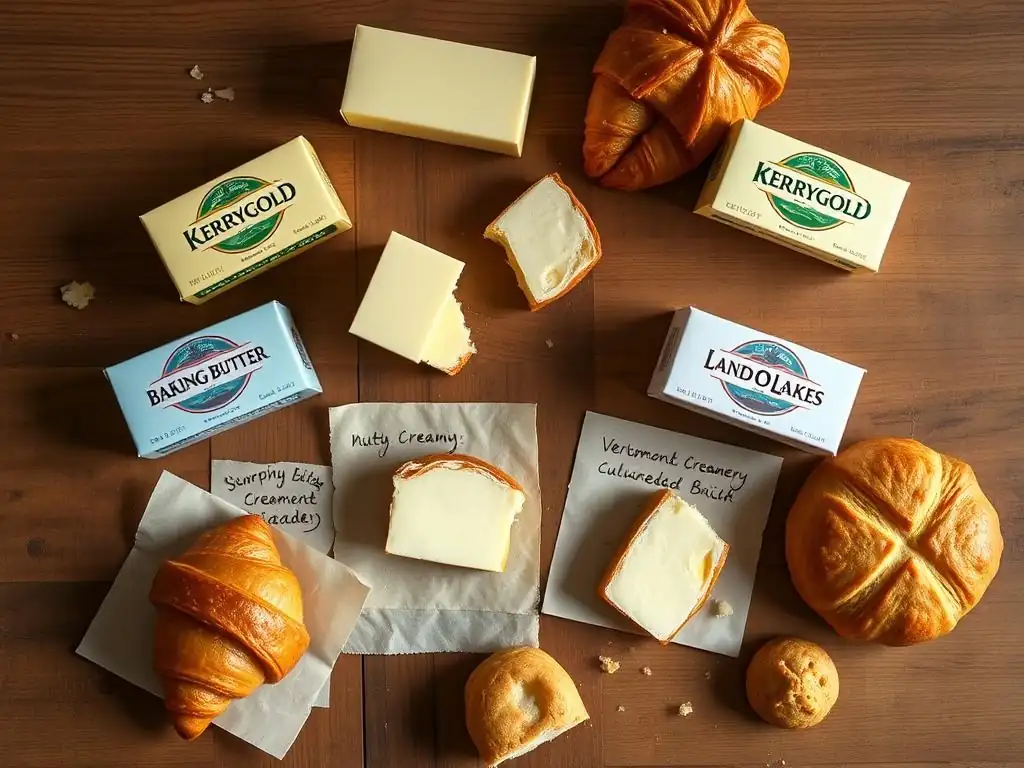
Welcome to BakeWithEase, your haven for simplifying the joys of baking! Ever wondered if that premium baking butter is truly worth the extra expense? We did too! Dive into our latest taste test, "Beyond the Block," and discover the surprising results that will transform your next batch of cookies (and maybe your grocery list!). Are the higher prices justified by superior flavor and performance? Let's find out together...
- Introduction: Elevating Your Baking with Premium Butter
- Premium Baking Butter Taste Test Results: Unveiling the Top Contenders
- Comparing Premium Baking Butters: A Head-to-Head Showdown
- The Impact of Premium Butter on Different Baked Goods
- Maximizing Flavor: Tips for Using Premium Baking Butter
- The Verdict: Our Top Recommendations for Premium Baking Butter
- Where to Buy Premium Baking Butter: Affiliate Links and Retailers
- Conclusion: Elevate Your
-
Frequently Asked Questions
- What exactly does a premium baking butter taste test involve?
- Why is using premium baking butter important?
- What specific qualities were evaluated in the premium baking butter taste test?
- Are premium baking butters significantly more expensive than regular butters?
- Where can I find the results of the "BakeWithEase" premium baking butter taste test?
- Final Reflection: The Sweet Truth About Premium Baking
- Unleash Your Inner Pastry Chef: Elevate Your Baking!
Choosing the right ingredients is fundamental to achieving outstanding results in baking, and butter is often the unsung hero that provides richness, flavor, and structure. While standard supermarket butter works for many recipes, opting for premium baking butter can truly elevate your creations from good to exceptional. These butters typically boast a higher fat content, often 82% or more compared to the standard 80%, and sometimes undergo a culturing process that develops more complex flavors. This seemingly small difference in composition has a significant impact on the texture, flavor, and overall quality of baked goods.
Beyond the fat content, the source and processing of premium butter also play a crucial role. Butters made from grass-fed cows, for example, often have a richer yellow hue due to beta-carotene and can possess a distinct, sometimes nuttier or more complex flavor profile.
Cultured butters, made with added bacterial cultures before churning, offer a tangy, slightly cheesy note that can add depth to pastries and cakes. Our premium baking butter taste test aimed to explore how these differences manifest in real-world baking scenarios and determine if the investment in premium baking butter truly pays off in the final product.
To conduct our premium baking butter taste test, we selected three popular and well-regarded premium butters available to home bakers: Kerrygold, Plugrá, and Vermont Creamery Cultured Butter. We decided to focus on unsalted versions to better evaluate the pure butter flavor without added salt interfering. Our methodology involved using each butter interchangeably in a standard sugar cookie recipe and a classic vanilla cake recipe – two staples where butter plays a starring role in both flavor and structure.
For each recipe and each butter, we meticulously followed the same steps, ensuring consistent mixing times, oven temperatures, and cooling processes. A panel of experienced home bakers then conducted a blind taste test, evaluating each sample based on specific criteria: aroma (raw and baked), flavor profile, texture (crumb in cake, chew/crispness in cookie), and overall impression. Notes were taken on subtle differences in richness, sweetness perception, and any unique characteristics imparted by the butter. This systematic approach allowed us to make a direct comparison and reveal which premium baking butter truly stood out in different applications.
Kerrygold: The Cult Classic - A Detailed Analysis
Kerrygold, an Irish butter made from the milk of grass-fed cows, has gained immense popularity among home bakers and professional chefs alike. It's known for its distinctive golden color and rich flavor. In our premium baking butter taste test, Kerrygold consistently delivered a pleasant, slightly nutty, and undeniably buttery aroma both in its raw state and after baking. The flavor is notably richer than standard butter, with hints of grassiness that speak to its origin.
When used in our test recipes, Kerrygold performed admirably. In the sugar cookies, it contributed to a lovely golden-brown edge and a chewy center, with the butter flavor coming through clearly without being overpowering. In the vanilla cake, it helped produce a tender crumb and added a subtle depth to the overall flavor. While its fat content is higher than standard butter (around 82%), it still creams beautifully and integrates well into batters and doughs, proving why it's a go-to for many seeking a step up from conventional options.
Flavor Profile: Describing Kerrygold's Distinctive Taste
Kerrygold's flavor is often described as rich, creamy, and slightly sweet with subtle earthy or grassy undertones. This distinct taste comes from the diet of the cows, which graze on lush Irish pastures. In our taste test, this translated into a more pronounced butter flavor in the finished baked goods compared to standard butters.
The depth of flavor in Kerrygold makes it particularly effective in recipes where butter is a prominent ingredient, such as shortbread, butter cookies, or simple pound cakes. It adds a layer of complexity that standard butter simply cannot match, enhancing the overall sensory experience of the baked item.
Baking Performance: How Kerrygold Holds Up in Cakes and Cookies
In our test bakes, Kerrygold demonstrated excellent performance. For cookies, its higher fat content contributed to spread and chewiness, while the flavor infused throughout the dough resulted in a truly buttery bite. The cookies baked up evenly with a desirable texture.
In cakes, Kerrygold creamed well with sugar, contributing to aeration and a tender crumb structure. The moisture it provided helped create a moist and flavorful cake. Its melting point is slightly higher than some standard butters, which can impact spread in certain recipes, but overall, it proved to be a reliable and high-performing premium baking butter.
Price Point & Availability: Is Kerrygold Worth the Investment?
Kerrygold is widely available in most major supermarkets across the United States and other countries. It is typically priced higher than conventional butter, often falling in a price range of approximately $5 to $7 per 8-ounce block, depending on location and retailer.
Considering its superior flavor profile and reliable baking performance, many bakers find the slightly higher cost of Kerrygold to be a worthwhile investment, especially for special occasion bakes or recipes where butter is a star ingredient. Its popularity makes it an accessible entry point into the world of premium baking butter.
Plugrá: The European Delight - A Deep Dive
Plugrá, often marketed as America's European-style butter, boasts a higher fat content (typically 82%) and a lower moisture content than standard butter. This composition is characteristic of many traditional European butters, which are prized for creating flaky pastries and rich baked goods. In our premium baking butter taste test, Plugrá presented a very clean, pure buttery aroma and flavor profile, less grassy than Kerrygold but intensely creamy and rich.
The texture of Plugrá is noticeably firmer and silkier than standard butter. This density is a direct result of its higher fat and lower water content. When incorporated into our test recipes, it behaved differently than standard butter, particularly in doughs where its plasticity was evident. Its performance in creating tender crumbs and promoting flakiness was a key area of focus in our evaluation.
Flavor Profile: Exploring the Richness of Plugrá
Plugrá's flavor is characterized by its pure, intense creaminess and richness. It lacks the tangy notes of cultured butter or the grassy undertones of some grass-fed varieties like Kerrygold. Instead, it offers a clean, concentrated butter taste that provides a luxurious mouthfeel.
This straightforward yet profound butter flavor makes Plugrá an excellent choice for recipes where you want the pure taste of butter to shine without other complex notes. It provides a foundational richness that enhances other flavors in the baked good without competing with them.
Baking Performance: Evaluating Plugrá's Impact on Texture and Structure
Plugrá's higher fat content is its superpower, particularly in recipes requiring lamination or where fat contributes significantly to texture. In our sugar cookies, Plugrá resulted in a slightly less spread-out cookie with a wonderfully rich chew and a clean, buttery finish.
Its lower moisture content is a significant advantage in pastries like croissants, puff pastry, and pie crusts, where steam created by melting water helps form flaky layers. While we didn't test lamination specifically in this premium baking butter taste test, Plugrá's composition makes it theoretically superior for such applications. In the vanilla cake, it produced a very tender crumb and a moist texture, creaming smoothly and integrating seamlessly.
Price Point & Availability: Accessibility of This Premium Option
Plugrá is generally available in the dairy section of well-stocked supermarkets across the US, often alongside other specialty butters. Its price point is comparable to or slightly higher than Kerrygold, typically ranging from $6 to $8 per 8-ounce block.
While not as universally available as standard butter, Plugrá is accessible in most urban and suburban areas. Its specific composition makes it a valuable tool for bakers serious about mastering certain techniques, justifying its premium price for those seeking professional-level results, especially in pastry work.
Vermont Creamery's Cultured Butter stands out in the premium baking butter landscape due to its unique tangy flavor profile achieved through the culturing process. Made in Vermont, this butter uses cream from local dairies and is churned after cultures are added, similar to how yogurt or cheese is made. This results in a butter with a distinct taste and sometimes a slightly different texture. In our premium baking butter taste test, this butter had a pleasant, slightly sour cream-like aroma and a complex flavor that was both rich and tangy.
The texture of Vermont Creamery Cultured Butter can be slightly softer than Plugrá or even Kerrygold, depending on temperature, due to differences in processing. Its performance in baking is influenced by this unique flavor and texture, offering a different dimension compared to non-cultured premium butters. It's a fantastic option for those looking to add a subtle 'je ne sais quoi' to their baked goods.
Flavor Profile: Unpacking the Nuances of Vermont Creamery Cultured Butter's Taste
The defining characteristic of Vermont Creamery Cultured Butter is its tangy, slightly acidic flavor, reminiscent of crème fraîche or sour cream. This tang is balanced by a deep, rich butteriness. In our taste test, this cultured flavor added a pleasant brightness to the sugar cookies and a subtle complexity to the vanilla cake.
This unique flavor profile makes it particularly well-suited for recipes where a slight tang complements other ingredients, such as lemon cakes, fruit tarts, or even certain types of cookies. It adds an extra layer of flavor that non-cultured butters simply don't provide, making it a favorite for bakers looking for something beyond the standard.
Baking Performance: How Vermont Creamery Cultured Butter Shines in Specific Recipes
Vermont Creamery Cultured Butter performed well in our test bakes, although its slightly softer texture required careful temperature management during creaming. In the sugar cookies, it contributed to a lovely chewiness and the cultured tang was a delightful surprise, adding complexity to the simple cookie flavor.
In the vanilla cake, the cultured butter produced a very moist and tender crumb. The tang was subtle but noticeable, enhancing the vanilla flavor rather than overpowering it. While its fat content is also high (around 82%), its slightly softer consistency compared to Plugrá might make it less ideal for extreme lamination, but it excels in cakes, cookies, and frostings where its flavor can truly shine.
Price Point & Availability: Supporting Local, Premium Baking
Vermont Creamery products, including their cultured butter, are typically available in specialty food stores, some larger supermarkets, and increasingly, online retailers. As a more artisan product, it might not be as widely distributed as Kerrygold or Plugrá in all regions.
The price point for Vermont Creamery Cultured Butter is often similar to or slightly higher than other premium butters, usually in the range of $6 to $9 per 8-ounce block, reflecting its artisanal production and regional sourcing. For bakers who value supporting local producers and appreciate its unique flavor profile, this premium baking butter is certainly worth seeking out.
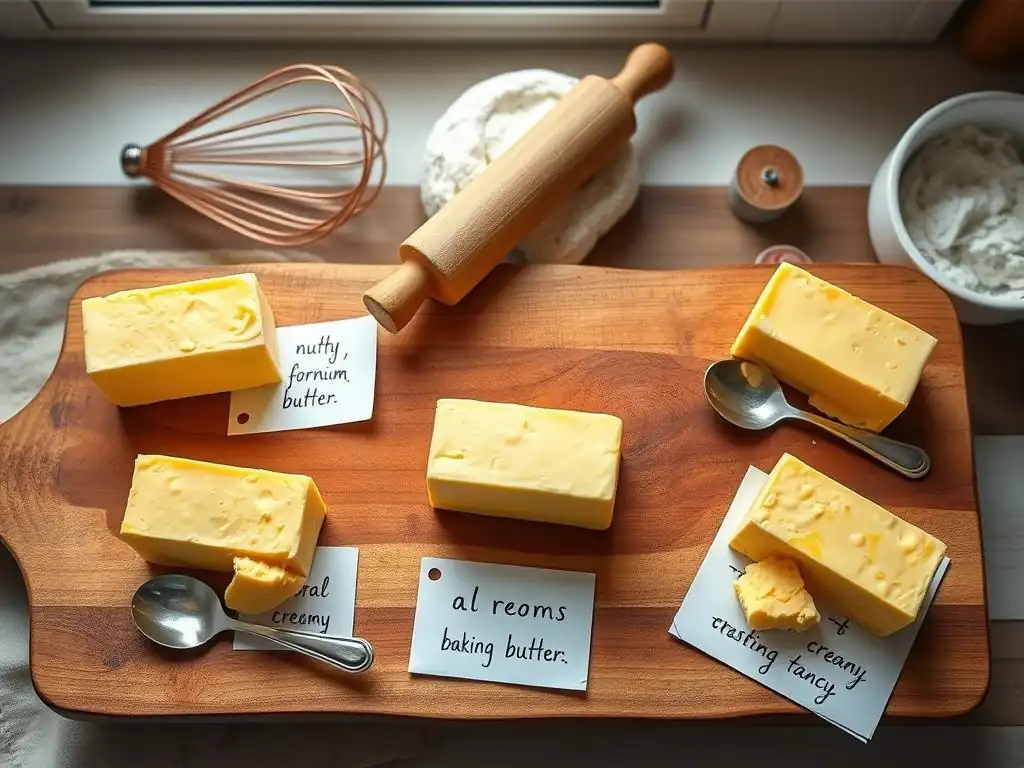
Flavor Comparison: Ranking the Butters Based on Taste Preference
In our premium baking butter taste test, the flavor comparison revealed distinct differences. Kerrygold offered a rich, slightly grassy, and complex flavor that was clearly identifiable as premium. Plugrá provided a clean, intense, and pure buttery richness with no off-notes. Vermont Creamery Cultured Butter delivered a unique tangy and creamy profile that added brightness.
Ranking them is subjective and depends on the desired outcome. For a classic, rich butter flavor, Plugrá and Kerrygold were top contenders, with Kerrygold having slightly more character. For adding a unique, complex tang, Vermont Creamery Cultured Butter was the clear winner. Ultimately, the "best" flavor depends on the specific recipe and personal preference, highlighting why a premium baking butter taste test is so valuable.
Texture and Mouthfeel: Assessing the Creaminess and Richness
Texture and mouthfeel are significantly impacted by butter's fat and moisture content. Plugrá, with its high fat (82%) and low moisture, felt the firmest and smoothest, contributing to a very rich mouthfeel in the baked goods. Kerrygold, also around 82% fat, was slightly softer but still produced a creamy texture.
Vermont Creamery Cultured Butter, while also high in fat, sometimes exhibited a slightly softer consistency, which translated to a very tender crumb in the cake and a pleasant chew in the cookie. The richness was present in all three, but Plugrá's was perhaps the most concentrated due to its composition, while the cultured butter's richness was balanced by its tang.
Based on our tests and general baking principles, each premium baking butter excelled in different areas. For standard cakes and cookies where a rich, classic butter flavor is desired, Kerrygold proved to be highly versatile and reliable, performing consistently well in both applications.
Plugrá's higher fat and lower moisture content make it theoretically superior for pastries requiring extensive lamination, like croissants, although it also performed excellently in our cake and cookie tests, providing exceptional richness and texture. Vermont Creamery Cultured Butter was a standout for adding unique flavor complexity to both cakes and cookies, particularly where a subtle tang is welcome. A thorough premium baking butter taste test across various baked goods would likely show these strengths more clearly.
Using premium butter in cakes contributes significantly to both moisture and tenderness. The higher fat content coats flour particles more effectively, inhibiting gluten development and resulting in a softer, more delicate crumb. Furthermore, the pure flavor of premium butter enhances the overall taste profile of the cake, making it richer and more luxurious.
The creaming process, where softened butter is beaten with sugar, is crucial for aeration. Premium butters with good plasticity cream beautifully, incorporating air that helps the cake rise and achieve a light texture. The quality of the fat directly impacts how well this process works, leading to a superior final product compared to cakes made with lower-quality fats.
Recommended Butter: Kerrygold for Rich Chocolate Cakes
For rich chocolate cakes, Kerrygold's slightly nutty and complex flavor profile pairs wonderfully with cocoa. The depth of flavor in Kerrygold enhances the chocolate notes without being overpowering, contributing to a moist crumb and a decadent taste experience.
Its reliable performance in creaming and baking makes it a safe and effective choice for these types of dense, flavorful cakes where butter plays a foundational role.
Recommended Butter: Plugrá for Light and Airy Vanilla Cakes
In light and airy vanilla cakes, Plugrá's pure, intense creamy flavor and excellent creaming properties shine. Its high fat content contributes to a very tender crumb, and its clean taste allows the delicate vanilla flavor to be the star.
The richness it provides is luxurious without being heavy, making it ideal for cakes where a fine texture and a pure, classic butter taste are desired.
In cookies, butter is responsible for spread, chewiness, crispness, and, crucially, flavor. Premium butter elevates all these aspects. The fat content influences how much a cookie spreads during baking, while the composition affects its final texture – whether it's chewy, crisp, or tender.
The superior flavor of premium butter is often more pronounced in cookies than in cakes because cookies typically contain fewer competing flavors. A premium baking butter taste test focusing solely on cookies would likely highlight the distinct flavor profiles of each butter even more clearly.
Recommended Butter: Vermont Creamery Cultured Butter for Chewy and Flavorful Cookies
For chewy and flavorful cookies, particularly those with brown sugar or chocolate chips, Vermont Creamery Cultured Butter adds a delightful complexity. The slight tang balances the sweetness, and its texture contributes to a satisfying chewiness.
This cultured butter brings an unexpected depth of flavor that makes a simple cookie feel gourmet, showcasing how different premium butters can uniquely impact a familiar treat.
Recommended Butter: Kerrygold for Crisp and Buttery Shortbread
Kerrygold is an excellent choice for crisp and buttery shortbread. Its rich flavor is front and center in shortbread, which typically has very few ingredients. The slightly nutty, grassy notes of Kerrygold provide a depth that enhances the simple combination of butter, flour, and sugar.
Its texture and melting properties contribute to the desirable sandy, yet melt-in-your-mouth texture characteristic of good shortbread.
Pastries: Creating Flaky Layers and Rich Flavor
Pastries like croissants, puff pastry, and pie crusts rely heavily on butter for structure and flakiness. The key is butter's ability to create steam as it melts in the oven, separating layers of dough and resulting in that coveted flaky texture. The higher the fat content and the lower the moisture, the better the butter is typically suited for lamination.
Premium butters designed for pastry often have a higher melting point and firmer texture, making them easier to work with for creating multiple thin layers of butter within the dough. The flavor also contributes to the overall richness of the finished pastry.
Recommended Butter: Plugrá for Croissants and Puff Pastry (High Fat Content)
Plugrá is specifically recommended for croissants and puff pastry due to its high fat content (82%) and lower moisture. This composition makes it ideal for lamination, allowing bakers to create thin, even layers of butter that translate into incredibly flaky pastries when baked.
Its firmness and plasticity at cool temperatures are crucial for successful folding and rolling without the butter breaking or melting prematurely, making it a top choice for serious pastry work.
Recommended Butter: Kerrygold for Pie Crusts (Adds Flavor Depth)
While Plugrá is excellent for puff pastry, Kerrygold is a fantastic option for pie crusts where flavor is paramount. Its rich, distinctive taste permeates the crust, adding a wonderful buttery depth that complements various pie fillings.
Kerrygold's texture also works well for cutting into flour to create a tender, flavorful, and slightly flaky pie crust, offering a balance of performance and superior taste.
Temperature Matters: Understanding the Importance of Softened Butter
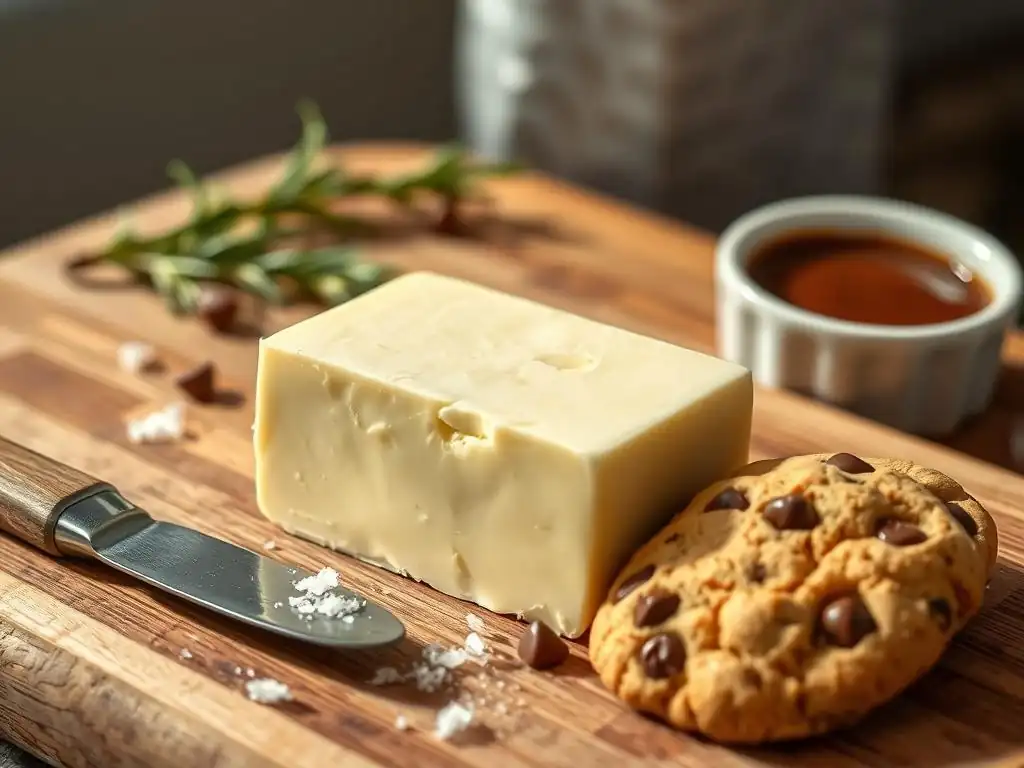
Using butter at the correct temperature is one of the most critical factors in successful baking, especially when working with premium baking butter. For creaming with sugar in cakes and cookies, butter should be "softened," meaning pliable but still cool to the touch – roughly 65-68°F (18-20°C).
Butter that is too cold won't cream properly, resulting in poor aeration. Butter that is too warm or melted will lead to greasy, dense baked goods. Premium butters, particularly those with higher fat content or different textures like cultured butter, might require slightly different softening times, so it's essential to check for that ideal pliable consistency before you begin.
Browning Butter: Adding a Nutty Depth to Your Baking
Browning butter is a simple technique that transforms the flavor of regular or premium baking butter into something deeply nutty and complex. By gently melting butter over medium heat and allowing the milk solids to toast, you unlock a new dimension of flavor. This browned butter can add incredible depth to cookies, cakes, brownies, and frostings.
Using a premium baking butter for browning can intensify this effect. The initial flavor notes of the premium butter carry through into the browned state, adding layers of richness. For example, browning Kerrygold might yield a nuttier, earthier brown butter than browning a very clean-flavored butter like Plugrá.
Salted vs. Unsalted: Choosing the Right Butter for Your Recipe
Most baking recipes call for unsalted butter, and this is usually the recommended type of premium baking butter to purchase for general use. Unsalted butter gives the baker complete control over the amount of salt in the recipe, allowing for precise flavor balancing. Different brands of salted butter contain varying amounts of salt, which can lead to unpredictable results in baking.
However, some recipes, particularly older ones or regional specialties, might specify salted butter. If you must use salted premium baking butter in a recipe calling for unsalted, you should reduce or omit the added salt in the recipe. For our premium baking butter taste test, we exclusively used unsalted versions to ensure a fair comparison of the pure butter flavor.
Best Overall: Kerrygold - Versatile and Flavorful
Based on its widespread availability, consistent performance in both cakes and cookies, and its distinct yet versatile flavor profile that enhances a wide range of baked goods, Kerrygold earns our pick for the best overall premium baking butter for the average home baker.
It offers a noticeable upgrade in taste and texture over standard butter without requiring specialized techniques or being difficult to find. It's an excellent gateway into using premium ingredients in your baking.
Best for Pastries: Plugrá - High Fat Content for Flaky Layers
For bakers specifically looking to master croissants, puff pastry, or achieve exceptionally flaky pie crusts, Plugrá is our top recommendation. Its higher fat content and lower moisture are perfectly suited for the demands of lamination, producing superior layers and texture.
While excellent in other applications too, its composition gives it a distinct advantage in pastry work, making it the premium baking butter of choice for those focused on flakiness.
Best Cultured Butter Option: Vermont Creamery Cultured Butter
For those seeking to add a unique, tangy complexity to their baked goods, Vermont Creamery Cultured Butter is our clear recommendation. Its distinctive flavor profile can elevate simple recipes and add a sophisticated twist to cakes, cookies, and even frostings.
It's a fantastic option for bakers who enjoy experimenting with flavor and appreciate the depth that cultured dairy products can bring to sweet applications.
[Affiliate Link to Kerrygold on Amazon]
[Affiliate Link to Plugrá on Specialty Food Store]
[Link to Local Retailer Selling Vermont Creamery Cultured Butter]
Conclusion: Elevate Your
Frequently Asked Questions
It involves a sensory evaluation of various premium butter brands, focusing on their flavor, texture, and aroma when used specifically in baking applications. The goal is to identify butters that enhance the overall quality of baked goods.
Premium butters often have a higher fat content and a more nuanced flavor profile, leading to richer, more flavorful baked goods. Using premium butter can also improve the texture and consistency of your final product.
The taste test likely evaluated qualities such as flavor intensity, creamy texture, aroma, and how well the butter performed in different baking recipes, such as cookies and cakes. The overall impact on the final product was also a key factor.
Yes, premium baking butters are generally more expensive due to their higher quality ingredients and production methods. However, many bakers believe the improved flavor and texture are worth the investment.
The results are likely detailed within the BakeWithEase article titled "Beyond the Block: What Our Taste Test Revealed About Premium Baking Butters," accessible on their website. Look for specific brand recommendations and comparisons within the article.
The quest for the perfect buttery flavor isn't just a culinary pursuit; it's a reflection of our desire for quality and experience in a world increasingly focused on convenience. Our taste test, ranking various premium baking butters, revealed not only nuanced differences in flavor profiles but also highlighted the significant impact seemingly small ingredients can have on the final product. The subtle notes of hazelnut, the creamy richness, the delicate melt – these are the details that elevate baking from a task to an art.
This exploration into the world of premium baking butters has underscored for me the importance of mindful consumption and the appreciation for artisanal craftsmanship. It's easy to overlook the significance of seemingly minor ingredients, but as Julia Child famously said, Find something you're passionate about and keep tremendously interested in it.
This passion, whether it's for baking or any other craft, demands attention to detail and a commitment to quality, qualities reflected in the superior taste and texture of the top-ranking butters in our test. The subtle differences we uncovered speak volumes about the dedication of the producers and the impact of their choices on the final product.
Now, consider your own baking. What ingredients do you prioritize? What elements contribute to your definition of "premium"? This taste test isn't just about butter; it's a call to explore the nuances of flavor and the importance of choosing ingredients that resonate with your values and elevate your culinary creations. Take the time to savor the subtle differences, to appreciate the artistry involved, and to elevate your own baking with intention and care. The result? A richer, more rewarding experience, both in the making and the tasting.
Unleash Your Inner Pastry Chef: Elevate Your Baking!
Thanks for joining us on this delicious journey into the world of premium baking butters! We hope you gained valuable insights to help you create even more amazing treats. Now it's time to put that knowledge to work!
- Bake something incredible! Try a recipe using your newfound favorite butter – and let the deliciousness inspire you. We'd love to hear about your baking adventures!
- Share your baking success (or even your baking fails!) with fellow baking enthusiasts on our BakeWithEase community forum. Let's learn and grow together!
- Explore our comprehensive butter guide on the BakeWithEase website for even more tips and tricks. Find the perfect butter for your next baking masterpiece.
So, what exquisite creation will you bake next?