
Berry Blast GlutenFree Muffins: Baking with Fresh and Frozen Fruit

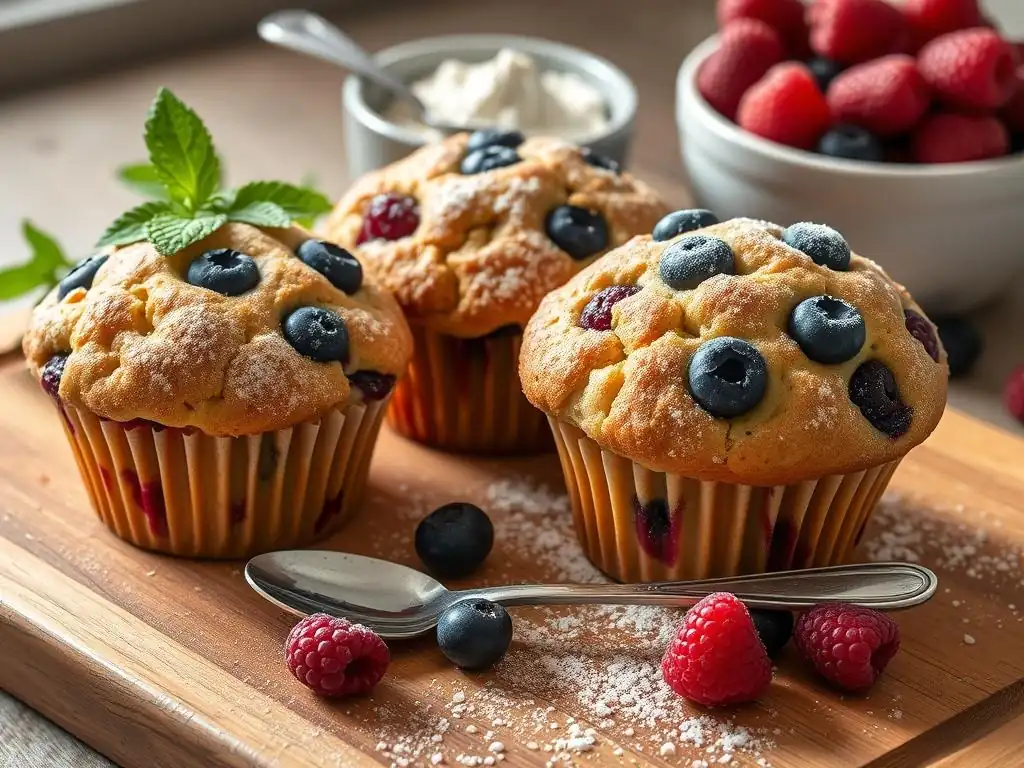
Welcome to BakeWithEase, your haven for stress-free baking! Ever wondered if you could enjoy a burst of berry goodness in a perfectly gluten-free muffin? Prepare to be amazed! We're diving into the delectable world of our Berry Blast GlutenFree Muffins recipe, and trust us, this isn't your average bake. Discover the secrets to using both fresh and frozen fruit to create a moist, flavorful treat that everyone will love. But what makes these muffins truly special? Let's find out...
- Almond Flour Blueberry Muffins: A Gluten-Free Delight
- Introduction to Gluten-Free Blueberry Muffins
- Mastering the Gluten-Free Blueberry Muffin Recipe
- Step-by-Step Guide: Baking Your Gluten-Free Blueberry Muffins
- Tips and Tricks for the Best Gluten-Free Blueberry Muffins
- Troubleshooting Common Gluten-Free Muffin Baking Issues
- Serving and Enjoying Your Gluten-Free Blueberry Muffins
- Conclusion: Enjoying Homemade Gluten-Free Goodness
-
Frequently Asked Questions
- What makes this berry muffin recipe gluten-free?
- Can I use only fresh or only frozen berries in this recipe?
- What kind of gluten-free flour blend do you recommend for the best results?
- How do I prevent the berries from sinking to the bottom of the muffins?
- What's the best way to store these gluten-free berry muffins to keep them fresh?
- Final Reflection: The Sweetness of Inclusion, One Gluten-Free Muffin at a Time
- Unleash Your Inner Baker: Bake Berry Bliss Today!
Almond Flour Blueberry Muffins: A Gluten-Free Delight
Introduction to Gluten-Free Blueberry Muffins
Why Choose Gluten-Free Baking?
Opting for gluten-free baking opens up a world of delicious possibilities for individuals with celiac disease, gluten sensitivity, or those simply looking to explore alternative flours and textures. It's a chance to get creative in the kitchen, learning how different ingredients interact without the binding structure that gluten provides. For instance, while traditional wheat flour relies on gluten development for chewiness and structure, gluten-free baking often uses a blend of flours and starches, or single flours like almond flour, which requires different techniques to achieve a desirable texture.
Beyond dietary necessities, many people choose gluten-free baking for perceived health benefits or simply to reduce their intake of processed grains. Almond flour, for example, is higher in protein and fiber compared to standard wheat flour, offering a different nutritional profile. Embracing gluten-free recipes, like this almond flour blueberry muffin recipe, allows bakers to cater to a wider audience and discover new favorite treats that are both satisfying and free from common allergens.
The Appeal of Blueberry Muffins: A Flavorful Delight
Blueberry muffins hold a special place in the hearts of many, evoking feelings of cozy mornings and simple pleasures. The burst of sweet, slightly tart blueberries combined with a tender crumb is undeniably appealing. This classic treat translates beautifully into the gluten-free world, offering a familiar comfort food that everyone can enjoy. Baking gluten-free blueberry muffins means not missing out on this beloved pastry.
The versatility of blueberry muffins also adds to their appeal. They can be enjoyed warm with a dollop of butter for breakfast, packed in a lunchbox for a snack, or served as a simple dessert. The vibrant color of the blueberries speckled throughout the muffin adds visual appeal, making them just as delightful to look at as they are to eat. Creating a successful gluten-free version, particularly with almond flour, ensures that the moist texture and rich flavor are preserved, making these almond flour blueberry muffins a true delight.
Mastering the Gluten-Free Blueberry Muffin Recipe
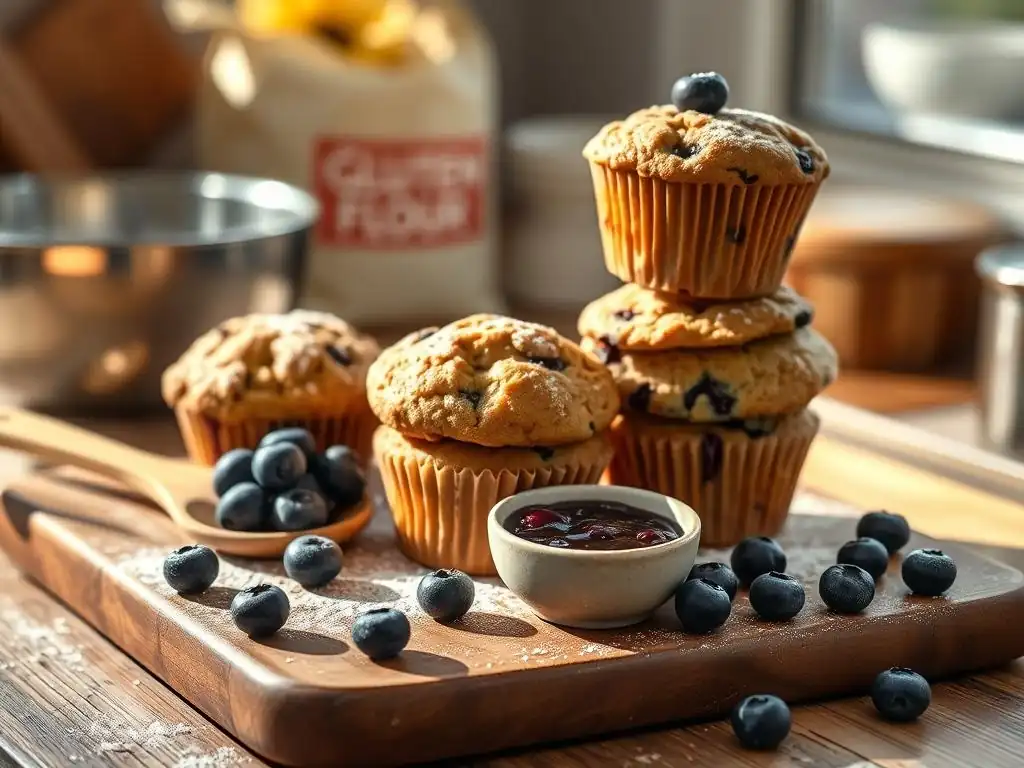
Key Ingredients for Delicious Gluten-Free Muffins
Crafting truly delicious gluten-free muffins requires a careful selection of ingredients that work together to replicate the texture and flavor of their gluten-containing counterparts. Unlike wheat flour, which provides elasticity, gluten-free flours often need assistance from binders and specific fats to achieve a moist, tender crumb that doesn't crumble apart. Understanding the role of each component is crucial for success in your gluten-free baking adventures.
Common ingredients in gluten-free muffin recipes include alternative flours like almond flour, coconut flour, or a blend of rice flour and starches. Binders such as xanthan gum, psyllium husk, or eggs are essential for holding everything together. Fats like butter, oil, or yogurt contribute moisture and tenderness. Leavening agents like baking powder and baking soda are vital for lift. And, of course, sweeteners and flavorings bring the taste profile together, making your gluten-free berry muffins irresistible.
Almond Flour: The Base for a Nutty Flavor
Almond flour is a popular choice for gluten-free baking due to its fine texture, slightly nutty flavor, and nutritional benefits. Made from ground blanched almonds, it provides a rich base for muffins. It's important to note that almond flour behaves differently than wheat flour; it's denser and lacks gluten, so recipes using it often require more leavening or eggs to achieve a good rise. Fine or super-fine almond flour is generally preferred for baking as it results in a smoother texture.
Using almond flour in this gluten-free blueberry muffin recipe contributes to a moist, tender interior and a slightly richer flavor profile than muffins made with rice flour blends. Approximately 1 cup of almond flour weighs less than a cup of wheat flour (about 96g vs 120g) but contains significantly more fat and protein, which impacts the overall structure and hydration needs of the batter. This higher fat content also helps keep the muffins from drying out quickly, a common challenge in gluten-free baking.
Eggs: The Importance of Binding Agents in Gluten-Free Baking
Eggs play a critical role in gluten-free baking, acting as a primary binding agent that helps hold the structure together in the absence of gluten. They provide moisture, richness, and contribute to leavening when whipped or combined with baking powder. Without sufficient binding, gluten-free baked goods, including almond flour blueberry muffins, can become crumbly and fall apart easily. The proteins in eggs coagulate when heated, creating a network that supports the muffin's structure as it bakes.
In many gluten-free recipes, you might notice a higher proportion of eggs compared to traditional recipes. For example, a standard batch of 12 wheat muffins might use 1 or 2 eggs, while a gluten-free version of the same size might call for 2 or 3. This increased quantity helps compensate for the lack of gluten's elasticity and binding capabilities. Eggs also contribute to the golden-brown color of the muffin crust and help create a tender crumb, essential for delicious gluten-free blueberry muffins.
Choosing Your Blueberries: Fresh vs. Frozen
When baking gluten-free blueberry muffins, deciding between fresh and frozen blueberries can impact the outcome. Both have their pros and cons. Fresh blueberries tend to hold their shape better during baking, resulting in distinct pockets of fruit. They are readily available during peak season and offer a vibrant, natural sweetness. However, their availability can be seasonal, and they can be more expensive than frozen options.
Frozen blueberries are convenient and available year-round, often at a lower cost. When using frozen berries, it's generally recommended not to thaw them before adding them to the batter. Adding them frozen helps prevent the color from bleeding excessively into the batter, which can result in green or purple muffins.
Using frozen berries might require a slightly longer baking time (perhaps 2-3 minutes extra) as they cool the batter. A common trick is to gently toss frozen berries in a tablespoon of the dry flour mixture before adding them to the batter; this helps prevent them from sinking to the bottom during baking.
Step-by-Step Guide: Baking Your Gluten-Free Blueberry Muffins
Preparing the Muffin Batter: A Detailed Walkthrough
Creating the perfect batter for your almond flour blueberry muffins involves careful measurement and gentle mixing. Begin by preheating your oven to a standard muffin temperature, typically around 375°F (190°C), and lining your muffin tin with paper liners or greasing the cups. In a large bowl, whisk together the dry ingredients: almond flour, baking powder, baking soda (if used), salt, and any spices like cinnamon. Some recipes might also include a small amount of another gluten-free starch like tapioca or arrowroot for texture; if so, include it here.
In a separate medium bowl, whisk the wet ingredients: eggs, sugar (or preferred sweetener), melted butter or oil, milk (dairy or non-dairy), and vanilla extract. Ensure the wet ingredients are well combined. Pour the wet mixture into the dry ingredients and mix gently until just combined. Overmixing gluten-free batters can still lead to a tougher texture, even without gluten development. The batter will be thicker than traditional wheat batter due to the properties of almond flour.
// Basic Batter Structure
Mix Dry Ingredients:
- Almond Flour
- Baking Powder / Soda
- Salt
- Spices (optional)

Mix Wet Ingredients:
- Eggs
- Sugar / Sweetener
- Melted Butter / Oil
- Milk (dairy/non-dairy)
- Vanilla Extract

Combine:
- Add Wet to Dry
- Mix until *just* combined (do not overmix)
Incorporating Fresh and Frozen Blueberries
Adding the blueberries is the final step before portioning the batter. If using fresh blueberries, gently fold them into the prepared batter using a spatula. Be careful not to crush them. If using frozen blueberries, add them directly from the freezer to the batter. As mentioned earlier, tossing the frozen berries with a tablespoon of the dry flour mixture before adding them to the batter is a simple but effective technique to prevent them from sinking. This light coating helps suspend them within the batter during baking.
Once the blueberries are added, fold them in just enough to distribute them relatively evenly throughout the batter. Over-mixing at this stage can break down the berries, especially frozen ones, causing streaks of color throughout your almond flour blueberry muffins. The goal is to have beautiful, intact berries in every bite.
Baking to Perfection: Achieving Golden Brown Muffins
Portion the batter evenly into the prepared muffin cups. Fill each cup about two-thirds to three-quarters full, depending on how much dome you desire. Baking gluten-free blueberry muffins at the correct temperature is crucial for achieving a good rise and a perfectly cooked interior. Bake in the preheated oven, typically at 375°F (190°C), for approximately 20-25 minutes. Baking times can vary slightly depending on your oven and the size of your muffins.
You'll know the muffins are done when they are golden brown on top, the edges pull slightly away from the sides of the muffin liner, and a toothpick inserted into the center comes out clean (avoid inserting it directly into a blueberry). The tops should spring back gently when lightly pressed. If using frozen berries, they might require an extra few minutes of baking time.
Task List for Baking:
[ ] Preheat oven to 375°F (190°C)
[ ] Prepare muffin tin (liners or grease)
[ ] Portion batter evenly into cups (~2/3 - 3/4 full)
[ ] Bake for 20-25 minutes (or until golden brown and toothpick comes out clean)
[ ] Check for doneness
Cooling and Storing Your Gluten-Free Blueberry Muffins
Allowing your freshly baked almond flour blueberry muffins to cool properly is just as important as the baking process itself. Once removed from the oven, let the muffins sit in the muffin tin for 5-10 minutes. This allows them to set slightly and prevents them from falling apart when you try to remove them. After this initial cooling period, transfer the muffins to a wire cooling rack to cool completely. Cooling on a wire rack allows air to circulate around the muffins, preventing the bottoms from becoming soggy.
For storage, ensure the muffins are completely cool before placing them in an airtight container. Storing warm muffins will create condensation, leading to sogginess and potentially mold. At room temperature, gluten-free blueberry muffins typically stay fresh for 2-3 days. For longer storage, they can be frozen for up to 2-3 months. To freeze, place cooled muffins in a single layer on a baking sheet until frozen solid, then transfer them to a freezer-safe bag or container. Thaw at room temperature or gently warm in the microwave or oven.
Tips and Tricks for the Best Gluten-Free Blueberry Muffins

Preventing Dryness in Gluten-Free Muffins
One common challenge in gluten-free baking, especially with flours like almond flour which absorb moisture differently than wheat, is preventing dryness. Several strategies can help ensure your almond flour blueberry muffins are moist and tender. Firstly, accurate measurement of flour is key; too much flour will absorb excess liquid. Using a kitchen scale for accuracy (e.g., aiming for around 96g per cup of almond flour) is highly recommended.
Secondly, adequate fat and liquid content is crucial. Ensuring the recipe has sufficient oil, melted butter, milk, or even additions like yogurt or sour cream can significantly boost moisture. Over-baking is another major culprit for dry muffins; always check for doneness using the toothpick test towards the lower end of the suggested baking time. Finally, proper storage in an airtight container helps maintain moisture after baking.
Enhancing Blueberry Flavor: Lemon Zest and Vanilla Extract
While blueberries are the star of these gluten-free berry muffins, complementary flavors can elevate their taste profile significantly. Lemon zest is a classic pairing with blueberries for a reason – its bright, aromatic oils cut through the sweetness and enhance the berries' natural tanginess. Adding the zest of half or a whole lemon to the wet ingredients or dry ingredients (depending on preference, though wet is common) can make a noticeable difference.
Vanilla extract is another simple yet powerful flavor enhancer. A good quality vanilla extract rounds out the sweetness and provides a warm, comforting background note that pairs beautifully with both the almond flour and the blueberries. Don't be shy with the vanilla; a full teaspoon or even more in a standard batch of 12 muffins can deepen the overall flavor complexity of your gluten-free blueberry muffins.
Variations and Adaptations: Customizing Your Muffins
Once you've mastered the basic almond flour blueberry muffin recipe, feel free to experiment with variations to suit your taste or dietary needs. Gluten-free baking is all about adapting!
Adding Walnuts or Pecans for Texture
Introducing chopped nuts like walnuts or pecans can add a delightful crunch and nutty flavor that complements the almond flour base and sweet blueberries. About half a cup to a full cup of chopped nuts can be gently folded in with the blueberries. Toasting the nuts lightly before adding them can enhance their flavor profile. This simple addition turns a classic muffin into a more complex and satisfying treat, adding extra fiber and healthy fats.
Experimenting with Different Sweeteners
The recipe likely calls for sugar, but you can explore alternative sweeteners. Granulated sugar provides structure and caramelization, but options like coconut sugar, maple syrup, or honey can be used, often requiring slight adjustments to the liquid content or baking time. For instance, liquid sweeteners like maple syrup add moisture, so you might need to slightly reduce other liquids or increase the dry ingredients minimally.
Using sugar substitutes also requires understanding their properties; some don't caramelize like sugar, affecting the crust color. Start with small substitutions and adjust based on results to find your perfect sweet spot for these gluten-free berry muffins.
Troubleshooting Common Gluten-Free Muffin Baking Issues
Muffins Not Rising Properly
If your gluten-free blueberry muffins are coming out dense and flat instead of light and airy, several factors could be at play. First, check the freshness of your leavening agents (baking powder and baking soda). Baking powder can lose potency over time; test a small amount in hot water – it should bubble vigorously. Ensure you are using the correct amounts specified in the recipe.
Secondly, oven temperature is crucial. An oven that isn't hot enough won't activate the leavening agents properly, resulting in poor rise. Using an oven thermometer can verify your oven's actual temperature. Lastly, overmixing the batter, while less critical than with gluten, can still sometimes lead to a slightly tougher texture that inhibits rise. Ensure you mix until just combined.
Sinking Blueberries: How to Prevent It
Discovering all your beautiful blueberries have sunk to the bottom of your almond flour muffins is a common frustration. This often happens because the berries are heavier than the batter and aren't adequately supported. The most effective preventative measure, as mentioned earlier, is to gently toss fresh or frozen blueberries in a tablespoon or two of the dry flour mixture before folding them into the batter. This light coating helps them adhere to the batter and prevents them from sinking during baking.
Another factor can be a batter that is too wet or thin. Ensure you've measured your liquid ingredients accurately. A slightly thicker batter is better able to suspend the fruit. Also, try not to overfill the muffin cups; very full cups might have more difficulty supporting the fruit weight as they rise.
Texture Problems: Gummy or Crumbly Muffins
Achieving the right texture is key to delicious gluten-free blueberry muffins. If your muffins are gummy, it might be due to overmixing, which can develop starches in gluten-free flours in a way that creates a gummy texture. It could also indicate too much liquid or not enough leavening. Ensure you are measuring liquids precisely and that your baking powder/soda is fresh. Baking at too low a temperature can also contribute to gumminess.
Conversely, if your muffins are crumbly, it's often a sign of too much dry ingredient, not enough binder (like eggs), or insufficient fat/liquid. Ensure you are using the correct type of almond flour (fine, not meal) and measuring it accurately (preferably by weight). Check that you haven't reduced the fat or liquid called for in the recipe. Over-baking is also a frequent cause of dryness and crumbling; bake only until a toothpick comes out clean.
Serving and Enjoying Your Gluten-Free Blueberry Muffins
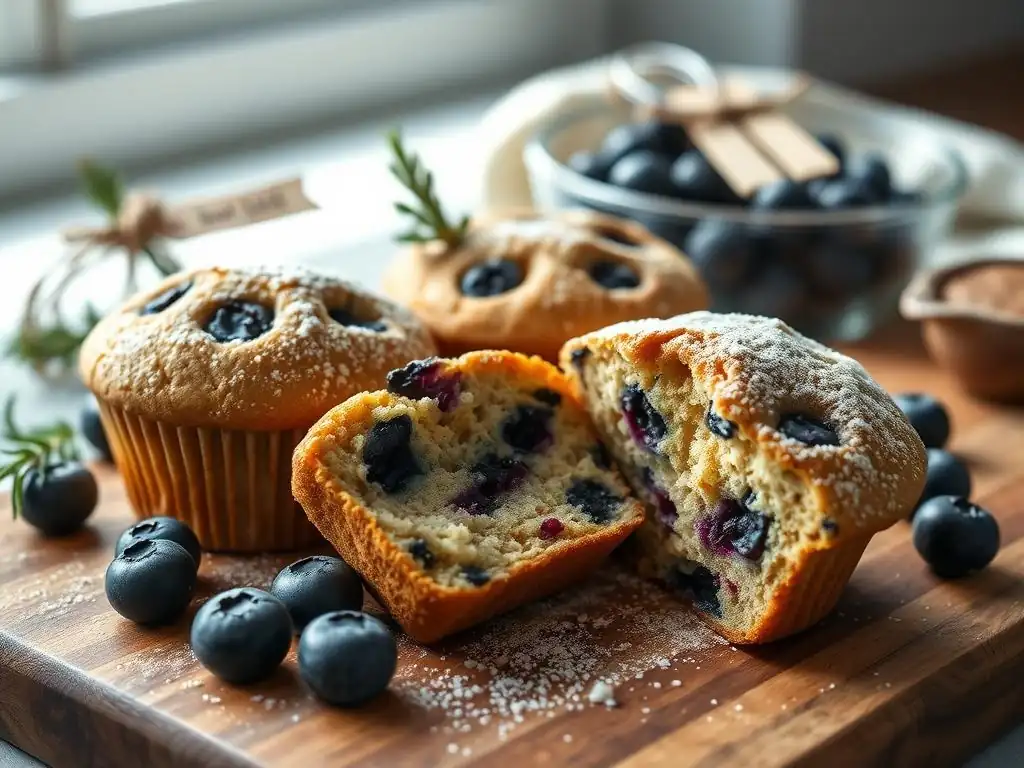
Perfect Pairings: What to Serve with Your Muffins
Gluten-free blueberry muffins are wonderfully versatile and can be enjoyed in many ways. For breakfast or brunch, they pair beautifully with a hot cup of coffee or tea. A dollop of yogurt (dairy or non-dairy) or a spread of cream cheese can add extra richness. Serving them warm with a pat of butter that melts into the tender crumb is a simple luxury.
For a more dessert-like experience, consider serving them alongside a scoop of vanilla ice cream or a drizzle of warm blueberry sauce. A light dusting of powdered sugar or a simple glaze made from powdered sugar and lemon juice can also add a touch of elegance. These gluten-free berry muffins are substantial enough to enjoy on their own, but these pairings can elevate the experience.
Gluten-Free Blueberry Muffins for Breakfast or Dessert
One of the best things about almond flour blueberry muffins is their flexibility. They fit perfectly into a wholesome breakfast spread, providing a satisfying start to the day with their fiber and protein content from the almond flour and the antioxidants from the blueberries. Their portable nature makes them ideal for a quick grab-and-go breakfast during a busy morning.
They are equally delightful as a light dessert. Their natural sweetness from the blueberries and chosen sweetener, combined with the rich texture, makes them a comforting end to a meal. Whether enjoyed warm or at room temperature, these homemade gluten-free blueberry muffins are a testament to the fact that dietary needs don't have to mean sacrificing deliciousness.
Conclusion: Enjoying Homemade Gluten-Free Goodness
The Joy of Baking Gluten-Free Blueberry Muffins at Home
Baking gluten-free blueberry muffins from scratch is a rewarding experience. It allows you to control the ingredients, ensuring they meet your specific dietary needs while creating something truly delicious. There's a unique satisfaction in pulling a batch of perfectly domed, golden-brown almond flour blueberry muffins from the oven, knowing they are free from gluten and packed with juicy blueberries. It's an accessible way to enjoy baking, regardless of your experience level, and provides a comforting, homemade treat.
Mastering this gluten-free muffin recipe builds confidence in working with alternative flours and techniques. Each successful batch reinforces the idea that gluten-free baking can be just as flavorful and enjoyable as traditional baking. It's a journey of learning and delicious discovery, resulting in treats that everyone can gather around and enjoy together.
Once you've perfected your gluten-free blueberry muffin recipe, sharing the joy is part of the fun! Offer them to friends and family, whether they follow a gluten-free diet or not. You might be surprised at how much everyone loves these moist, flavorful almond flour muffins. Sharing homemade treats is a wonderful way to connect and show you care.
Consider writing down your specific adaptations or favorite tips – perhaps you found that adding a little extra lemon zest made them pop, or a specific brand of almond flour worked best. Passing on your successful gluten-free berry muffins recipe can inspire others to try their hand at gluten-free baking and discover how easy and delicious it can be. Happy baking and happy sharing!
Frequently Asked Questions
What makes this berry muffin recipe gluten-free?
This recipe uses a gluten-free flour blend as a substitute for traditional wheat flour, ensuring it's safe for those with gluten sensitivities or celiac disease. We also verify that all other ingredients are certified gluten-free.
Can I use only fresh or only frozen berries in this recipe?
Yes, you can! While the recipe suggests a mix, using either fresh or frozen berries will work. Just remember that frozen berries might require a slightly longer baking time.
What kind of gluten-free flour blend do you recommend for the best results?
We recommend a cup-for-cup gluten-free flour blend that contains a mix of rice flour, tapioca starch, and potato starch. Check the label to ensure it also includes a binding agent like xanthan gum.
How do I prevent the berries from sinking to the bottom of the muffins?
Gently toss the berries with a tablespoon of the gluten-free flour blend before adding them to the batter. This helps them stay suspended during baking.
What's the best way to store these gluten-free berry muffins to keep them fresh?
Store the muffins in an airtight container at room temperature for up to three days, or in the refrigerator for up to a week. You can also freeze them for longer storage.
Final Reflection: The Sweetness of Inclusion, One Gluten-Free Muffin at a Time
The joy of baking, especially with fresh, seasonal berries, transcends dietary restrictions. These gluten-free berry muffins aren't just a recipe; they're a testament to the delicious possibilities that exist when we embrace inclusive baking practices. The simple act of creating something delicious and accessible to everyone is a powerful statement.
This recipe, born from a desire to share the simple pleasure of a warm muffin with friends and family, has become a symbol of how we can adapt and innovate in the kitchen. It's a reminder that dietary needs shouldn't limit our ability to enjoy the comforting rituals of baking and sharing. The best things in life are the people we love, the places we've been, and the memories we've made along the way.
This recipe, in its own small way, helps create those memories, regardless of dietary preferences.
Now, I invite you to step into your kitchen and experiment. Try this recipe, adapt it to your own tastes, and share the joy of these delicious muffins with those you love. Let this be a reminder that culinary creativity knows no bounds, and that deliciousness can be inclusive and accessible to all. Don't be afraid to experiment with different berries, spices, or even add a swirl of cream cheese for an extra touch of indulgence. The possibilities are as endless as your imagination!
Unleash Your Inner Baker: Bake Berry Bliss Today!
Thanks for joining us on this delicious journey into gluten-free baking! We hope you’ve gained some fresh inspiration and confidence in creating amazing muffins. Ready to take your baking skills to the next level?
- Bake a batch of these berry muffins today! Use your favorite berries, fresh or frozen – the results are always amazing.
- Share your creations on social media using #BakeWithEaseBerryBlast and tag @BakeWithEase (fictional social media handle). Let's see your berry masterpieces!
- Explore our other gluten-free recipes on BakeWithEase.com for more baking adventures.
What's your favorite berry to bake with, and what innovative twist will you add to these muffins?