
Don't Buy Blind: Key Hand Mixer Features You Must Know Before Buying

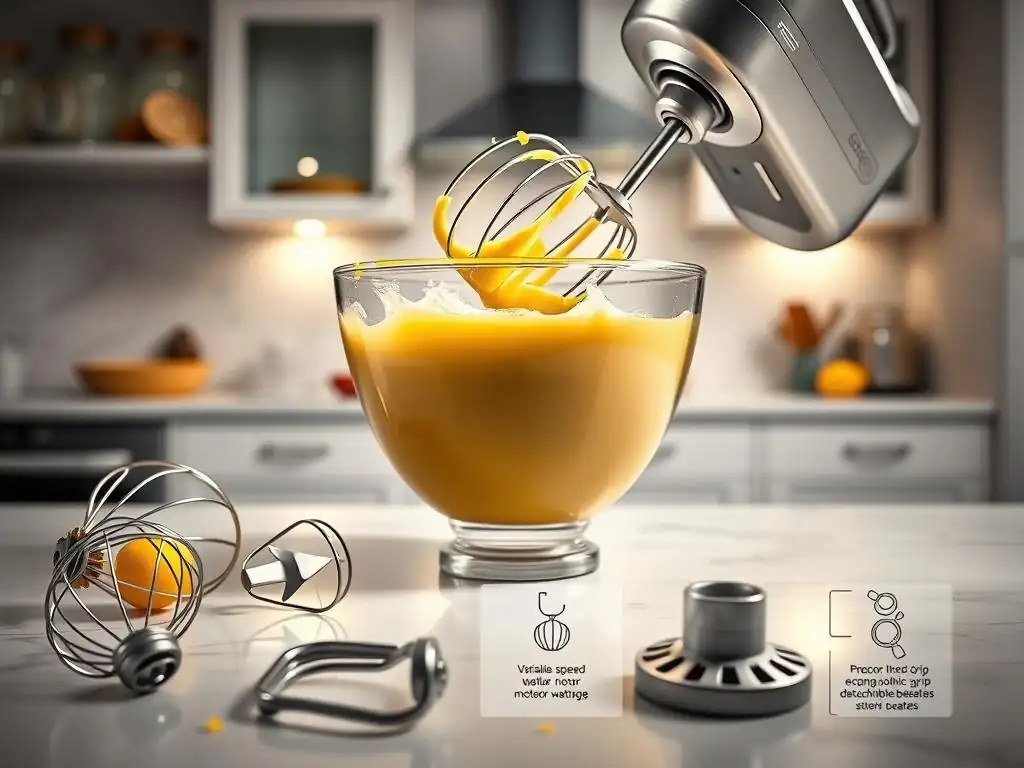
Welcome to BakeWithEase, where delicious creations begin! Ever feel lost in a sea of options when choosing the right baking tools? Our latest guide cuts through the confusion, diving deep into the essential hand mixer features you absolutely need to know before buying. Discover the secrets to selecting the perfect mixer for your baking adventures, unlocking effortless and delightful results. Ready to bake with confidence? Let's get started!
- Key Hand Mixer Features for Informed Baking
- Guide to Selecting the Ideal Hand Mixer
- Understanding Essential Hand Mixer Features
- Power and Speed: Core Performance Factors
- Hand Mixer Attachments: Expanding Baking Versatility
- Ergonomics and Design: Comfort and Usability
- Materials and Durability: Investing for Longevity
- Cleaning and Storage: Practical Considerations
- Noise Level: Considering Sound Output
- Price vs. Value: Balancing Budget and Performance
- Hand Mixer Feature Checklist: Pre-Purchase Considerations
-
Frequently Asked Questions
- What are the most important speed settings to look for in a hand mixer?
- How important is the wattage of a hand mixer, and what should I look for?
- What are the common attachments that come with a hand mixer, and what are they used for?
- What ergonomic features should I consider when choosing a hand mixer?
- How does the cleaning process differ between different hand mixers, and what should I look for?
- Final Reflection: The Power of Informed Choice in the Kitchen
- Unlock Your Inner Baker: Master the Art of Hand Mixer Selection!
Key Hand Mixer Features for Informed Baking
Guide to Selecting the Ideal Hand Mixer
Introduction to Hand Mixer Selection
Selecting the right hand mixer is a crucial step for any home baker looking to improve their craft or simply make the process easier. Unlike stand mixers which are fixed on a counter, hand mixers offer portability and ease of storage, making them perfect for smaller kitchens or quick tasks. Understanding the key hand mixer features explained here will empower you to make a choice that perfectly suits your baking habits and needs, ensuring your investment is both practical and effective.
Choosing the wrong hand mixer can lead to frustration, whether it's struggling with thick doughs due to insufficient power or dealing with uncomfortable ergonomics during a long mixing session. By focusing on the essential hand mixer features explained in this guide, you can navigate the options available and find a model that feels like an extension of your own baking abilities, making everything from whipping egg whites to creaming butter a breeze.
Understanding Essential Hand Mixer Features
Importance of Hand Mixer Features for Baking
The various hand mixer features explained below aren't just technical specifications; they directly impact performance, comfort, and the types of recipes you can successfully tackle. A mixer with adequate power and the right attachments can handle dense cookie dough just as easily as delicate meringue, significantly expanding your baking repertoire. Paying close attention to these details ensures the tool you choose is capable of meeting the demands of your favorite recipes.
Beyond just power and attachments, aspects like weight, handle design, and ease of cleaning contribute significantly to the overall user experience. A mixer that is comfortable to hold and easy to clean will be used more often, encouraging you to bake more frequently. Evaluating these hand mixer features explained in this guide helps you find a balance between performance capabilities and practical considerations for everyday use in your kitchen.
Power and Speed: Core Performance Factors
Wattage: Determining Your Power Needs
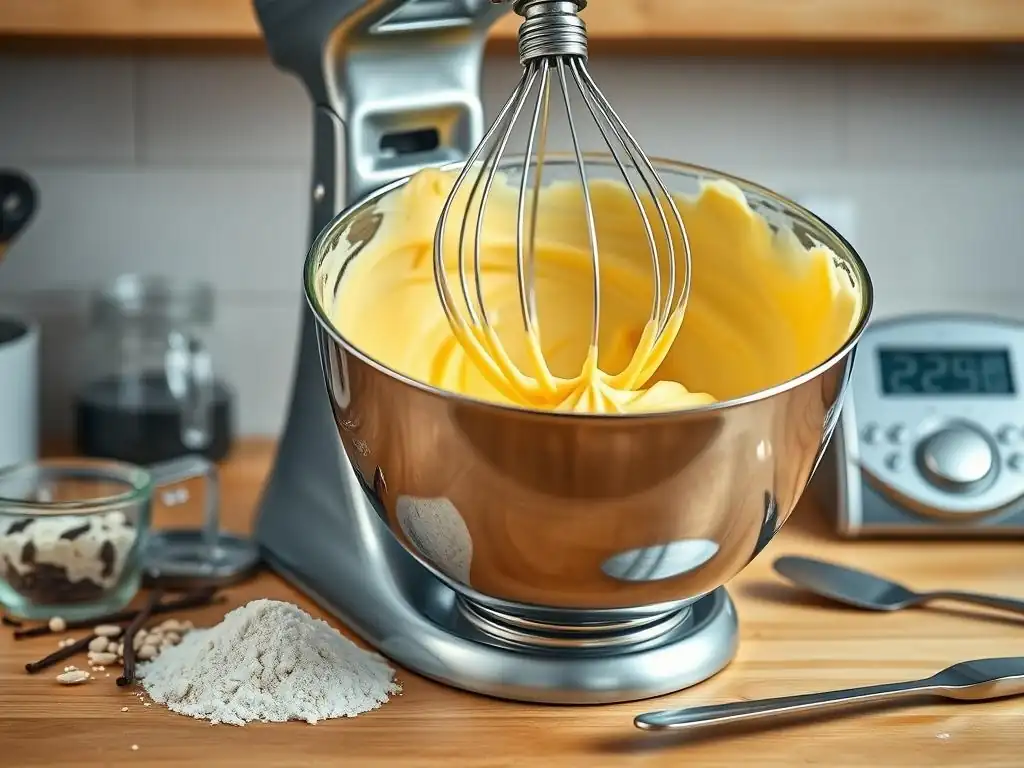
Wattage is perhaps the most fundamental of the hand mixer features explained. It indicates the motor's power, directly affecting its ability to handle different consistencies. Basic models typically range from 200 to 250 watts, suitable for lighter tasks like whipping cream or mixing cake batter. For more demanding jobs, such as creaming cold butter and sugar or tackling stiffer cookie doughs, a mixer with 300 watts or more is highly recommended. A higher wattage generally means less strain on the motor and better longevity when dealing with thicker mixtures.
Consider your typical baking projects when evaluating wattage. If you primarily make light batters and meringues, a lower wattage might suffice. However, if you frequently bake cookies, breads (using dough hooks), or dense cakes, investing in a mixer with 300-500 watts will prevent motor burnout and provide smoother performance. For example, mixing a double batch of chocolate chip cookie dough in a 200W mixer might cause it to overheat, while a 400W model handles it with relative ease, showcasing the importance of this specific hand mixer feature explained.
Speed Settings: Matching Speed to Recipes
The number and range of speed settings are critical hand mixer features explained that offer control over your mixing process. Most hand mixers offer between 5 and 9 speeds. Lower speeds are essential for gradually incorporating dry ingredients without creating a cloud of flour, or for gently folding in delicate ingredients like egg whites. Higher speeds are necessary for whipping air into cream or egg whites to achieve stiff peaks.
A wider range of speeds provides more versatility. For instance, a mixer with 9 speeds allows for finer adjustments than one with only 5. Look for mixers where the lowest speed is truly slow, preventing splatters when starting. Some models even feature electronic speed control, which maintains a consistent speed regardless of the load, a premium hand mixer feature explained that enhances performance, especially with thicker batters. Having distinct speed levels allows you to precisely follow recipe instructions, leading to better results.
Turbo Boost: Utilizing Extra Power
Many hand mixers include a "Turbo" or "Boost" button, a convenient hand mixer feature explained to provide a temporary surge of power. This function is useful for powering through particularly tough spots in a mixture, ensuring everything is thoroughly combined, or for a final quick whip to achieve desired consistency. It's not meant for prolonged use but rather as a short burst when needed.
Think of the turbo boost as a temporary increase in the motor's output, often exceeding its standard wattage for a few seconds. This can be particularly helpful when finishing a thick batter or ensuring no lumps remain. While not a substitute for adequate base wattage, it's a handy feature that can save you from manually scraping down the bowl as often or struggling with stubborn pockets of unmixed ingredients. It's a practical addition to the essential hand mixer features explained for modern baking.
Hand Mixer Attachments: Expanding Baking Versatility
Standard Beaters: The Essential Attachment
The most common and fundamental of the hand mixer features explained are the standard beaters. These are typically made of metal and designed for general mixing tasks. They are your go-to for creaming butter and sugar, mixing cake batters, combining ingredients for quick breads, and mashing potatoes. A good set of standard beaters should be sturdy and easy to insert and remove.
Quality standard beaters are durable and designed to efficiently incorporate ingredients without excessive splashing. Some designs feature a central post, while others are open-ended, often with slightly different mixing patterns. Ensuring the beaters are well-made and click securely into place is important for safe and effective operation. They are the workhorse among the hand mixer features explained.
Whisk Attachment: Achieving Airy Textures
A whisk attachment, often a single large whisk or two smaller ones, is another valuable hand mixer feature explained. This attachment is specifically designed to incorporate air into ingredients, making it indispensable for whipping cream, beating egg whites for meringues or soufflés, and creating light batters. It achieves much better aeration than standard beaters for these specific tasks.
If you frequently make desserts requiring whipped cream or fluffy egg whites, a hand mixer that includes a whisk attachment is highly beneficial. Look for a whisk made from sturdy wires that can withstand repeated use. This attachment truly expands the capabilities of your hand mixer beyond simple mixing, allowing you to achieve those desired light and airy textures.
Dough Hooks: Simplifying Dough Kneading
For bakers who enjoy making bread or pizza dough but lack a stand mixer, dough hooks are a key hand mixer feature explained to look for. These spiral-shaped attachments are designed to knead dough, a process that requires more power and a different motion than standard mixing. While a hand mixer with dough hooks won't replace a powerful stand mixer for heavy-duty bread making, it can certainly handle smaller batches or lighter doughs.
Using dough hooks requires a mixer with sufficient wattage (ideally 300W+) to avoid straining the motor. They are effective for kneading softer doughs like brioche or pizza dough for a few minutes. If bread baking is a significant part of your routine, assessing the quality and the mixer's power rating when using dough hooks is crucial among the hand mixer features explained.
Ergonomics and Design: Comfort and Usability
Handle Design: Ensuring a Comfortable Grip
The handle design is a crucial, yet often overlooked, hand mixer feature explained that impacts user comfort, especially during longer mixing tasks. A well-designed handle should fit comfortably in your hand, providing a secure grip that minimizes strain. Consider the material – some handles are textured or coated for better grip, while others are smooth plastic.
Holding a hand mixer for several minutes can become tiring if the handle is awkward or uncomfortable. Look for a design that feels balanced in your hand. Some mixers feature an ergonomic shape that reduces stress on your wrist. Testing the feel of the handle, if possible, or reading reviews specifically mentioning comfort, is wise when evaluating these important hand mixer features explained.
Weight: Balancing Power and Portability
The weight of the hand mixer is another ergonomic factor among the hand mixer features explained. Lighter mixers are easier to hold for extended periods and maneuver around the bowl. However, very lightweight mixers might sometimes indicate a less powerful motor or lighter-duty construction. There's a balance to strike between portability and robust build quality.
A typical hand mixer might weigh anywhere from 1.5 to 3 pounds. Consider how long you typically use a mixer and if you have any wrist or arm considerations. While a heavier mixer might feel sturdier and potentially more powerful, a lighter one will be less fatiguing during tasks like whipping egg whites for several minutes. This balance is an important part of the overall hand mixer features explained.
Cordless vs. Corded: Evaluating the Trade-offs
Most hand mixers are corded, providing consistent power without time limits. However, cordless hand mixers are becoming more popular, offering unparalleled freedom of movement. This is a significant difference among the hand mixer features explained. Cordless models run on rechargeable batteries, allowing you to mix anywhere in the kitchen without being tethered to an outlet.
The trade-off with cordless models is typically power and run time. A corded mixer generally offers more consistent, higher power. Cordless mixers have a limited run time on a single charge, usually sufficient for one or two batches of mixing depending on the task, and may lose power as the battery drains. Evaluate your need for mobility versus consistent power when considering these distinct hand mixer features explained.
Materials and Durability: Investing for Longevity
Housing Materials: Plastic vs. Metal Considerations
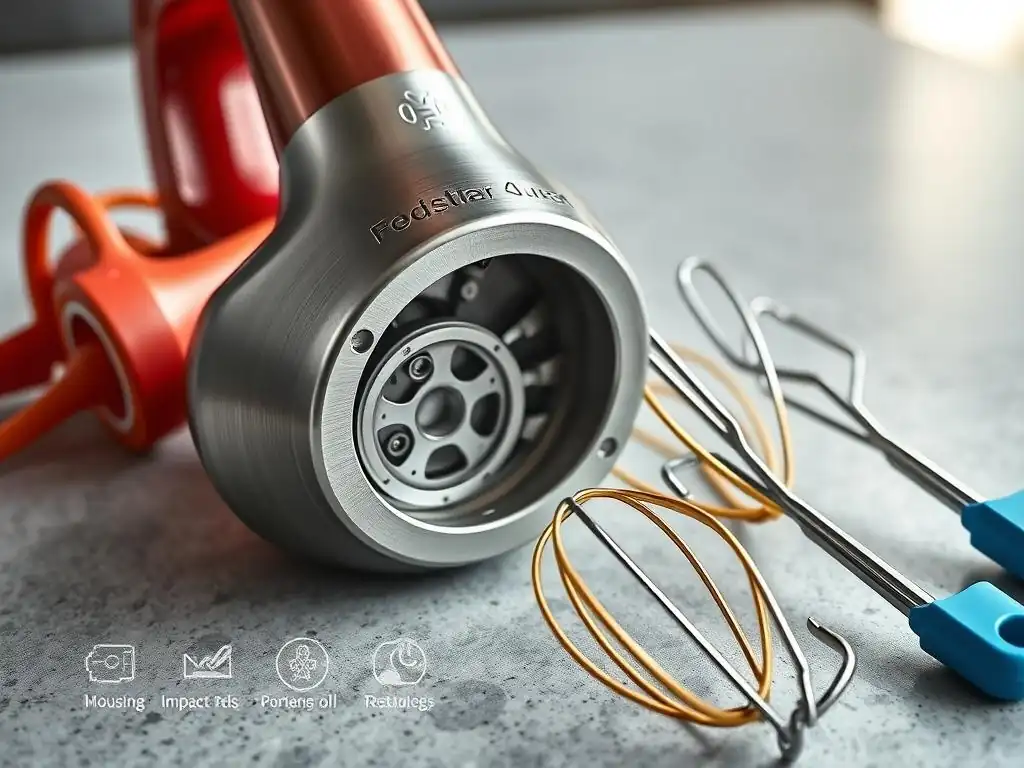
The material used for the mixer's housing is one of the hand mixer features explained that affects both durability and aesthetics. Most hand mixers have plastic housings, which are lightweight and affordable. Higher-end models may feature metal housing, often stainless steel, which provides greater durability and a more premium feel.
Plastic housings can be perfectly durable if made from high-quality, impact-resistant plastic. Metal housings are generally more robust and resistant to scratches and dents but also add weight and cost to the unit. Consider how much wear and tear your mixer is likely to experience and your budget when looking at these hand mixer features explained.
Beater Material: Stainless Steel vs. Chrome Options
The material of the beaters themselves is another important aspect of the hand mixer features explained regarding durability and hygiene. Most beaters are made from either chrome-plated metal or stainless steel. Chrome-plated beaters are common in more affordable models and are effective, but the plating can potentially chip or wear over time, especially with frequent use or dishwasher cleaning.
Stainless steel beaters are generally more durable, resistant to rust and corrosion, and often considered more hygienic as they are non-porous. They tend to last longer and maintain their appearance better than chrome-plated options. If durability and ease of cleaning are high priorities, stainless steel beaters are a hand mixer feature explained worth seeking out.
Build Quality: Assessing Overall Construction
Beyond specific materials, the overall build quality of a hand mixer is a critical, albeit less tangible, hand mixer feature explained. This refers to how well the components are assembled, the sturdiness of the attachments and their connection points, and the feel of the buttons and speed selector. A well-built mixer feels solid, with no loose parts or flimsy components.
Assessing build quality often involves reading reviews or, ideally, handling the mixer in person. Check how securely the beaters lock in place and how smoothly the speed selector operates. A mixer with good build quality is less likely to break down prematurely and will provide a more reliable baking experience over time. This comprehensive look at hand mixer features explained includes evaluating the overall craftsmanship.
Cleaning and Storage: Practical Considerations
Dishwasher-Safe Parts: Simplifying Cleanup
Ease of cleaning is a practical hand mixer feature explained that can significantly impact your baking routine. Many hand mixers feature attachments (beaters, whisks, dough hooks) that are dishwasher safe, making cleanup much quicker and easier. The main body of the mixer, containing the motor, is never dishwasher safe and must be wiped clean.
Check the product specifications to confirm which parts are dishwasher safe. While handwashing beaters is not difficult, the convenience of tossing them in the dishwasher after a messy baking session is undeniable. Prioritizing dishwasher-safe attachments is a smart move when evaluating these essential hand mixer features explained.
Storage Options: Maximizing Convenience
How you store your hand mixer and its attachments is another practical consideration among the hand mixer features explained. Some mixers come with a storage case or a clip-on container that keeps the beaters and cord neatly together. Others require you to store attachments separately in a drawer.
Mixers with integrated storage or a dedicated case help keep your kitchen organized and prevent losing attachments. Consider the space you have available and how you prefer to store your appliances. A compact design or included storage solution can be a valuable hand mixer feature explained, especially in kitchens with limited space.
Noise Level: Considering Sound Output
Decibel Ratings: Understanding Noise Levels
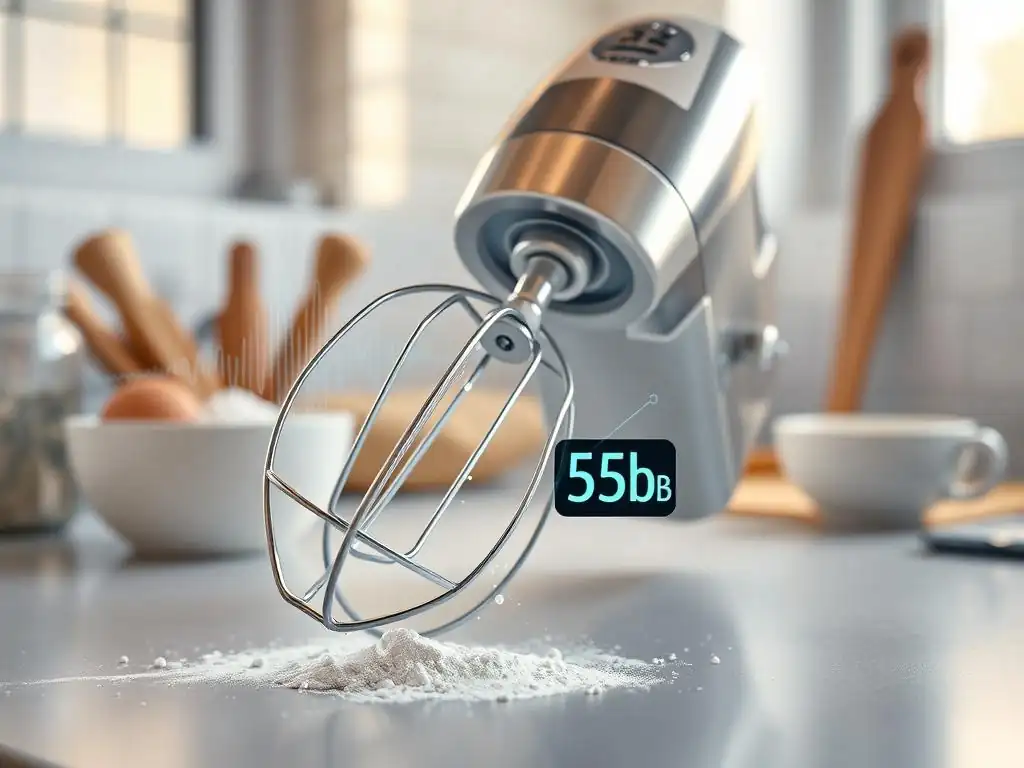
While not always explicitly listed, the noise level is a hand mixer feature explained that can affect your baking experience. Hand mixers, like many kitchen appliances, produce noise, primarily from the motor and the action of the beaters against ingredients and the bowl. While precise decibel ratings are uncommon for hand mixers, some are noticeably louder than others.
General kitchen appliance noise can range from 60 dB (like a normal conversation) to 80 dB (like a garbage disposal). Hand mixers typically fall within this range, often hovering around 70-75 dB during operation. If you are sensitive to noise or frequently mix for extended periods, looking for reviews that mention quiet operation can be helpful among the hand mixer features explained.
Noise Reduction: Features to Minimize Noise
Some manufacturers incorporate design elements aimed at noise reduction, making it a desirable hand mixer feature explained for those sensitive to sound. This might include better motor insulation or specific beater designs that minimize vibration and air displacement. While no hand mixer will be silent, some are engineered to operate more quietly than others.
Reading user reviews is often the best way to gauge the actual noise level of a specific model, as decibel ratings aren't standard. If baking is a relaxing activity for you, minimizing noise can contribute to a more pleasant experience. Considering the potential noise output is a valid part of evaluating the comprehensive hand mixer features explained.
Price vs. Value: Balancing Budget and Performance
Entry-Level Hand Mixers: Affordable Options
Entry-level hand mixers are typically priced under $30-$40 and offer basic hand mixer features explained. They usually have lower wattage (200-250W), fewer speed settings (5-6), and come with standard beaters, sometimes a whisk. The housing is usually plastic, and attachments might be chrome-plated.
These mixers are suitable for occasional bakers or those primarily performing light tasks like mixing cake mixes, whipping small amounts of cream, or beating eggs. They offer a cost-effective way to get started with baking or handle simple mixing needs without a significant investment.
Mid-Range Hand Mixers: Balancing Features and Cost
Mid-range hand mixers, priced typically between $40 and $70, offer a good balance of price, power, and hand mixer features explained. They often feature higher wattage (300-400W), more speed settings (7-9), and may include additional attachments like dough hooks or a storage case. Materials might be a mix of plastic and higher-quality components.
These models are ideal for regular home bakers who tackle a variety of recipes, including cookies and some lighter doughs. They provide better performance and durability than entry-level models without the premium price tag of high-end units. This range offers solid value for a comprehensive set of hand mixer features explained.
High-end hand mixers, generally priced $70 and above, offer the best available hand mixer features explained. They boast higher wattage (400W+), often 9+ speeds with precise electronic control, durable materials like stainless steel housing and beaters, comprehensive attachment sets, and premium design features like LED displays or comfortable ergonomic grips.
These mixers are built for frequent, demanding use and offer superior performance and longevity. They are a worthwhile investment for passionate bakers who require reliability, power, and a full range of capabilities for complex recipes. The premium hand mixer features explained in these models cater to serious baking enthusiasts.
Hand Mixer Feature Checklist: Pre-Purchase Considerations
Summarizing Key Features
Before making your purchase, it's helpful to review the essential hand mixer features explained and consider which are most important for your specific baking needs. Creating a simple checklist based on the points discussed can simplify the decision-making process.
- Wattage (250W for light tasks, 300W+ for heavier)
- Number of Speed Settings (More is generally better)
- Turbo/Boost Feature
- Included Attachments (Beaters, Whisk, Dough Hooks)
- Handle Comfort and Ergonomics
- Weight (Balance between portability and sturdiness)
- Corded vs. Cordless Preference
- Housing Material (Plastic vs. Metal)
- Beater Material (Chrome vs. Stainless Steel)
- Overall Build Quality
- Dishwasher-Safe Parts
- Storage Options (Case, Clip-on, Separate)
- Noise Level (Check reviews if sensitive)
- Price Range (Entry, Mid, High-End)
Making Informed Purchase Decisions
Using the hand mixer features explained in this guide and your personalized checklist, you are now well-equipped to make an informed purchase decision. Don't just grab the cheapest or the most expensive model; choose the one that aligns best with your baking frequency, the types of recipes you make, your comfort preferences, and your budget.
Consider your most common baking tasks: Do you whip a lot of cream? Make dense cookie doughs? Knead bread? Let these needs guide which hand mixer features explained are non-negotiable for you. By prioritizing features that truly matter for your baking style, you'll select a hand mixer that will be a valuable and reliable tool in your kitchen for years to come, making baking more enjoyable and successful.
Frequently Asked Questions
What are the most important speed settings to look for in a hand mixer?
The most important speed settings are a low speed for gentle mixing and a high speed for whipping or creaming. Having a variety of speeds in between allows for greater control.
How important is the wattage of a hand mixer, and what should I look for?
Wattage indicates the mixer's power. Higher wattage generally means more powerful performance, especially for thicker batters. Look for at least 200 watts for most tasks.
What are the common attachments that come with a hand mixer, and what are they used for?
Typical attachments include beaters for general mixing, whisk for whipping cream or egg whites, and sometimes dough hooks for kneading dough. Choose based on your common baking needs.
What ergonomic features should I consider when choosing a hand mixer?
Look for a hand mixer with a comfortable grip, a lightweight design, and an easy-to-reach speed control. These features reduce strain during longer mixing sessions.
How does the cleaning process differ between different hand mixers, and what should I look for?
Consider models with dishwasher-safe attachments for easy cleanup. Also, look for mixers with a smooth body that's easy to wipe down.
Final Reflection: The Power of Informed Choice in the Kitchen
The quest for the perfect hand mixer shouldn't be a blind leap of faith; it's about understanding the features that truly elevate your baking experience. Choosing wisely isn't just about saving money; it's about investing in a tool that will become a reliable partner in countless culinary creations for years to come. The right hand mixer can transform a frustrating task into a joyful process, making even the most ambitious recipes achievable.
This exploration of hand mixer features has highlighted how seemingly small details can significantly impact usability and performance. The market is flooded with options, and understanding the nuances of speed settings, attachments, and power is crucial to making an informed decision. The best tool is the one that fits your hand and your needs.
This simple truth applies perfectly to the world of hand mixers, reminding us to prioritize functionality and practicality over flashy marketing.
Now, consider your own baking habits. What are your most frequently used recipes? What features would streamline your workflow and enhance your enjoyment of baking? Take the knowledge gained from this article and apply it to your next kitchen purchase. Don't just buy a hand mixer; invest in a tool that empowers you to create delicious memories, one perfectly whipped cream or fluffy cake batter at a time. Your future baking self will thank you.
Unlock Your Inner Baker: Master the Art of Hand Mixer Selection!
Thanks for taking the time to learn about choosing the perfect hand mixer! You're now equipped with the knowledge to avoid those frustrating kitchen appliance disappointments. Ready to take the next step?
- Find Your Perfect Match: Head over to your favorite kitchenware store (or online retailer!) and put your newfound knowledge to the test. Look for those key features we discussed—speed settings, power, and attachments—to find the hand mixer that's truly right for you.
- Share Your Wisdom: Tell your friends and family about the important things to consider when buying a hand mixer. Help them avoid the common pitfalls!
- Become a BakeWithEase Insider: (Optional - Only if BakeWithEase has a newsletter or community) Sign up for our newsletter for more baking tips and exclusive deals!
What's the one feature you're most excited to look for in your next hand mixer? Let us know in the comments below!